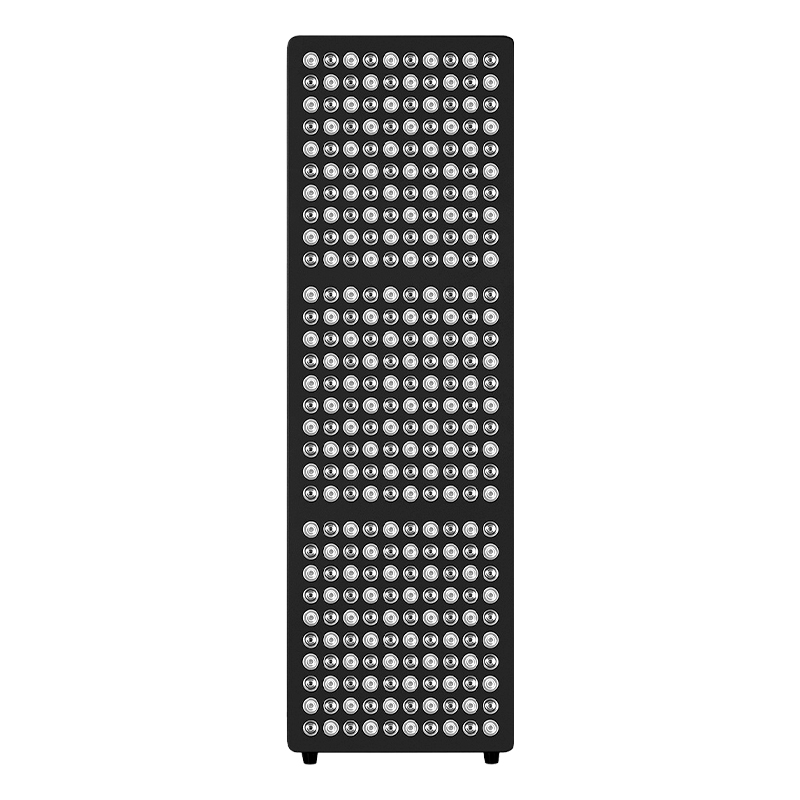
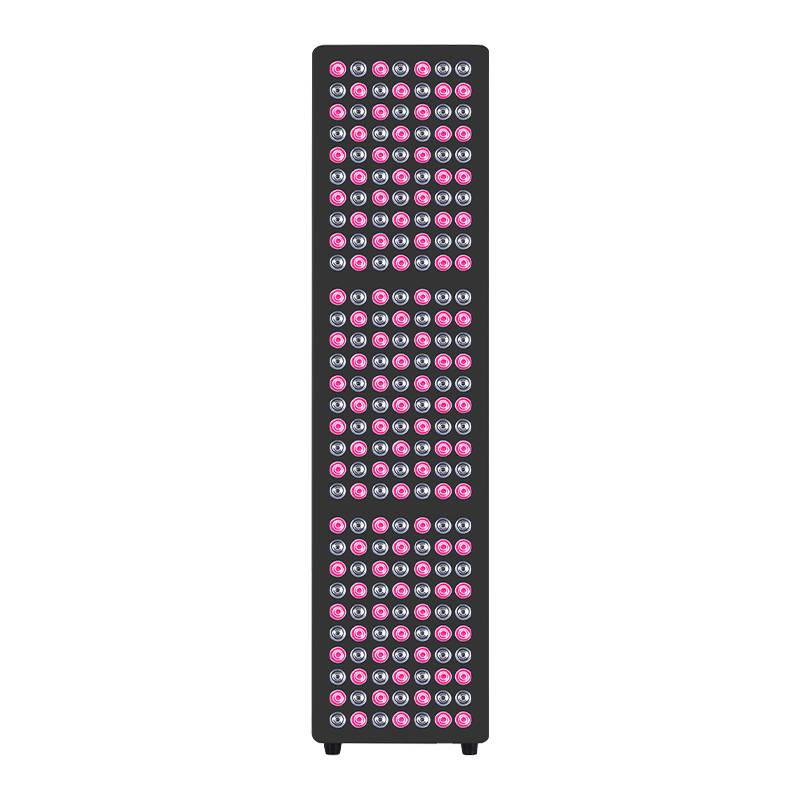
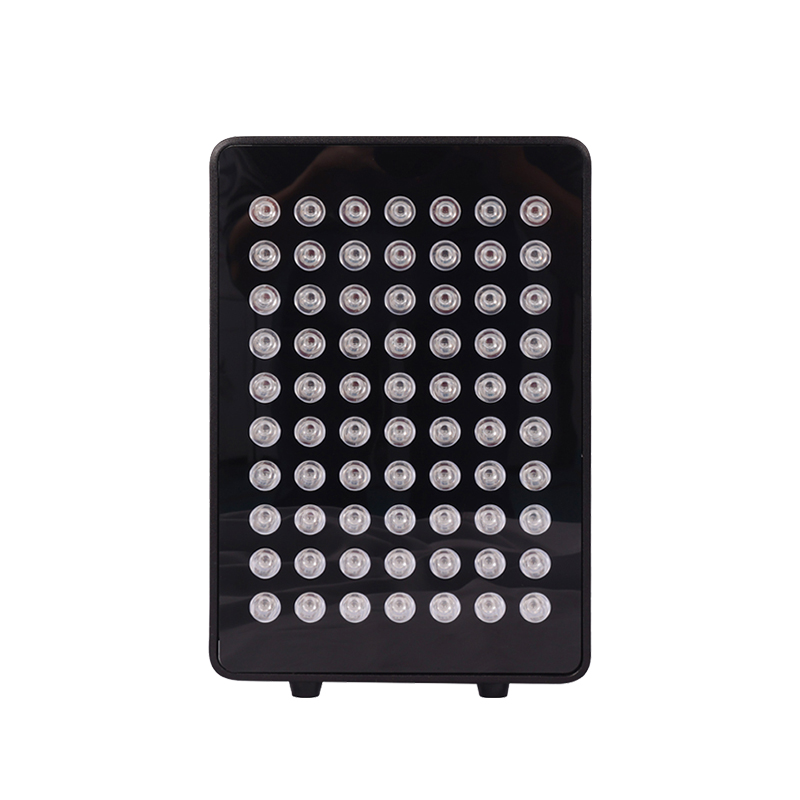
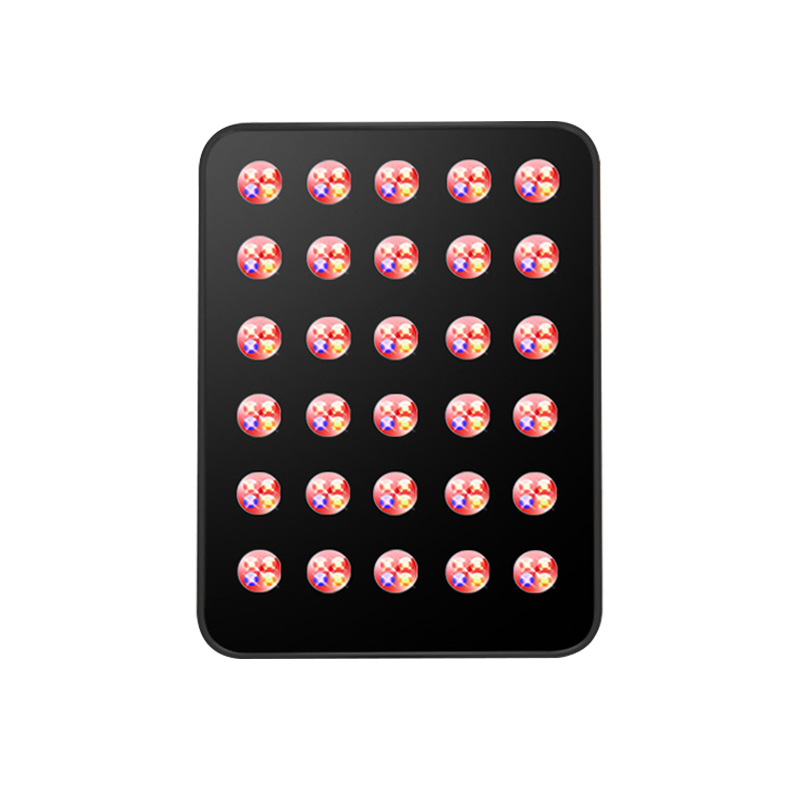
Q1: Ka tino whai hua te whakamaarama rama whero mo te mamae o te rumati?
A: Ae, He maha nga rangahau haumanu kua whakaatu ka taea e te rongoa rama whero te whakaiti i te mamae me te mumura e pa ana ki te osteoarthritis me te rumati rumati, ka pai ake te nekeneke me te kounga o te oranga.
Q2: He aha te momo rewharewha he rongoa rama whero te pai mo?
A: It has shown positive results for both major types. It is widely studied forosteoarthritis (especially in knees and hands) and is also beneficial forrumati rūmātiki due to its potent anti-inflammatory effects.
Q3: Is red light therapy safe for arthritic joints?
A: Tino. Karekau he urutomo, tarukino-kore, and does not use harmful UV radiation. It is considered very safe when used as directed, with few to no side effects.
Q4: How soon will I feel results?
A: Some users feel a reduction in pain and stiffness after just a few sessions. Heoi ano, for lasting, significant improvement, most people needseveral weeks of consistent use (e.g., daily for 3-6 wiki).
Q5: Which is better for deep joint pain, rama whero tata-infrared ranei?
A: Tata-infrared (NIR) marama has a longer wavelength and penetrates deeper into the body, making it generally more effective for reaching hip, turi, and spinal joints. Many high-quality devices combine both for comprehensive treatment.
Q6: Can I use red light therapy alongside my arthritis medications?
A: Ae. Red light therapy is a complementary therapy and does not interfere with most medications. Ina hoki, it may enhance your overall management plan. Heoi ano, you should alwaysinform your doctor about all therapies you are using.
Q7: How long should I treat each arthritic joint?
A: A typical session lasts10 ki 20 minutes per joint area. Hei tauira, you would treat each knee for 10-20 meneti. Always follow the specific guidelines for your device.
Q8: He paanga taha?
A: Side effects are rare and mild. Some people might experience temporary, slight redness or warmth in the area. It is crucial to protect your eyes with appropriate goggles during treatment.
Q9: Do I need a prescription device?
A: Kao, you do not need a prescription to purchase a high-quality home device. Heoi ano, clinical-grade units used by professionals are more powerful. Mo te kainga, look for a reputable brand that provides third-party testing data on its power output (raratanga).
Q10: Where is the best place to use the light on my body?
A: Apply the lightdirectly to the skin over the painful and inflamed joints. Hei tauira, target the front and sides of the knee for knee osteoarthritis, or shine the light directly on the knuckles for hand arthritis.