Kupu Whakataki
Mena kua pa ki a koe he whara ACL, kei te pirangi pea koe ki te rapu huarahi hei tere ake i to whakaora me te hoki wawe ki o mahi noa. Ko te rongoa rama whero kua rongonui hei kore – te maimoatanga kino me te whai hua pea mo te whakaora ACL. Engari me pehea e tino whakamahia ai e koe? I roto i tenei aratohu mahi, ka haere koe i roto i nga mea katoa e hiahia ana koe ki te mohio mo te whakamahi i te whakamaarama rama whero mo te whakaora ACL.
Te whiriwhiri i te Pūrere Whakaora Marama Whero Matau
1. Whiriwhiringa Roa Ngaru
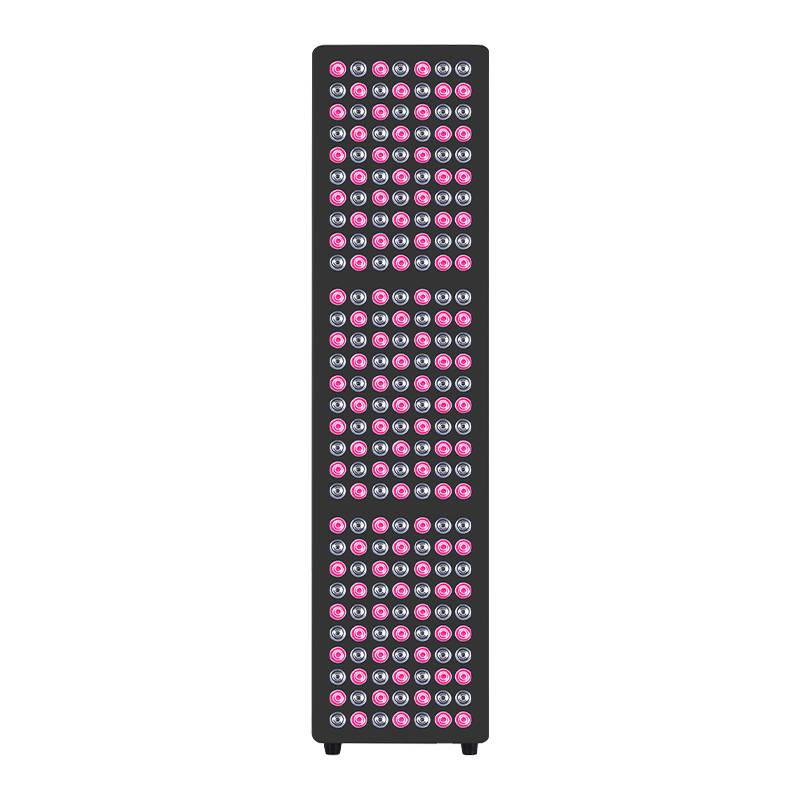
- Ka rite ki te korero i mua, Ka whakamahia e te rongoa rama whero nga roangaru motuhake. Mo te whakaora ACL, he huinga whero (630 – 670 nm) me te tata – pōkākā (800 – 850 nm) he maha nga wa ka tūtohuhia te marama. He pai ake te rama whero mo te mata – ka taea te awhina i te mamae me te whakaiti i te mumura i roto i te kiri me nga kopa ngohe a tawhio noa. Ka tata – Ka taea e te rama infrared te kuhu hohonu ki roto i te tinana, ka tae ki te ACL ligament ake, te whakatairanga i te whakatikatika me te whakahou i nga pūtau. Rapua he taputapu e tuku ana i nga roangaru e rua, ka taea ranei e koe te huri i waenga.
2. Putanga Mana
- Ko te putanga mana o te taputapu whakamaarama rama whero, ine i roto i te miliwatts (mW), ka whakatau i te kaha o te marama. Ko te kaha ake o te whakaputanga hiko ka nui ake te kaha ka tukuna ki nga kopa, ka whai hua mo nga hua tere ake. Heoi ano, he mea nui ki te whiriwhiri i tetahi taputapu me te putanga hiko tika mo o hiahia. Mo i – whakamahi whare, he taputapu whai mana whakaputa i roto i te awhe o 100 – 500 He pai tonu te mW. Mena kei te whakamahi koe i roto i te waahi haumanu, teitei – Ka waatea pea nga taputapu hiko i raro i te tirotiro a tetahi tohunga.
3. Momo Pūrere
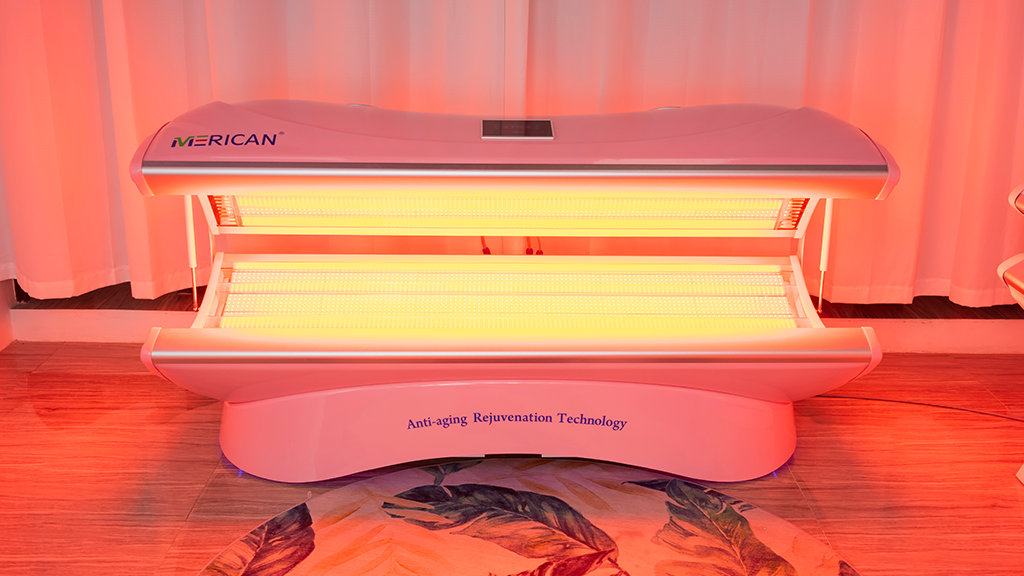
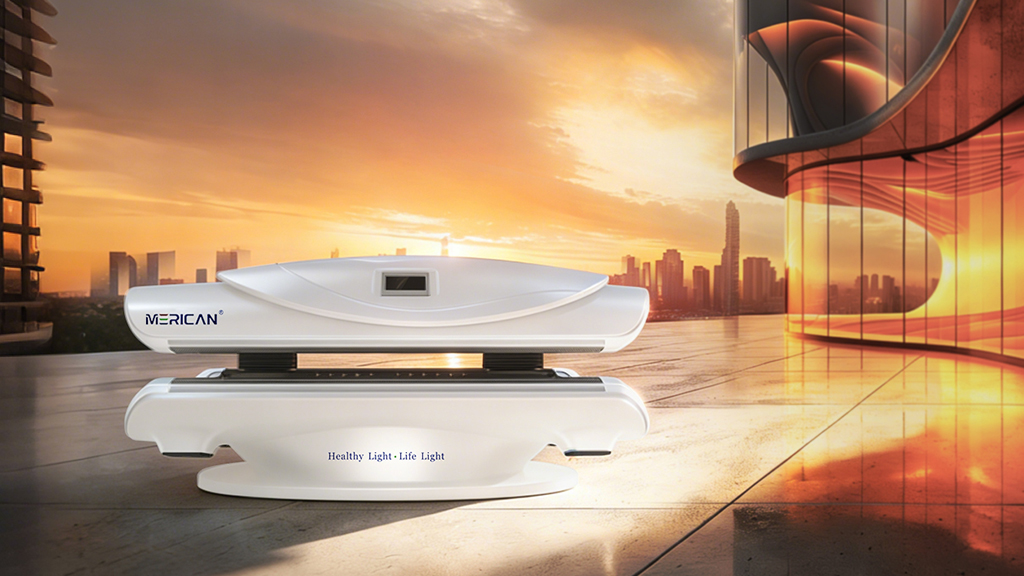
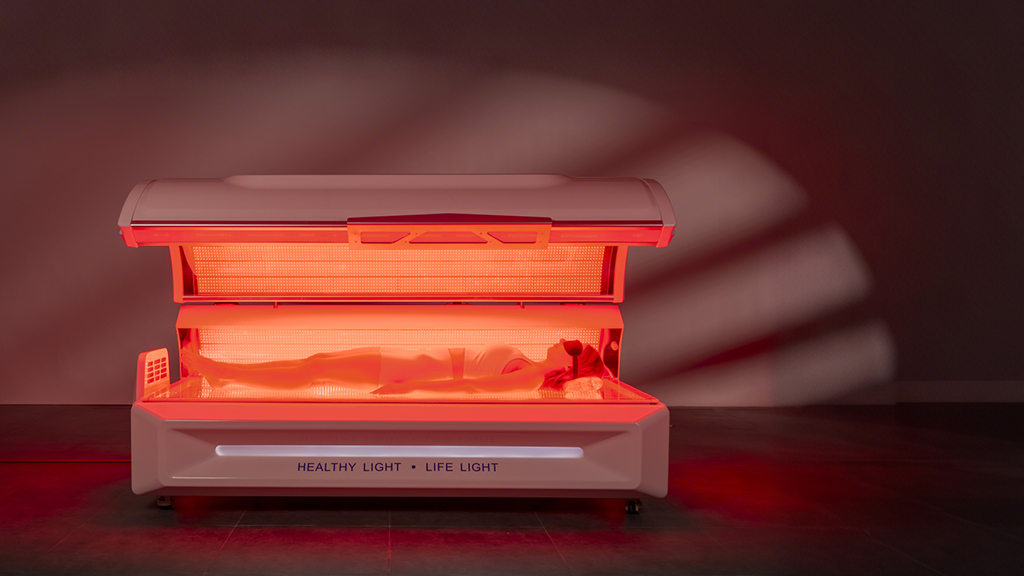
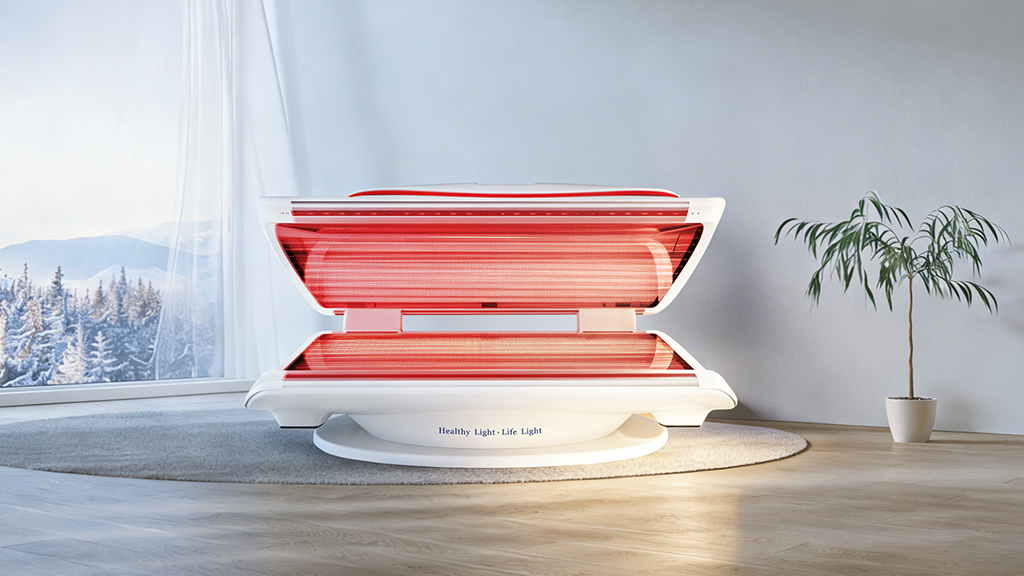
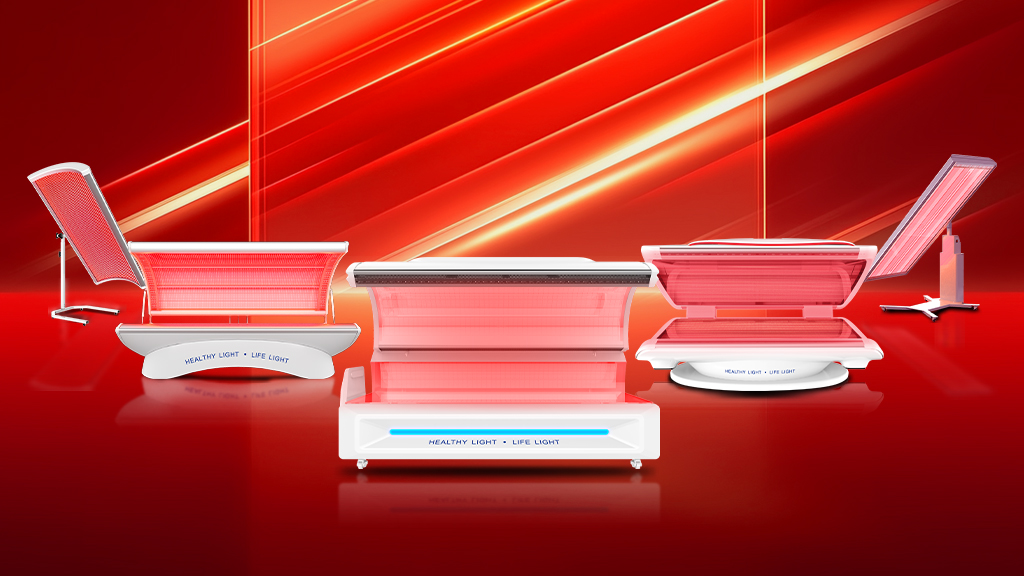
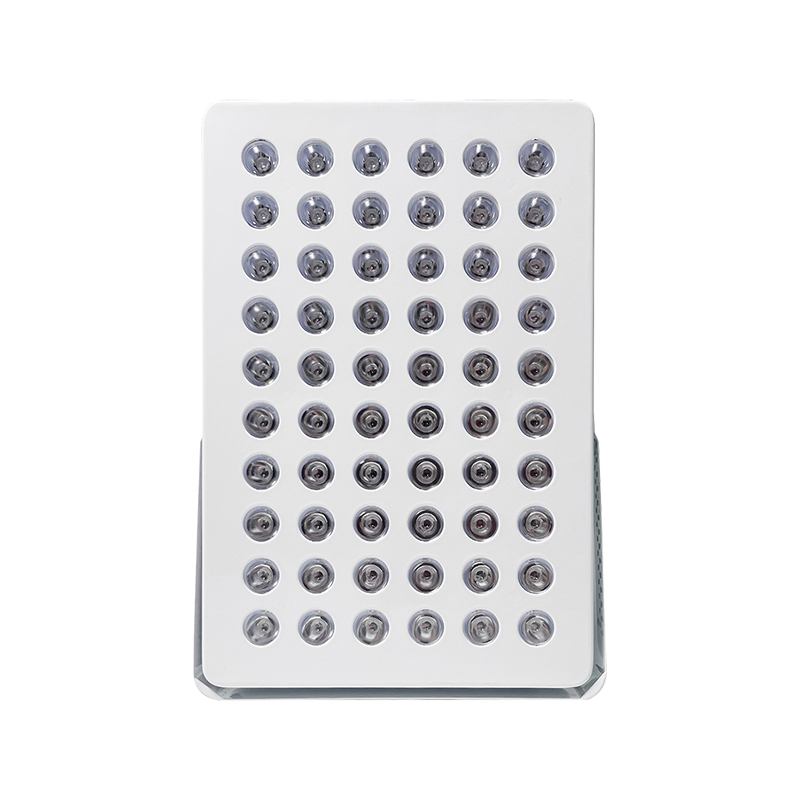
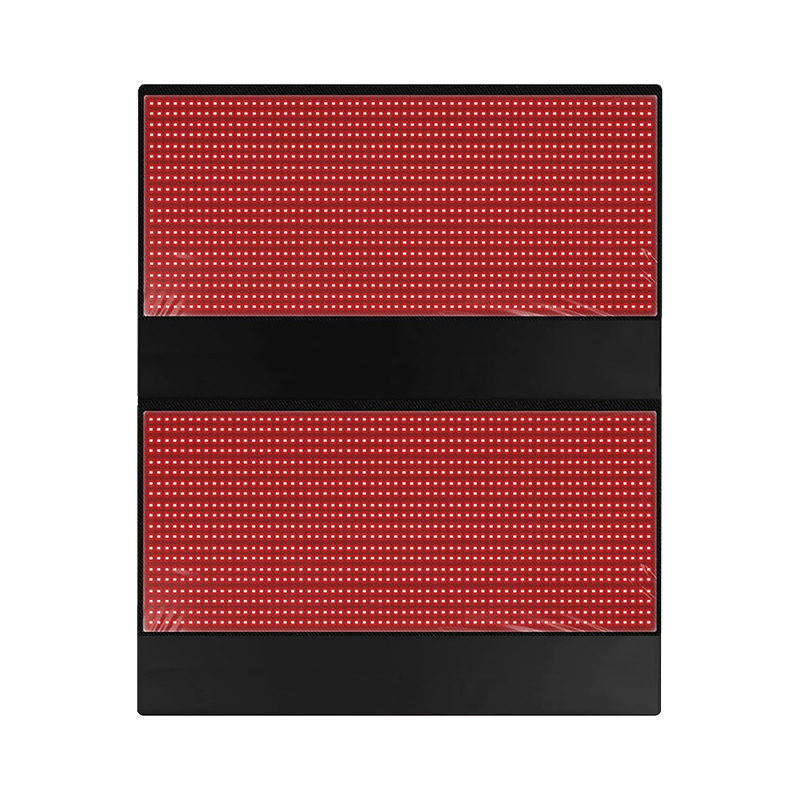
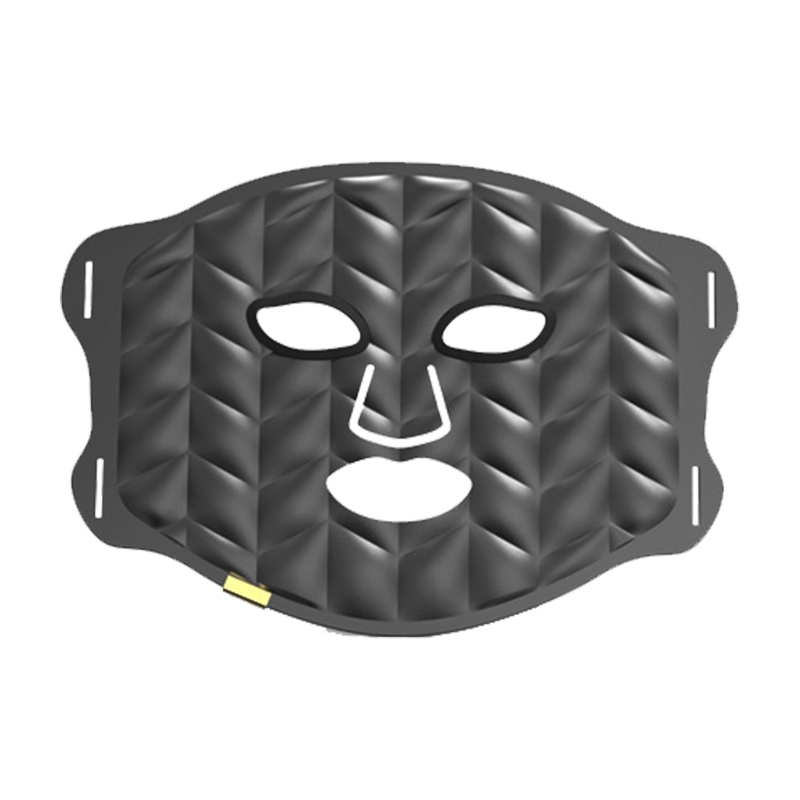
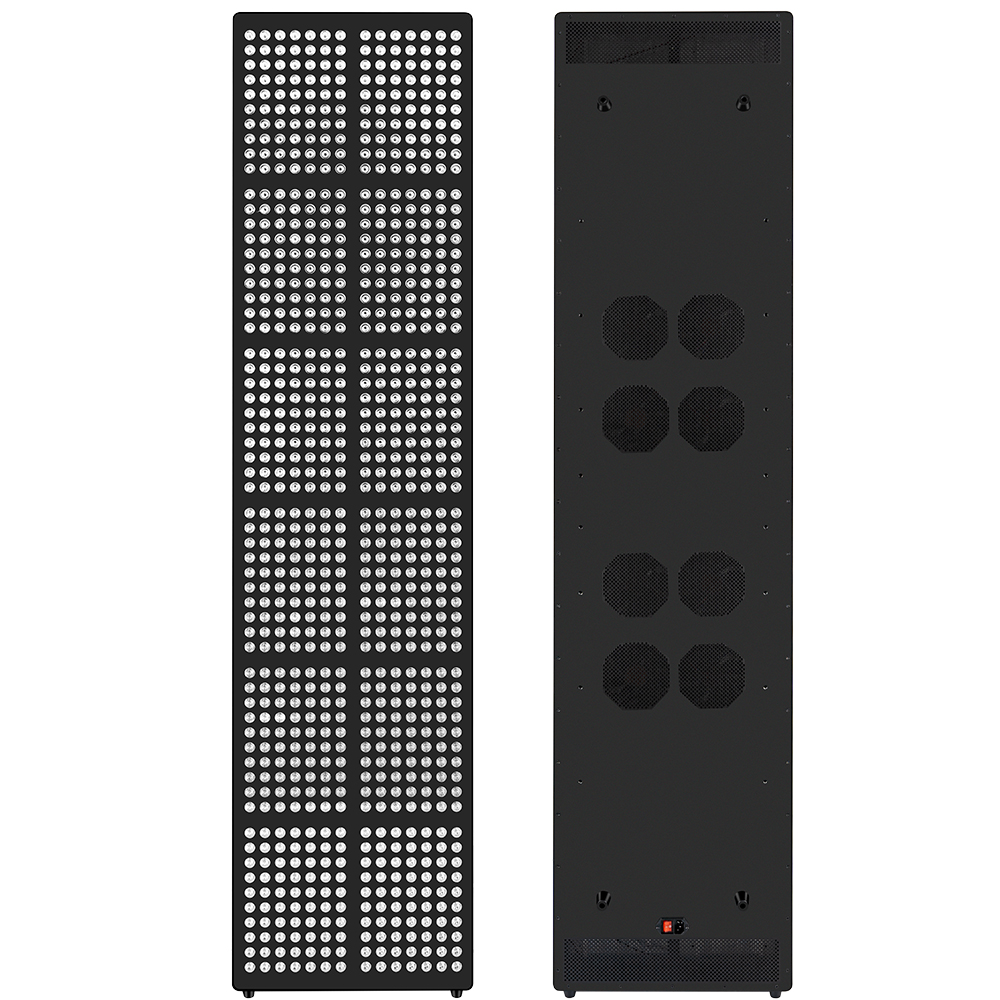
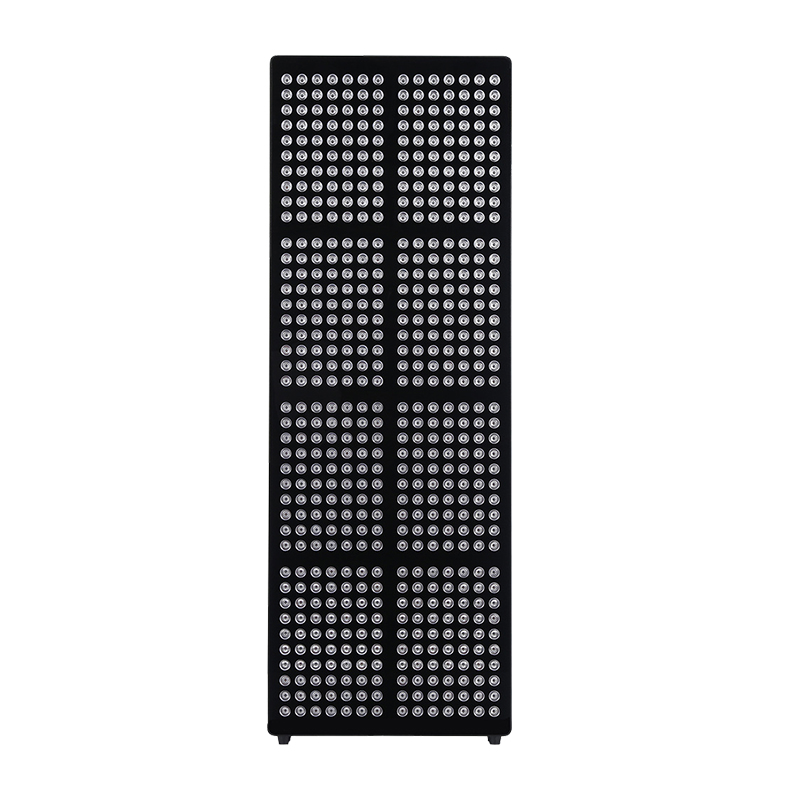
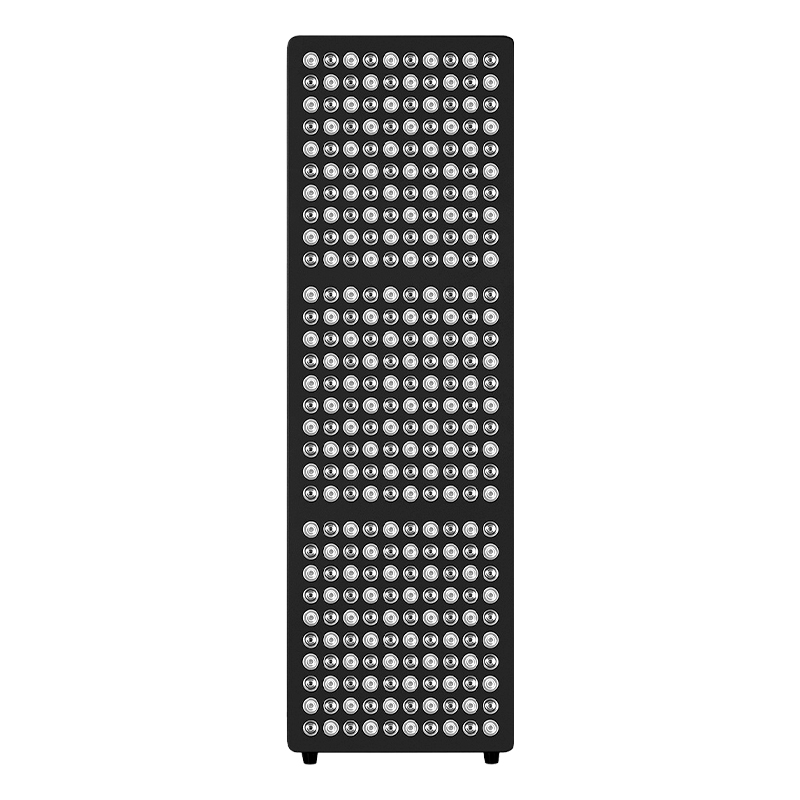
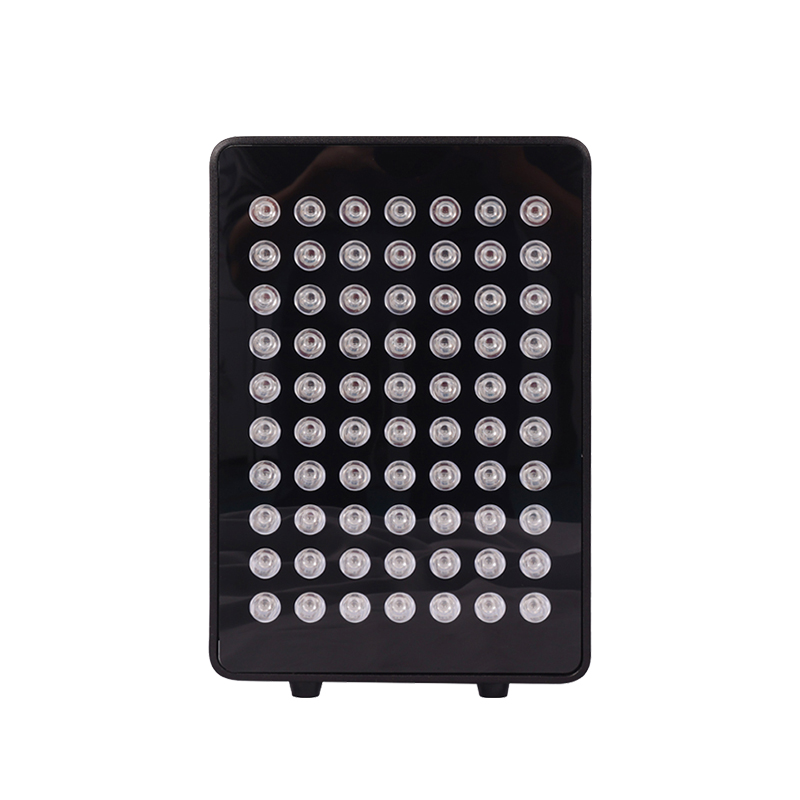
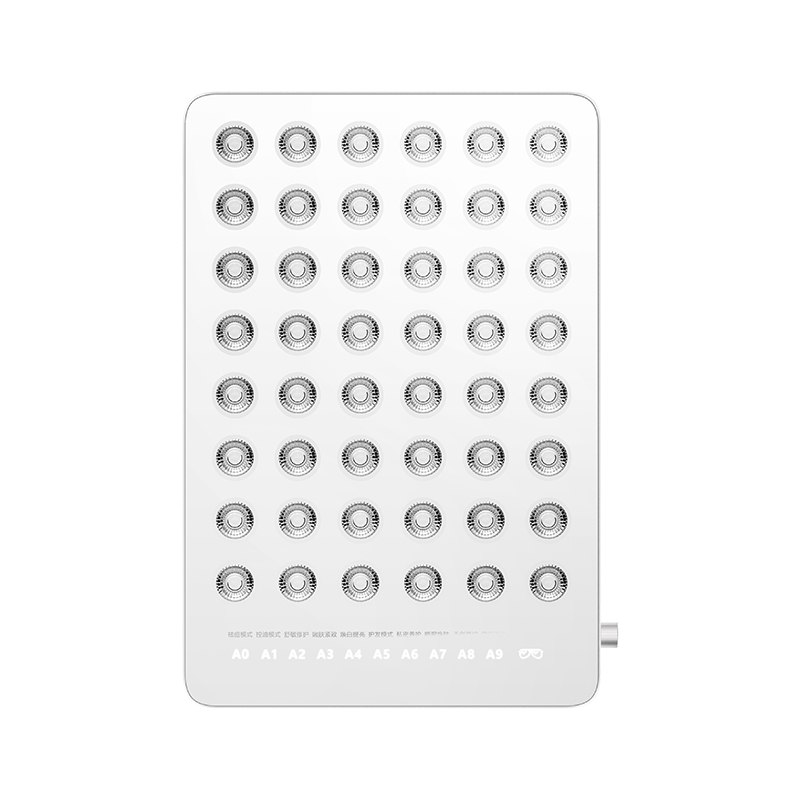
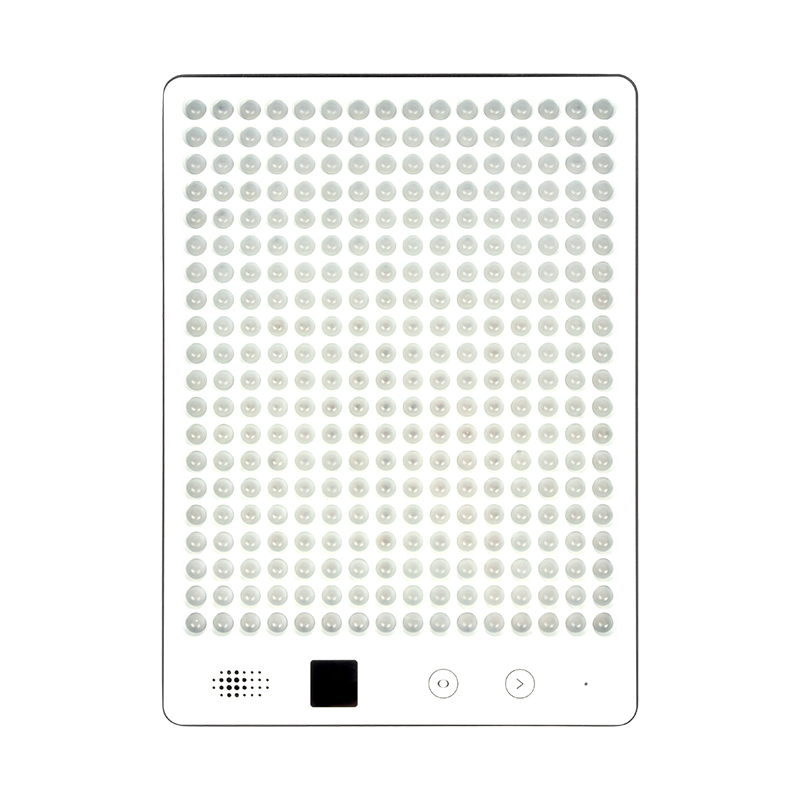
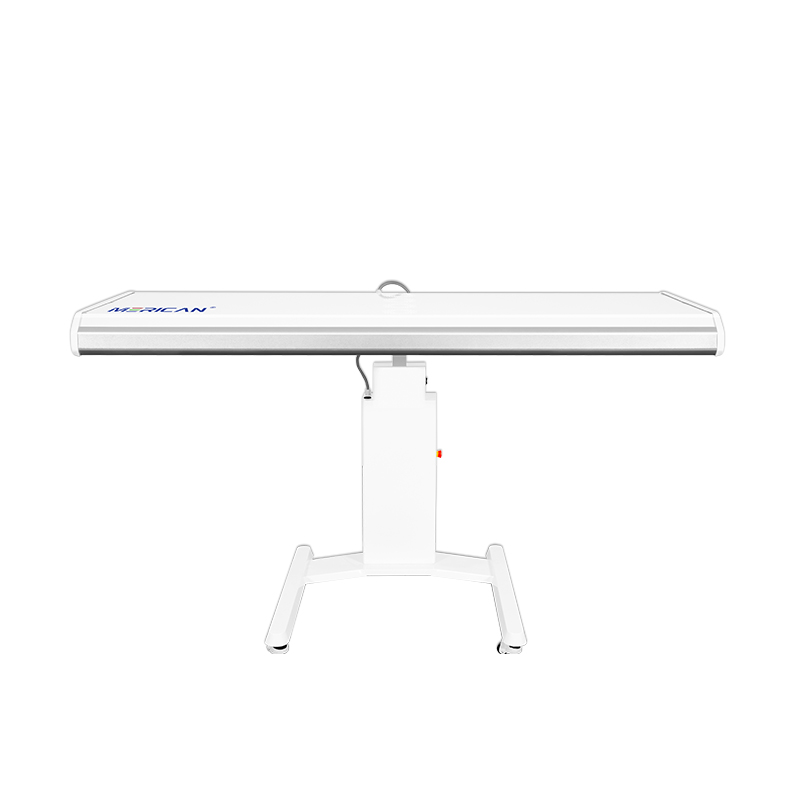
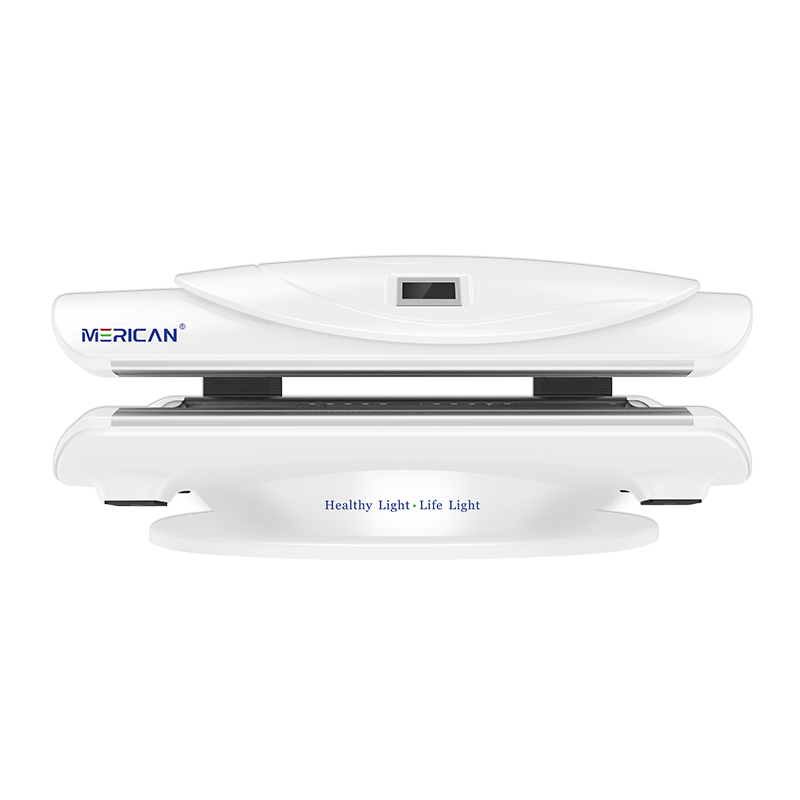
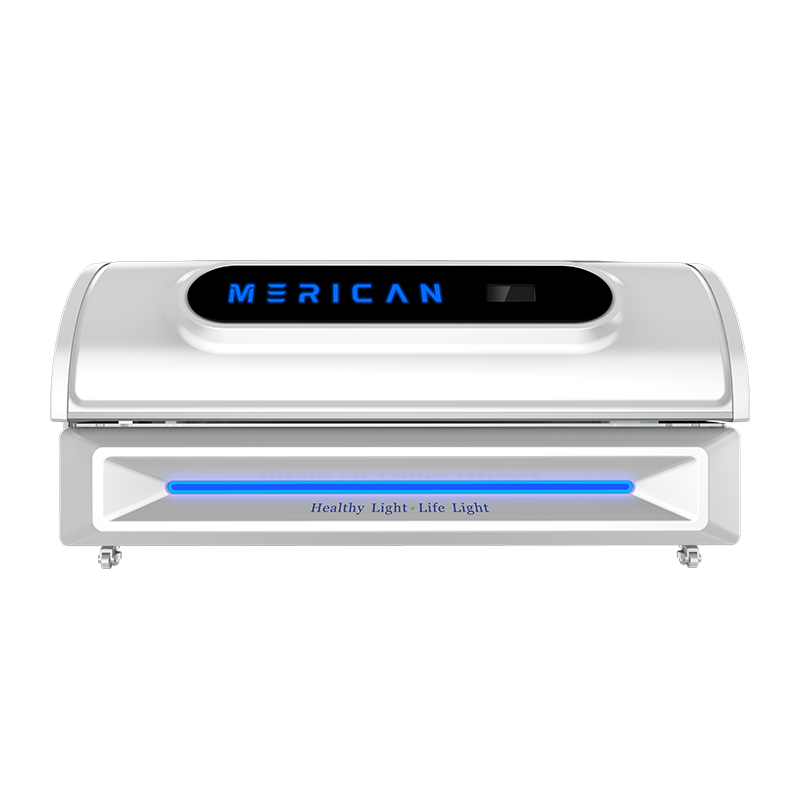
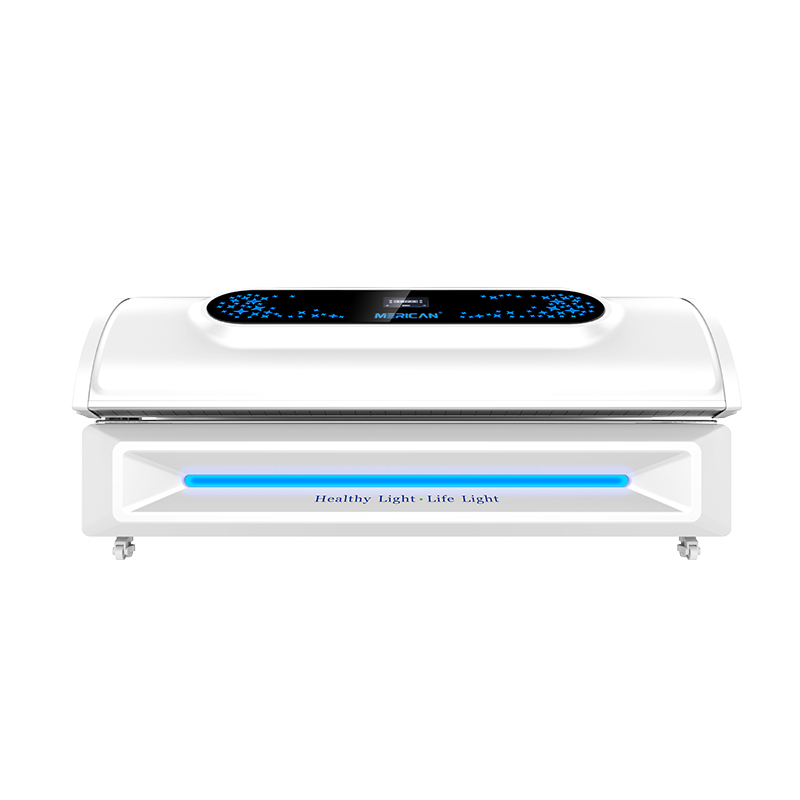
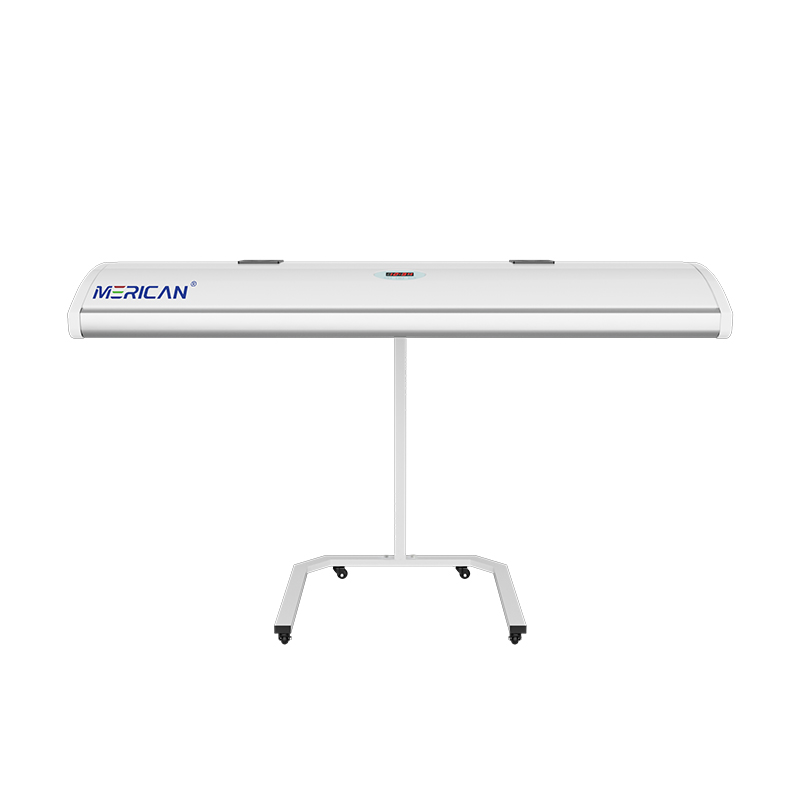
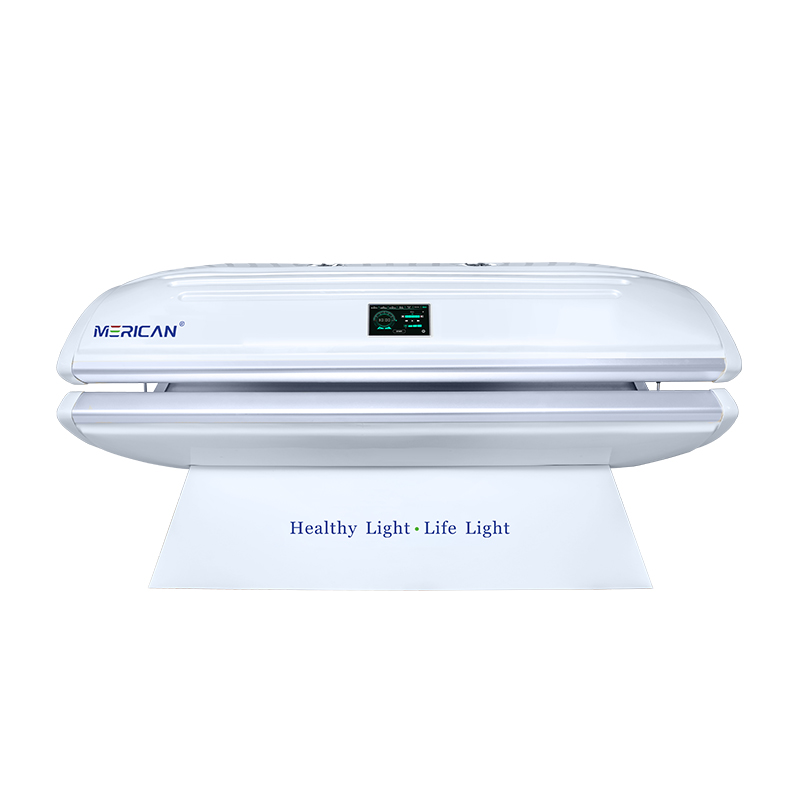
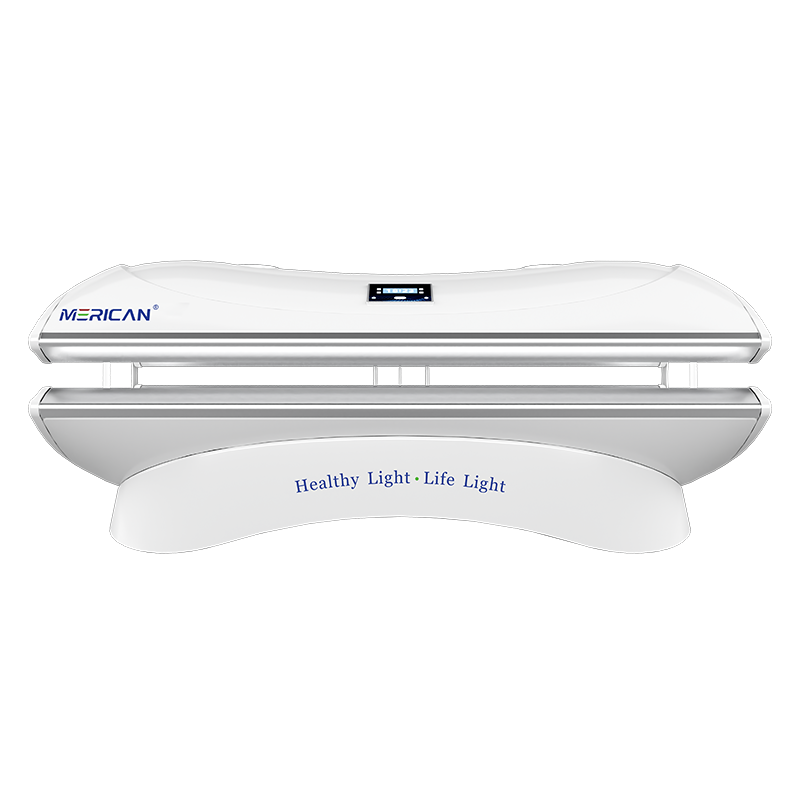
- He maha nga momo taputapu rongoa rama whero kei runga i te maakete, tae atu ki nga toka ringaringa, panui, me te ki tonu – moenga tinana. Mo te whakaora ACL, he pai te kowhiringa he toka a-ringa, he panui ranei ka taea te whakanoho ki runga i te hononga turi. He ngawari ake te whai waahi ki nga waahi motuhake huri noa i te turi, i te mea ka taea e nga panui te kapi i te waahi nui ake, ka nui ake te maarama marama.
Kawa maimoatanga
1. Auautanga maimoatanga
- Tīmata ki te auau maimoatanga o 3 – 5 wa ia wiki. Ko te riterite te mea matua ina tae mai ki te whakamaarama rama whero. Ko nga maimoatanga i ia wa ka taea e nga pūtau te tuku tonu o te hiko marama whai hua, te whakatairanga i te tukanga whakaora. I te wa e haere ana to whakaoranga ka timata koe ki te kite i nga whakapainga, ka taea e koe te whakaiti i te auau ki 2 – 3 wa ia wiki.
2. Te roa o te maimoatanga
- Mo ia waahi maimoatanga, timata ki te roanga o 10 – 15 meneti. I te wa e waia ana to tinana ki te maimoatanga kaore koe e pa ki nga paanga kino, ka taea e koe te whakanui i te roanga ki 20 – 30 meneti mo ia wahanga. Heoi ano, karo atu – te whakaatu i a koe ki te marama, i te mea karekau pea te nui o te rongo e whai hua atu, ka raru pea te kiri.
3. Tawhiti mai i te Pūrere
- He mea nui ano te tawhiti i waenga i te taputapu whakamaarama rama whero me to turi. Ko te tikanga, he tawhiti o 6 – 12 e taunaki ana nga inihi. Ma tenei ka taea te kuhu marama me te whakaurunga e nga kopa. Whaia nga tohutohu a te kaihanga mo te tawhiti e taunaki ana mo to taputapu motuhake.
Te Whakakotahi i te Whakaora Marama Whero me etahi atu Tikanga Whakaora
1. Te Hauora Tinana
- Me whakamahi te whakamaarama rama whero me te kaupapa whakamaarama tinana. Ka awhina nga mahi whakamaarama tinana ki te whakapai ake i te awhe o nga nekehanga, whakakaha i nga uaua huri noa i te turi, me te whakaora i te mahi noa. Ko te anti – mumura me te mamae – ma te whakamaarama i nga paanga o te whakamaarama rama whero ka ngawari ake koe ki te uru atu ki nga waahi whakamaarama tinana me te mahi pai ake i nga mahi..
2. Okioki me te Whakaora
- He mea nui te okiokinga tika mo te whakaora ACL. Ahakoa ka taea e te whakamaarama rama whero te whakatairanga i te whakaora, kei te hiahia tonu to tinana ki te whakatika me te whakahou. Kia nui te moe ia po me te karo i te whakapau kaha i roto i te waa whakaora. Ka taea te whakamahi i te whakamaarama rama whero i nga wa okiokinga kia pai ake ai te mahi whakaora.
Nga Whakatupato me nga Whakaaro Haumaru
1. Tiaki kanohi
- Ko nga taputapu whakamaarama rama whero e tuku ana i te rama kanapa ka kino ki nga kanohi. Mau tonu te tiaki kanohi tika, përä i te mohiti i hangaia mo te whakamaarama rama whero, i te wa e whakamahi ana i te taputapu. He mea tino nui tenei mena kei te whakamahi koe i tetahi taputapu e tuku tata ana – rama infrared, i te mea kaore e kitea e te kanohi tahanga engari ka taea tonu te kino o te kanohi.
2. Te kiri kiri
- Ko etahi o nga tangata ka nui ake te kiri tairongo i era atu. Mena kei a koe he hitori o nga mate kiri, he ngawari ranei ki te mamae kiri, Me timata me nga waahi maimoatanga poto ake me te iti o nga tautuhinga hiko kia kitea ai te ahua o to kiri. Mena ka wheako koe i te whero, te patito, te mamae ranei, mutu te whakamahi me te korero ki tetahi tohunga hauora.
Whakamutunga
Ka taea e te whakamaarama rama whero he taputapu nui mo to haerenga whakaora ACL. Ma te whiriwhiri i te taputapu tika, whai i te kawa maimoatanga tika, te whakakotahi me etahi atu tikanga whakaora, me te tango i nga whakaritenga e tika ana, ka taea e koe te whakanui ake i ona painga me te tere ake i to whakaora. Kia maumahara ki te korero tonu ki to taakuta, ki te kaiwhakaora tinana ranei i mua i te tiimata i tetahi maimoatanga hou, ina koa kei a koe etahi ahuatanga hauora, awangawanga ranei.