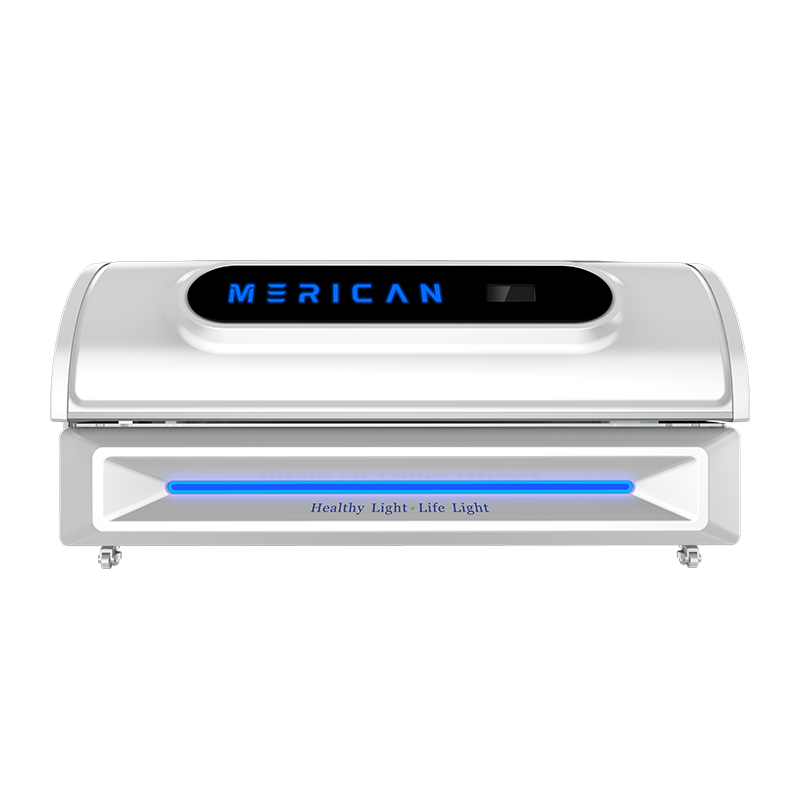
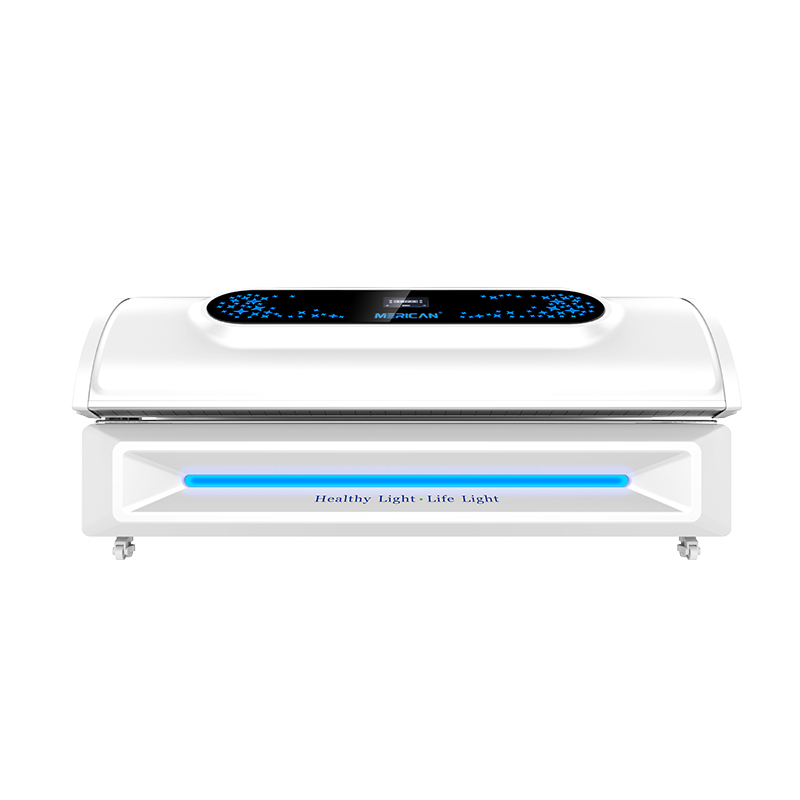
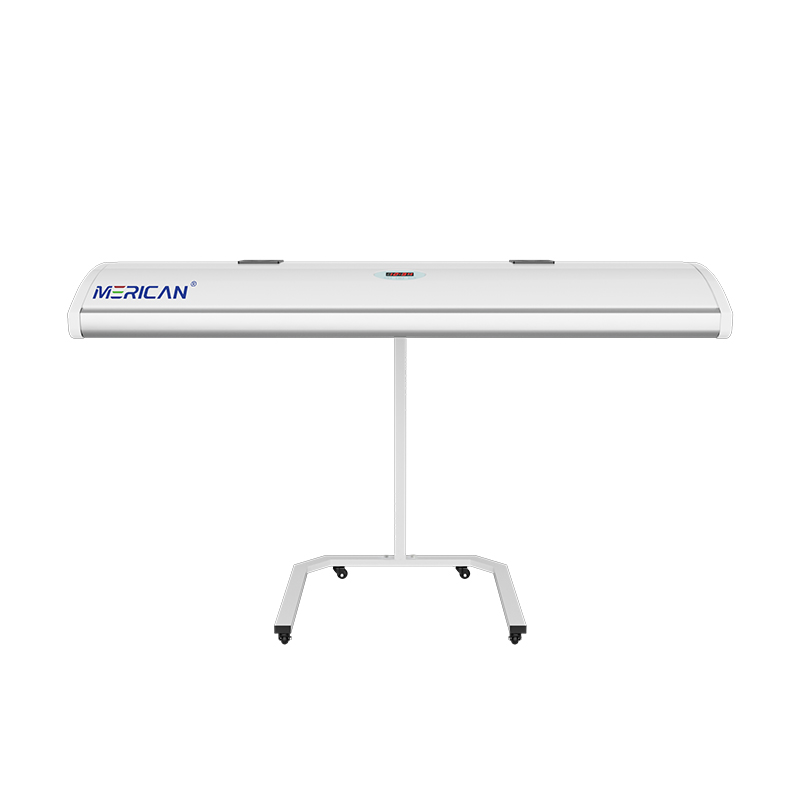
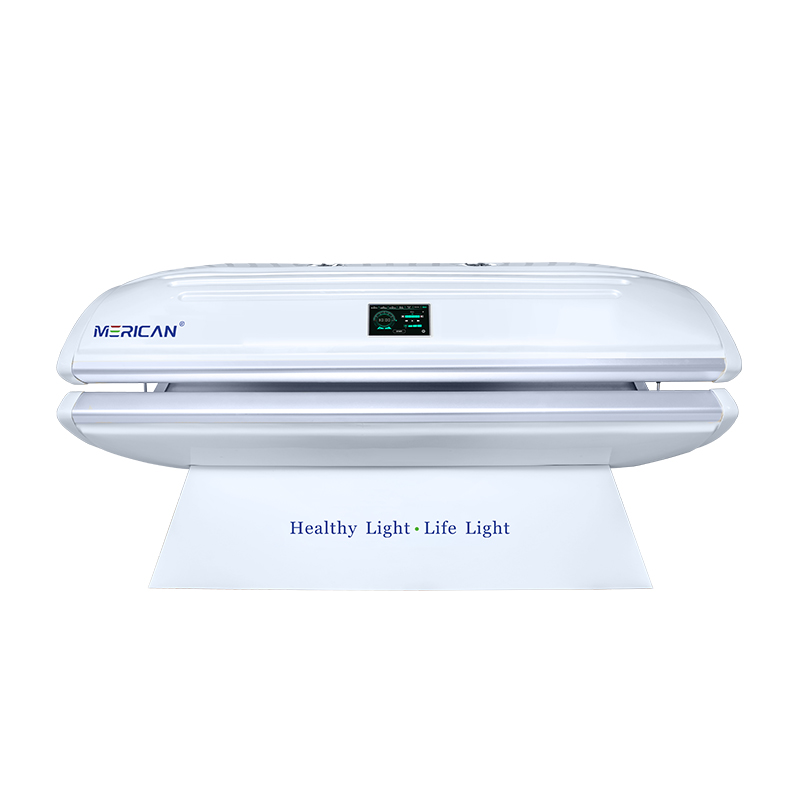
Engari i te patai mena ka mahi te rongoa rama whero, he patai pai ake: ko wai te tino painga me te aha? Kei raro nei he wehewehenga whaihua o nga painga mai i nga keehi whakamahi noa.
1. Benefits for Everyday Wellness Users
For general wellness routines, therapy rama whero pea:
- Support daily energy levels
- Promote relaxation after stress
- Enhance skin appearance over time
Poto, he maha nga wa ka puta nga hua pai ake i nga wa e whakamahia ana ki te kaha teitei.
2. Benefits for Fitness and Active Lifestyles
Athletes and physically active individuals often use red light therapy for:
- Faster post-workout recovery
- Reduced muscle tightness
- Improved training consistency
Near-infrared wavelengths play a key role here.
3. Benefits for Skin and Aesthetic Care
In aesthetic and dermatology settings, benefits include:
- Support for anti-aging treatments
- Improved skin clarity and texture
- Enhanced post-procedure recovery
Consistency and wavelength accuracy are critical for visible results.
4. Benefits for Older Adults
For aging populations, Ka awhina pea te rongoa rama whero:
- Maintain joint comfort
- Support mobility
- Improve skin resilience
Its non-invasive nature makes it suitable for long-term routines.
5. Benefits in Professional and Clinical Environments
Whare haumanu, haumanu, and wellness centers value red light therapy for its:
- Broad application range
- High user tolerance
- Compatibility with other wellness technologies
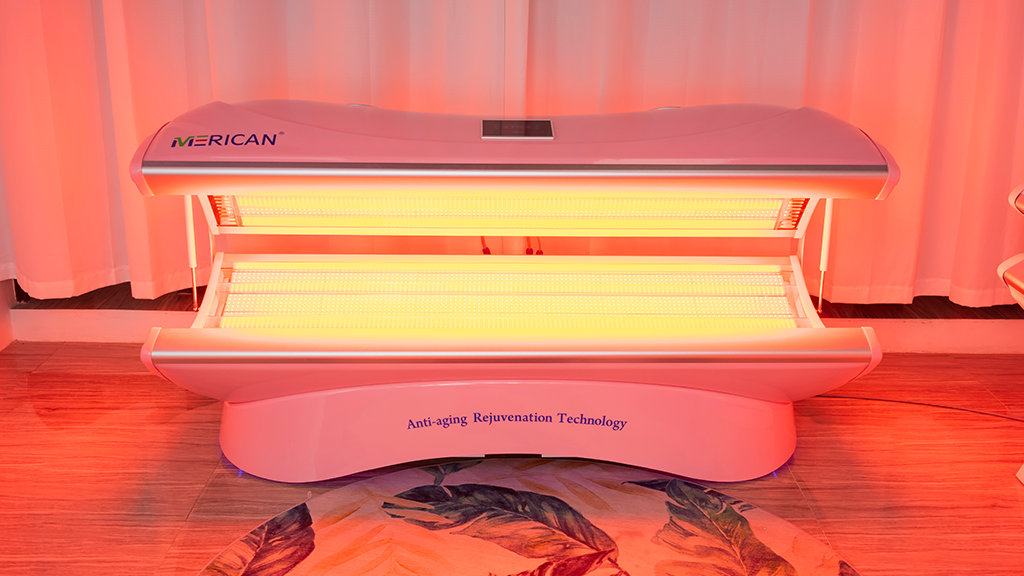
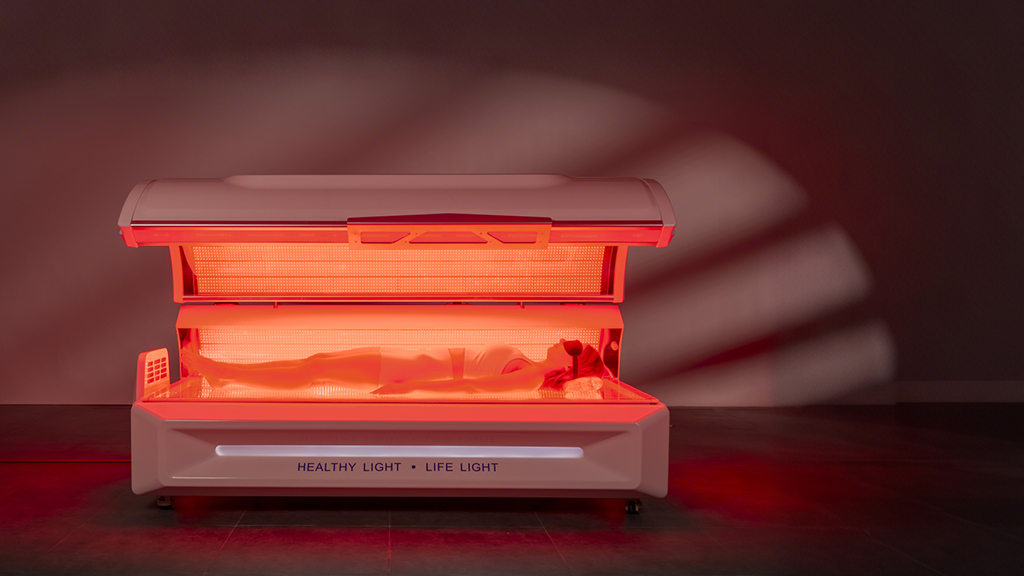
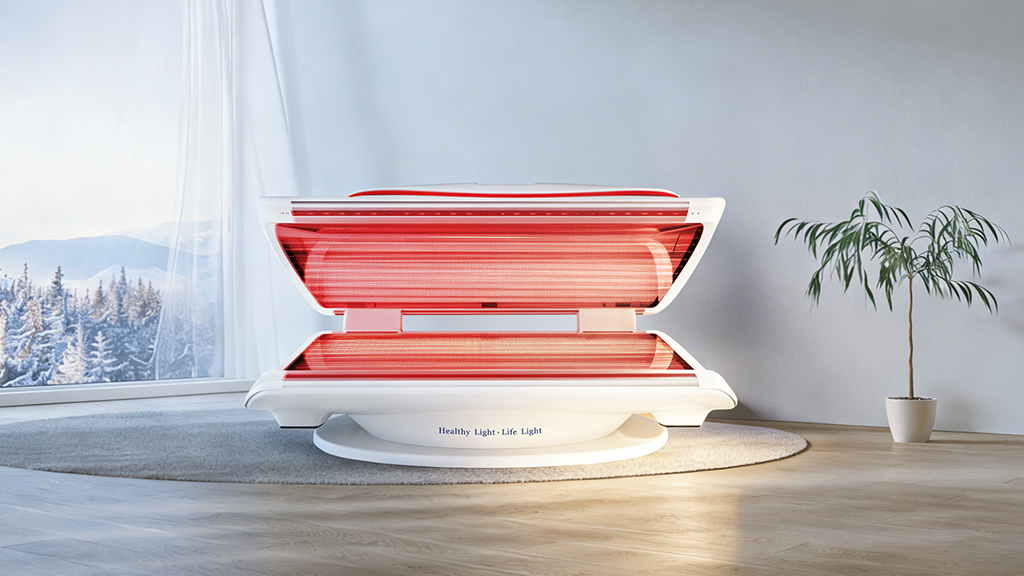
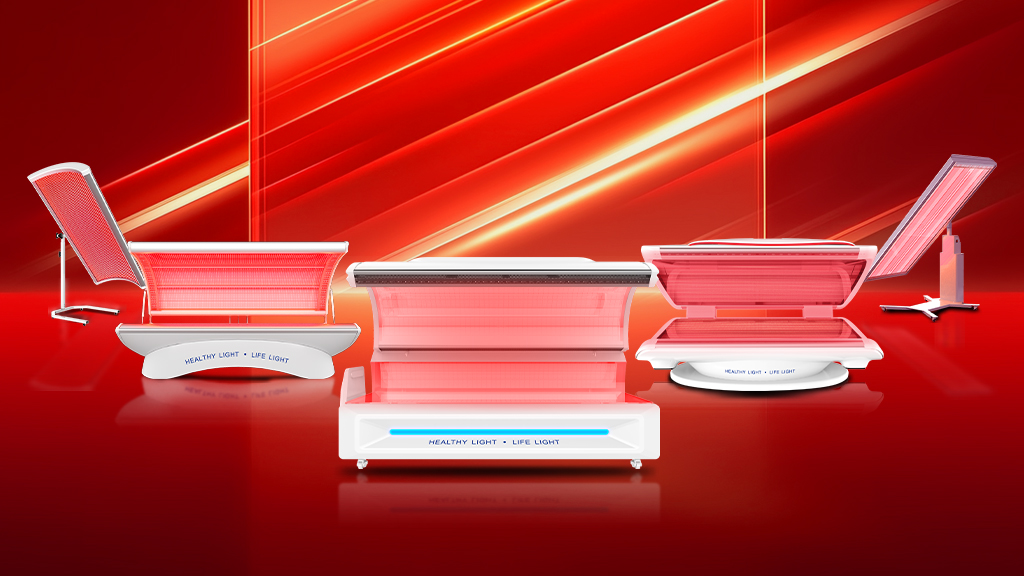
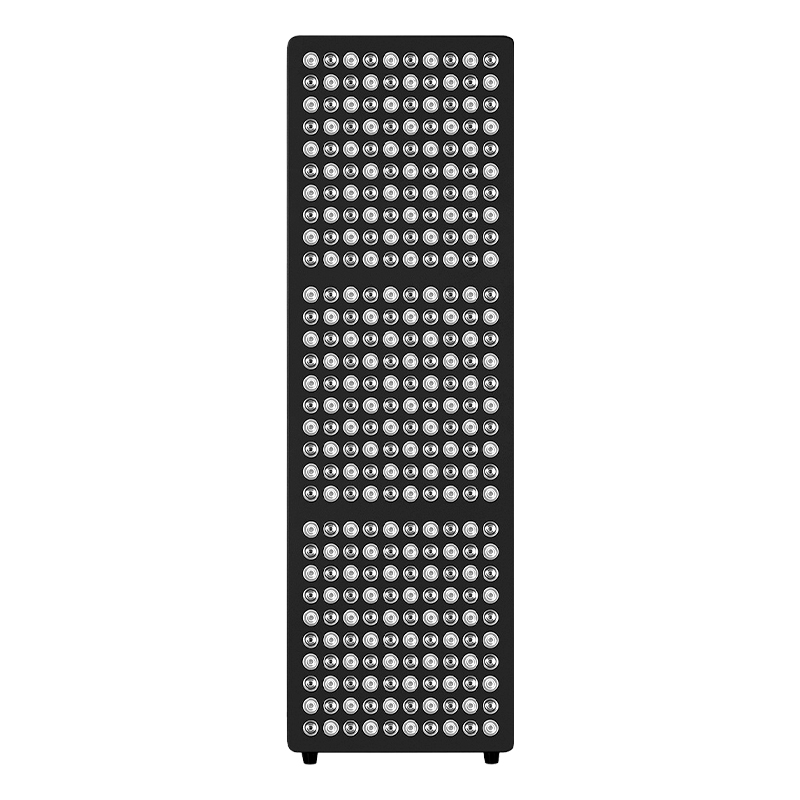
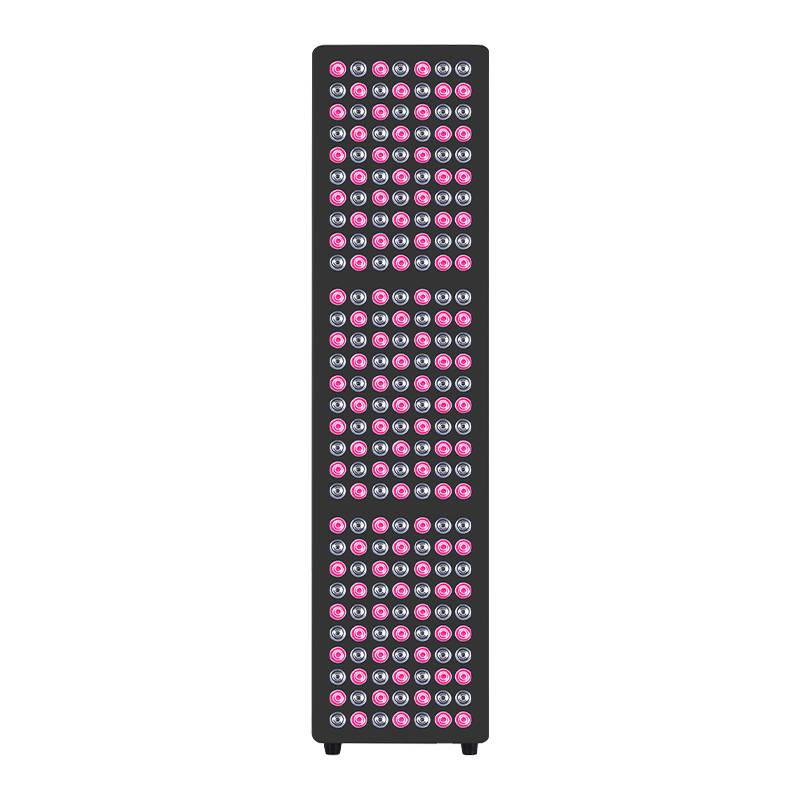
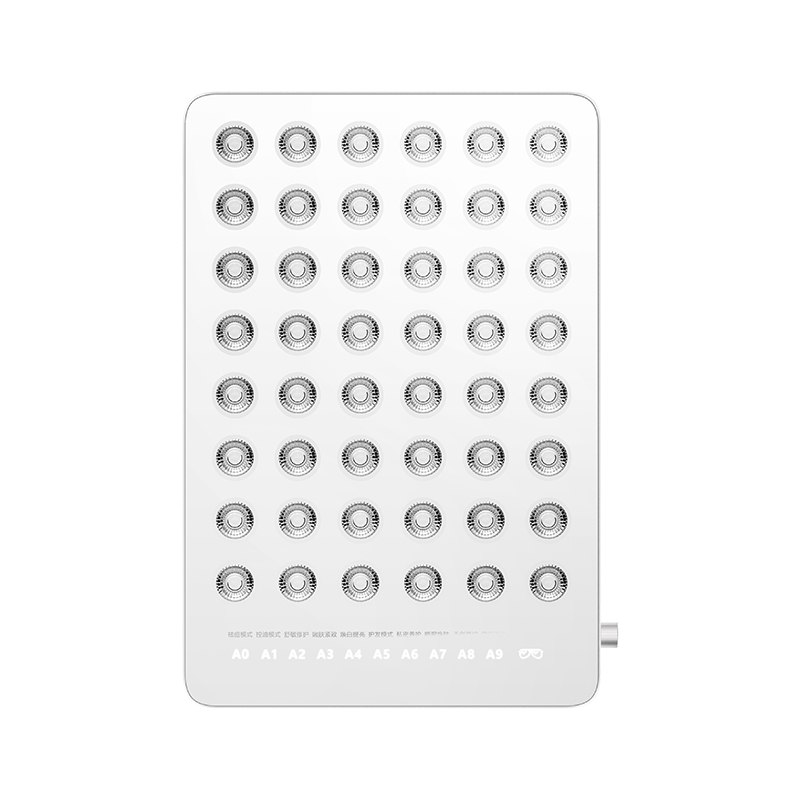
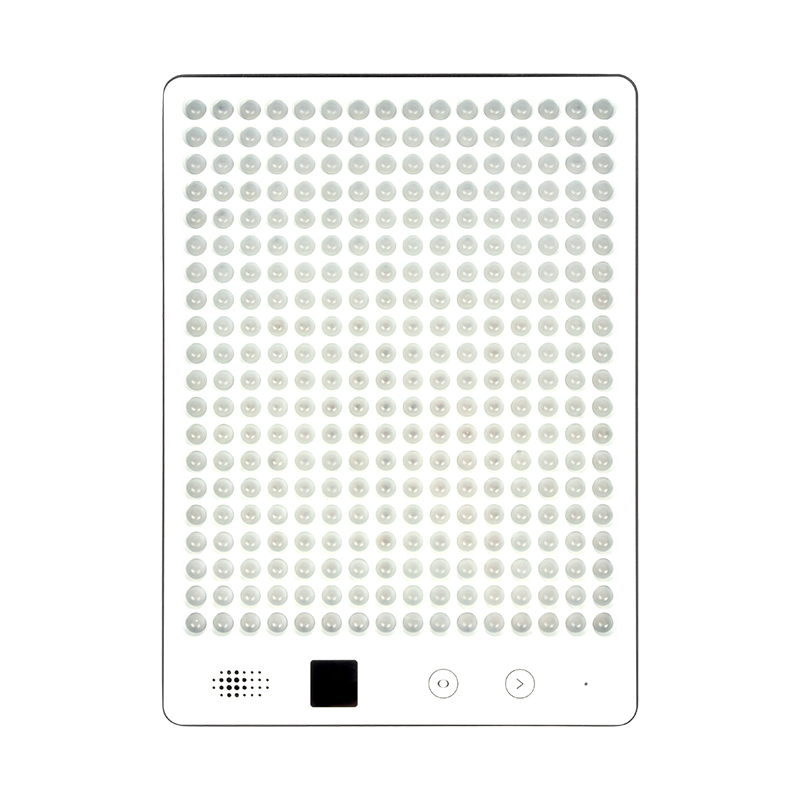
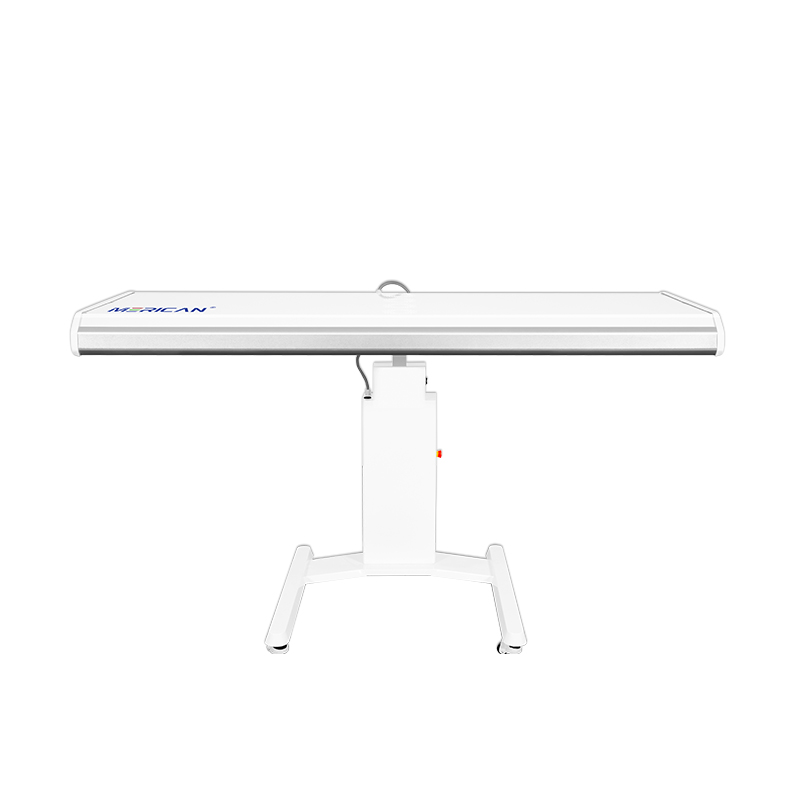
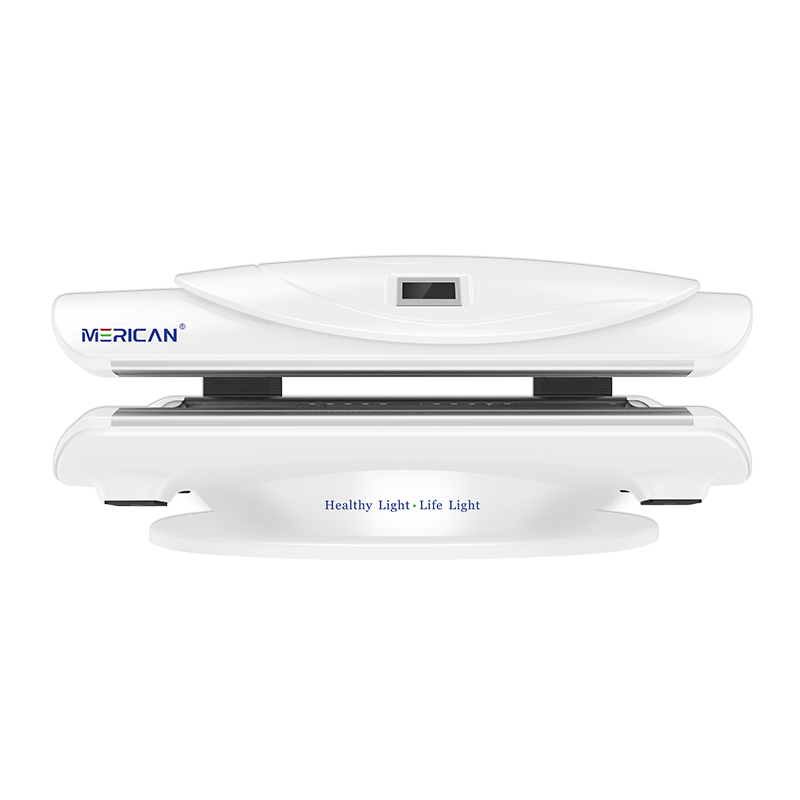
Professional systems provide efficiency and full-body coverage.
6. What Red Light Therapy Does Not Do
To set realistic expectations, therapy rama whero ko kaore:
- An instant cure
- A substitute for medical treatment
- Effective without consistent use
Understanding limitations is key to satisfaction.
Whakamutunga
All benefits of red light therapy depend on matching the right wavelength, tono, and frequency to the user’s goals. Ina whakamahia tika, it serves as a powerful support tool across a wide range of wellness and recovery needs.