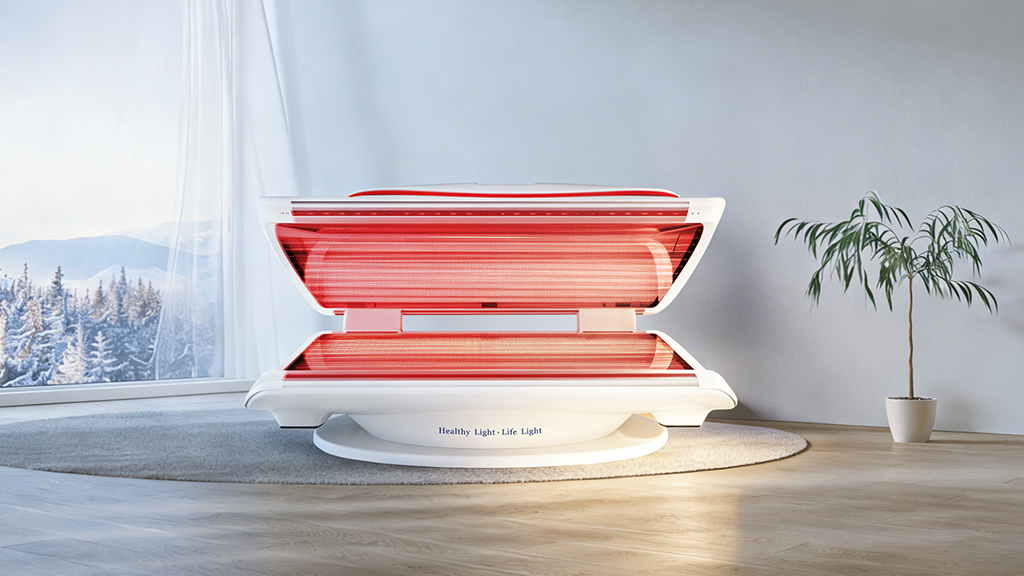
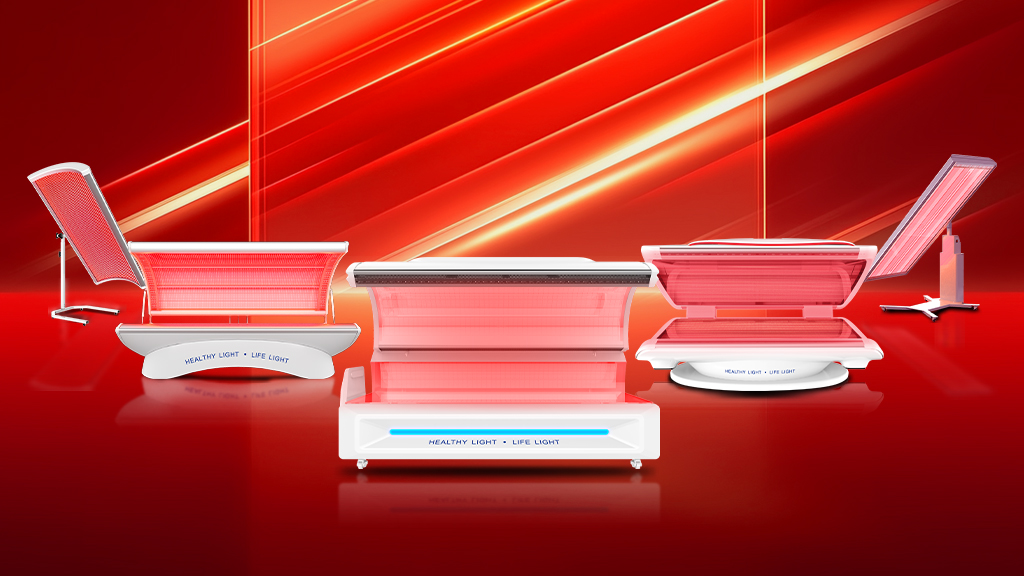
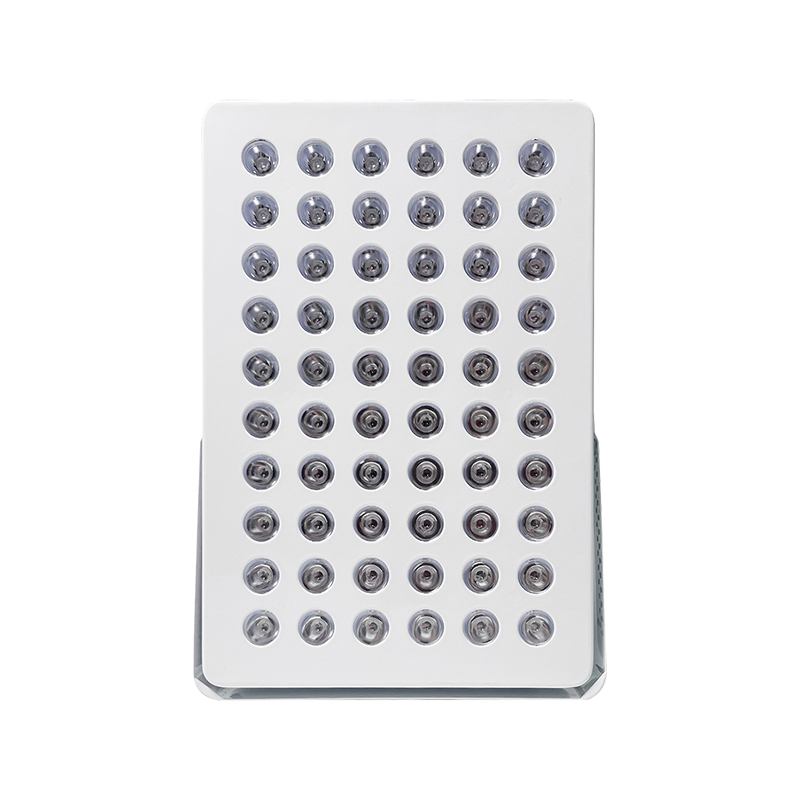
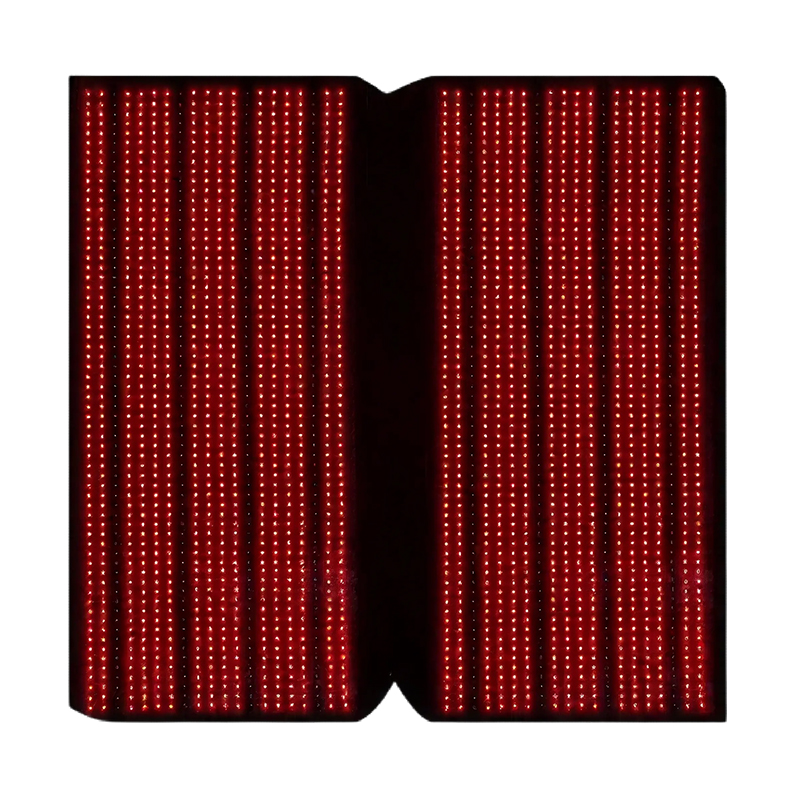
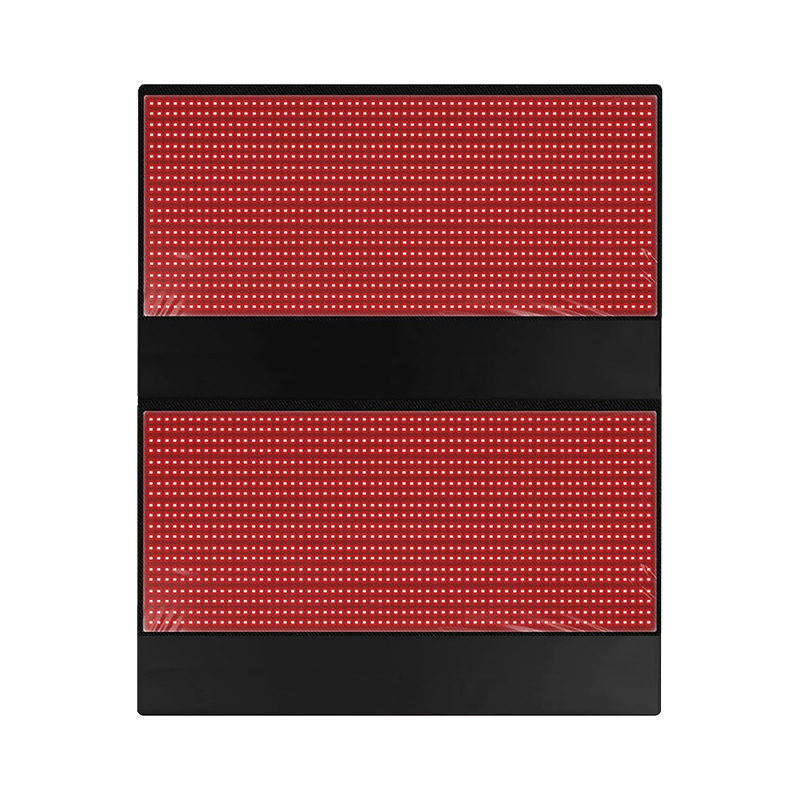
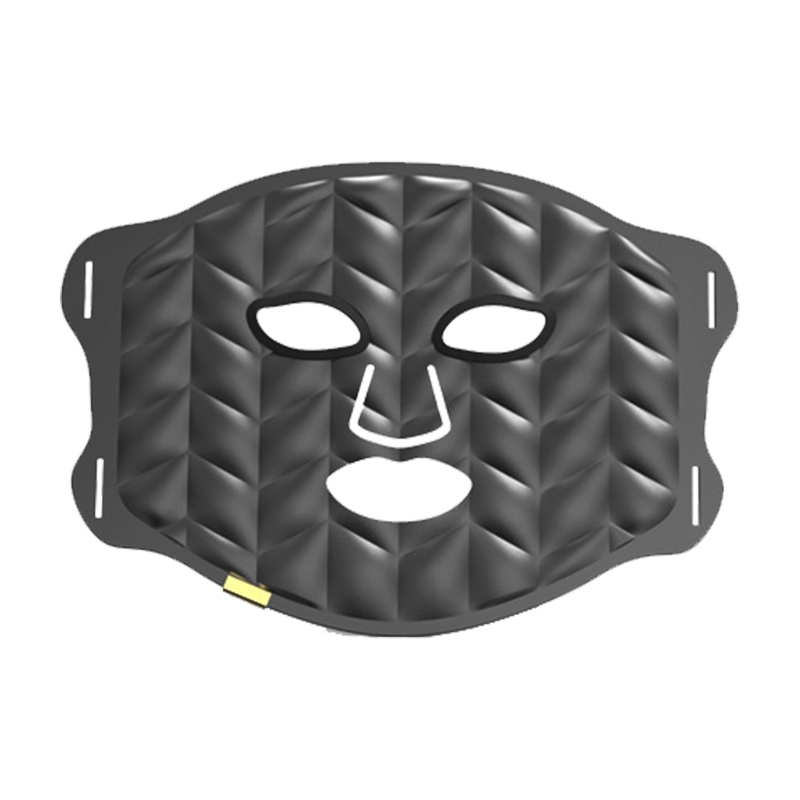
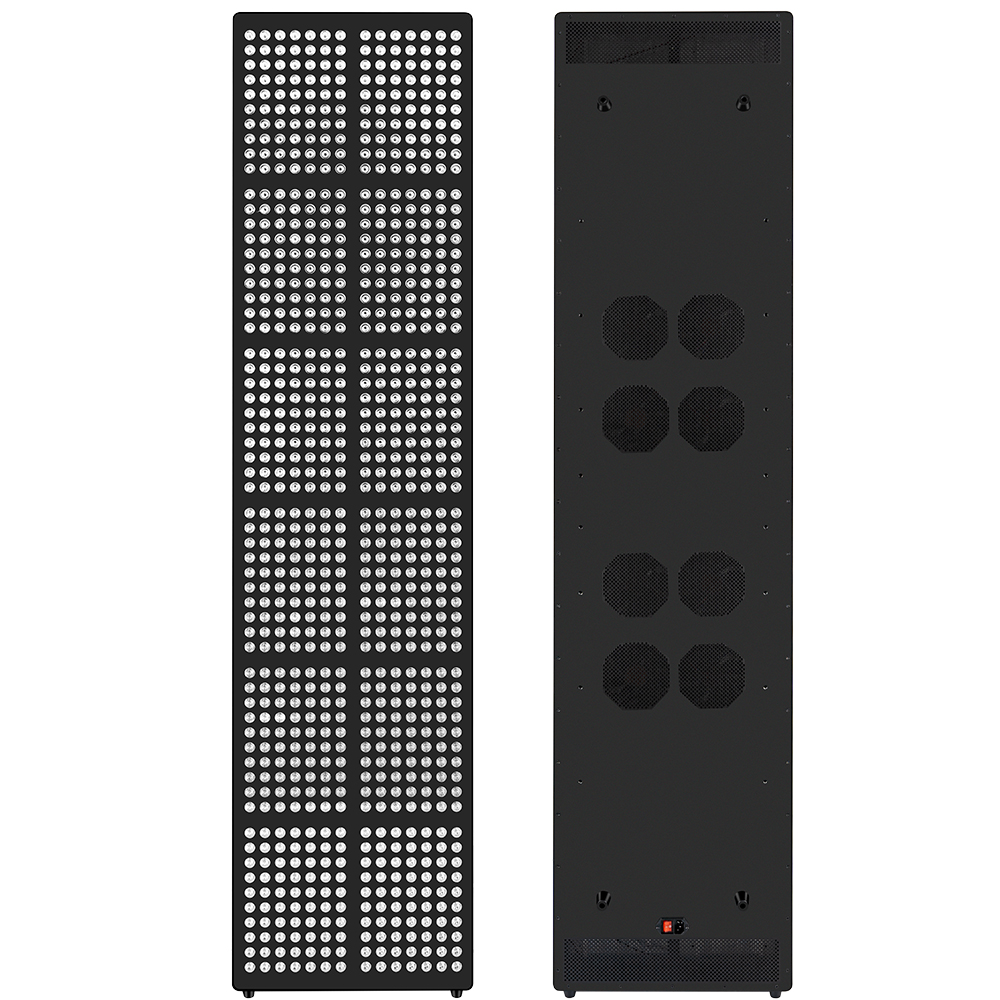
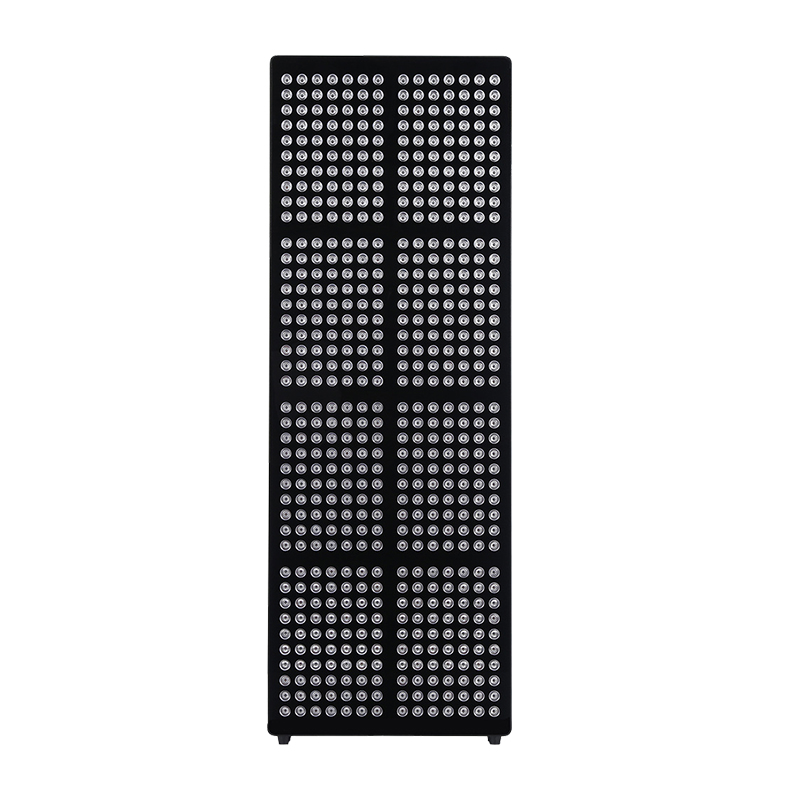
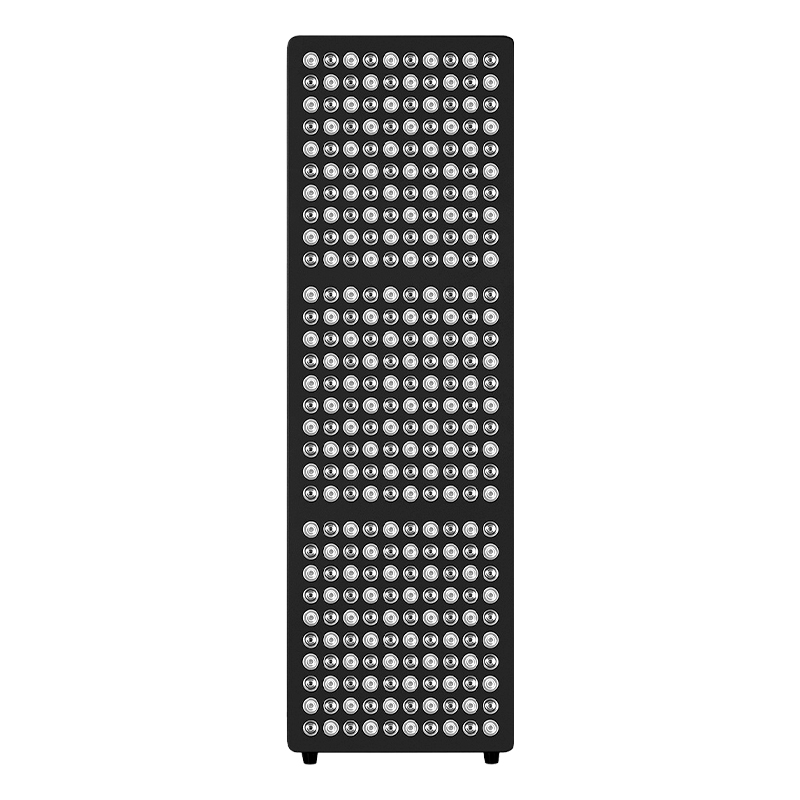
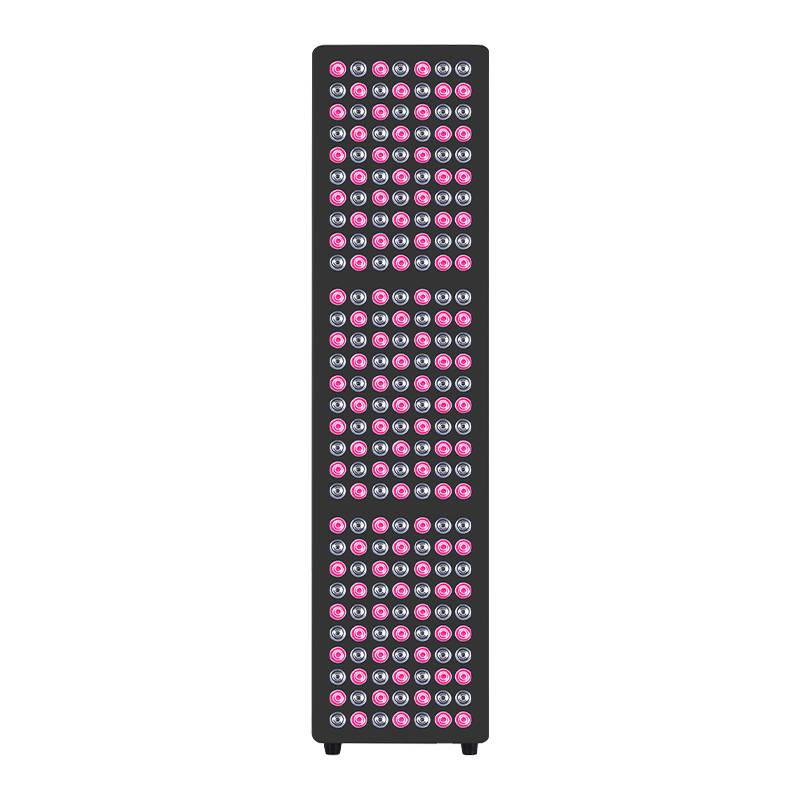
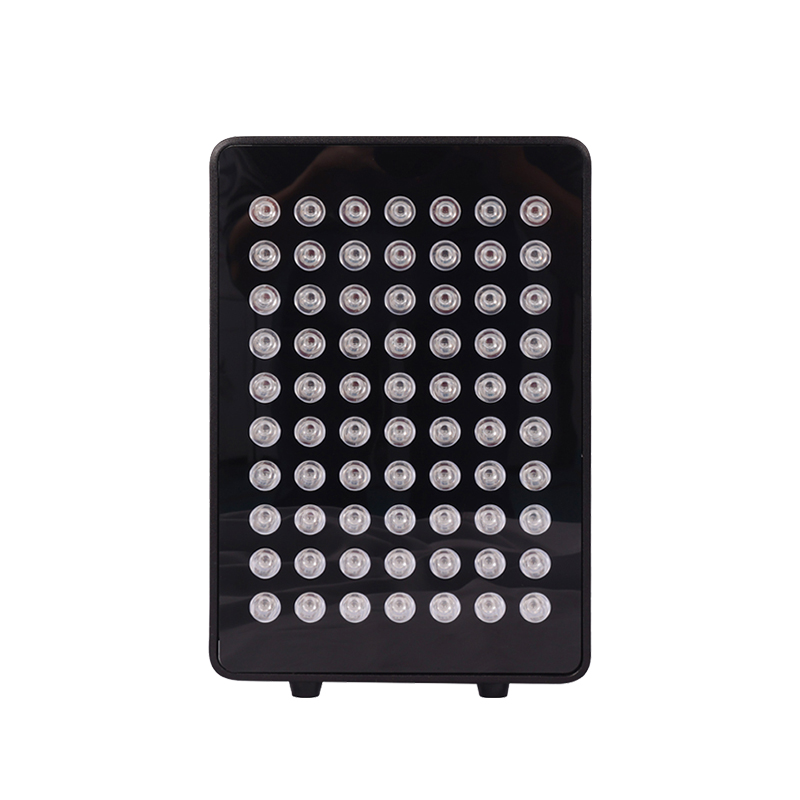
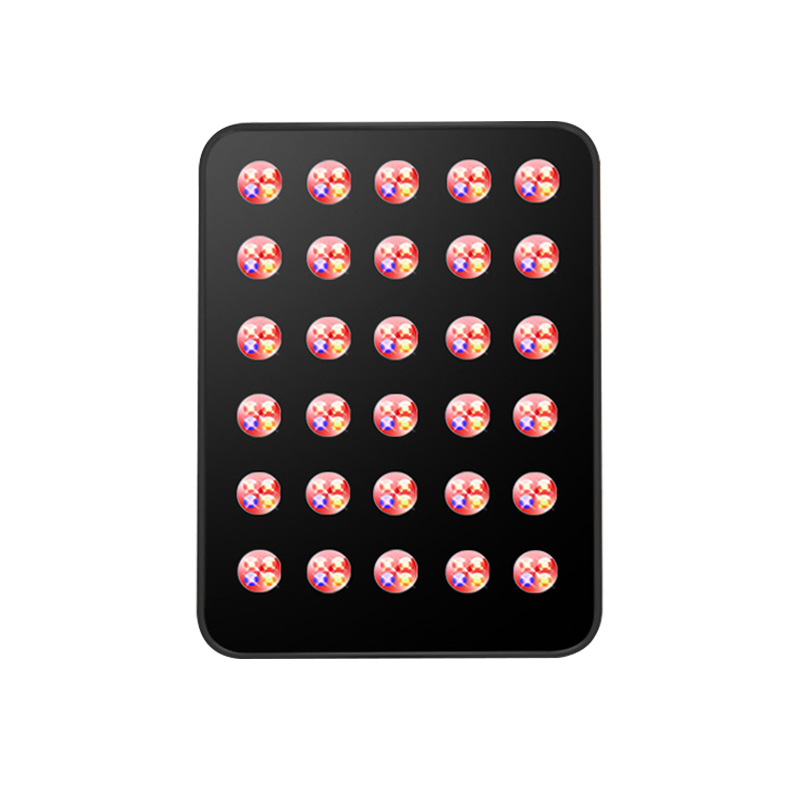
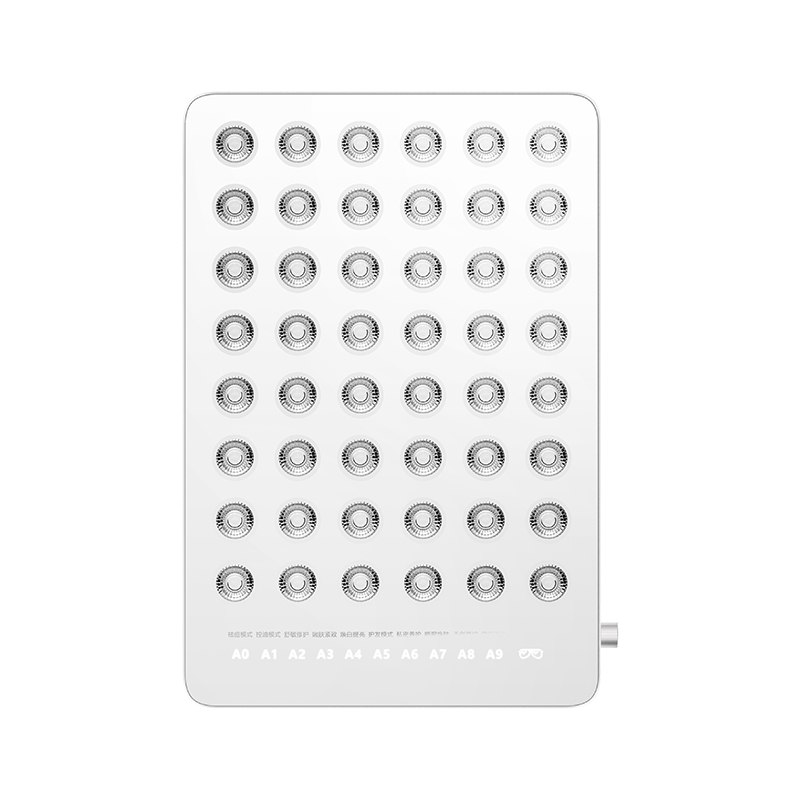
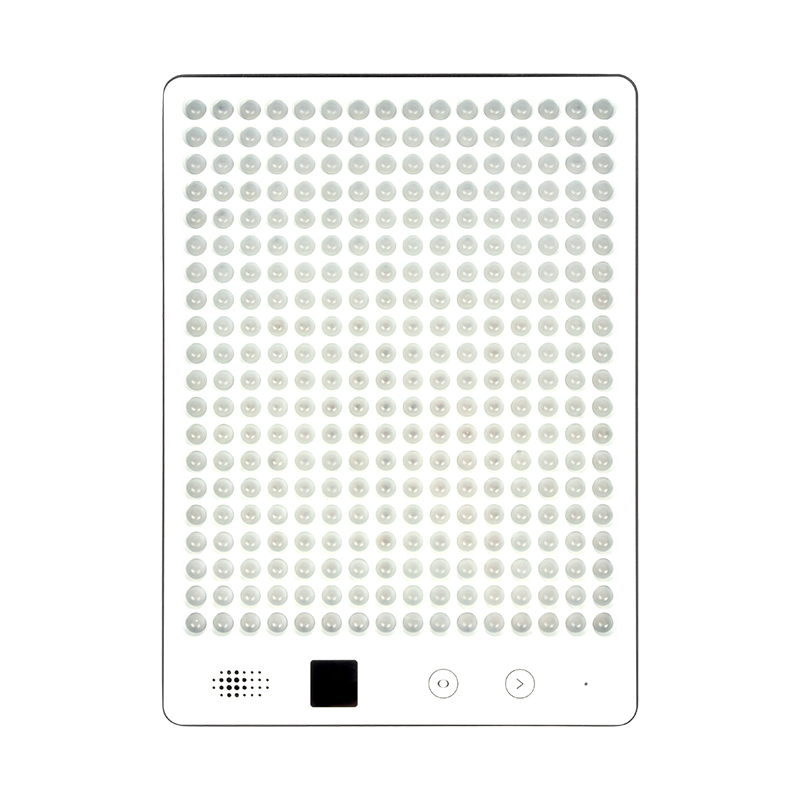
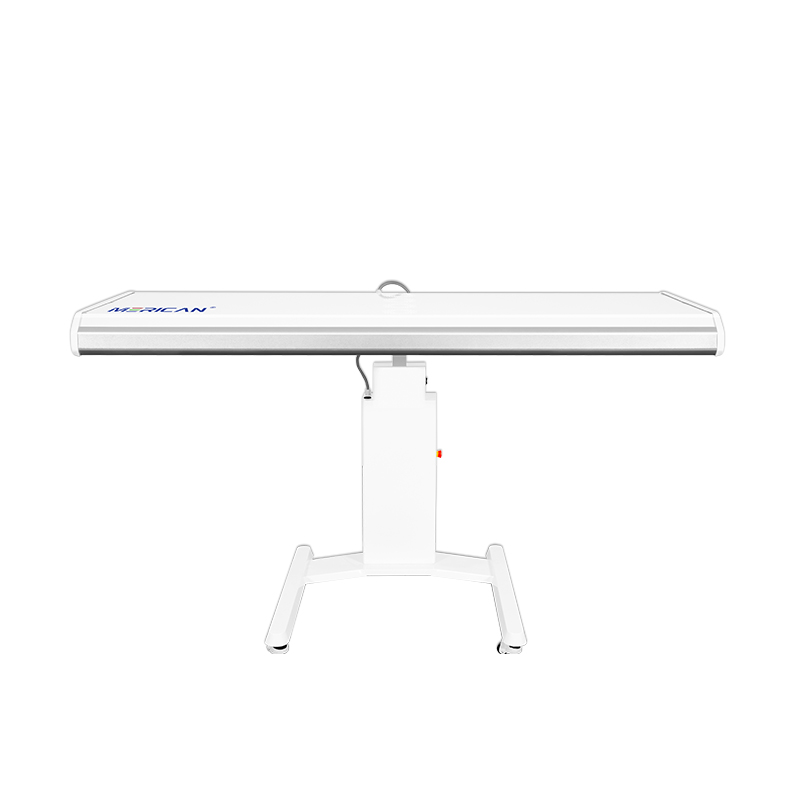
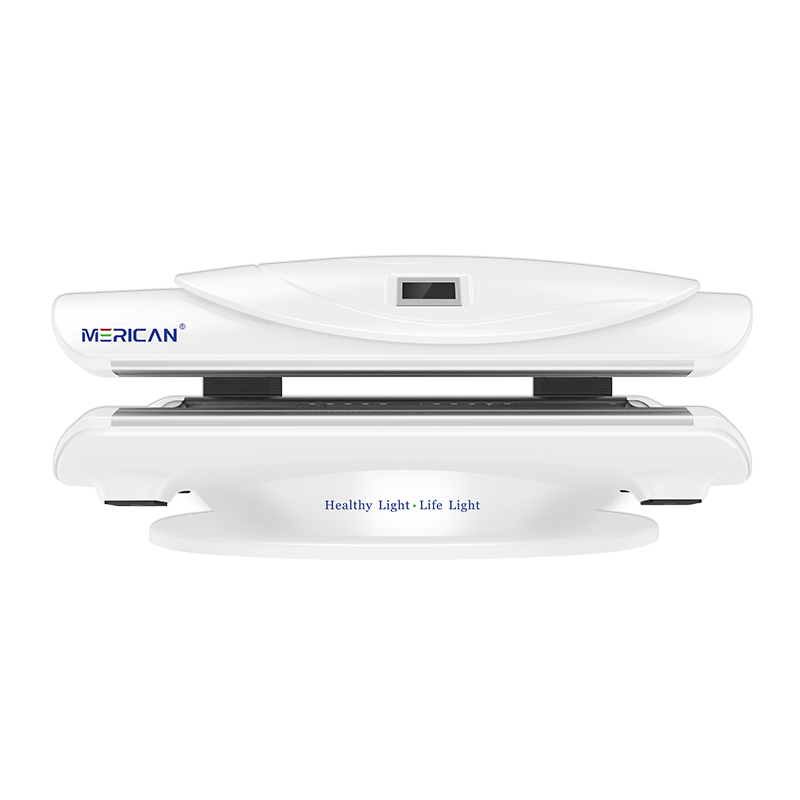
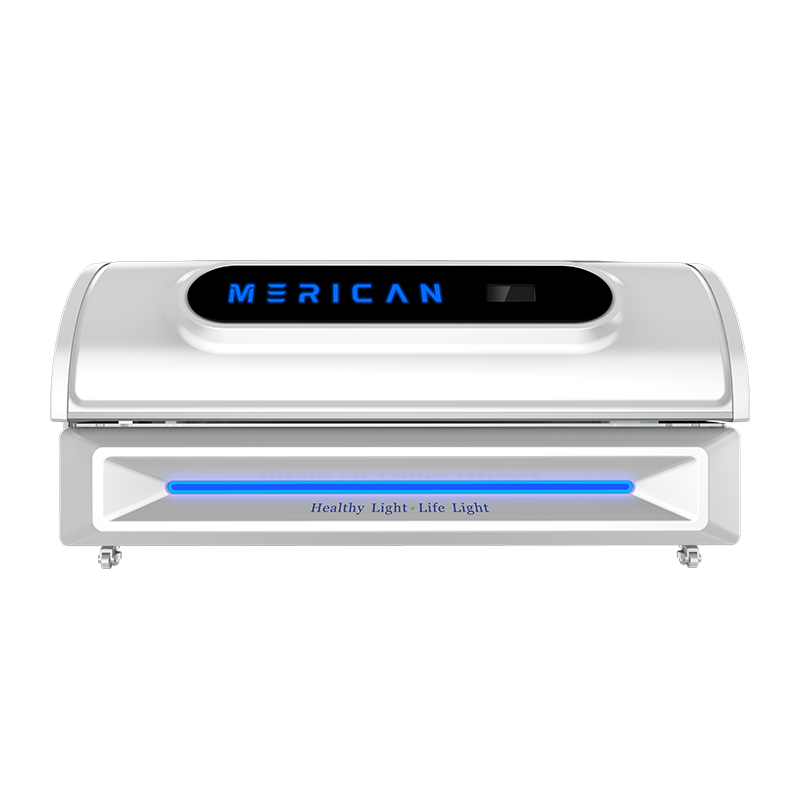
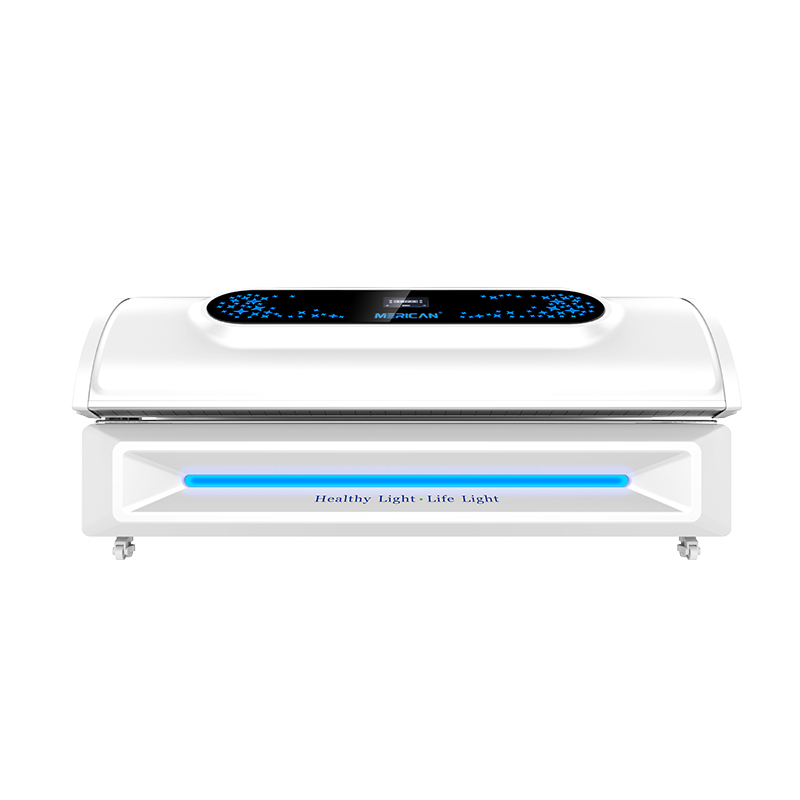
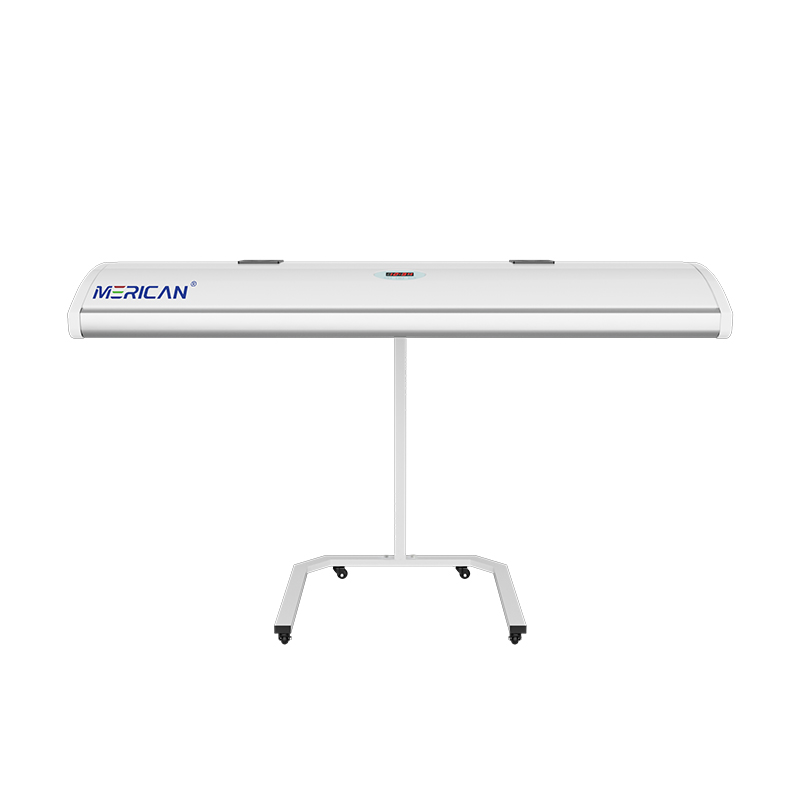
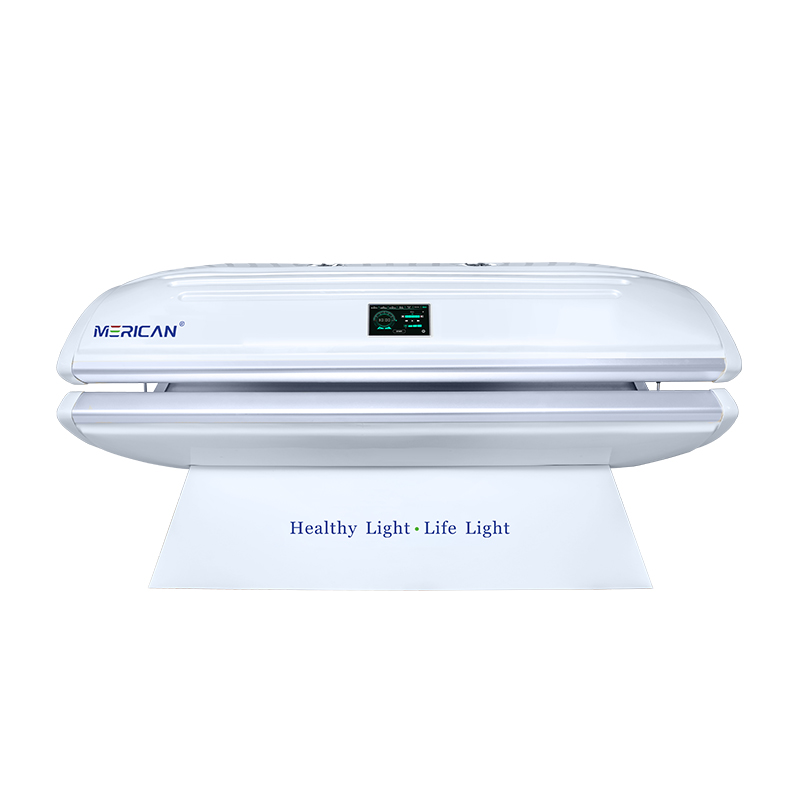
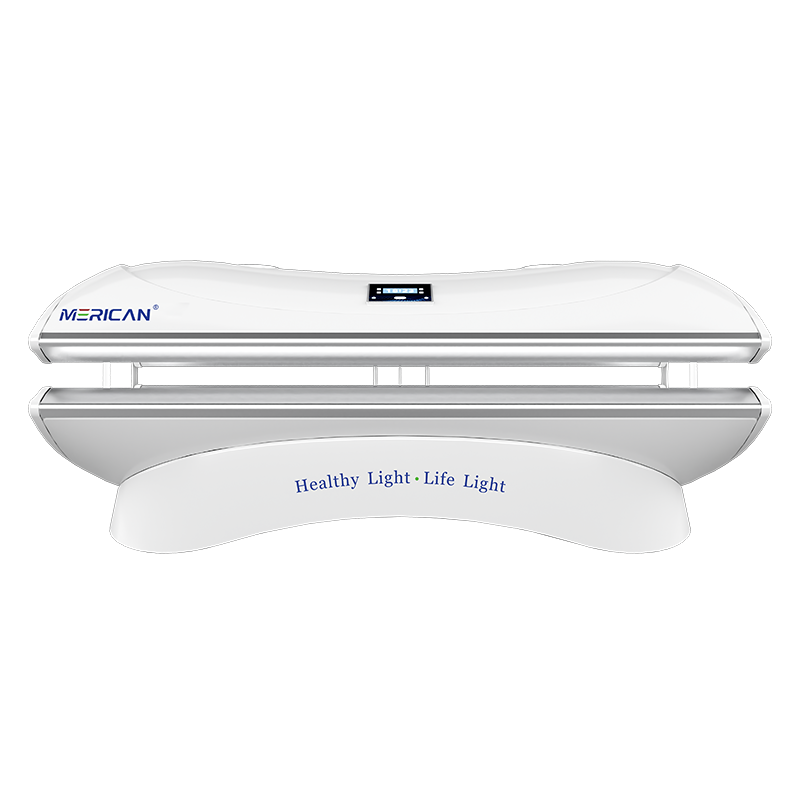
Te rongoa rama whero (RLT) kua waiho hei maimoatanga rongonui i te kainga mo te whakahou kiri, mamae mamae, me te oranga katoa. Engari me te maha o nga taputapu kei runga i te maakete, ka miharo pea koe: He tino utu te haumi? Kia wawahia e tatou.
Nga Painga o te Whakaora Marama Whero I-Kainga
1. Te waatea & Tiaki Utu
- No need for expensive clinic visits
- Treat yourself anytime at home
- One-time purchase (no recurring fees)
2. Nga Painga Whakamatau (Ma te Whakamahinga Tonu)
✔Hauora Kiri – Reduces wrinkles, hakihaki, me te whero
✔Whakamamae – Helps with joint pain and muscle recovery
✔Te Tipu Huruhuru – May stimulate thicker, makawe hauora
✔Moe mai & Te huru – Can improve circadian rhythm and relaxation
3. Haumaru & Kore Invasive
Unlike UV light or harsh skincare treatments, RLT is gentle and suitable for most skin types.
Potential Drawbacks to Consider
1. Results Take Time
- Requires 4-12 wiki o te whakamahi auau (3-5x ia wiki)
- Not an overnight miracle solution
2. He mea nui te kounga o te taputapu
- Cheap, low-quality devices may be ineffective
- Rapua Kua whakakorehia e te FDA options with proper wavelengths (630-660nm rama whero, 810-850nm tata-infrared)
3. Not a Replacement for Professional Treatments
- At-home devices are less powerful than clinical-grade RLT
- Severe skin or pain conditions may need medical supervision
Are They Worth the Money?
Ae, if you:
✔ Wantlong-term skincare & wellness benefits
✔ Will use itrite tonu (3-5x ia wiki)
✔ Invest in ataputapu kounga teitei (not the cheapest option)
Kao, if you:
✖ Expectinstant results
✖ Won’t commit to regular use
✖ Buy alow-power, untested device
🔍 How to Choose the Best At-Home RLT Device
- Check Wavelengths – 630-660nm (whero) mo te kiri, 810-850nm (NIR) mo te kiko hohonu.
- Look for FDA Clearance – Ensures safety & whai huatanga.
- Read Reviews – Real user feedback matters.
- Consider Size & Mana – Larger panels cover more area.