940 nm tata-infrared (NIR) maimoatanga marama: He pai ake te mamae o te mamae me nga painga vascular
940 Ko te rama NIR kei roto i tetahi kohanga ahurei i roto i te photobiomodulation, he pai ake te whakamarumaru mamae me te whakanikoniko i te rere toto ka whakaritea ki nga roangaru NIR poto ake (e.g. 810 nm/850 nm). Anei he tātaritanga mo tona uara haumanu:
1. Nga Tikanga Matua & Nga painga o te 940nm
Nga Paanga-a-Tukupapaku
- He pai rawa atu mo te Hemoglobin Absorption:
940he kaha te horomi a nm e deoxyhemoglobin (toto uaua), te hanga i runga ake mo:- Te ngoikore o te uaua (nga uaua varicose, edema mau tonu)
- Te whakarei ake i te microcirculation (mate huka, Ko te mate o Raynaud)
- Te whakaheke toto (ka whakaiti i te pupuhi i muri i te pokanga)
Te Whakatau mamae
- Whiriwhiringa Nerve Calming:
Nga whainga C-fiber nociceptors (mamae mamae) nui atu i te 810nm/850nm → He pai ake mo:- Te mamae neuropathic (sciatica, neuralgia trigeminal)
- Neuralgia post-herpetic (te mamae mamae)
- Te aukati i te Migraine (tono rae/whao)
Pūkoro Pūkoro & Whakatikatika
- Te Whakatairanga Mitochondrial:
Ahakoa he iti ake te pai i te 810nm mo te hanga ATP, 940nm:- Ka uru ki te 4–7cm (i waenganui i te 810nm me te 850nm te hohonu)
- Ka whakaiti i te ahotea oxidative i roto i nga pūtau endothelial (ararewa vascular)
2. Nga Tono Haumanu
| Tikanga | 940nm Kawa | Taumata Whakaatu |
|---|---|---|
| Te ngoikoretanga o te uaua | 10–15 meneti/ra i runga i nga uaua kua pa | ★★★★☆ (RCT-taua) |
| Nga Waewae Mate Huka Huka | 20 min + 660nm mo te kati patunga | ★★★☆☆ |
| Te mamae Neuropathic | He 940nm te pupuhi (50Hz) i runga i nga ara nerve | ★★★★☆ |
| Edema i muri i te pokanga | Whakakotahitia me te 810nm mo te rere lymphatic | ★★★☆☆ |
3. 940nm vs. Ētahi atu roangaru NIR
| Tawhā | 810nm | 850nm | 940nm |
|---|---|---|---|
| Te Pukenga Pukenga | Cytochrome c oxidase | Wai/lipids | Deoxyhemoglobin |
| Arotahi mamae | Musculoskeletal | Hononga hohonu/wheua | Neurovascular |
| Paheko pai | 660nm (kiri) | 810nm (uaua) | 635nm (rere toto) |
Panui Mahi: 940He maha nga wa e whakamahia ana e nga taputapu nmtukunga puhoi (e.g., 50–100Hz) mo nga awenga nerve/waka.
4. Nga Kawa Maimoatanga
- Te mamae neuropathic: 10 he 940nm nga meneti i te taha o nga ara nerve (e.g., ara sciatic)
- Nga take whakaheke toto: 15 meneti tonu i runga i nga peka (uaua) + 635nm mo nga uaua
- Nga momo taputapu:
- Haumanu: Nga punaha laser maha-diode (e.g., MLS Laser)
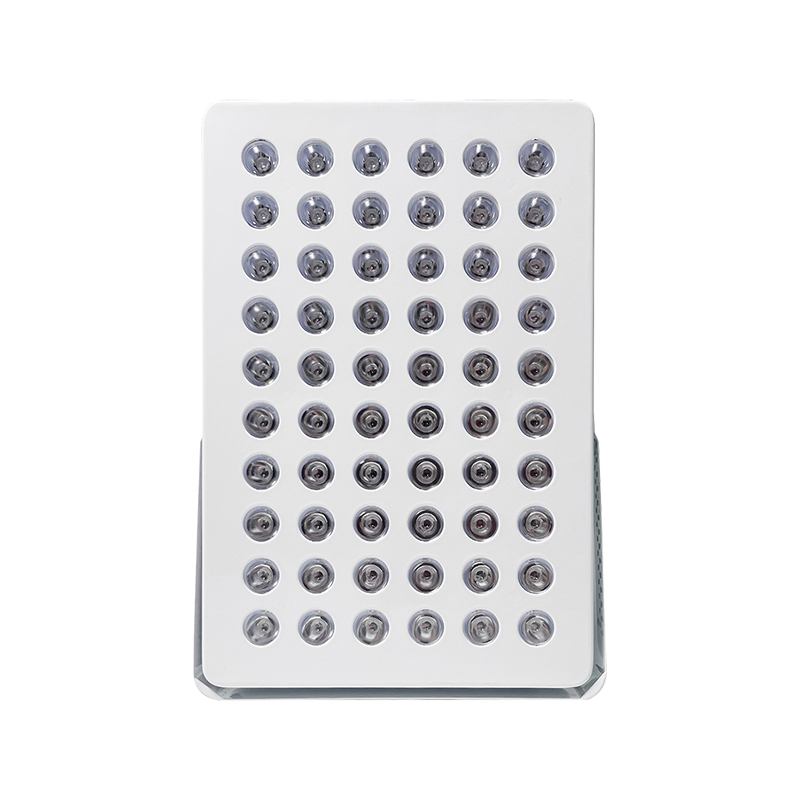
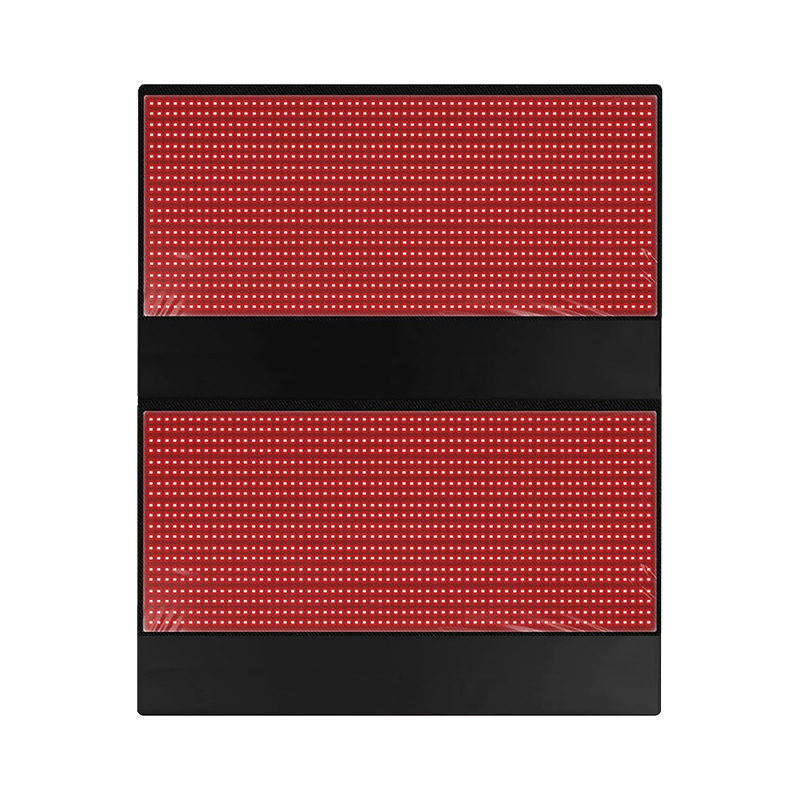
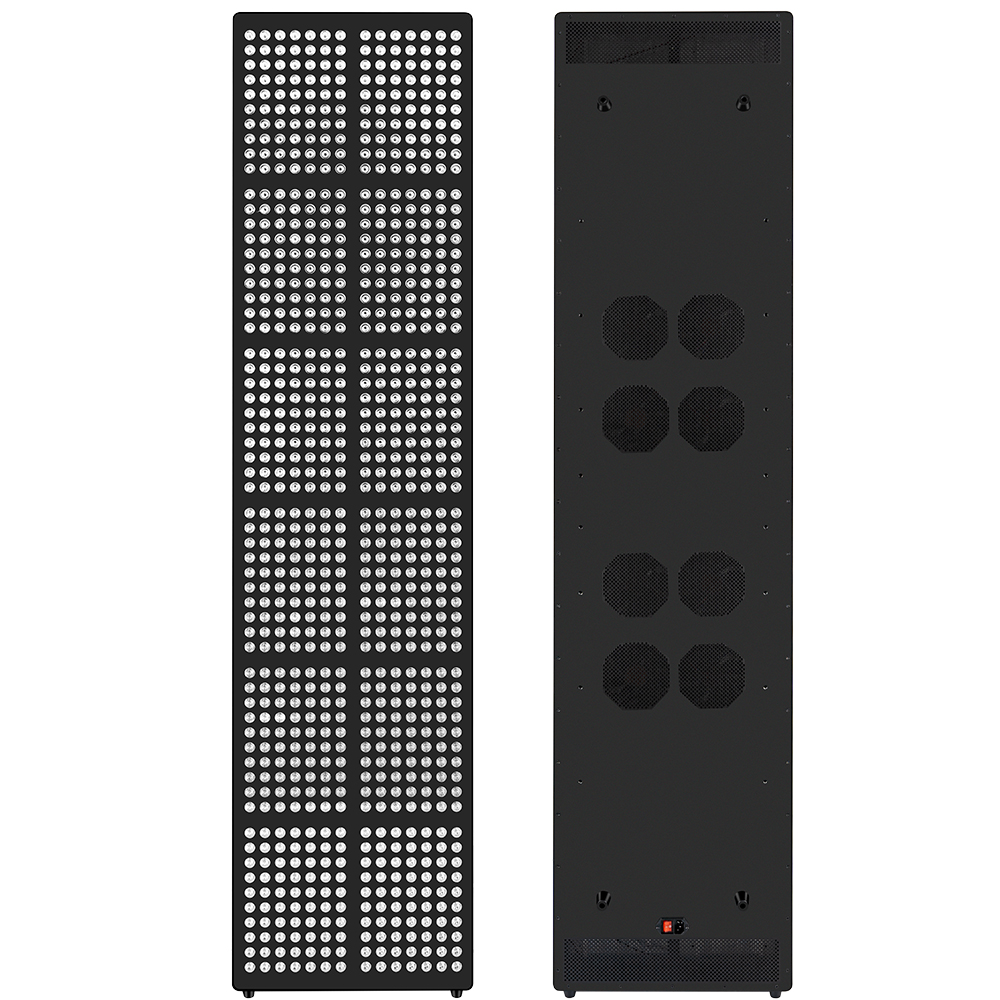
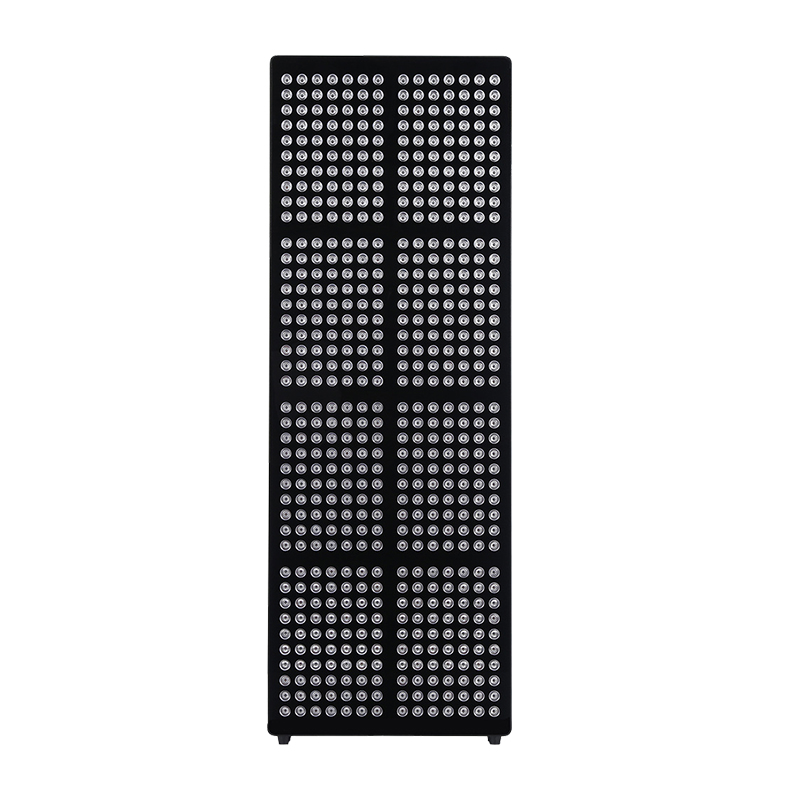
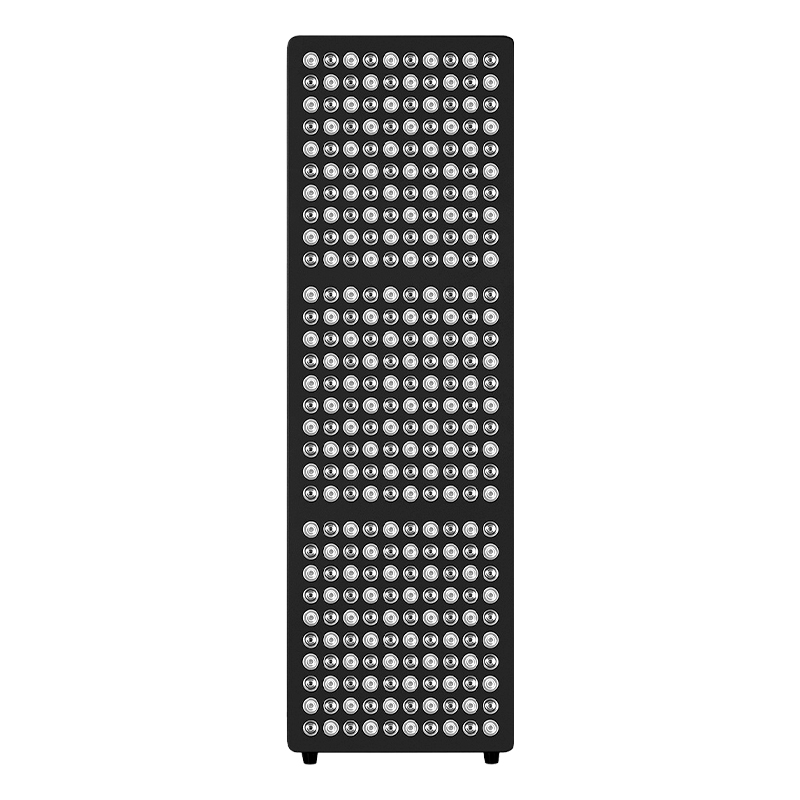
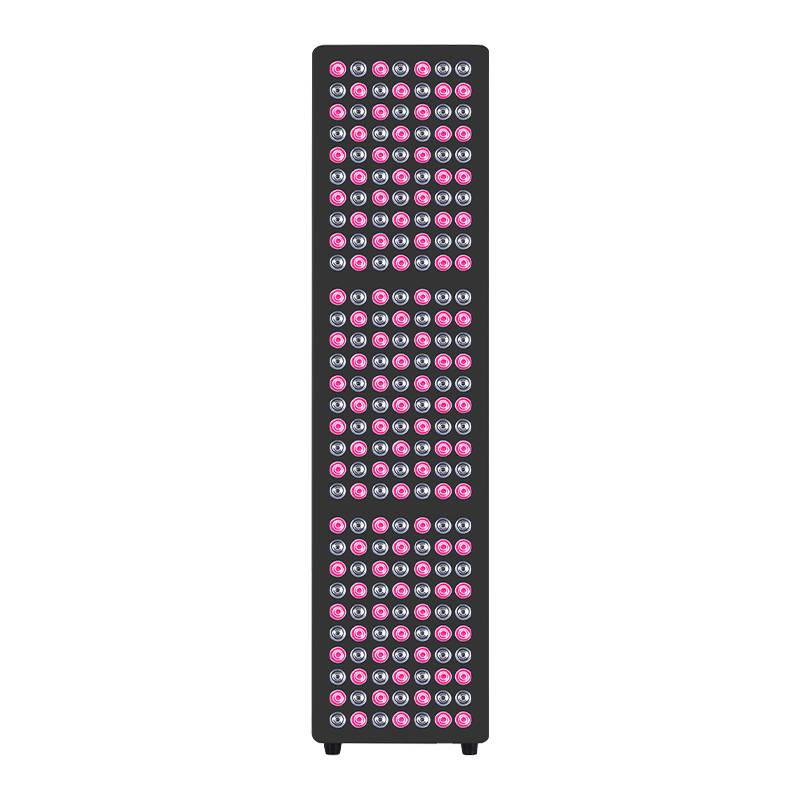
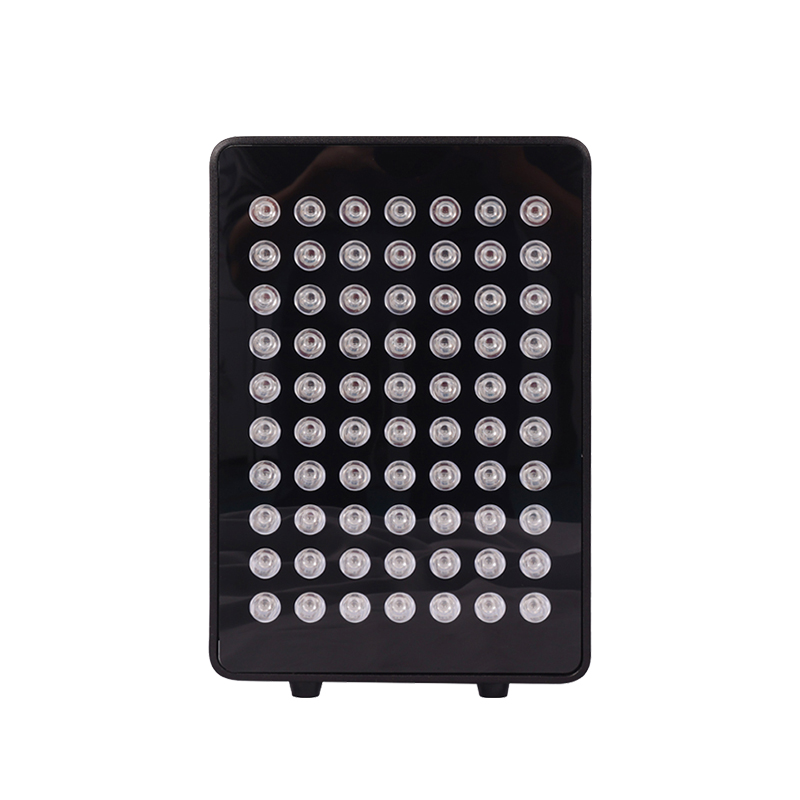
- Kainga: Nga panui LED / NIR ranu me nga tautuhinga 940nm
5. Haumaru & Whakataunga
- Tupato me:
- thrombosis kaha (mōrea DVT) – korero tuatahi ki a MD
- Nga rongoā whakaahua (tauhohenga onge)
- Kaore he mate erythema (kaore i rite ki te rama UV/puru)
Te Rarangi Raro
940Ko te nm teroangaru whiriwhiri mo:
✔Nga mate pukupuku (te whakaheke toto/lymphatic)
✔Te mamae neurogenic (te mamae mau tonu o te nerve-mediated)
✔Te whakamaarama tika ina he tino whanui te 810nm/850nm
Mo te tiaki matawhānui: Whakahoahoa ki635nm (totoka) + 1064nm (te urunga hohonu) i nga waahi haumanu.