Ko tetahi o nga patai noa e paatai ana mo te rongoa rama whero: "He aha te nm pai mo te whakamaarama rama whero?” Ko te whakautu kei te hiahia koe ki te whakatutuki, na te mea he rereke nga roangaru e aro ana ki nga wahanga rereke o te tinana me nga hua rereke.
He aha te roangaru e whakatau ana i nga hua
Ko te rongoa rama whero e mahi ana ma te tuku hiko marama ki roto i te tinana, i reira ka mimitihia e nga pūtau te marama ka huri ki te pūngao pūtau. Ka awhina tenei kaha ki te whakatika i nga kiko kua pakaru, whakaiti i te mumura, me te whakaongaonga i te hanga collagen.
Heoi ano, ko te hohonutanga o te kuhu ka whakawhirinaki ki te roangaru. Koinei te take ko te roangaru tetahi o nga mea nui mo te whai huatanga o te whakamaarama rama whero.
Nm pai rawa atu mo nga maimoatanga kiri
Mo nga maimoatanga e pa ana ki te kiri, ko te nuinga o nga roangaru pai:
- 630nm – Ka whakapai ake i te kiri me te kakano
- 660nm – Ka whakaihiihi i te hanga collagen me te whakaiti i nga kita
Ko enei roangaru ka ngohia e te kiri ka whakamahia mo nga maimoatanga anti-pakeke me te whakahou kiri..
Ko te nm pai mo te Whakaoranga mamae me te Whakaora i nga uaua
Mo nga kiko hohonu penei i nga uaua me nga hononga, he pai ake nga roangaru-a-ira-a-ira:
- 810nm – Tissue repair and inflammation reduction
- 830nm – Circulation and healing support
- 850nm – Deep tissue penetration and pain relief
These wavelengths are often used by athletes, whare hauora physiotherapy, me nga whare whakaora.
Why Multi-Wavelength Therapy Is More Effective
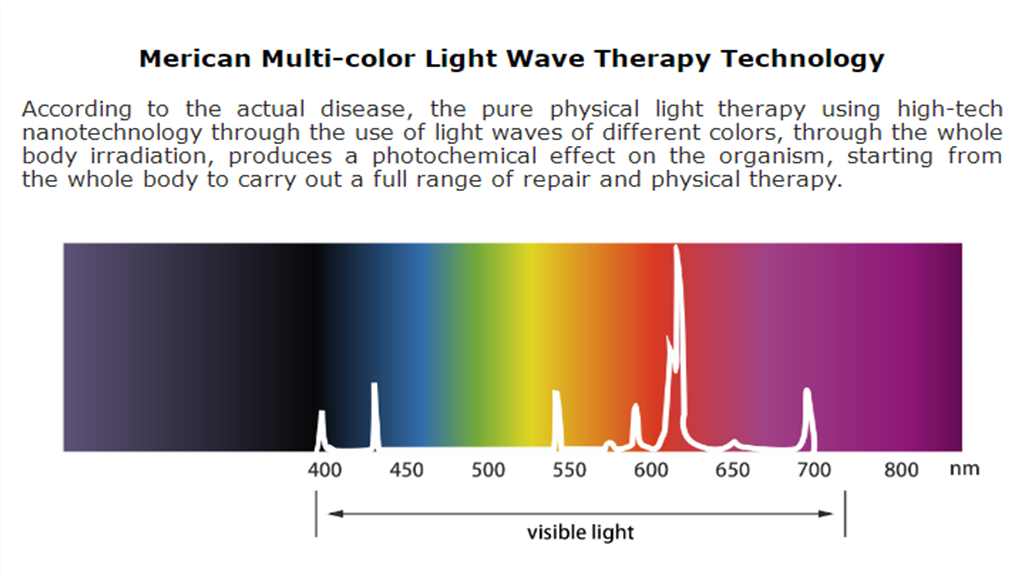
Many modern red light therapy devices use a combination of wavelengths instead of a single wavelength. This allows the device to treat both the skin and deeper tissues at the same time.
Hei tauira:
- Maama whero (630nm + 660nm) mo te kiri
- Tata-infrared (810nm + 850nm) for muscles and joints
This combination provides a more complete therapy solution and is commonly used in professional light therapy equipment.
How Often Should You Use Red Light Therapy?
Typical recommendations are:
| Whāinga | Auautanga |
|---|---|
| Te whakahou kiri | 3–5 wa ia wiki |
| Te mamae mamae | 4–7 wa ia wiki |
| Te whakaora uaua | Whai muri i te korikori tinana |
| Te oranga whanui | 3–4 wa ia wiki |
Consistency is important because red light therapy works through cumulative effects rather than instant results.
Kia pehea te roa kia kite koe i nga hua?
Results vary depending on the treatment goal:
- Skin improvement: 4–8 wiki
- Te mamae mamae: 2–4 wiki
- Te whakaora uaua: Immediate to 1 week
- Te whakaheke i te mumura: 2–6 wiki
Regular use is key to achieving noticeable results.
Te whiriwhiri i te Pūrere Matau
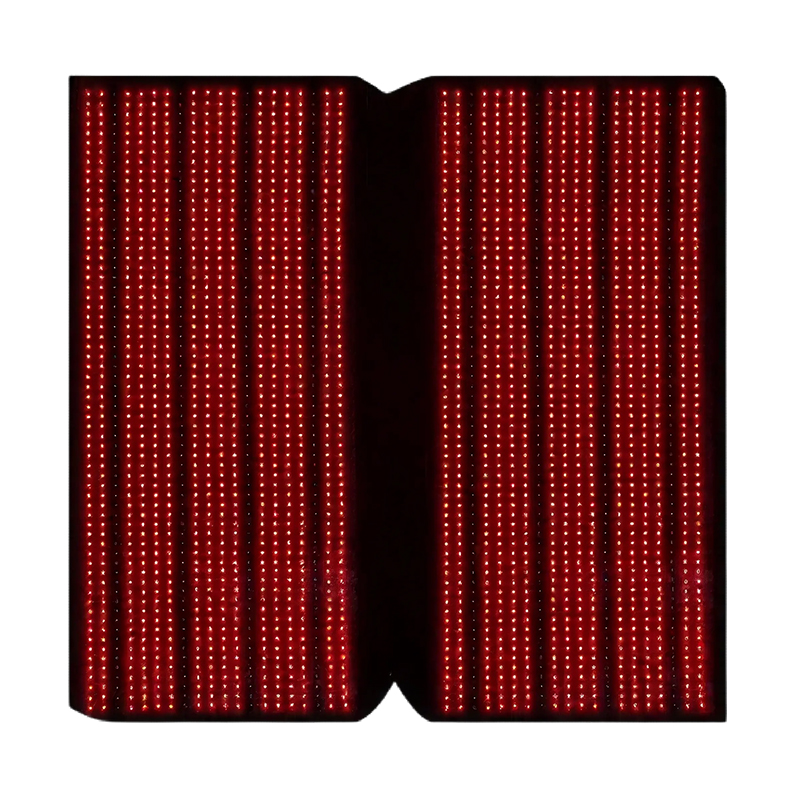
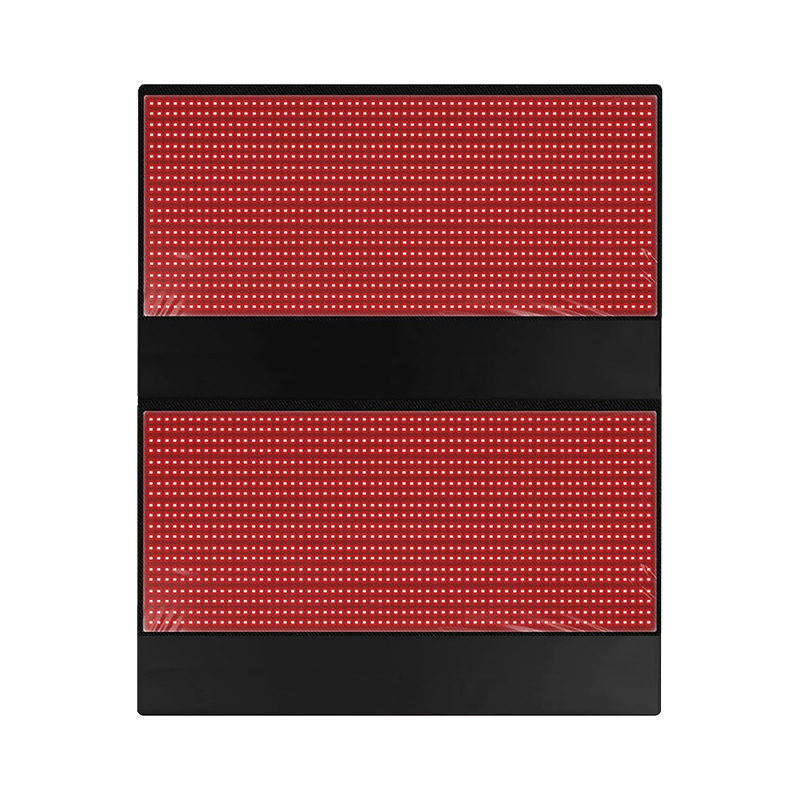
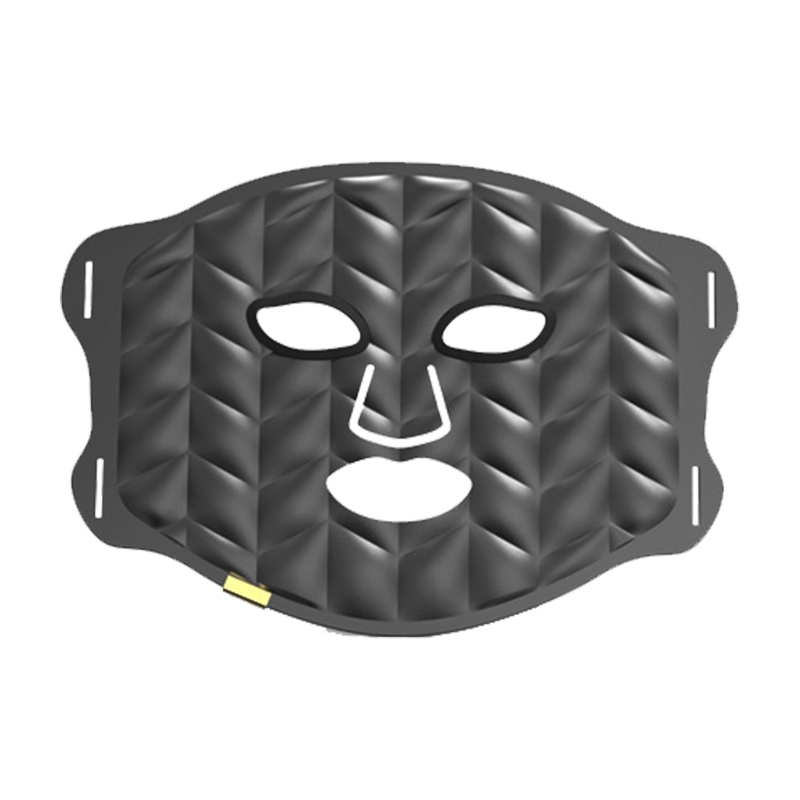
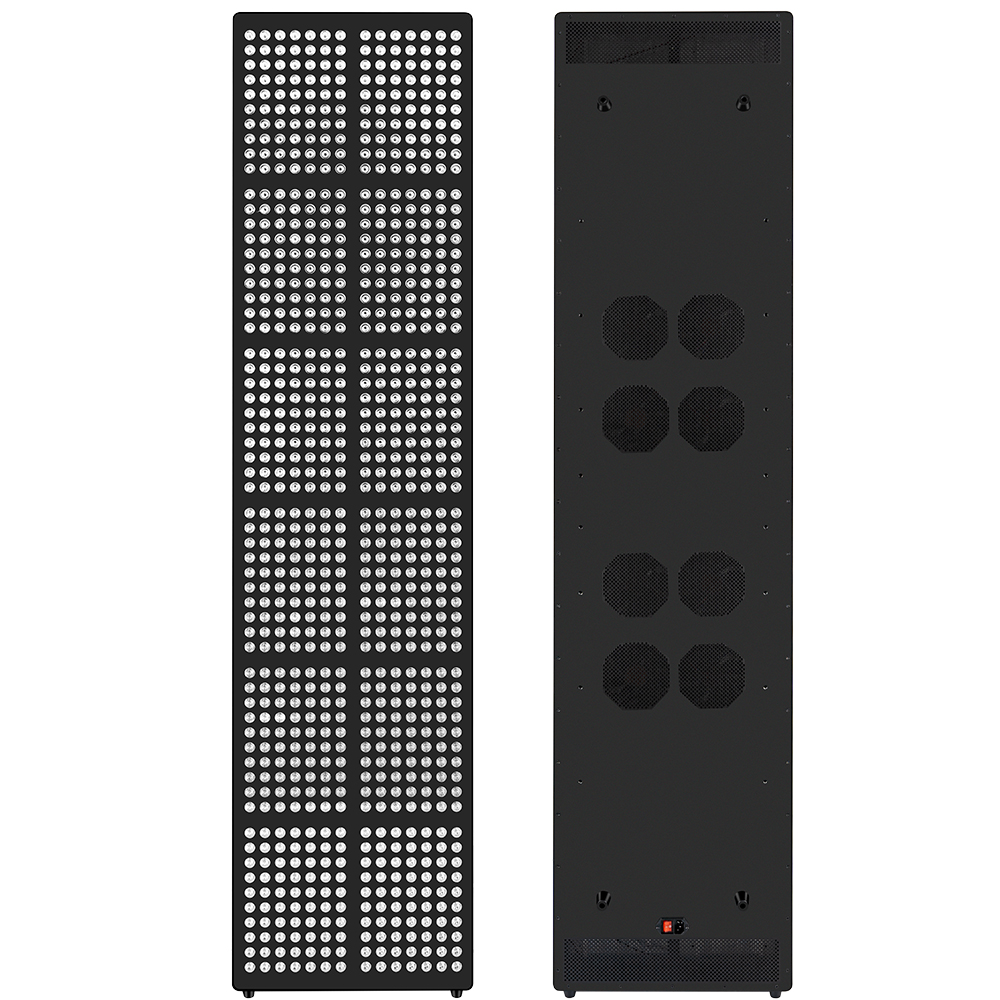
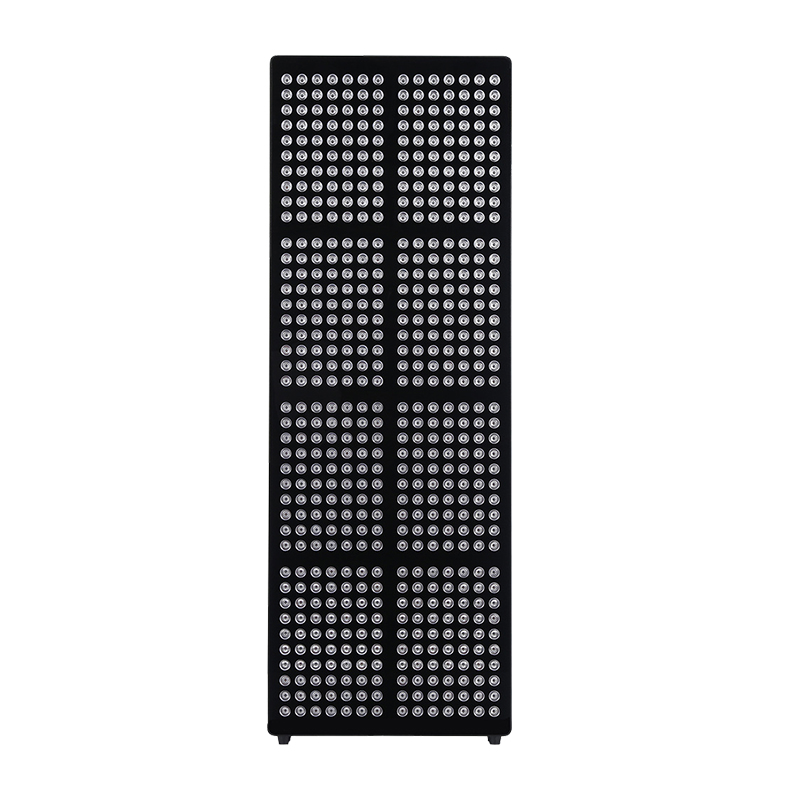
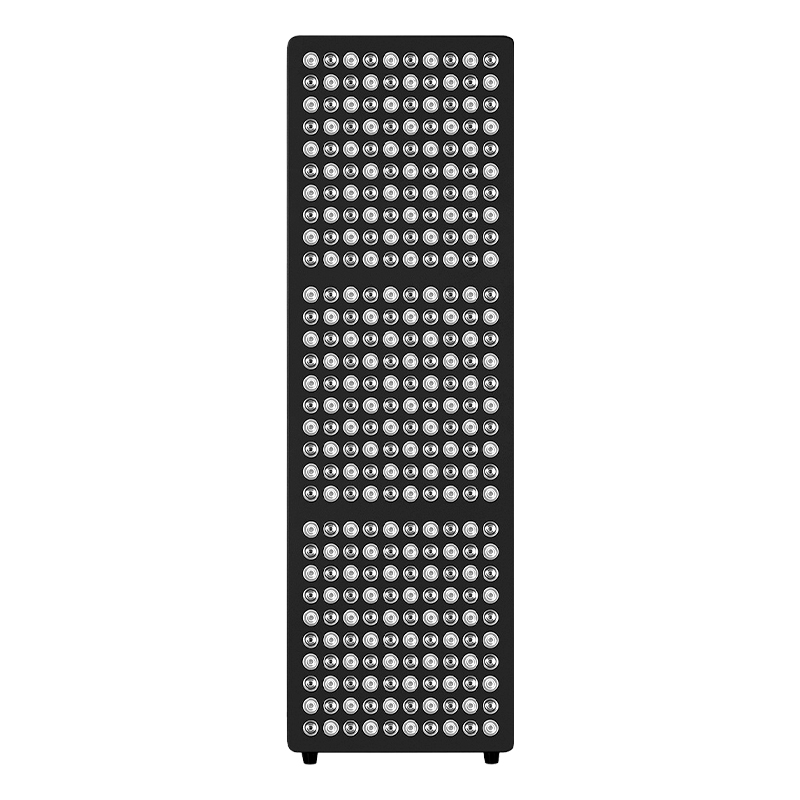
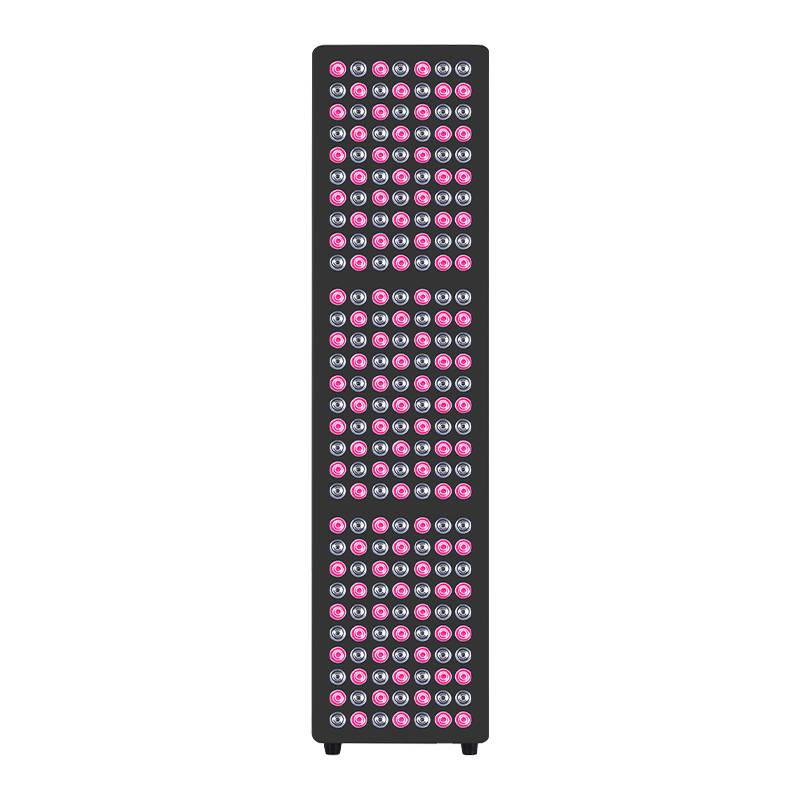
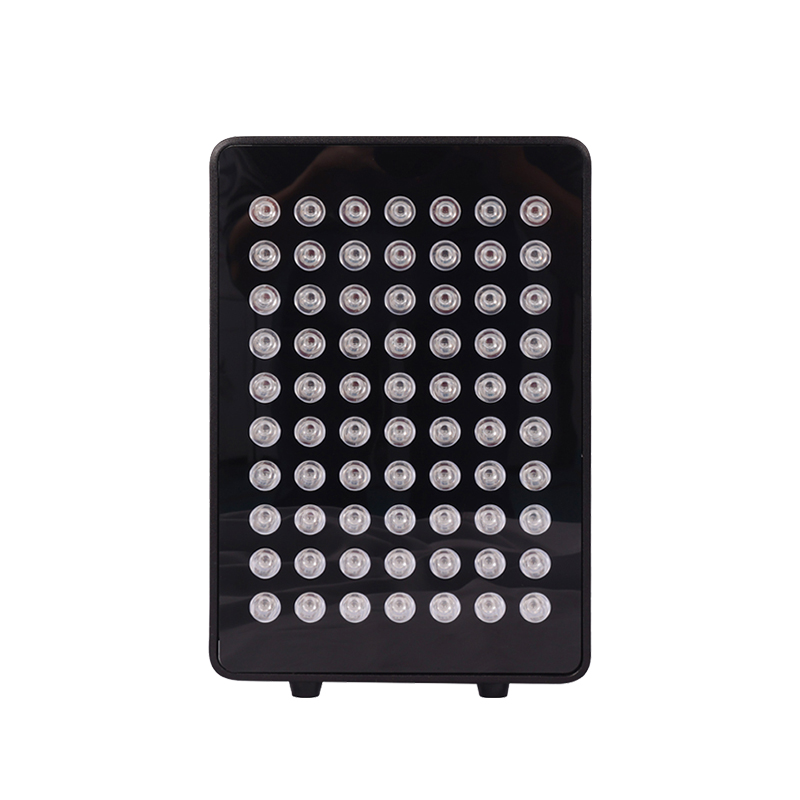
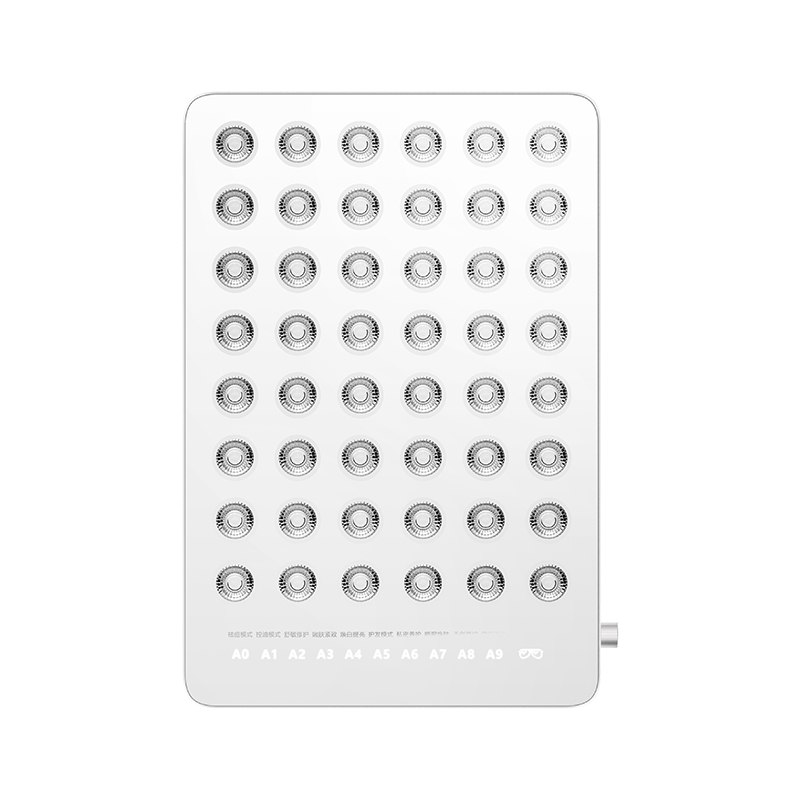
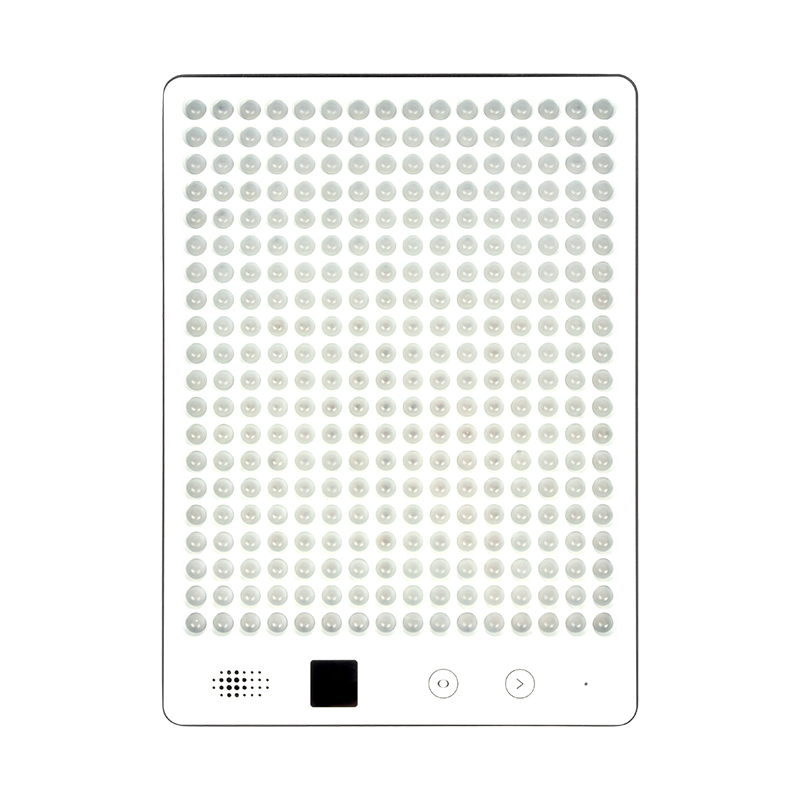
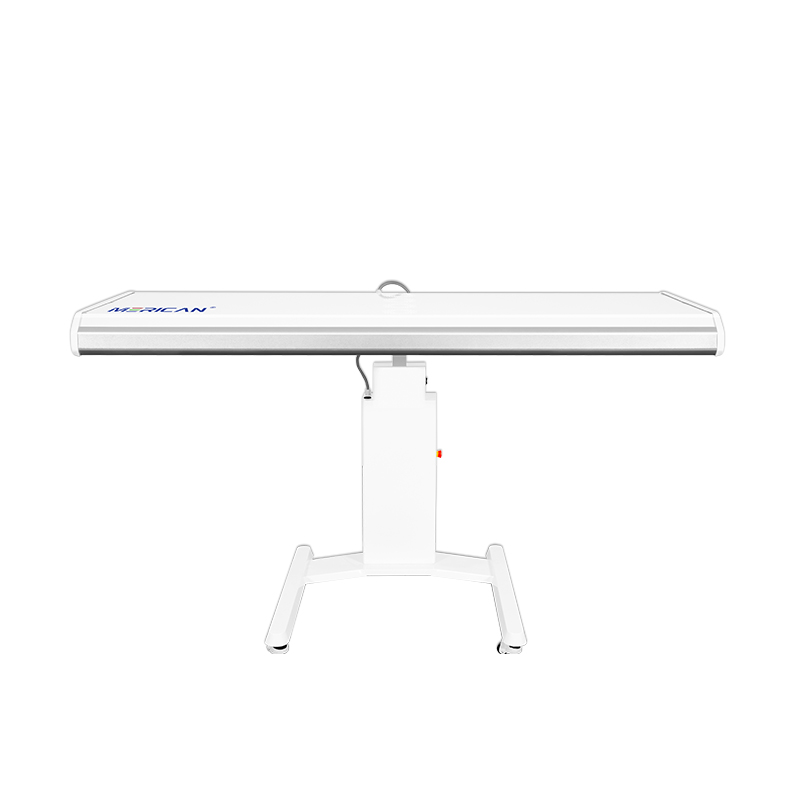
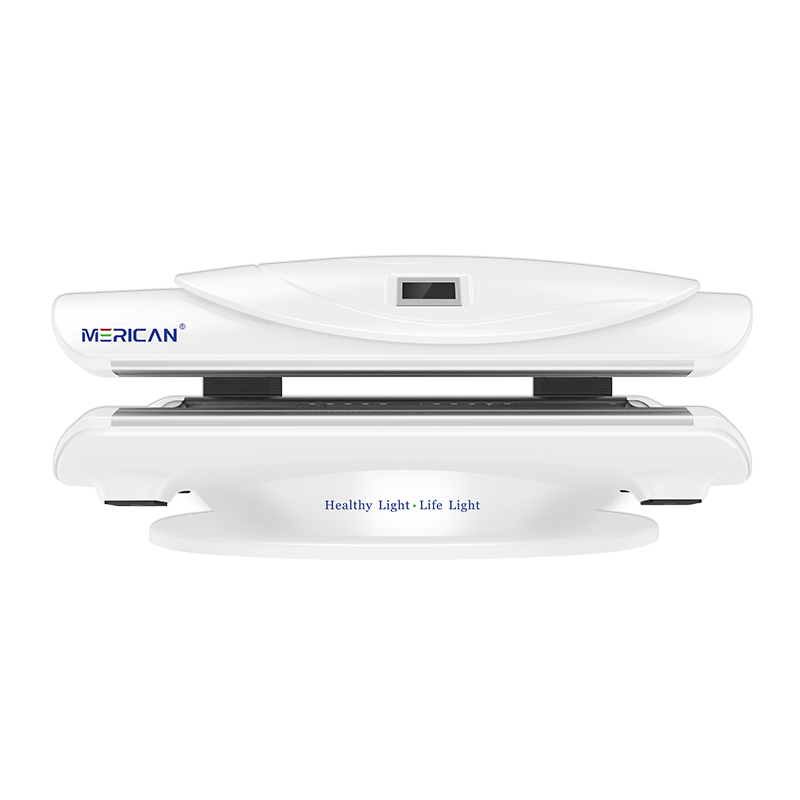
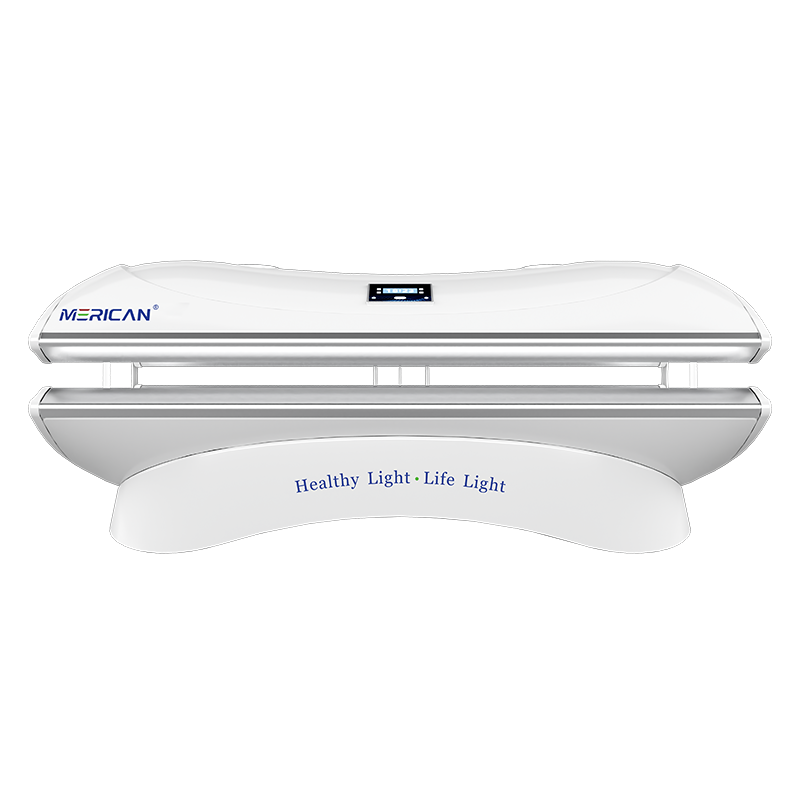
I te wa e whiriwhiri ana i tetahi taputapu whakamaarama rama whero, roangaru, putanga mana, and treatment coverage are the most important factors. Devices that offer multiple wavelengths and full-body coverage are generally more efficient because they provide more consistent energy delivery.
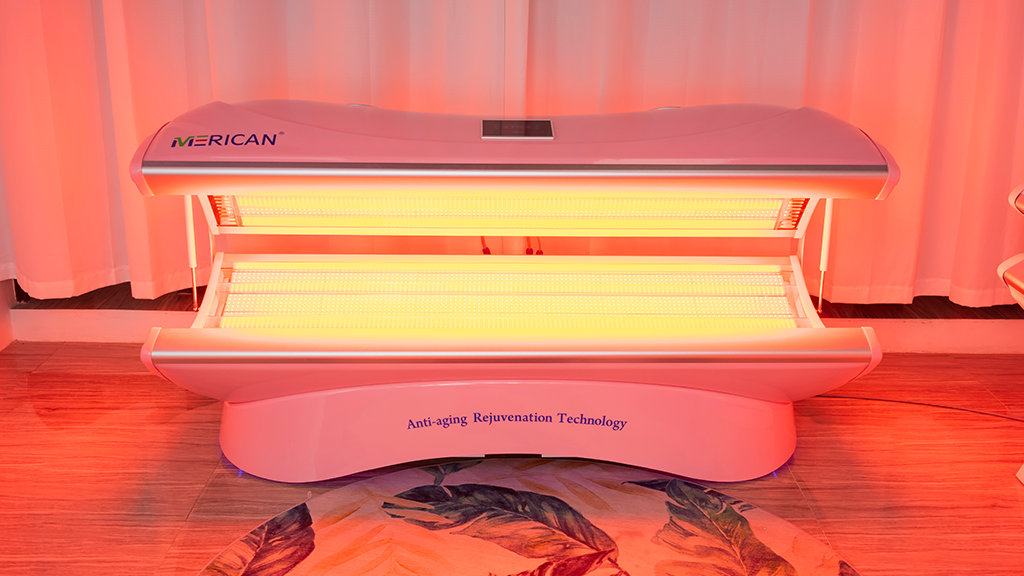
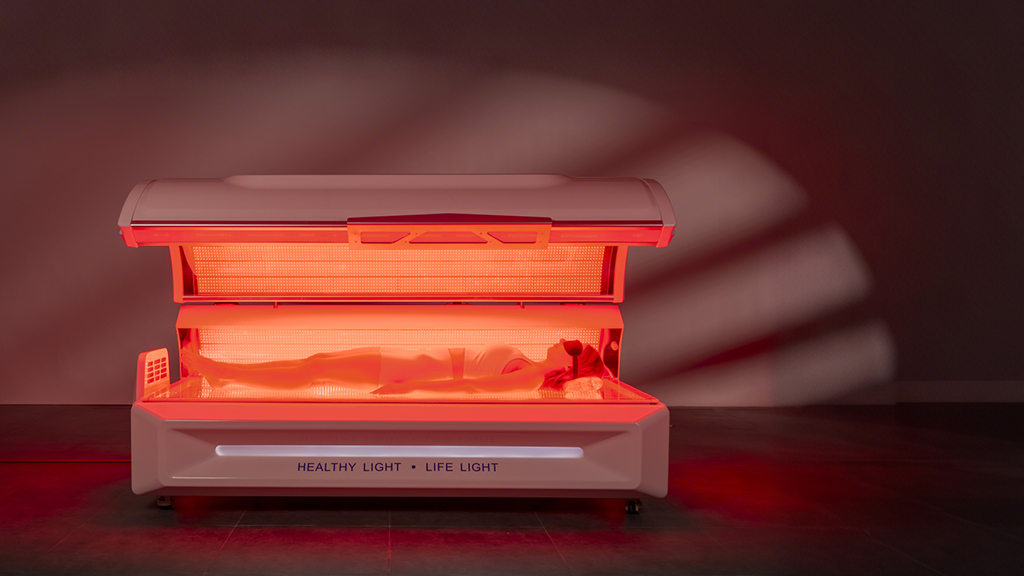
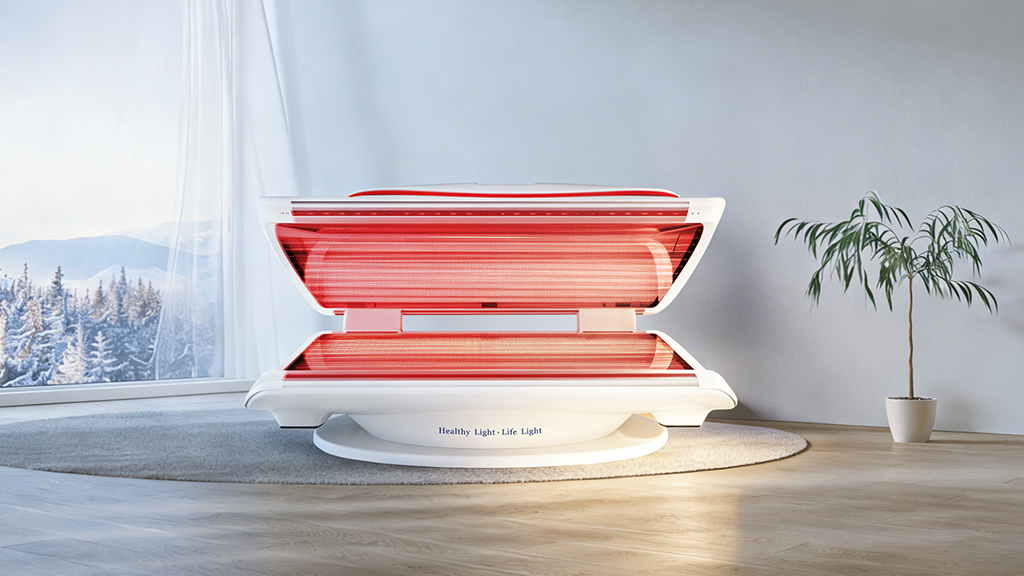
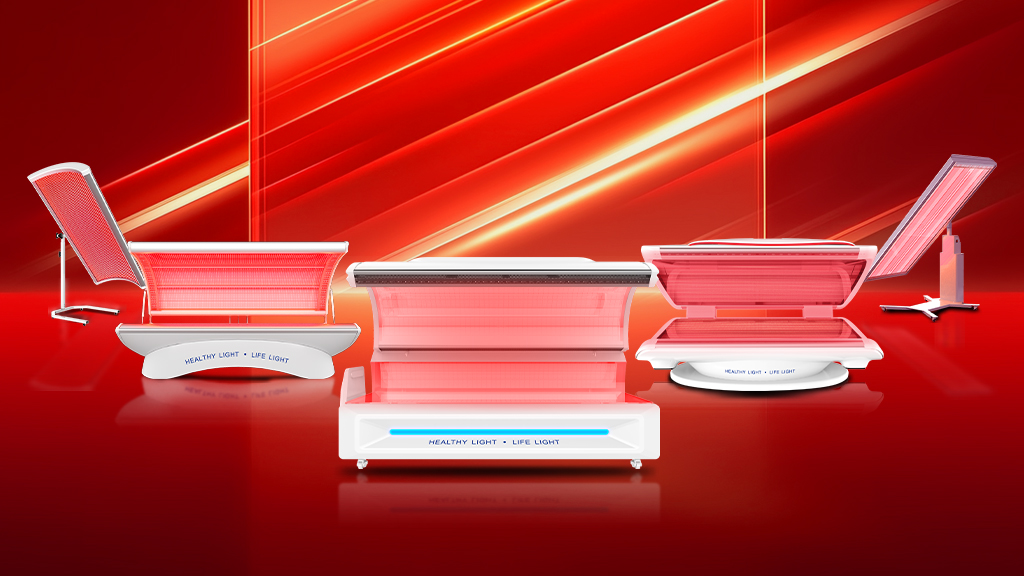
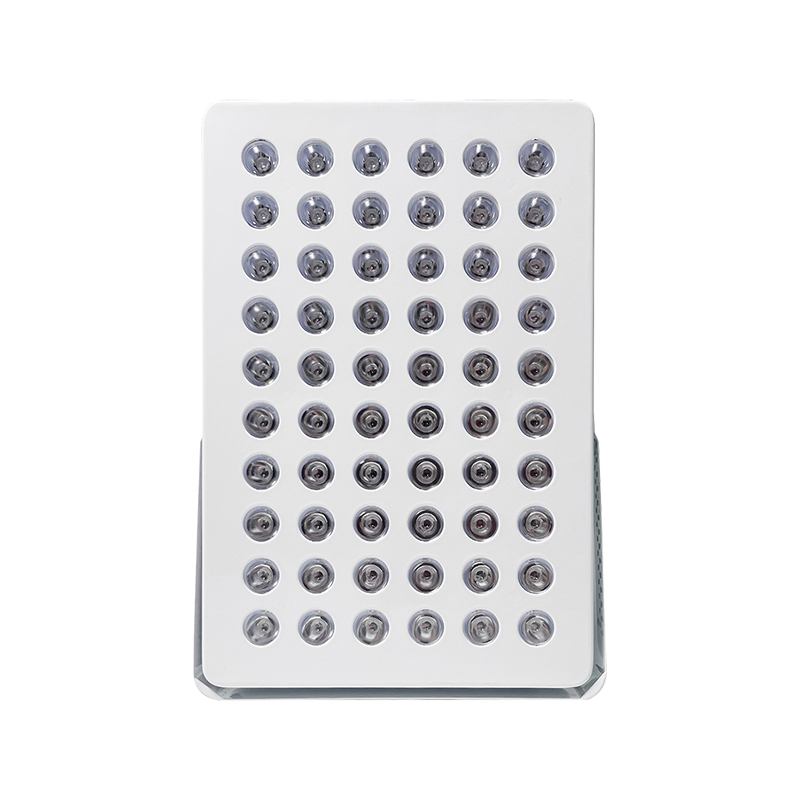
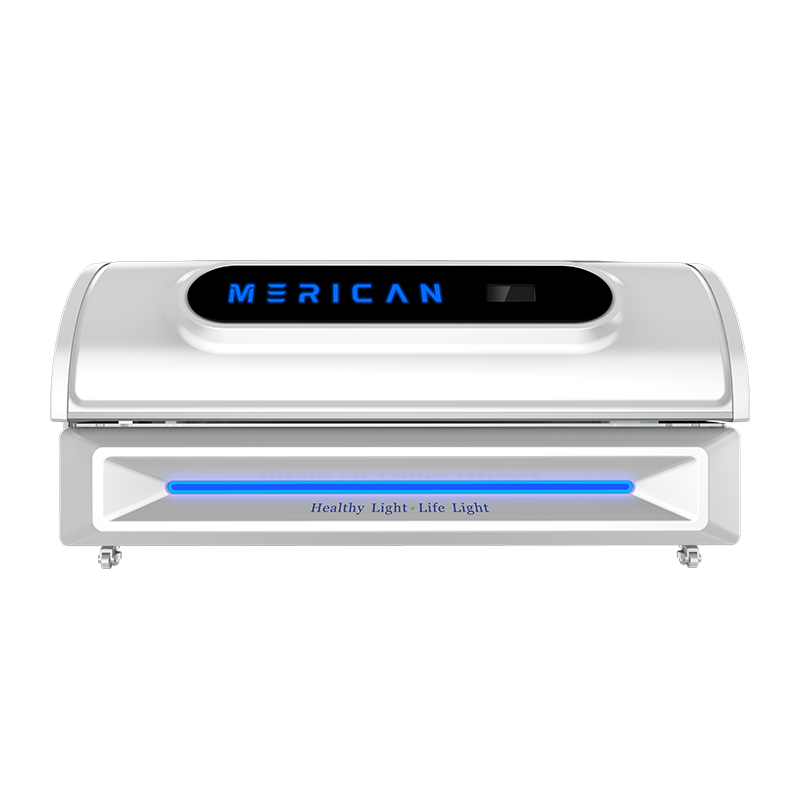
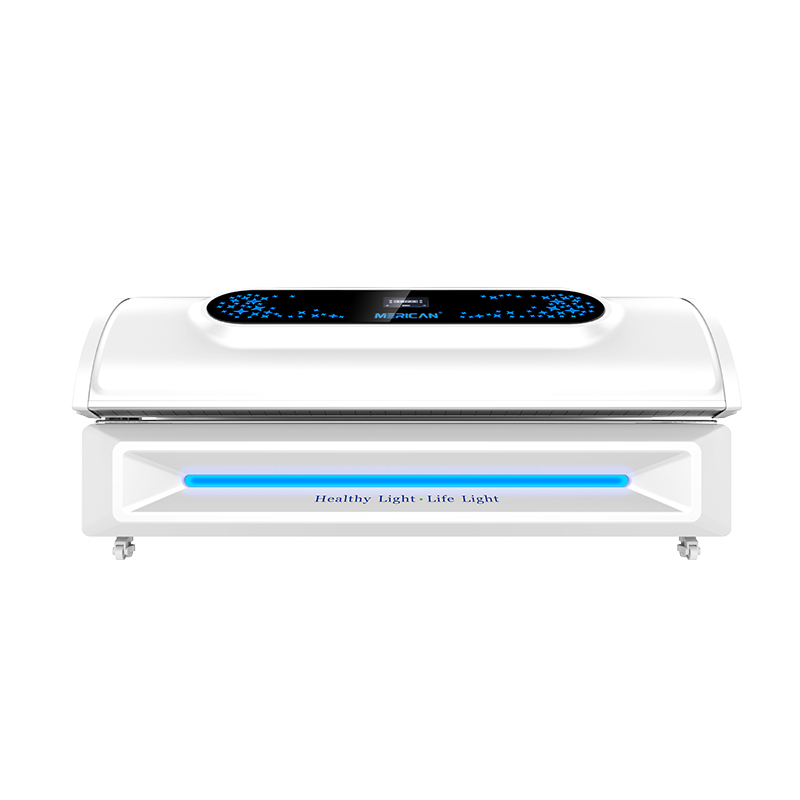
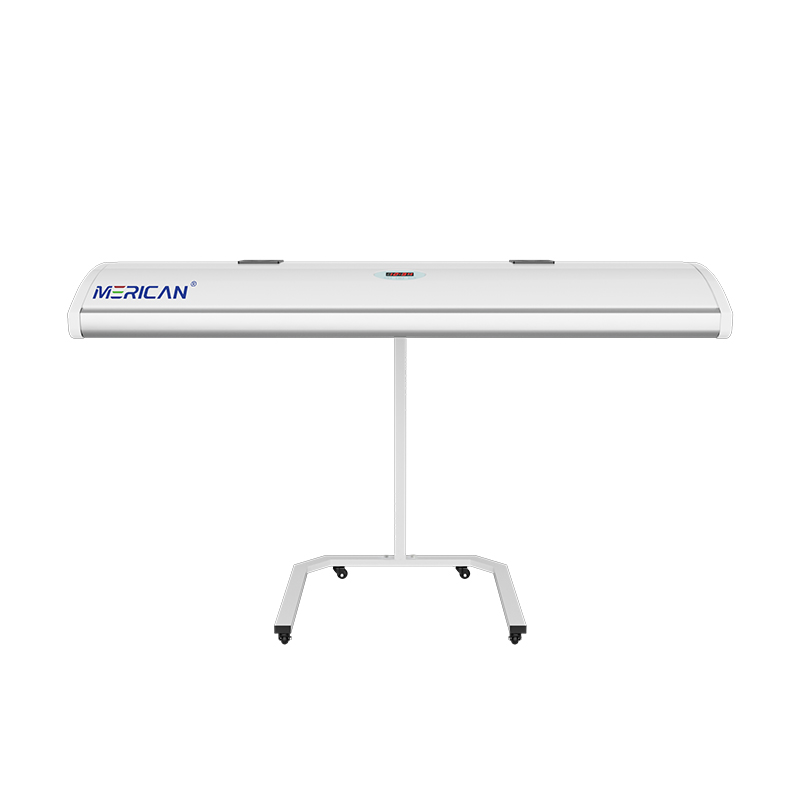
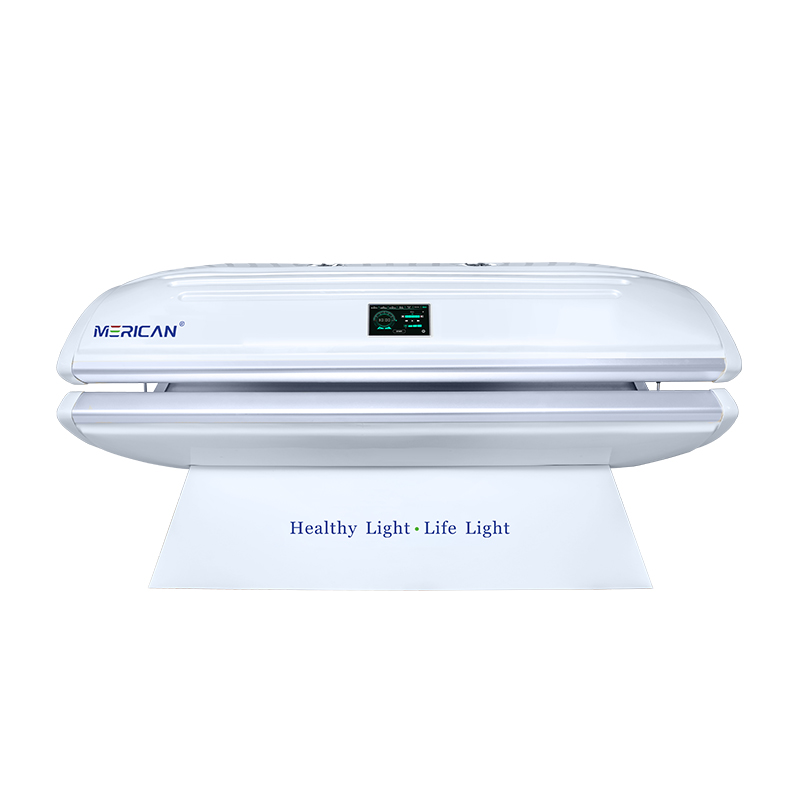
This is why full-body red light therapy systems are becoming increasingly popular in wellness centers and professional clinics, as they provide higher power, better coverage, and more stable results compared to small handheld devices.
Whakamutunga
The best nm for red light therapy depends on your goal. Red light wavelengths like 630nm and 660nm are best for skin and anti-aging, while near-infrared wavelengths like 810nm and 850nm are better for pain relief and recovery. Mo te nuinga o nga tangata, a combination of wavelengths provides the best overall results.
By understanding how different wavelengths work, you can choose the right red light therapy treatment and achieve better, tere ake, and more reliable results.