Ka taea e te Maama Whero te awhina i te Tendonitis?
Ko te tendonitis he whara kino noa na te mumura, te irirangi ranei o te uaua—te kiko hono matotoru e piri ana te uaua ki te wheua.. He maha nga wa ka pa ki nga pokohiwi, tuke, turi, ringaringa, me nga rekereke, e arahi ana ki te mamae, mārō, te pupuhi, me te heke haere.
Na te mea ka puhoi te rongoa o te tendonitis, many people look for non-invasive ways to support recovery. Ko tetahi waahanga rongonui ko te rongoa rama whero. But can red light therapy help tendonitis? Let’s explore how it works and what the science suggests.
He aha te Maama Whero?
Te rongoa rama whero, e mohiotia ana ko te photobiomodulation (PBM), ka whakamahi i te rama whero taumata-iti me te rama-a-pokarere-te nuinga o waenga 630 nm me 880 nm—ki te whakaihiihi i nga mahi a te waea.
Unlike medications or injections, red light therapy is non-invasive and works by supporting the body’s natural healing mechanisms rather than masking symptoms.
How Red Light Therapy May Help Tendonitis
Red light therapy does not replace rest or rehabilitation, but it may provide meaningful support for tendon recovery through several mechanisms:
1. Ka awhina i te whakaheke i te mumura
Inflammation is a primary driver of tendon pain. Red light therapy has been shown to help regulate inflammatory markers and reduce oxidative stress, which may ease swelling and discomfort.
2. Supports Tendon Tissue Repair
By stimulating mitochondrial ATP production, Ka taea e te rongoa rama whero te tautoko i te whakahiato collagen me te whakatikatika i nga waea—he mea nui enei mo te whakaora uaua.
3. Ka whakapai ake i te Tohanga Toto
He iti te tuku toto o nga uaua, e taea te whakaroa te whakaora. Ka taea e te rongoa rama whero te whakapai ake i te tohanga rohe, te tuku hāora me ngā matūkai ki te wāhi i whara.
4. Ka whakarato i te mamae mamae taiao
Kua rangahaua te Photobiomodulation mo ona paanga ki te mamae uaua. He maha nga kaiwhakamahi e kii ana i te iti o te mamae me te pakari me te whakamahi rite, kia pai ake nga mahi whakaora.
He aha ta te rangahau?
Ko nga rangahau mo te photobiomodulation e whakaatu ana he painga pai mo te tendinopathies, whara kiko ngohengohe, me nga tikanga mamae tonu. Ko nga rangahau e tohu ana ka taea e te rama whero me te tata-infrared te awhina i te whakaiti i te mamae me te whakapai ake i nga mahi i roto i nga tikanga e pa ana ki nga uaua ka honoa ki te okiokinga me te rongoa tinana..
Heoi ano, severe or long-standing tendon damage still requires professional medical evaluation. Red light therapy should be viewed as a complementary recovery tool, not a standalone treatment.
How to Use Red Light Therapy for Tendonitis
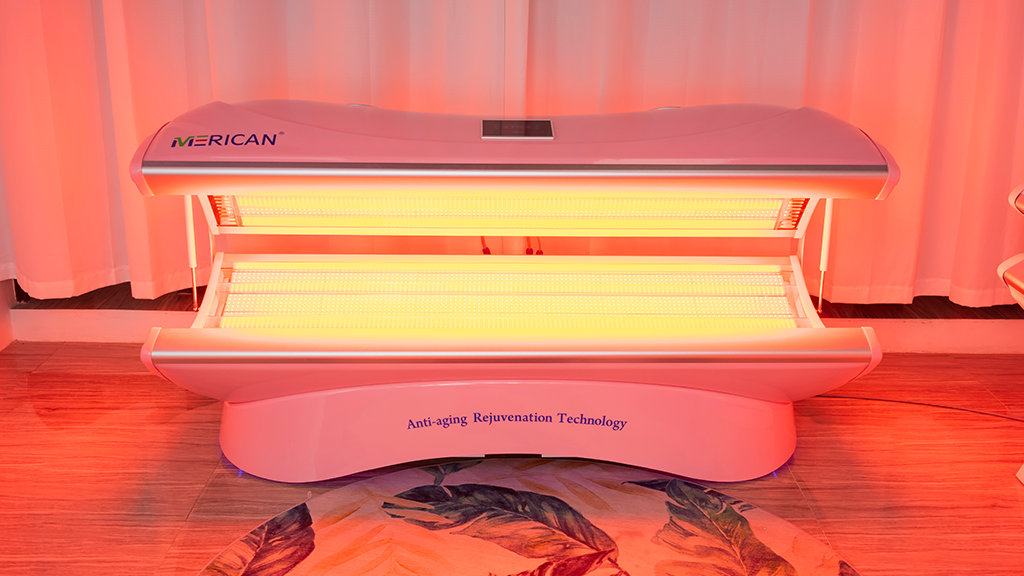
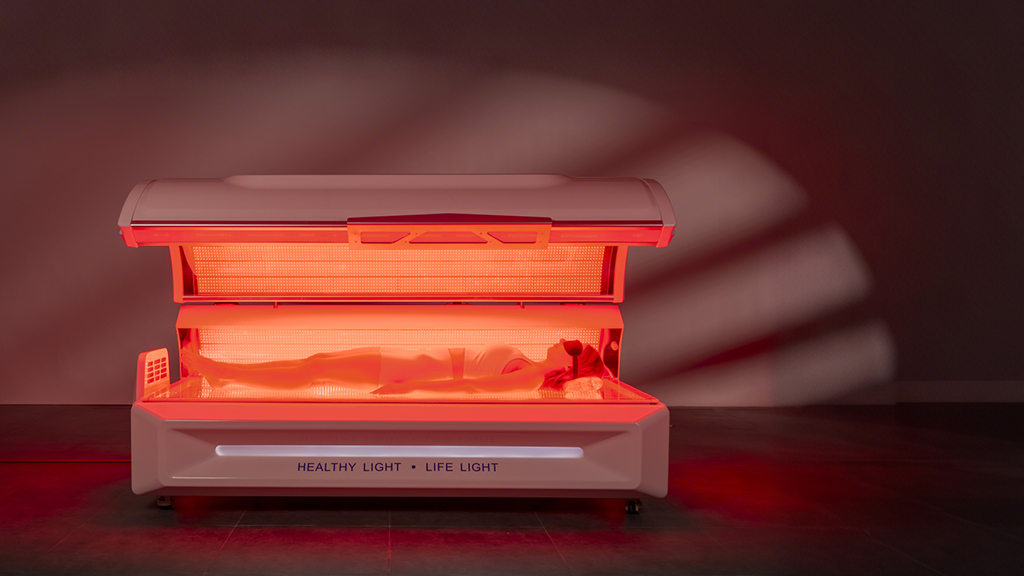
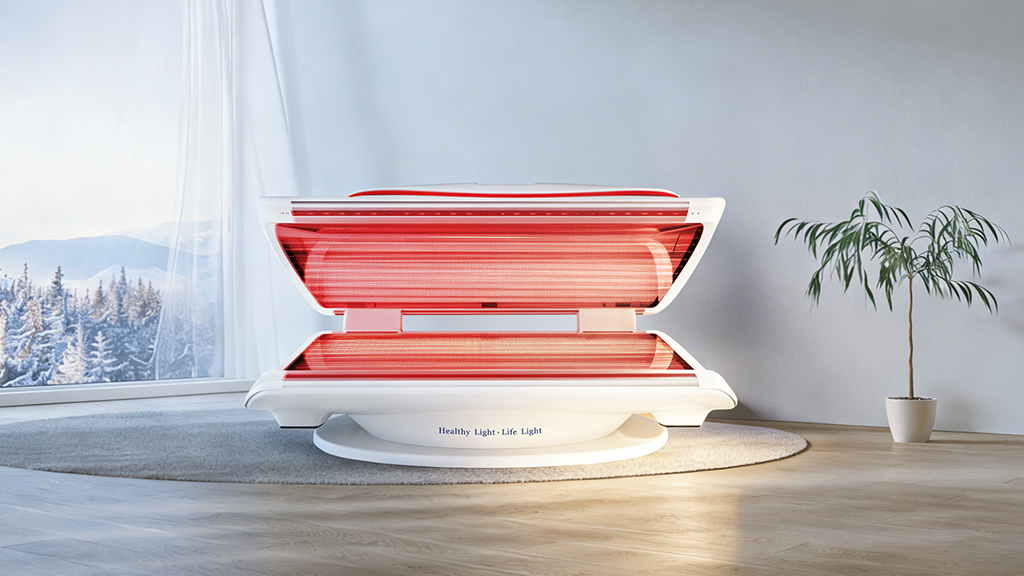
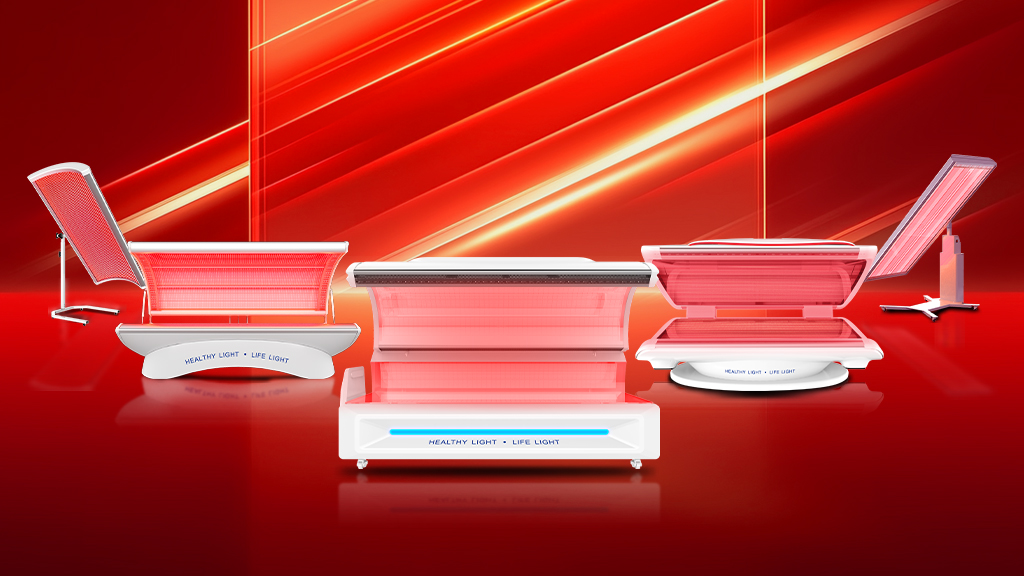
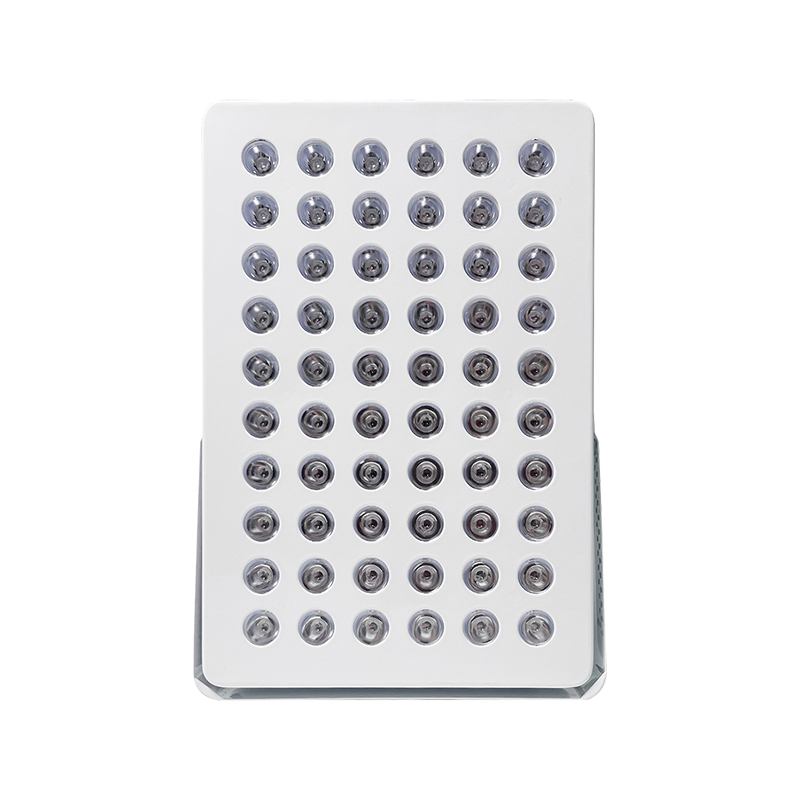
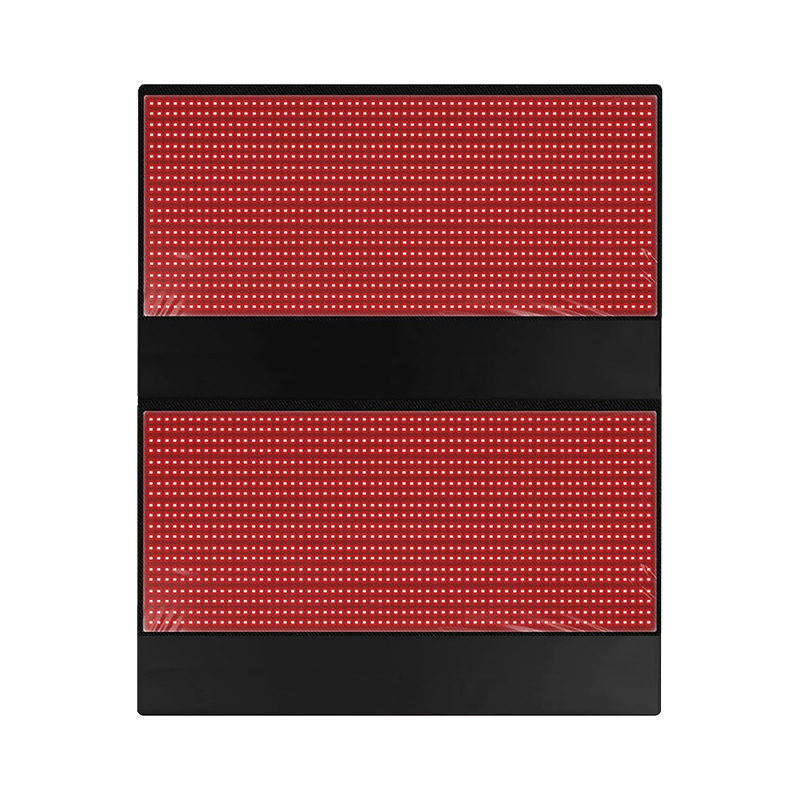
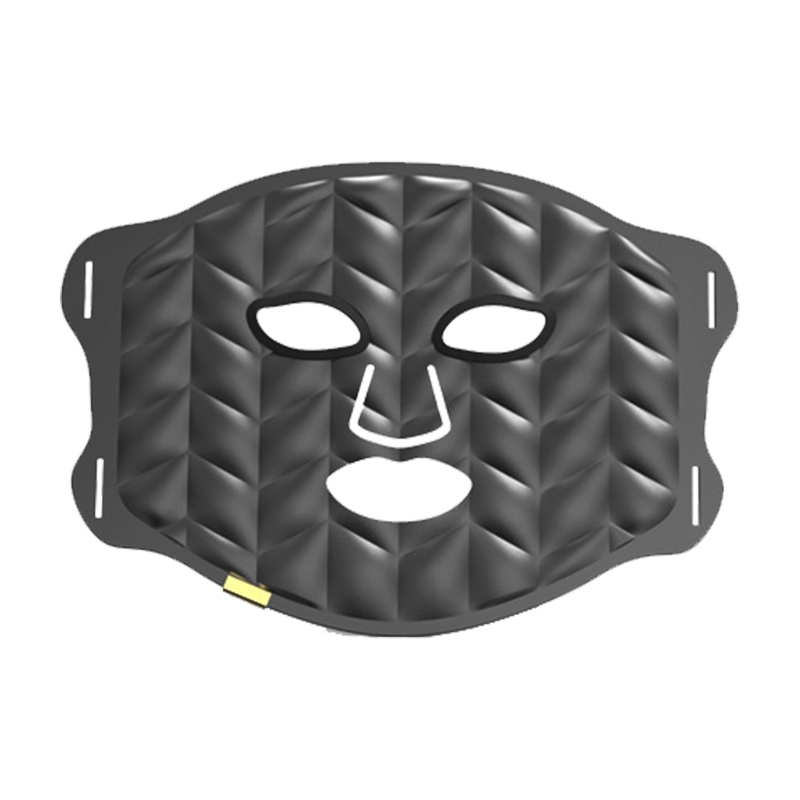
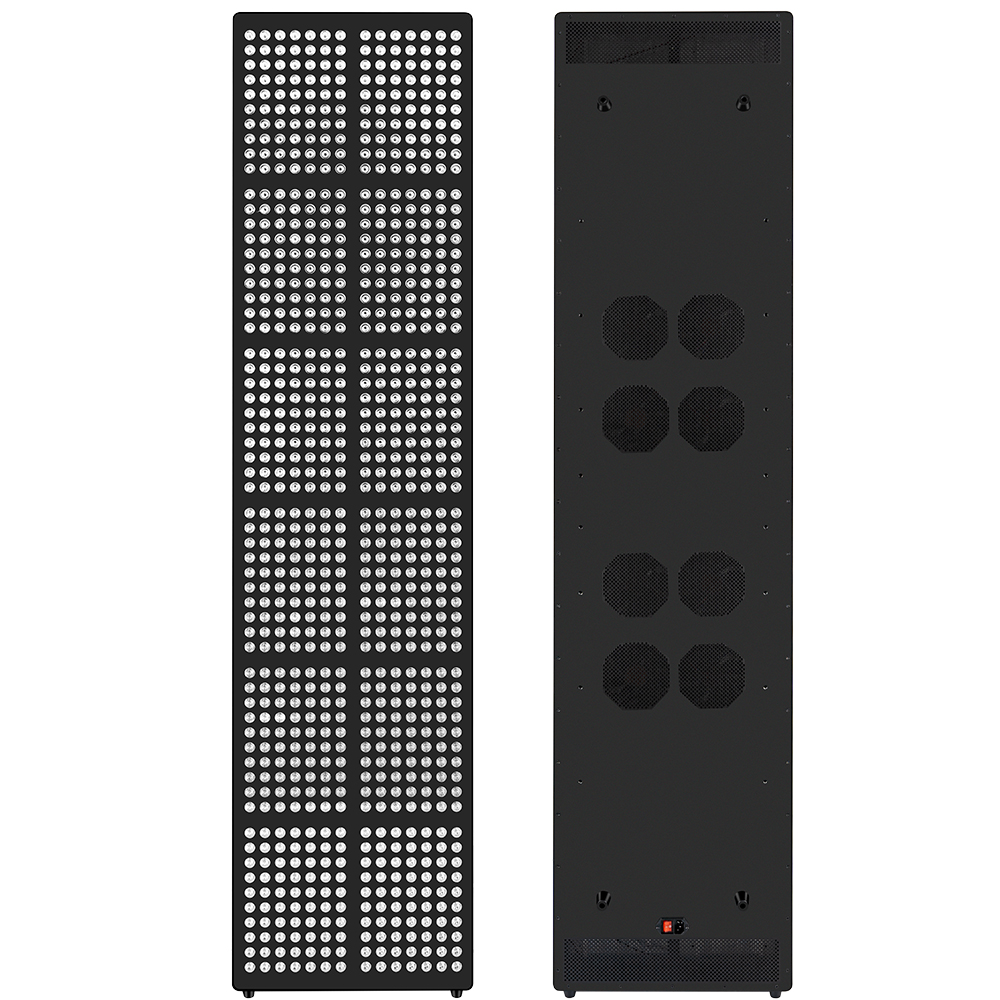
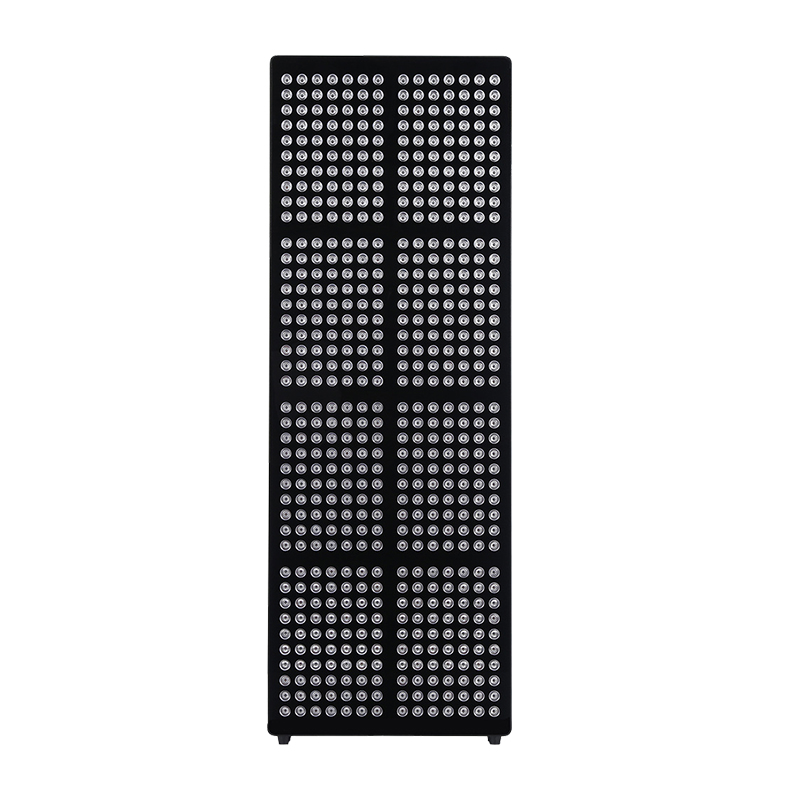
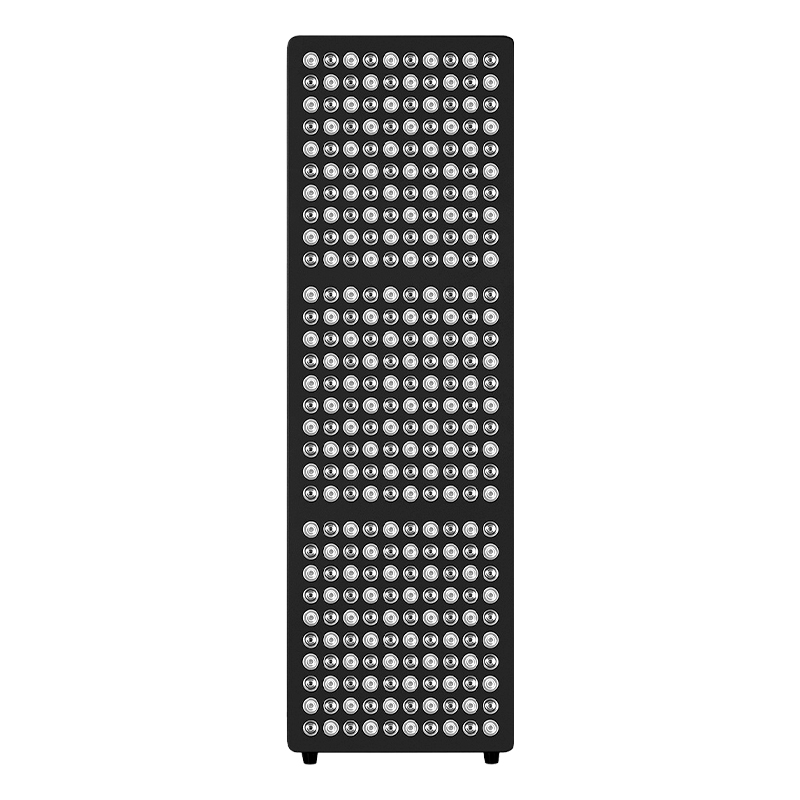
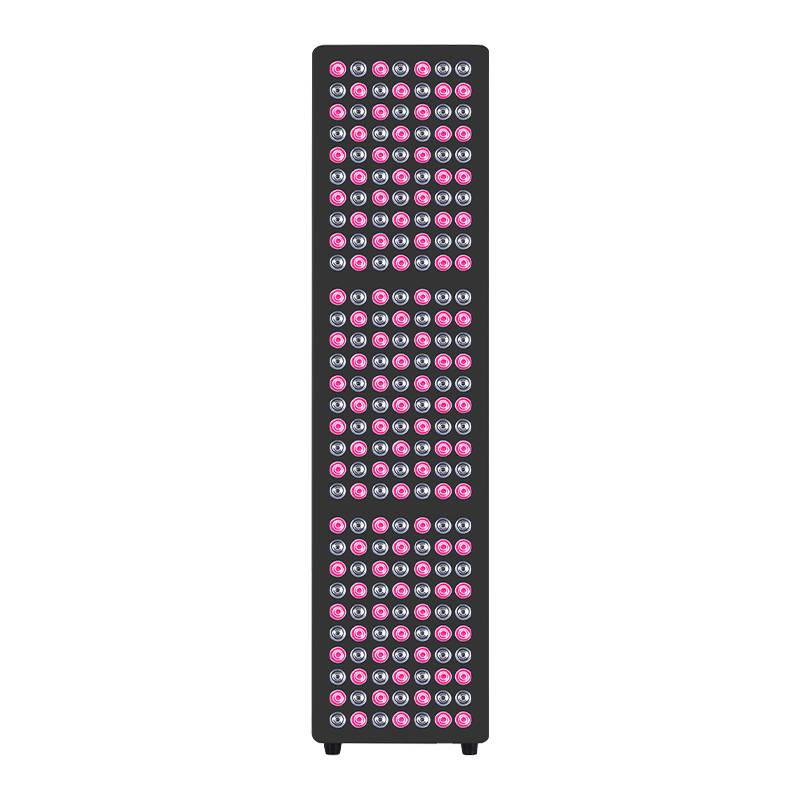
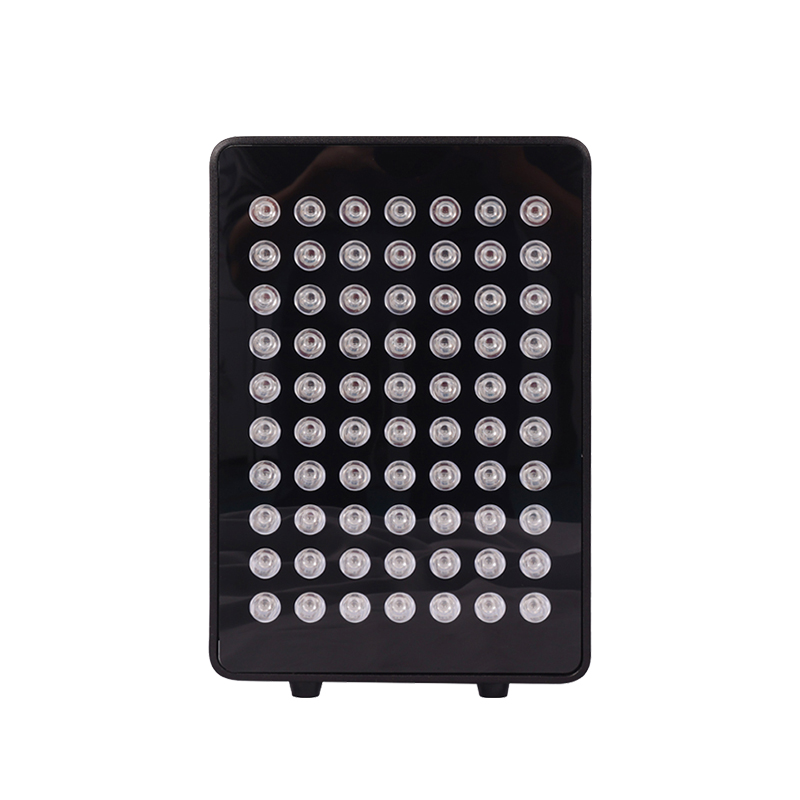
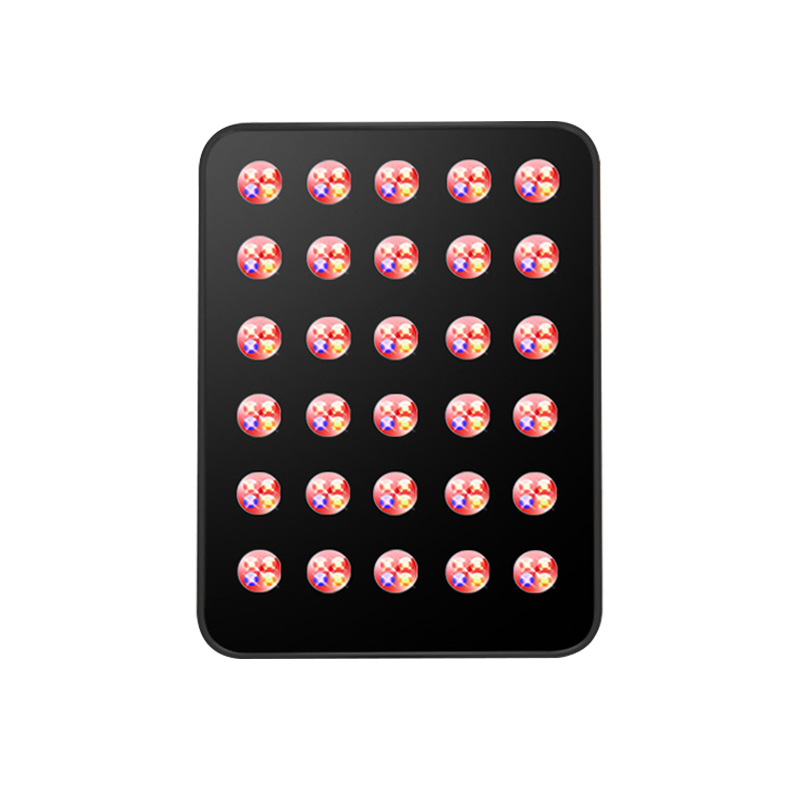
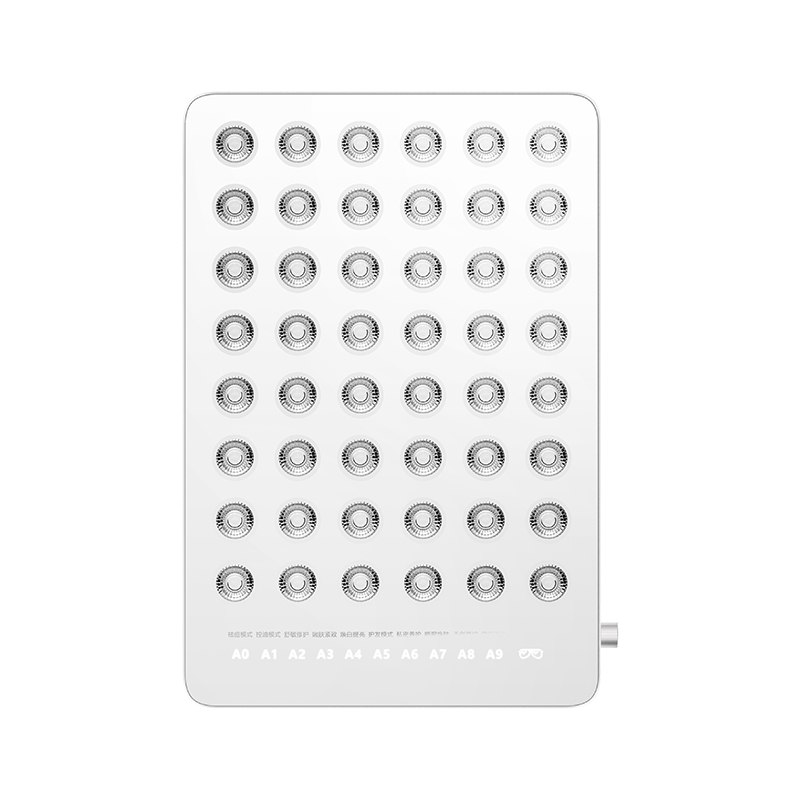
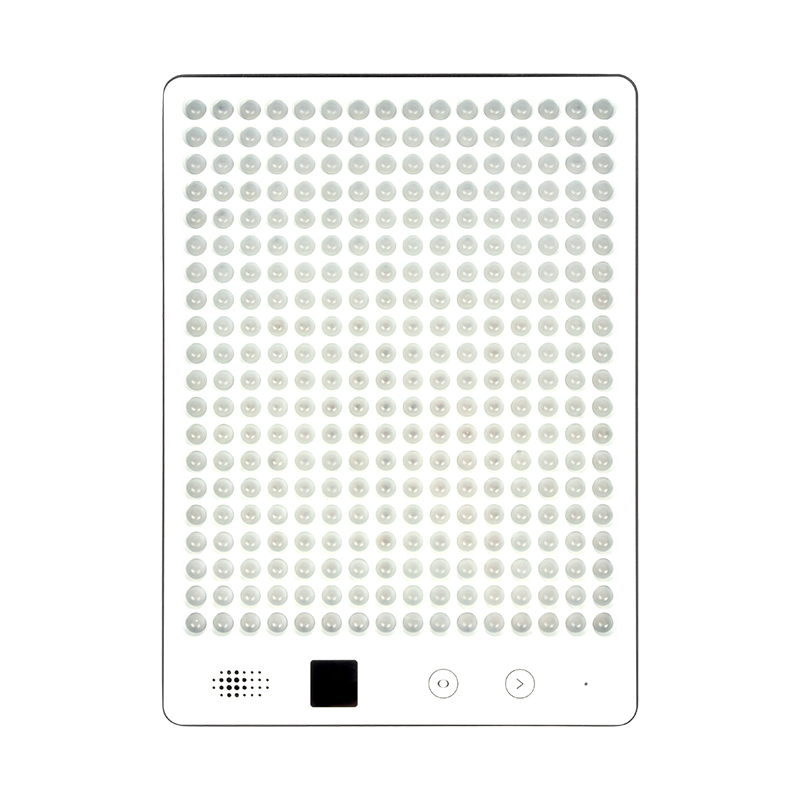
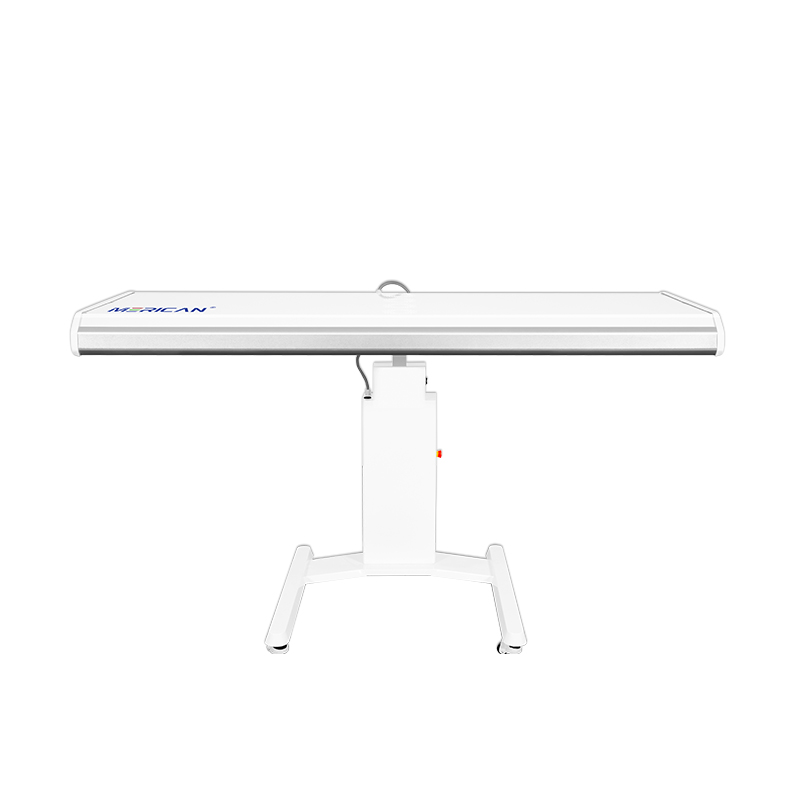
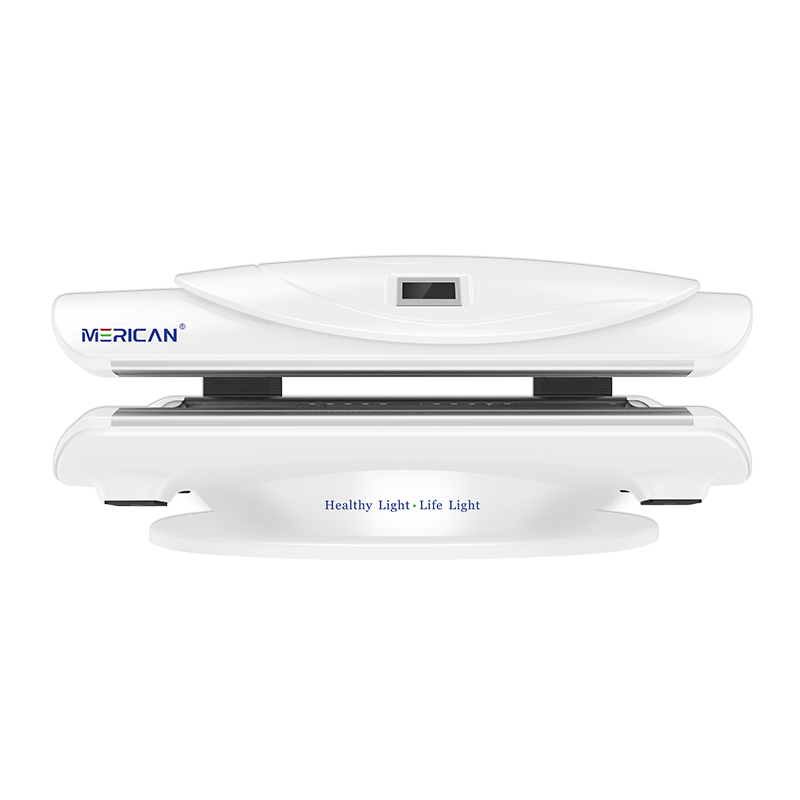
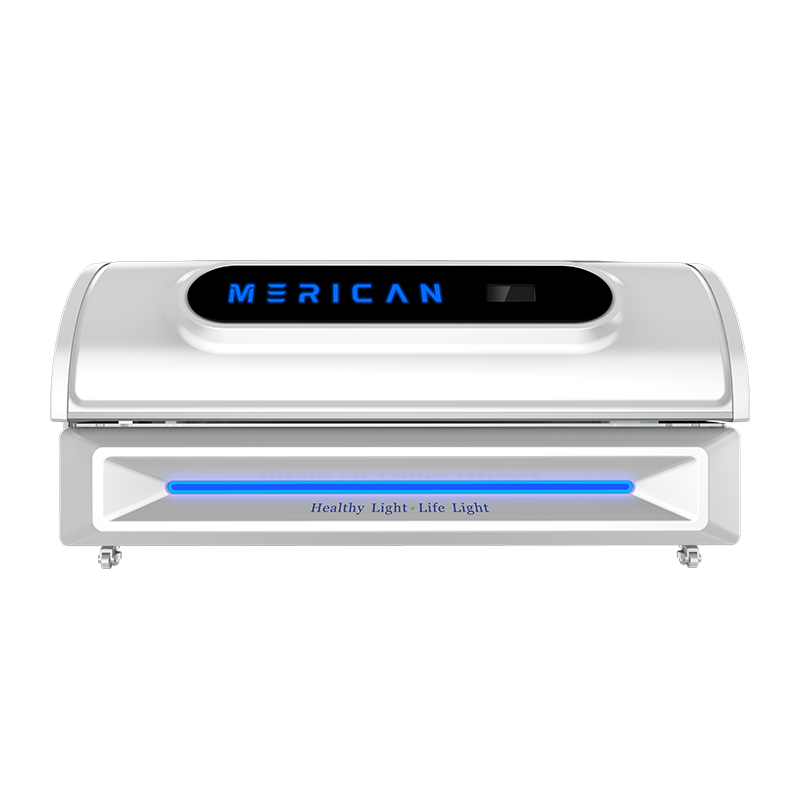
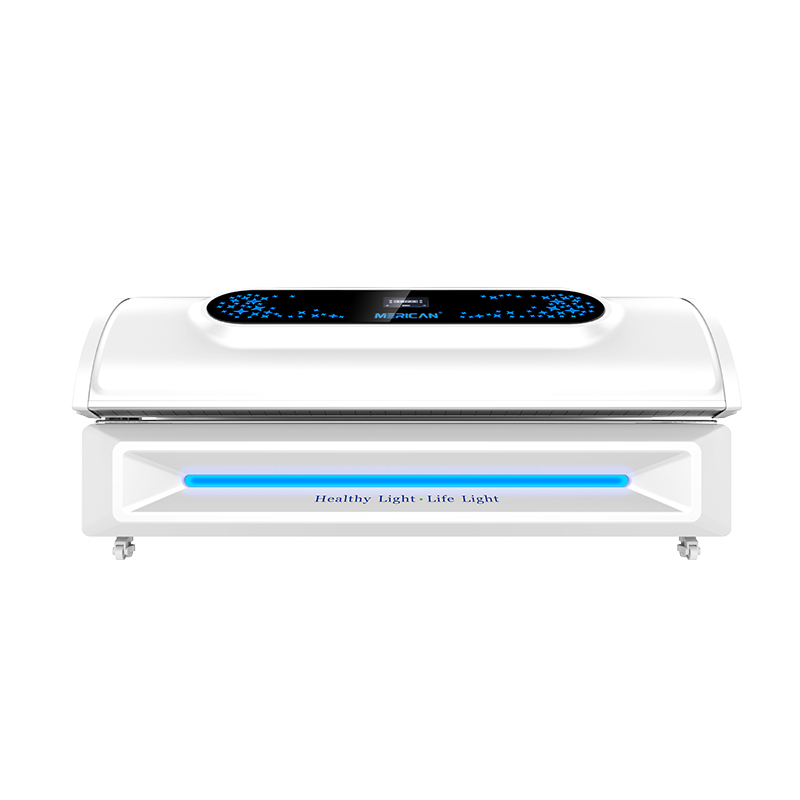
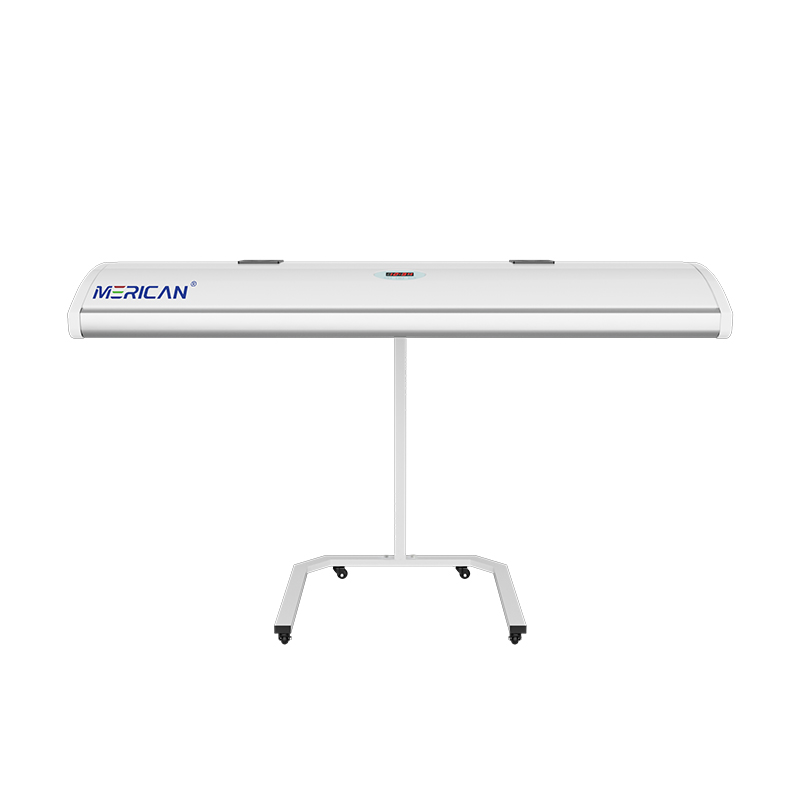
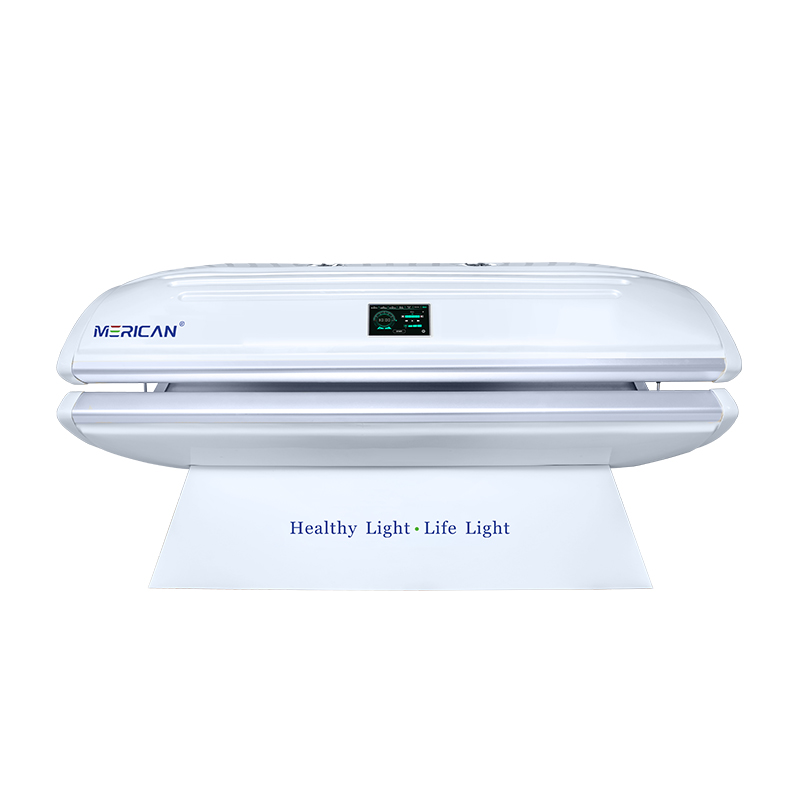
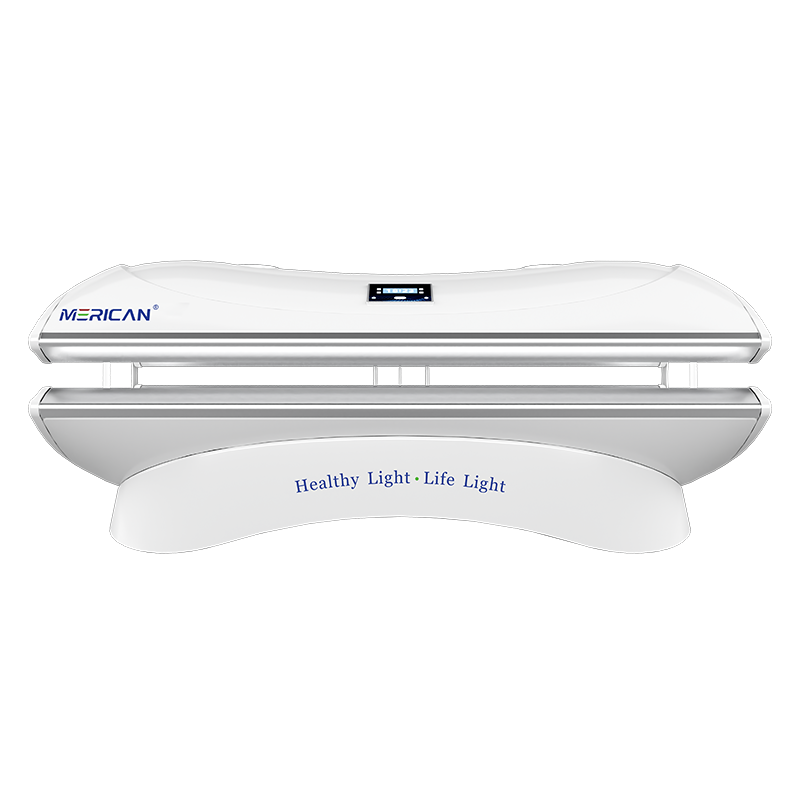
Red light therapy may be applied directly to the affected tendon using targeted devices, panui, or professional-grade red light therapy beds.
Kei roto i nga aratohu whaanui mo te oranga oranga:
- Nga roangaru: 660 nm (whero) a 850 nm (tata-infrared)
- Wātū Roa: 10–20 meneti mo ia waahi
- Auautanga: 3–5 wahanga ia wiki
- Ngā Wāhanga Whāinga: Directly over the affected tendon
Consistency over several weeks is often necessary to notice improvements.
Te Haumaru me nga Whakaaro Nui
- Red light therapy does not repair tendon tears or ruptures
- Acute pain, severe swelling, or loss of function requires medical evaluation
- Best results occur when combined with rest, rongoā tinana, and proper load management
- Discontinue use if pain worsens or irritation develops
Always consult a healthcare professional for persistent or severe tendon pain.
Nga Whakaaro Whakamutunga
Na, can red light therapy help tendonitis? While it cannot replace medical treatment or physical therapy, Ka awhina pea te rongoa rama whero whakaiti i te mumura, tautoko te whakatika i te kiko, whakapai te tohanga, and ease pain—making it a valuable complementary option in tendonitis recovery.
For individuals seeking a non-invasive, drug-free approach to support tendon health, red light therapy may be a helpful addition to a comprehensive tendonitis management plan.
FAQ
Q: Can red light therapy cure tendonitis?
A: Kao. Tendonitis requires rest and rehabilitation. Red light therapy may support recovery but does not cure the condition.
Q: Is red light therapy better for chronic tendonitis?
A: Many people find it especially helpful for chronic or recurring tendon pain when used consistently.
Q: How soon can I expect results?
A: Some users report improvement within 2–4 weeks, while chronic cases may take longer.