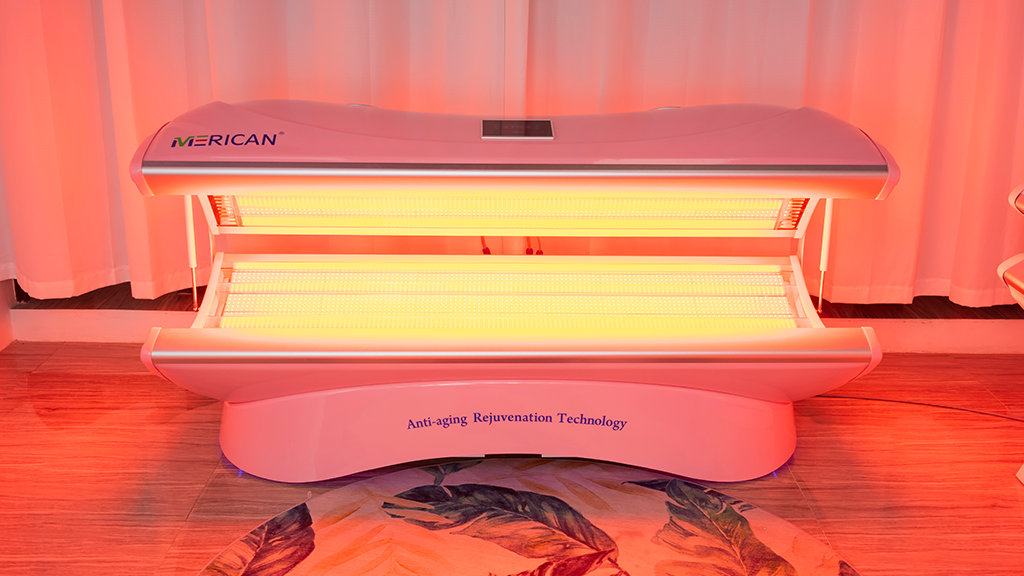
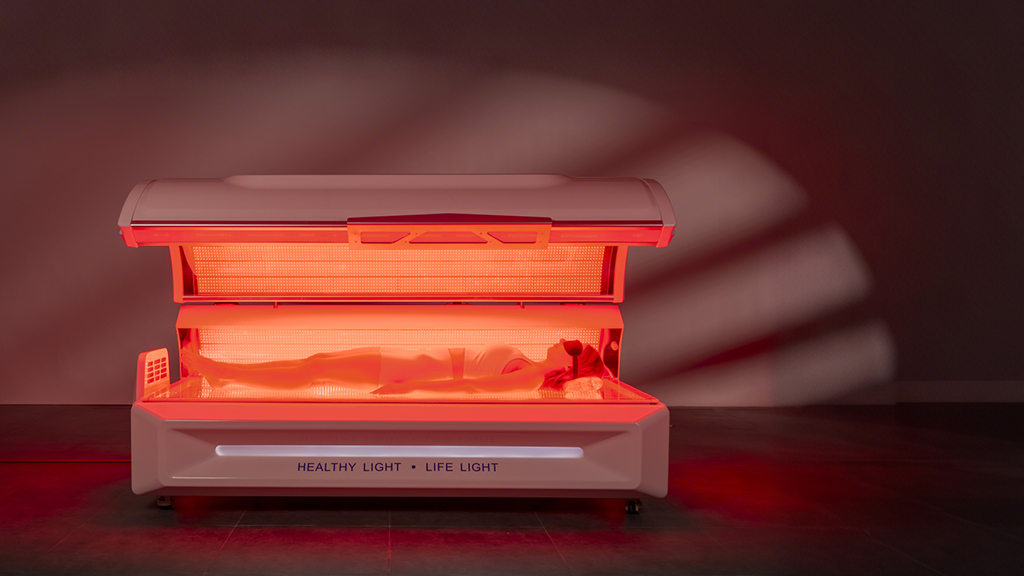
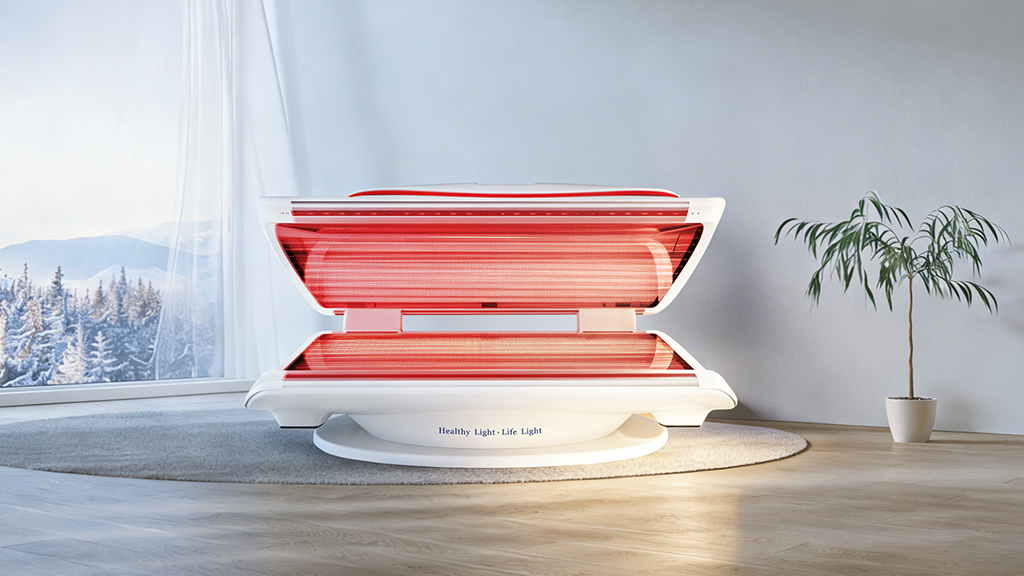
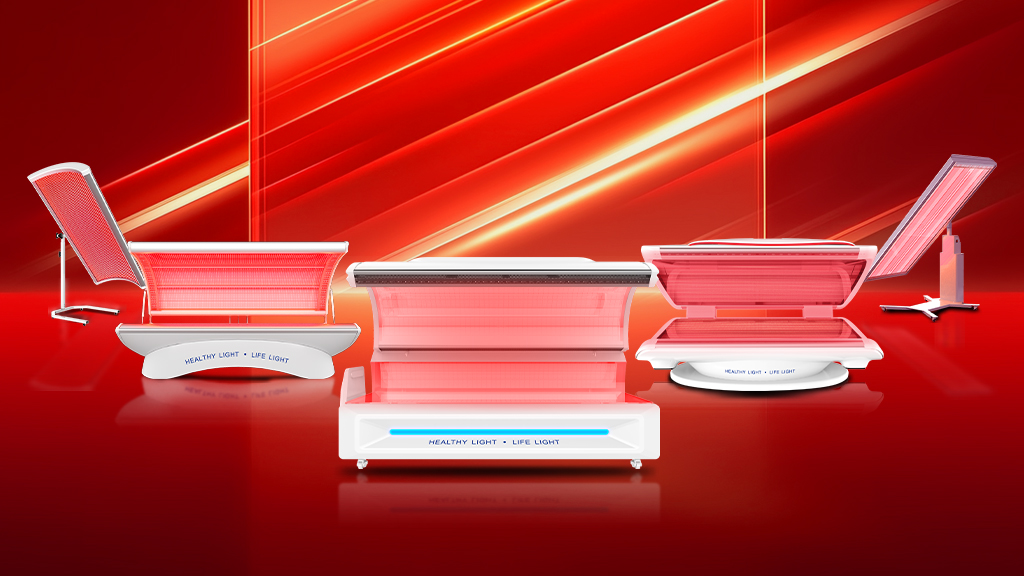
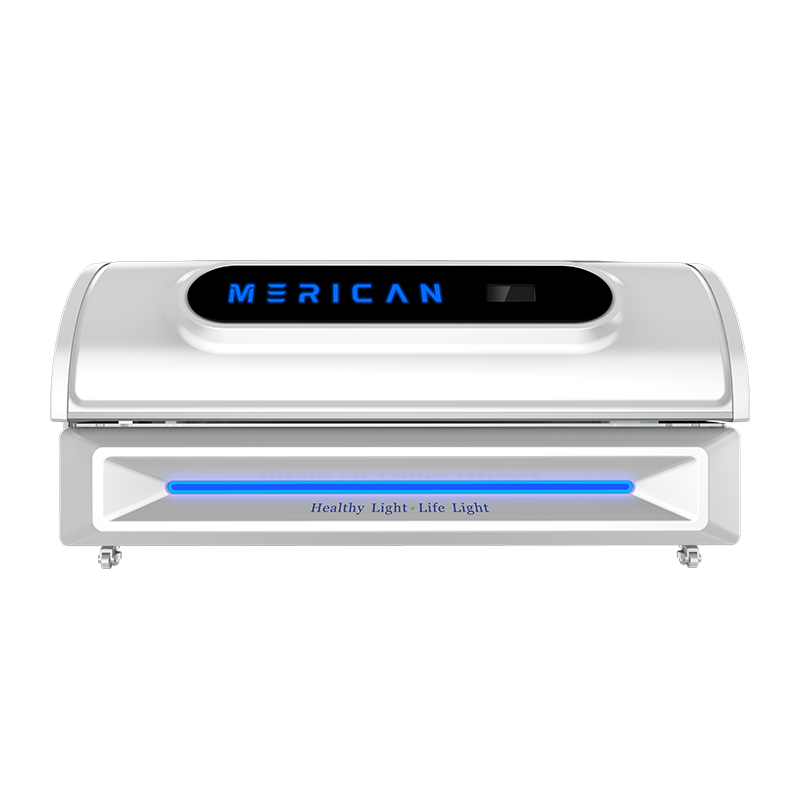
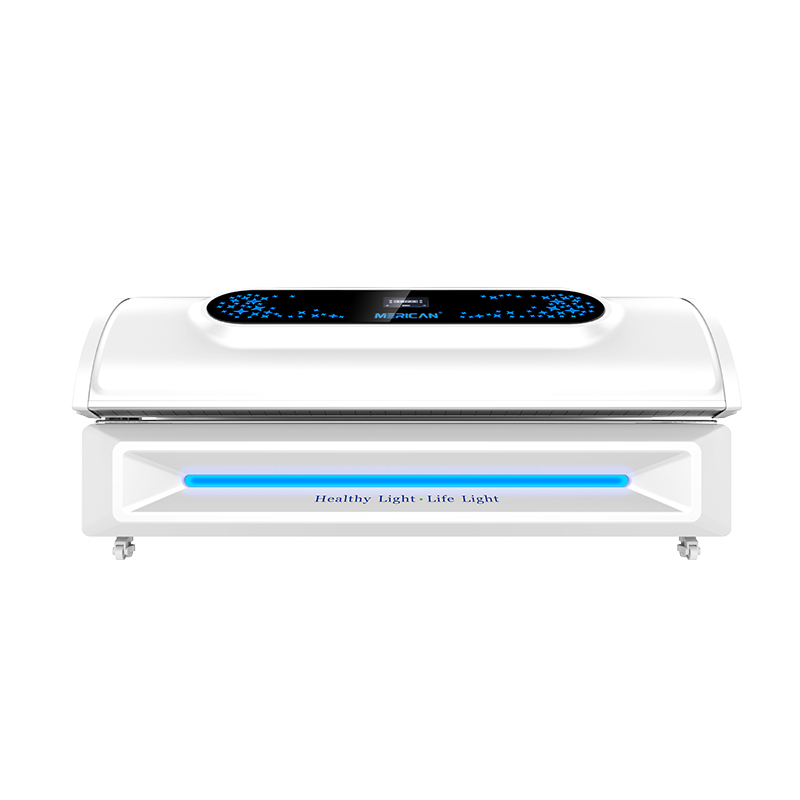
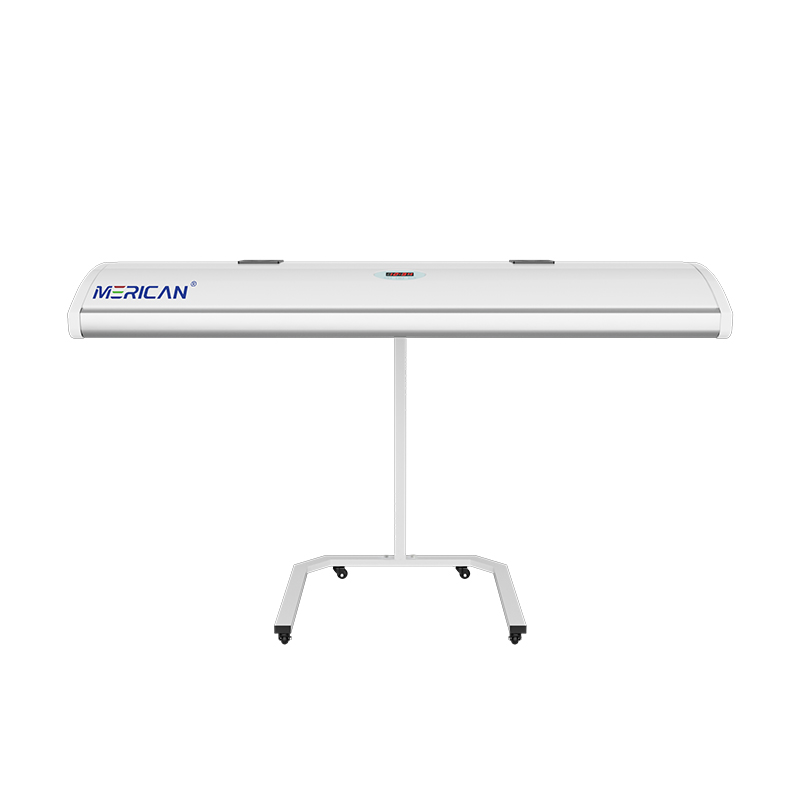
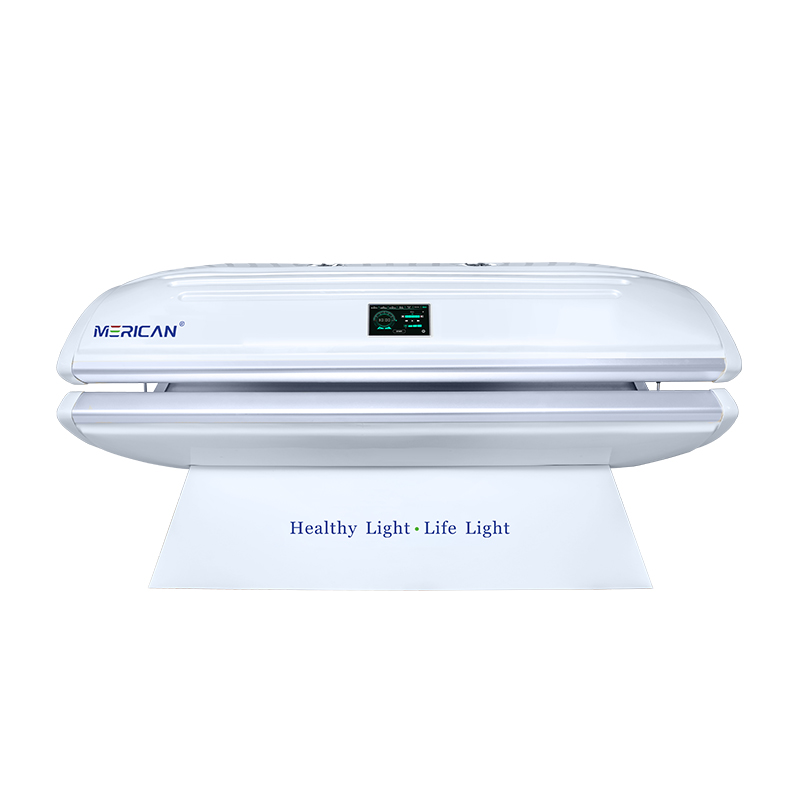
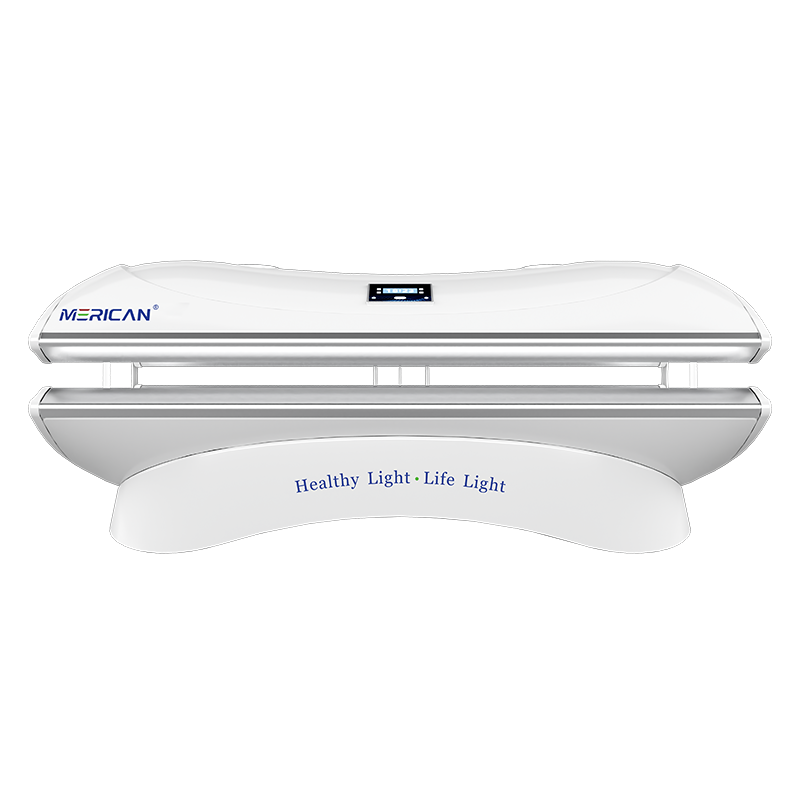
Eczema, mohiotia hoki ko atopic dermatitis, he mate kiri mau tonu ka puta te mumura, te whero, te patito, me te maroke. E pa ana ki nga miriona taangata puta noa i te ao, Ka taea e te eczema te whakaiti i te kounga o te oranga me te uaua ki te whakahaere me nga maimoatanga tikanga anake. I nga tau tata nei, maimoatanga rama whero (RLT) kua puta mai he maimoatanga pai, he maimoatanga taapiri ranei. But how effective is it for eczema?
Let’s explore how red light therapy works and its potential role in managing eczema symptoms.
He aha te Maama Whero?
Ka whakamahia te whakamaarama rama whero taumata-iti nga roangaru o te marama—te tikanga i waenganui 630nm me te 850nm—to penetrate the skin and stimulate cellular activity. It’s a painless, non-invasive therapy that encourages healing, ka whakaiti i te mumura, and promotes collagen production.
This form of therapy is commonly used in dermatology for:
- Te whakahou kiri
- Te whakaora i nga patunga
- Te maimoatanga hakihaki
- Psoriasis and rosacea
- Joint pain and inflammation
How Red Light Therapy May Help Eczema
1. Ka whakaiti i te mumura
Inflammation is at the core of eczema flare-ups. Red light therapy helps calm the immune response by reducing inflammatory cytokines and oxidative stress in skin cells. Ka taea tenei relieve redness, te pupuhi, and itching.
2. Strengthens Skin Barrier Function
RLT supports the health of skin cells and improves blood circulation, which may help restore the skin’s natural barrier. A healthy barrier prevents moisture loss and blocks irritants—both crucial in managing eczema.
3. Promotes Healing and Tissue Repair
By stimulating ATP (pūngao pūtau) production and collagen synthesis, red light therapy accelerates tissue repair. Ka taea e tenei te awhina heal cracked, kirikiri, or irritated skin faster and reduce the chances of secondary infections.
4. May Reduce Itching (Pruritus)
Early research suggests that red and near-infrared light can help calm nerve activity and reduce itching, one of the most distressing eczema symptoms.
He aha ta te rangahau?
Although more large-scale human studies are needed, early clinical evidence is encouraging:
- A 2013 study showed that red light therapy significantly reduced itching, scaling, and skin thickening in patients with atopic dermatitis after several sessions.
- A 2021 review noted that low-level light therapy could modulate inflammatory responses and improve skin integrity in inflammatory skin diseases.
- Dermatologists have reported successful use of RLT as a complementary treatment for eczema, especially in mild to moderate cases.
How to Use Red Light Therapy for Eczema
- Nga roangaru: 630–660nm (rama whero) me te 810–850nm (tata-infrared)
- Treatment Time: 10–20 meneti mo ia wahanga
- Auautanga: 3–5 nga wa ia wiki mo nga hua pai
- Taupānga: Direct the light at affected areas, keeping the device a few inches from the skin
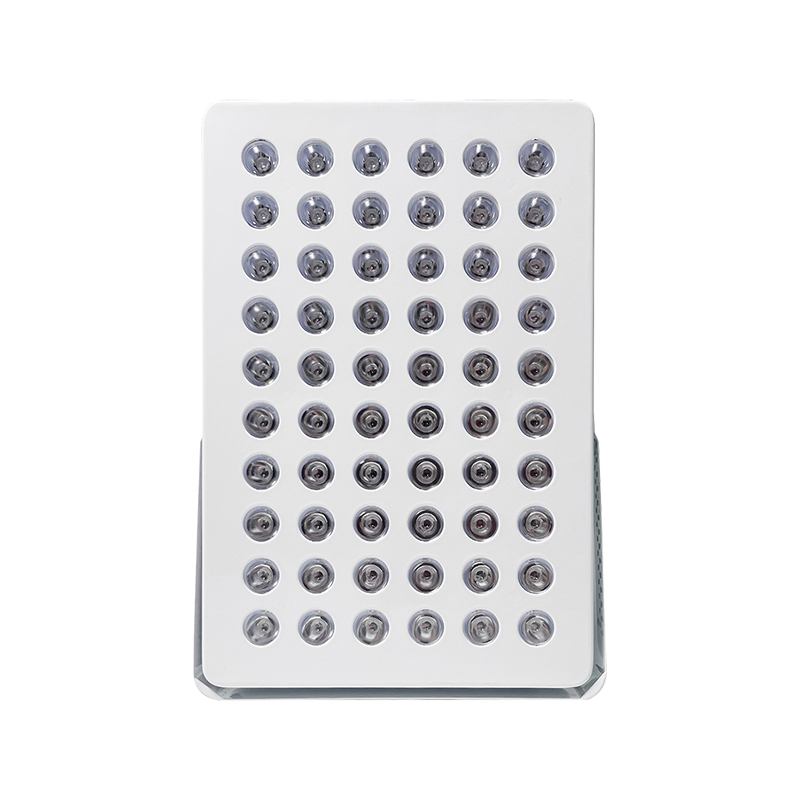
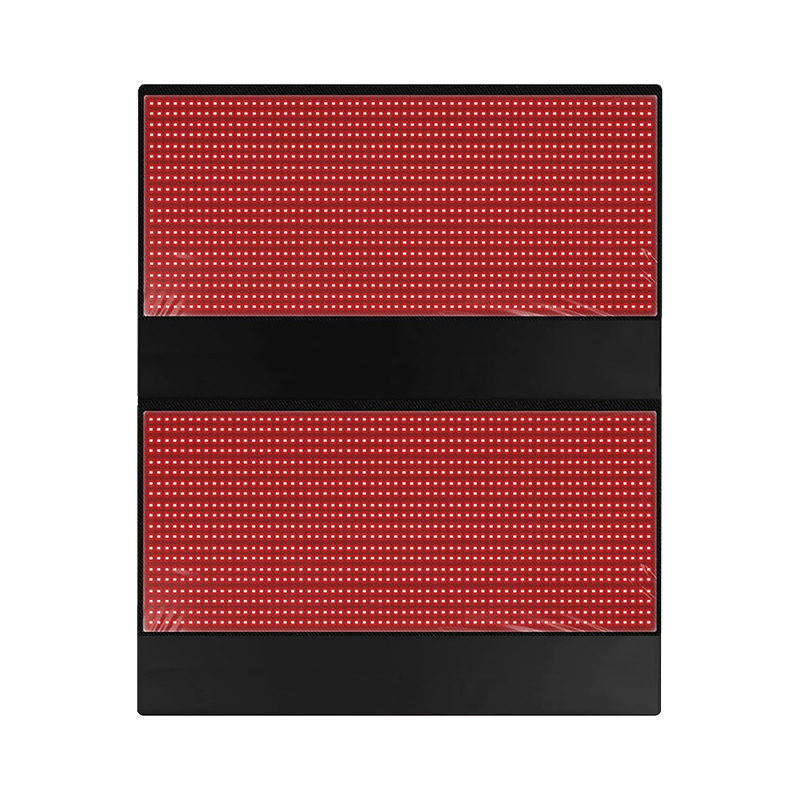
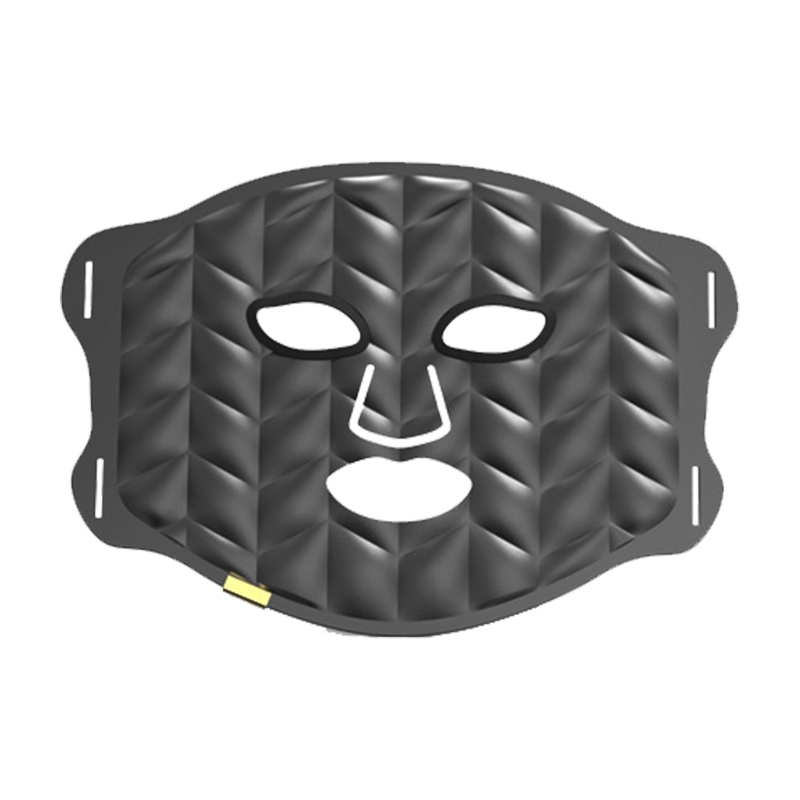
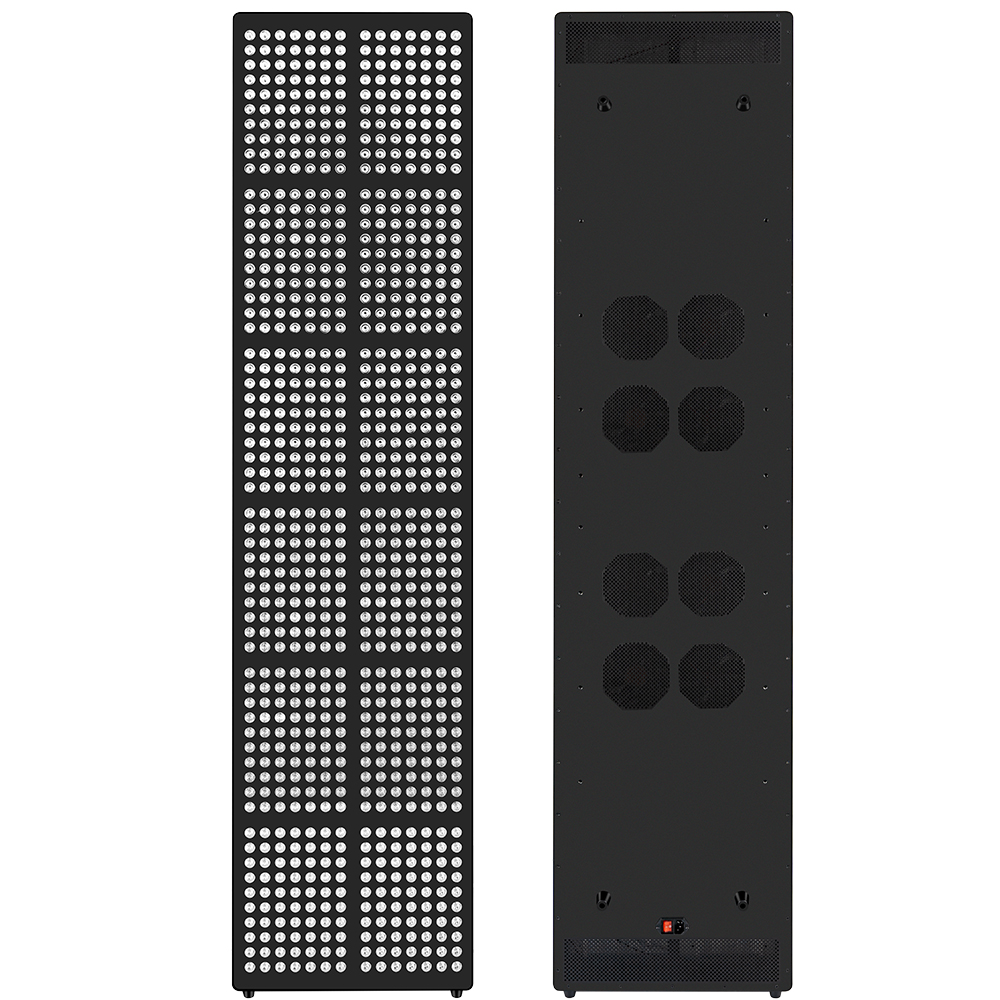
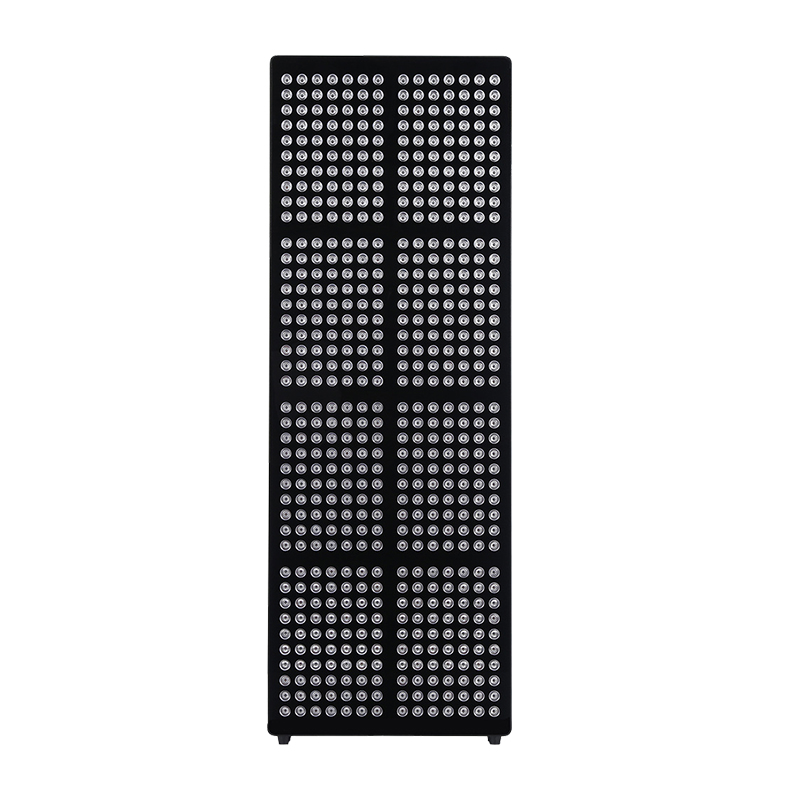
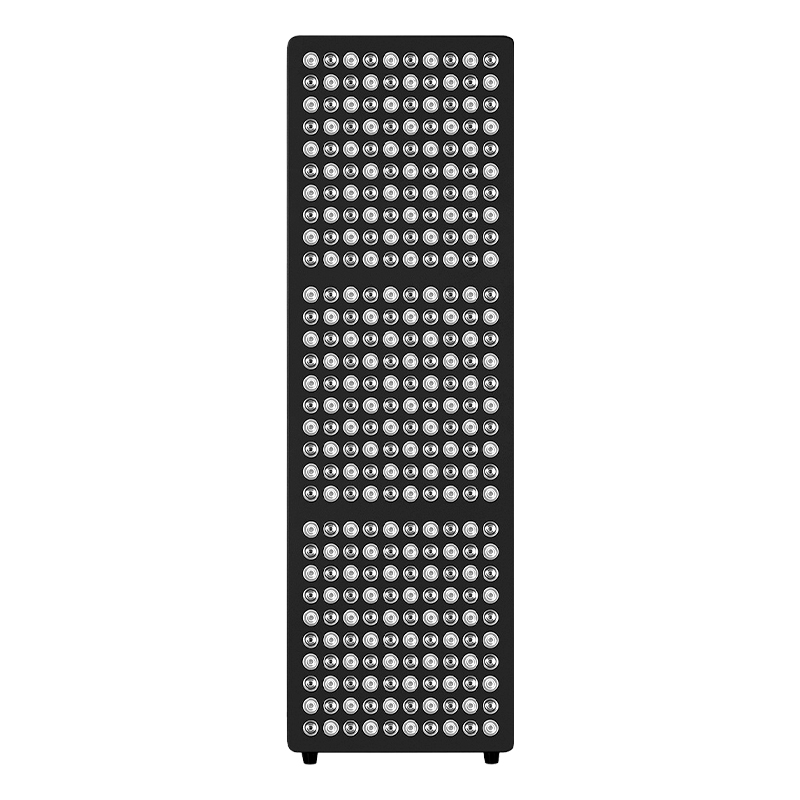
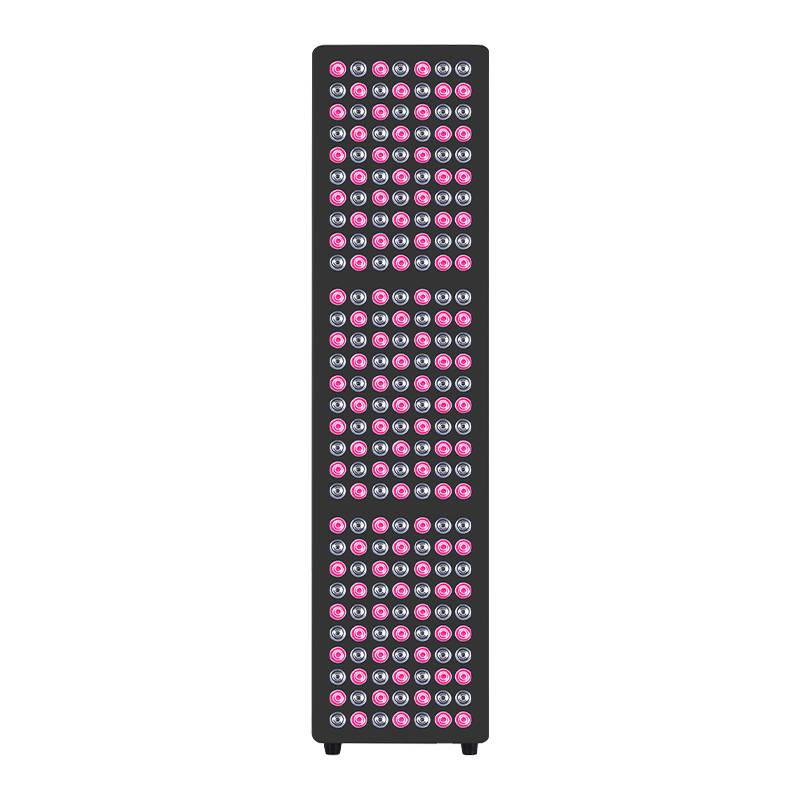
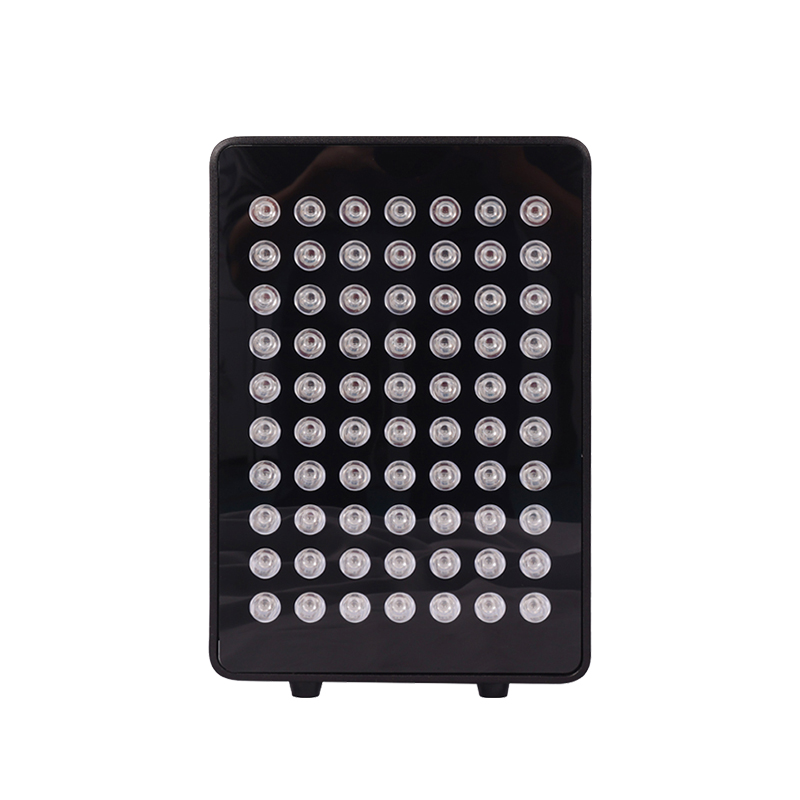
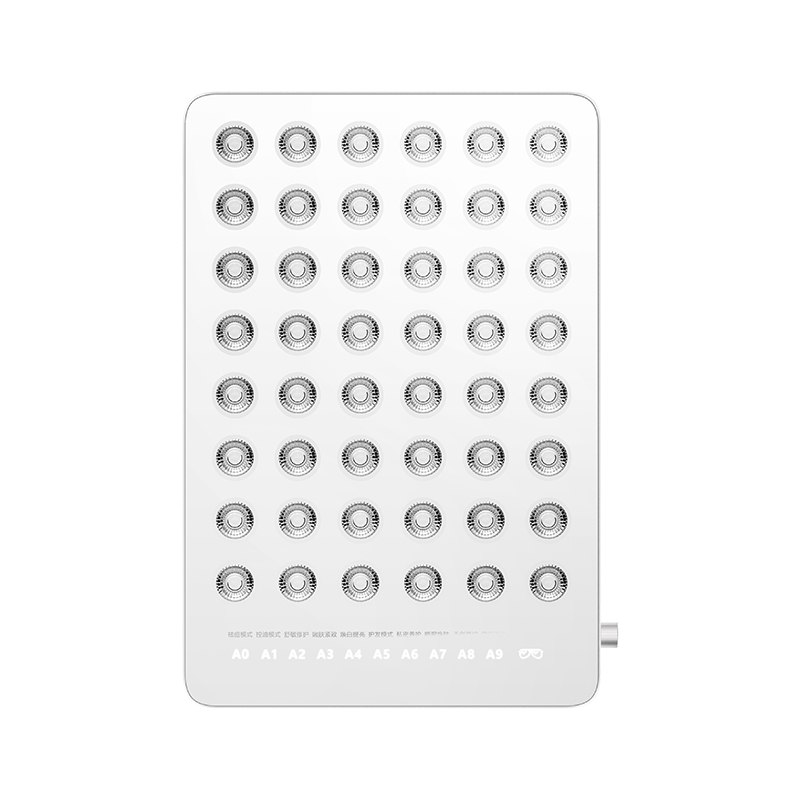
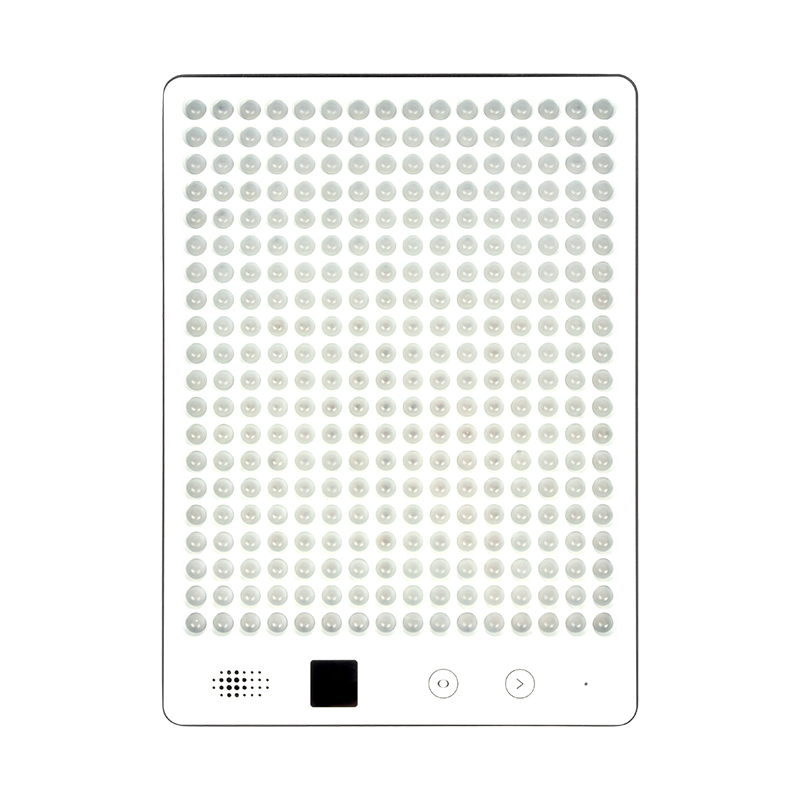
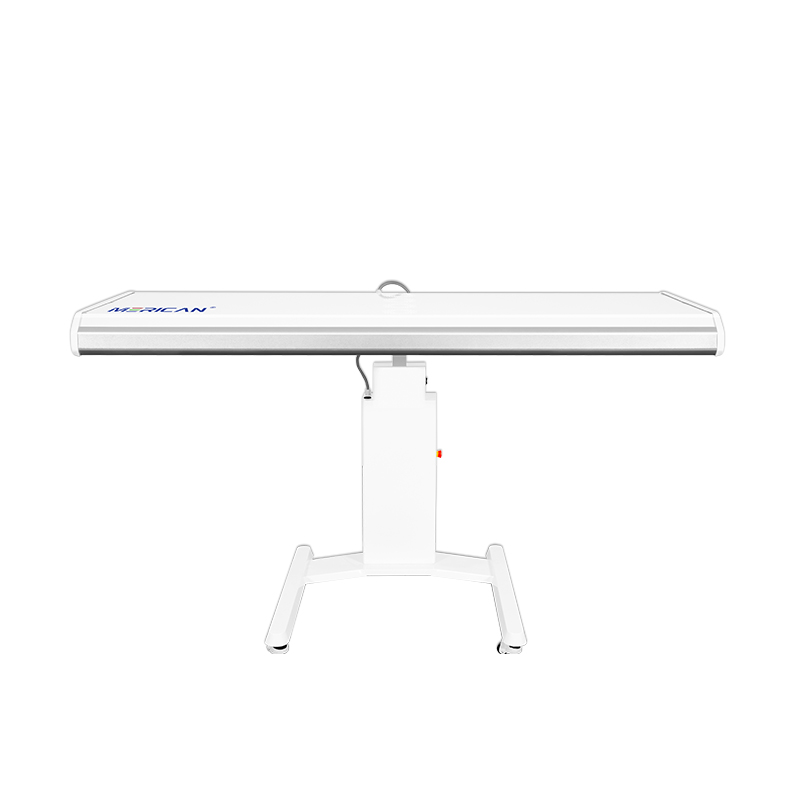
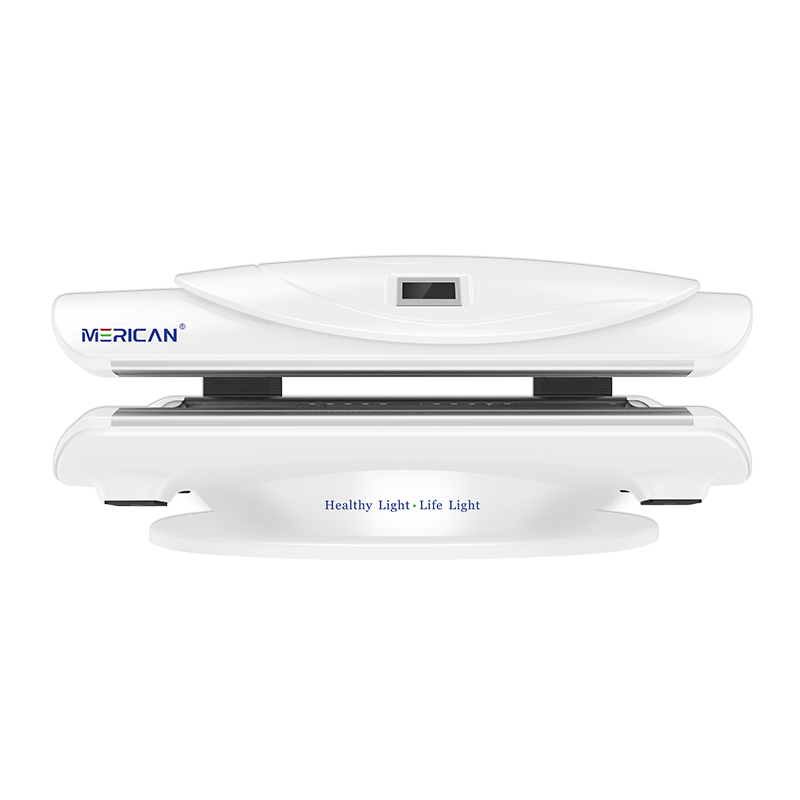
- Pūrere: Use a medical-grade red light panel or handheld device that targets the desired wavelengths
⚠️ Always check with your dermatologist before beginning any at-home light therapy, especially if you are using prescription creams or steroids.
He aha te tumanako: I mua me muri
| Before RLT | After Regular RLT Use (4–8 Weeks) |
|---|---|
| Whero, papaki mumura | Reduced redness and swelling |
| Tinito tonu | Less itching and irritation |
| Cracked, flaky skin | Maeneene, more hydrated appearance |
| Frequent flare-ups | Longer periods of remission |
Results vary by individual, but consistency is key. RLT works best when used regularly over time and in combination with proper skincare and medical guidance.
Nga Whakaaro Whakamutunga
Ko te whakamaarama rama whero he ngawari, drug-free way to manage eczema symptoms and support skin health. Ahakoa ehara i te rongoa, it may significantly reduce discomfort and improve skin appearance, making it a valuable part of an eczema care routine.
If you’re seeking a non-invasive solution to complement your current treatment, therapy rama whero ko worth exploring—safely, rite tonu, and under professional guidance.