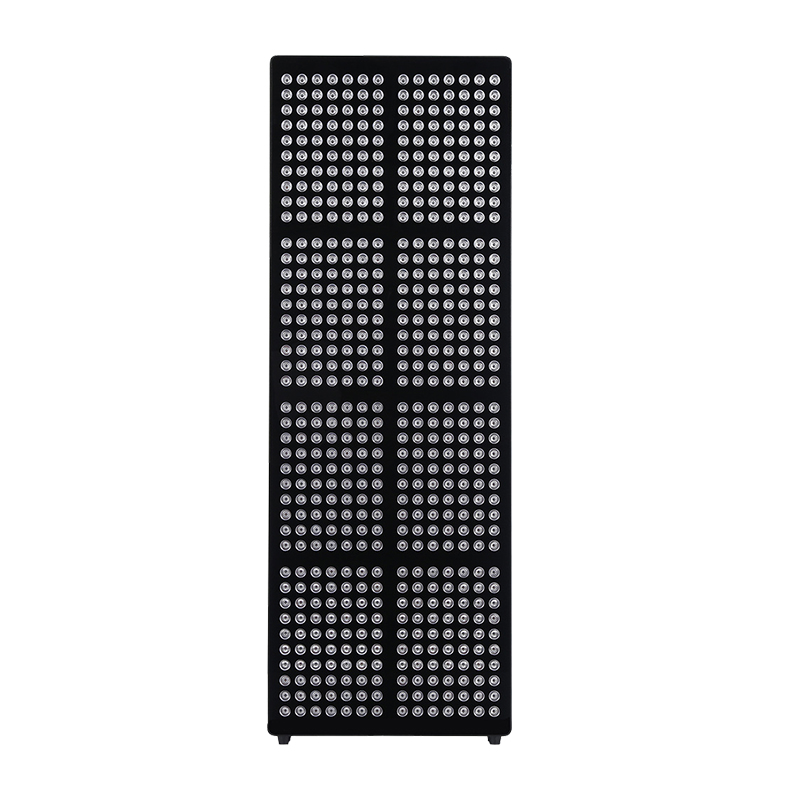
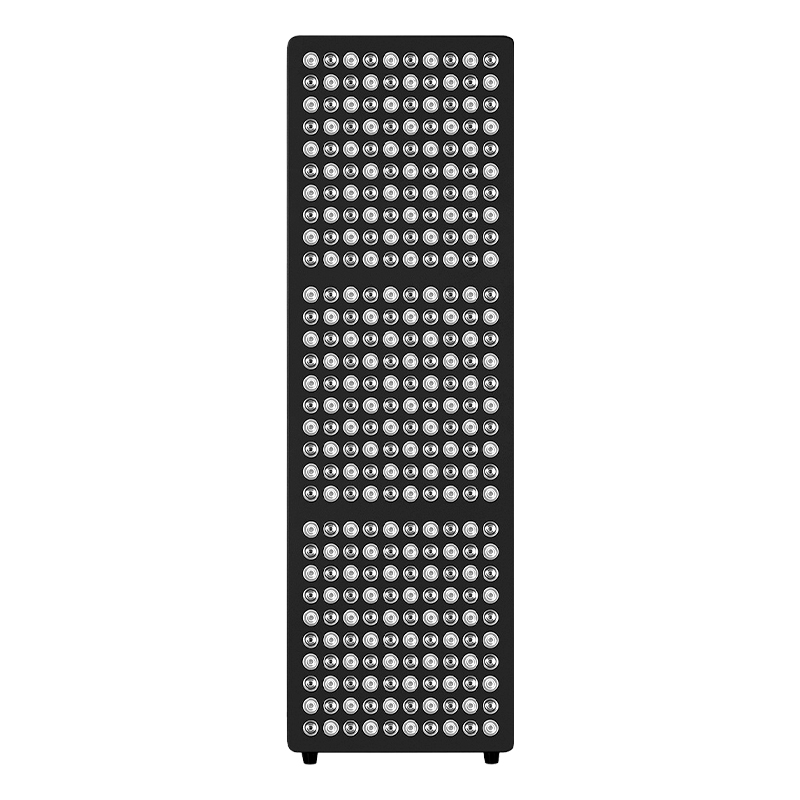
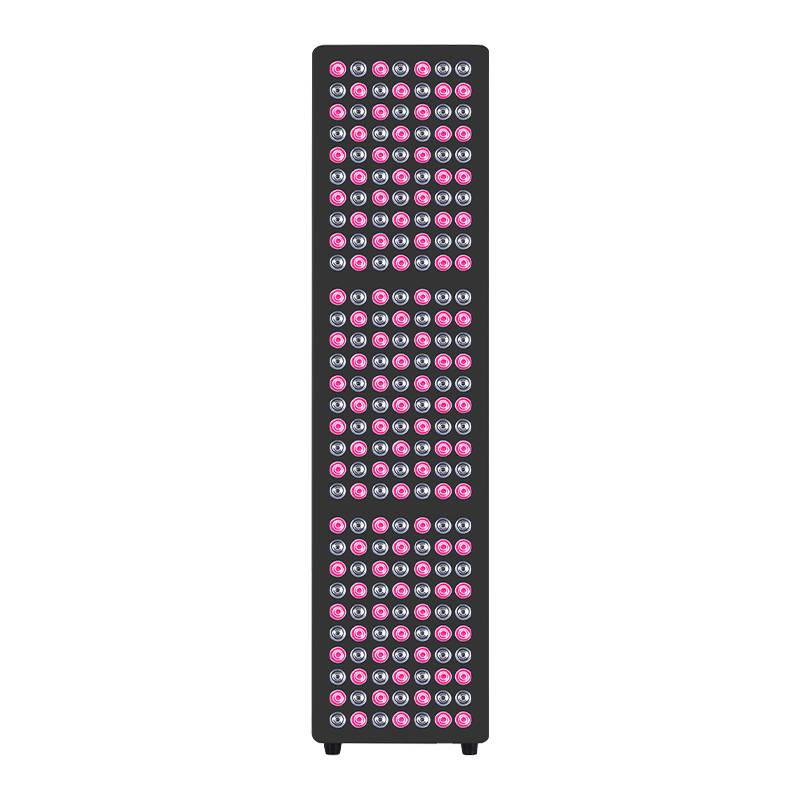
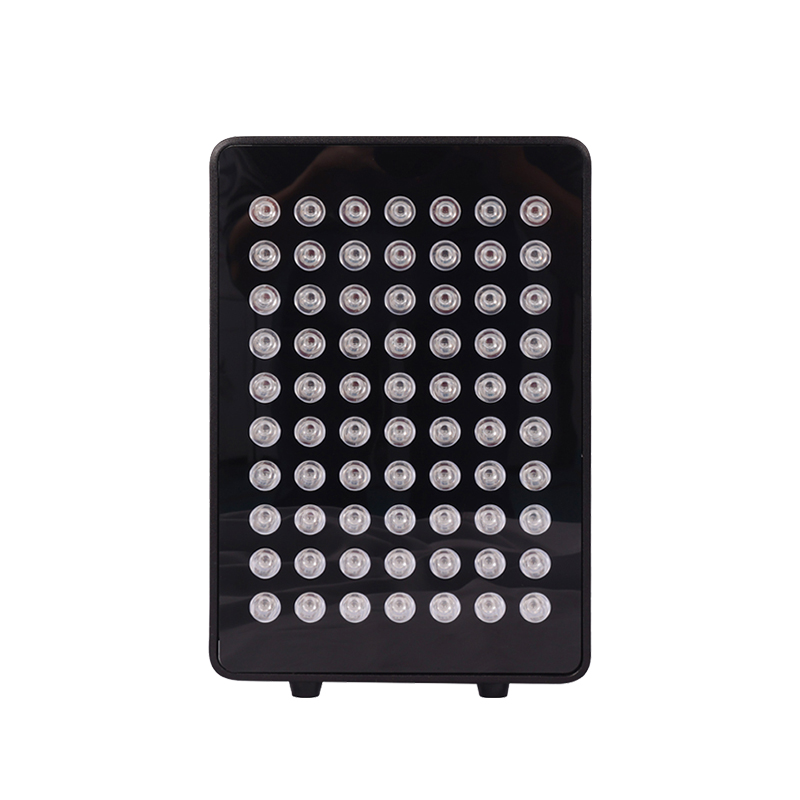
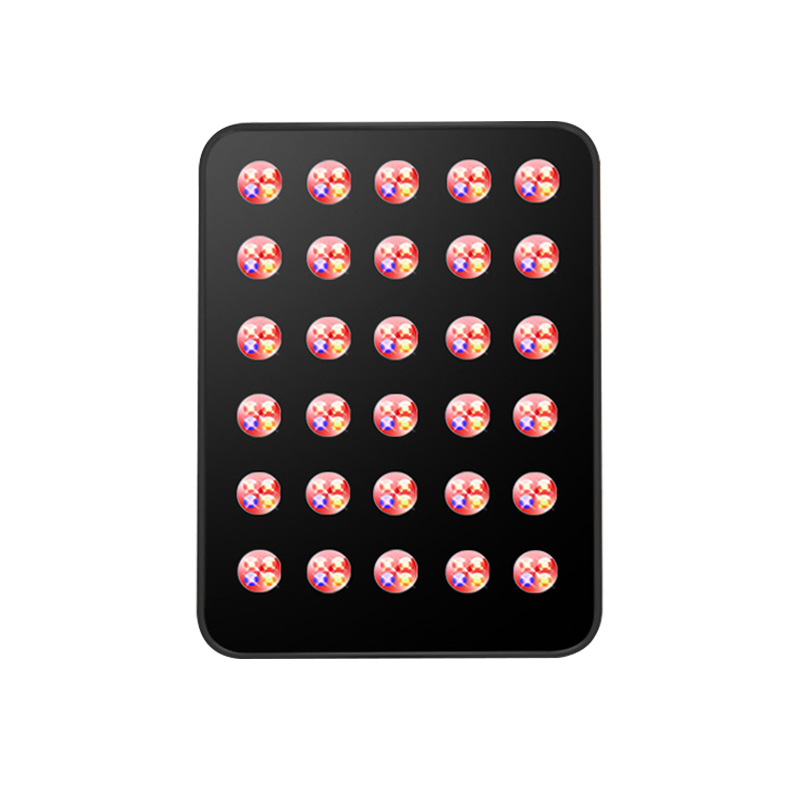
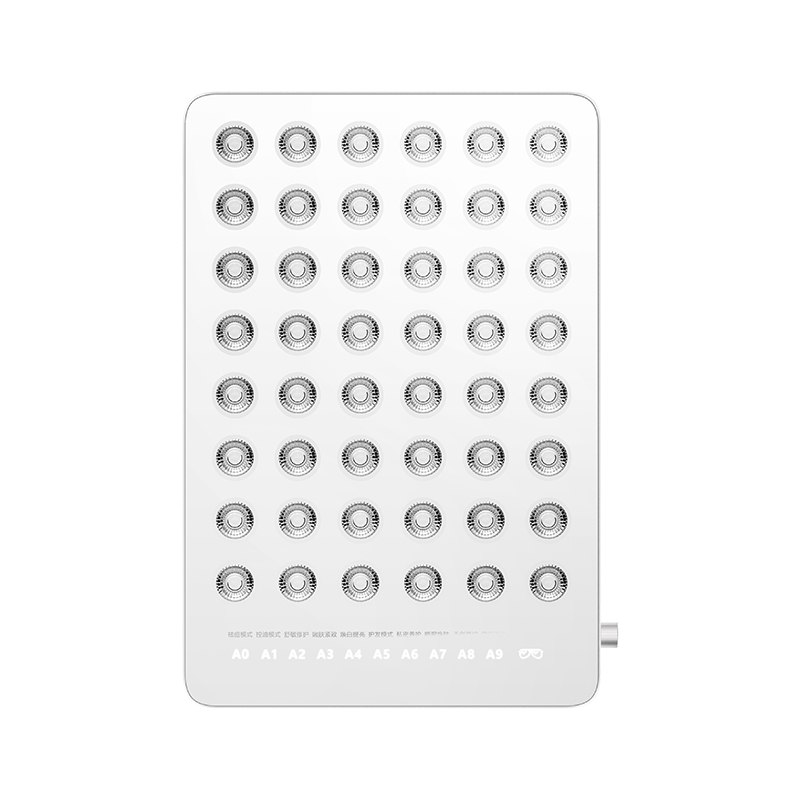
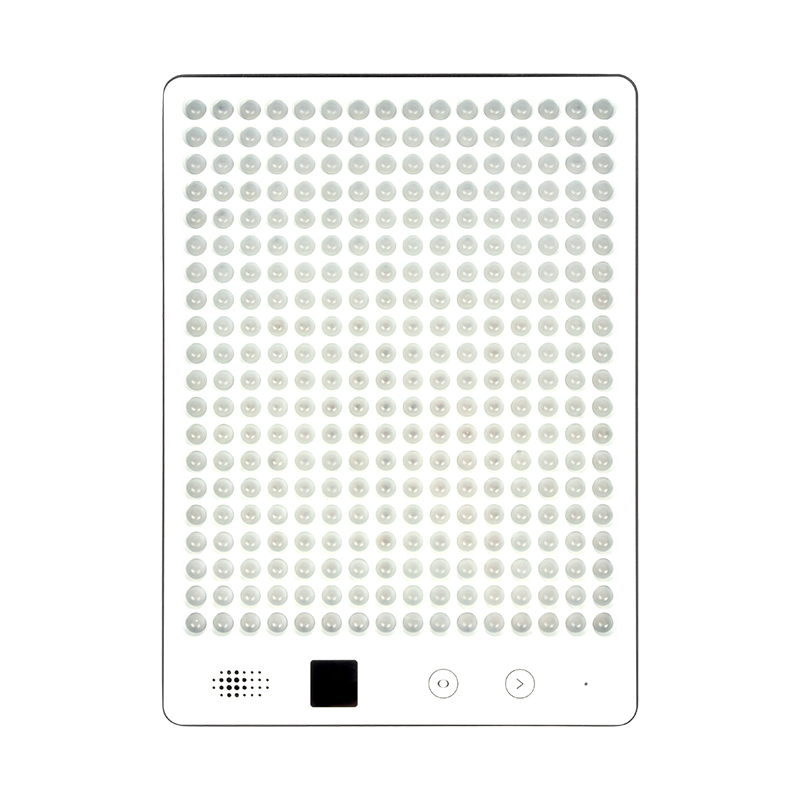
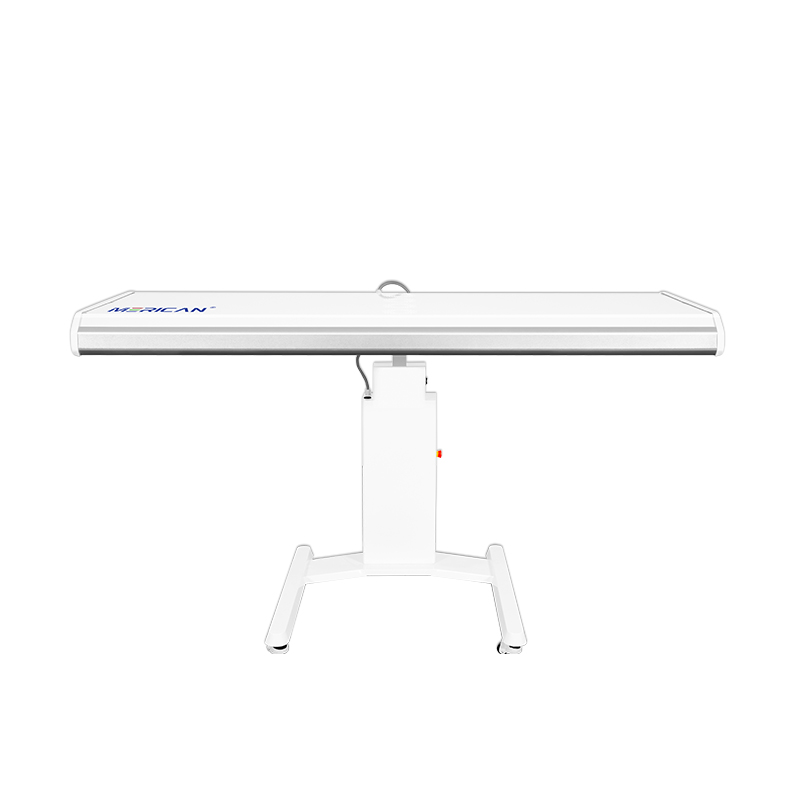
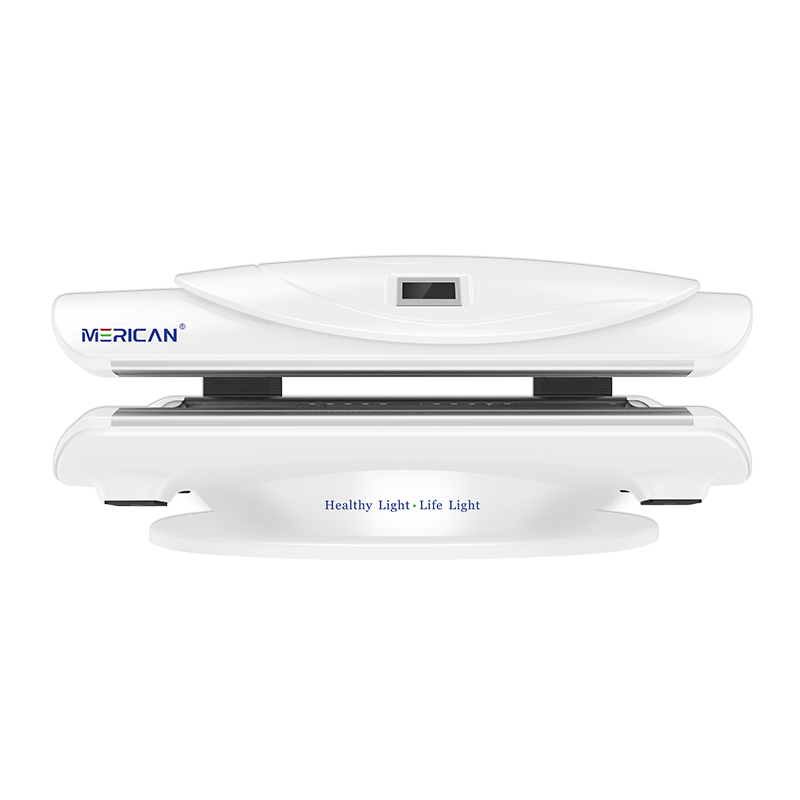
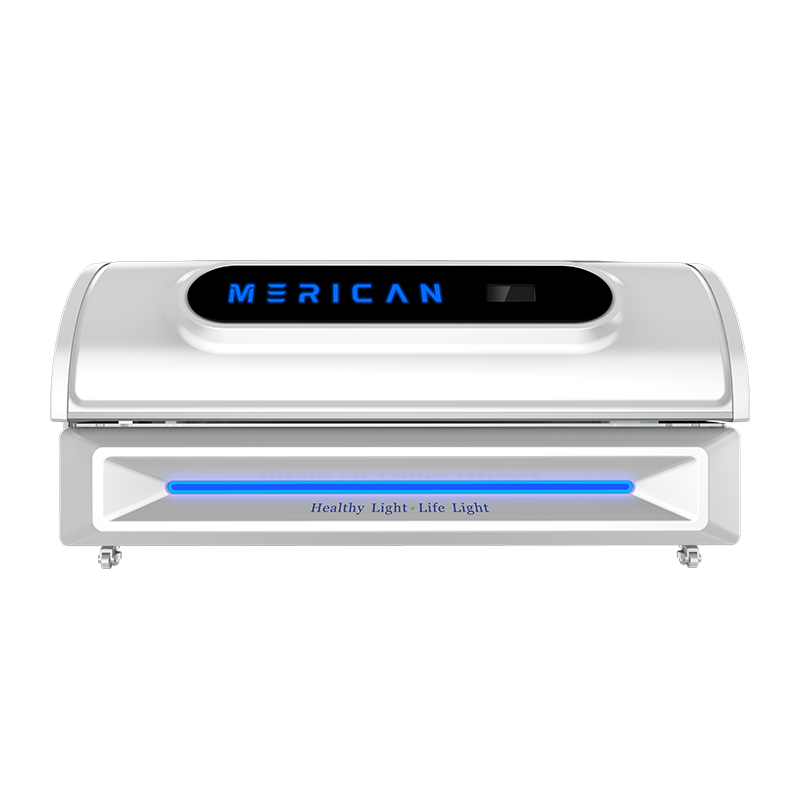
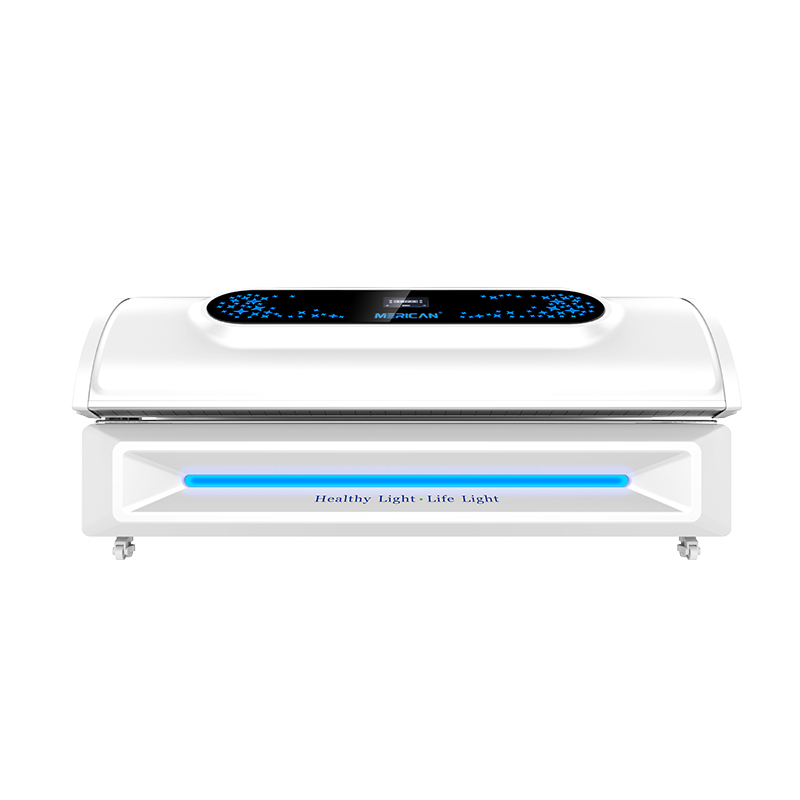
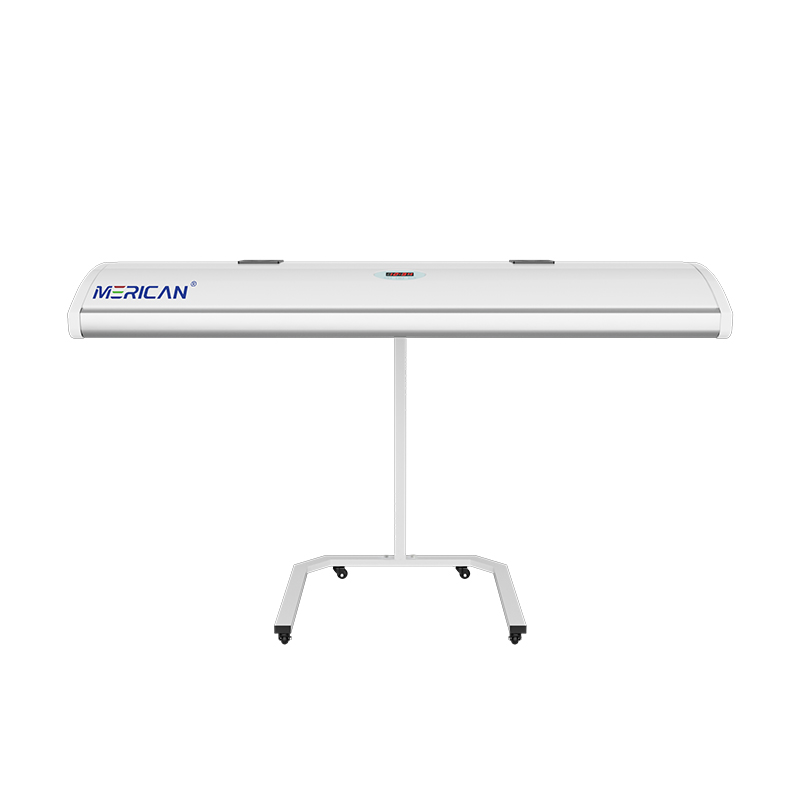
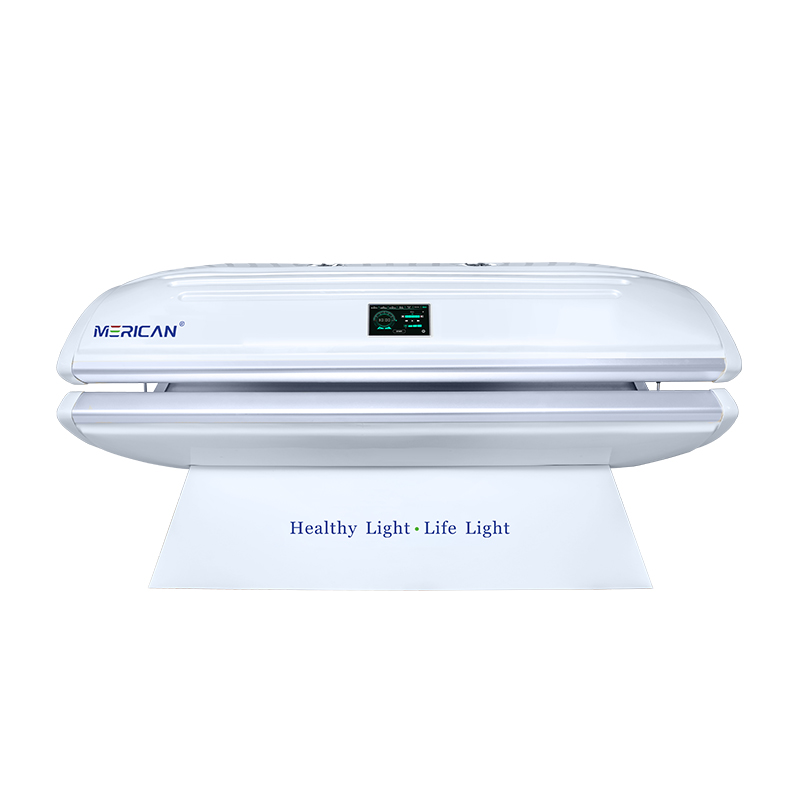
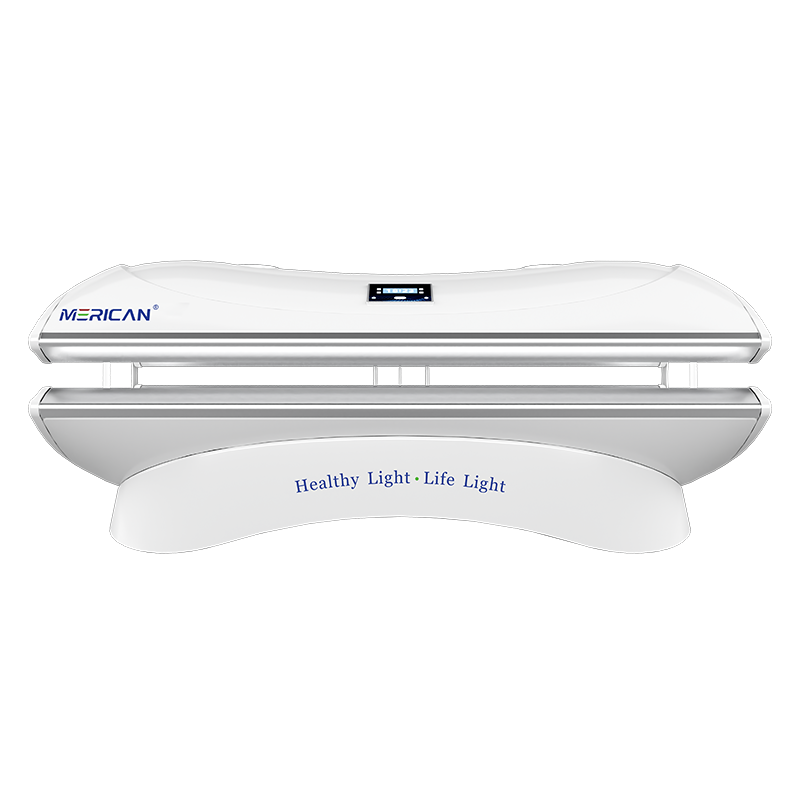
Ka whakamahia te rongoa rama whero mo te whakahou kiri, mamae mamae, me te oranga katoa. Na te mea he kore-ahuru me te kore e whakamahi i te radiation UV kino, he maha nga tangata e kii ana he tino haumaru i nga ahuatanga katoa. Ka puta tenei ki tetahi patai noa: Ka taea e koe te whakamahi rongoa rama whero me te kore tiaki kanohi?
Ko te whakautu: i etahi wa—engari kei runga i te taputapu, kaha, me te wa whakaatu. Ahakoa he pai ake te whakamaarama rama whero i nga maimoatanga e pa ana ki te UV, kei te aro tonu o kanohi ki te marama, me te kore e warewarehia.
He pehea te Paanga o te Maama Whero ki nga Kanohi
Ka whakamahia e te whakamaarama rama whero nga roangaru i waenga i te 630nm me te 850nm. Ko enei roangaru karekau he katote me te kore e pa ki te ahua kino o te ultraviolet (UV) marama.
Heoi ano, he whekau tairongo nga kanohi. Ko te roa, te kaha o te rongo ki te marama kanapa—ahakoa i roto i te hihinga whero, tata-infrared ranei—ka arahi:
- Te mamae o te kanohi, te pouri ranei
- Nga raruraru tirohanga rangitahi
- Potential retinal stress with high-intensity exposure
Unlike skin, the eyes lack the same protective outer layers, making them more vulnerable to concentrated light sources.
Is Eye Protection Always Necessary?
Whether you need eye protection depends on how and where you are using the device:
1. Nga maimoatanga kanohi
Mena kei te whakamahi koe i te whakamaarama rama whero ki to kanohi, eye protection is strongly recommended. The proximity of the light source increases the risk of direct exposure.
2. High-Power Devices
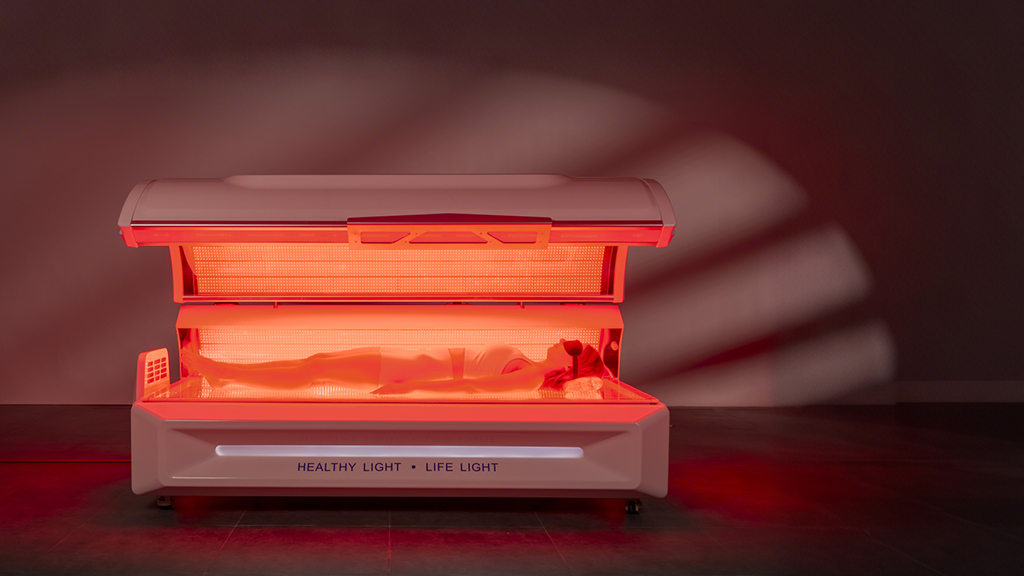
Professional panels or full-body beds emit stronger light intensity. I enei keehi, wearing protective goggles is advised.
3. Long Exposure Sessions
Even moderate-intensity devices can cause discomfort if used for extended periods without eye protection.
4. Indirect Exposure
If the light is not directed toward your face and your eyes are closed or shielded, the risk is lower—but still not zero.
Potential Risks of Skipping Eye Protection
Not using eye protection may lead to:
- Increased light sensitivity
- Dry or irritated eyes
- Headaches after sessions
- Discomfort during or after treatment
Although serious long-term damage is rare with proper devices, repeated exposure without protection is not recommended.
When It May Be Safer Without Goggles
In limited cases, you may not need eye protection:
- When using low-intensity devices
- When treating areas far from the face
- When exposure is brief and indirect
Heoi ano, even in these cases, avoiding direct eye exposure is important.
Nga Mahi Pai mo te Haumaru Karu
To protect your eyes while using red light therapy:
- Mau mohiti tiaki, rawa mo nga maimoatanga kanohi
- Kia mau ki to kati nga kanohi if goggles are not available
- Avoid staring directly at the light source
- Follow the manufacturer’s safety guidelines
- Limit session time to recommended durations
Special Considerations
You should be extra cautious if you:
- Have sensitive eyes or vision issues
- Have undergone eye surgery
- Take medications that increase tairongo marama
In these situations, eye protection is strongly advised.
Nga Whakaaro Whakamutunga
Ahakoa he haumaru te whakamaarama rama whero, using it without eye protection is not always a good idea—especially for facial treatments or high-intensity devices. Protecting your eyes is a simple step that can prevent discomfort and ensure a safer overall experience.
I te wa e ruarua ana, he pai ki use protective eyewear and follow recommended safety practices.