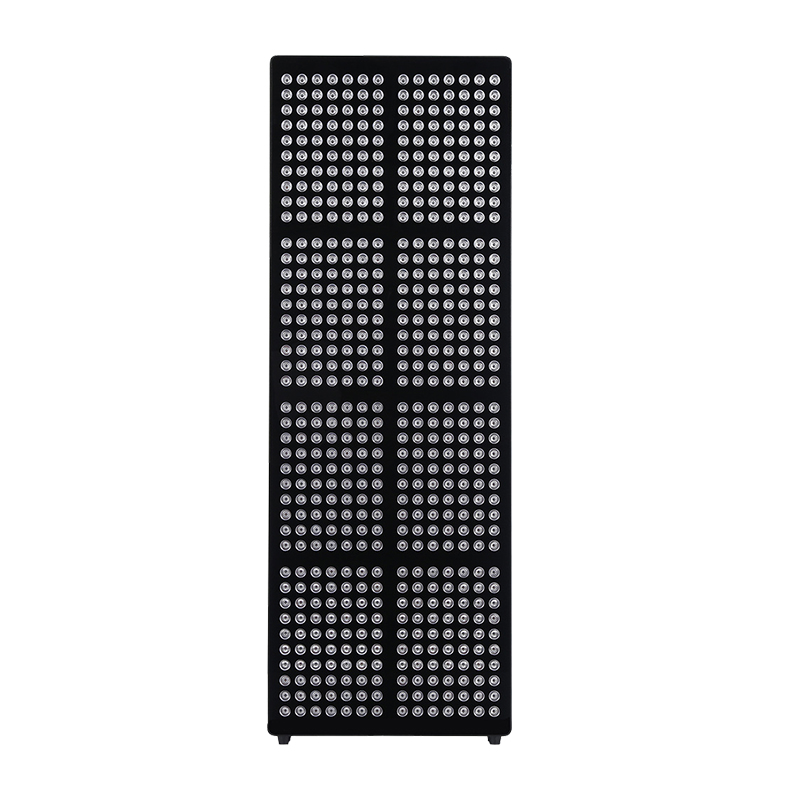
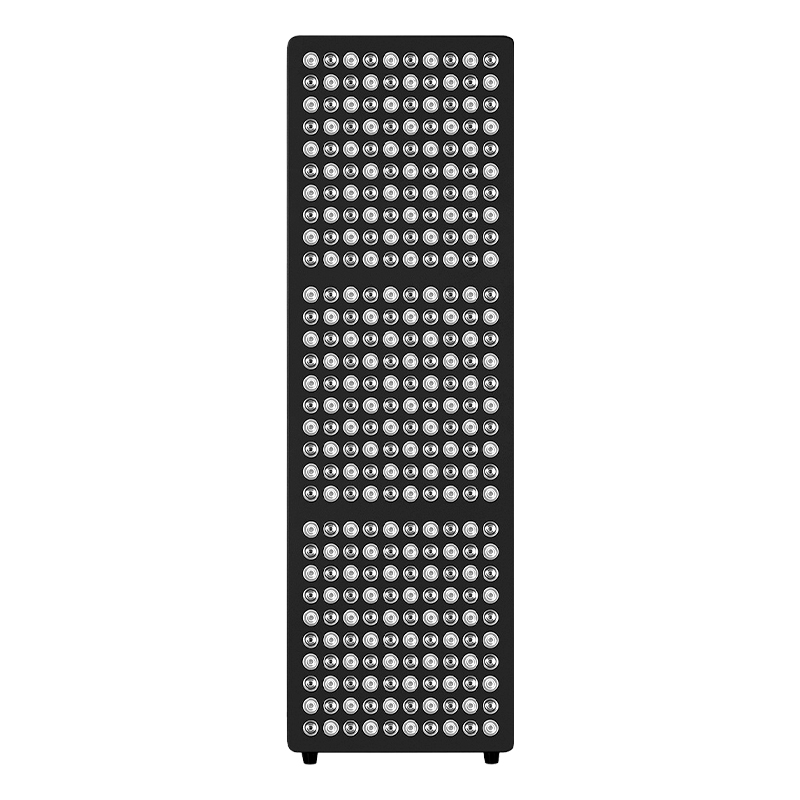
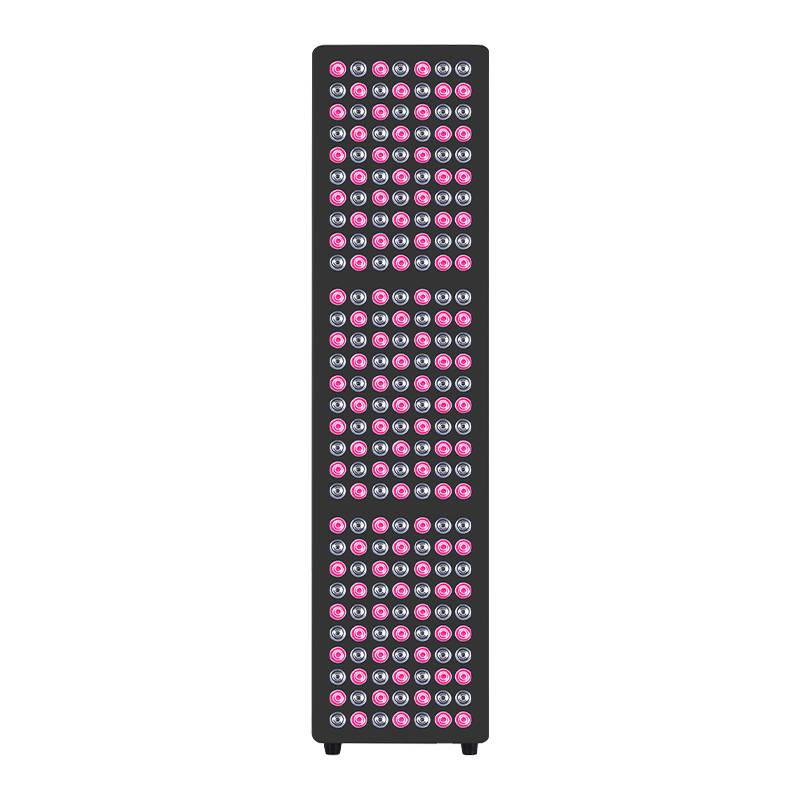
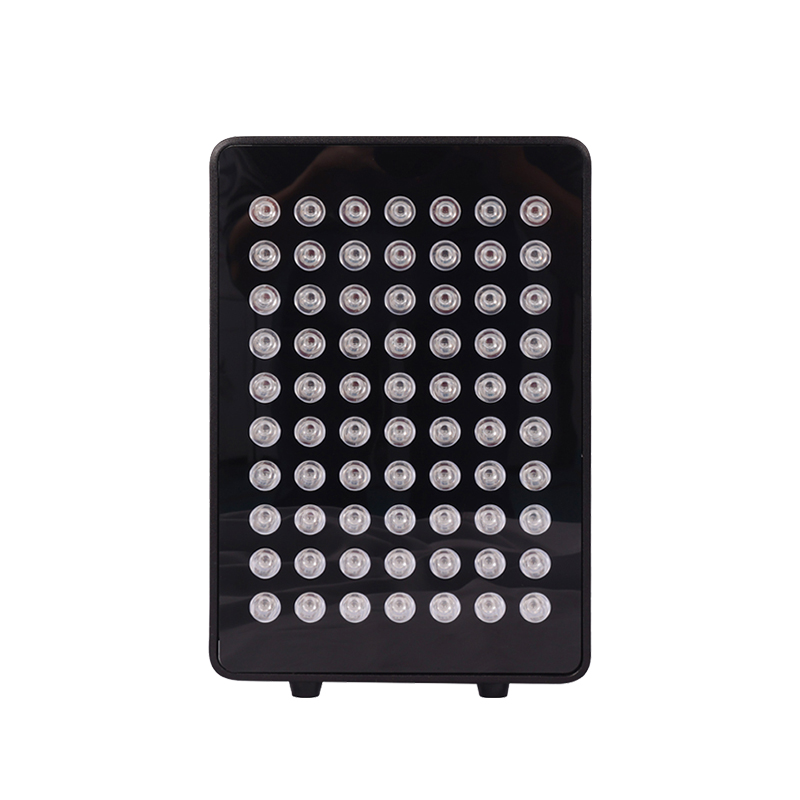
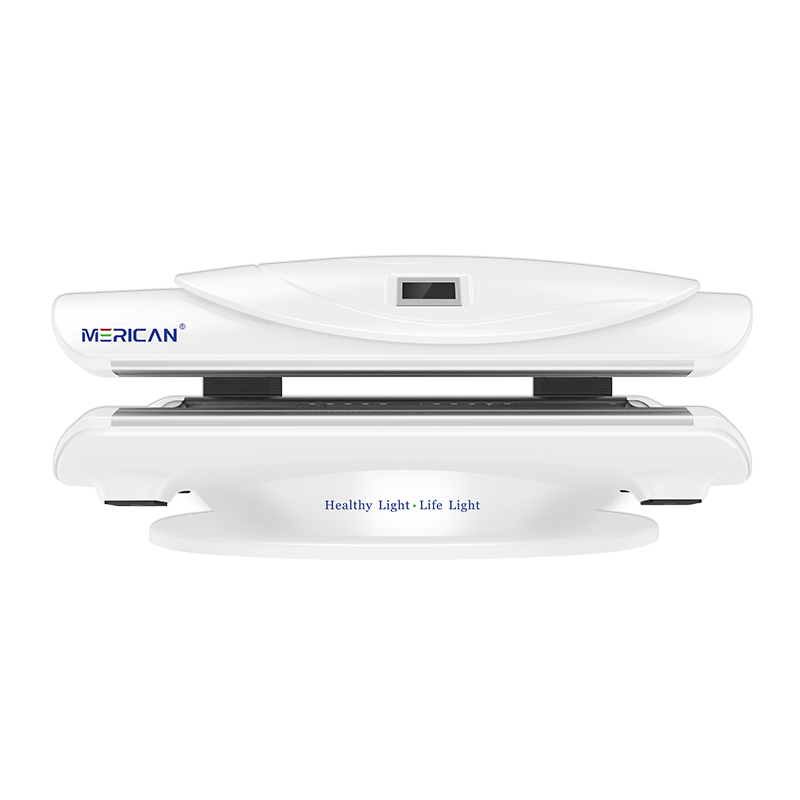
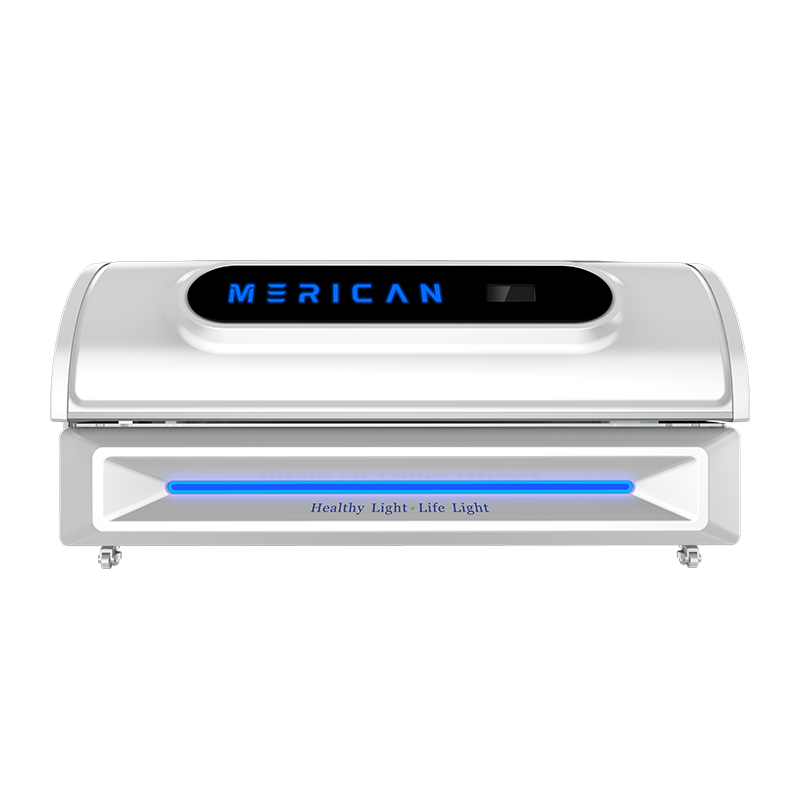
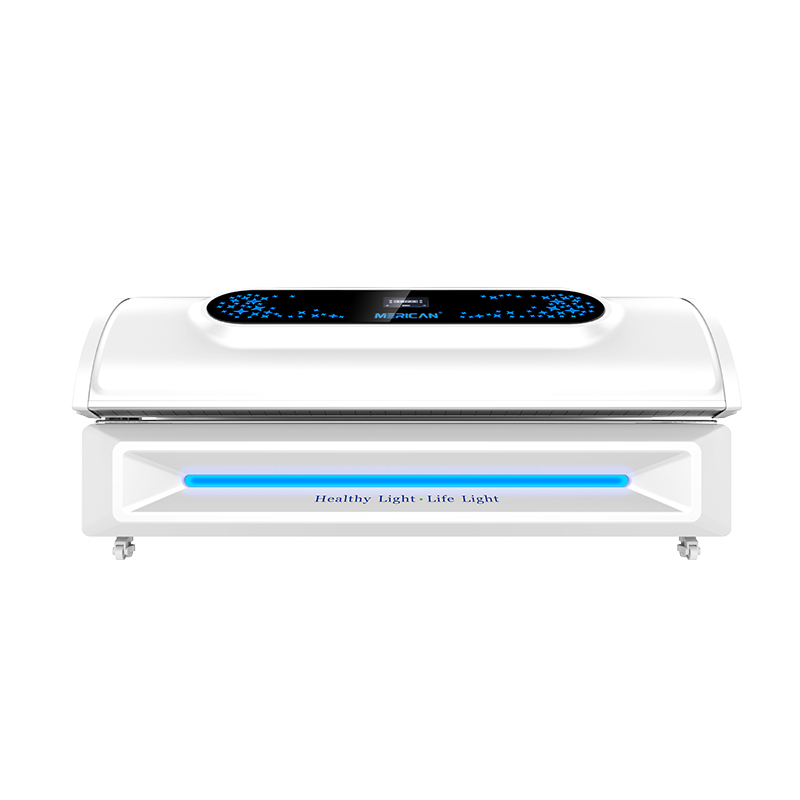
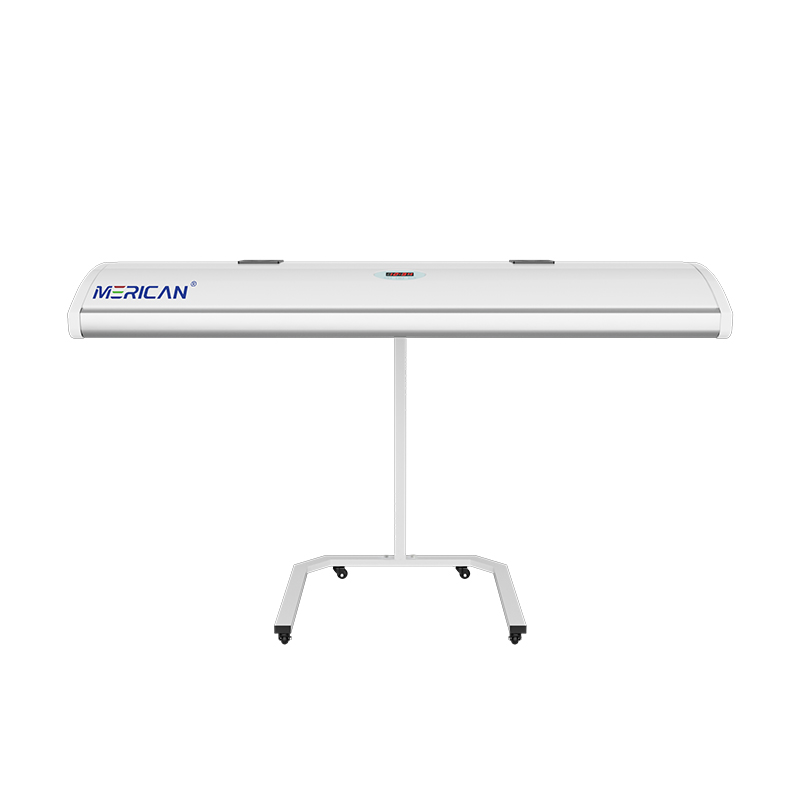
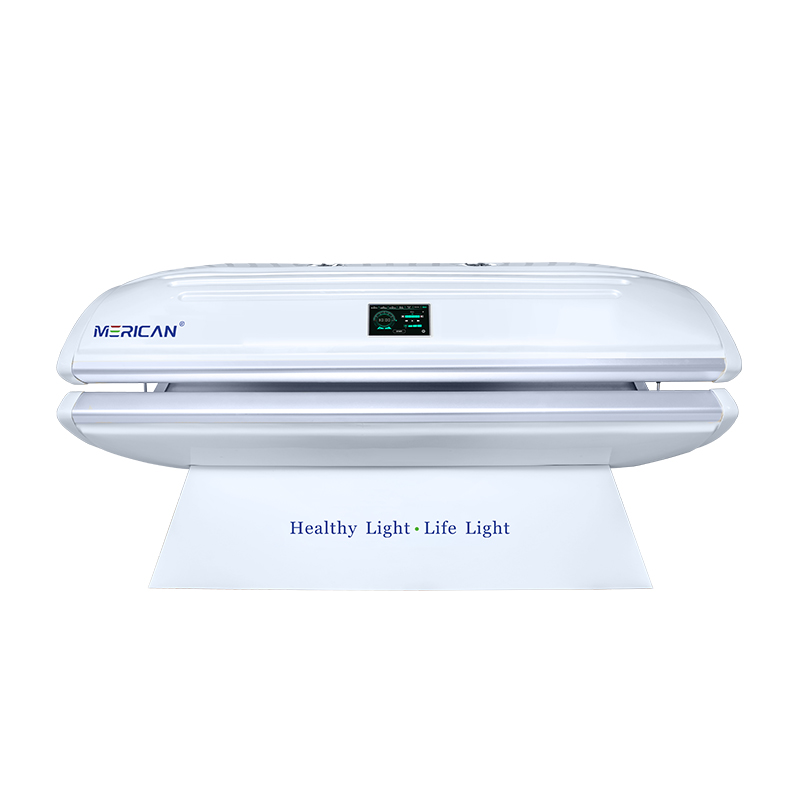
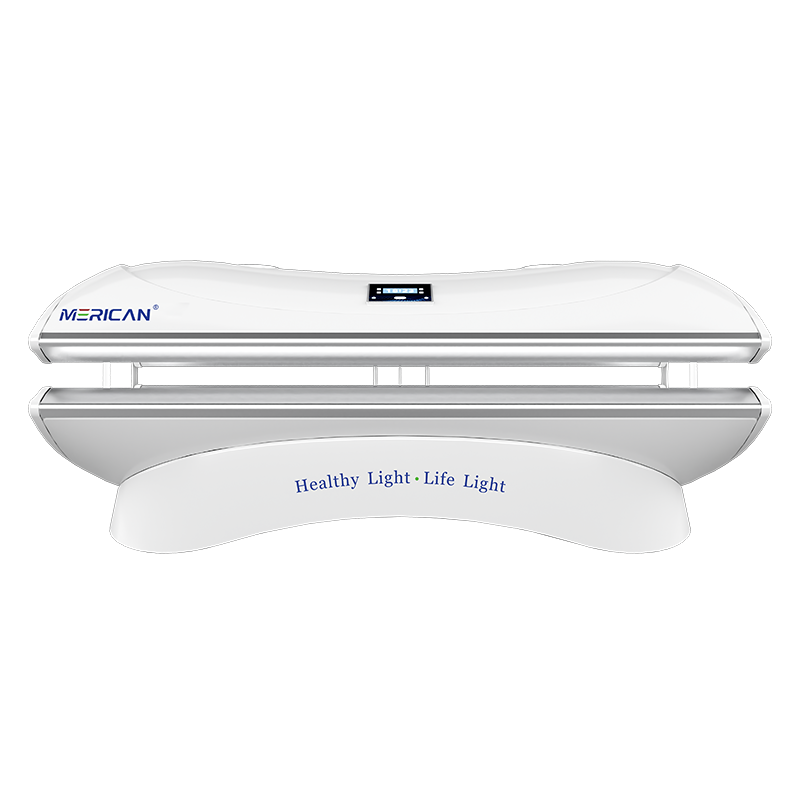
Ko te whakamaarama rama whero e whakamahia nuitia ana e nga kaitakaro me te hunga kaingākau ki te whakapakari tinana hei tautoko i te whakaora uaua, whakaiti te mamae, me te whakapai ake i te mahi. Engari he patai noa kei te noho tonu: Ka taea e koe te mahi i muri i te whakamaarama rama whero, me tatari ranei koe?
Ko te whakautu poto: āe, Ka taea e koe te mahi i muri i te whakamaarama rama whero-me te maha o nga keehi, it may even enhance your performance and recovery. Heoi ano, timing and how you use it can influence the results.
How Red Light Therapy Affects Muscles
Te rongoa rama whero (e mohiotia ana ko te photobiomodulation) uses wavelengths typically between 630–850nm to stimulate cellular energy production. It increases ATP (adenosine triphosphate), which is essential for muscle function and recovery.
Ka taea e tenei tukanga:
- Improve muscle endurance
- Whakaitihia te mumura
- Speed up recovery
- Decrease muscle fatigue
Can You Exercise Immediately After a Session?
Ae, you can exercise immediately after red light therapy. Ina hoki, some people use it as a pre-workout tool.
Benefits of Working Out After Red Light Therapy
1. Enhanced Muscle Performance
Increased ATP production may help muscles perform more efficiently during exercise.
2. Reduced Risk of Injury
Improved circulation and flexibility may lower the risk of strains.
3. Better Warm-Up Effect
Red light therapy can act as a gentle “pre-conditioning” for muscles.
Is It Better Before or After a Workout?
Both options can be beneficial, depending on your goal:
Before Workout
- Boosts energy and endurance
- Prepares muscles for activity
- May improve strength output
After Workout
- Reduces soreness (DOMS)
- Supports muscle repair
- Speeds up recovery
Many athletes incorporate both pre- and post-workout sessions mo nga hua tino pai.
When You Might Want to Wait
Although it’s generally safe, you may want to delay exercise if:
- You feel overheated after a session
- You used a high-intensity full-body device
- You are recovering from an injury
- You feel lightheaded or fatigued
I enei keehi, resting for 10–20 minutes before exercising is a good idea.
Best Practices for Combining Red Light Therapy and Exercise
To maximize benefits:
- Keep sessions between 10–20 meneti
- Stay hydrated before and after treatment
- Whakamahia te whakamaarama rama whero rite tonu (3–5 wa ia wiki)
- Target specific muscle groups when possible
- Combine with proper warm-up and cool-down routines
Ko wai e whai hua nui ana?
Red light therapy is especially useful for:
- Athletes and bodybuilders
- People with muscle soreness or stiffness
- Individuals recovering from intense workouts
- Those looking to improve performance naturally
Nga Whakaaro Whakamutunga
Ae, you can absolutely work out after red light therapy—and it may even improve your results. Whether you use it before or after exercise, consistency and proper timing are key.
Mo nga hua pai, listen to your body and integrate red light therapy as part of a balanced fitness and recovery routine.