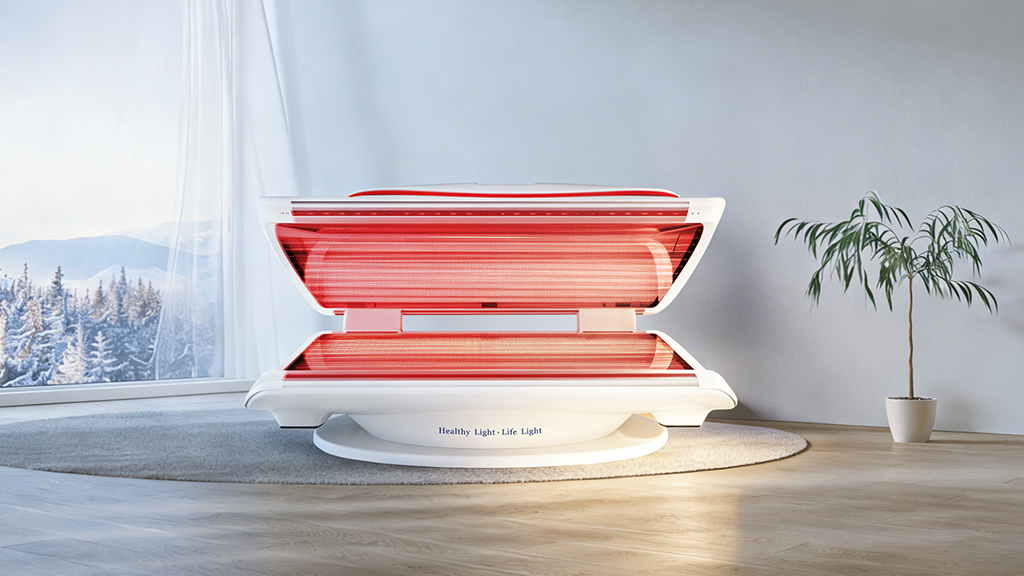
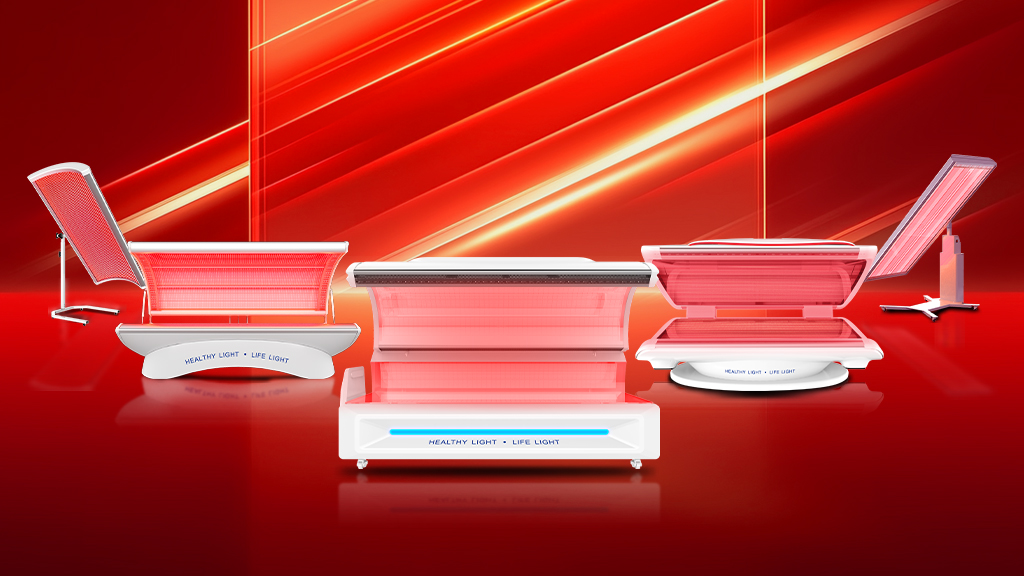
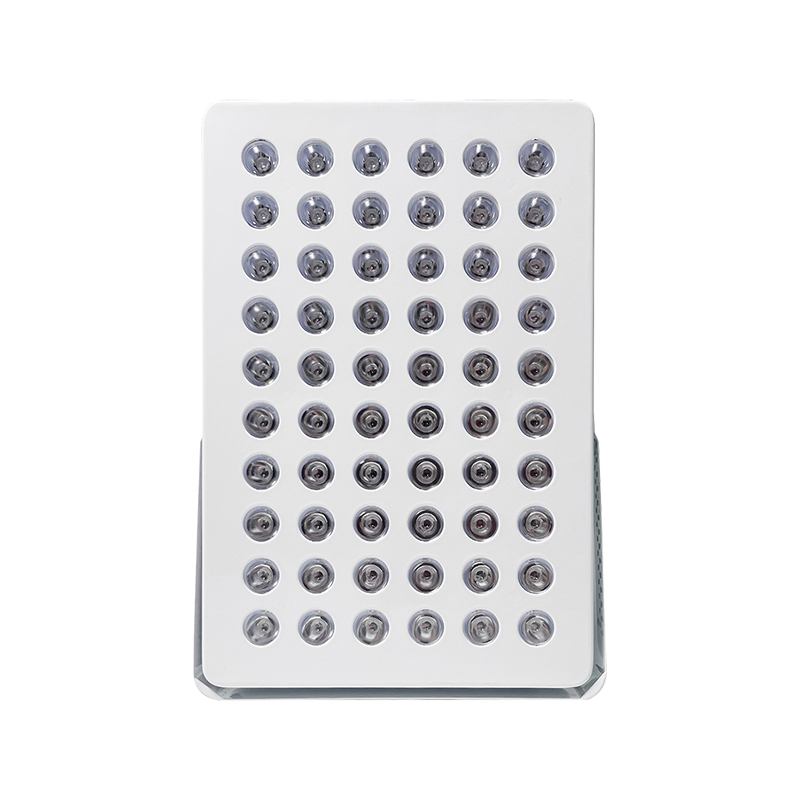
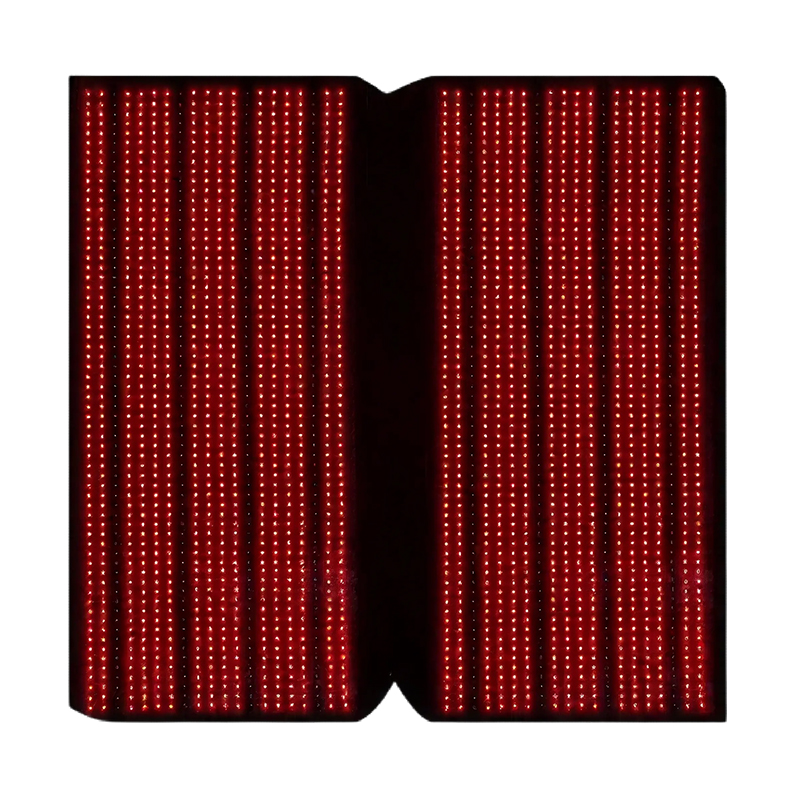
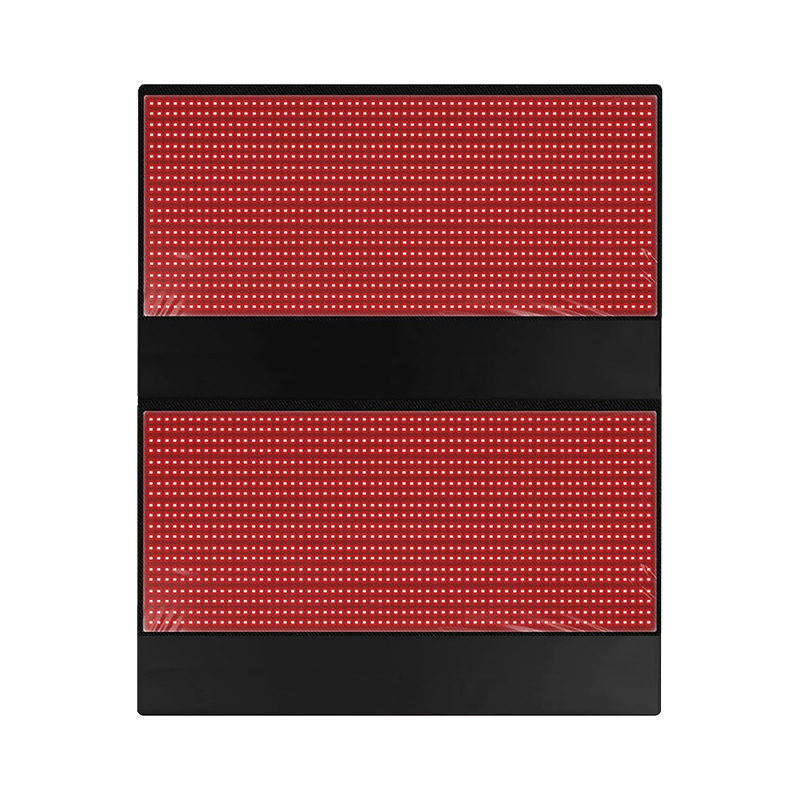
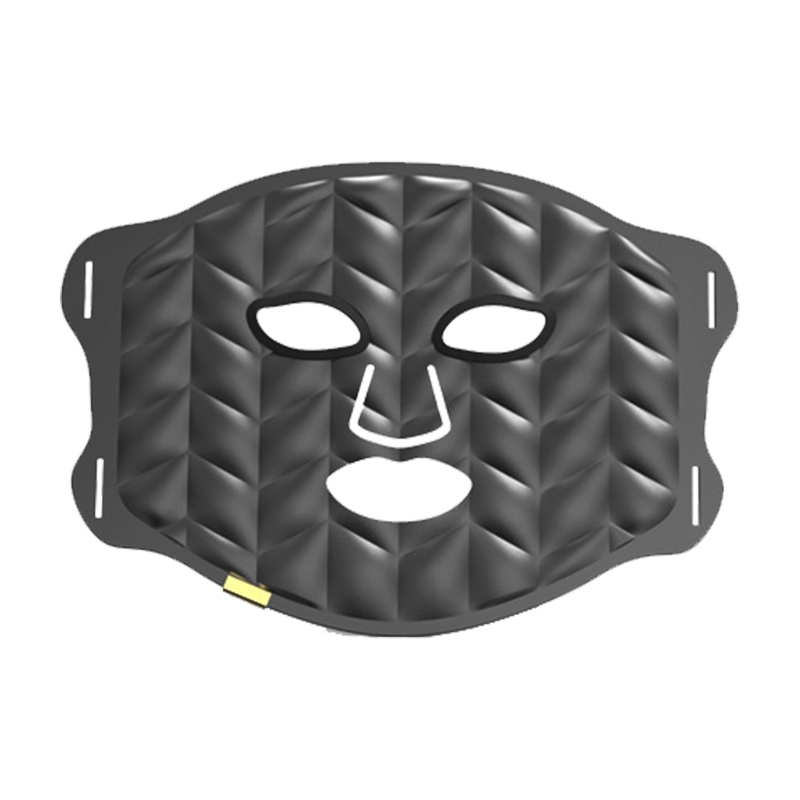
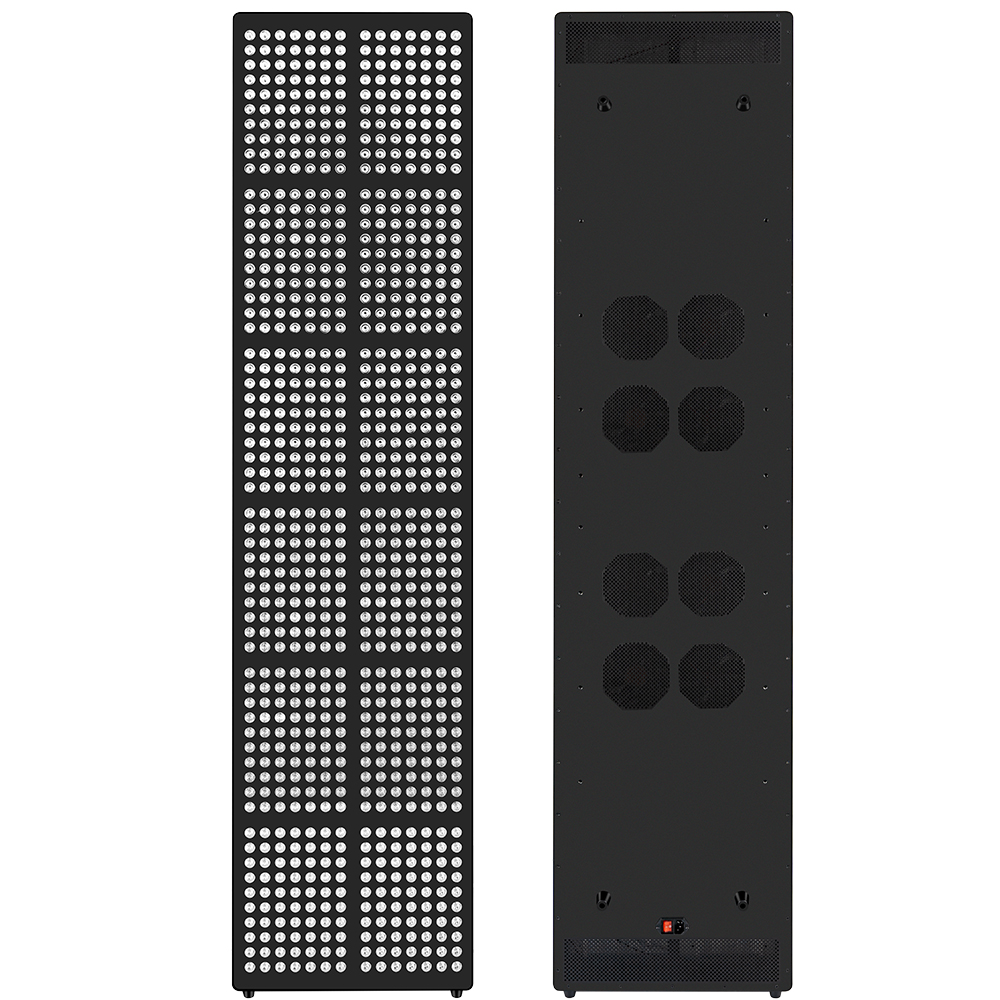
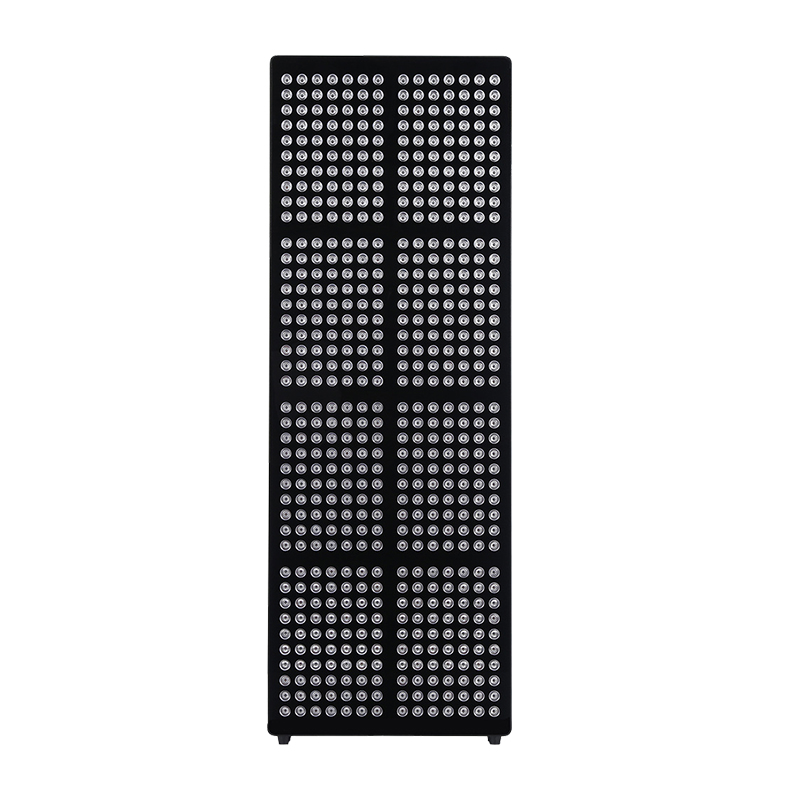
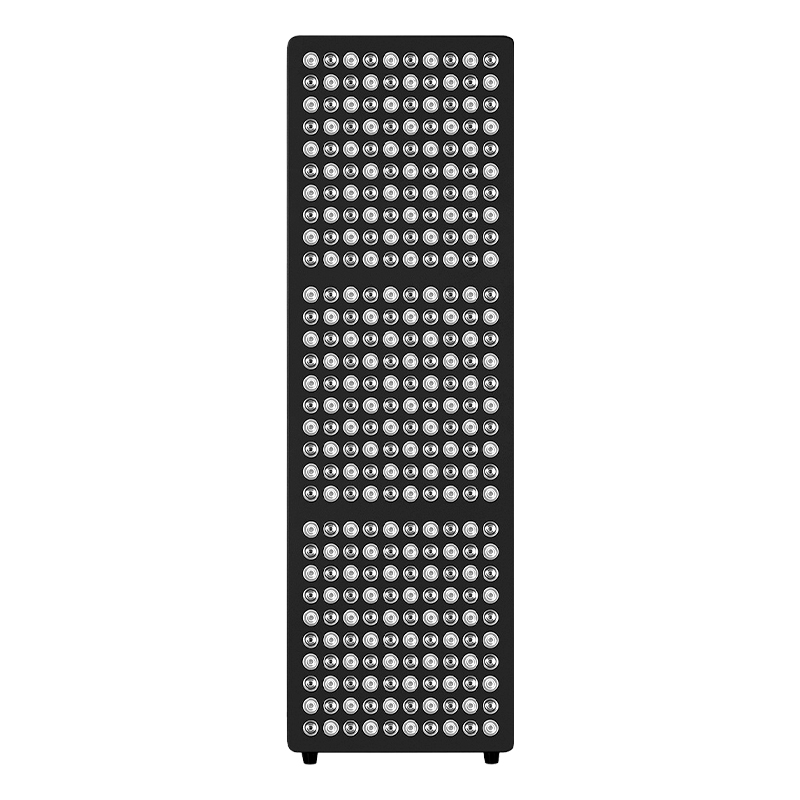
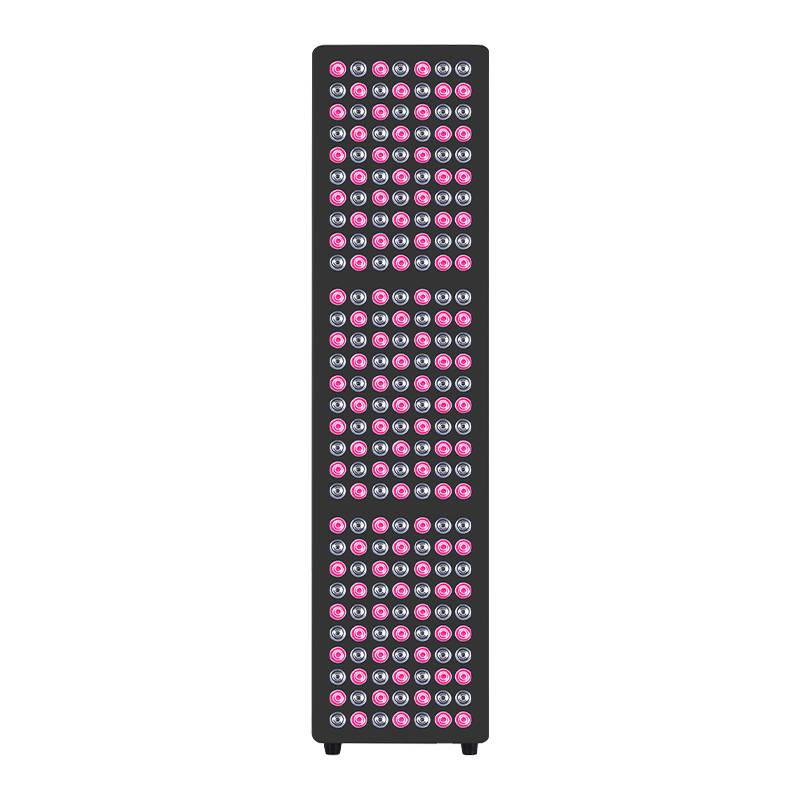
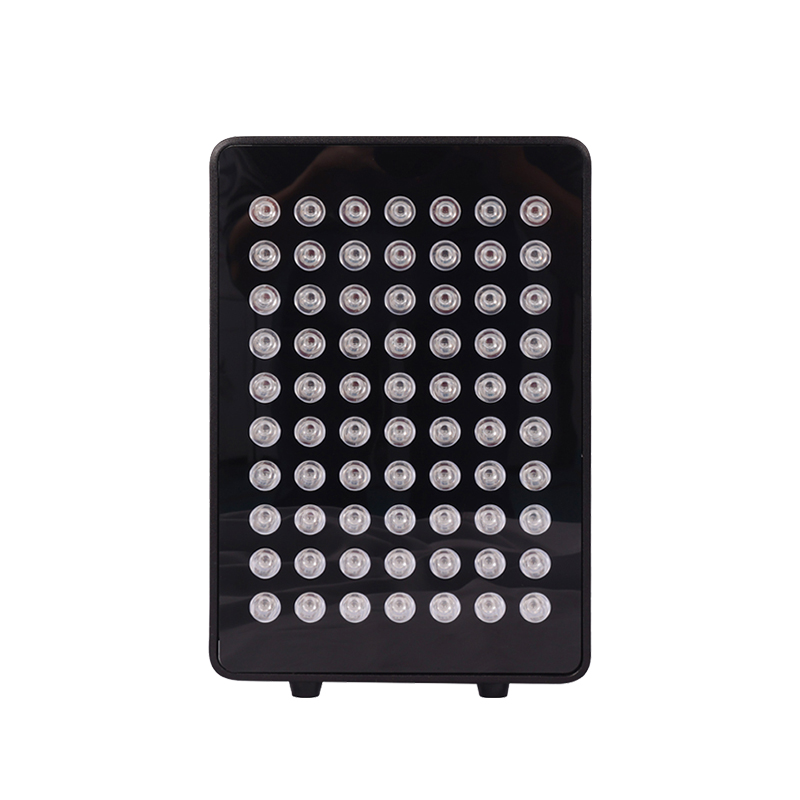
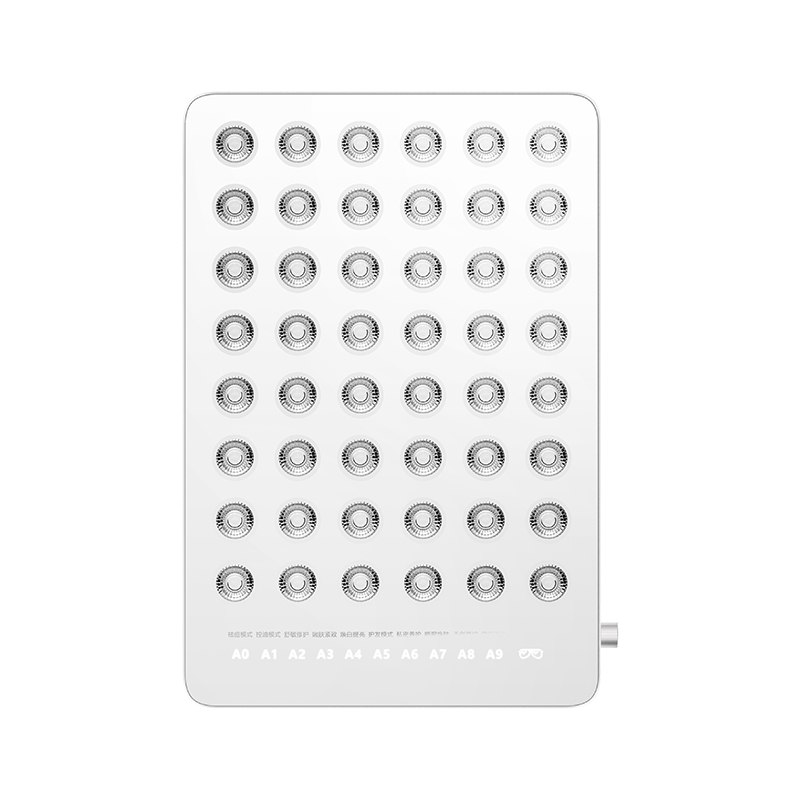
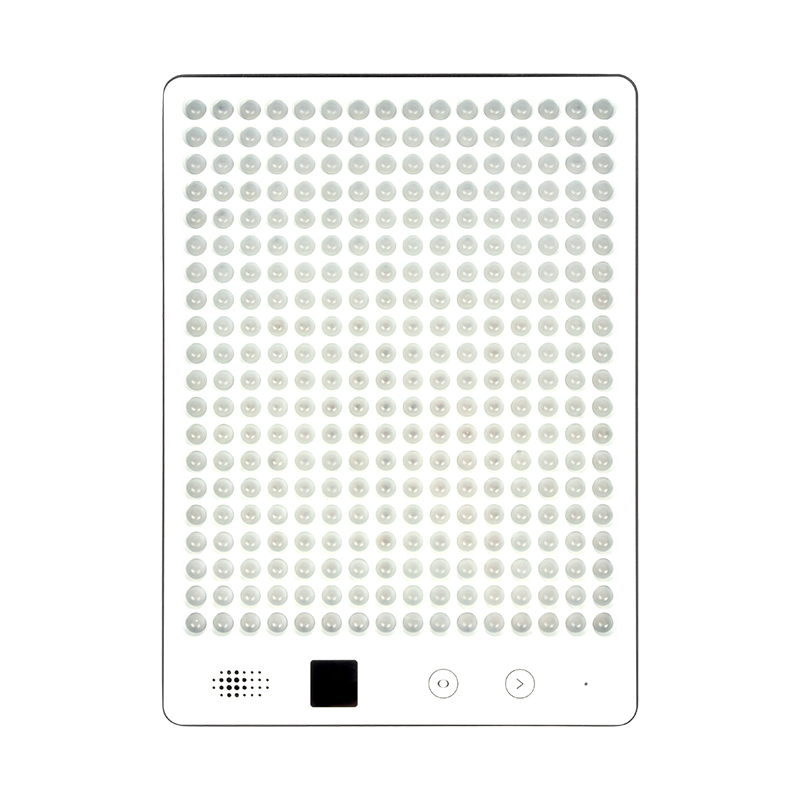
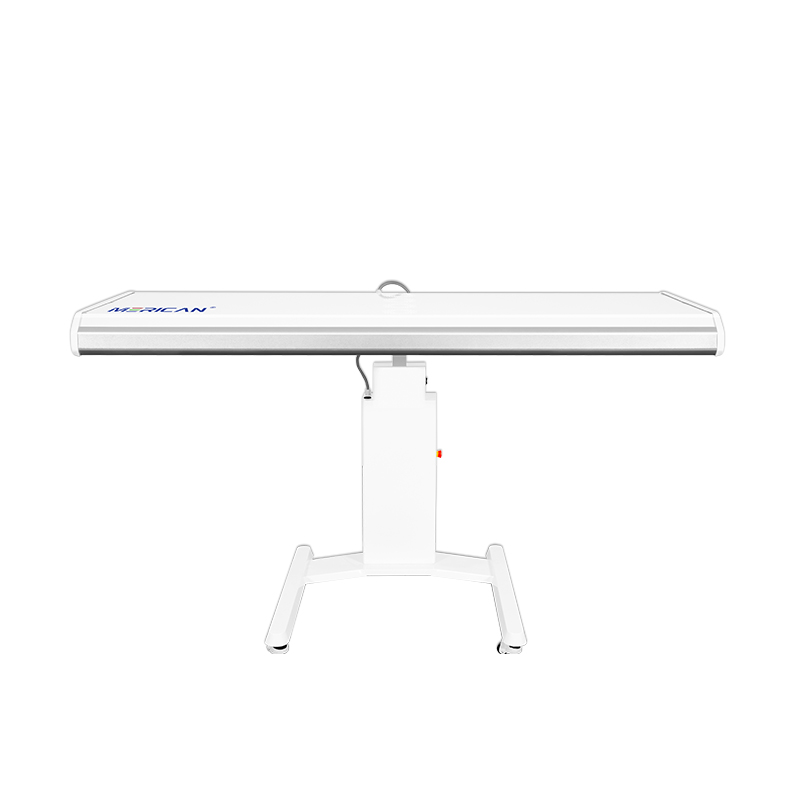
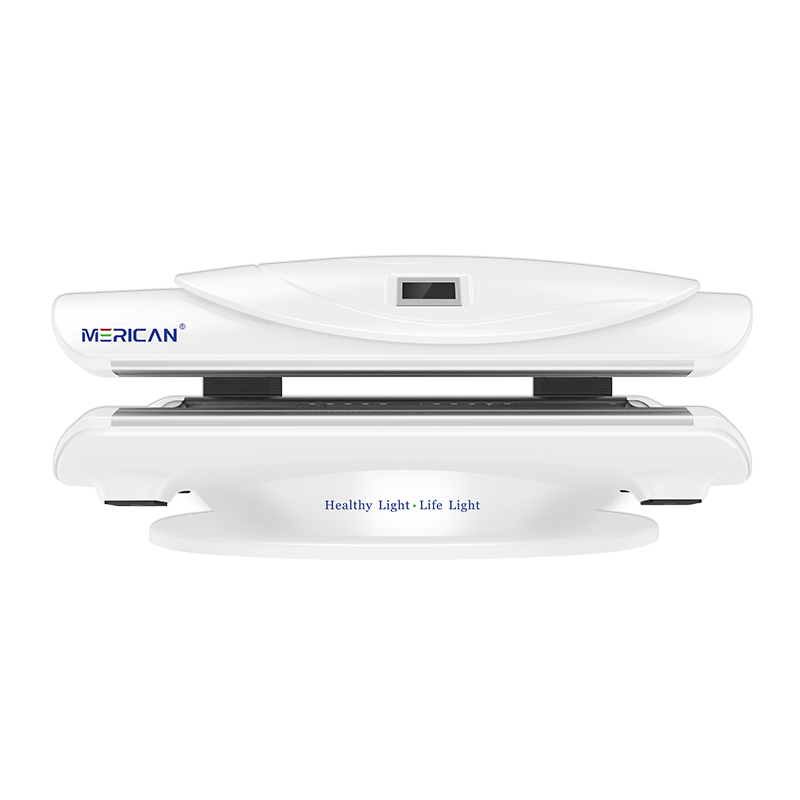
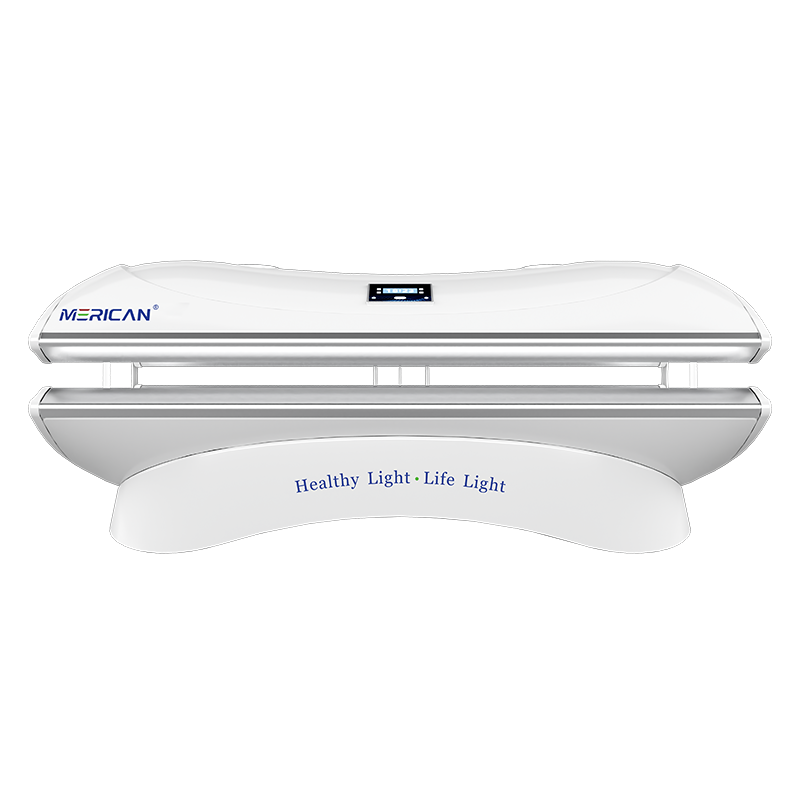
Te rongoa rama whero (RLT) kua riro te rongonui nui i roto i nga tau tata nei, tuku painga rite anti-hoholo, mamae mamae, te whakahou kiri, whakaora patunga, me te whakaora uaua. Engari mena kei te whakaaro koe ki te haumi i roto i tetahi taputapu whakamaarama rama whero - mo te whakamahi whaiaro, maimoatanga haumanu, kaupapa pakihi ranei — kei te miharo pea koe: Should I choose a commercial or medical-grade device?
Here’s a breakdown to help you make the right decision.
What’s the Difference Between Commercial and Medical Red Light Therapy Devices?
Pūrere Whakaora Marama Whero Hauora
Medical-grade RLT devices are designed for clinical use and meet specific standards set by regulatory agencies (such as FDA approval in the U.S.). They are used by dermatologists, nga kaiwhakaora tinana, sports rehab centers, me nga hohipera.
Ngā āhuatanga:
- Higher power output and irradiance
- Precise wavelength targeting (e.g. 630nm, 660nm, 810nm, 850nm)
- More sophisticated safety features
- Totonu, reliable performance for therapeutic results
- Usually FDA-cleared or CE-certified for specific indications
Te mea pai mo:
- Medical clinics
- Skin or rehab clinics
- Dermatology or pain management professionals
- Patients needing clinically proven therapeutic outcomes
Commercial Red Light Therapy Devices
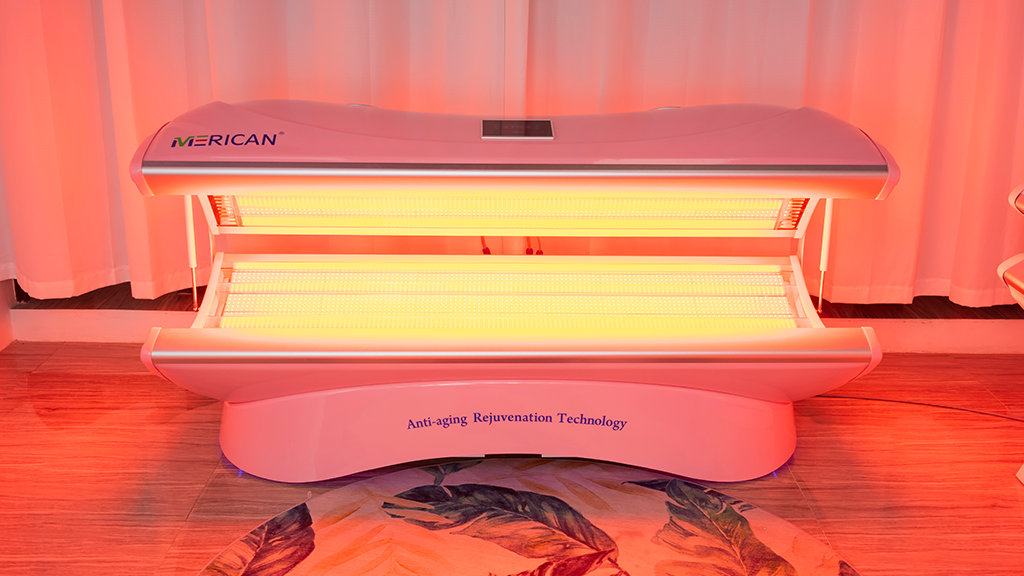
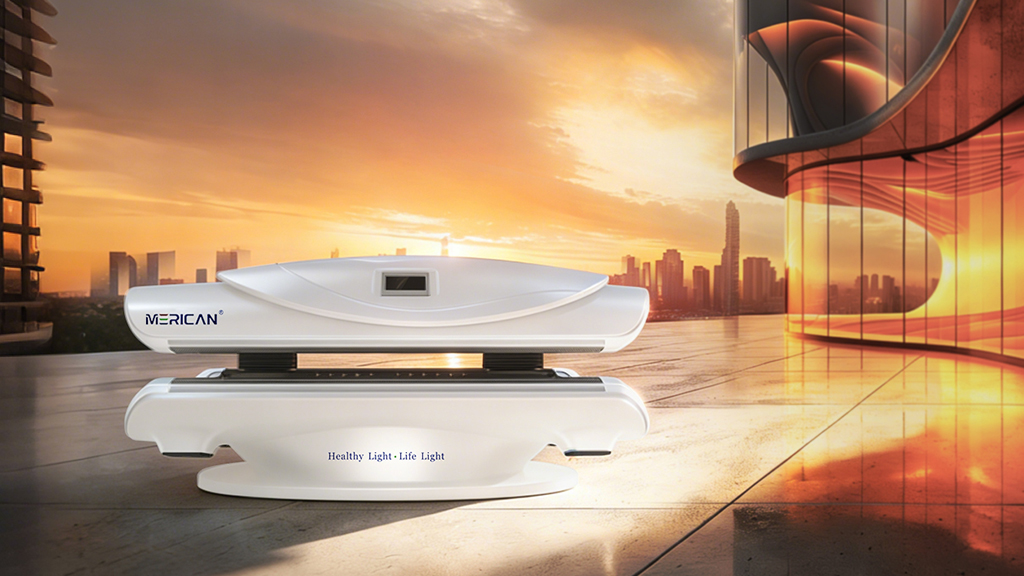
These are designed for spas, whare hauora, whare takaro, or home use. They vary in size and power, from large full-body beds to handheld panels.
Ngā āhuatanga:
- Moderate to high irradiance, depending on the model
- May not require medical certification for use
- Focused more on wellness, ataahua, and relaxation
- Easier operation, often with preset programs
- More flexible and often more affordable
Te mea pai mo:
- Wellness or beauty salons
- Fitness studios or recovery centers
- Home users seeking anti-aging, tiaki kiri, or general wellness
- Business owners adding light therapy as a service
Key Factors to Consider When Choosing
1. Purpose of Use
- Medical need (e.g., mamae mau tonu, post-surgery healing): Kōwhiri hauora-koeke.
- Beauty/wellness (e.g., anti-pakeke, cellulite reduction, skin glow): Commercial is often sufficient.
2. Wavelength and Power
- Look for devices with roangaru whakamatauria haumanu:
- 630nm & 660nm (kiri, collagen, surface healing)
- 810nm, 850nm (deeper tissue, uaua, hononga)
- Medical devices tend to have higher irradiance (over 100 mW/cm²), which translates to deeper penetration and faster results.
3. Te waahi maimoatanga
- Small handhelds are good for personal skincare.
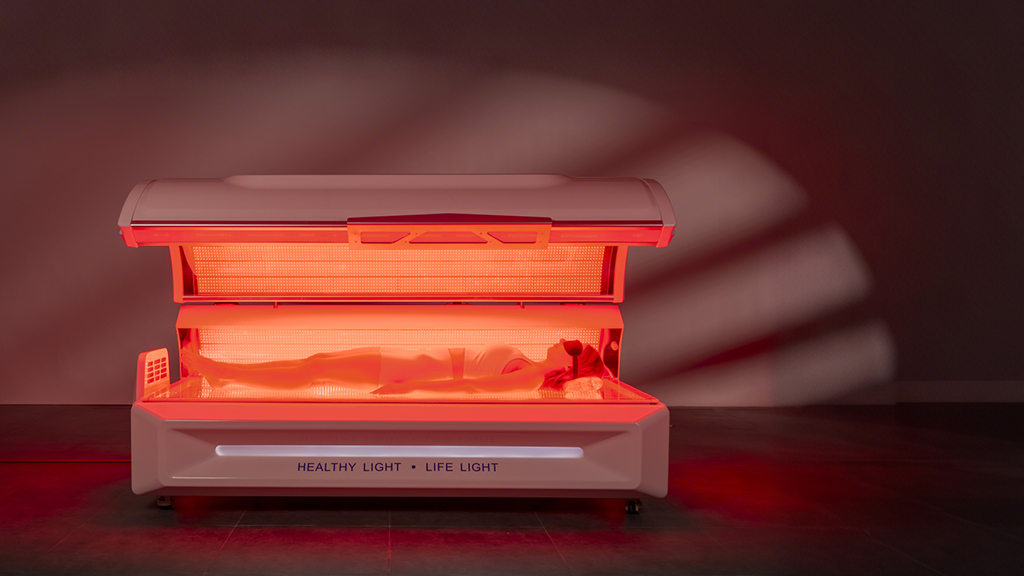
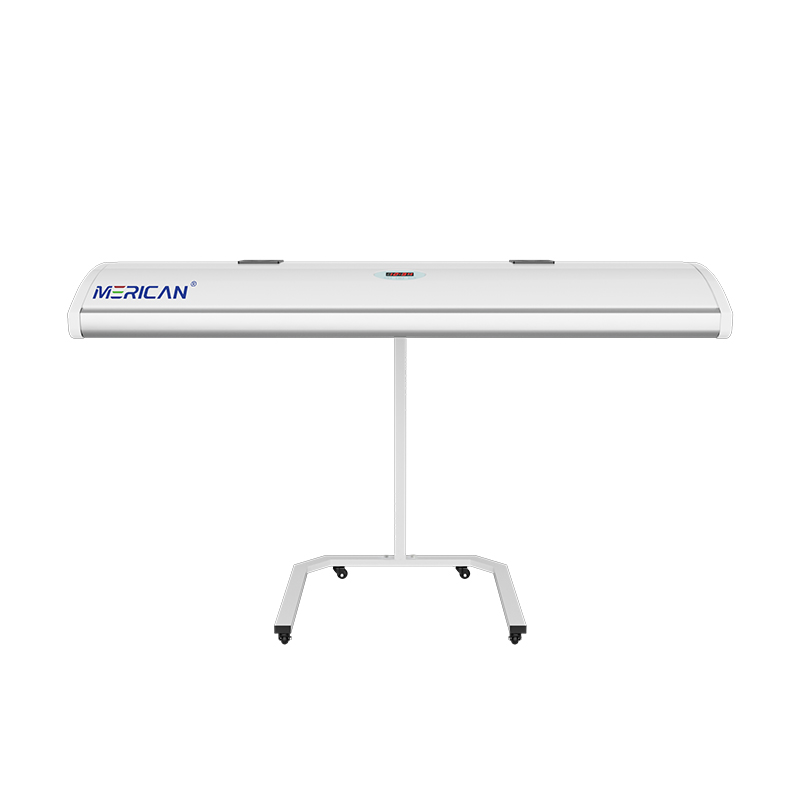
- Panels or beds cover large areas — ideal for clinics or commercial centers.
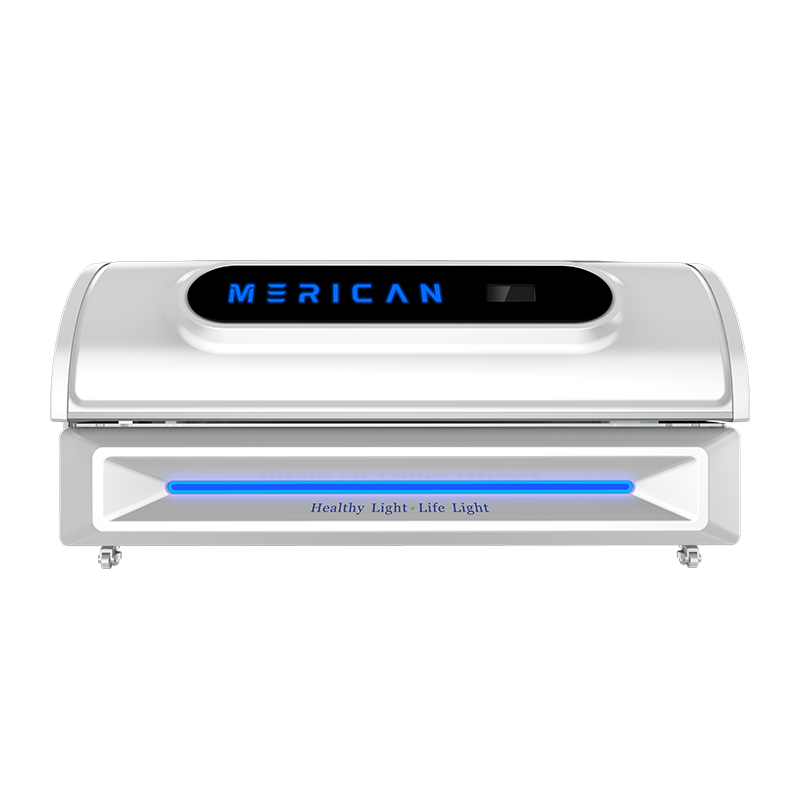
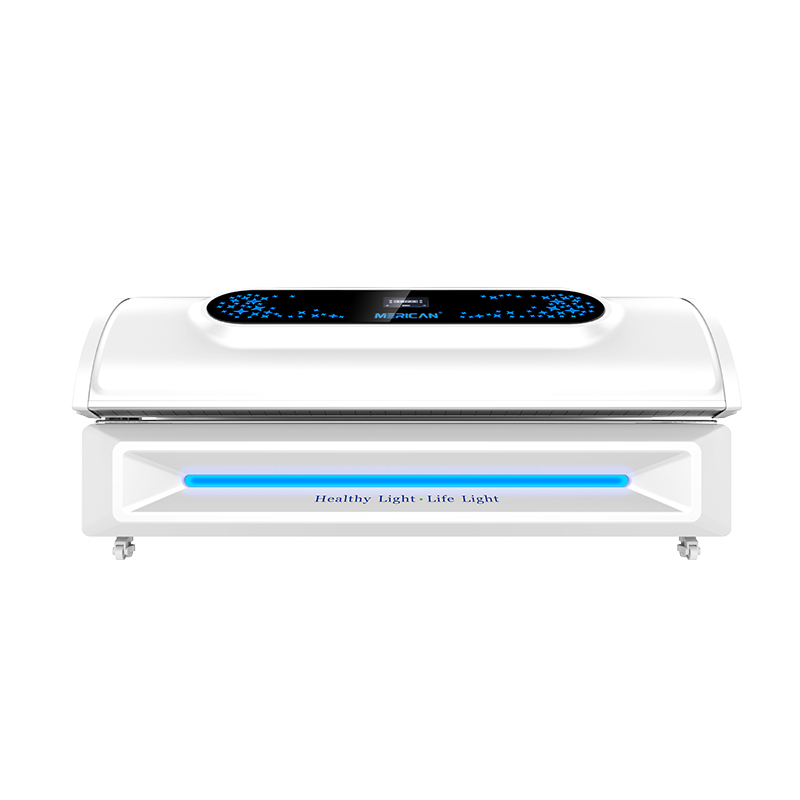
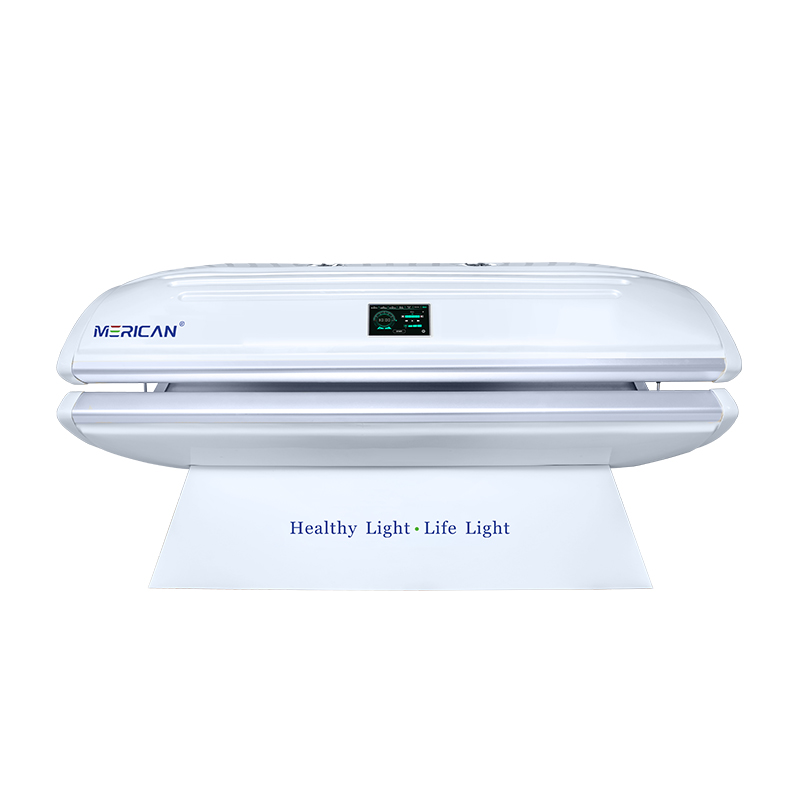
- Full-body beds are a premium option for spas or recovery lounges.
4. Tiwhikete & Haumaru
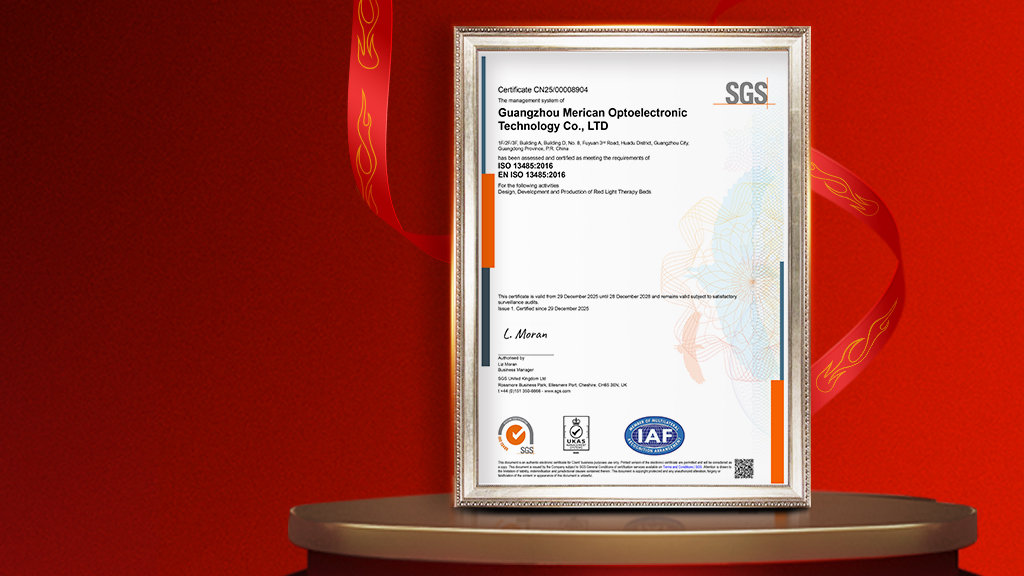
- Medical-grade: Look for FDA clearance, ISO, CE certifications.
- Commercial-grade: Ensure it’s from a reputable manufacturer with safe design and cooling systems.
5. Budget
- Medical-grade devices are more expensive due to clinical performance and certification.
- Tauhokohoko options offer a balance between performance and affordability.
Nga Whakaaro Whakamutunga: Ko tehea te mea tika mo koe?
| Use Case | Recommended Device |
|---|---|
| Hospital/Clinic | Medical-grade |
| Spa or Wellness Center | Commercial-grade |
| Pain or Injury Rehab | Medical-grade |
| Anti-aging or Beauty Treatment | Commercial-grade |
| Home Therapy for General Wellness | Commercial or entry-level medical |
No matter your choice, selecting a trusted brand with good support, warranties, and user reviews is essential for a successful red light therapy experience.