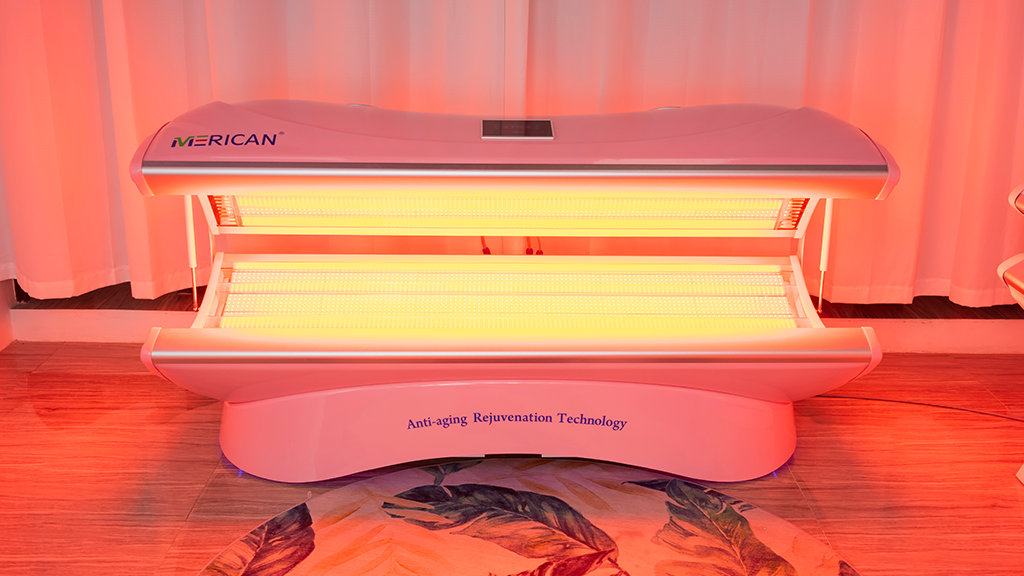
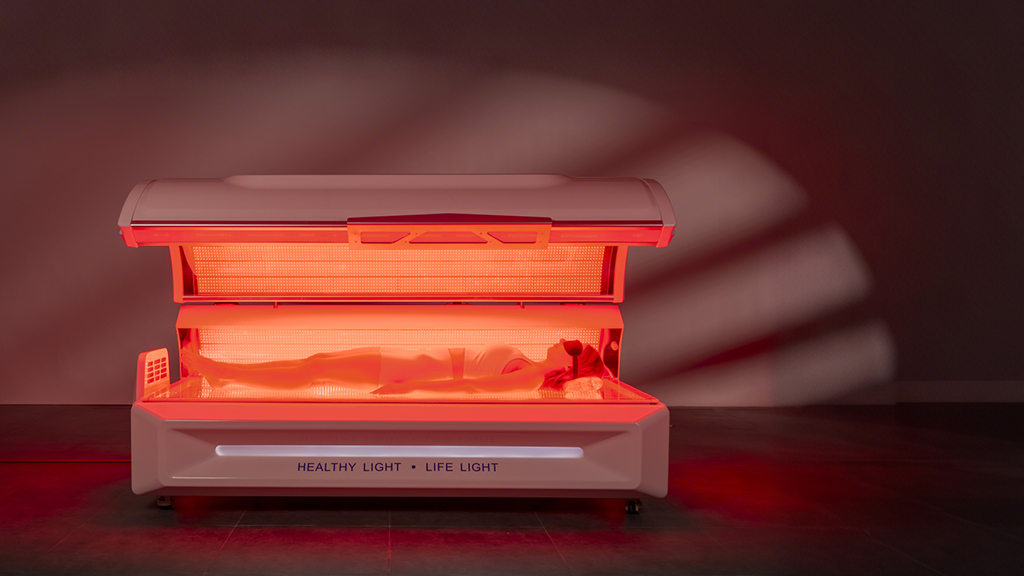
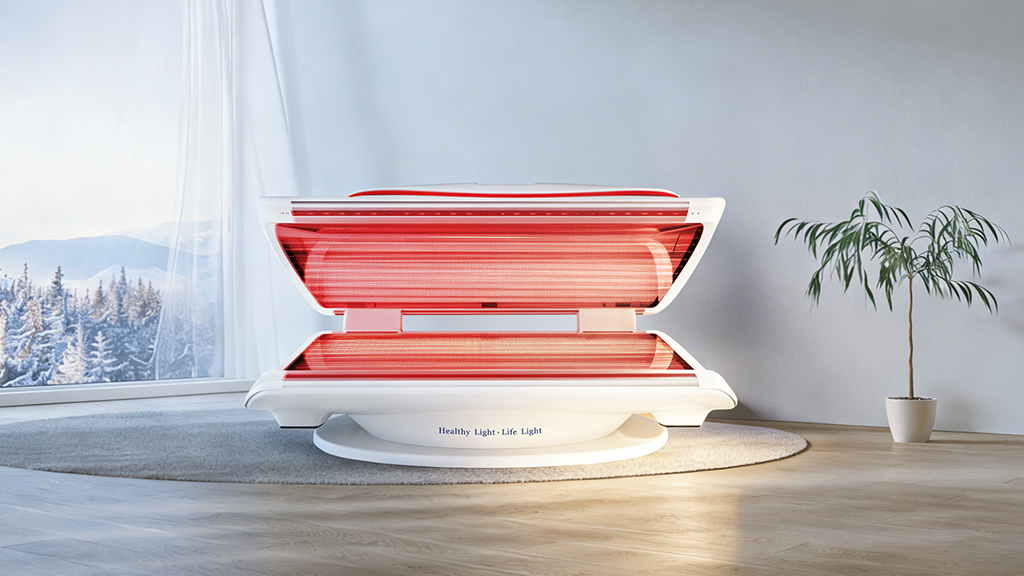
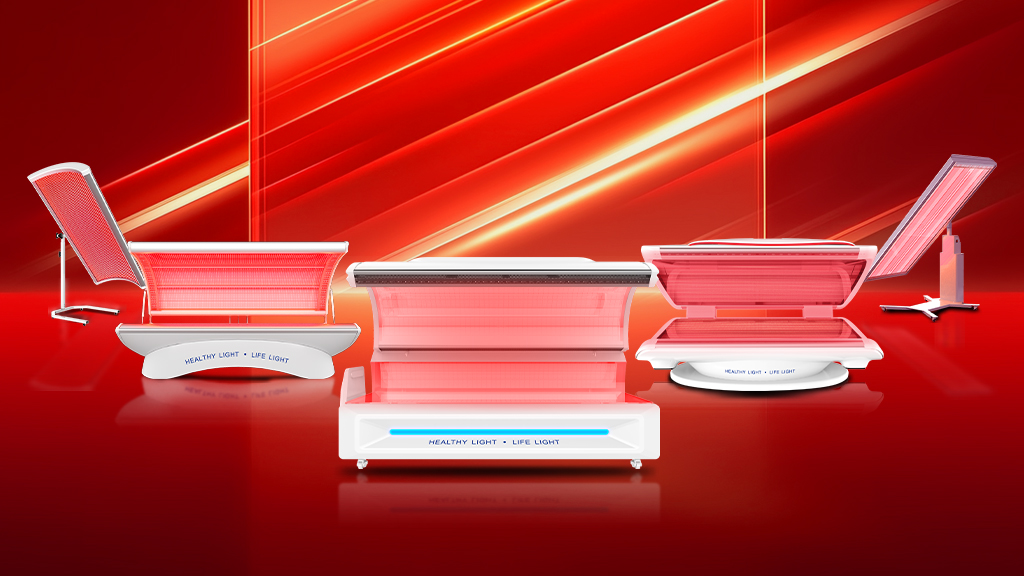
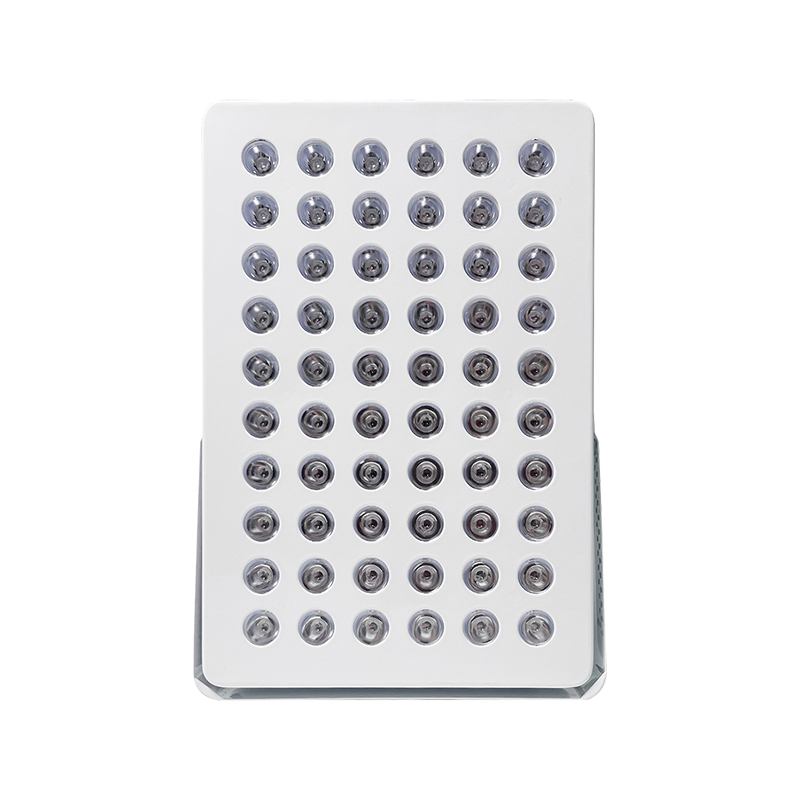
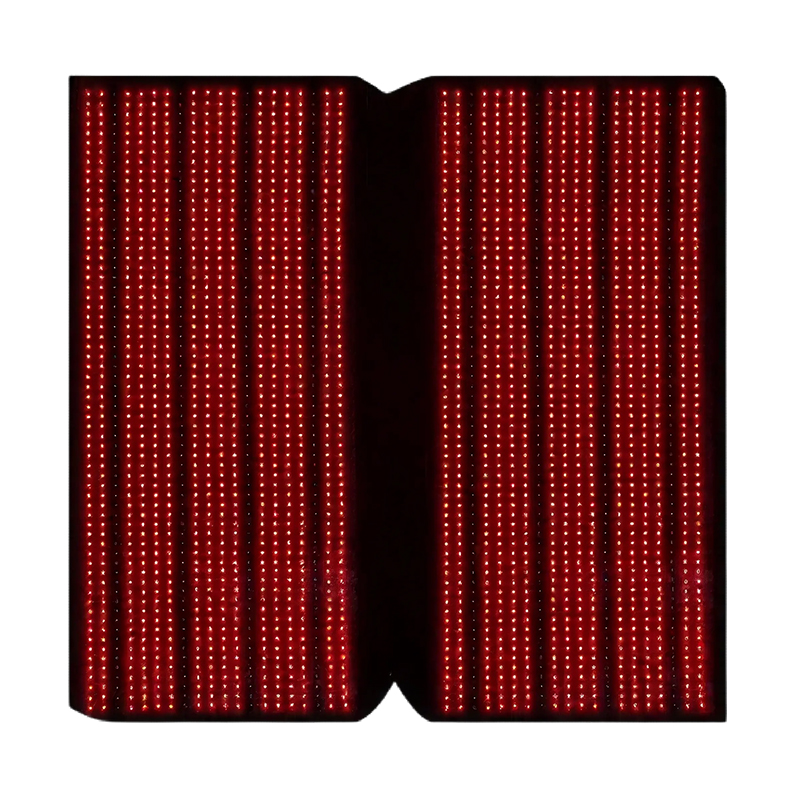
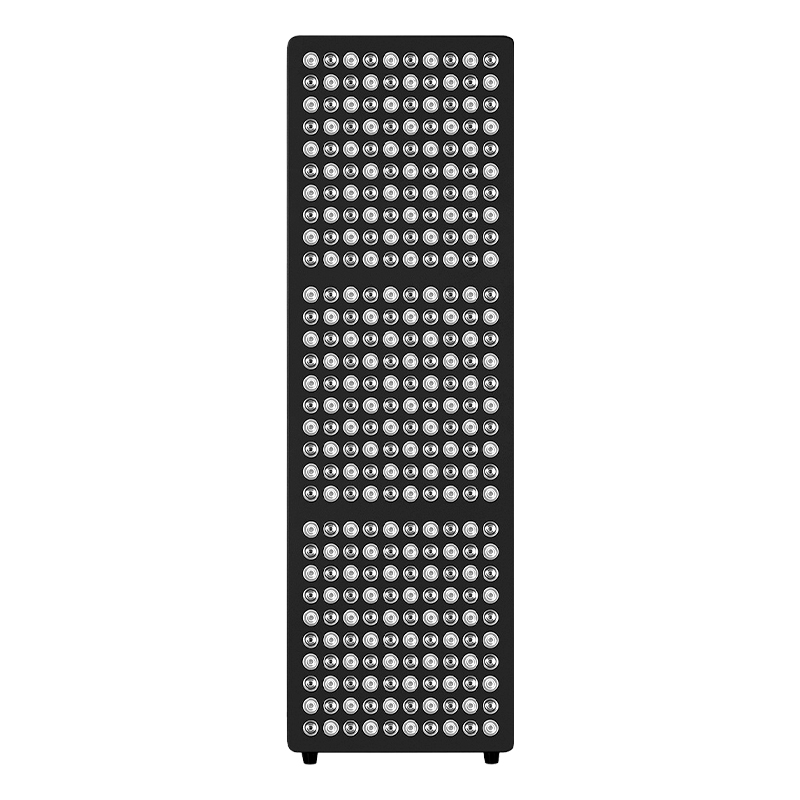
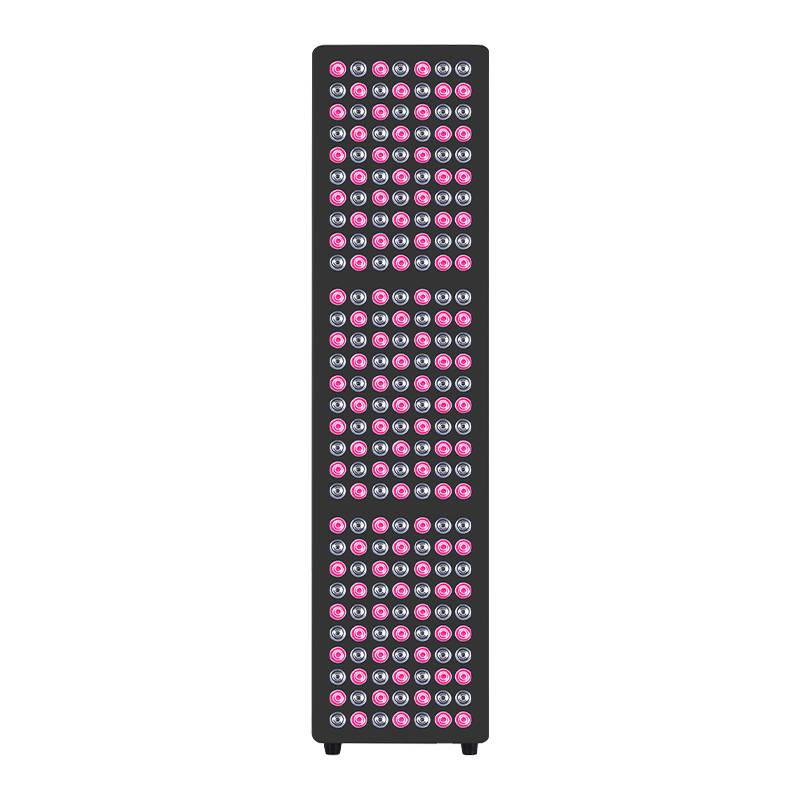
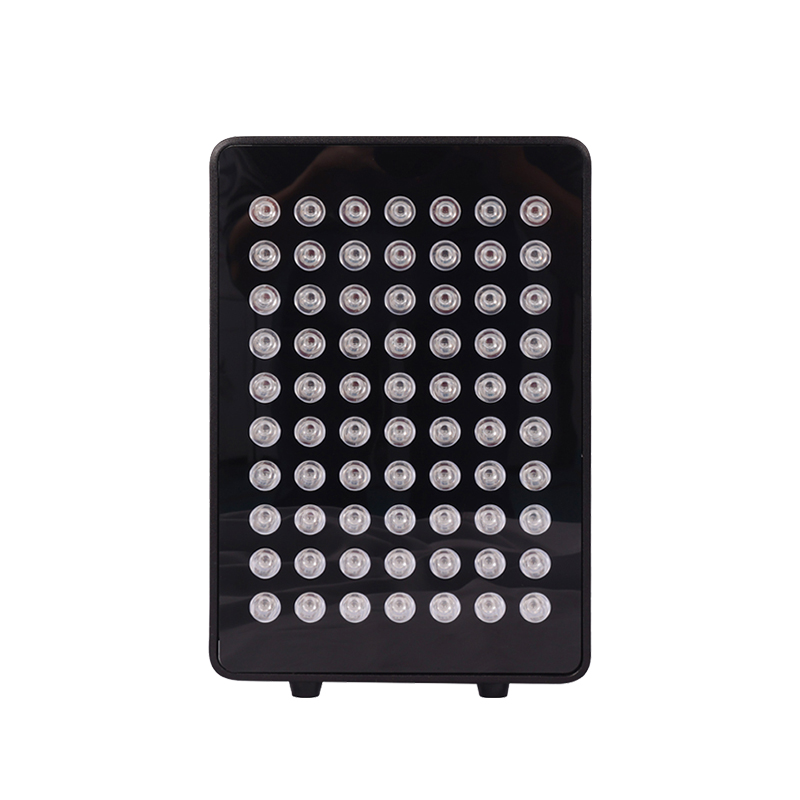
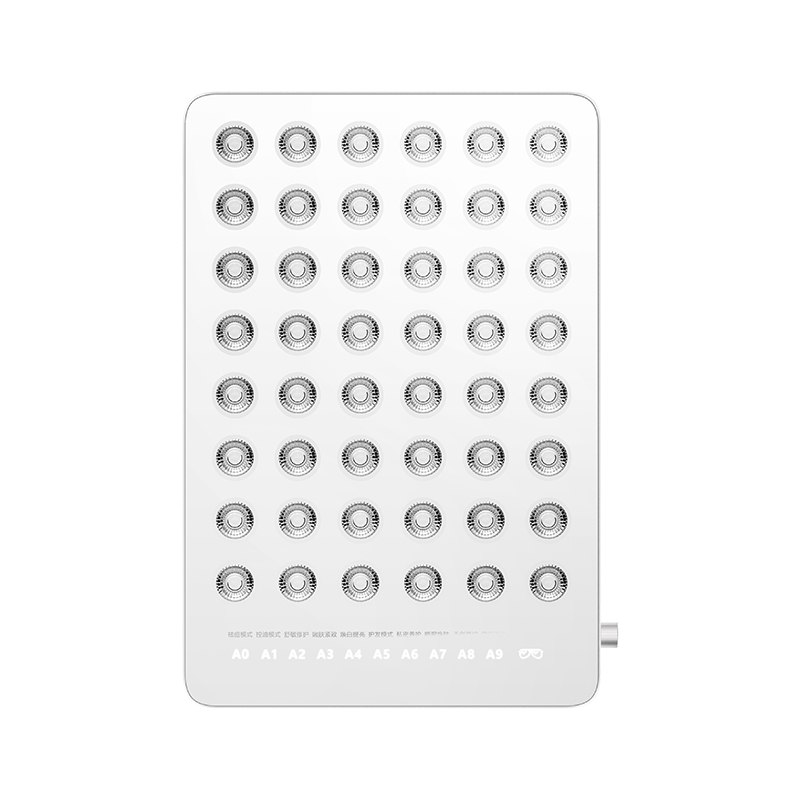
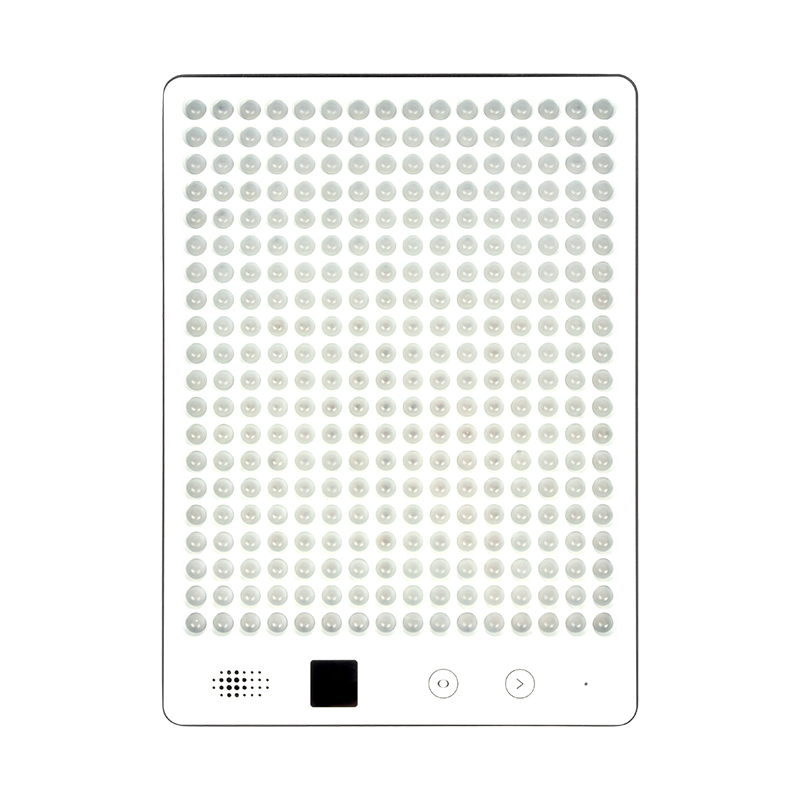
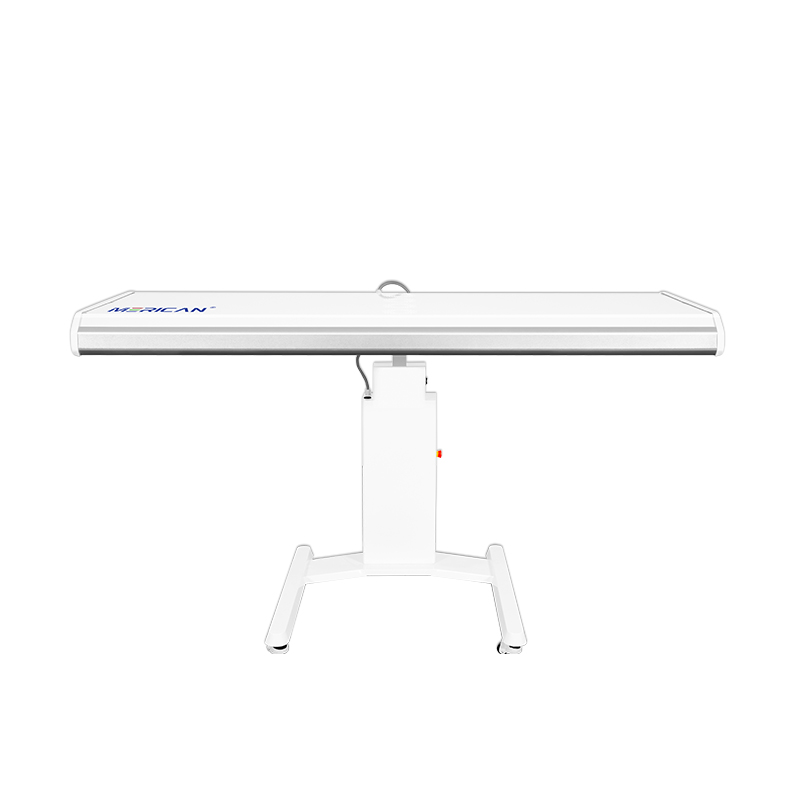
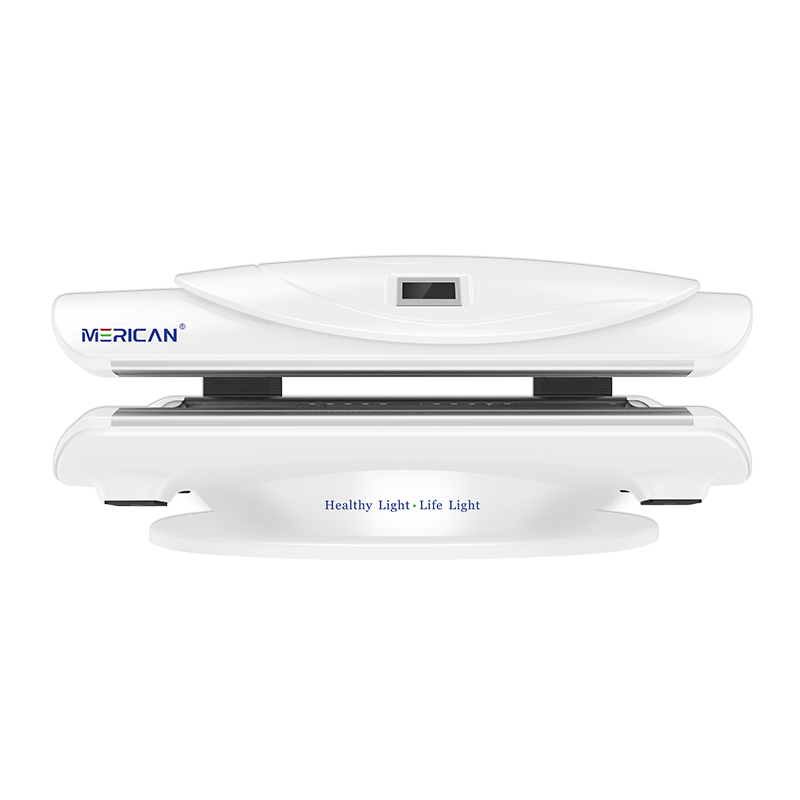
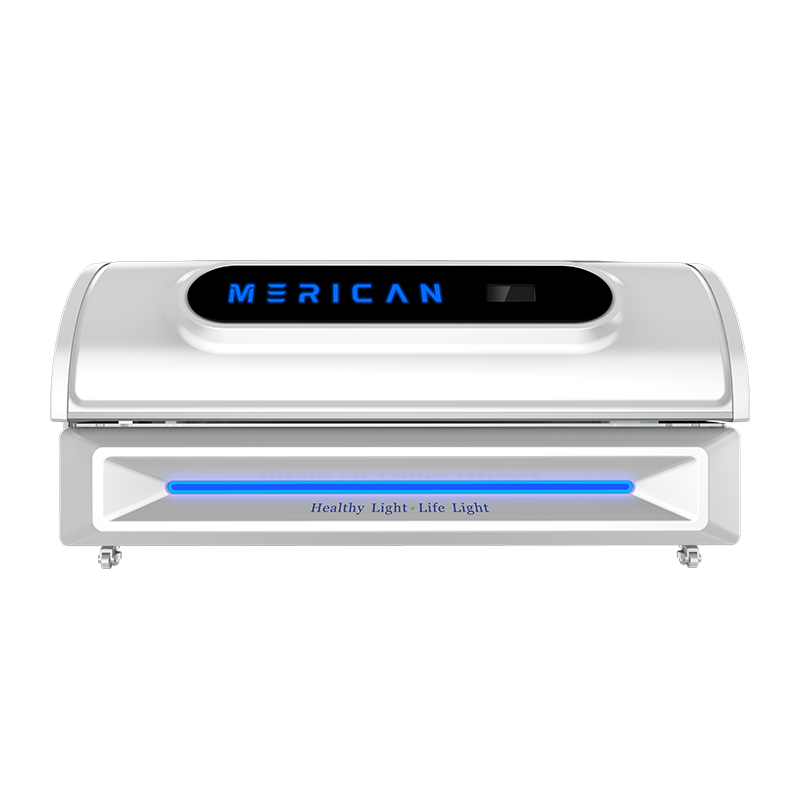
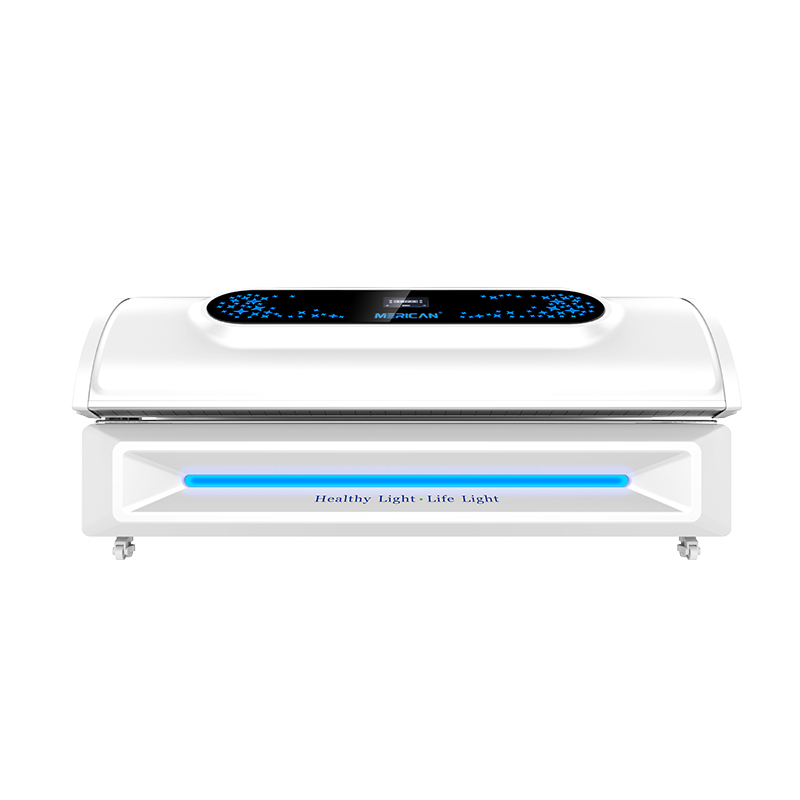
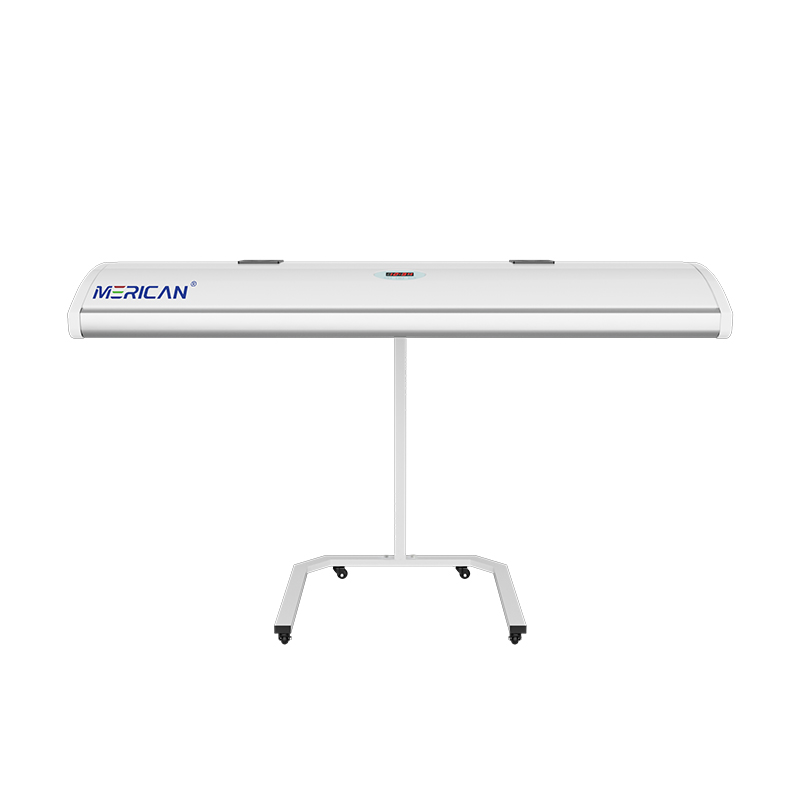
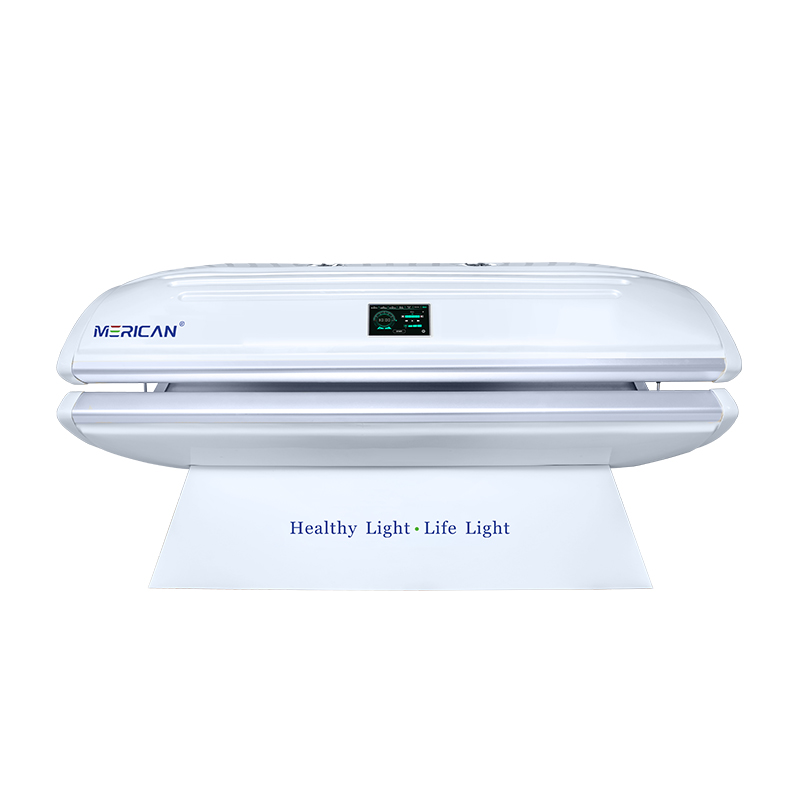
Te rongoa rama whero (RLT) ka whakanuia mo ona painga - mai i te whakapai ake i te kiri kiri me te collagen ki te whakamama i te mamae uaua. Engari he maha nga kaiwhakamahi e miharo ana: Ka taea e te rongoa rama whero te mahi ma te kakahu, ka aukati ranei te papanga i ona paanga? Ma te mohio ki te mahi a te marama ki te kiri me nga rawa ka awhina koe ki te whai hua mai i o waahi.
He pehea te mahi a te Maama Whero
Ka whakamahia te whakamaarama rama whero roangaru motuhake o te whero (630–700 nm) a tata-infrared (800–1000 nm) light to penetrate the skin and stimulate cell energy (hanga ATP).
These wavelengths reach deep into tissues, promoting:
- Te hanga collagen
- Circulation and oxygen flow
- Te whakaora uaua me te mamae mamae
Heoi ano, the light must reach your skin directly for these effects to occur.
Does It Work Through Clothing?
🔬 The Science Says No
Most fabrics — even thin cotton or spandex — block or scatter red and infrared light, preventing the wavelengths from reaching your skin effectively.
Research shows that:
- Maama whero (kitea) is easily absorbed or reflected by fabric fibers.
- Maama-a-ira-a-ira can pass through some very thin materials, but only a small fraction of its energy reaches the skin.
⚠️ Why Direct Exposure Matters
If the light can’t reach your skin, cells can’t absorb it, and no therapeutic benefits occur. No reira, treatments should always be done on kiri noa for maximum effect.
Me pehea te Whakanuia Nga Hua
- Expose the target area directly to the light.
- Remove or roll up clothing to allow full coverage.
- Follow device distance recommendations (te tikanga 6–12 inihi).
- Use consistent sessions — about 10–20 minutes, 3–5 wa ia wiki.
Whakamutunga
Te rongoa rama whero does not work effectively through clothing because fabric blocks most therapeutic wavelengths. Mo nga hua pai, always treat bare skin directly — ensuring the light energy reaches the target tissue.