Q1: Ka taea e te rongoa rama whero te rongoa i te osteoporosis?
Kao. Kaore e taea e te rongoa rama whero te rongoa i te osteoporosis, engari ka awhina pea ki te whakahaere tohu me te tautoko i te whakaora wheua.
Q2: Ma te whakamaarama rama whero ka piki ake te kiato o nga wheua?
Ko nga rangahau tuatahi e kii ana ka whakaihiihihia e te RLT te mahi osteoblast (pūtau hanga wheua), engari me nui ake te rangahau tangata.
Q3: He haumaru te rongoa rama whero mo nga turoro osteoporosis?
Ae, Ko te RLT e kiia ana he haumaru, but patients with medical conditions should consult a doctor first.
Q4: Can red light therapy reduce fracture risk?
Indirectly, āe. By reducing pain and improving mobility, RLT may help lower the risk of falls that cause fractures.
Q5: How often should osteoporosis patients use red light therapy?
Most protocols suggest 10–20 meneti, 3–5 wa ia wiki, i runga i te taputapu.
Q6: Can RLT replace calcium and vitamin D supplements?
Kao. RLT may complement treatment, but proper nutrition and supplements remain essential for bone health.
Q7: Does red light therapy help with osteoporosis pain?
Ae. Many studies show RLT reduces joint pain, mārō, me te mumura.
Q8: Can elderly people safely use red light therapy?
Ae, when used as directed. It’s a non-invasive, low-risk option for seniors with bone and joint issues.
Q9: What devices are best for osteoporosis support?
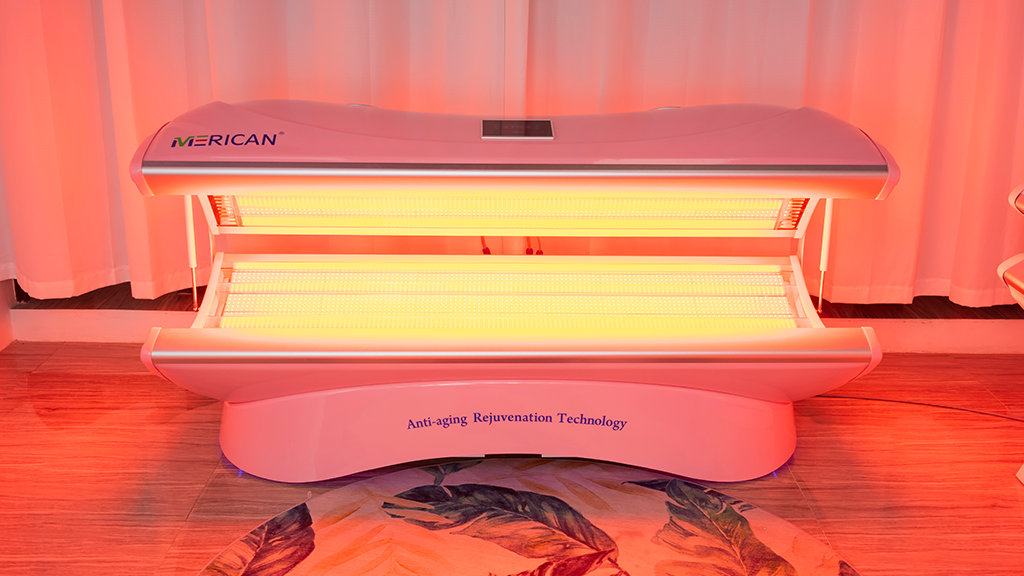
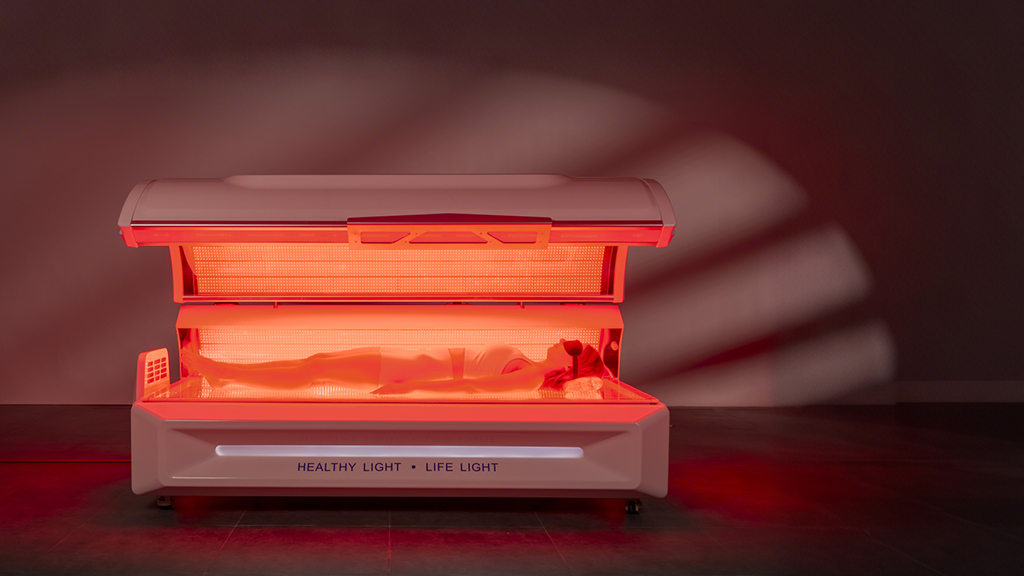
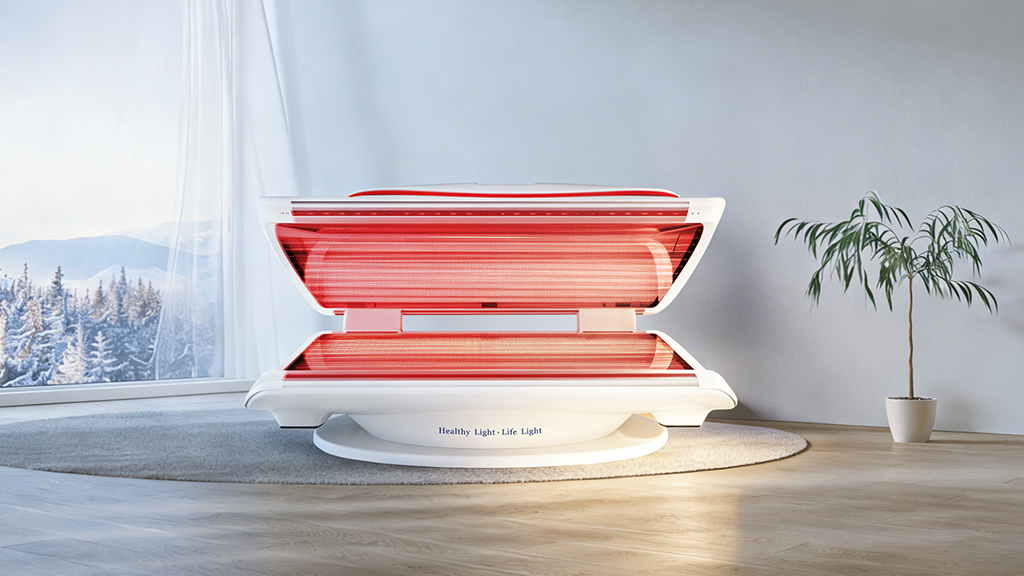
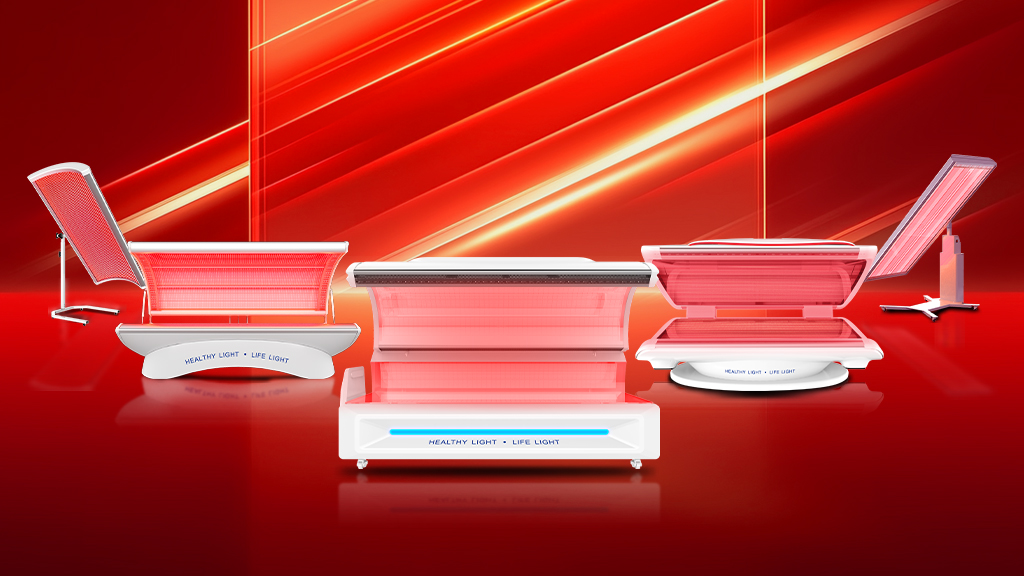
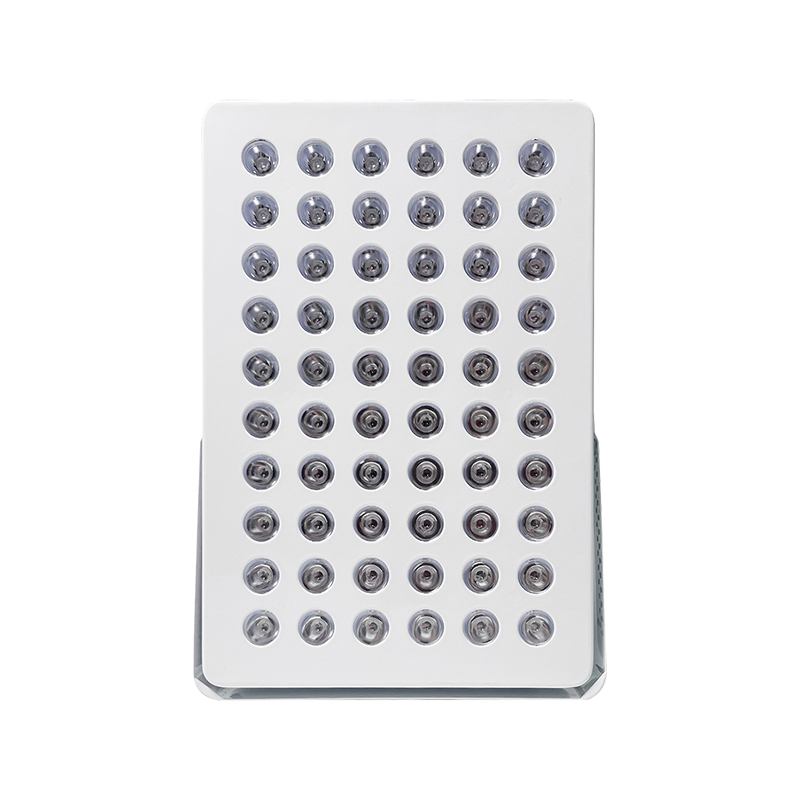
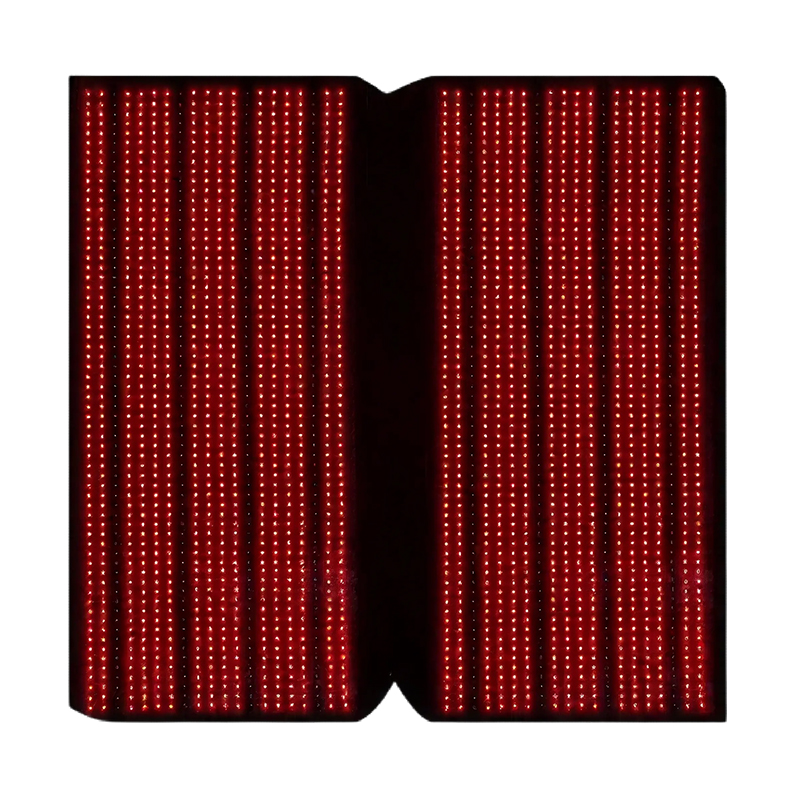
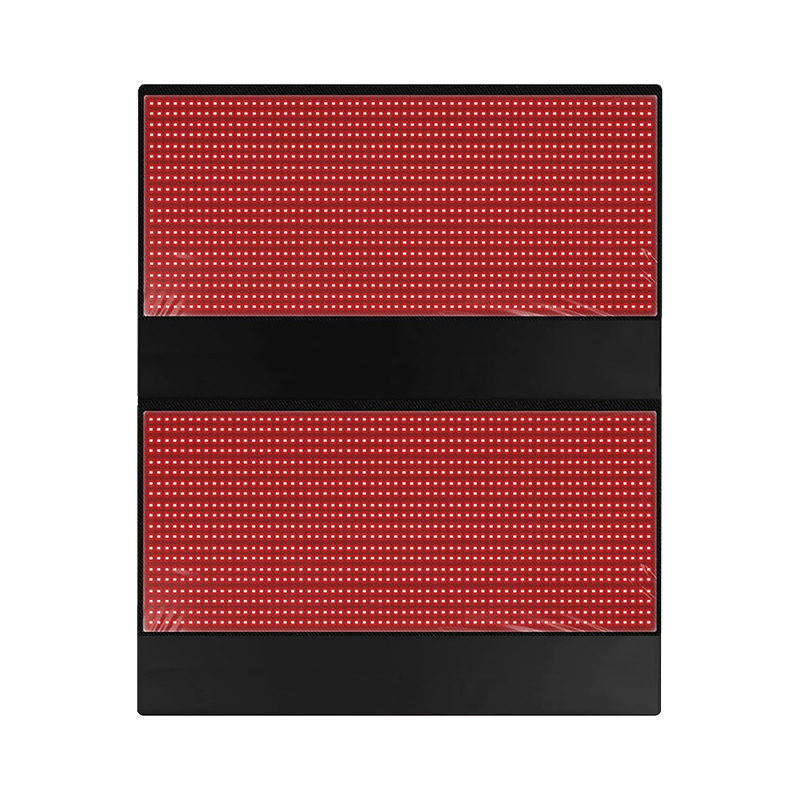
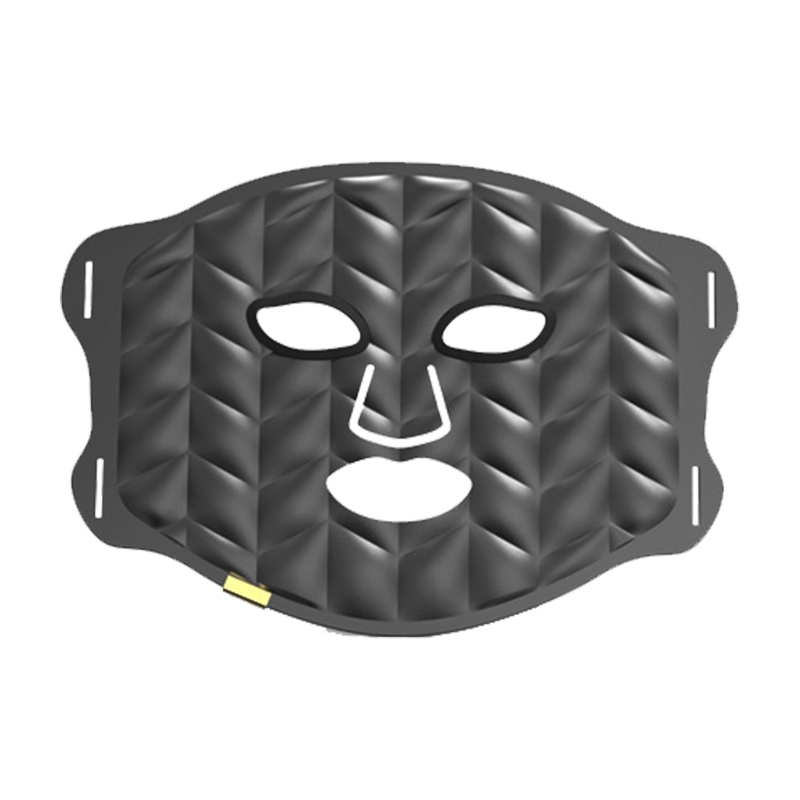
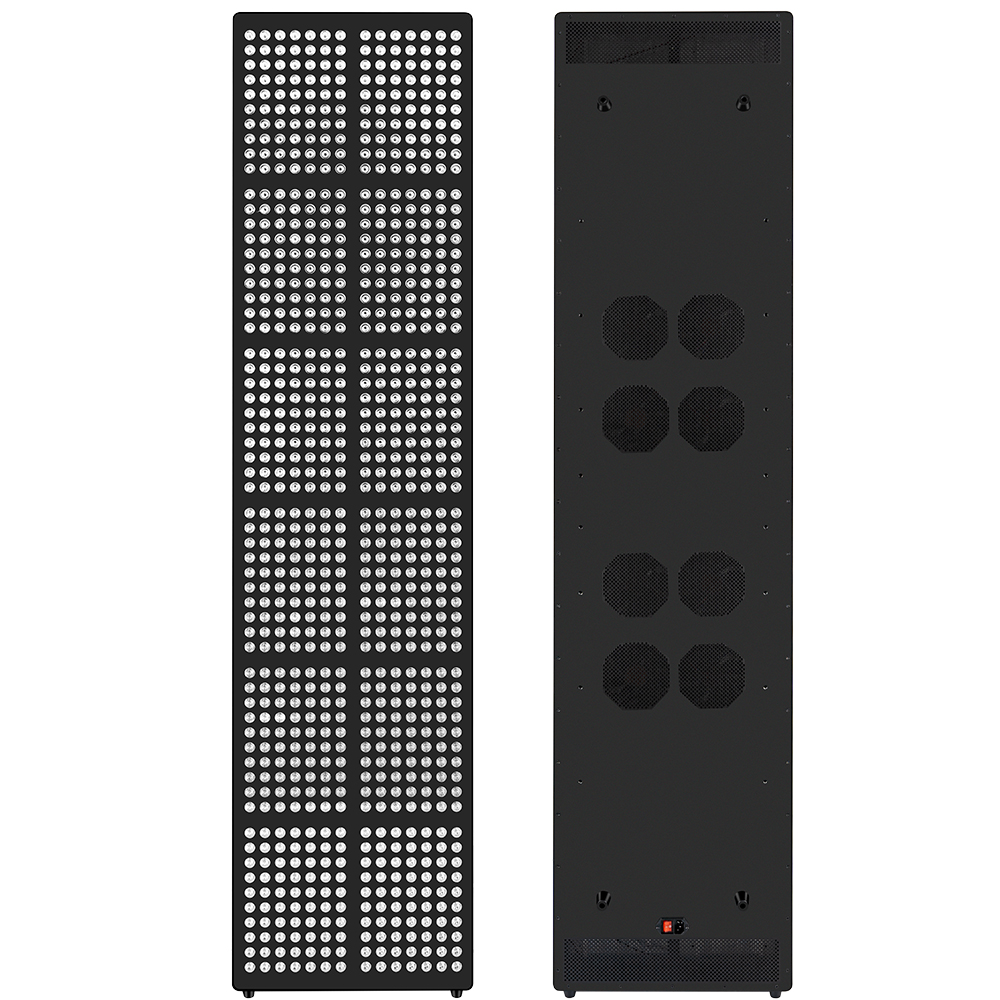
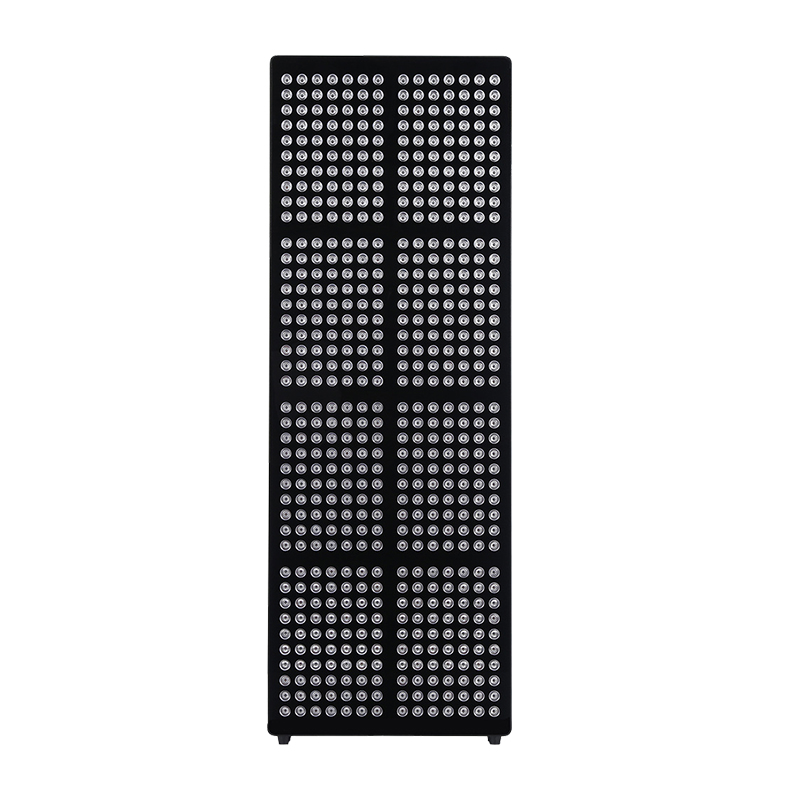
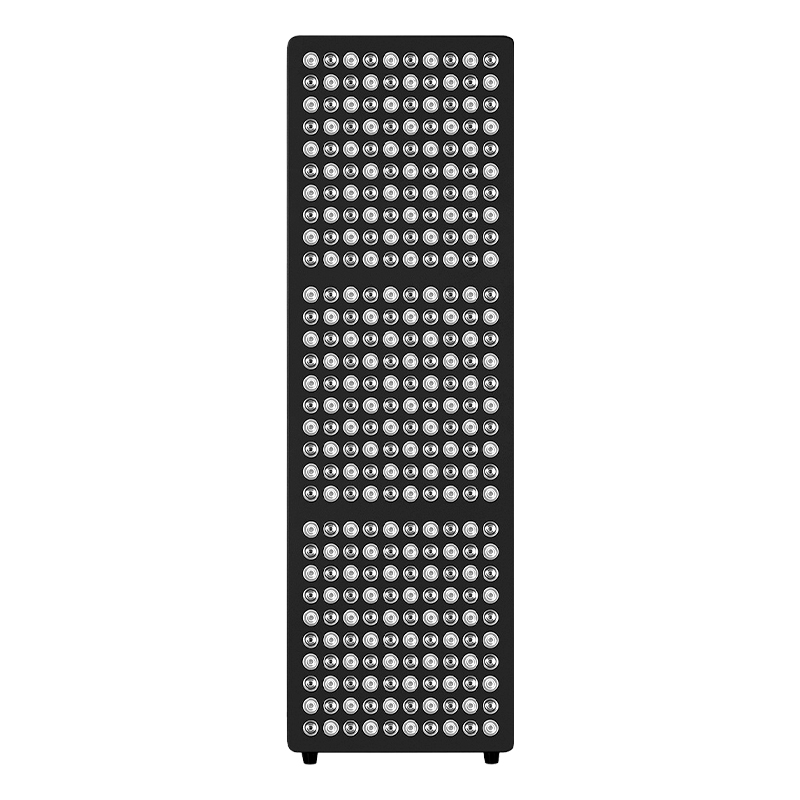
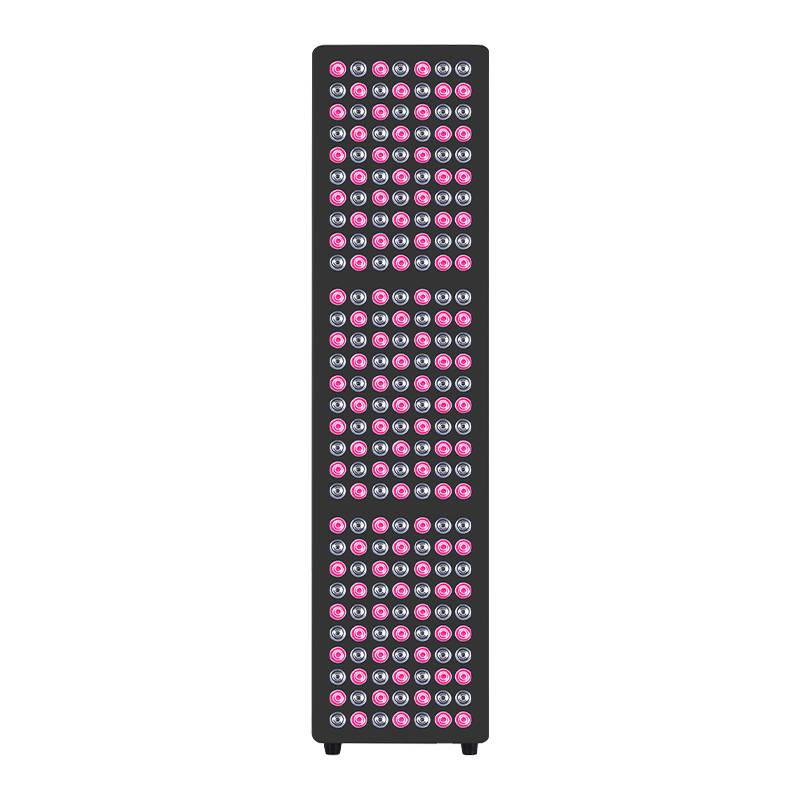
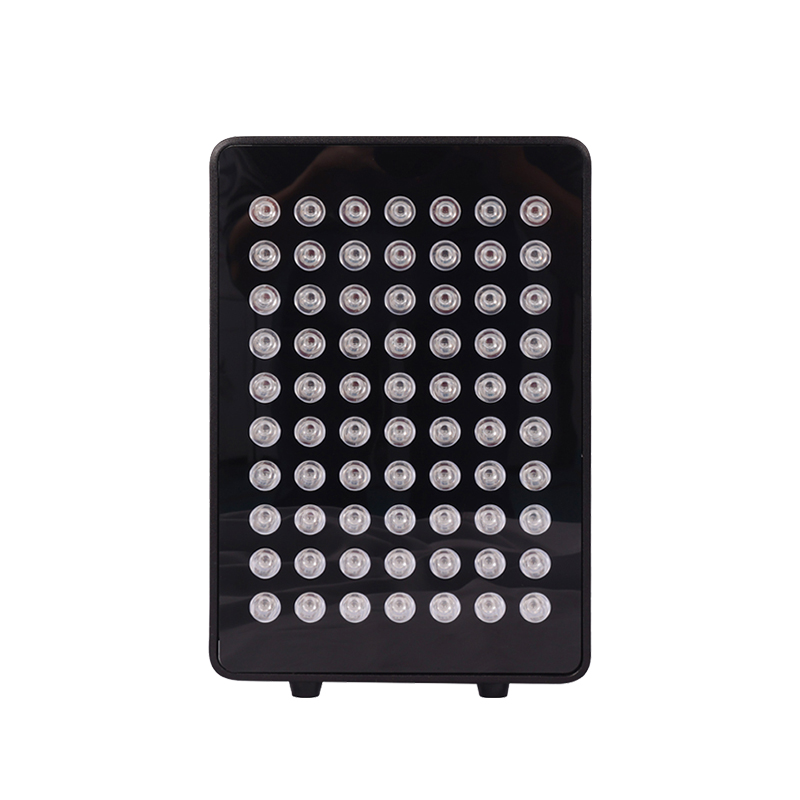
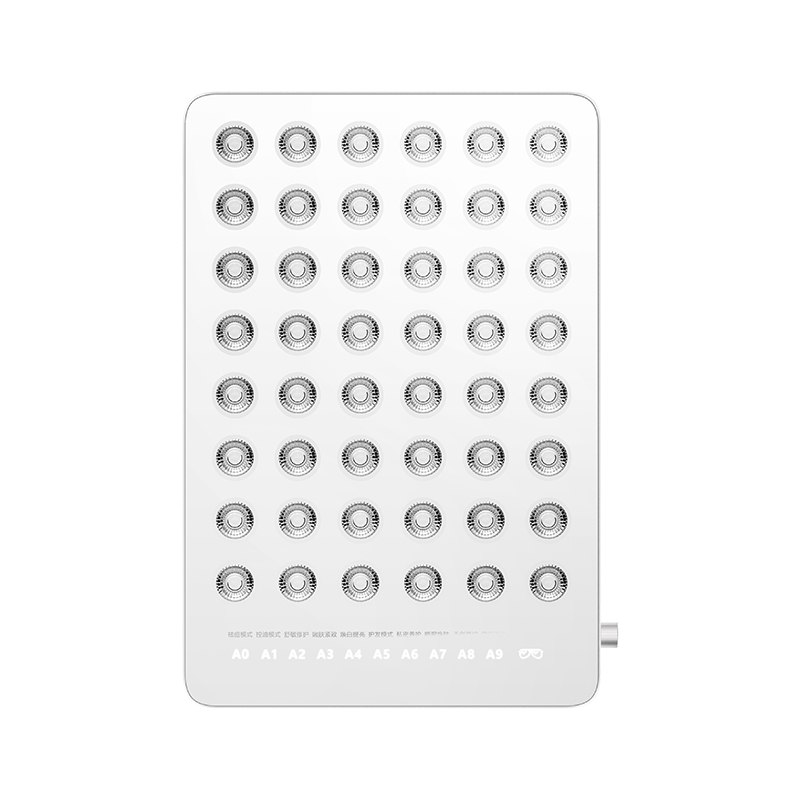
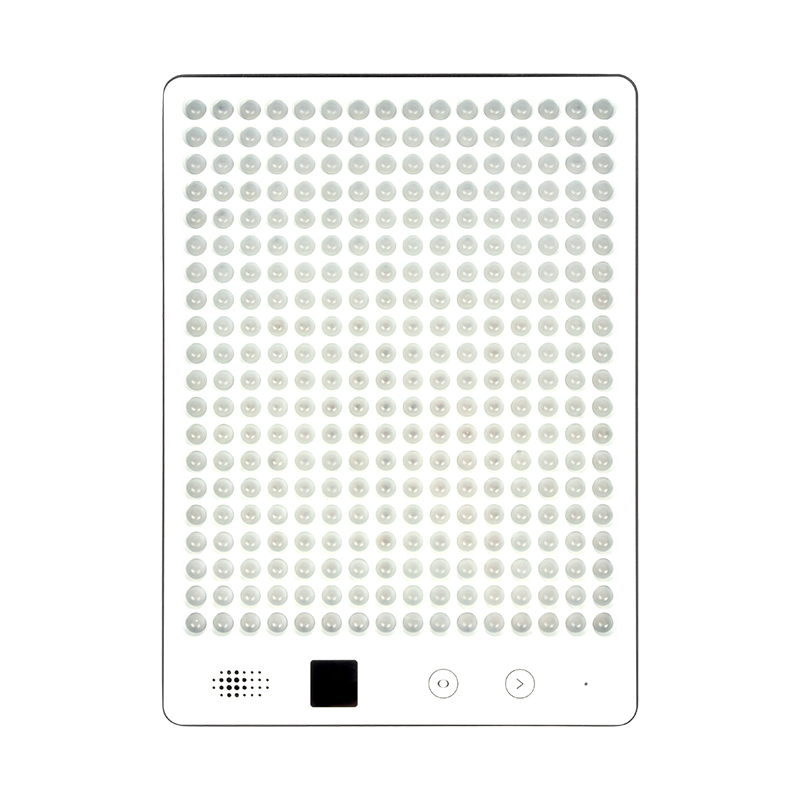
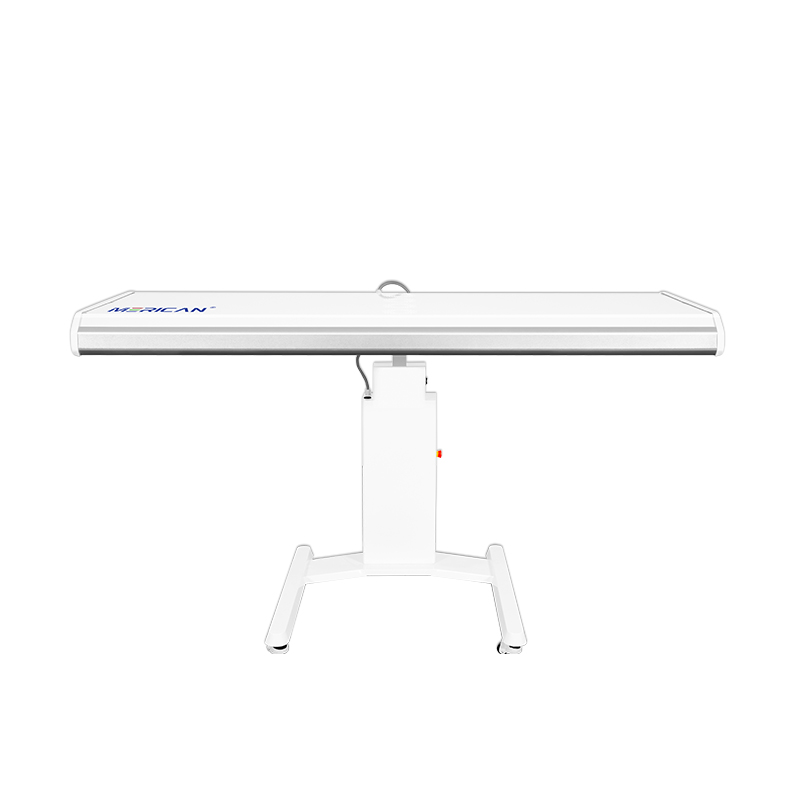
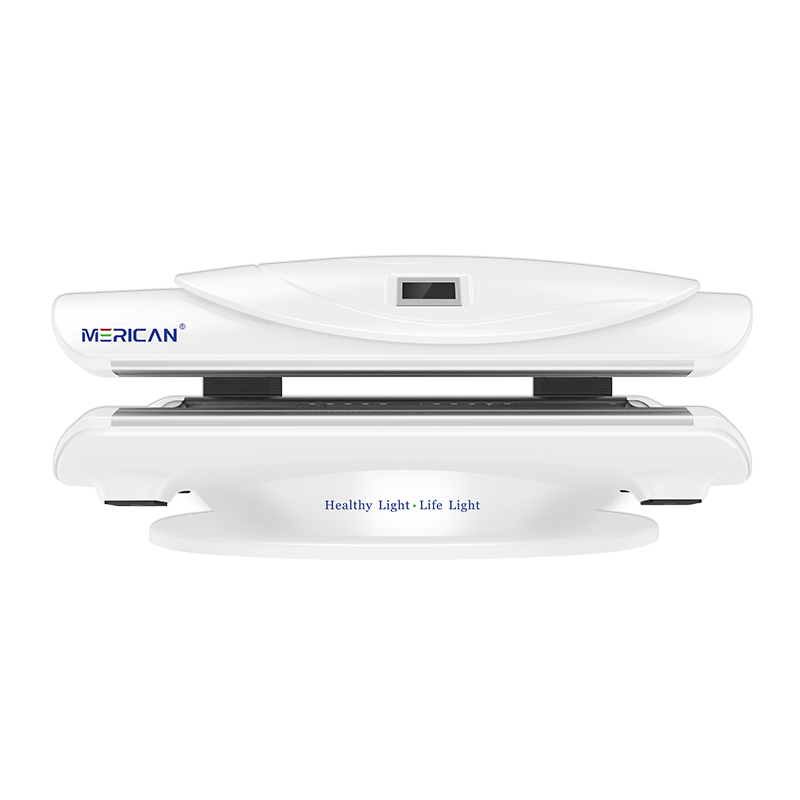
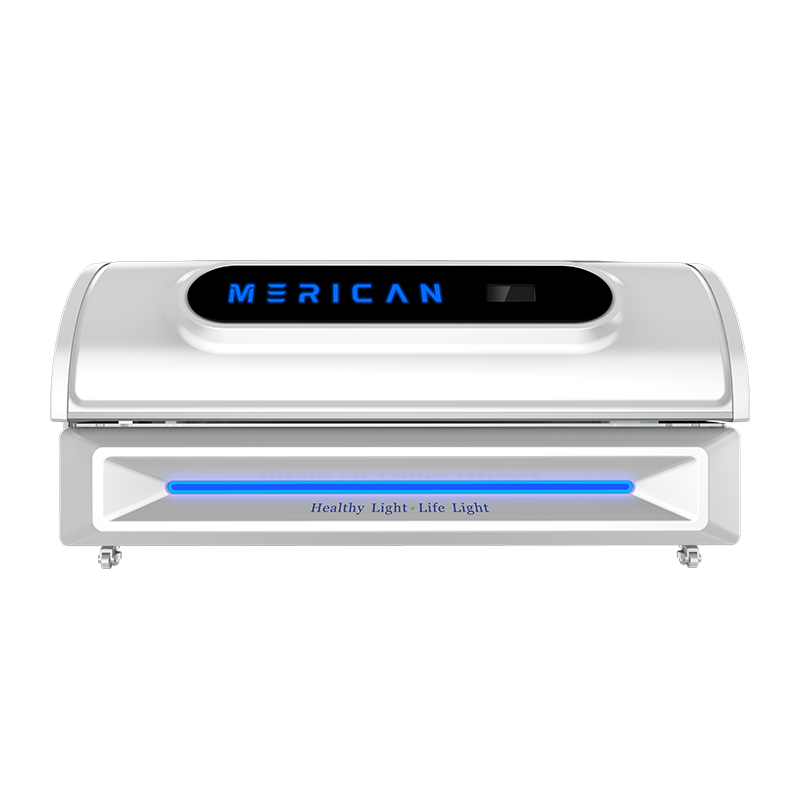
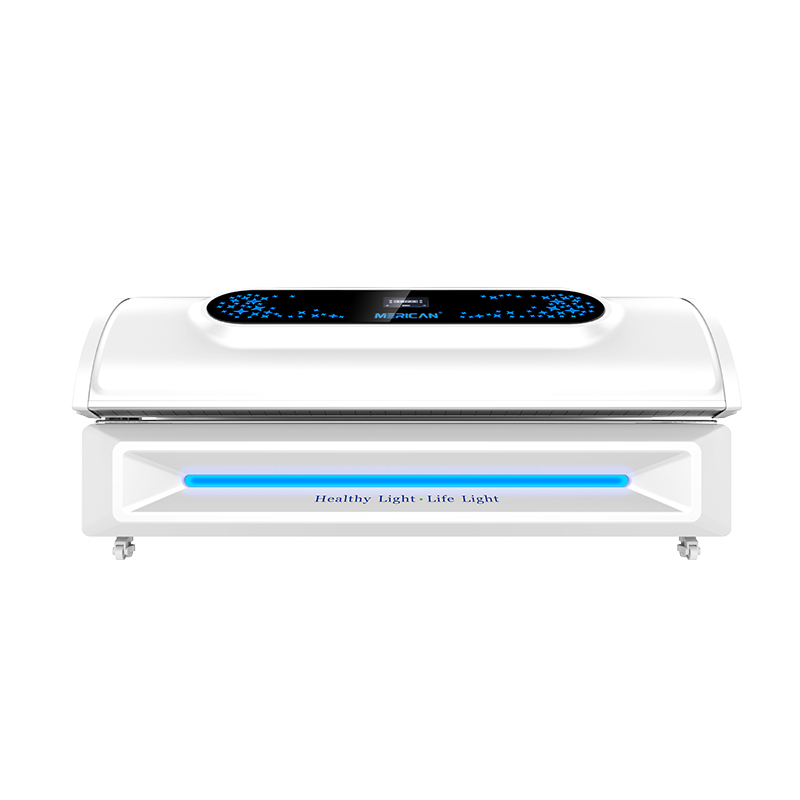
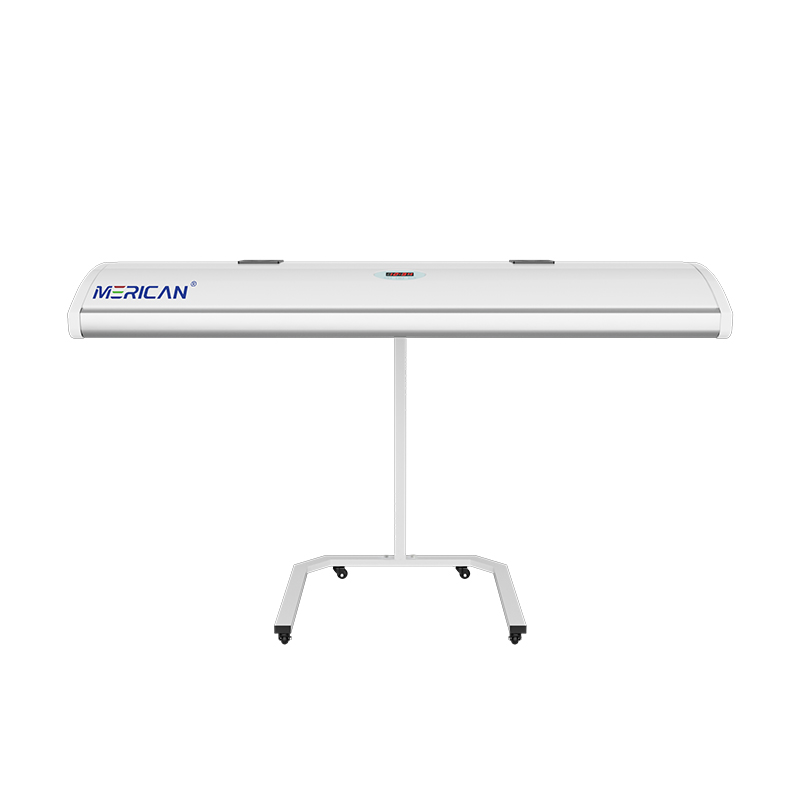
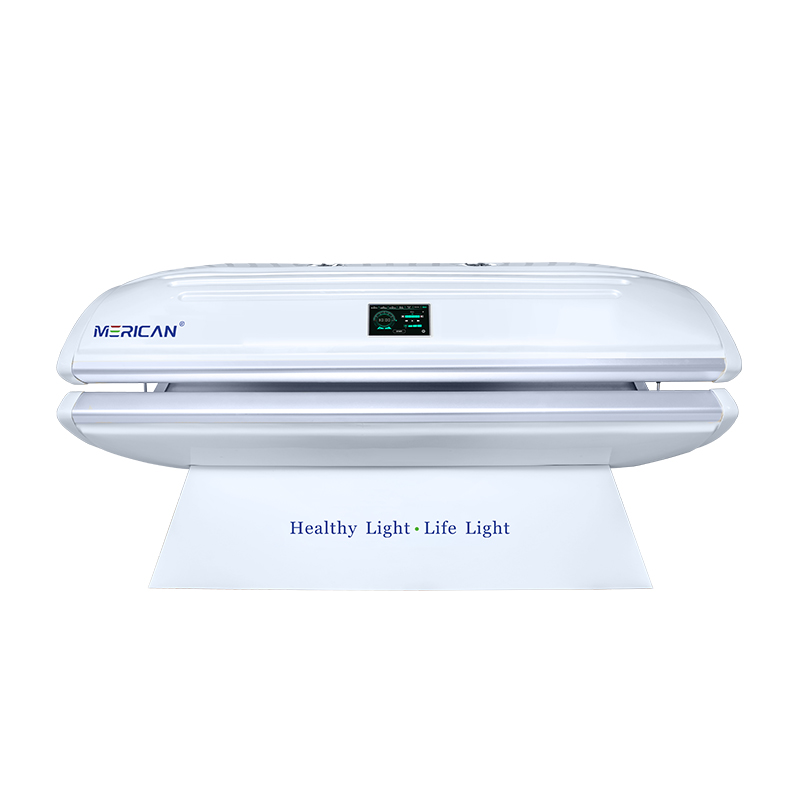
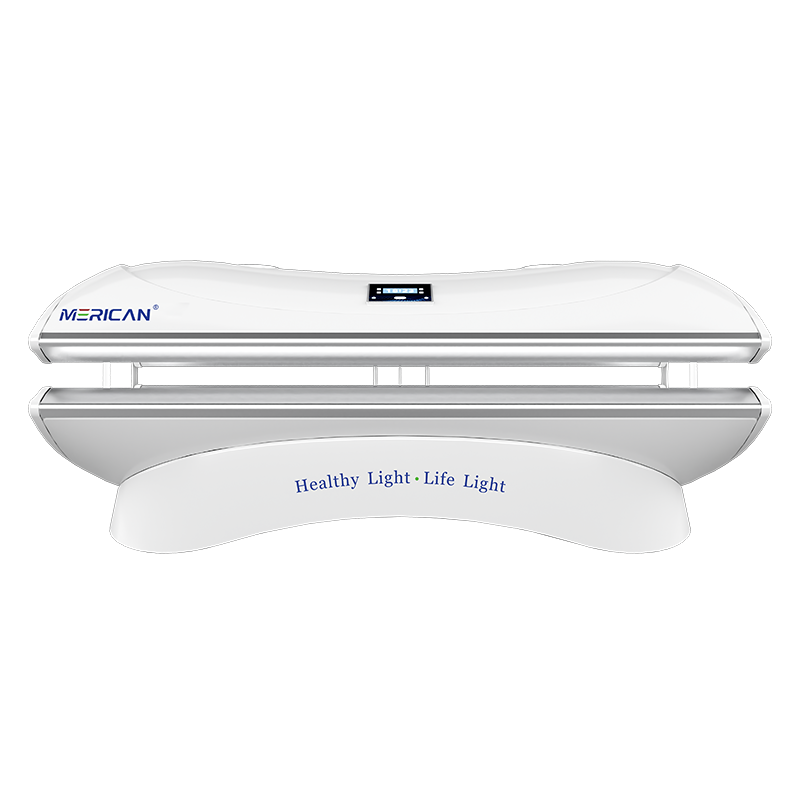
Larger panels or full-body beds may provide better coverage for bone and joint health compared to small handheld devices.
Q10: Should RLT be combined with exercise for osteoporosis?
Ae. Weight-bearing exercise, good nutrition, and RLT together may provide the best support for bone and muscle health.