1. Ka taea e te whakamaarama rama whero te tango i nga whiu?
Kaore pea e tangohia katoatia nga whiu, engari ka taea whakapai ake kakano, ngawari, and appearance i runga i te wa.
2. Kia pehea te roa ka kitea nga hua?
Visible improvement is typically noticed after 4–6 wiki o te whakamahi rite.
3. He haumaru te rongoa rama whero mo nga momo nawe katoa?
Ae, it can be used on surgical, tahuna, hakihaki, and hypertrophic scars, but avoid active infections.
4. How often should I use red light therapy for scars?
3–5 wahanga ia wiki, 10–20 minutes per scar area.
5. Can it be used on old scars?
Ae, even scars several years old can benefit from collagen remodeling and tissue repair.
6. He pānga taha?
He haumaru te whakamaarama rama whero; mild warmth or redness may occur but usually fades quickly.
7. Can I use it with topical scar treatments?
Ae, combining RLT with silicone gels or scar serums can enhance results.
8. Can it reduce redness in scars?
Ae, Ka awhina a RLT reduce inflammation and blood vessel overgrowth, improving color and appearance.
9. Is near-infrared light more effective than red light for scars?
Tata-infrared kuhu hohonu, he painga mo thicker or deeper scars.
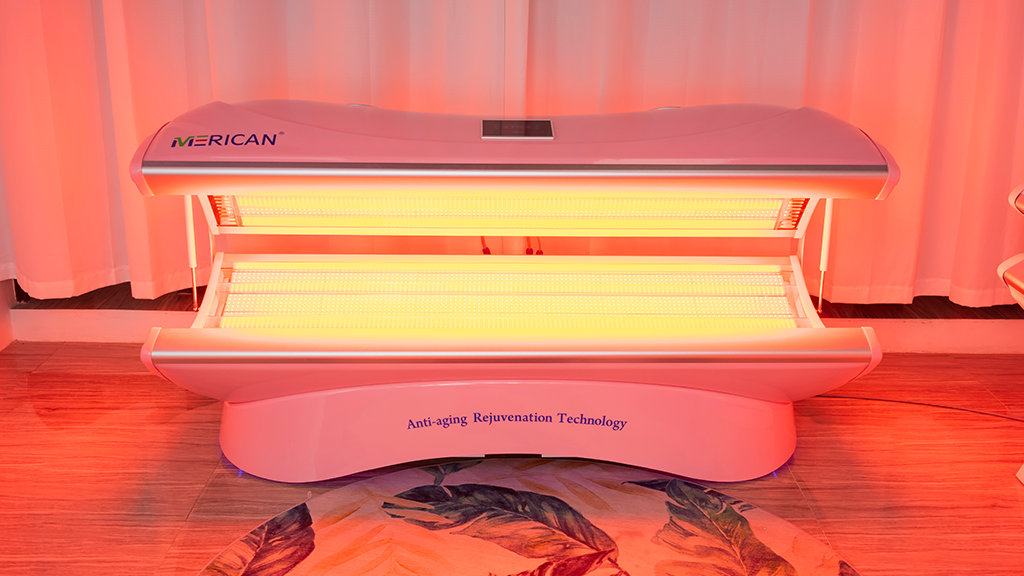
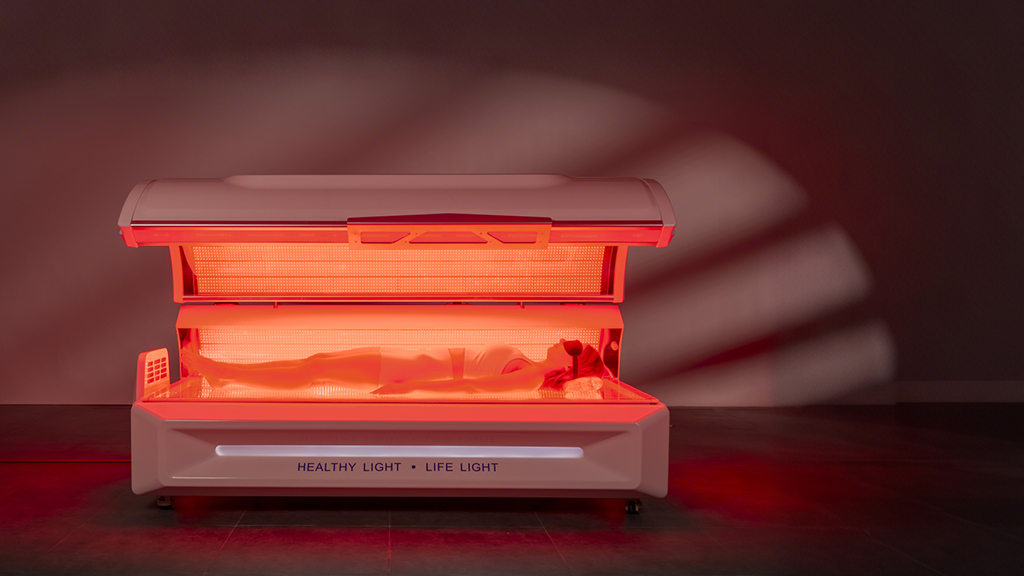
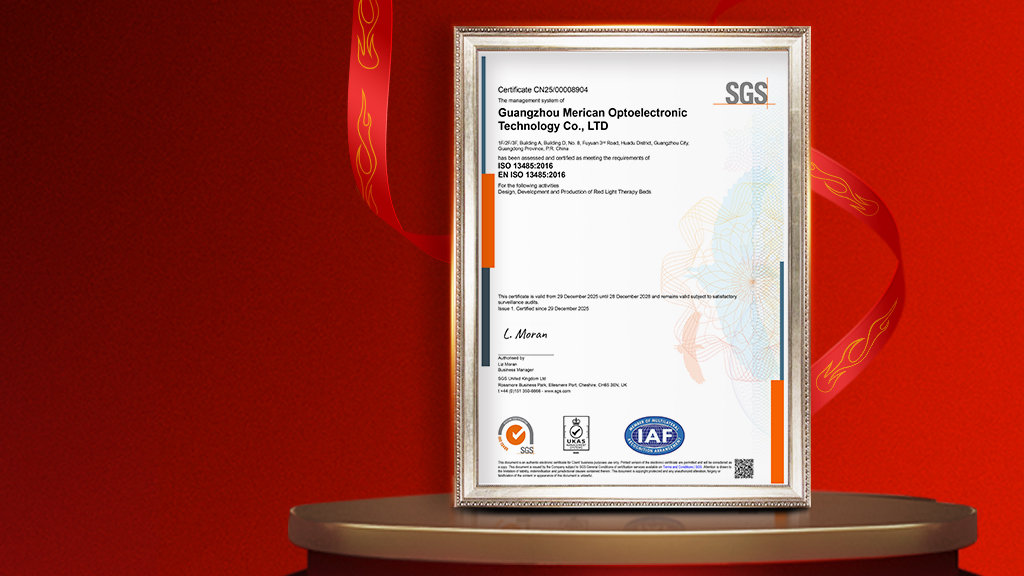
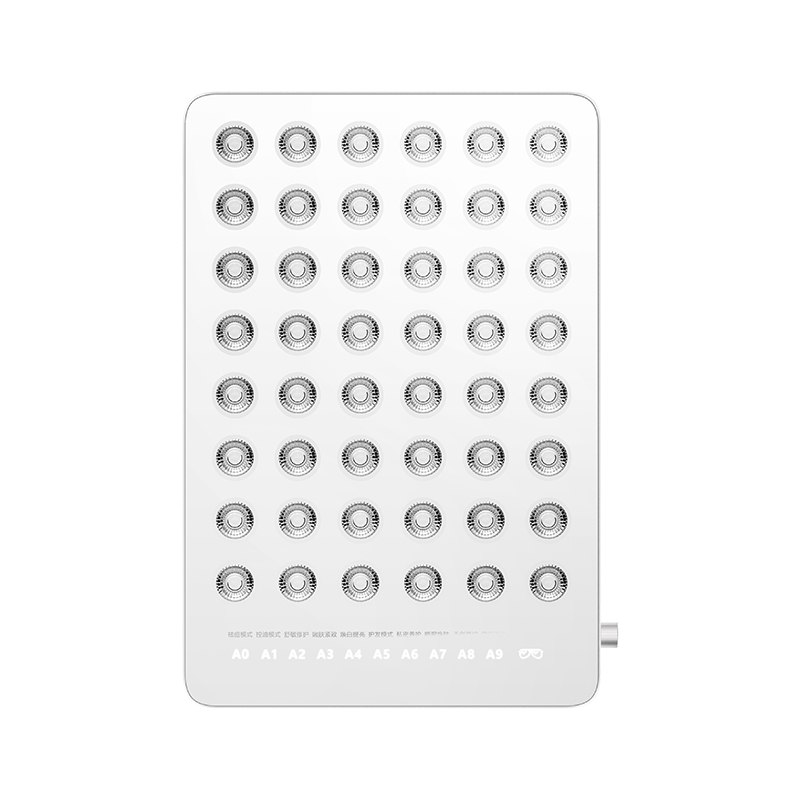
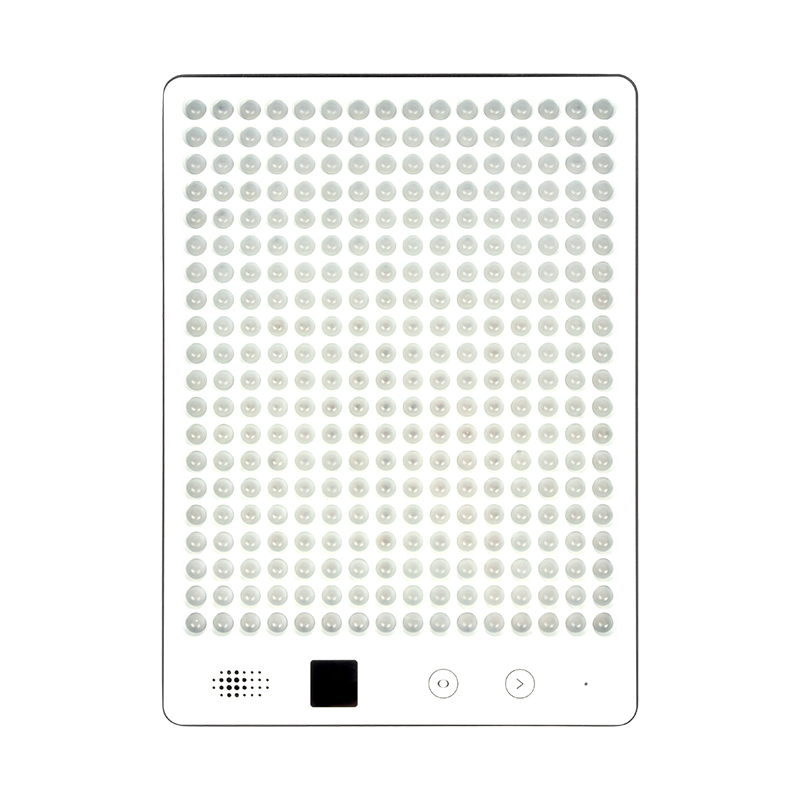
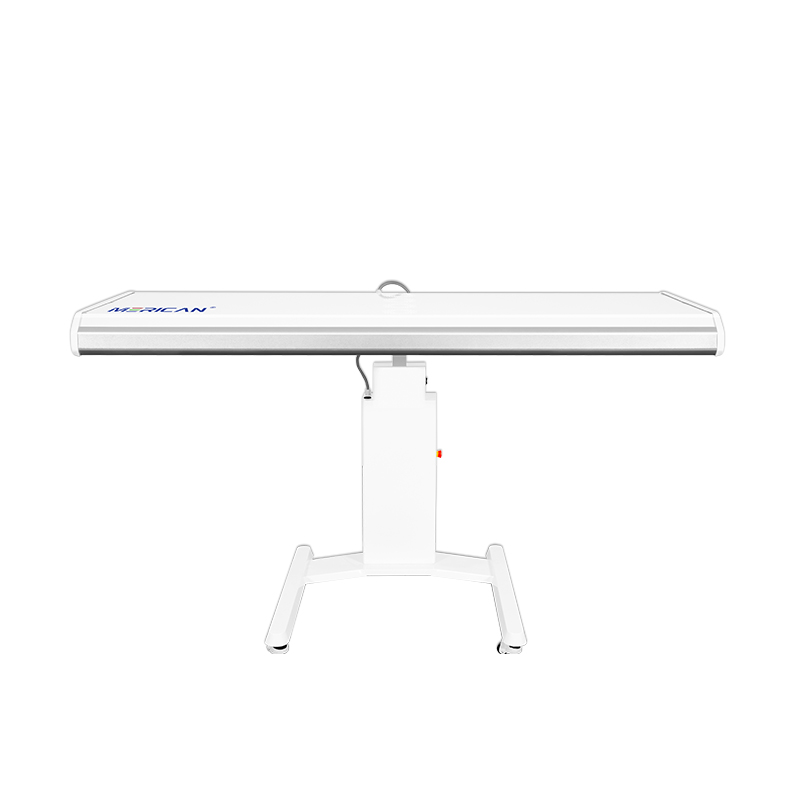
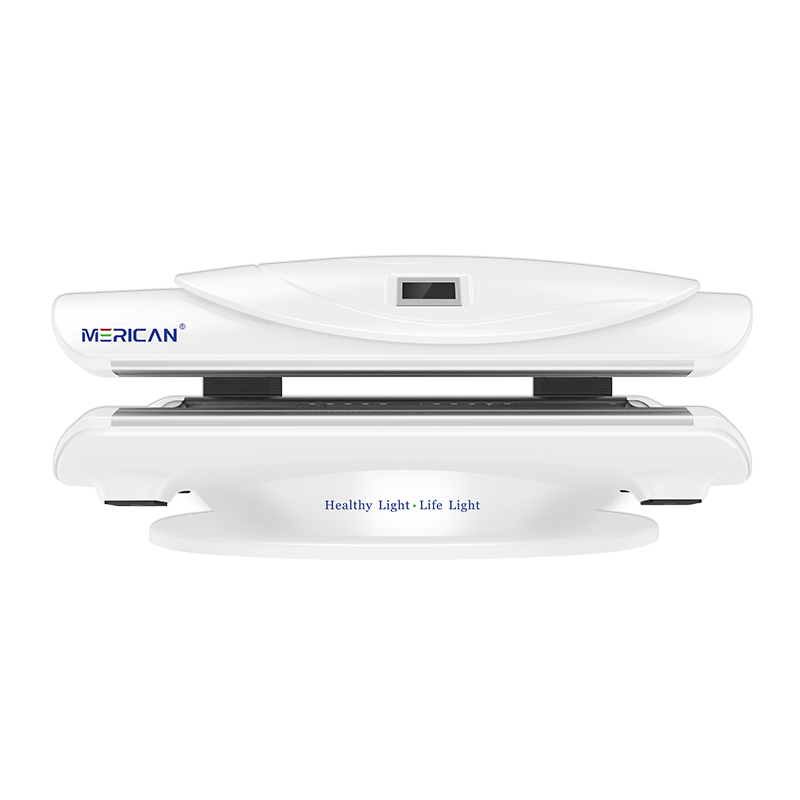
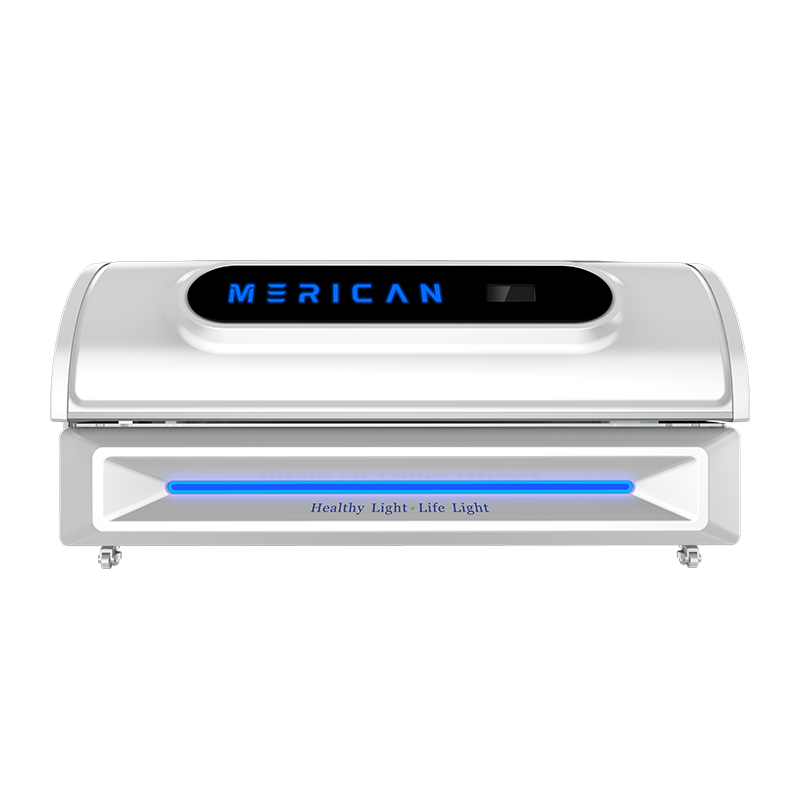
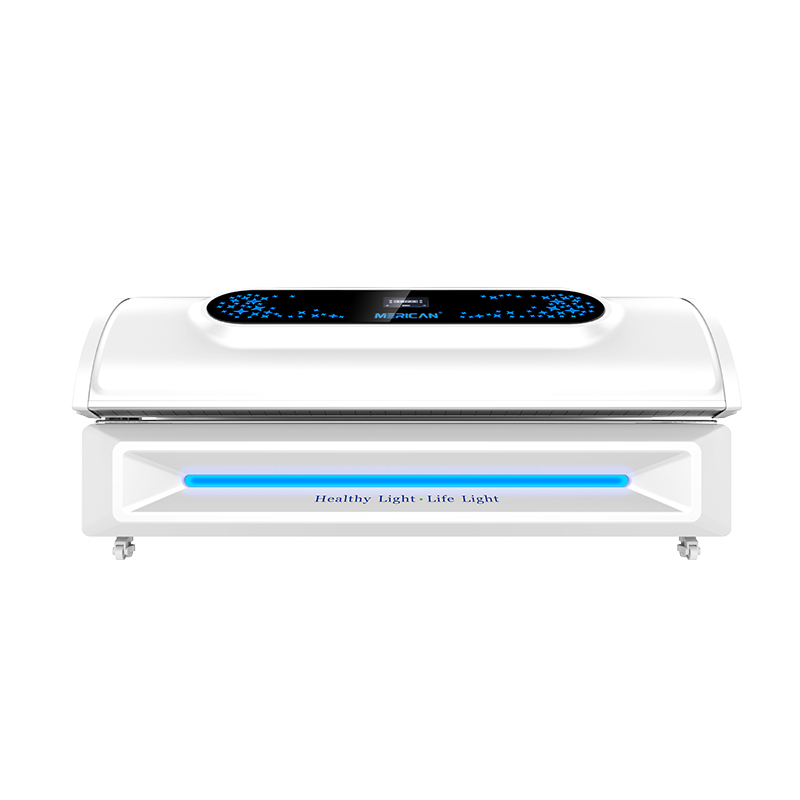
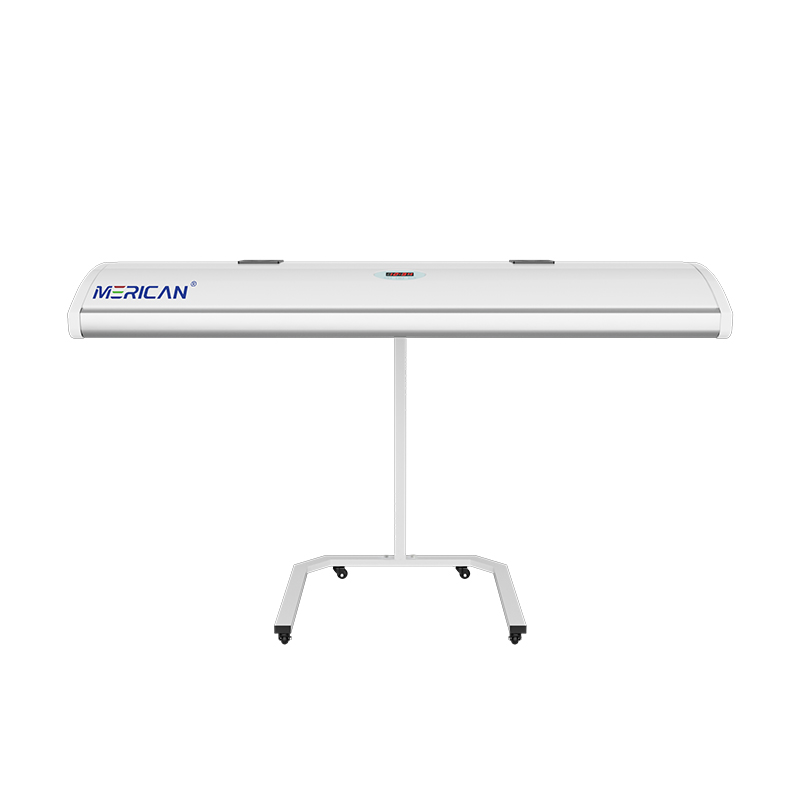
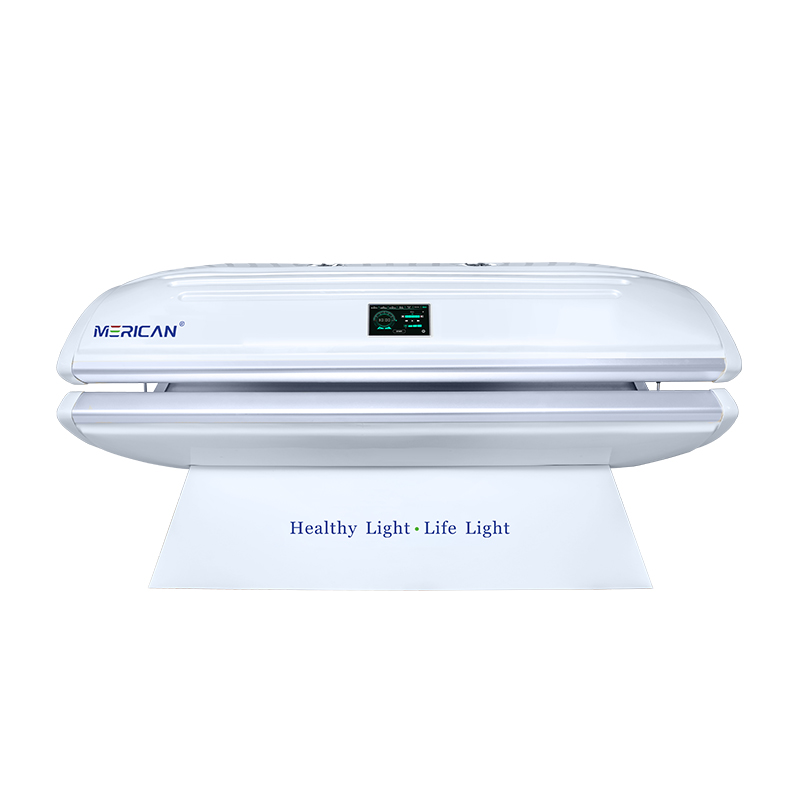
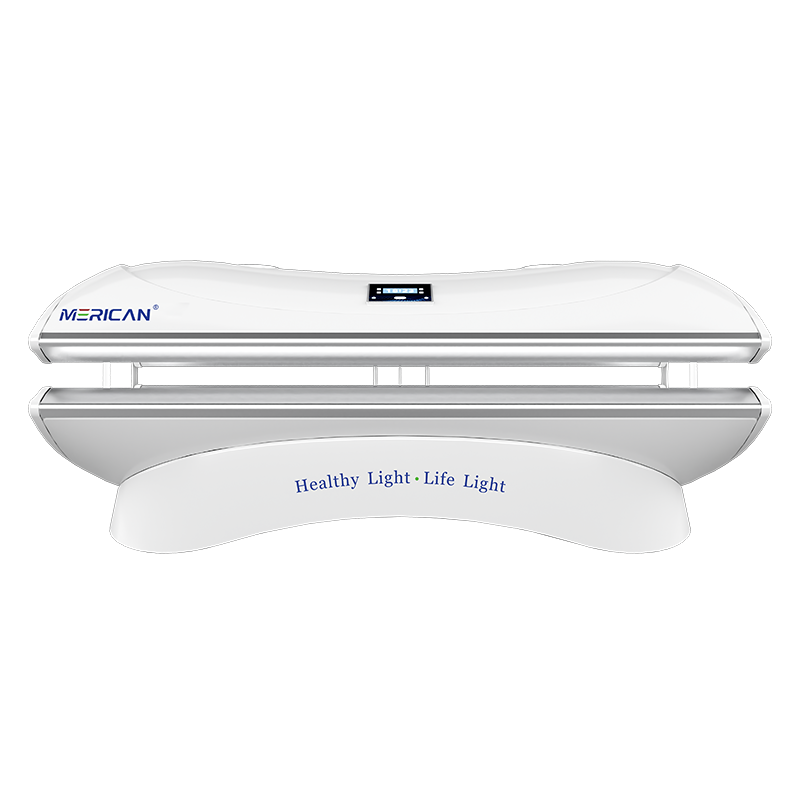
10. He aha te take i whiriwhiri ai i nga punaha rongoa rama whero MERICAN?
MERICAN devices offer mana te roangaru tika, urunga kiko hohonu, and uniform light coverage, ensuring safe and effective scar care for home or professional use.