1. Ka taea e te rongoa rama whero te rongoa SAD?
Kao, Kaore a RLT e rongoa i te SAD, but it may reduce fatigue, whakapai ake te huru, me te whakakii i nga maimoatanga paerewa.
2. E hia nga wa ka whakamahia e au te rongoa rama whero mo te SAD?
Daily sessions of 15–30 minutes are recommended during fall and winter months.
3. Can I use red light therapy in place of white light therapy?
Red light therapy can support mood, engari bright white light therapy remains the primary treatment for SAD.
4. He haumaru te whakamaarama rama whero mo nga reanga katoa?
It is generally safe for adults; consult a doctor for children or those with medical conditions.
5. Can RLT help with fatigue and low energy?
Ae, ma te whakarei ake pūngao pūtau (hanga ATP) me te tohanga, it may reduce fatigue.
6. He pānga taha?
He onge nga paanga taha; he mahana ngawari, he whero poto ranei ka puta.
7. Can it improve sleep?
Ka taea e te rongoa rama whero te awhina regulate circadian rhythms, supporting better sleep quality.
8. Should I combine it with exercise or outdoor light exposure?
Ae, combining RLT with physical activity and natural sunlight maximizes benefits.
9. How long before I notice mood improvement?
Some users notice subtle changes within 1–2 wiki, while more significant improvements may take 4–6 wiki.
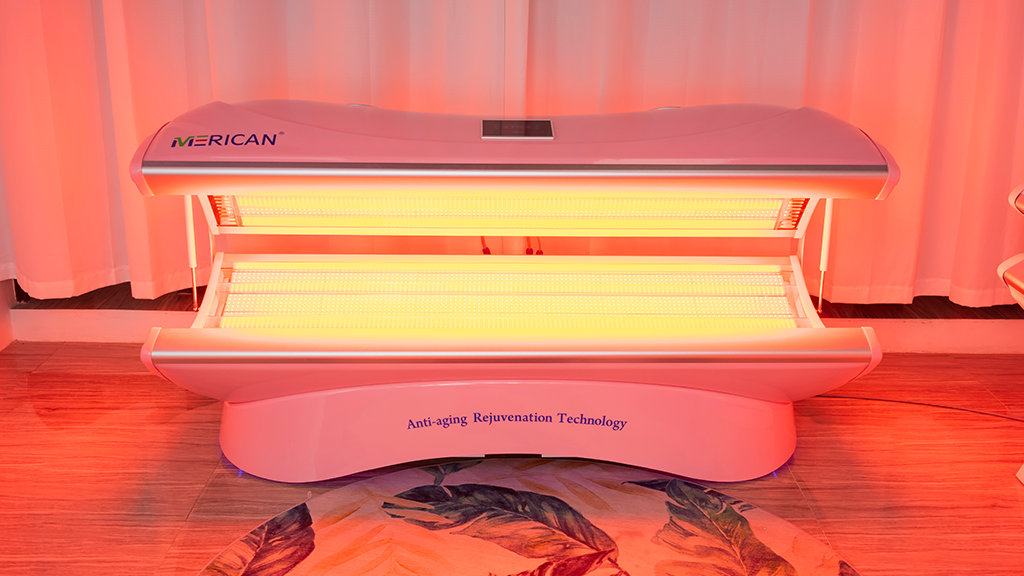
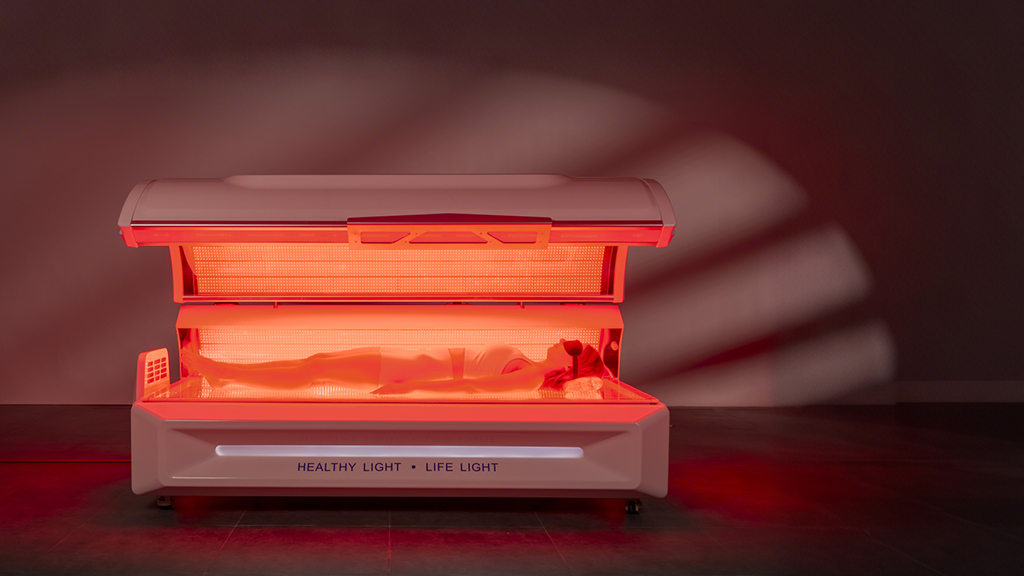
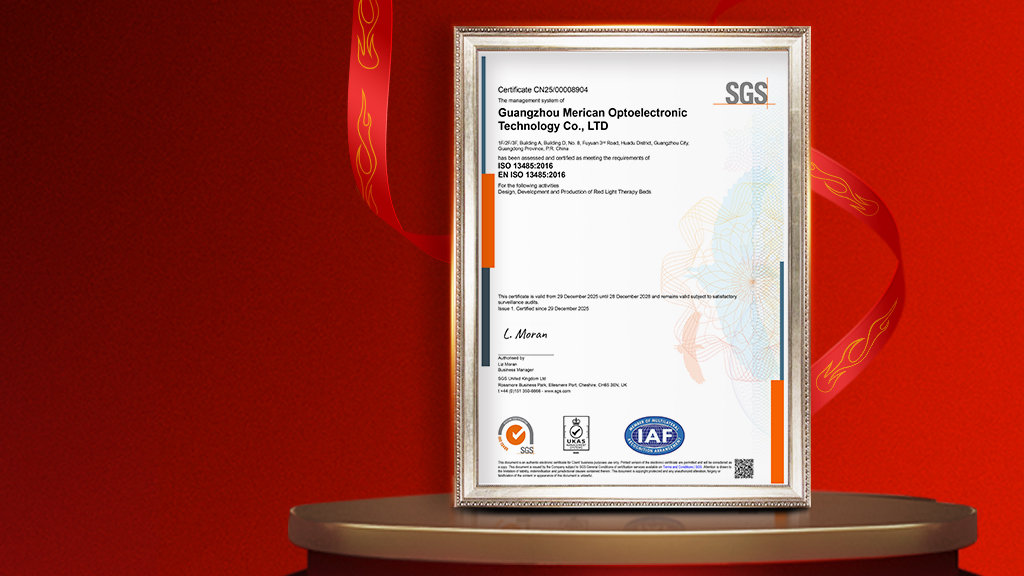
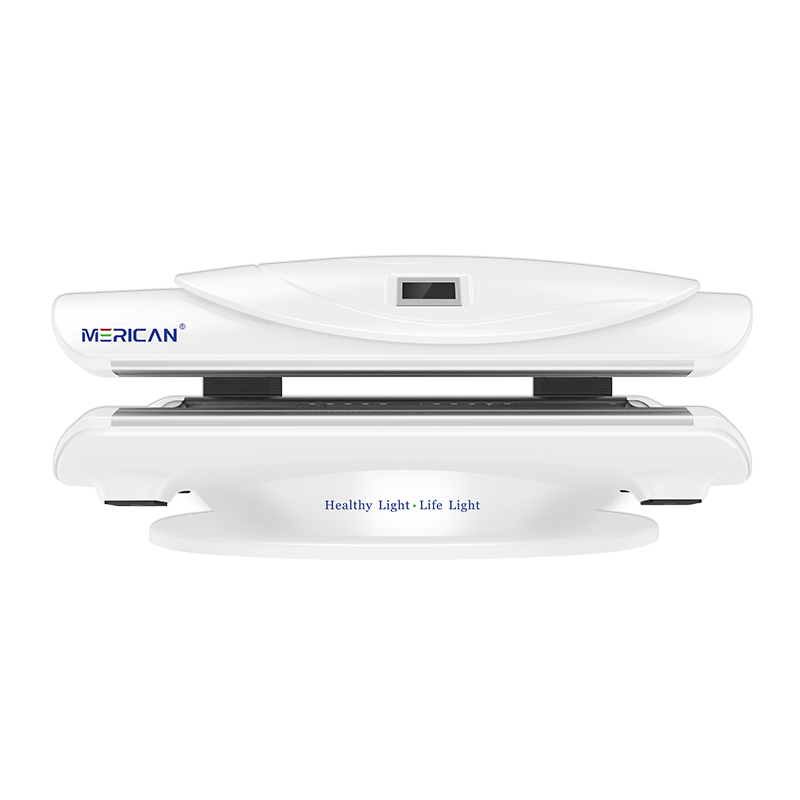
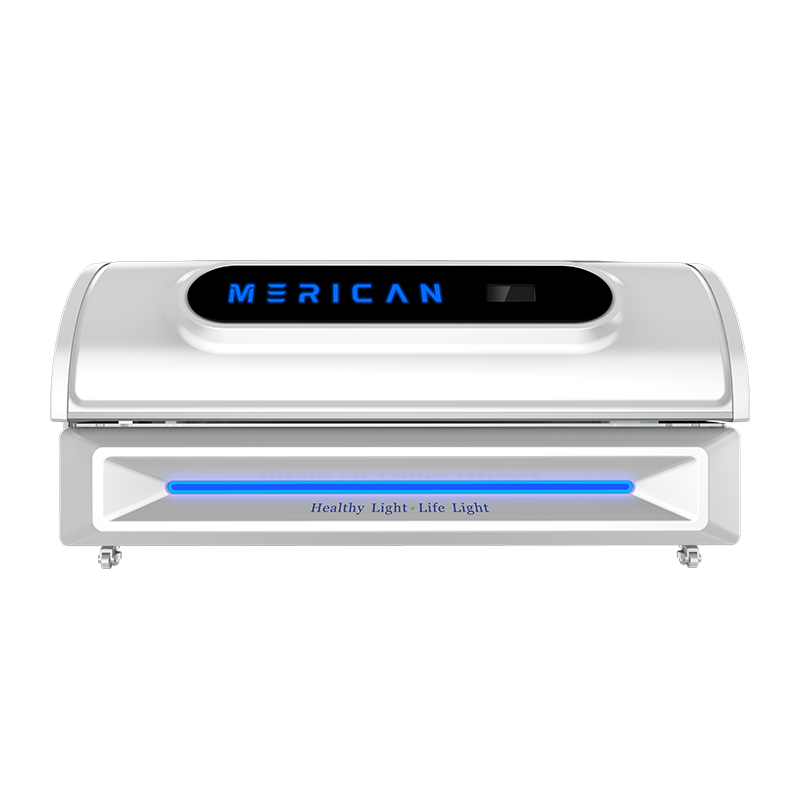
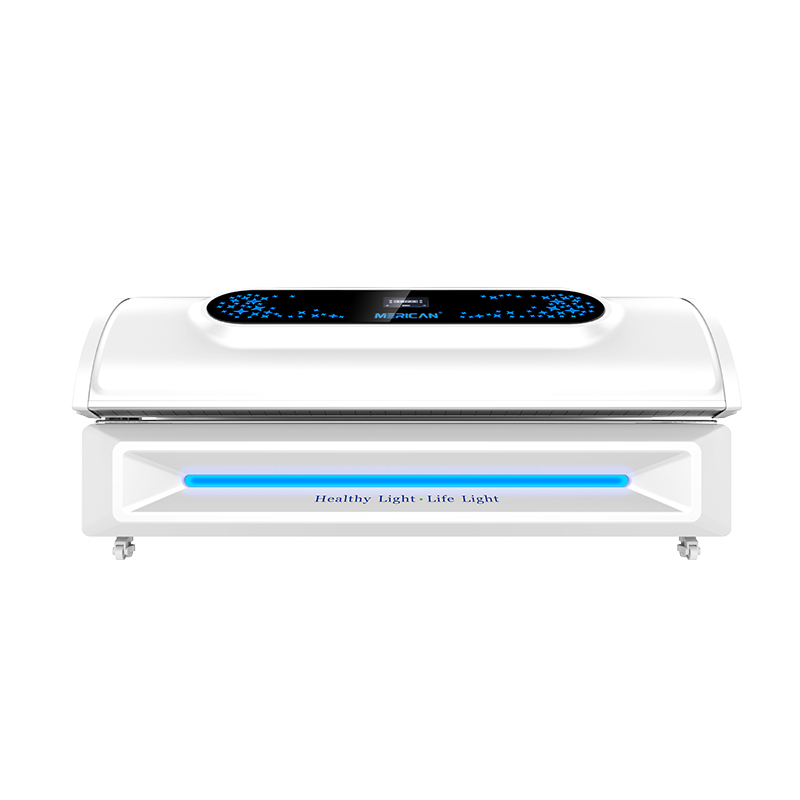
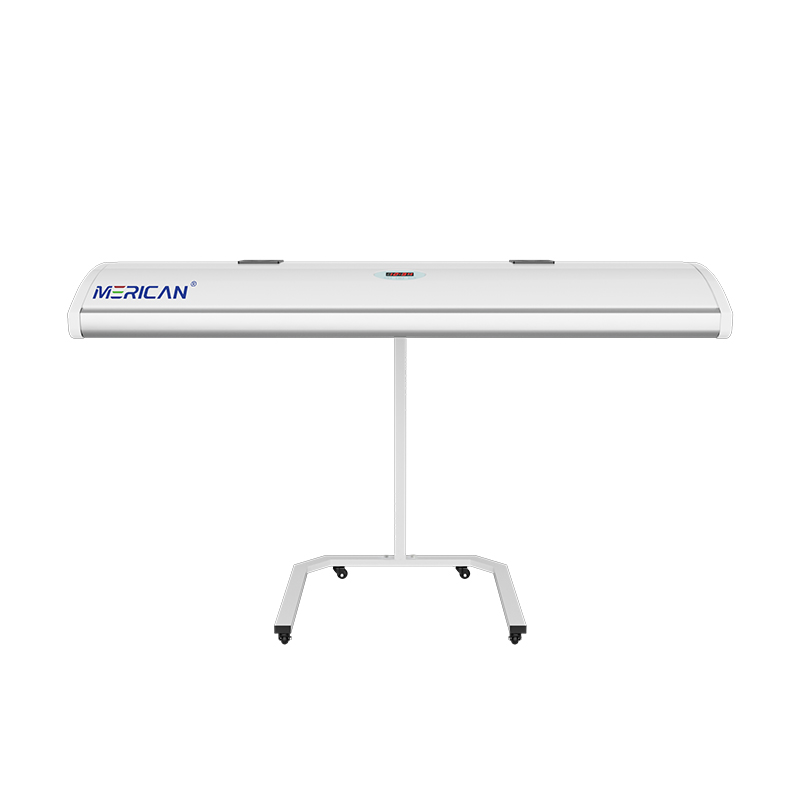
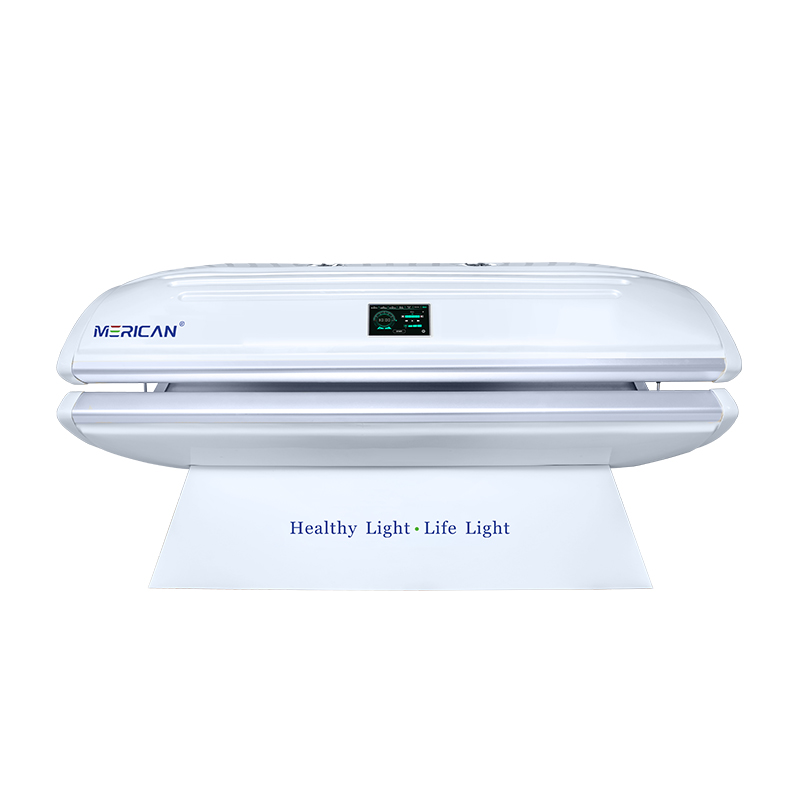
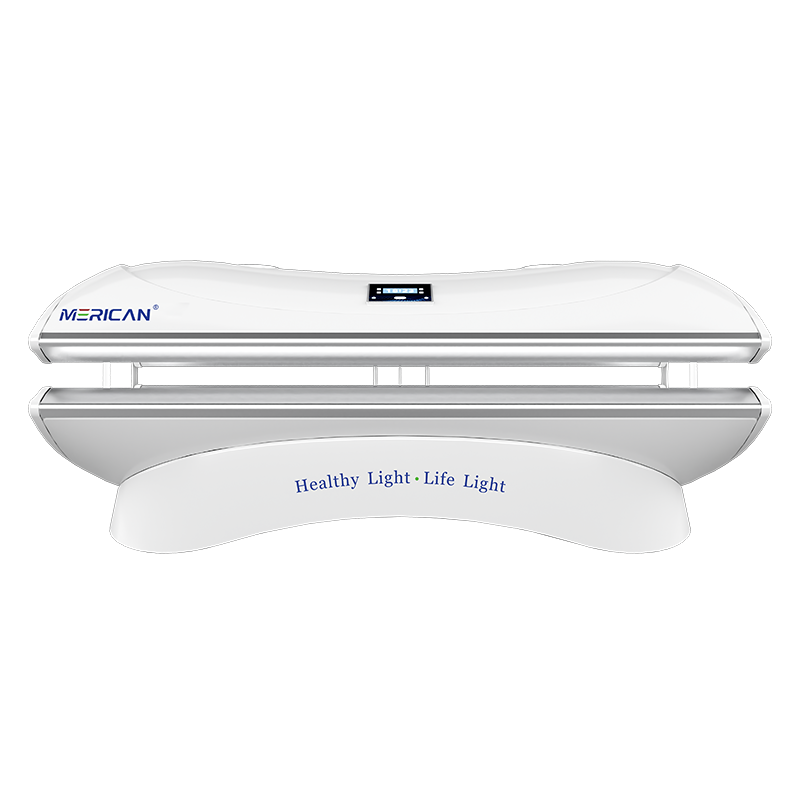
10. Why choose MERICAN red light therapy systems for SAD support?
Ka whakaratohia e nga taputapu MERICAN haumaru, ara, professional-grade red and near-infrared light, offering consistent coverage to enhance energy, huru, me te oranga katoa.