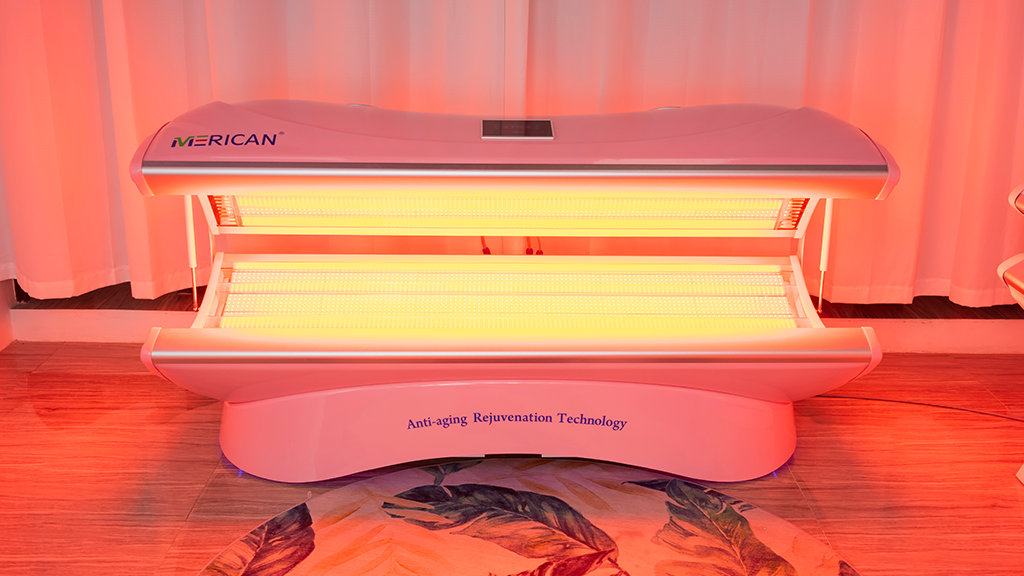
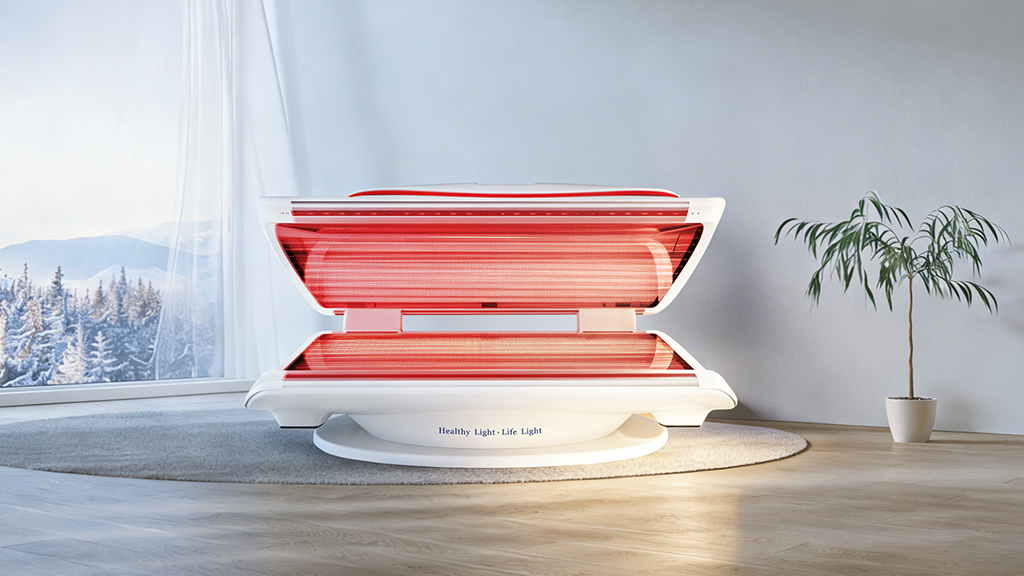
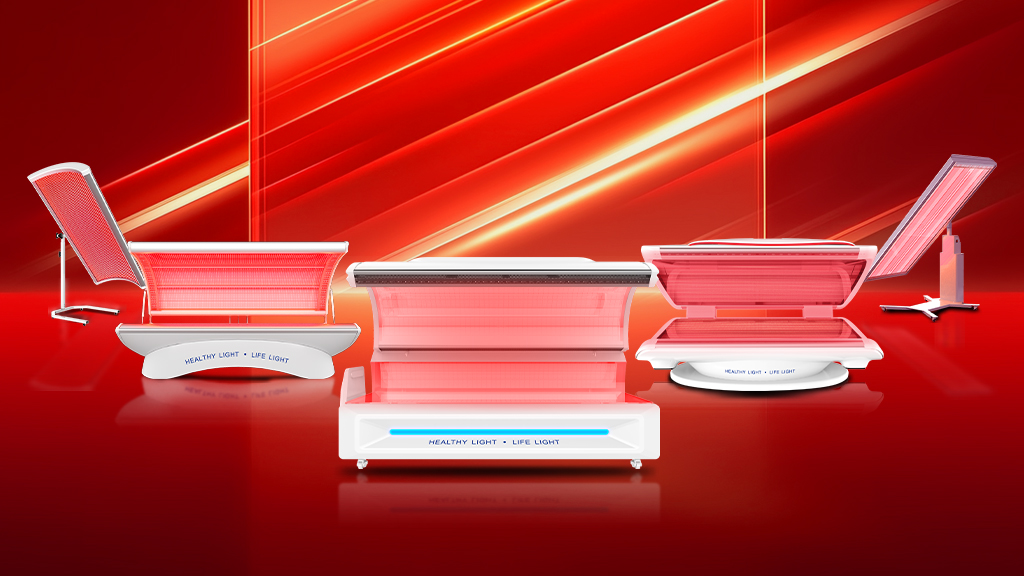
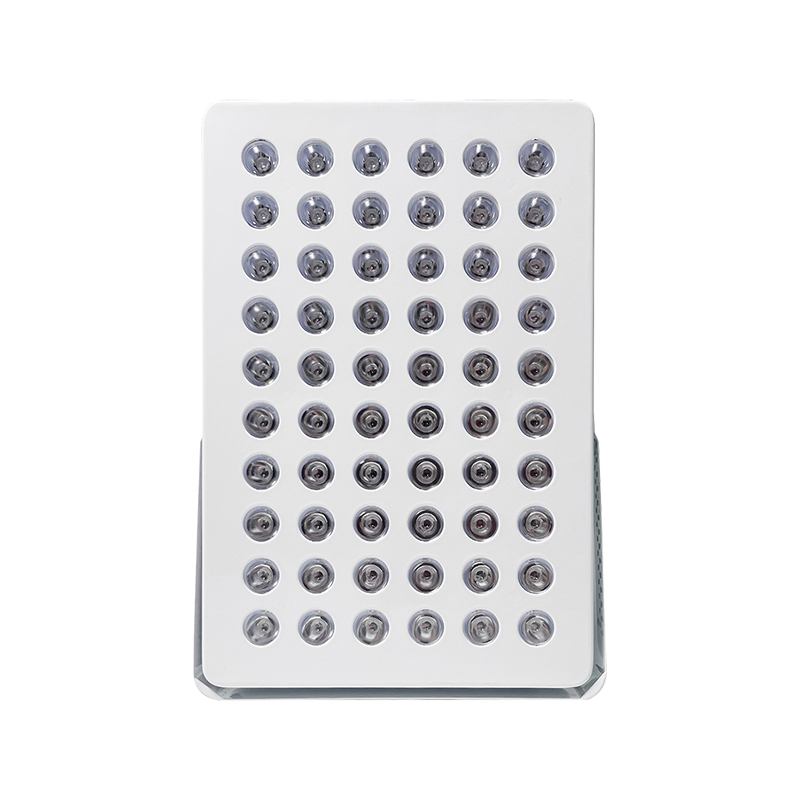
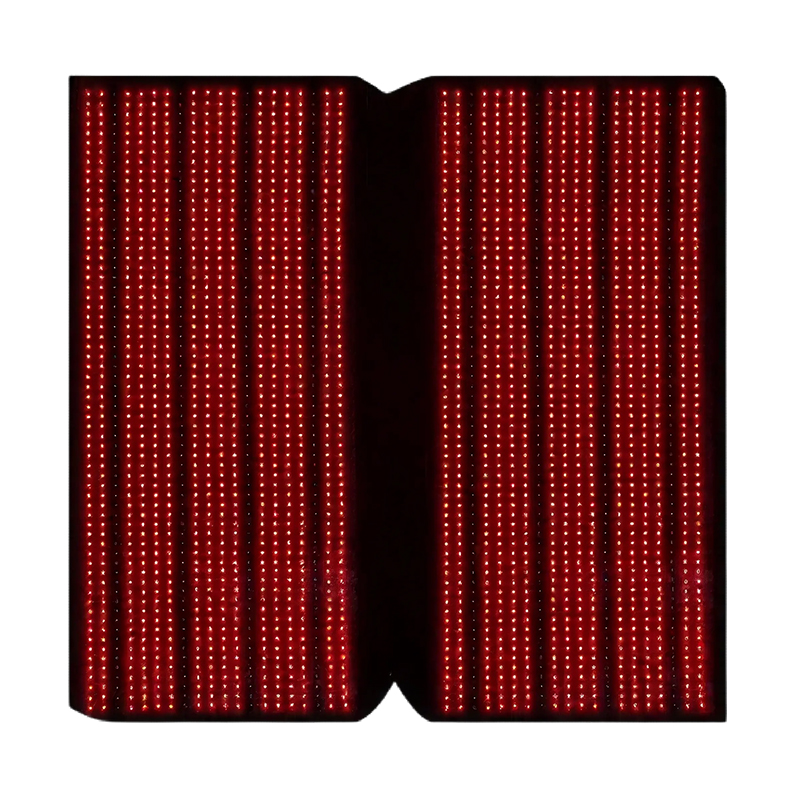
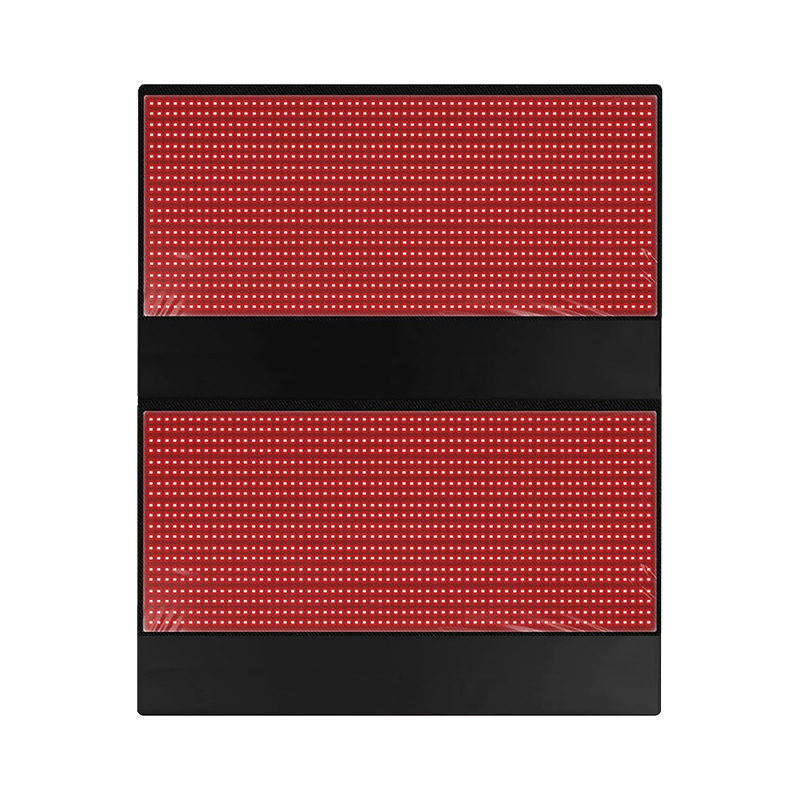
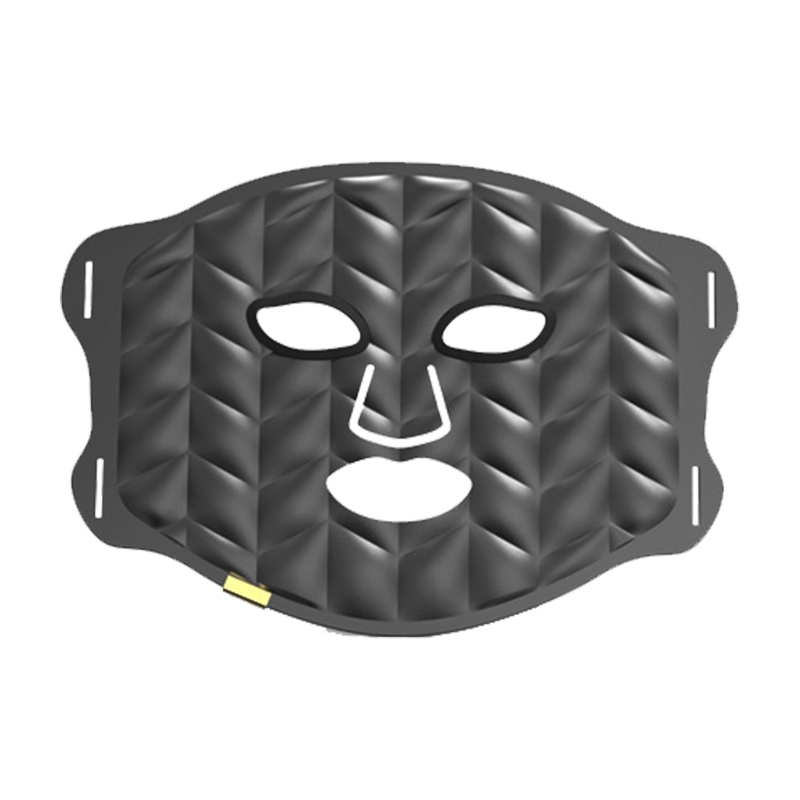
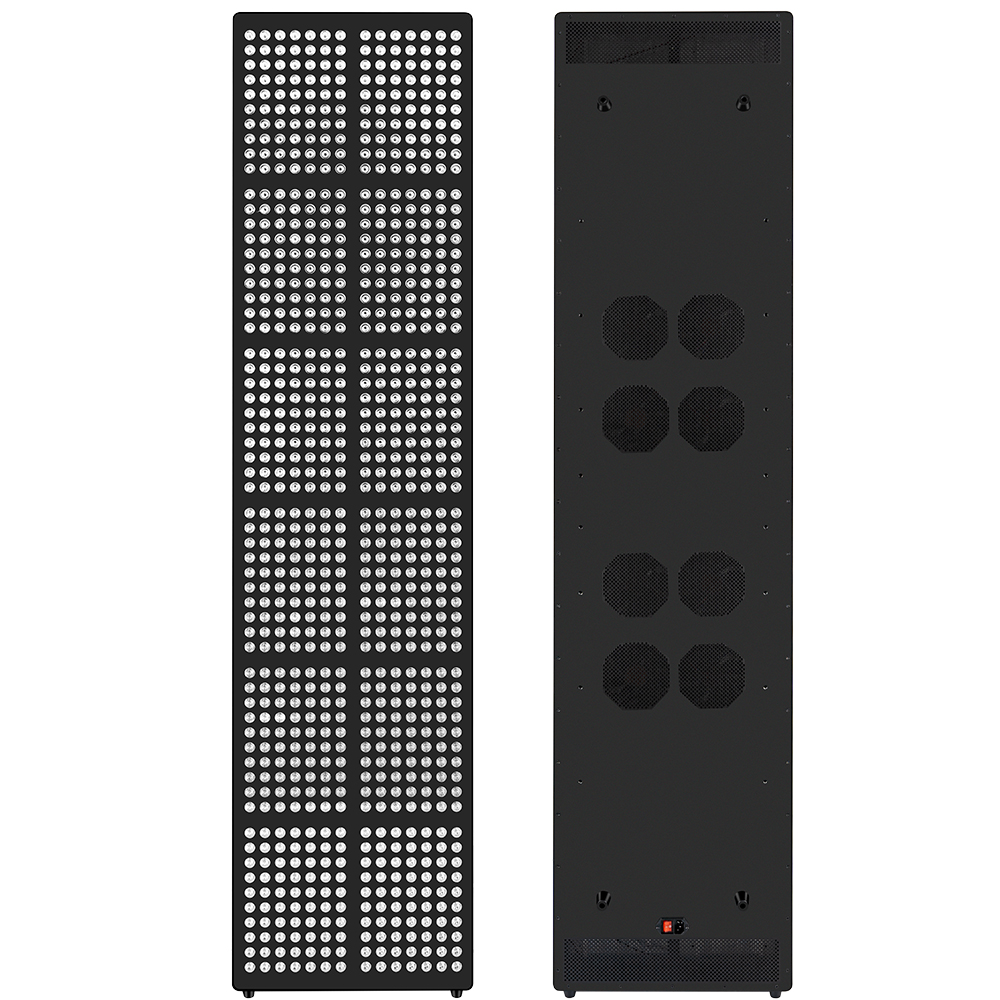
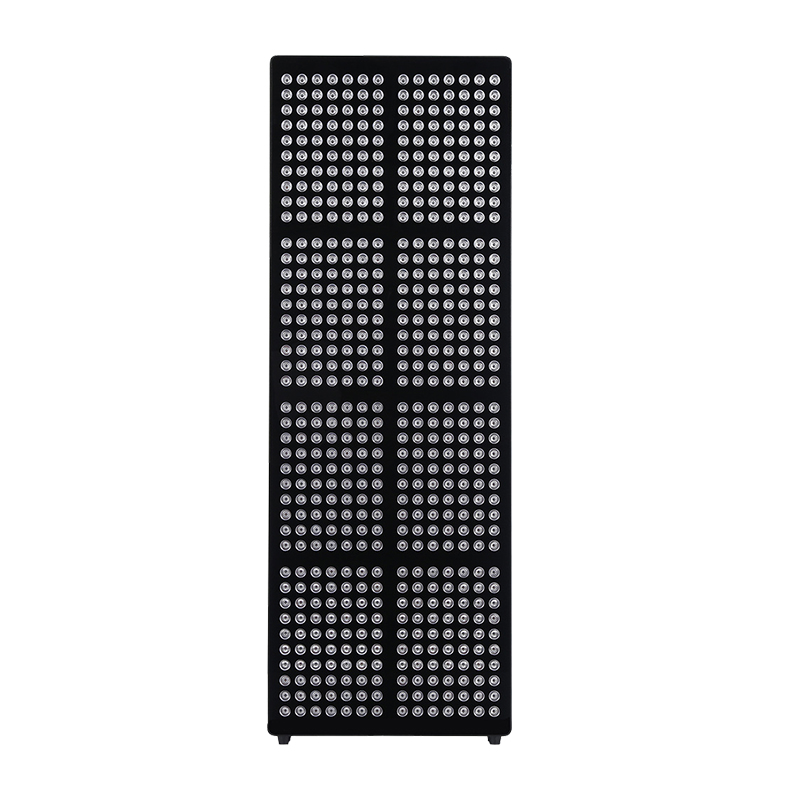
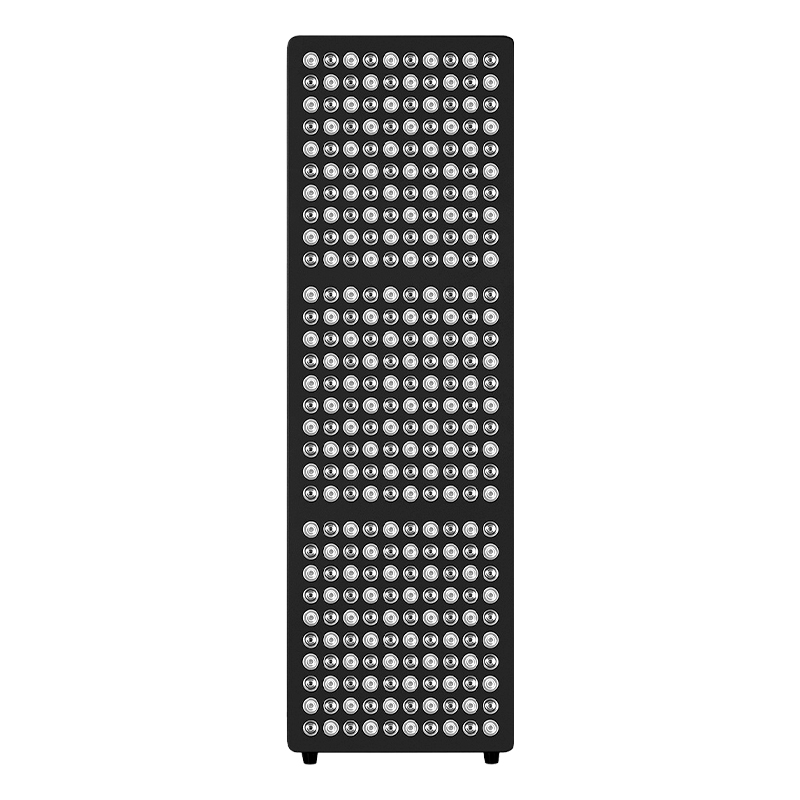
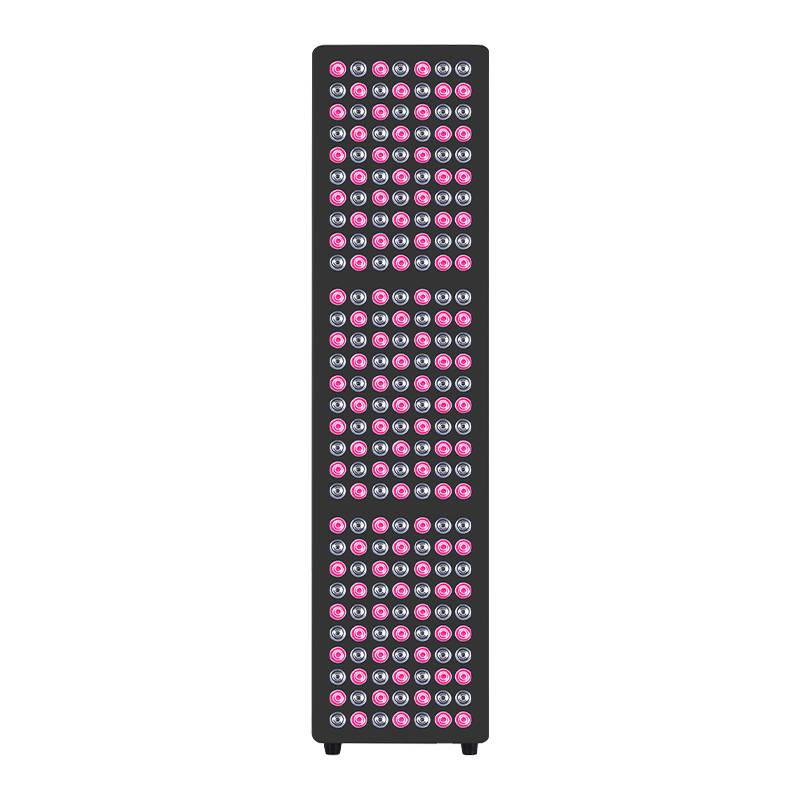
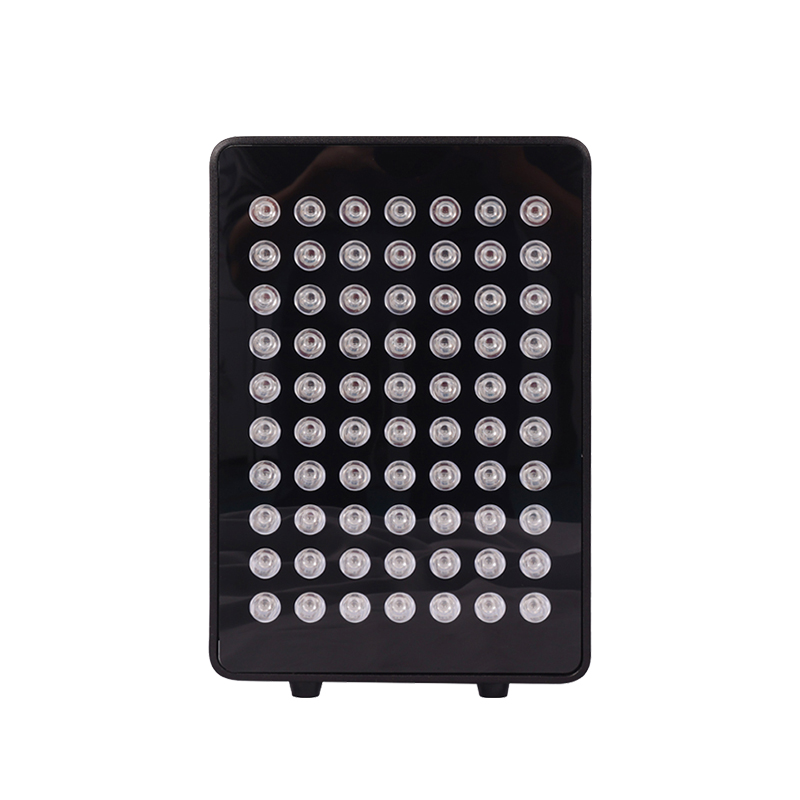
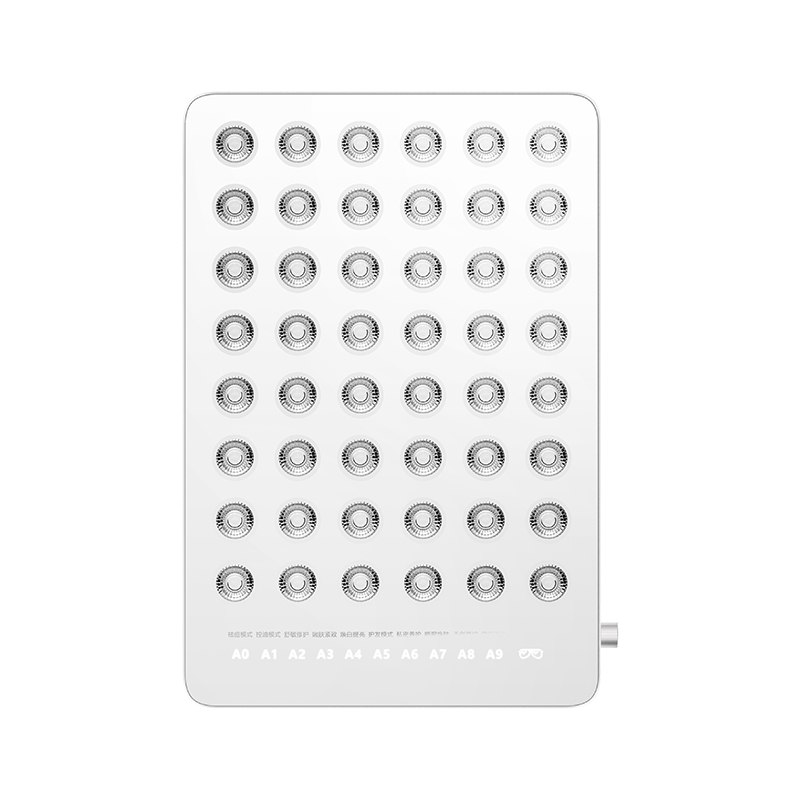
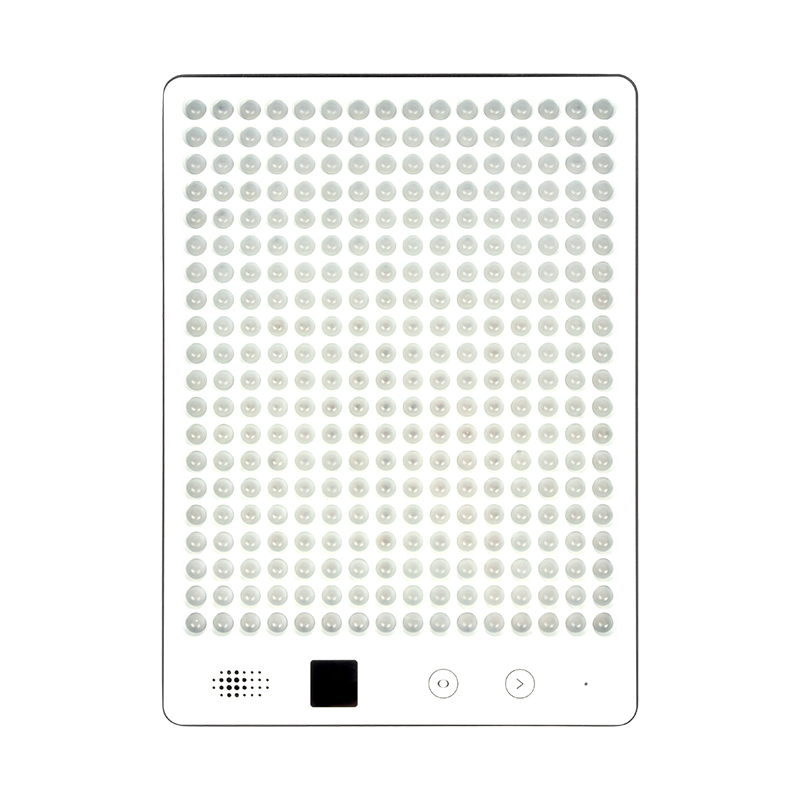
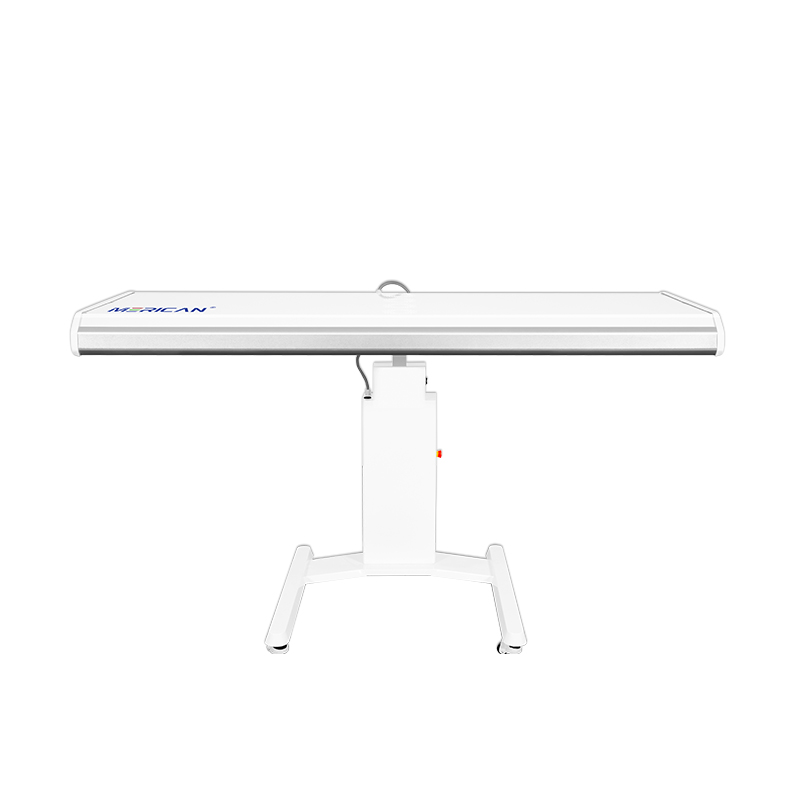
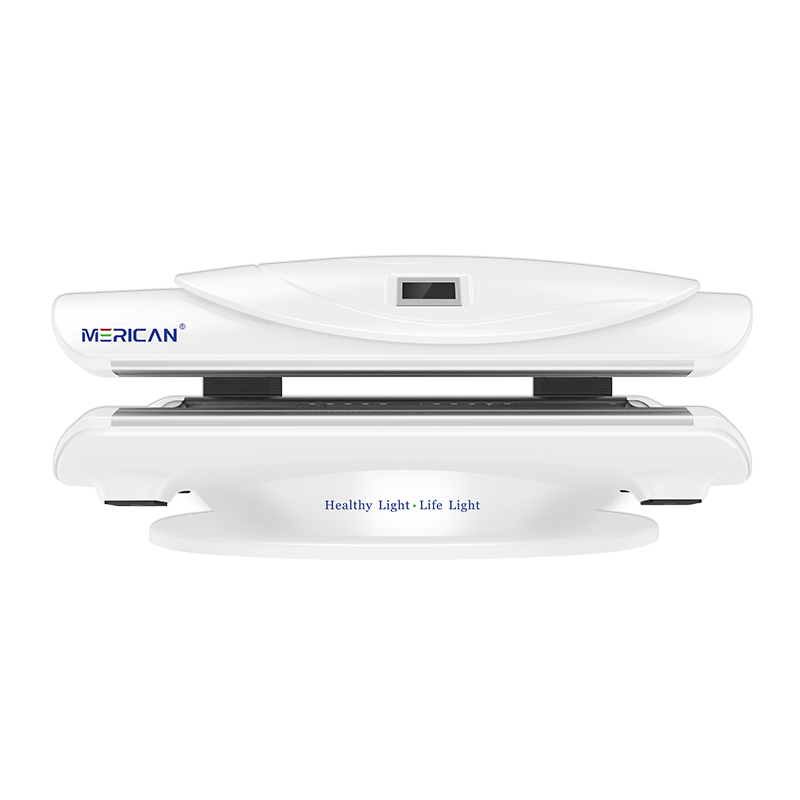
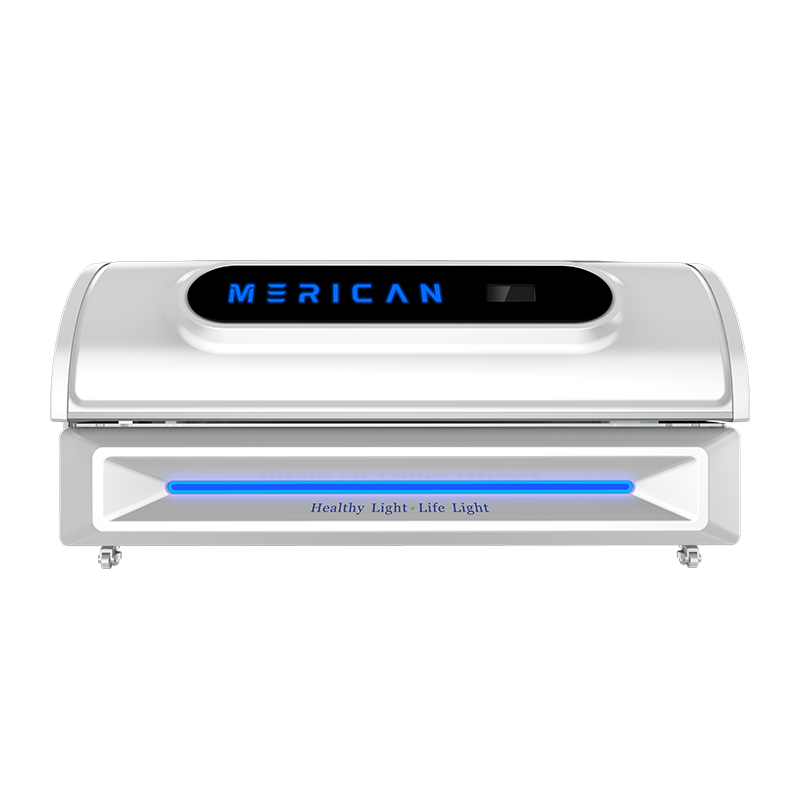
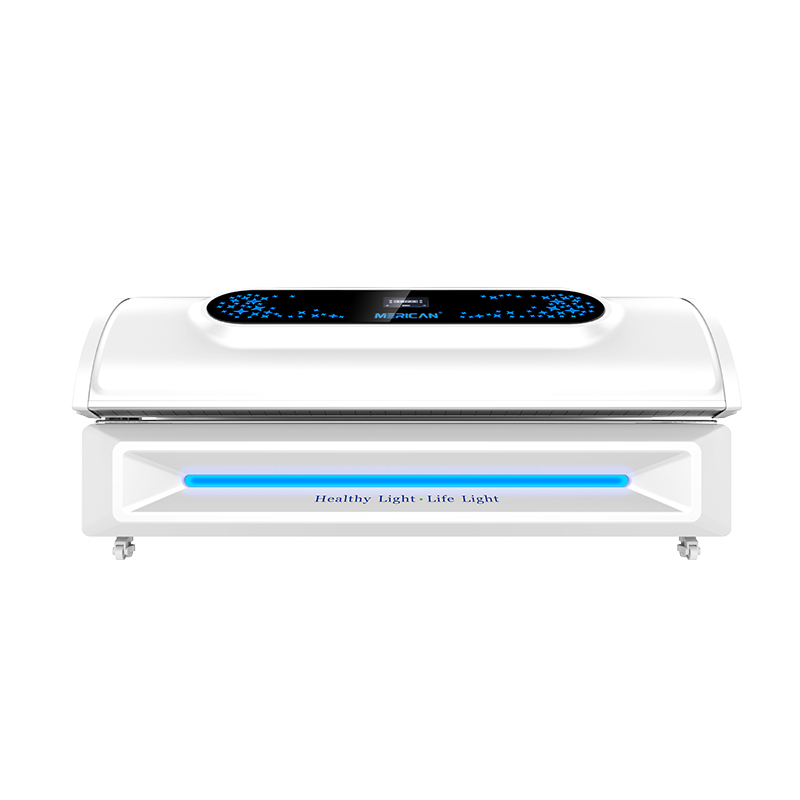
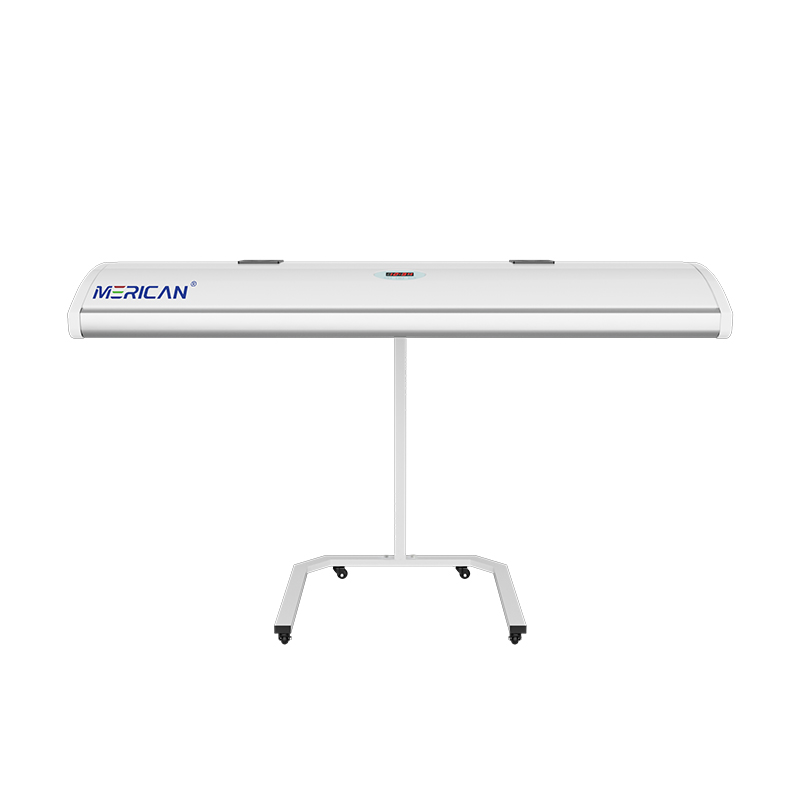
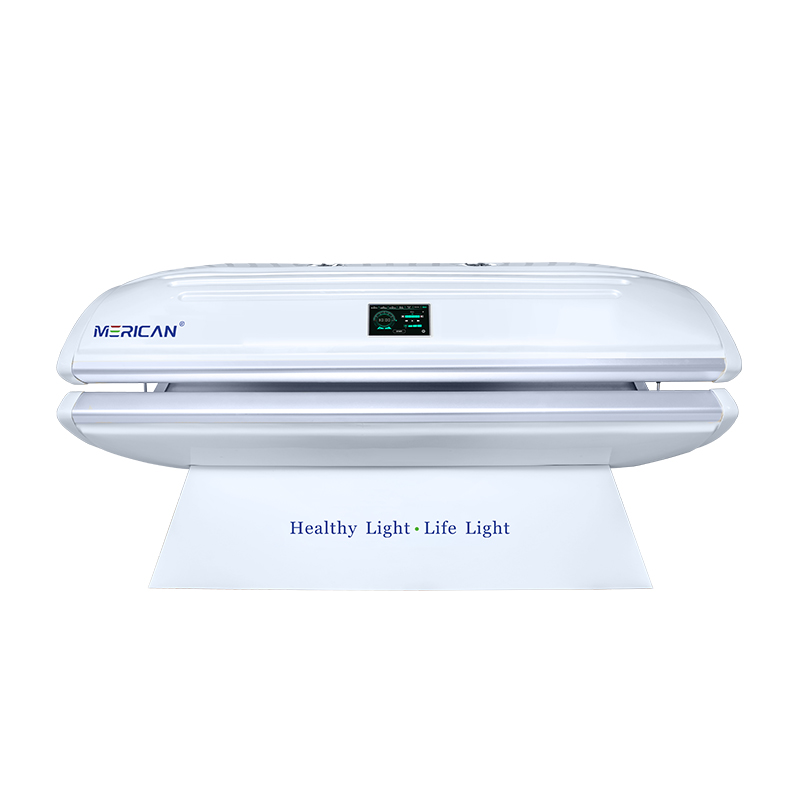
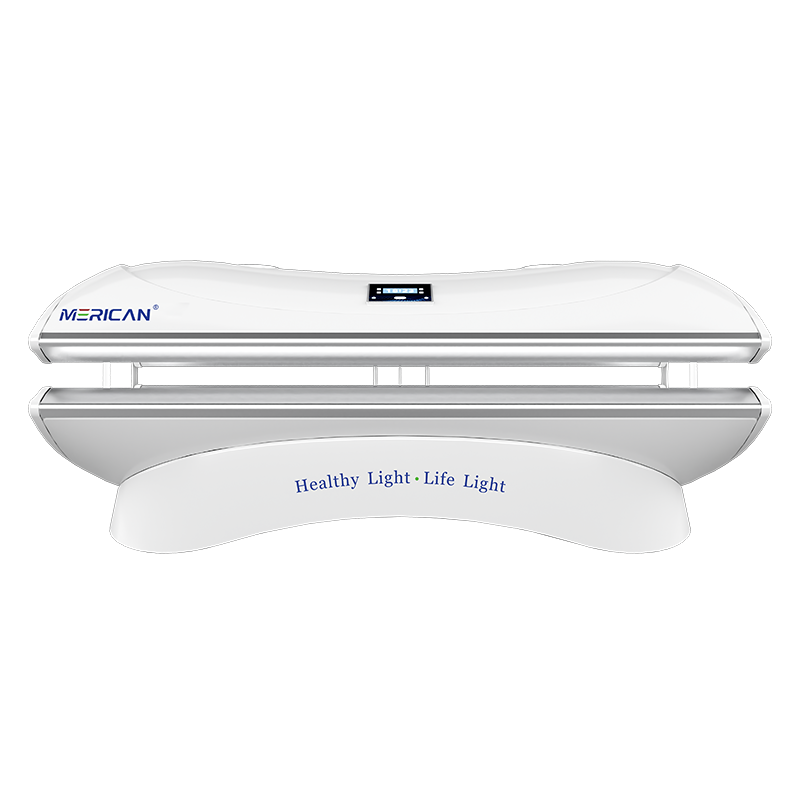
A moenga therapy rama whero mahi ma te whakamahi i nga roangaru taumata-iti o rama whero me te tata-infrared rama ki te kuhu ki te kiri me te whakaihiihi i nga momo tukanga koiora i roto i te tinana. Ko tenei maimoatanga kore-ahuru e whakatairanga ana i te whakaora, whakahounga, me te oranga i te taumata pūtau. Anei he whakamarama taipitopito mo te mahi:
Waenga Matua
- Maama Whero (630–700 nm):
- Ka whai i te mata o te kiri me nga paparanga paku hohonu.
- Ka whakatairanga i te whakahou kiri ma te whakaongaonga i te hanga collagen me te elastin.
- Ka whakaheke i te mumura me te whakapai ake i te tohanga.
- Maama-Pokarere Tata (700–1200 nm):
- Ka kuhu hohonu ki roto i nga kopa, uaua, me nga hononga.
- E tautoko ana i te whakatika waea, ka whakaiti i te mamae, me te whakarei ake i te whakaora uaua.
Pehea te Mahi
- Te Maramatanga o te Maama e nga Pūtau:
- Ko te kiri me nga kopa o raro ka mimiti te marama, e taunekeneke ana mitochondria (nga wahanga whakangao o nga pūtau).
- Ko te Mitochondria ka tango i te kaha marama ka huri ki roto adenosine triphosphate (ATP), te moni pūngao o te pūtau.
- Ngā Pānga Pūkoro:
- Kua piki ake te whakaputanga hiko: Ka taea e nga pūtau nui ake te ATP te whakatika i te kino me te mahi pai ake.
- Whakanuia te tohanga: Ko te rama whero ka pai ake te rere toto, tuku hāora me ngā matūkai ki ngā kiko.
- Te whakaheke i te mumura: Ma te marama e whakaiti te ahotea oxidative me te mumura i roto i te tinana, te whakatairanga i te whakaora tere.
- Nga Painga Hauora:
- Te Whakahou kiri: Whakatairanga te hanga collagen, te whakaiti i nga kita me te whakapai ake i te kiri me te kakano.
- Whakamamae: Ka whakaiti i te mamae o nga hononga me nga uaua ma te whakatairanga i te whakatikatika o te kiko me te whakaheke i te mumura.
- Whakaora Tere: Ka awhina i nga uaua ki te whakaora i muri i te whakangungu me te tere ake te whakaora i nga patunga.
- Kua pai ake te ahua me te moe: E tautoko ana i te whakaritenga o te manawataki circadian me te hanga serotonin.
Tukatuka I te Wātū Wātū
- Whakaritenga:
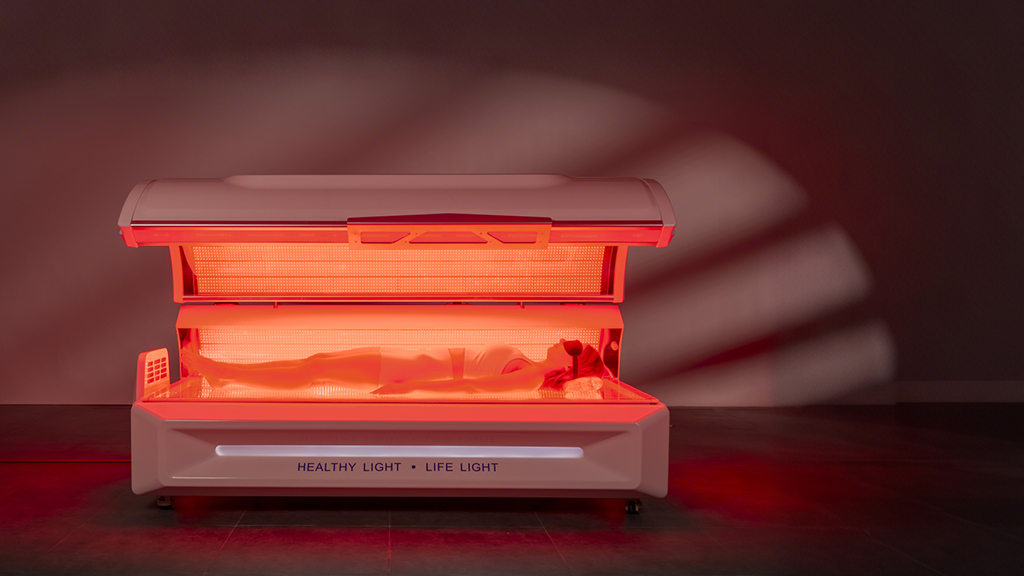
- Takoto koe i runga i te moenga, te mea pai me te iti, te kore kakahu ranei hei whakaatu i nga waahi kua tohua.
- Tiaki kanohi (mohiti) e taunaki ana mo te haumaru.
- Whakaaturanga Maama:
- Ka tukuna e te moenga te rama whero taumata-iti me/ranei te rama-whakarererangi tata ki runga i to tinana katoa.
- Ko te nuinga o nga wa ka roa nga huihuinga 10–20 meneti, i runga i te kaha me te kaupapa.
- Whai-Maimoatanga:
- Kaore he wa whakaheke, and you can resume normal activities immediately.
- Benefits may accumulate over several sessions.
Who Can Use It?
- Most people can safely use red light therapy beds. Heoi ano, consult a healthcare provider if you:
- Are pregnant.
- Have photosensitivity or a light-sensitive condition.
- Are taking medications that increase light sensitivity.