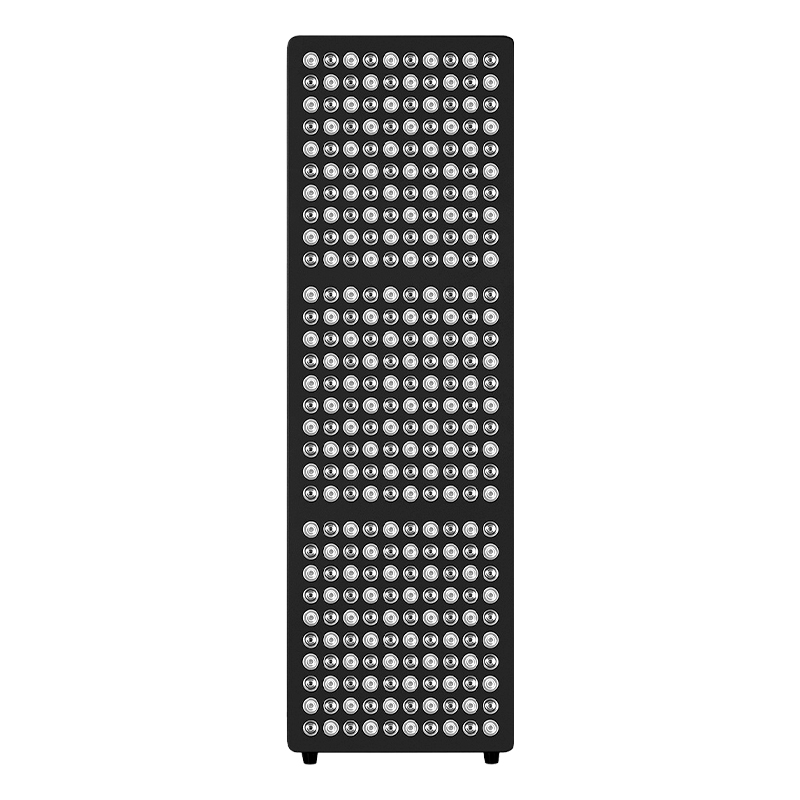
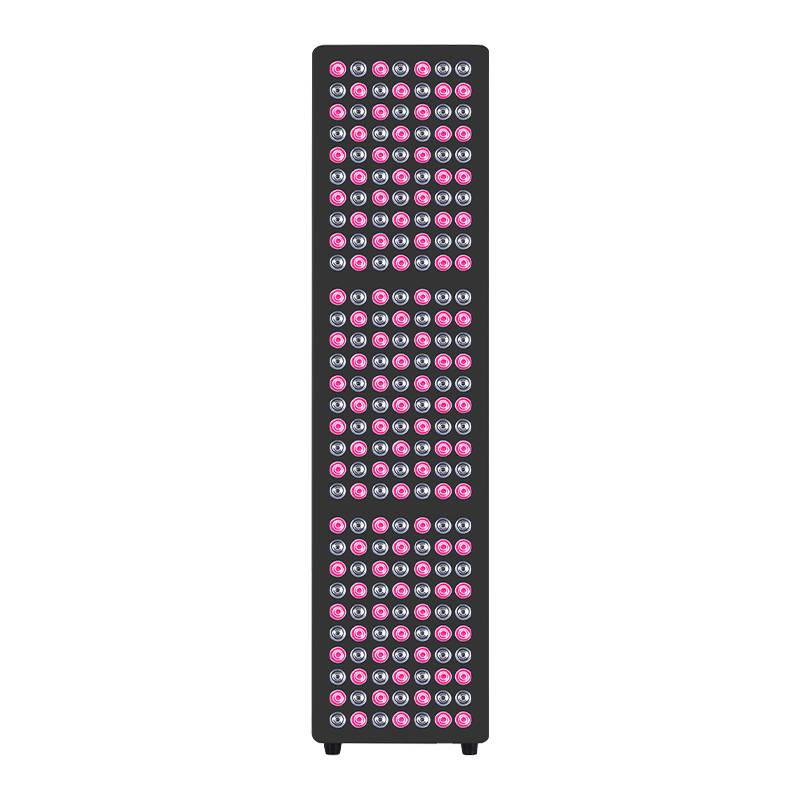
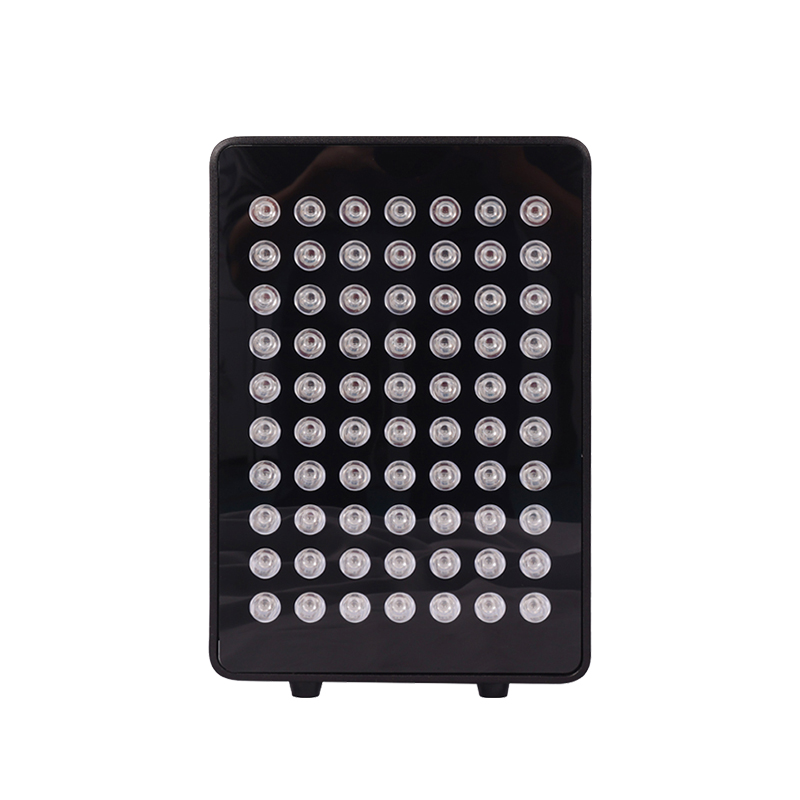
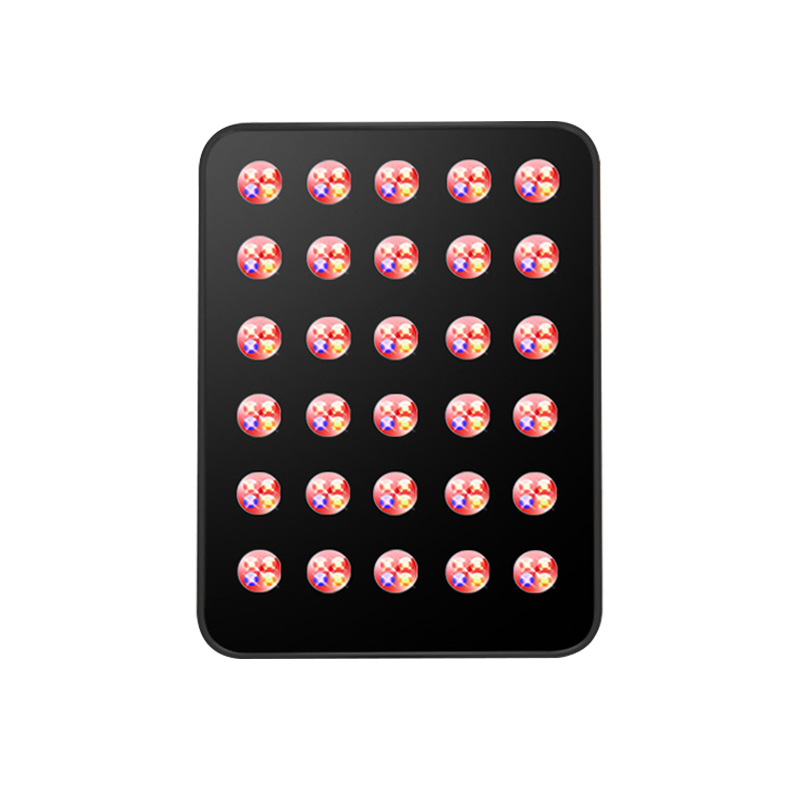
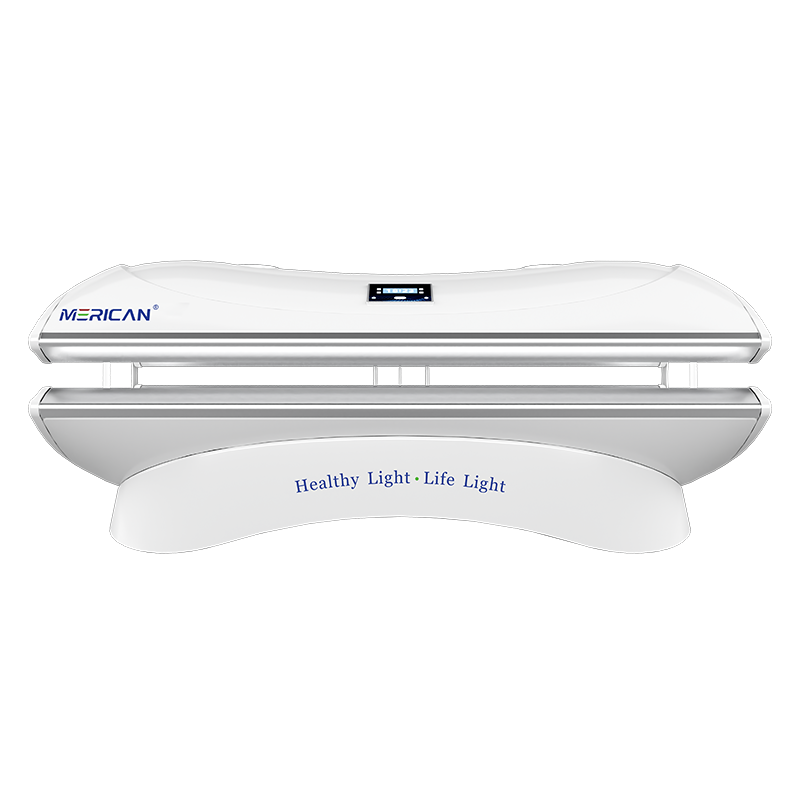
Te mumura he urupare noa ki te whara, mate, ahotea ranei. Ahakoa ka awhina te mumura mo te wa poto ki te whakaora, ko te mumura mau tonu ka puta he raruraru hauora mo te wa roa penei i te mate pukupuku, tendonitis, me nga mate autoimmune. Ko te whakamaarama rama whero mo te mamae me te mumura kua waiho hei maimoatanga kore-ahuru rongonui e whakatairanga ana i te whakaora i te taumata pūkoro.
I roto i tenei tuhinga, ka tirotirohia me pehea te tautoko a te rongoa rama whero i te punaha mate, ka whakaiti i te mumura, me te awhina i nga ahuatanga penei i te tendonitis me te maru.
Ko te rongoa pai hei whakaiti i te mumura
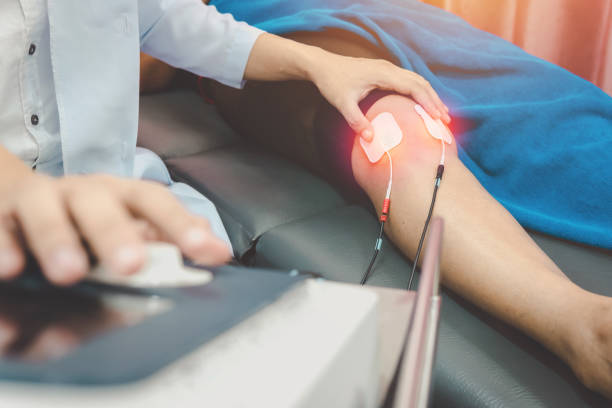
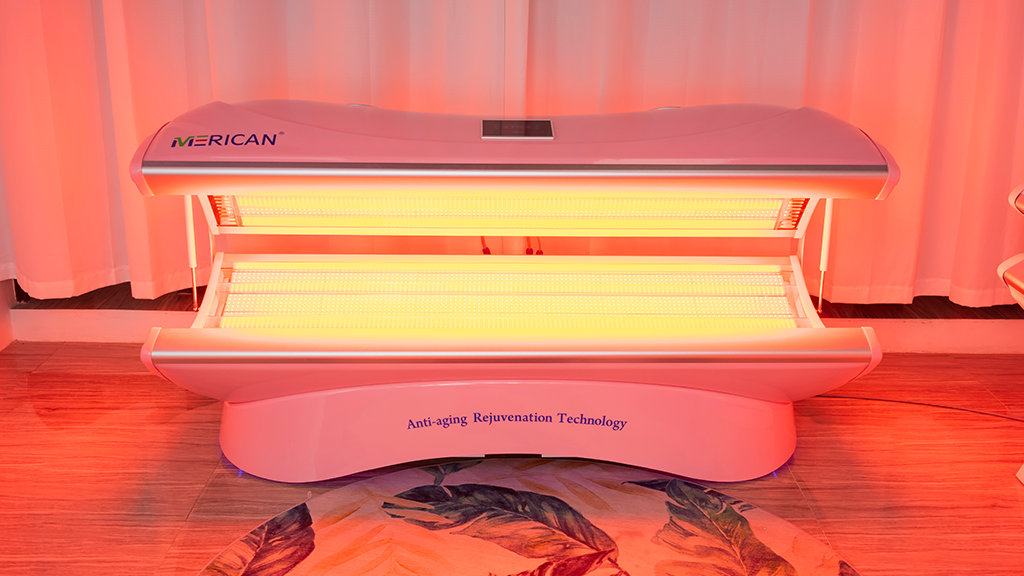
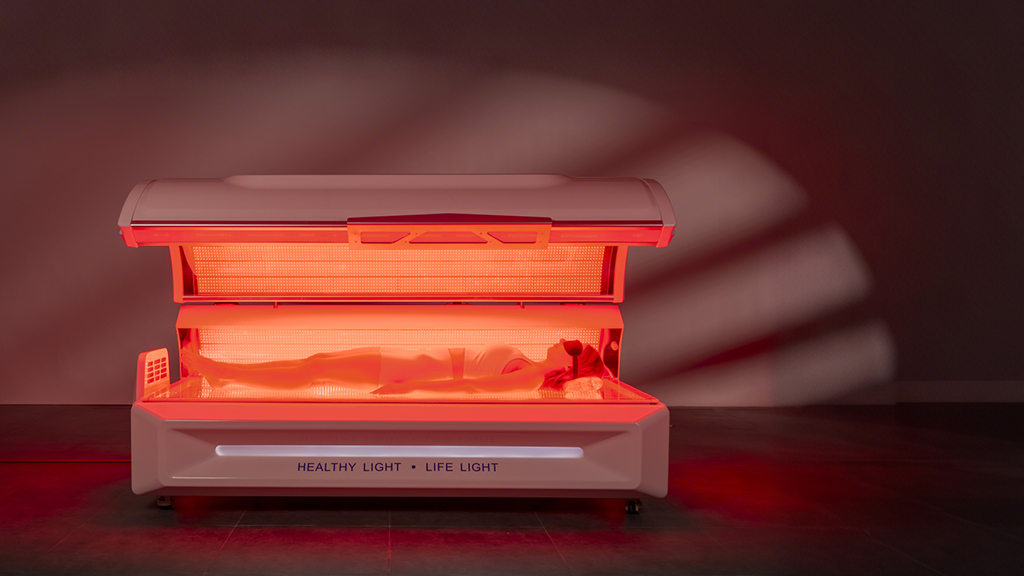
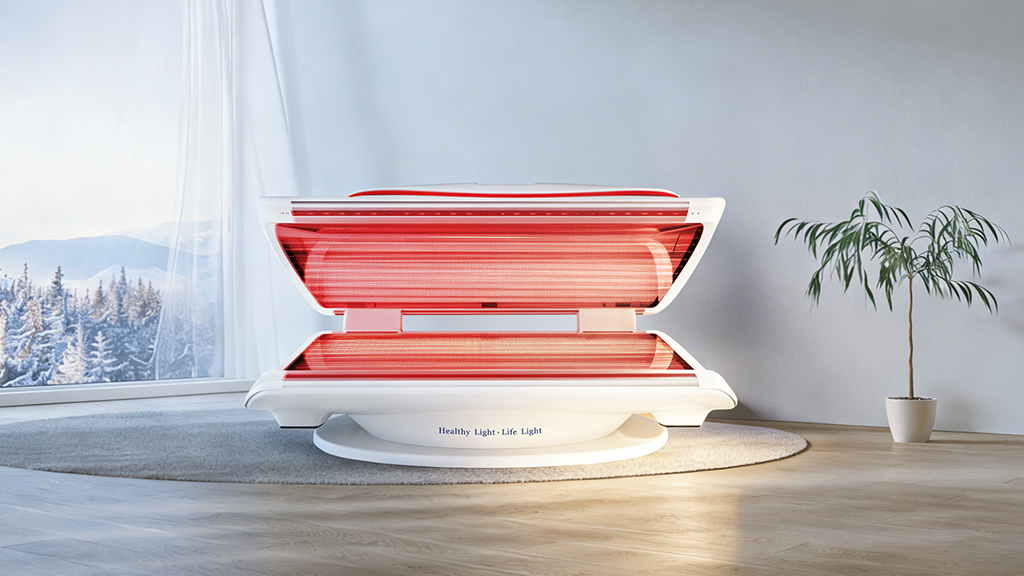
Te rongoa rama whero, e mohiotia ana ko te photobiomodulation, ko te tuku i te tinana ki nga taumata iti o te rama whero, tata-infrared ranei. Kaore i rite ki te rama ultraviolet, e kino ai te kiri, ka uru te rama whero me te tata-infrared ki roto i te kiri kaore he kino, ka tae ki nga kopa i raro i te mata. Kua rangahauhia tenei rongoa mo tona kaha ki te whakatairanga whakaora, whakaiti i te mumura, me te whakaiti i te mamae.
He maha nga maimoatanga ka awhina ki te whakahaere i te mumura, tae atu ki:
- Nga rongoa – NSAIDs (e.g., ibuprofen) me te corticosteroids ka whakaiti i te mumura engari tera pea he paanga taha.
- Te rongoa makariri (Cryotherapy) - Ka awhina i te wa poto ki te whakaiti i te pupuhi me te mamae mamae.
- Whakaora tinana - He painga mo te whakapai ake i te nekeneke me te whakaiti i te maro.
- Kai anti-inflammatory – Nga kai whai kiko ki te omega-3, tuririki, ka awhina nga antioxidants ki te patu i te mumura.
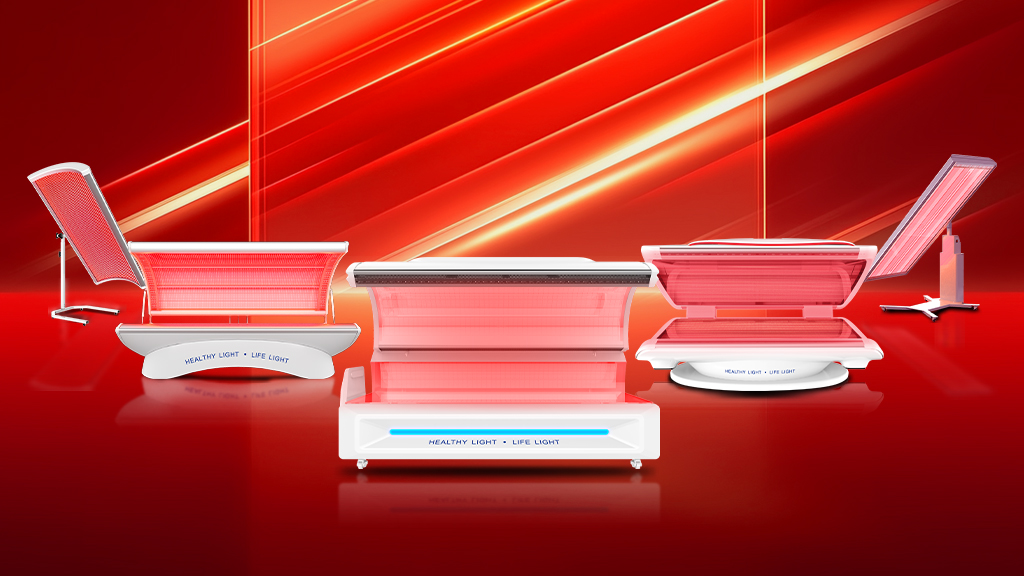
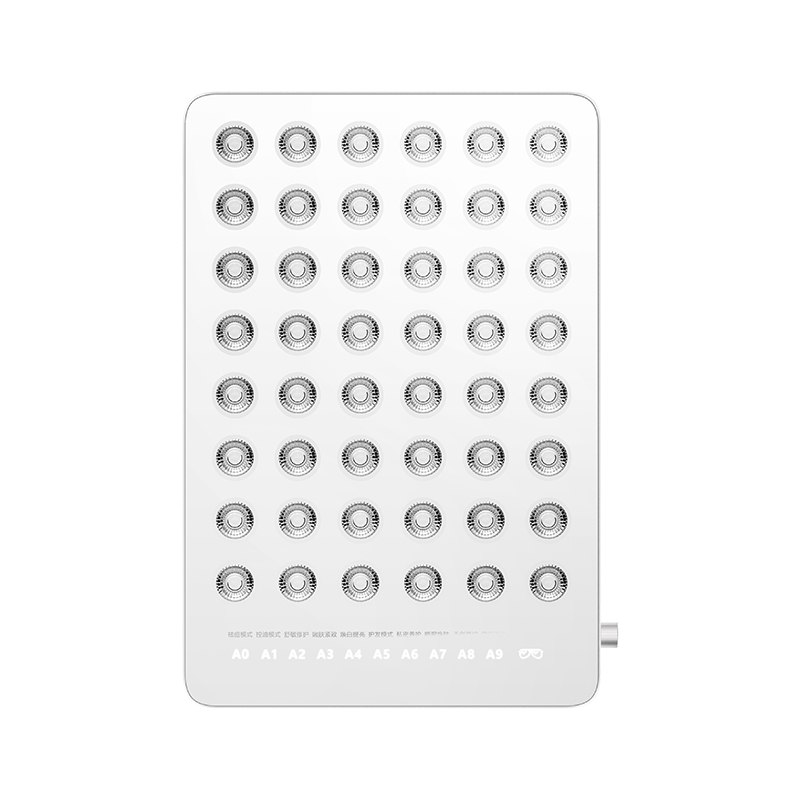
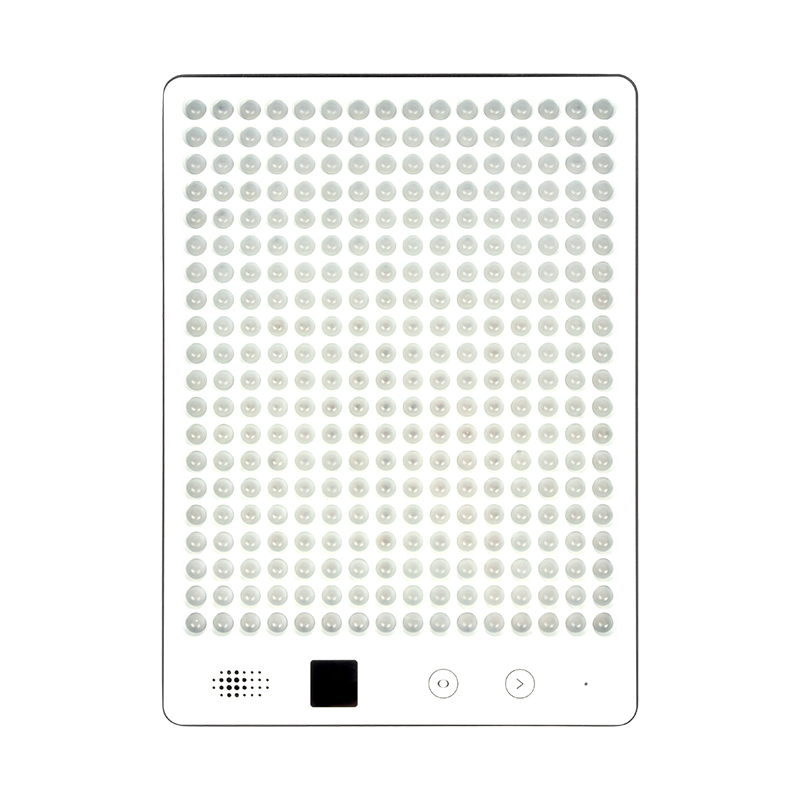
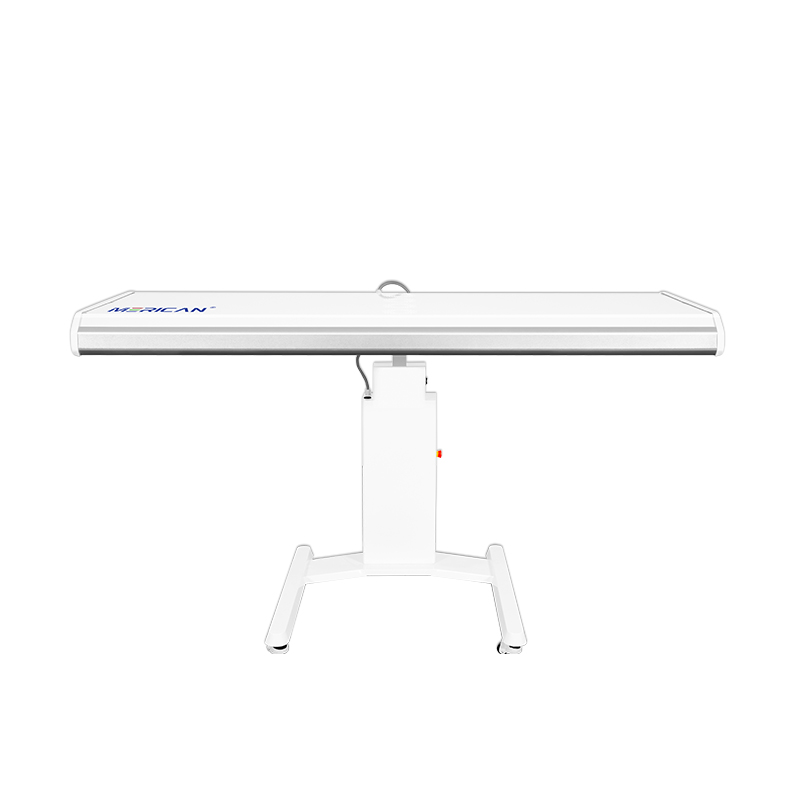
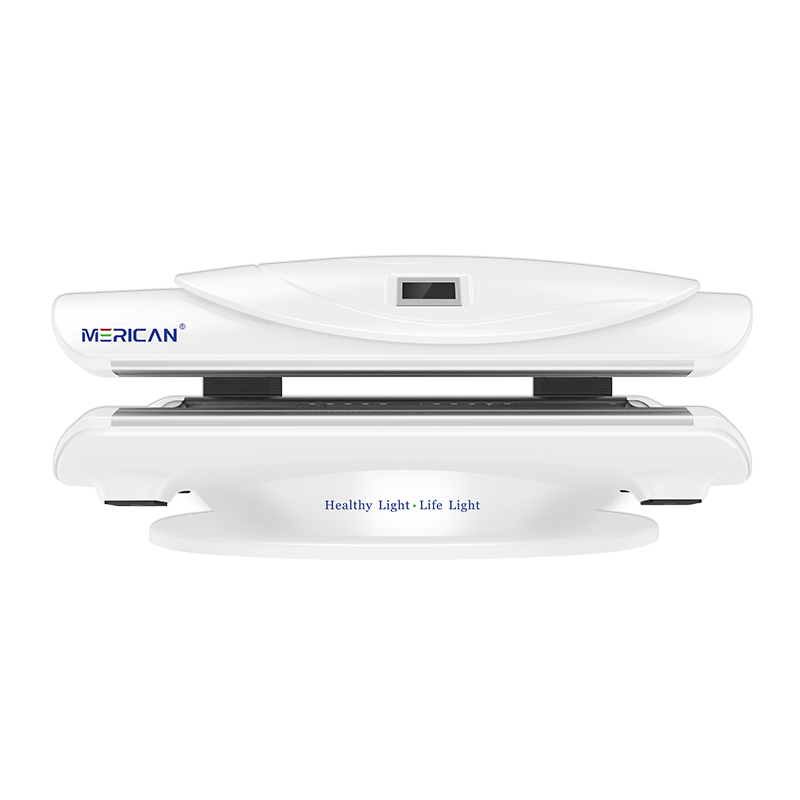
- Whakamarama Whero Whero - He otinga kore-ahuru e whakaiti ana i te mumura i te taumata pūkoro kaore he paanga taha.
I roto i enei, Ko te whakamaarama rama whero mo te mamae mamae ko tetahi o nga whiringa pai na te mea e mahi ana i te taumata hohonu hei whakaongaonga i te whakaora, whakapai ake i te rere toto, me te whakataurite i te punaha mate.
Me pehea te Maama Whero ka whakaiti i te mumura
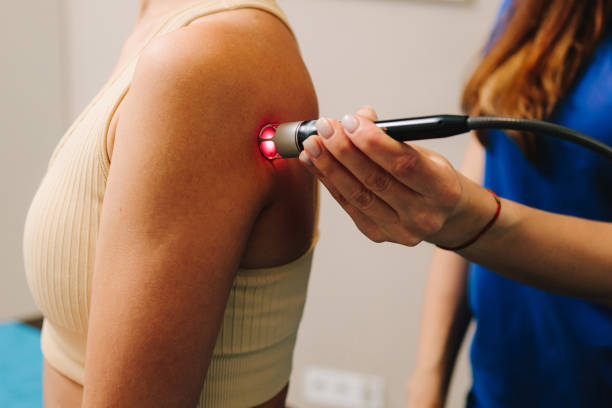
Whakanuia te Pūkoro Pūkoro (Hanga ATP)
I te taumata pūtau, Ko te rama whero me te tata-infrared ka uruhia e te mitochondria-te whare hiko o te pūtau-whakaongaonga te hanga o te adenosine triphosphate. (ATP), te puna pūngao tuatahi o te tinana.
This increase in ATP provides cells with the energy needed for repair and regeneration, helping to reduce inflammation and accelerate healing. This mechanism plays a crucial role in conditions like tendonitis, where enhanced cellular repair can alleviate pain and improve function.
Supports the Immune System
Red light therapy helps regulate immune function by balancing the body’s inflammatory response. It reduces the production of pro-inflammatory cytokines while boosting anti-inflammatory cytokines, helping to manage chronic inflammation.
This balance is particularly beneficial for conditions involving an overactive immune response, such as autoimmune diseases, or an underactive immune system, which can lead to recurrent infections.
Whakapai ake i te Tohanga me te Haora
Exposure to red and near-infrared light stimulates the release of nitric oxide, a molecule that relaxes blood vessels and enhances blood flow. Improved circulation ensures that oxygen and essential nutrients are efficiently delivered to tissues, accelerating healing processes.
I tua atu, increased blood flow aids in flushing out metabolic waste products that contribute to inflammation and pain.
Reduces Oxidative Stress
Oxidative stress occurs when free radicals outnumber antioxidants in the body, leading to tissue damage and inflammation. Red light therapy enhances the activity of antioxidant enzymes, penei i te superoxide dismutase, which neutralize free radicals.
By lowering oxidative stress, RLT helps reduce inflammation and supports overall cellular health.
Whakarei ake i te Hanganga Collagen
Collagen is a crucial protein that provides structure to the skin, uaua, me nga hononga. Red light therapy has been shown to stimulate collagen production, which is vital for tissue repair and inflammation reduction.
Higher collagen levels improve joint health, enhance skin elasticity, and accelerate injury recovery, making RLT especially beneficial for conditions like tendonitis and bruising.
Applications of Red Light Therapy
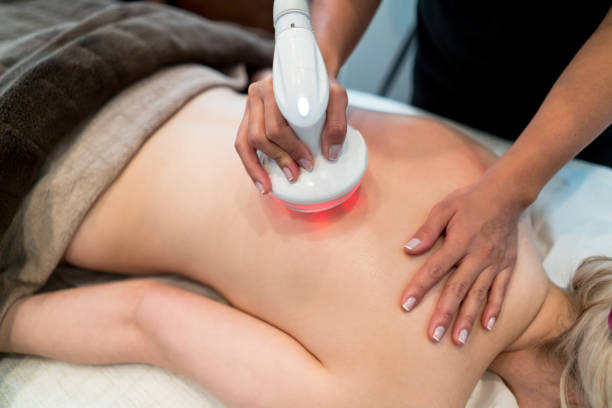
Red Light Therapy for Tendonitis
Tendonitis is the inflammation of tendons, often resulting from repetitive strain or acute injury. Traditional treatments include rest, rongoā anti-inflammatory, me te rongoa tinana. Te rongoa rama whero offers a complementary approach:
- Reducing Pain and Inflammation
By modulating inflammatory pathways and enhancing cellular repair mechanisms, RLT can alleviate pain associated with tendonitis.
- Accelerating Healing
Enhanced collagen production and improved circulation promote faster recovery of damaged tendons.
Clinical studies have demonstrated that red light therapy can be an effective treatment modality for tendinopathy, with evidence supporting its utility as both a standalone and adjunctive therapy.
Red Light Therapy for Pain Management
Chronic pain affects millions worldwide, often leading to a diminished quality of life. Red light therapy has been explored for its analgesic properties:
- Mechanism of Pain Reduction
RLT influences pain perception by reducing inflammation, enhancing endorphin release, and modulating nerve conduction.
- Nga taunakitanga haumanu
Research indicates that maimoatanga rama whero may be effective in relieving various types of pain, particularly those associated with inflammation, such as arthritis and joint disorders.
Red Light Therapy for Immune System Support
A well-functioning immune system is crucial for preventing infections and managing inflammation. Red light therapy contributes to immune health by:
- Modulating Immune Responses
Balancing pro-inflammatory and anti-inflammatory cytokines ensures an appropriate immune reaction without excessive inflammation.
- Enhancing Cellular Repair
Improved mitochondrial function and ATP production support the maintenance and repair of immune cells, bolstering the body’s defense mechanisms.
Best LED Light for Bruises
Bruises result from blood vessels breaking beneath the skin, leading to discoloration and tenderness. Red light therapy can expedite the healing process:
- Hangaia
By improving circulation and enhancing cellular repair, RLT helps in the reabsorption of pooled blood and reduces discoloration.
- Nga Roonga Ngaru Tino Pai
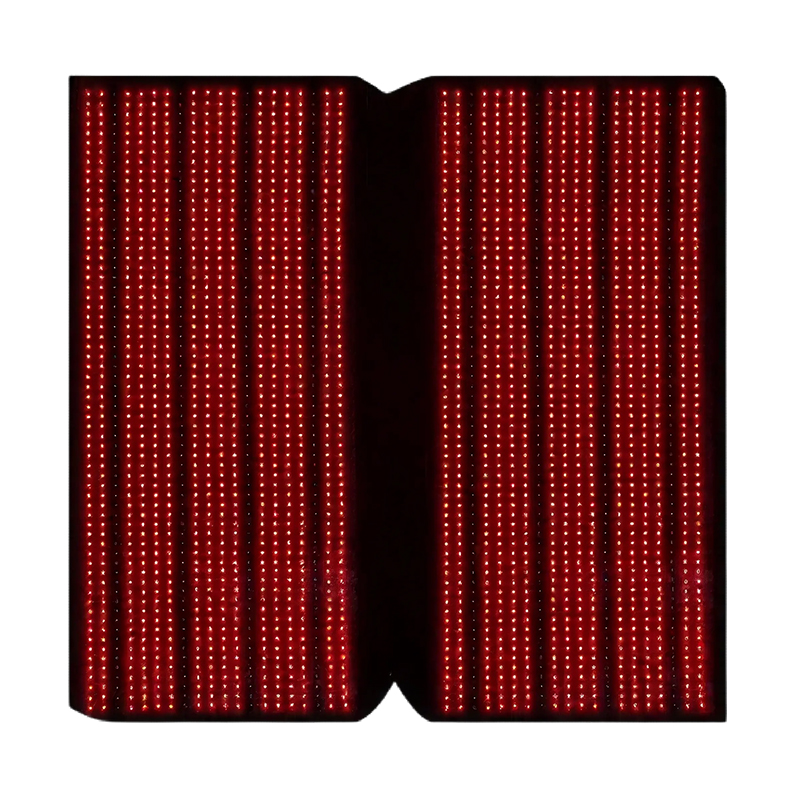
Devices emitting red light in the range of 620-700nm are considered effective for treating superficial conditions like bruises.
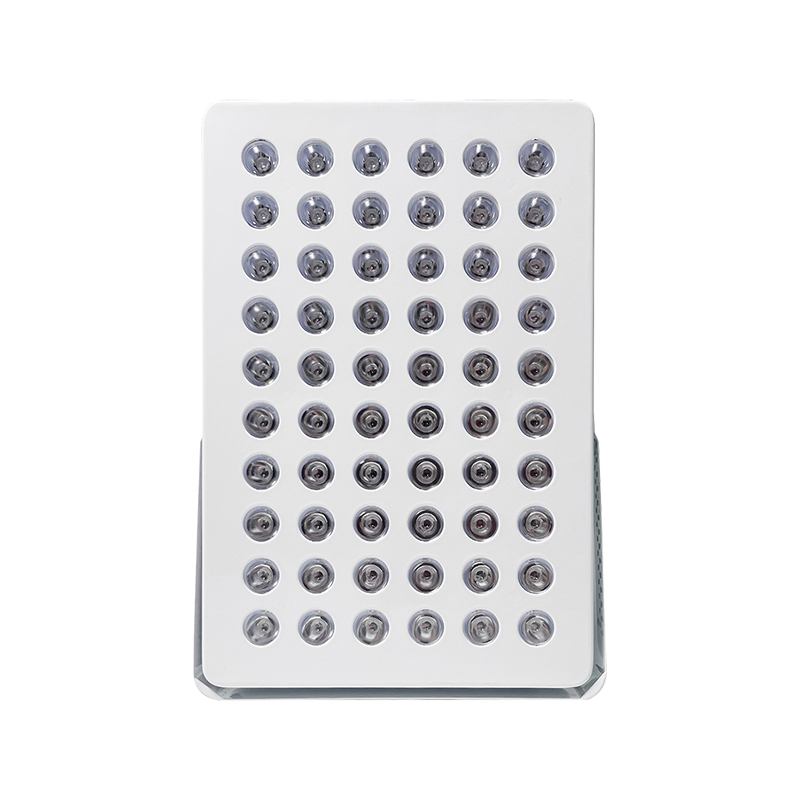
When selecting an LED device for bruises, it’s essential to choose one with appropriate wavelengths and sufficient power output to ensure therapeutic efficacy.
Te Haumaru me nga Whakaaro
Red light therapy is generally considered haumaru with a low risk of side effects. Heoi ano, certain precautions should be taken:
- Tiaki kanohi: Direct exposure to intense red or near-infrared light can be harmful to the eyes; wearing protective goggles is recommended during treatment.
- Te kiri kiri: Individuals with light-sensitive conditions or those taking photosensitizing medications should consult a healthcare provider before undergoing RLT.
- Consistency and Dosage: Adhering to recommended treatment durations and frequencies is crucial for achieving desired outcomes without adverse effects.
Whakamutunga
Ko te whakamaarama rama whero he tino pai, non-invasive approach to reducing inflammation and managing associated conditions such as tendonitis and chronic pain. By enhancing cellular energy production, supporting the immune system, te whakapai ake i te tohanga, reducing oxidative stress, me te whakaongaonga i te hanga collagen, RLT addresses multiple pathways involved in inflammation and healing.
While more extensive clinical studies are warranted to fully establish its efficacy, current evidence supports the therapeutic potential of red light therapy as a valuable tool in promoting health and well-being.
FAQ
Does red light therapy help with weight loss?
Red light therapy may support weight loss by enhancing fat metabolism, improving cellular energy (hanga ATP), te whakaiti i te mumura, and boosting muscle recovery.
It can also aid sleep and hormonal balance, which are linked to weight management. Heoi ano, RLT alone is not a magic solution—it works best when combined with a healthy diet and exercise.
Does red light therapy help hair growth?
Ae, red light therapy can help promote hair growth by stimulating hair follicles, increasing blood flow to the scalp, me te whakaiti i te mumura. It may be effective for conditions like androgenetic alopecia and thinning hair, but results vary and consistent use is key.
Ka awhina te rongoa rama whero cellulite?
Ae, red light therapy may help reduce the appearance of cellulite by stimulating collagen production, te whakapai ake i te tohanga toto, and enhancing fat metabolism.
While it can improve skin texture and firmness, the best results come when combined with a healthy lifestyle and exercise.