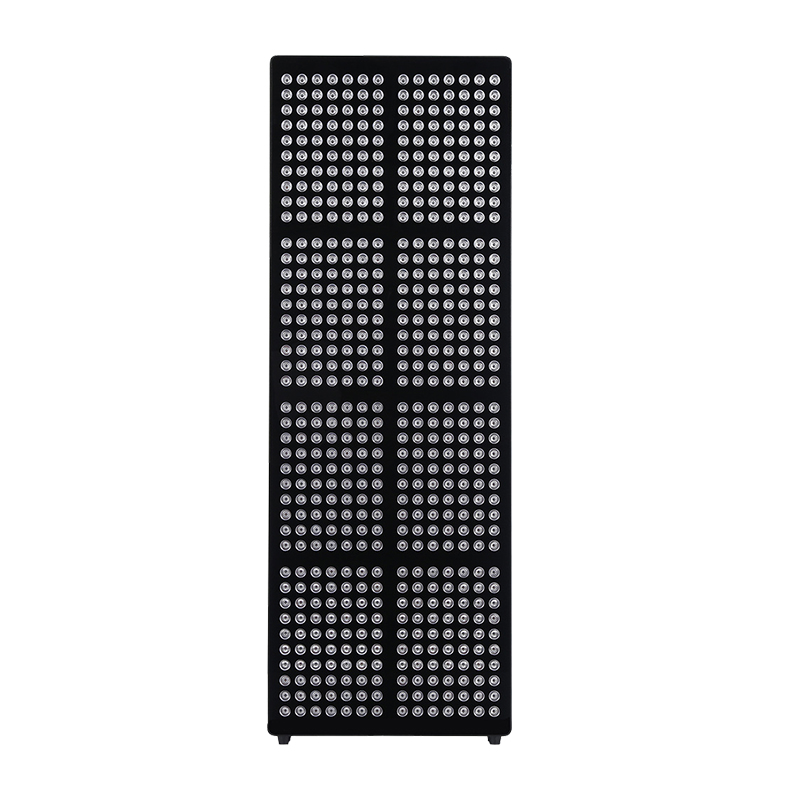
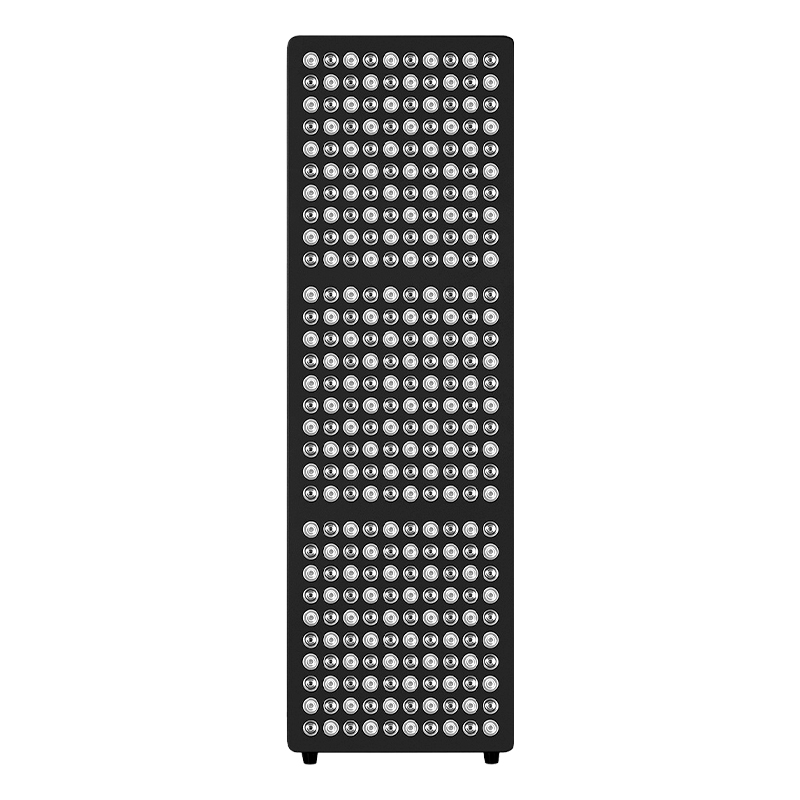
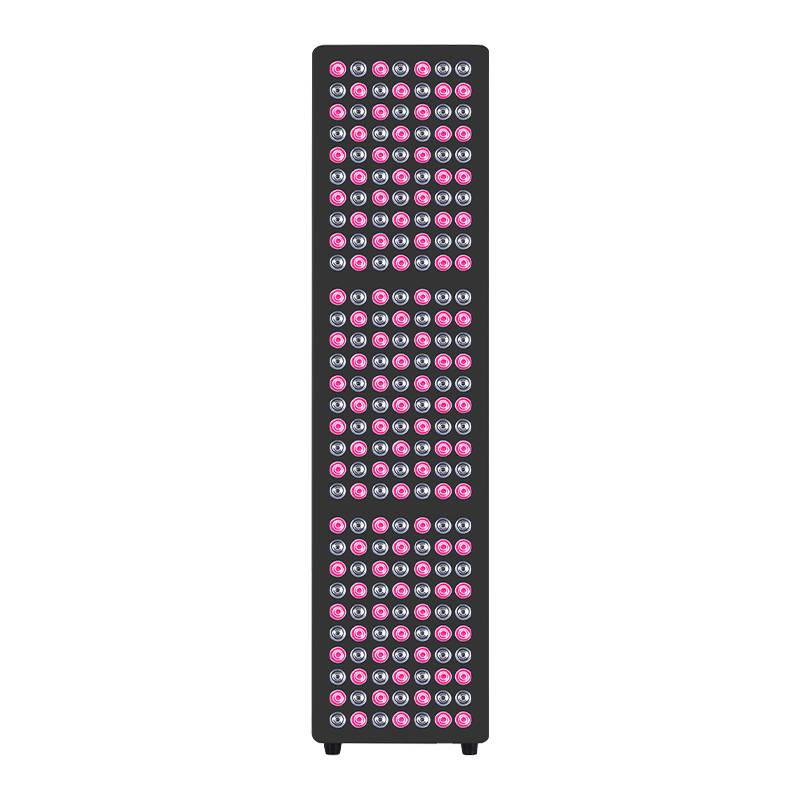
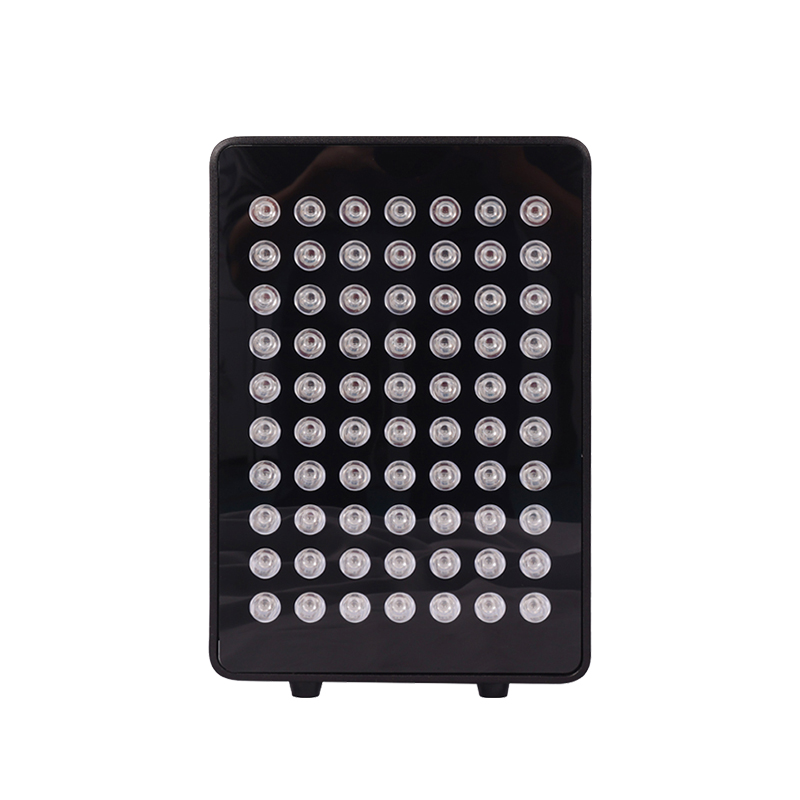
Mena kua timata koe ki te whakamahi i te rongoa rama whero, kei te whakaaro koe mehemea kua kite koe i nga hua. Kei te patai ano pea koe, "E hia te roa o te rongoa rama whero ki te mahi?”
The answer is not as simple as giving everyone the same number of days or weeks.
Te rongoa rama whero, mohiotia hoki ko photobiomodulation (PBM), uses specific wavelengths of red or near-infrared light to interact with biological processes in the body. It is being studied for a wide range of applications, including skin appearance, exercise recovery, hair-related concerns, me te oranga tinana.
Heoi ano, different goals can require very different treatment timelines. The device itself also matters. Te roangaru, raratanga, tawhiti maimoatanga, session duration, and frequency can all affect the amount of light delivered to the target area.
This means that two people can use “red light therapy” for the same amount of time but have completely different experiences.
Rather than focusing only on the question of how quickly red light therapy works, it is more useful to understand what determines the timeline and how to evaluate your results.
Kia pehea te roa o te Maama Whero ki te mahi?
Mo te nuinga o nga tono, red light therapy should be viewed as a gradual process rather than an instant treatment.
Some people may notice temporary changes in how their skin or body feels after individual sessions. Heoi ano, longer-term cosmetic or wellness outcomes generally require repeated and consistent use.
As a broad expectation, users may evaluate their progress over several weeks rather than several days.
A practical timeline may look like this:
- First few sessions: You may notice changes in how your skin feels or how your body feels after treatment, but these early observations are not necessarily evidence of a long-term result.
- 2–4 wiki: Some users may begin noticing subtle changes depending on their goal and treatment protocol.
- 4–8 wiki: This can be a more useful period for evaluating gradual cosmetic or wellness changes.
- Several months: Some goals, particularly those involving hair growth or longer biological cycles, may require considerably more time.
These timeframes are general expectations, not guarantees.
Clinical research on PBM uses different wavelengths, pota, mahere maimoatanga, and devices. A 2025 umbrella review of randomized clinical trials found evidence of potential benefits across several applications, while also noting substantial variation in evidence quality and treatment protocols.
Why Does Red Light Therapy Take Time?
Red light therapy is not designed to work like an instant cosmetic treatment.
PBM is thought to influence cellular signaling and biological processes through exposure to specific wavelengths of light. These processes can involve mitochondrial activity and other cellular responses.
A biological response does not necessarily translate into a visible result immediately.
Hei tauira, if someone is using red light therapy as part of a skincare routine, the desired outcome may involve gradual changes in skin appearance.
Similarly, hair-related goals involve the natural hair growth cycle, which is inherently slower than something that can be observed immediately after a single session.
This is why patience and consistency are important.
The Biggest Factor: What Are You Using Red Light Therapy For?
The question "E hia te roa o te rongoa rama whero ki te mahi?” cannot be answered properly without first asking what result you want.
Different goals have different timelines.
Red Light Therapy for Skin
Skincare is one of the most common reasons people use red light therapy.
People may use red light devices as part of a routine focused on the appearance of:
- Raina pai
- Kakano kiri
- Skin tone
- Te kounga kiri katoa
- Signs of visible skin aging
If this is your goal, avoid judging the result after one or two sessions.
Engari, establish a baseline and compare your skin over several weeks.
Taking photographs under consistent lighting can make subtle changes easier to identify.
It is also important to remember that red light therapy should not be viewed as a replacement for basic skincare habits such as sun protection, adequate sleep, whakamakuku, and appropriate dermatological care.
Red Light Therapy for Exercise Recovery
Athletes and fitness enthusiasts are increasingly interested in red and near-infrared light for recovery.
The research literature has investigated PBM in relation to exercise performance, ngenge uaua, soreness, me te whakaora.
Heoi ano, results can depend on the exercise performed, treatment parameters, wā, me te whakautu takitahi.
If you use red light therapy after training, consider tracking your recovery rather than simply asking whether you “feel something” after one treatment.
You can monitor:
- Te mamae o te uaua
- Recovery time
- Training consistency
- Perceived fatigue
- Exercise performance
This gives you a more objective way to determine whether a routine is useful to you.
Red light therapy should complement—not replace—adequate sleep, kai kai, whakamakuku, okiokinga, and appropriate training.
Te Maama Whero mo nga makawe: Why Results Can Take Longer
Hair-related applications require a different expectation.
Hair growth occurs through biological cycles, so changes generally cannot be evaluated after only a few days.
PBM has been investigated for androgenetic alopecia, and evidence suggests that certain low-level light approaches may increase hair density in some people. Heoi ano, research protocols and devices vary.
If you are using red light therapy for hair, think in terms of months rather than days.
You should also consider the underlying cause of hair loss.
Hair thinning can be associated with genetics, hormonal factors, nutritional deficiencies, taumahatanga, rongoā, and medical conditions.
A dermatologist can help determine the cause and whether light therapy is an appropriate part of your treatment plan.
Why Your Red Light Therapy Device Matters
One of the most overlooked factors in red light therapy is the device itself.
Two products can both be labeled “red light therapy” while delivering very different amounts of light.
Ko nga korero nui kei roto:
Te roangaru
Different wavelengths penetrate and interact with tissue differently.
Many red light therapy devices use visible red wavelengths, while others incorporate near-infrared wavelengths.
Te irirangi
Irradiance refers to the optical power delivered over a specific area.
A higher-output device may require a different treatment duration than a lower-output device.
Tawhiti Maimoatanga
The distance between the LEDs and your body affects the amount of light reaching the treatment area.
Moving farther away from the device may substantially change the delivered dose.
Te waahi maimoatanga
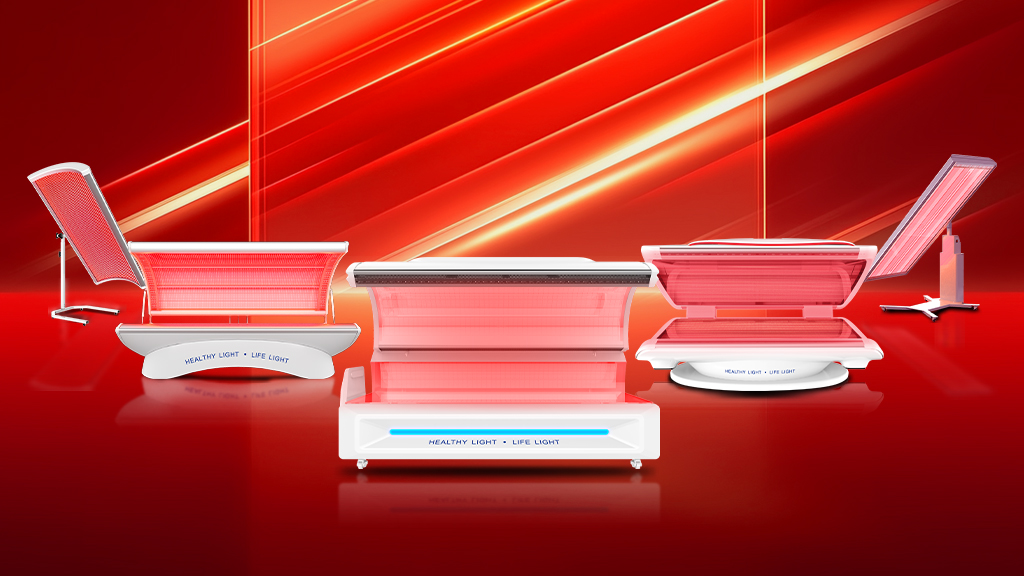
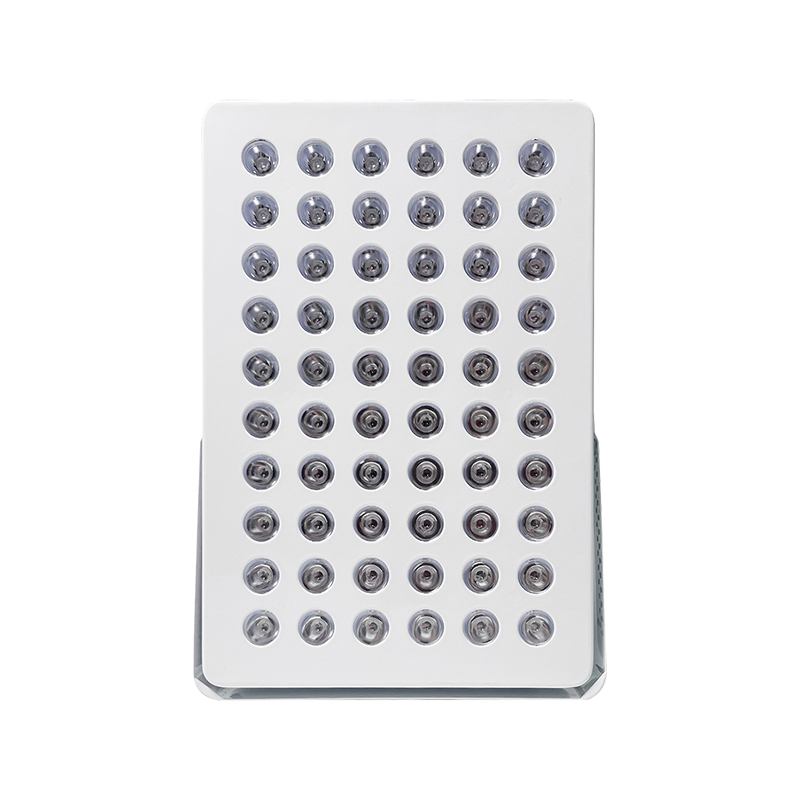
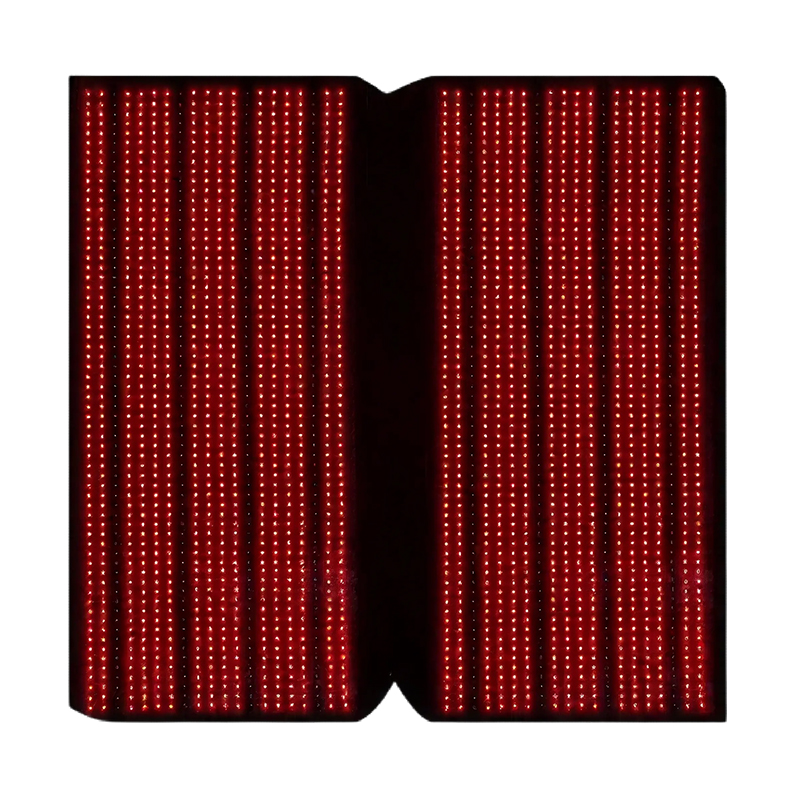
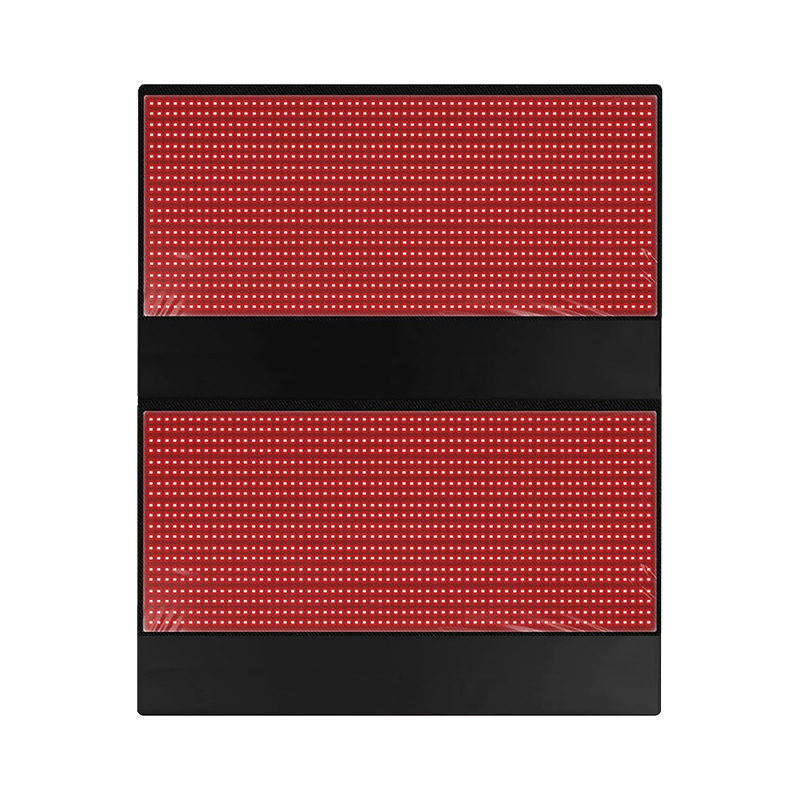
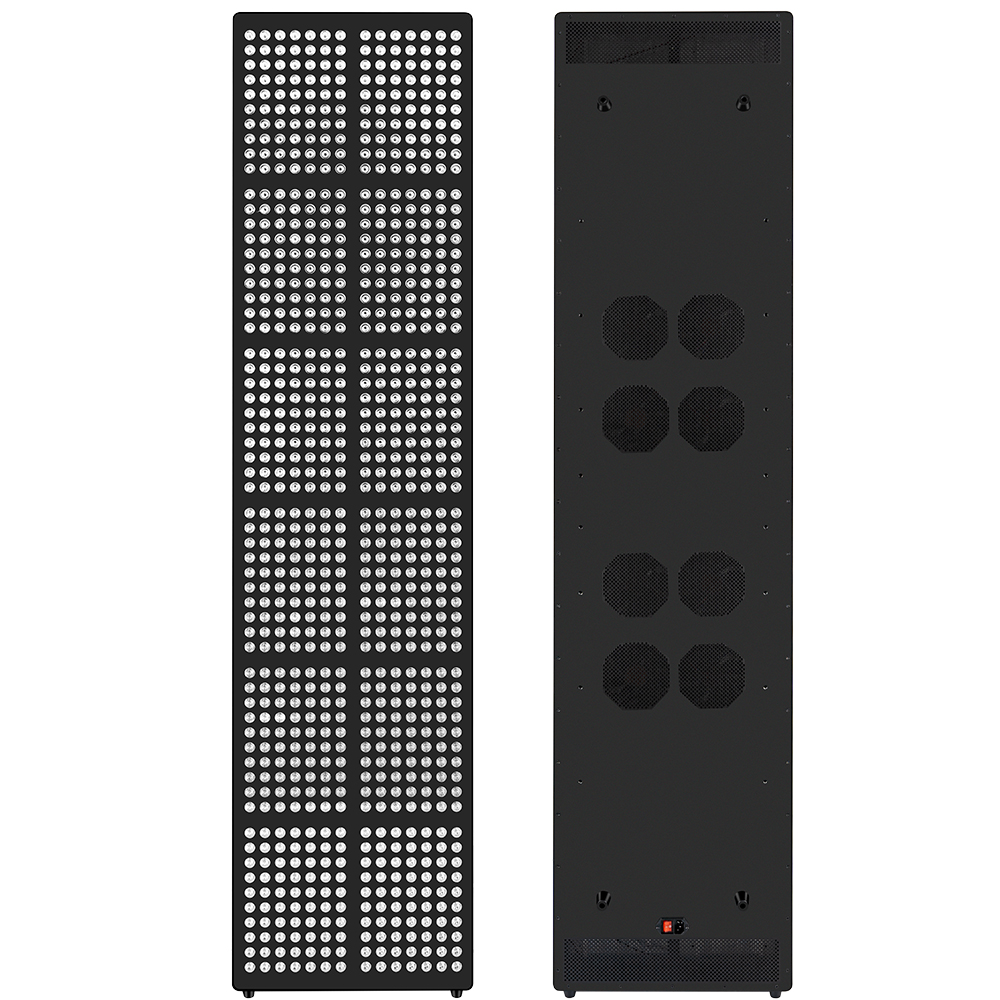
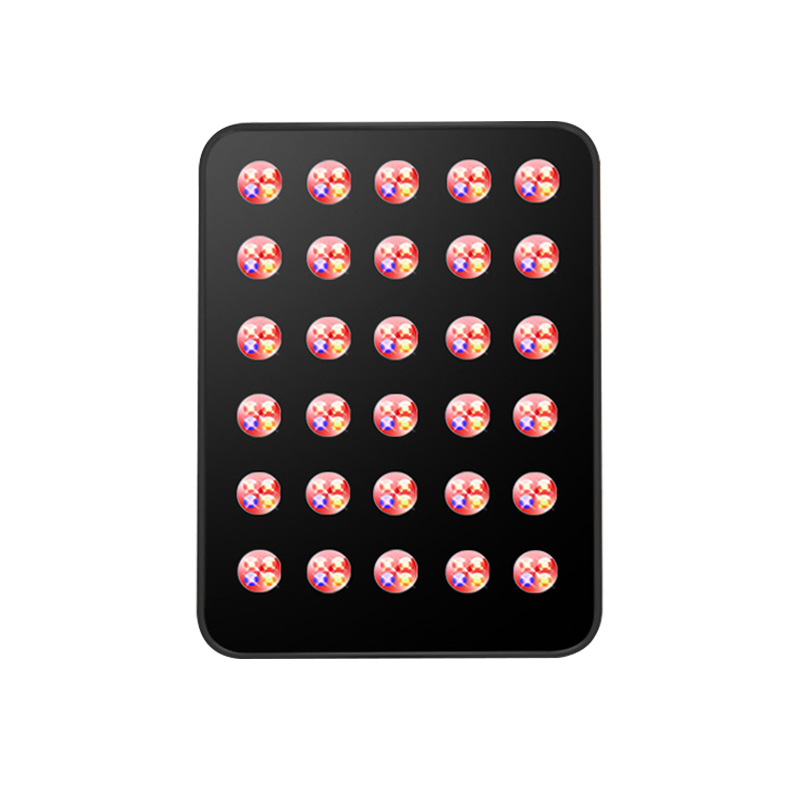
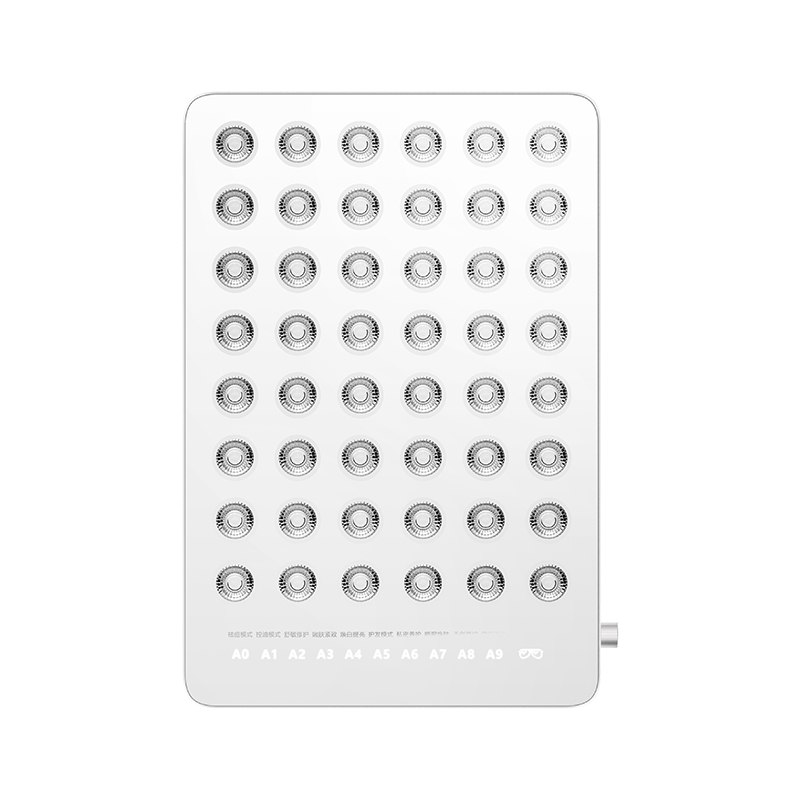
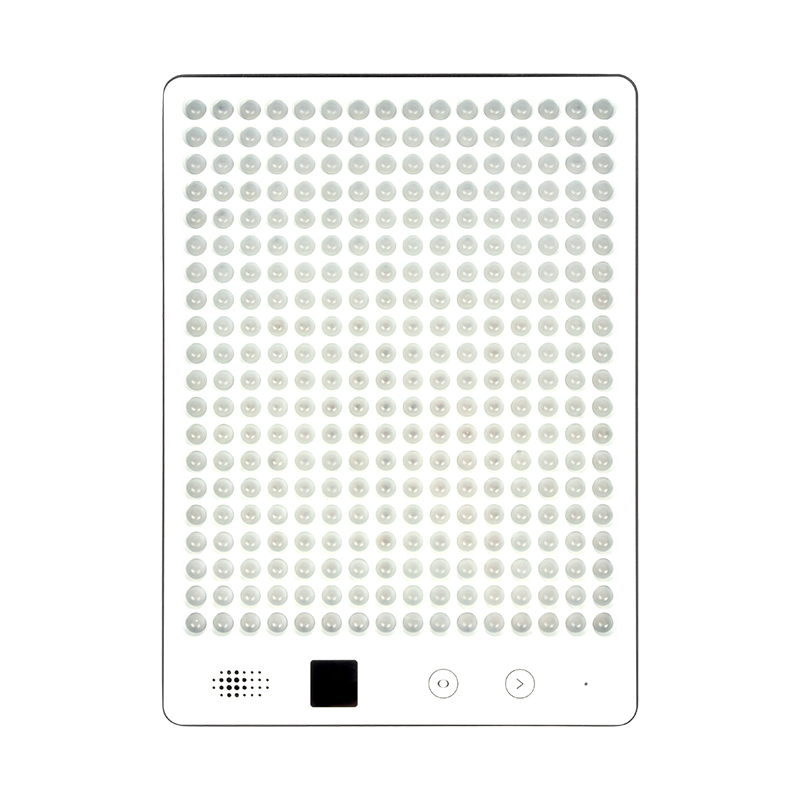
A small panel may treat one body area, while a full-body red light therapy bed can expose much larger areas in one session.
Wātū Roa
A 10-minute session on one device cannot automatically be compared with a 10-minute session on another device.
This is why simply searching for “how many minutes of red light therapy” can be misleading without knowing the equipment specifications.
Is More Red Light Therapy Better?
Ehara i te mea.
A common mistake is thinking:
More time = faster results.
Photobiomodulation is more complicated than that.
Research has discussed biphasic dose-response behavior, meaning that increasing light exposure does not necessarily produce continuously increasing benefits.
In practical terms, spending twice as long under a device does not automatically mean you will see twice the result.
The best strategy is to follow the manufacturer’s recommended treatment protocol.
If you are using a professional device, pay attention to the recommended:
- Treatment distance
- Te roanga o te huihuinga
- Auautanga
- Te roangaru
- Te irirangi
- Ko te tono tono
How Often Should You Use Red Light Therapy?
There is no universal schedule for every red light therapy product.
Some devices may be intended for frequent use, while others may recommend fewer sessions per week.
Your routine should be based on the device’s specifications and intended application.
Hei tauira, a full-body professional red light therapy bed may have a different protocol from a small home panel.
Instead of asking:
“Can I use red light therapy every day?”
he patai pai ake:
“What treatment schedule does my specific device recommend?”
This approach is more accurate and avoids unnecessarily increasing exposure.
How Can You Tell Whether Red Light Therapy Is Working?
One of the biggest challenges with gradual treatments is that people are not always good at noticing slow changes.
You see yourself every day.
Small changes can therefore be difficult to identify.
A simple tracking system can help.
Hipanga 1: Take Baseline Photos
I mua i te tiimata, take photos under consistent lighting.
For skincare, use the same angle and distance.
Hipanga 2: Follow a Consistent Routine
Avoid constantly changing session duration, tawhiti, me te auau.
Hipanga 3: Reassess Every Few Weeks
Instead of evaluating the treatment after every session, compare results at regular intervals.
Hipanga 4: Track the Specific Goal
If your goal is skin appearance, track skin changes.
If your goal is workout recovery, track soreness and performance.
If your goal is hair, take standardized scalp photos.
Hipanga 5: Compare Before and After
Objective comparisons are more useful than relying on memory.
What If You Don’t See Results After a Month?
If you have been using red light therapy consistently for several weeks without noticing a difference, do not immediately assume you need longer sessions.
First check whether the basic variables are correct.
Is the Device Suitable?
Make sure the product is actually designed for your intended application.
Is the Distance Correct?
Check whether you are standing or sitting at the manufacturer’s recommended distance.
Is the Session Too Short?
If you are consistently using less time than recommended, you may not be following the intended protocol.
Are You Using It Consistently?
Occasional use makes it difficult to assess results.
Is Your Goal Realistic?
Red light therapy is not a universal solution for every condition.
The evidence for PBM varies considerably depending on the application.
A 2025 umbrella review found promising effects in multiple areas but emphasized differences in evidence certainty and treatment protocols.
Does Red Light Therapy Work Faster on Some People?
Individual responses can vary.
Factors that may affect how quickly someone notices changes include:
- Tau
- Te huru kiri
- Genetics
- Te oranga
- Moe mai
- Te kai
- Exercise
- Existing health conditions
- Te riterite o te maimoatanga
- Device characteristics
This is one reason it is not appropriate to promise that everyone will see a specific result within a fixed number of days.
A better approach is to establish a reasonable treatment period and monitor your own response.
Red Light Therapy Results vs. Immediate Effects
It is important to distinguish between an immediate sensation me a long-term result.
You may feel relaxed after a session.
Your skin may temporarily look different.
Your muscles may feel different after exercise.
But these observations do not necessarily mean the underlying goal has been achieved.
When evaluating red light therapy, think about whether the change is:
Temporary → Short-term → Consistent → Measurable
The longer a change remains consistent, the more useful it becomes as an indicator of progress.
Red Light Therapy Safety and Responsible Use
Red light therapy is generally considered non-invasive, but it should still be used responsibly.
The FDA has published guidance for photobiomodulation devices and emphasizes appropriate evaluation of these products.
Potential considerations include:
- Follow the device instructions.
- Do not automatically increase session duration.
- Use appropriate eye protection when recommended.
- Be cautious if you take photosensitizing medications.
- Consult a healthcare professional if you have a condition affected by light exposure.
- Do not use red light therapy as a substitute for necessary medical treatment.
If you have a medical condition, take prescription medication, or are considering PBM for a specific medical problem, discuss it with a qualified healthcare professional.
Why Full-Body Red Light Therapy Beds Are Different
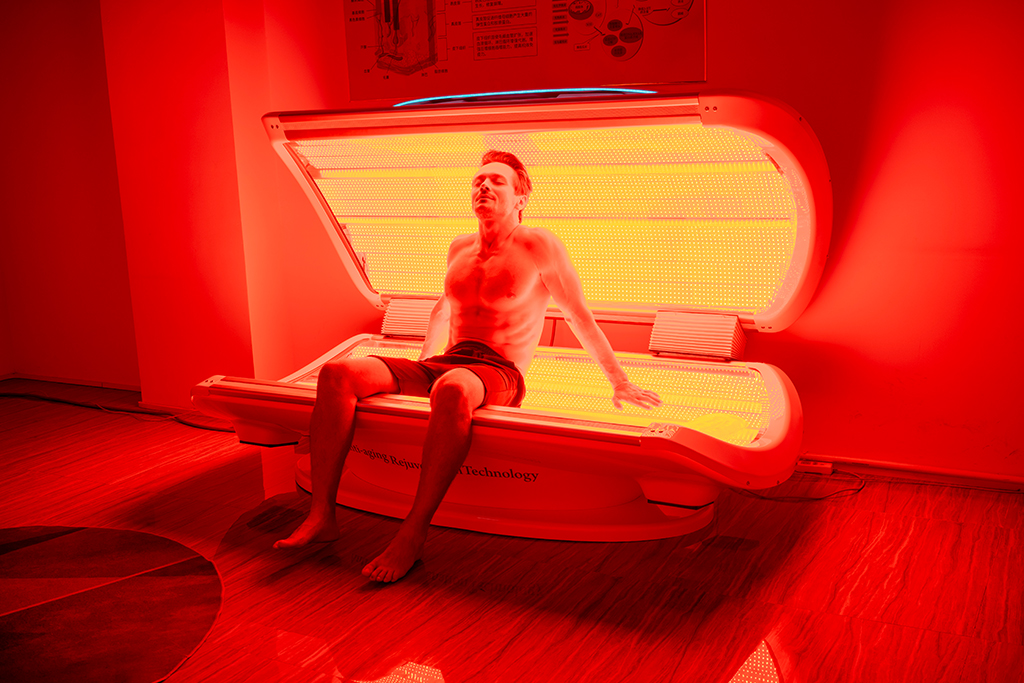
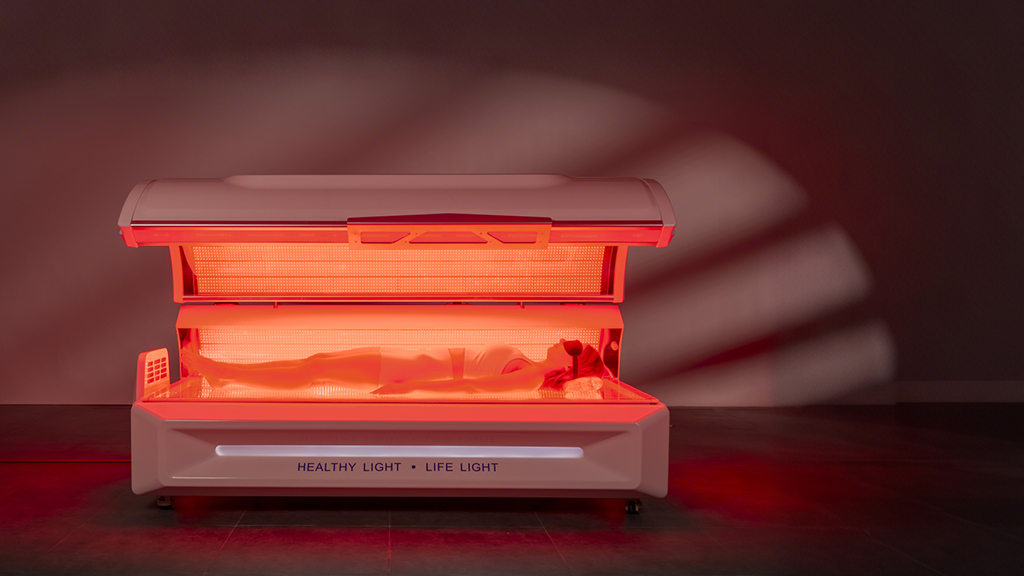
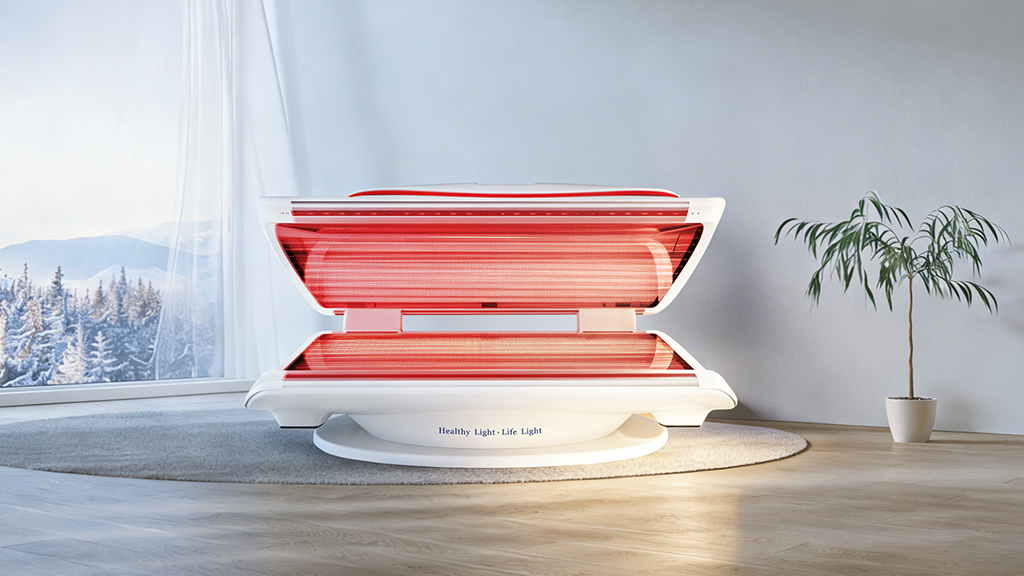
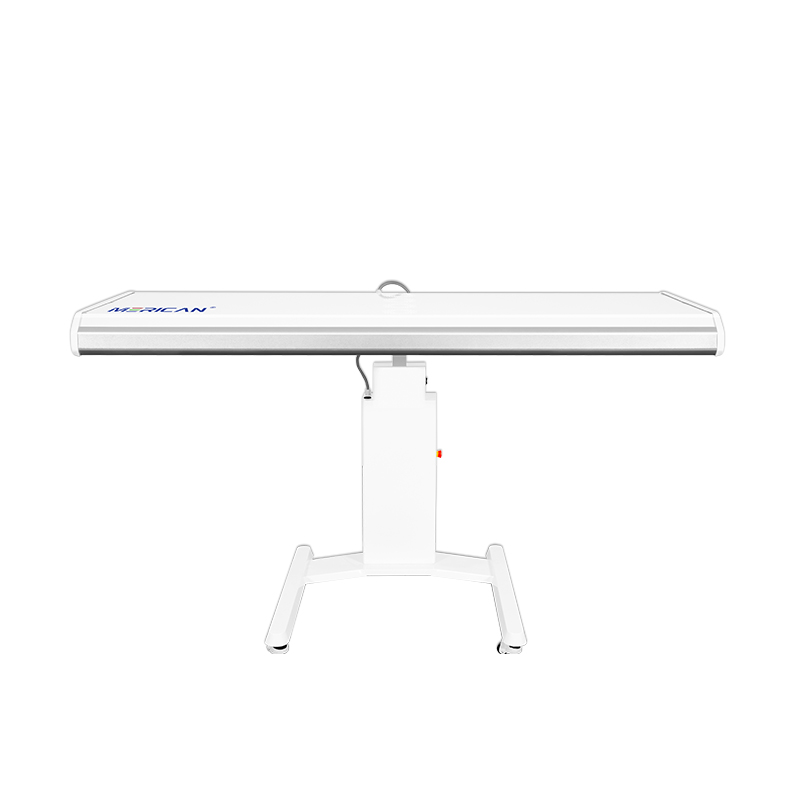
For commercial wellness businesses, one of the major advantages of a moenga therapy rama whero is its ability to treat a large body area during one session.
Compared with a small handheld device or localized panel, a full-body bed can offer a more convenient experience for users who want broader coverage.
This makes full-body systems particularly attractive to:
- Nga whare ataahua
- Nga haumanu
- Nga whare hauora
- Nga whare takaro
- Nga karapu whakapakari tinana
- Nga pokapū whakaora
- Professional wellness businesses
Heoi ano, full-body coverage should not be confused with faster results.
The same principles still apply: appropriate wavelengths, light output, tawhiti maimoatanga, session duration, and consistent use are all important.
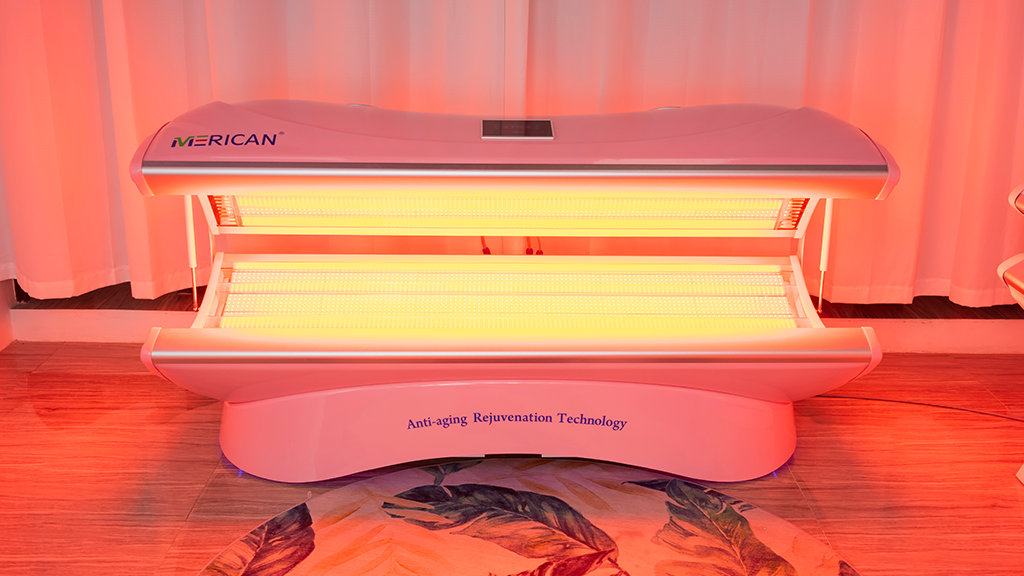
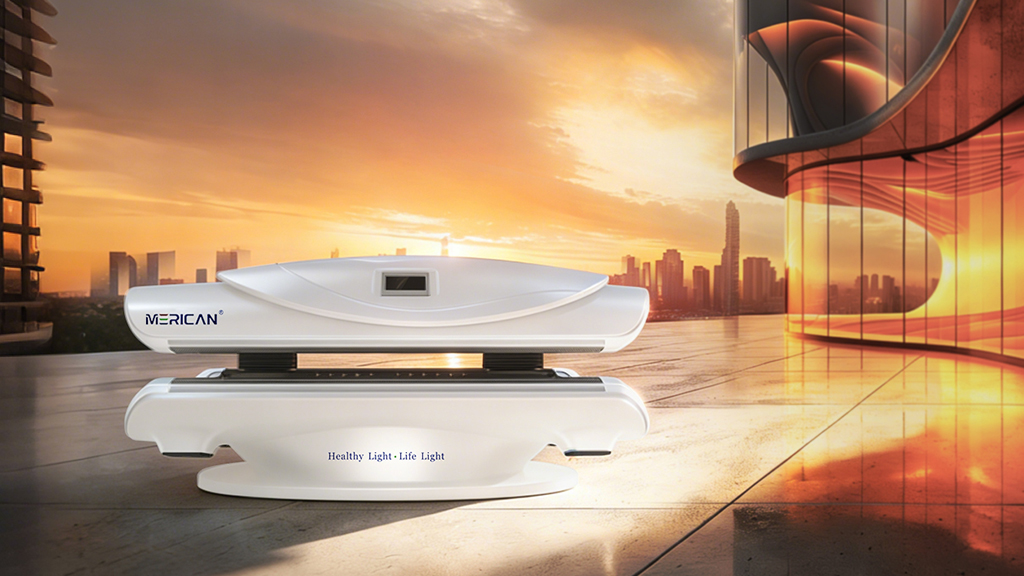
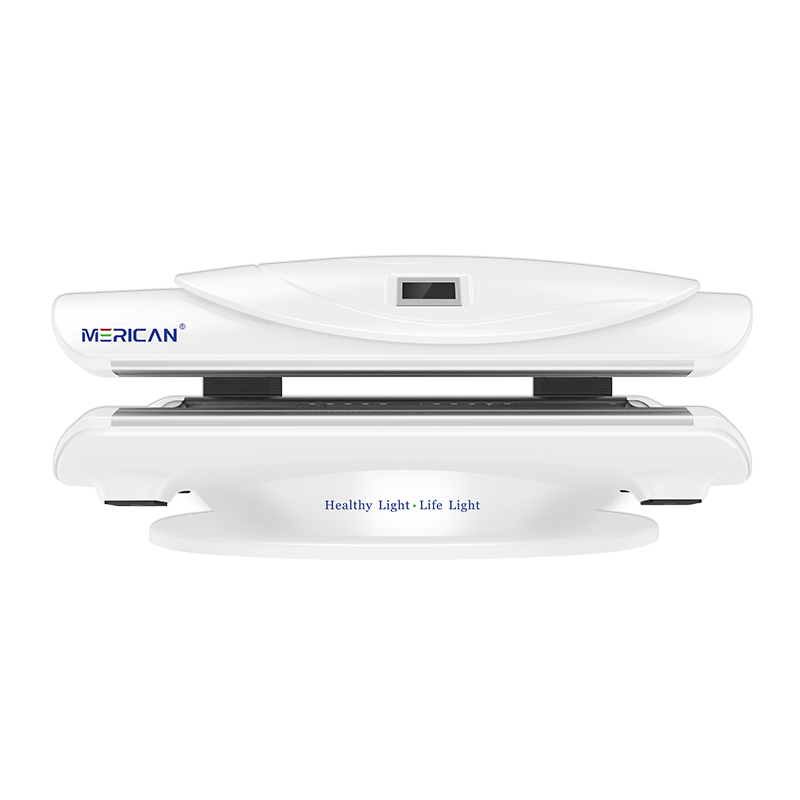
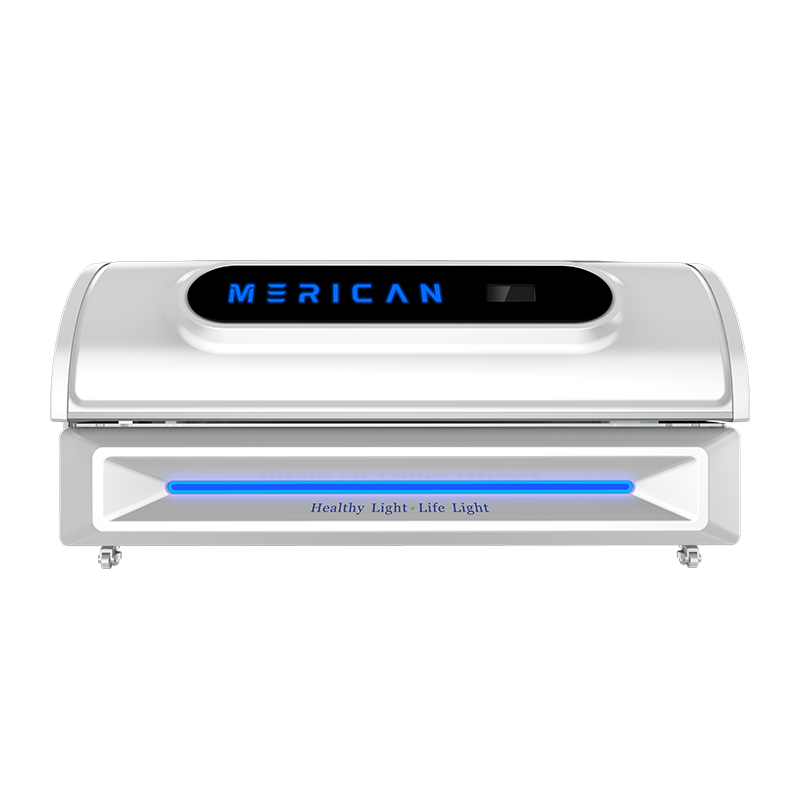
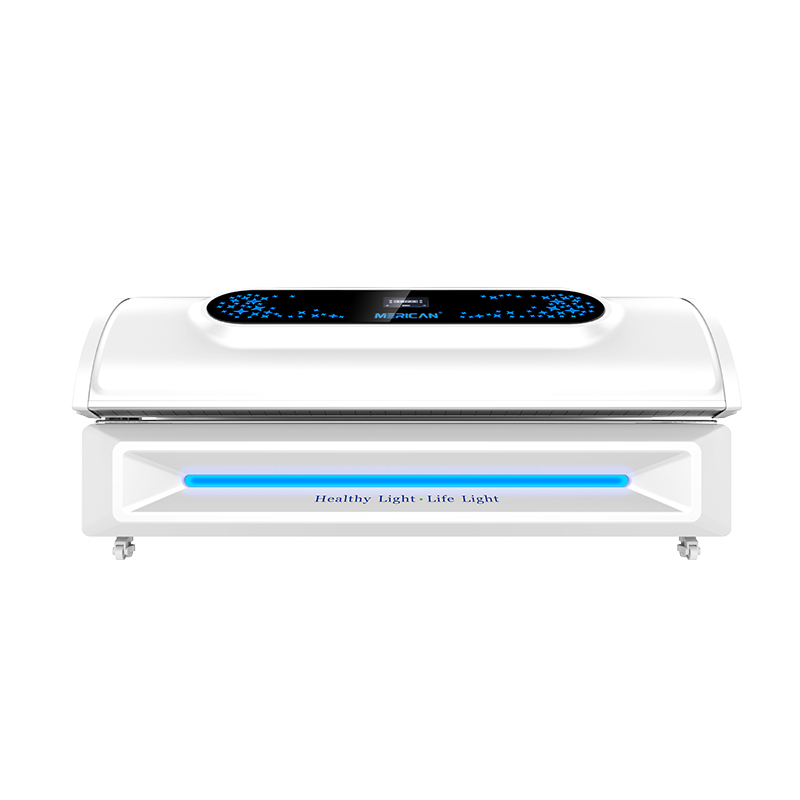
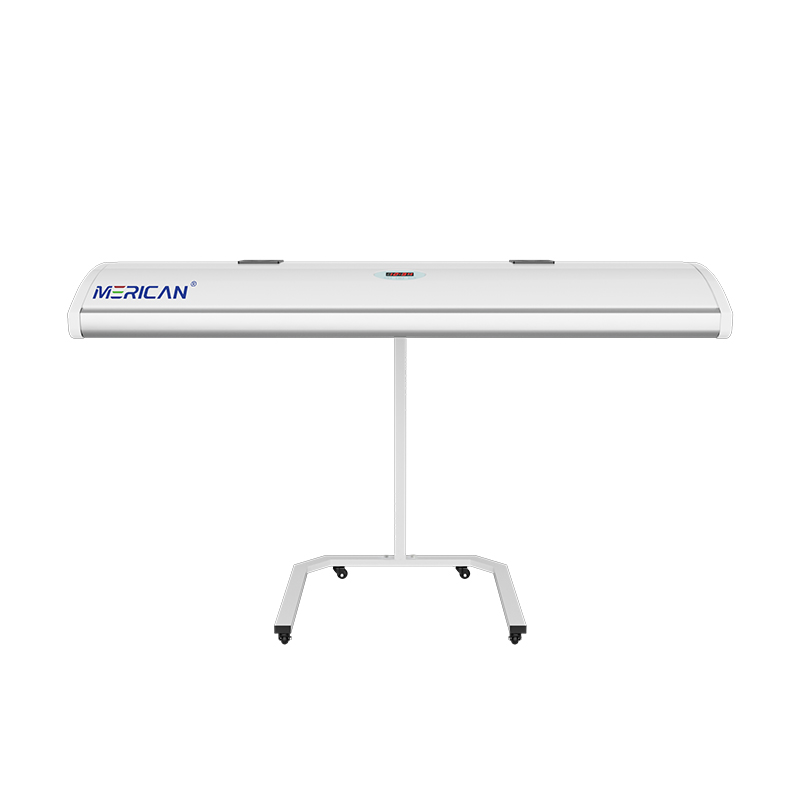
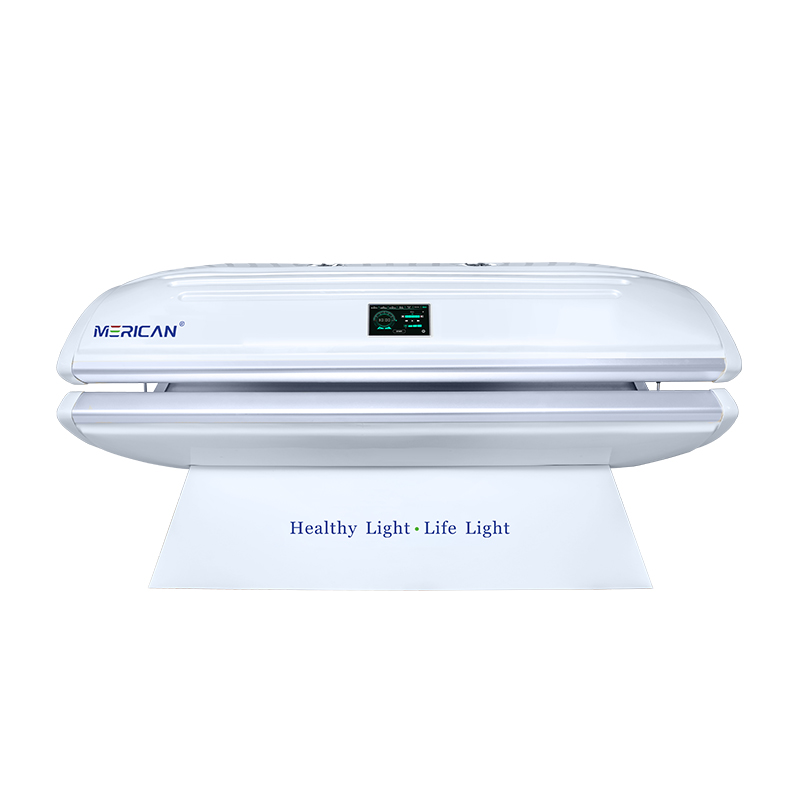
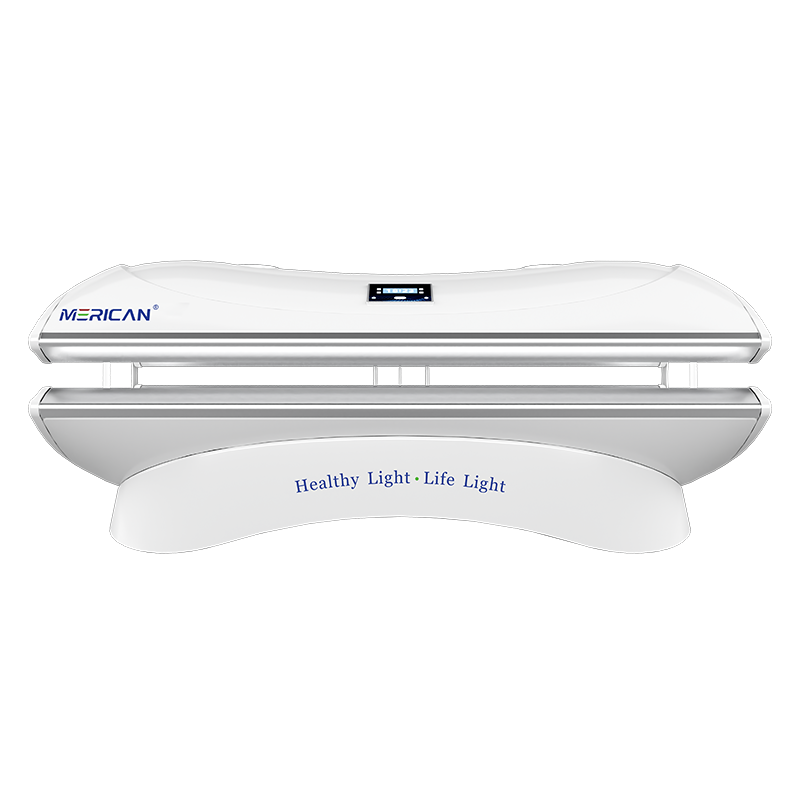
Merican Red Light Therapy Bed MMB for Professional Businesses
Mo nga pakihi e rapu ana i tetahi otinga whakamaarama rama whero-a-tinana ngaio, te Merican Whero Whero Therapy Moenga MMB can be considered for commercial wellness environments.
Kei a Merican 18 years of experience in the light therapy industry me tetahi tohunga hangarau me te R&D team focused on product development, pūkaha, hangahanga, and customized solutions.
The company supports OEM & Nga ratonga ODM, which can be valuable for businesses that want customized equipment rather than a standard off-the-shelf product.
For global commercial customers, Ka taea hoki e Merican te whakarato customized logo services for businesses such as:
- Nga whare ataahua
- Nga haumanu
- Nga whare takaro
- Nga whare hauora
- Nga karapu whakapakari tinana
- Professional light therapy stores
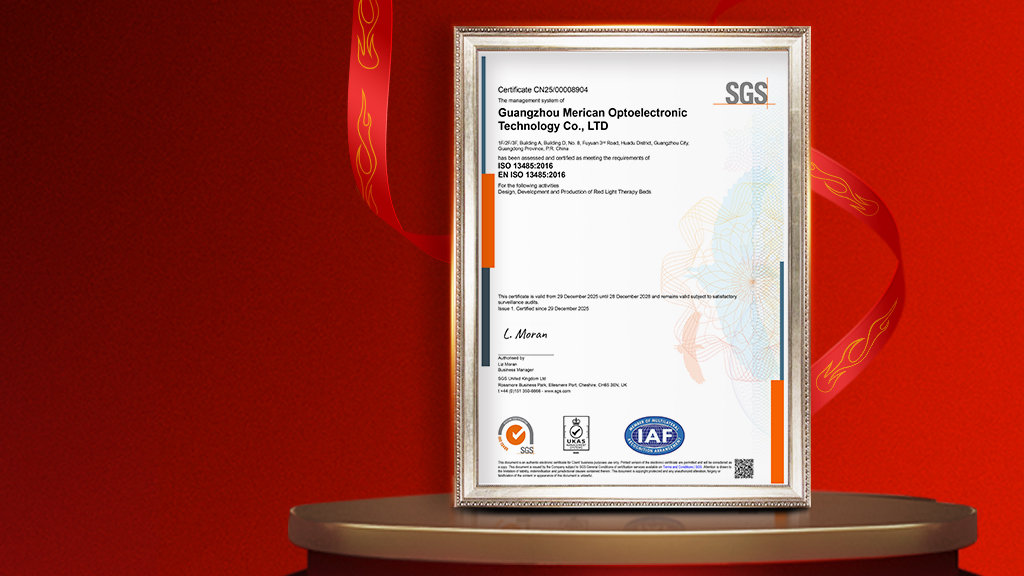
Merican has developed multiple patented technologies and offers products with multiple certifications and qualifications for international markets. Specific certification availability should be confirmed according to the selected product and destination market.
The company can also offer 3–5 tau tautoko whakamana, i runga i te hua me nga tikanga arumoni i whakaaetia.
For businesses expanding into professional red light therapy, Merican also welcomes nga kaihoko me nga tohatoha o te ao and can support long-term partnerships with technical, hangahanga, OEM & ODM, waitohu, and commercial services.
Whakamarama Whero Whero: How to Get the Most From Your Routine
If your goal is to achieve the best possible experience with red light therapy, focus on these principles:
1. Kōwhiria te Pūrere Matau
Do not choose a product simply because it has a high number of LEDs.
Look at wavelength, raratanga, treatment area, construction quality, and intended use.
2. Follow the Recommended Protocol
Use the manufacturer’s recommended treatment distance and duration.
3. Noho Totonu
A realistic routine that you can follow consistently is usually more useful than an aggressive schedule that you abandon after a week.
4. Aroturuki i te ahunga whakamua
Use photos, measurements, performance data, or other objective indicators.
5. Give It Enough Time
Do not judge a long-term goal after one or two sessions.
6. Avoid Unrealistic Claims
No legitimate red light therapy device should be presented as a guaranteed solution for every condition.
Pātai Auau
How long does red light therapy take to work?
There is no universal timeline. Some changes may be noticed relatively early, while many cosmetic and wellness goals require several weeks or longer of consistent use.
How many sessions does red light therapy take to work?
The number varies by goal and device. Follow the manufacturer’s recommended treatment schedule instead of relying on a universal session count.
Does red light therapy work immediately?
Some people may notice temporary effects after a session, but longer-term outcomes generally require repeated treatment.
Why isn’t my red light therapy working?
Check the device specifications, tawhiti maimoatanga, session duration, auau, and whether your expectations match the evidence for your specific goal.
Ka taea e au te whakamahi rongoa rama whero ia ra?
It depends on the device and application. Follow the manufacturer’s instructions rather than assuming daily treatment is appropriate.
Does a stronger red light therapy device work faster?
Ehara i te mea. Higher output does not automatically mean faster or better results. Appropriate dosing is more important than simply increasing exposure.
How long does red light therapy take to work on skin?
Skin-related goals are generally gradual. A consistent routine over several weeks is more appropriate for evaluating changes than relying on one session.
How long does red light therapy take to work for hair?
Hair-related goals generally require longer evaluation periods because hair grows through biological cycles. Some PBM research has shown promising results for androgenetic alopecia, but outcomes vary.
Whakamutunga
Na, how long does red light therapy take to work?
The most accurate answer is: it depends on your goal, your device, your treatment protocol, and your individual response.
Instead of expecting a dramatic result after one session, think about red light therapy as a process that may require consistent use over several weeks or months.
The most important factors are not simply the number of minutes you spend under the LEDs. Te roangaru, raratanga, tawhiti maimoatanga, session frequency, treatment area, and your specific goal all matter.
If you are not seeing results, increasing the session length is not necessarily the answer. First check whether you are using the right device, following the recommended protocol, and measuring your progress objectively.
For commercial businesses, a full-body system such as the Merican Whero Whero Therapy Moenga MMB provides a professional option for beauty salons, haumanu, whare takaro, whare hauora, and other businesses looking to offer full-body red light therapy.
Me 18 tau o te wheako ahumahi, professional technical and R&D kaha, OEM & Whakaritenga ODM, ratonga tohu mo nga toa o te ao, whare ataahua, kaukau me nga whare takaro, multiple patents and product certifications, and 3–5 years of warranty support depending on product and commercial terms, Merican can provide more than just equipment.
Merican also welcomes agents and distributors worldwide, providing opportunities for long-term cooperation and helping commercial partners build customized red light therapy solutions for different markets.