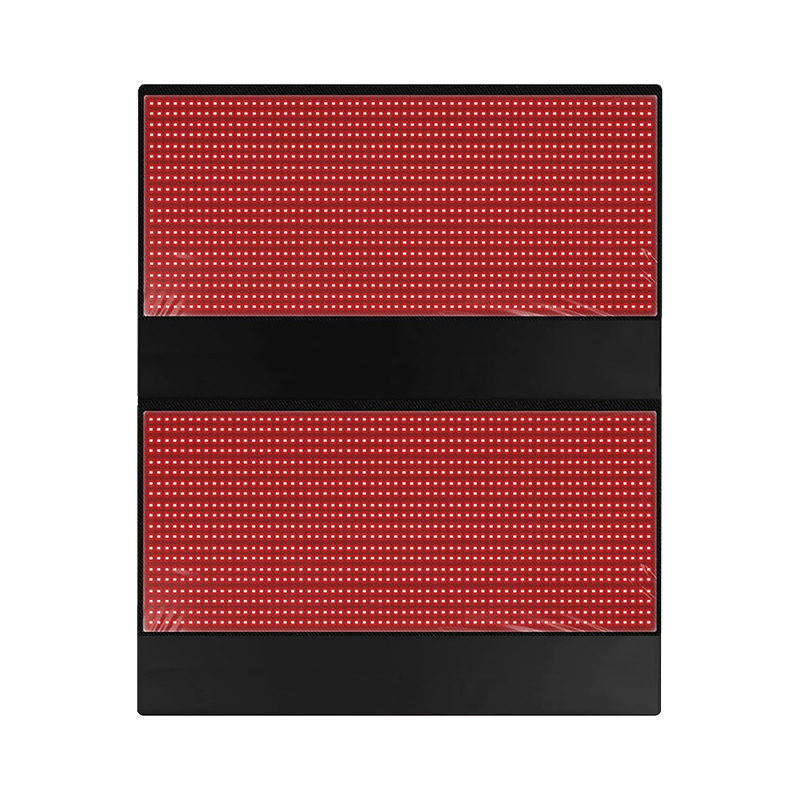
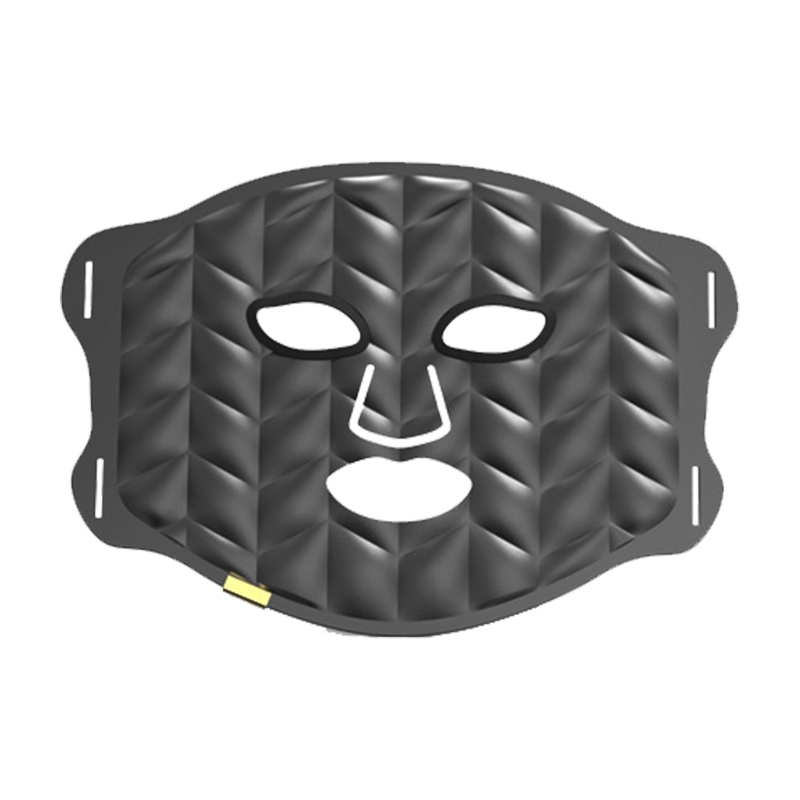
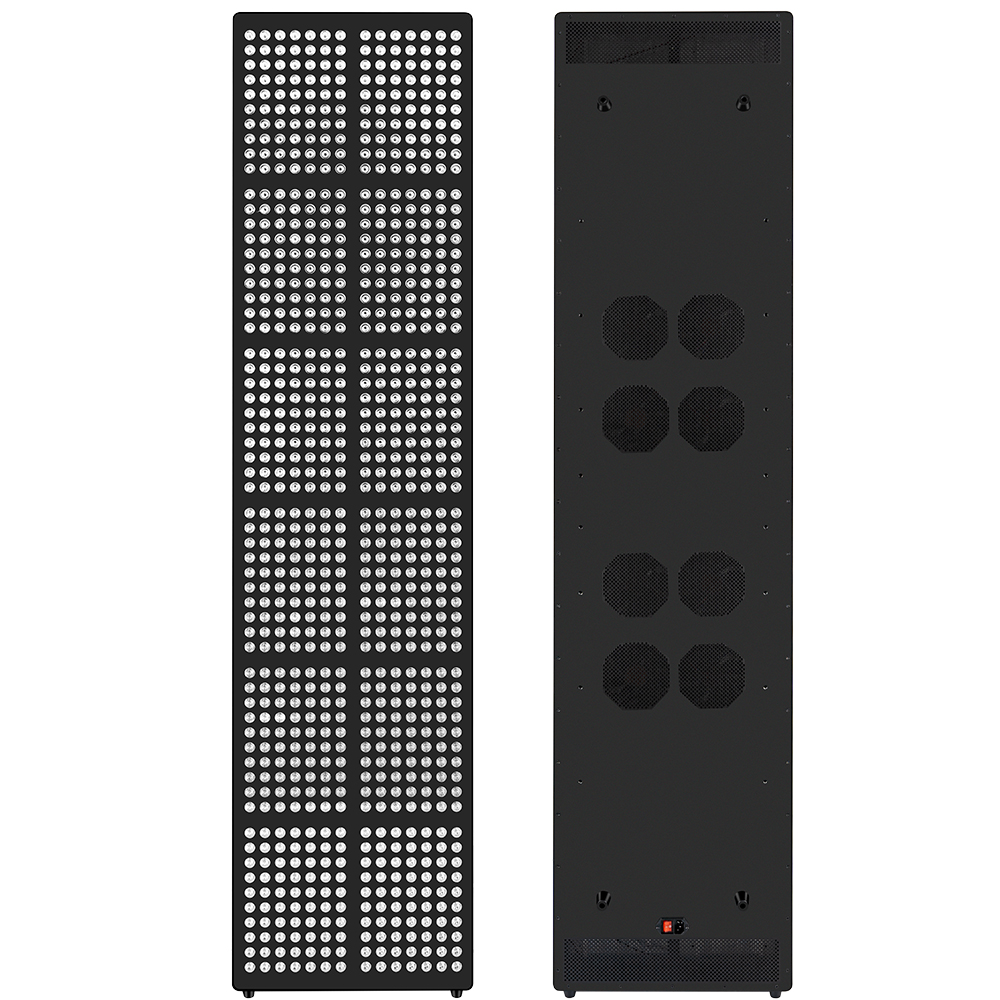
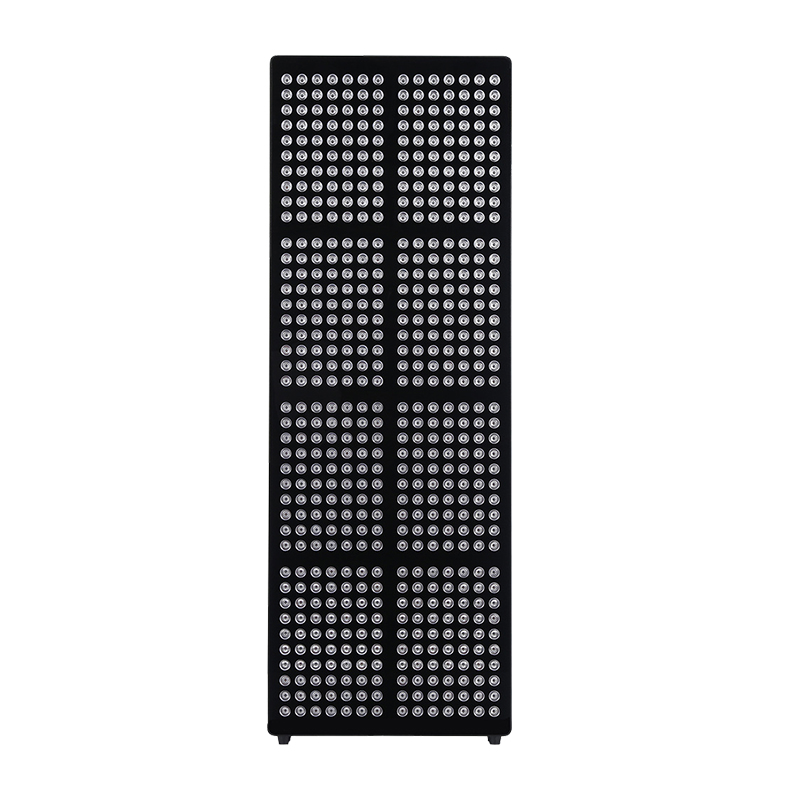
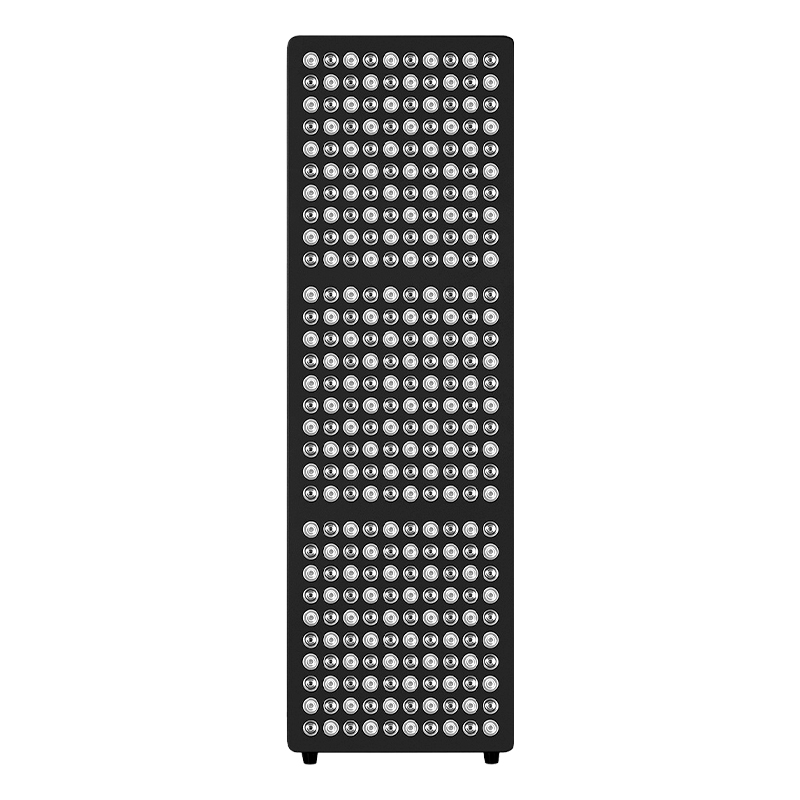
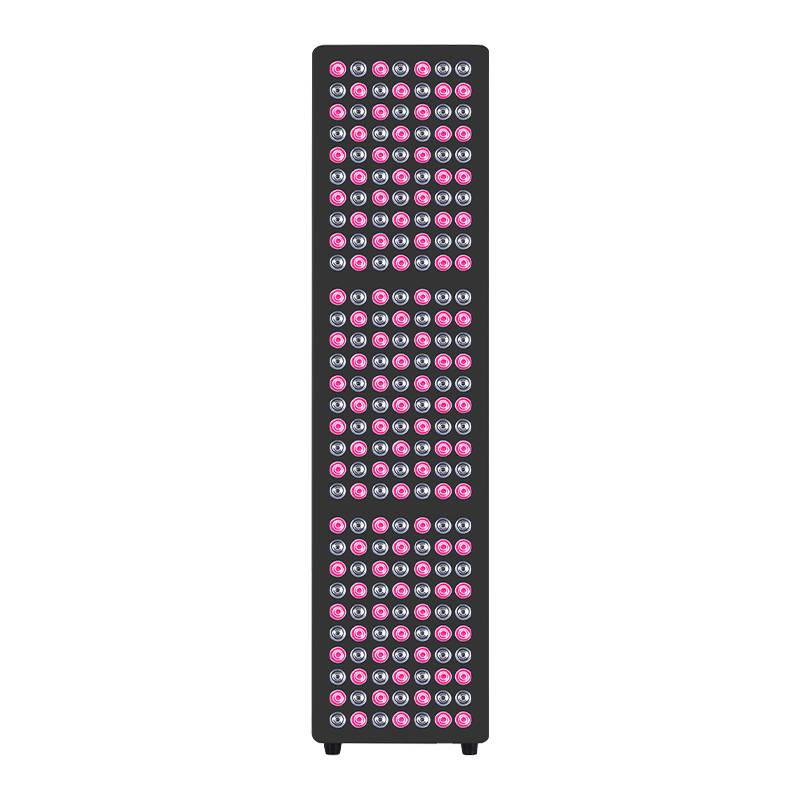
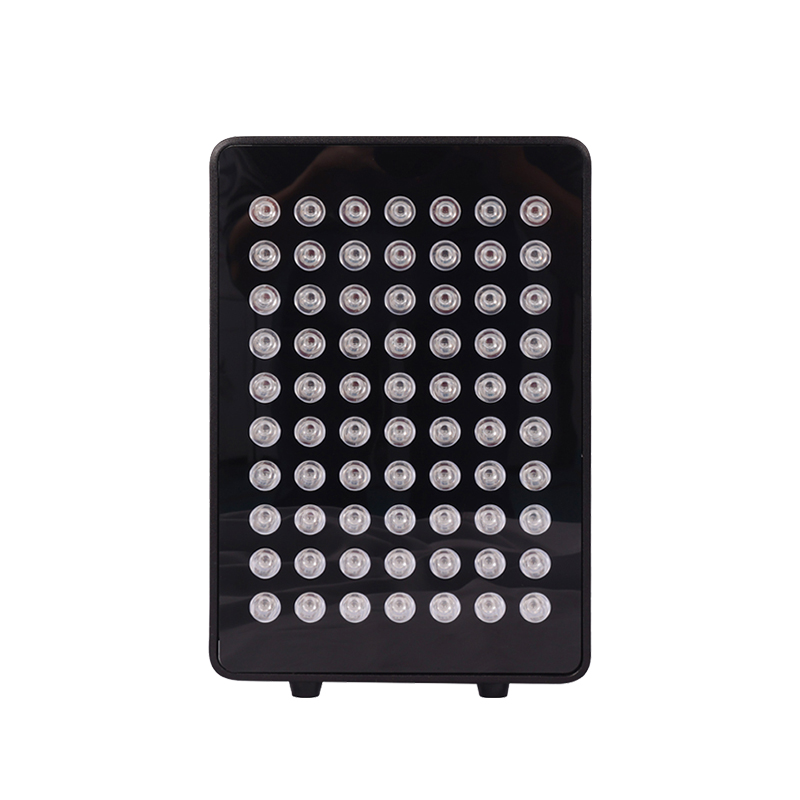
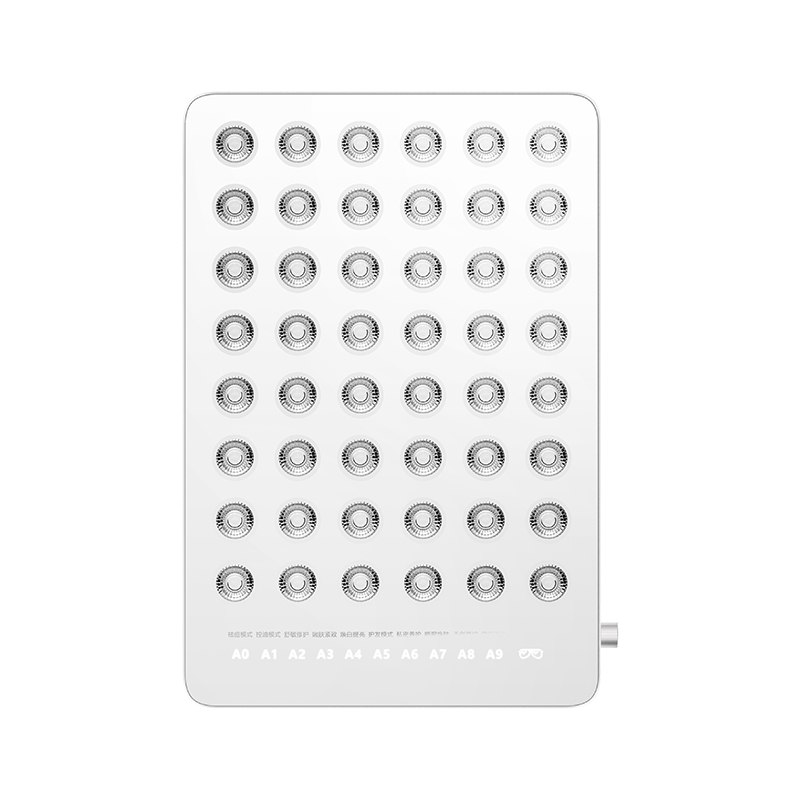
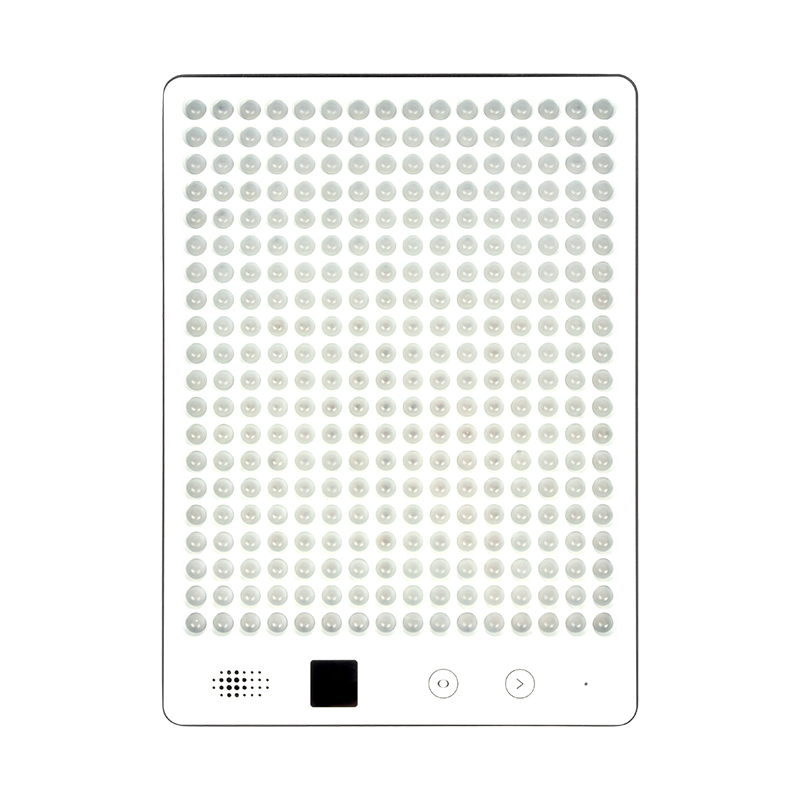
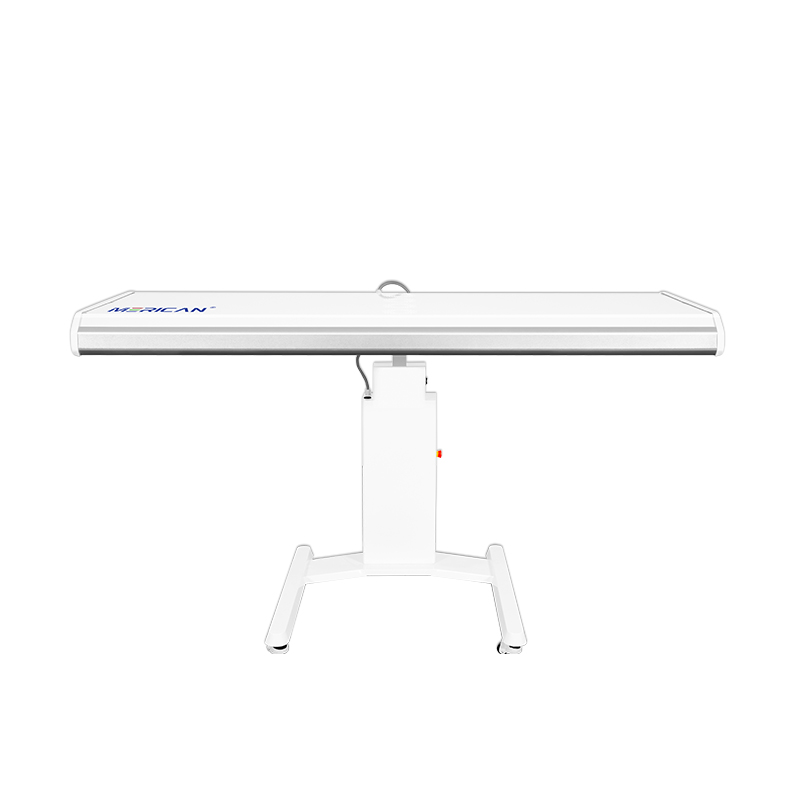
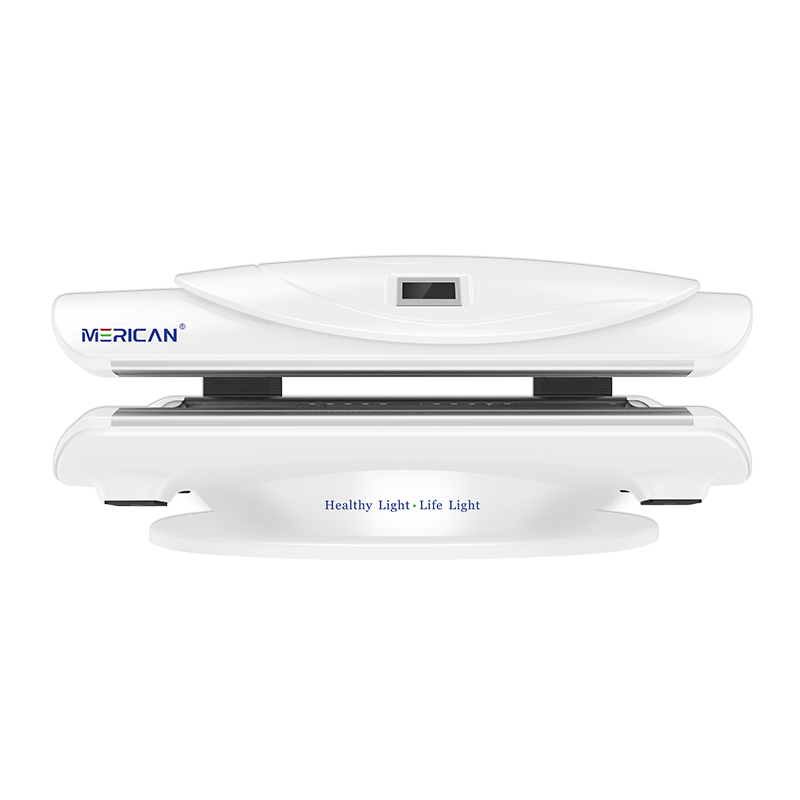
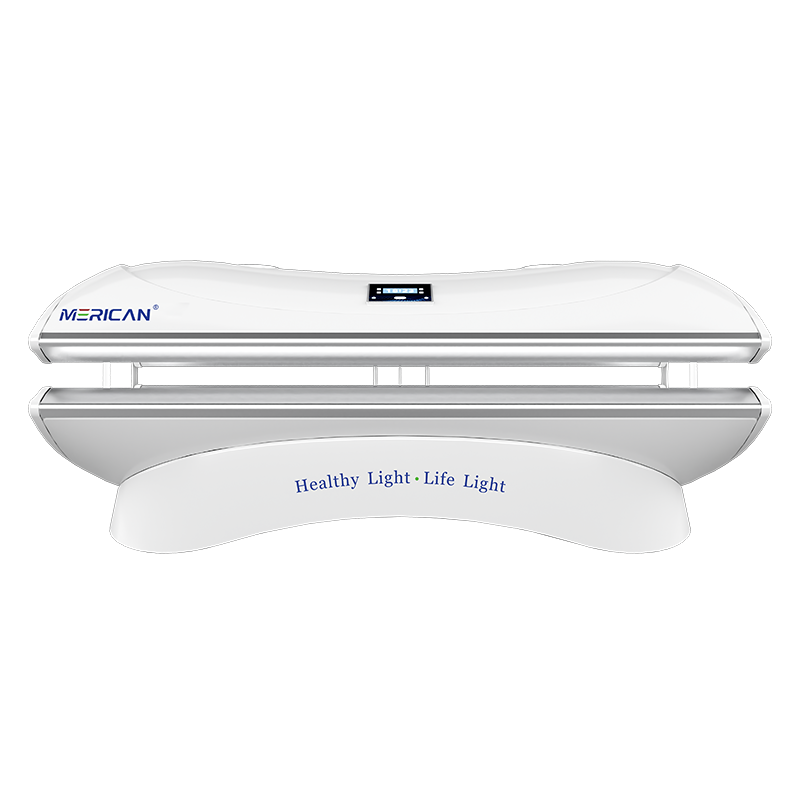
Na te pikinga o te rongonui o te rongoa rama whero (RLT) mo te whakahou kiri, mamae mamae, me te oranga, ka miharo etahi kaingākau DIY: Ka taea e au te hanga i taku ake papa whakamaarama rama whero ki te kainga? Ko te whakautu poto: āe, ka taea, engari ka tae mai me nga wero nui me nga raru. Ka tirotirohia e tenei aratohu nga mea e uru ana ki te hanga i tetahi papa whakamaarama rama whero DIY, a mehemea he tino utu.
1. Te Maramatanga ki nga Tikanga Whakaora Maama Whero
Ma te whakamahi i nga roangaru motuhake o te whero (te tikanga 630–660nm) me te tata-infrared (te tikanga 810–850nm) marama ki te whakaongaonga i te mahi pūtau. Ko enei roangaru me tuku ki te taumata hiko tika (raratanga) kia whai hua me te haumaru.
Ko te roopu rama whero angitu me tutuki nga whakaritenga hangarau e toru:
Te awhe roangaru tika
Putanga mana rawaka
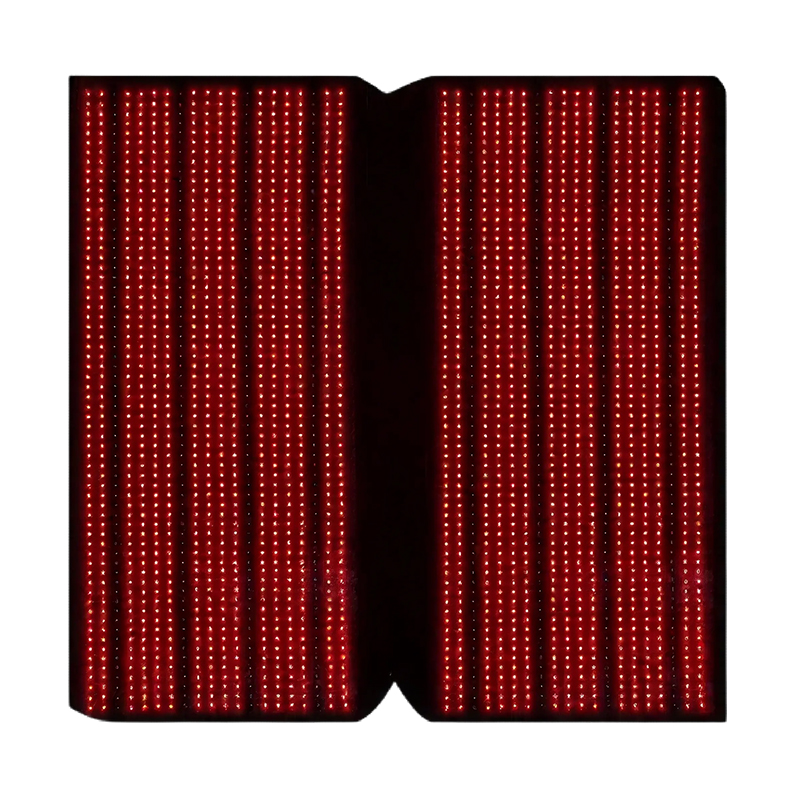
Ko te kapi marama rite tonu
2. He aha e hiahia ana koe ki te hanga i tetahi
Mena kei te hiahia koe ki te hangarau, koinei te mea e hiahia ana koe:
Nga Waahanga Taketake:
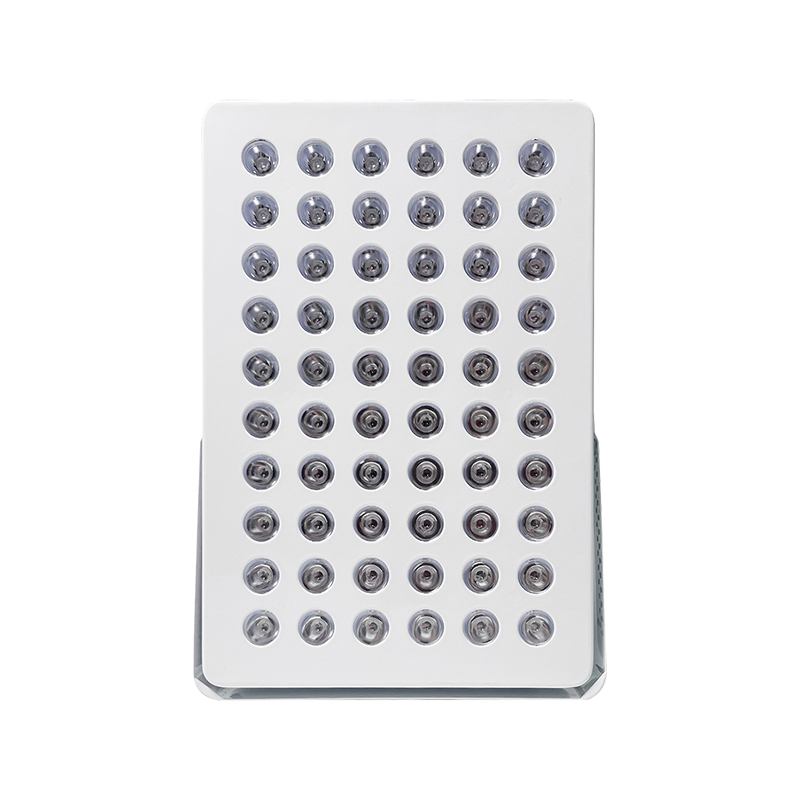
Nga LED whero me te tata-infrared (me nga roangaru whakamana)
Aratakina arahina / supply mana
Pūnaha whakamatao (pā, totohu wera ranei)
Paewhiri konumohe anga ranei
Ko te uhi whakamarumaru, te diffuser ranei
Waea waea, taputapu whakapiri, me nga taputapu haumaru
Nga Whakaaro Nui:
Te irirangi (kiato mana): Mena he ngoikore rawa te marama, e kore e whai hua. He kaha rawa, a he kino pea.
Te haumaru hiko: Ko te ngoikore o te waea ka arahi ki te wera nui, ki te ahi ranei.
Te tika o te roangaru: He maha nga rama rama kore e rite ki o raatau tohu tohu.
Ara te tohatoha marama: Ko te whakaputanga koretake tera pea ka paheke nga hua maimoatanga.
3. Pai o te Paewhiri DIY
Tiaki utu: He iti ake te utu i te hoko i te roopu arumoni (mena kei a koe nga taputapu).
Hoahoa ritenga: Ka taea e koe te whakatika i te rahi, mana, me nga huinga roangaru ki to hiahia.
Te wheako ako: He kaupapa pai mo nga kaitoi hikohiko.
4. Nga kino me nga morearea
Nga raruraru haumaru: Ko te ngoikore o te waea, te whakamatao ranei ka nui te wera, te whara ranei.
Te whai huatanga iti: Ko nga panui DIY ka kore te kaha, te tika ranei o nga taputapu ngaio.
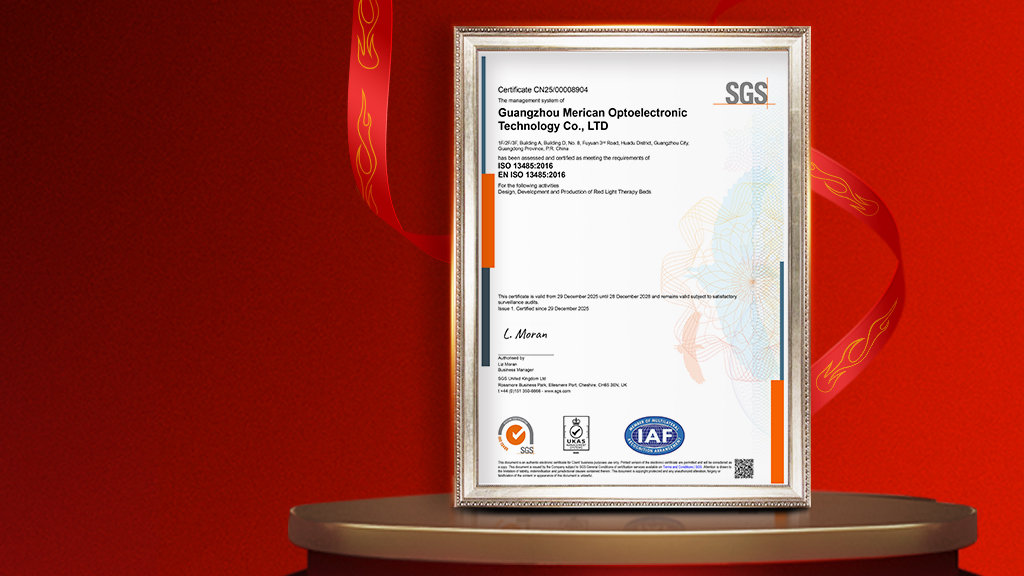
Kaore he whakamana, he tiwhikete ranei: Ka whakamatauhia nga panui hokohoko mo te haumaru me te mahi.
Ka pau te wa: Ko te hoahoa me te whakahiato i tetahi panui he wa me te matauranga hangarau.
5. Is It Worth It?
If you’re experienced with electronics and enjoy DIY projects, building your own red light therapy panel can be a fun and educational challenge. Heoi ano, for most users—especially those who want reliable, haumaru, and effective therapy—the best choice is still a high-quality commercial panel.
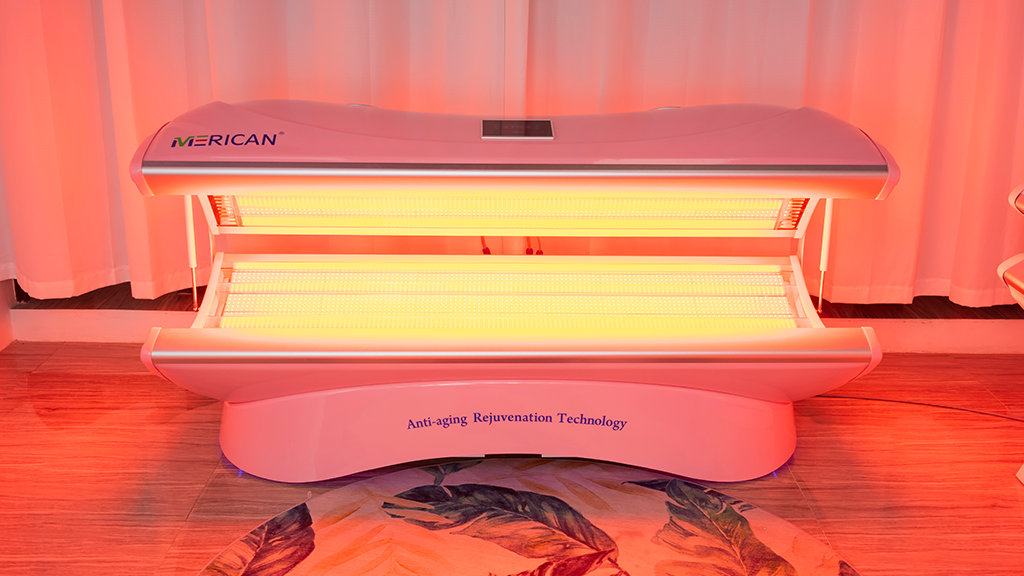
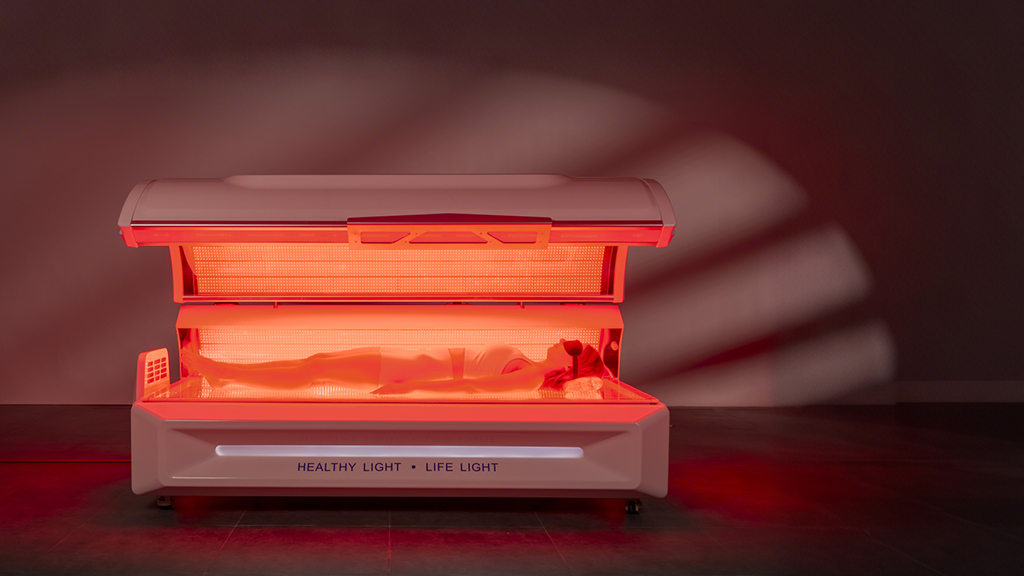
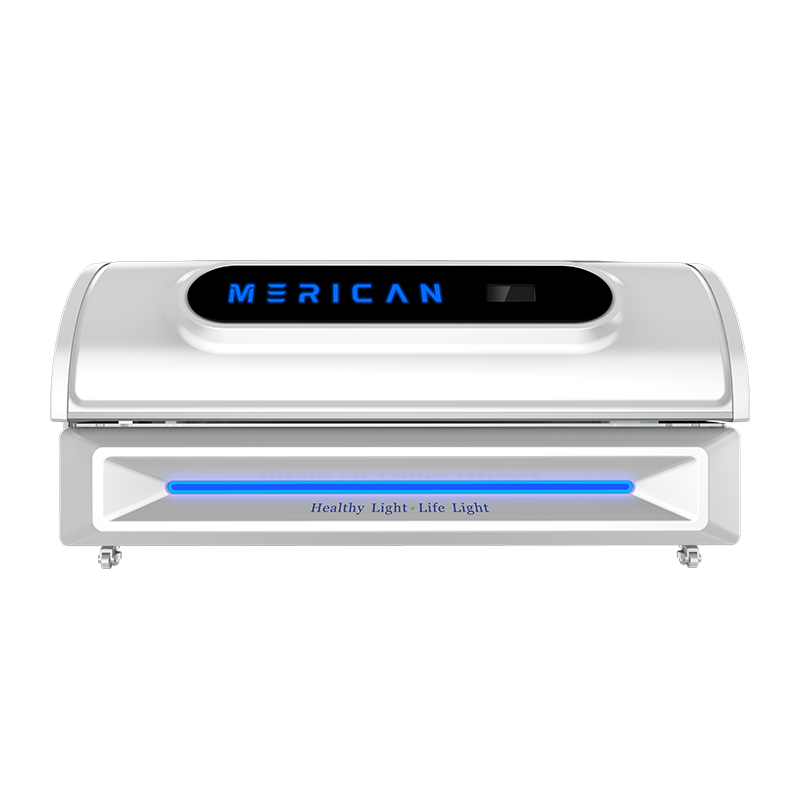
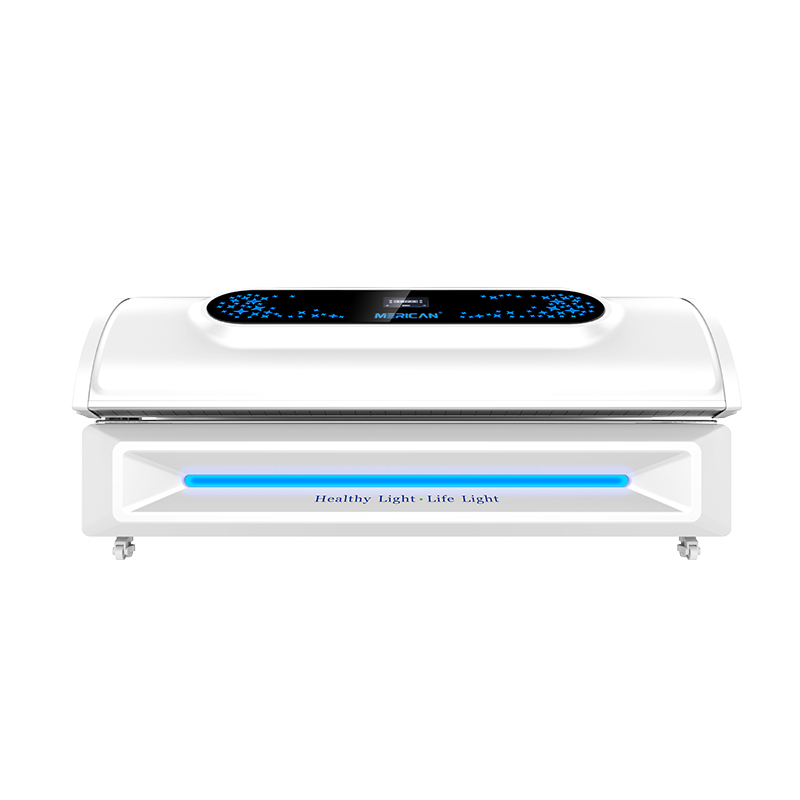
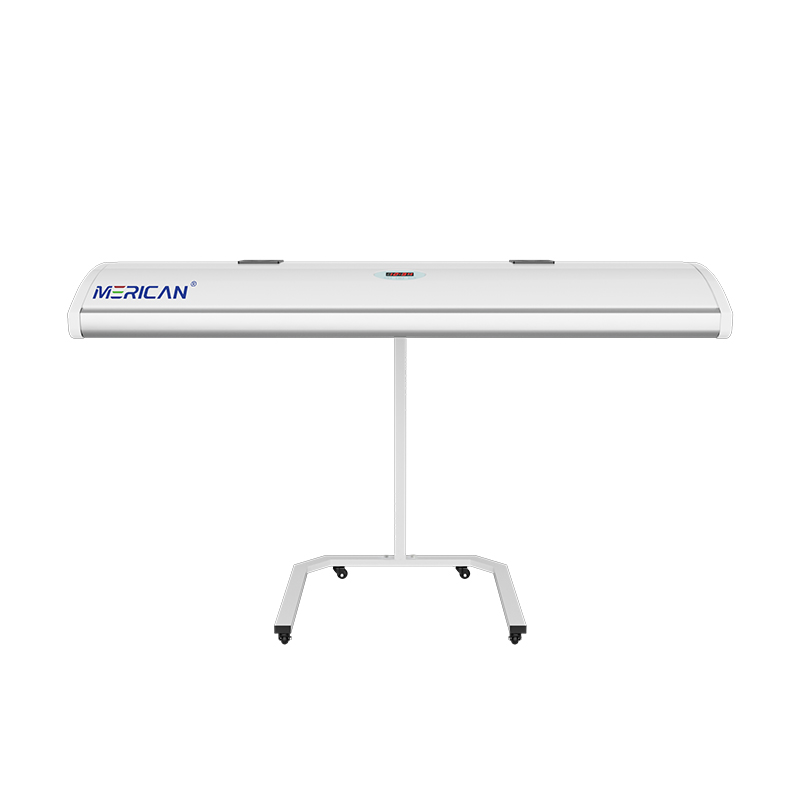
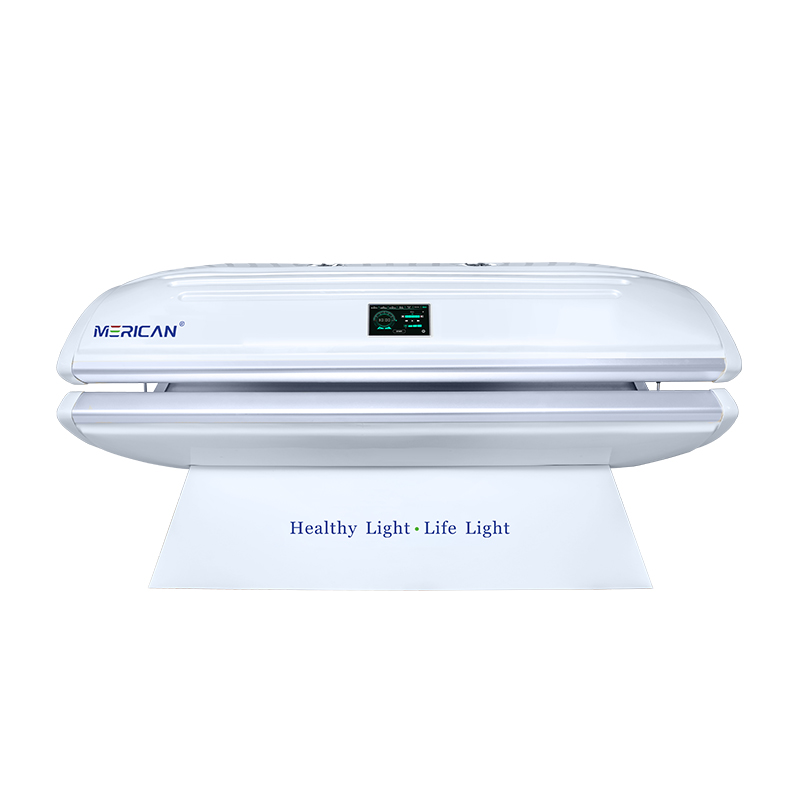
Brands like MERICAN, Whatunga pakiwaitara, and PlatinumLED offer clinical-grade devices that are tested for performance, haumaru, and long-term durability.
Whakamutunga
Ae, it’s possible to build your own red light therapy panel—but it requires a solid understanding of electronics, light physics, me te haumaru. If you’re simply looking for a reliable therapy tool with proven results, purchasing a certified panel from a trusted brand is likely a better and safer investment.