He pai te Maama Whero mo te Osteoporosis?
Kupu Whakataki
Osteoporosis is a common condition that weakens bones, ka pakarukaru, ka kaha ake ki te pakaru. He maha nga wa ka pa ki nga pakeke pakeke, ina koa nga wahine i muri i te menopause. Ko nga maimoatanga tawhito ko te rongoa, korikori tinana, me nga taapiri konupūmā, huaora D ranei. Engari i nga tau tata nei, maimoatanga rama whero (RLT) — also known as rongoā photobiomodulation (PBM) — has gained attention as a non-invasive way to support bone health and help prevent bone loss.
He pehea te mahi a te Maama Whero
Ka whakamahia te whakamaarama rama whero roangaru motuhake o te rama whero me te tata-infrared rama (te tikanga 630–850 nm) ki te kuhu hohonu ki roto i nga kopa. These wavelengths are absorbed by mitochondria — the “powerhouses” of your cells — and trigger biological processes that can stimulate repair, whakaiti i te mumura, and enhance cell metabolism.
For bone health, this means red light may help:
- Boost osteoblast activity, the cells responsible for building new bone tissue.
- Reduce osteoclast activity, the cells that break down bone.
- Improve blood flow to bone tissue, enhancing nutrient and oxygen delivery.
- Reduce inflammation and oxidative stress, both of which contribute to bone degeneration.
Nga Whakaaturanga Putaiao
Although red light therapy cannot “cure” osteoporosis, studies suggest it can support bone regeneration and healing:
- Animal studies have shown that near-infrared light (huri noa 808 nm) taea increase bone density and improve fracture healing in osteoporotic rats.
- In vitro studies (on bone cells) found that red light exposure enhances osteoblast proliferation and collagen production, both critical for bone strength.
- Some early clinical trials report that photobiomodulation may accelerate recovery after fractures or orthopedic surgeries, especially in older adults.
These findings suggest that riterite, controlled use of red light therapy could complement traditional osteoporosis treatments by promoting bone metabolism and healing.
How to Use Red Light Therapy for Bone Support
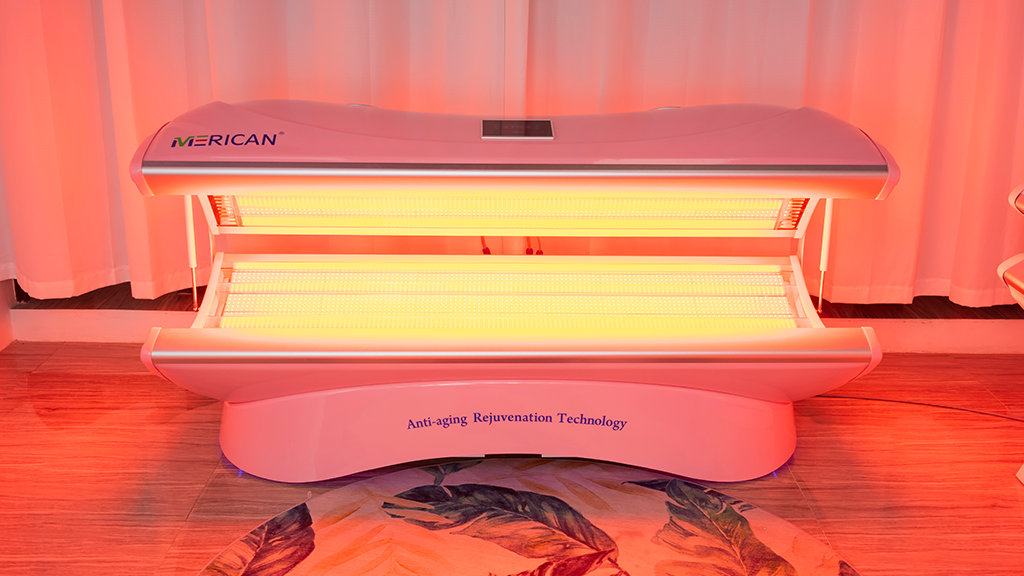
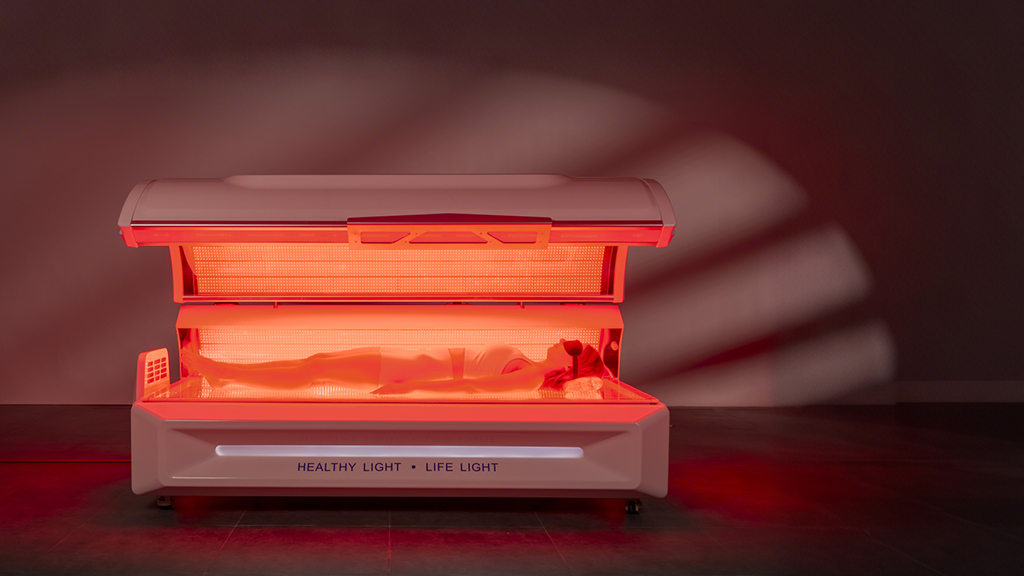
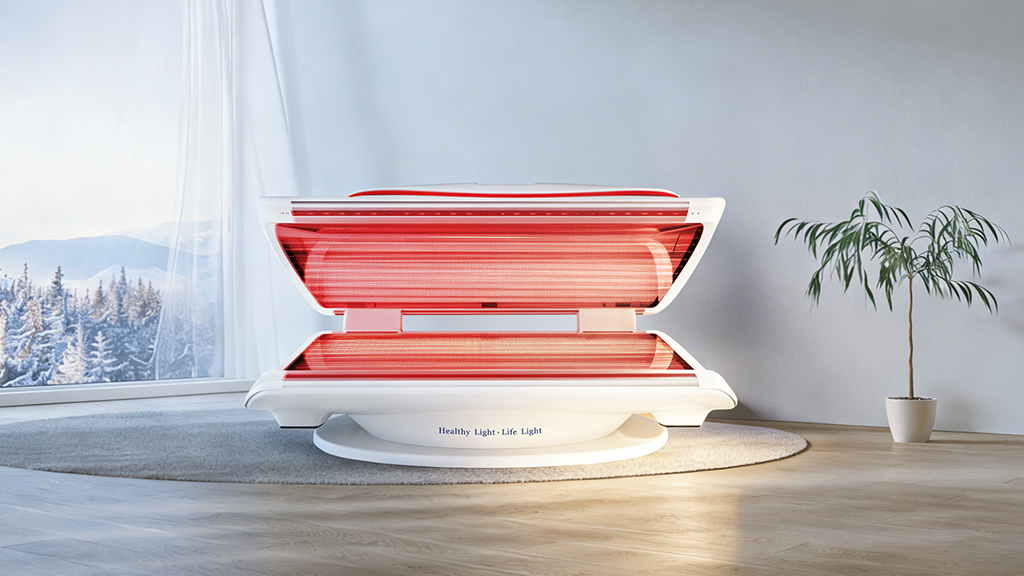
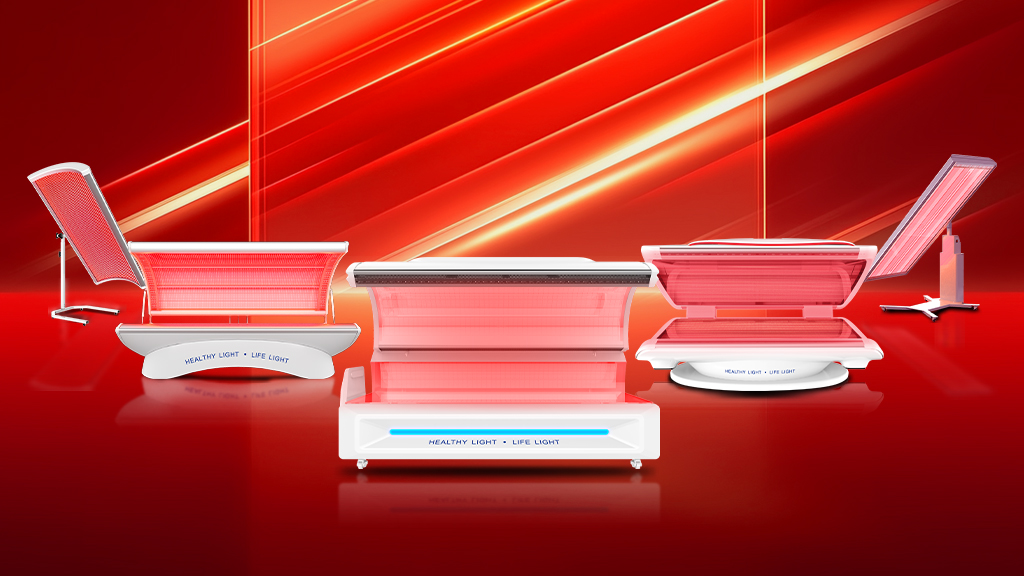
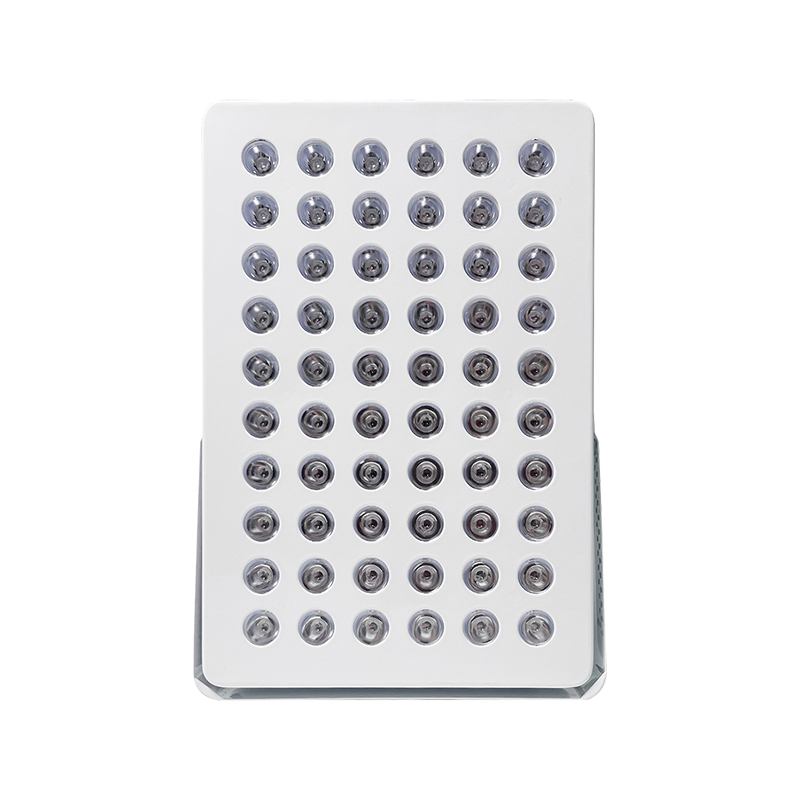
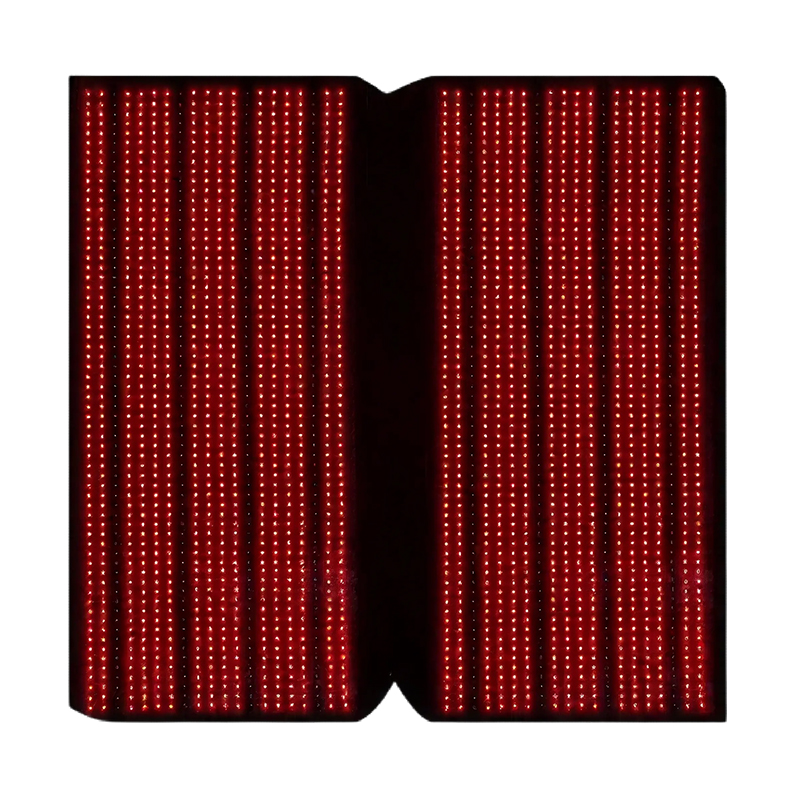
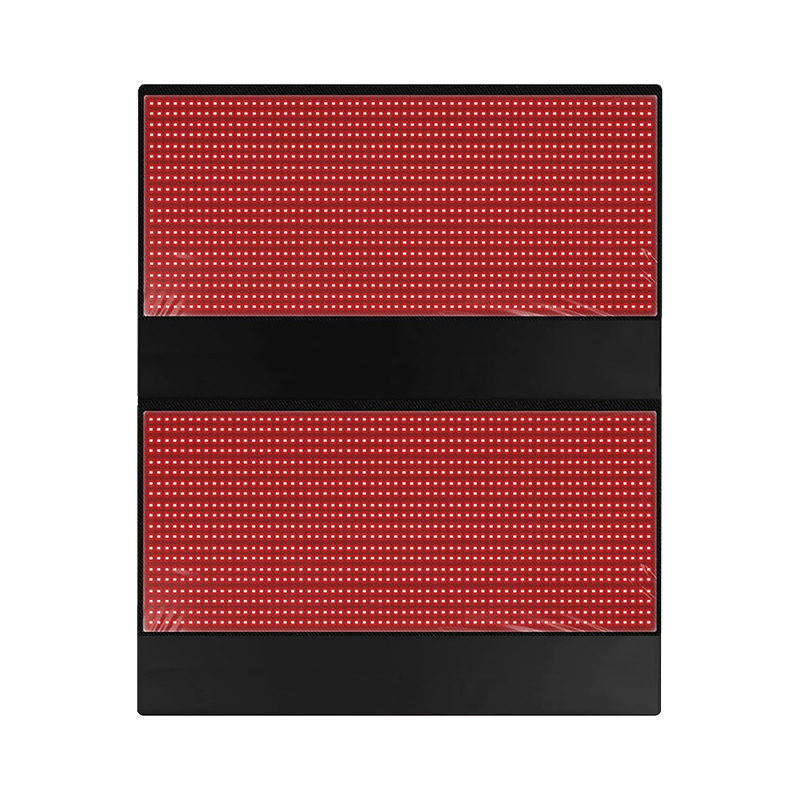
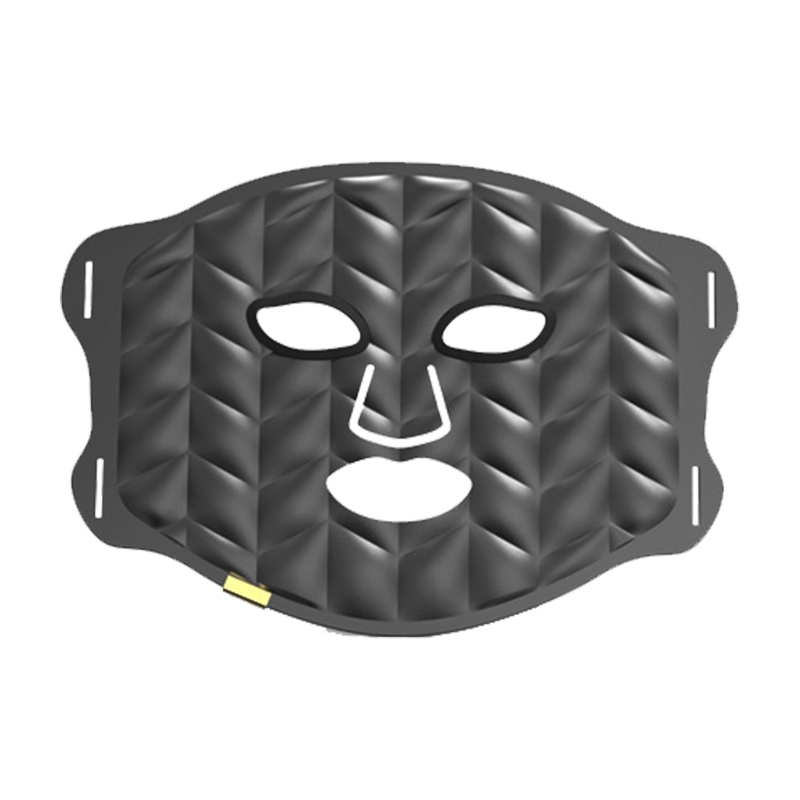
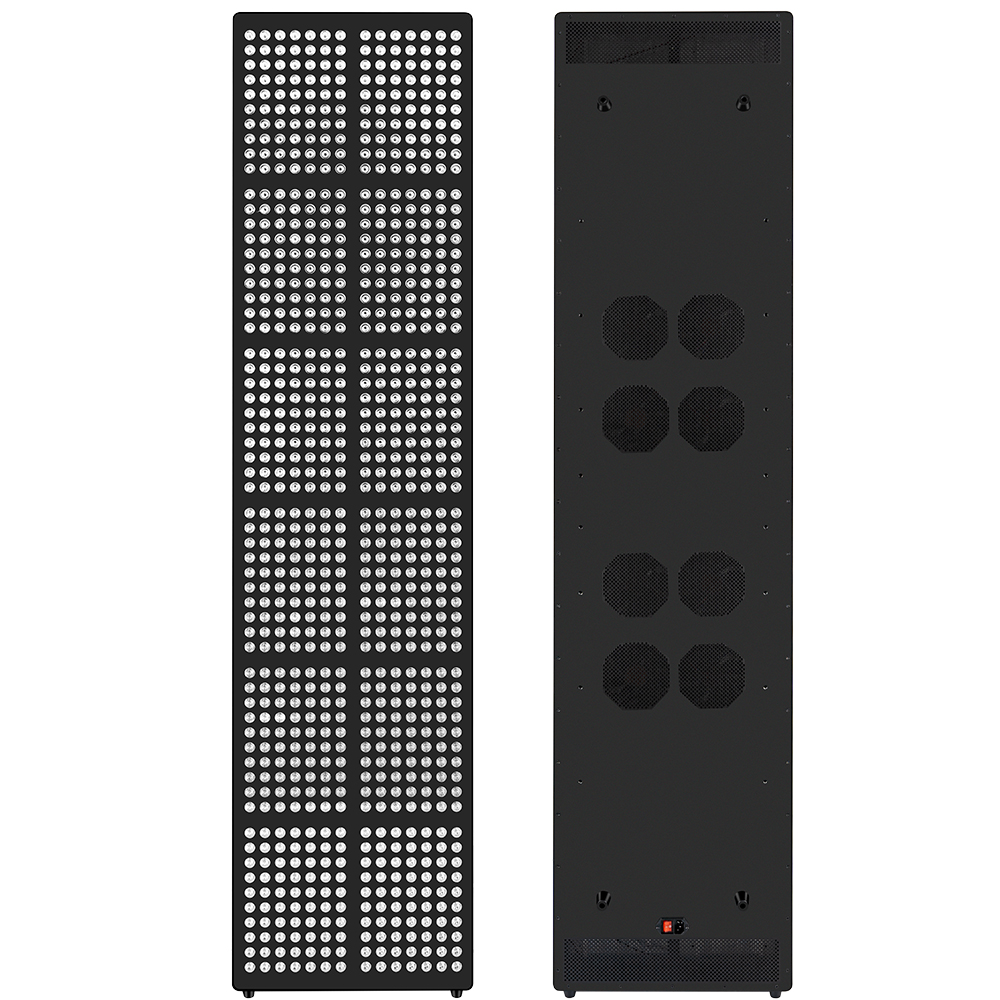
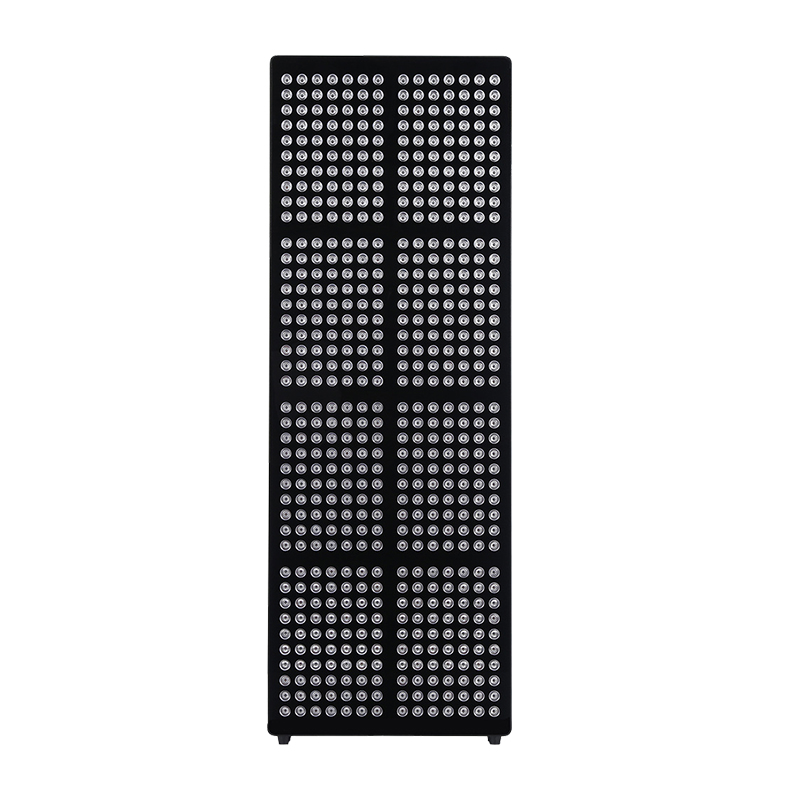
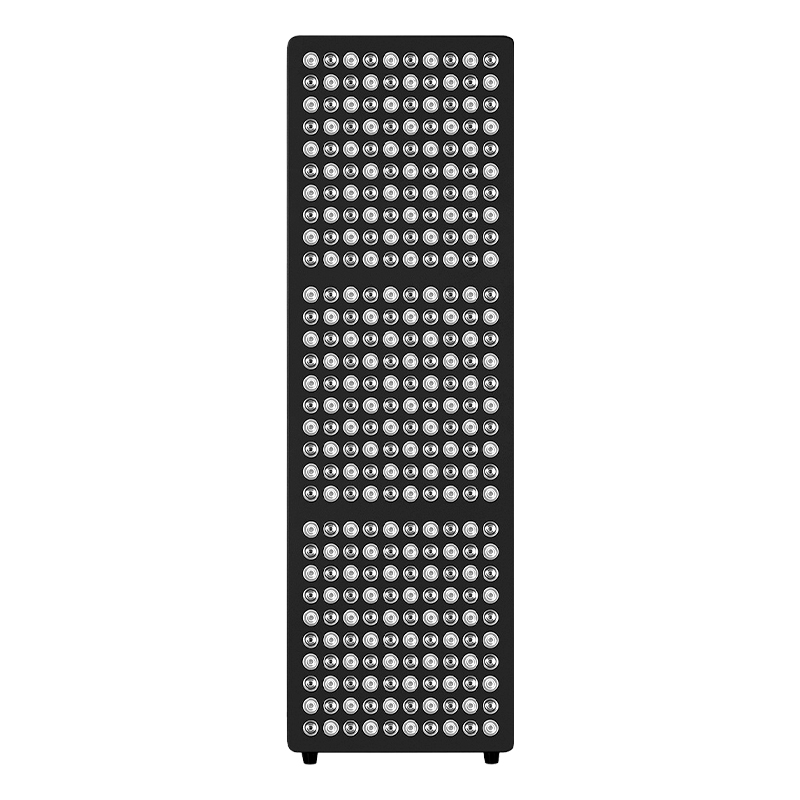
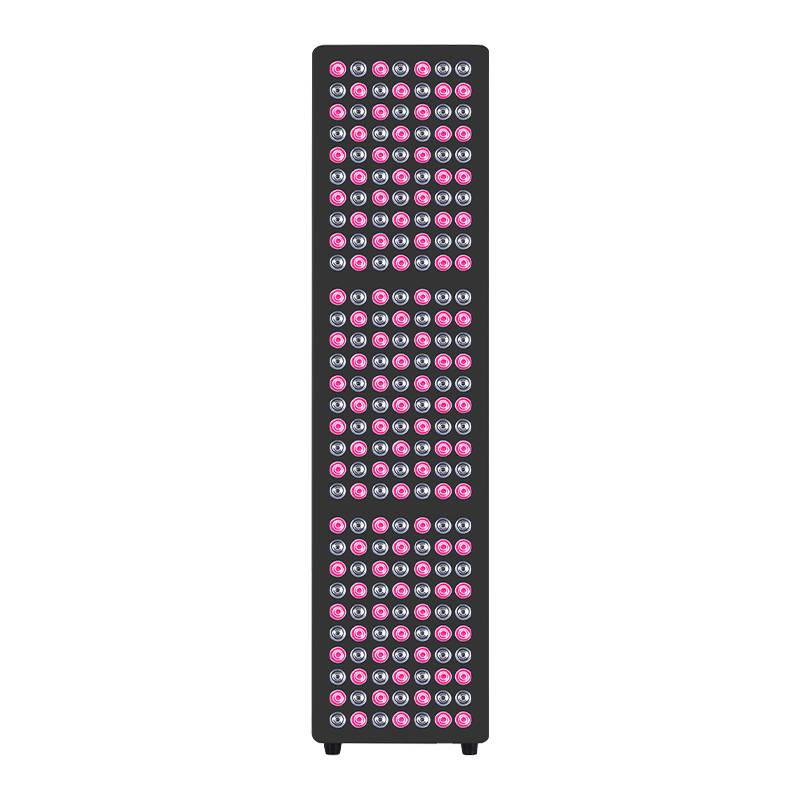
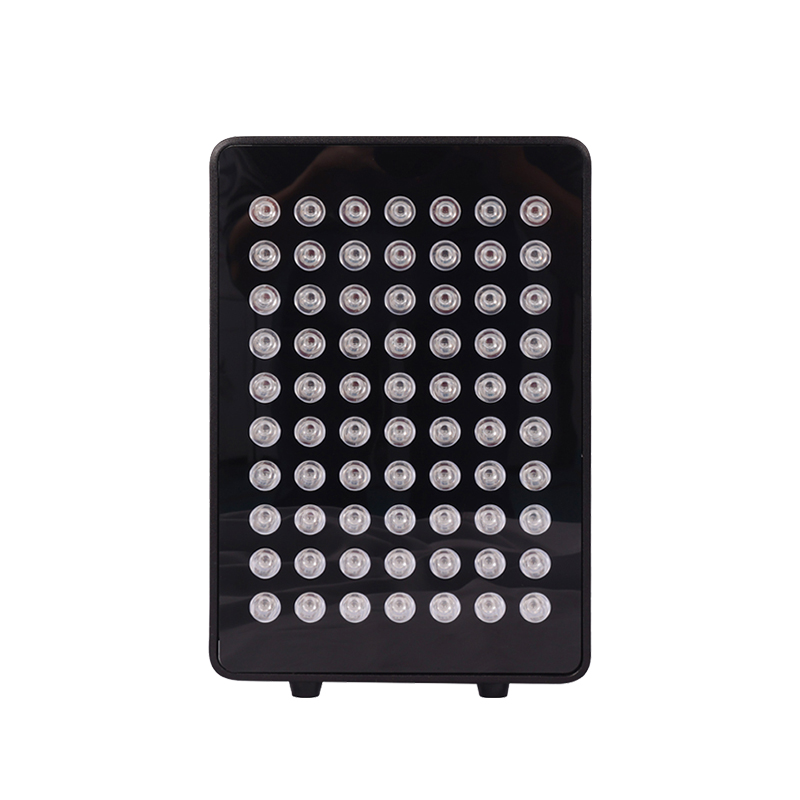
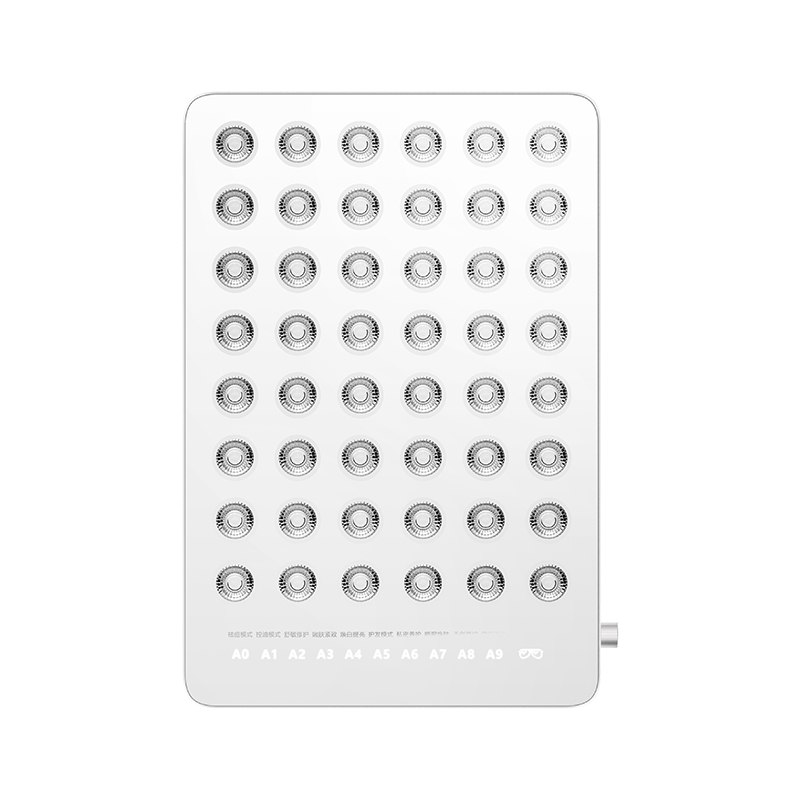
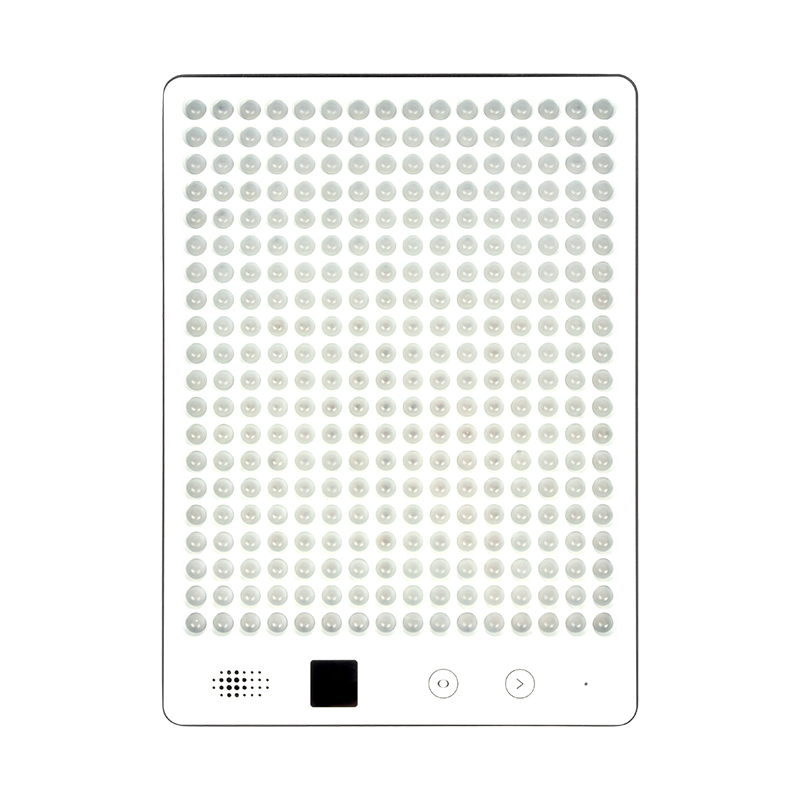
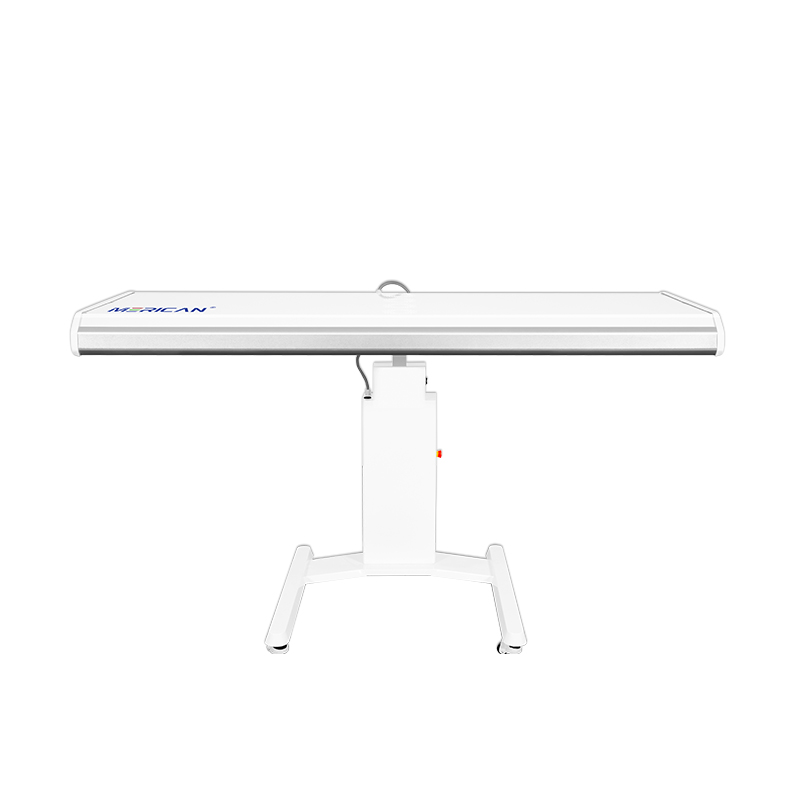
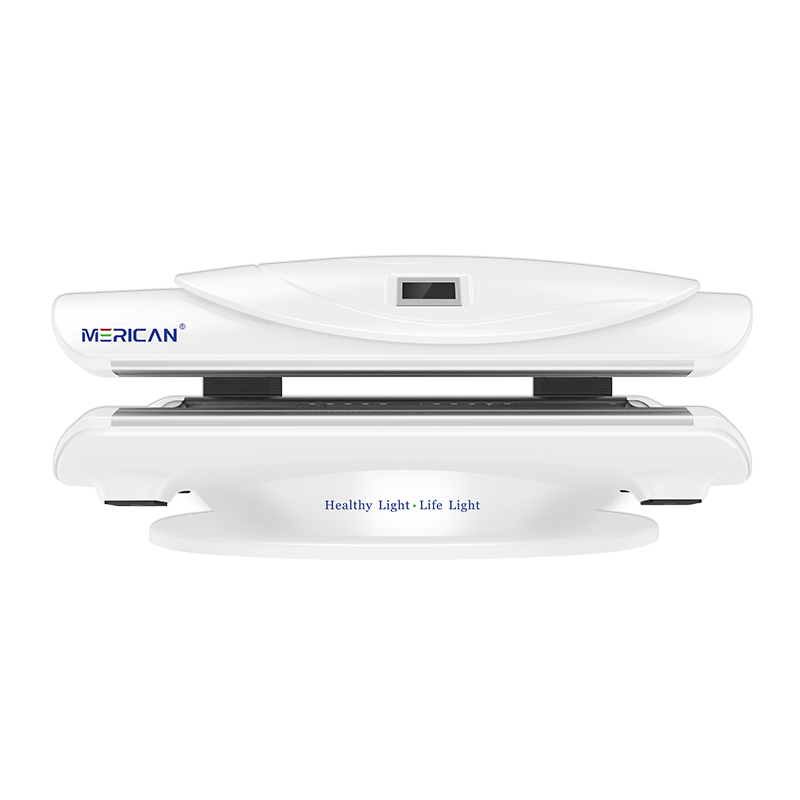
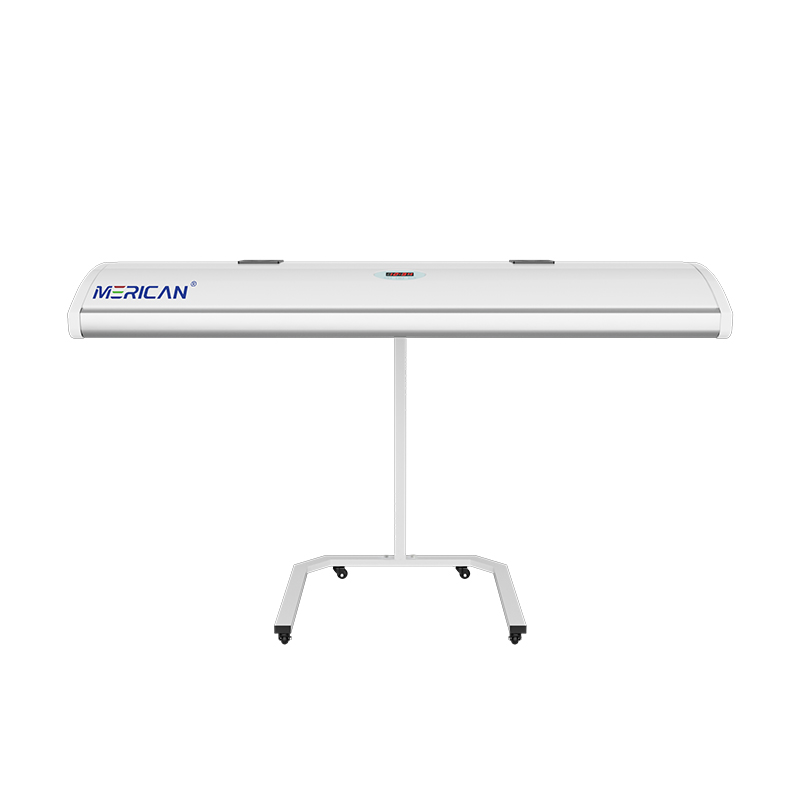
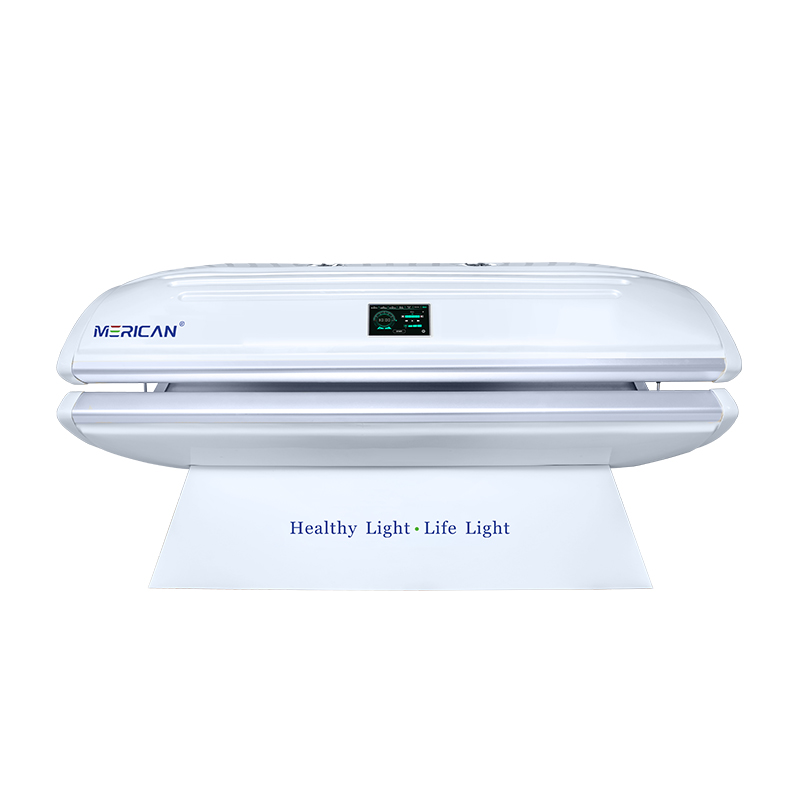
For osteoporosis or general bone health, full-body red light therapy beds or localized panels can be used several times per week. Ko te nuinga o nga wa ka roa nga huihuinga 10–20 meneti, with light intensity and wavelength adjusted based on the device and target area.
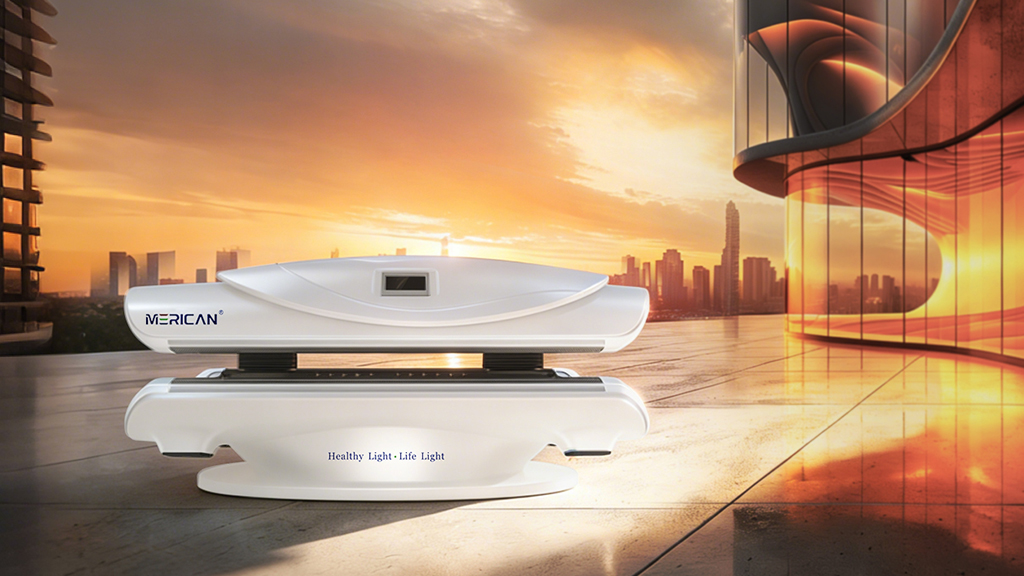
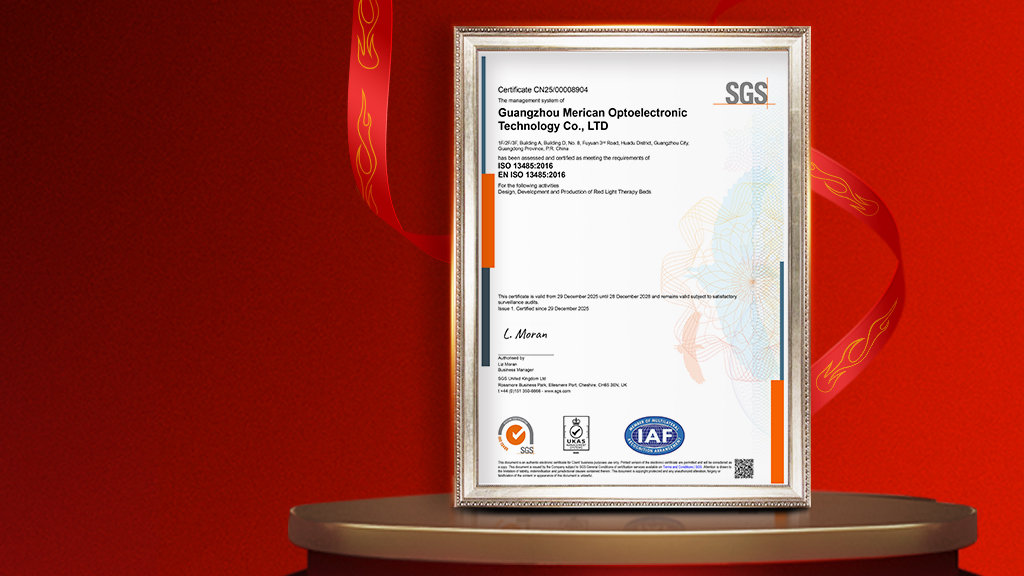
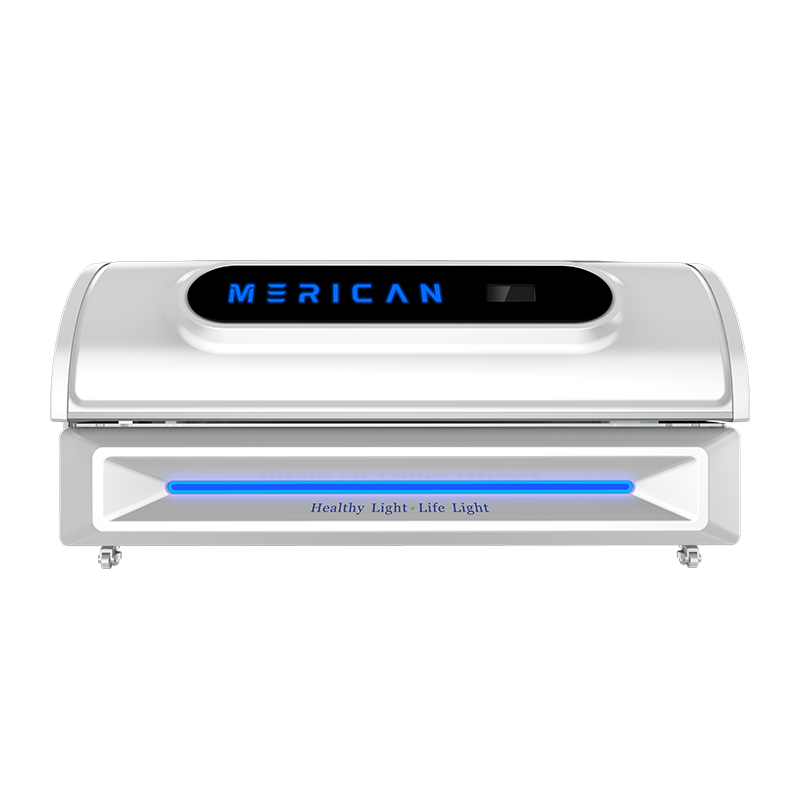
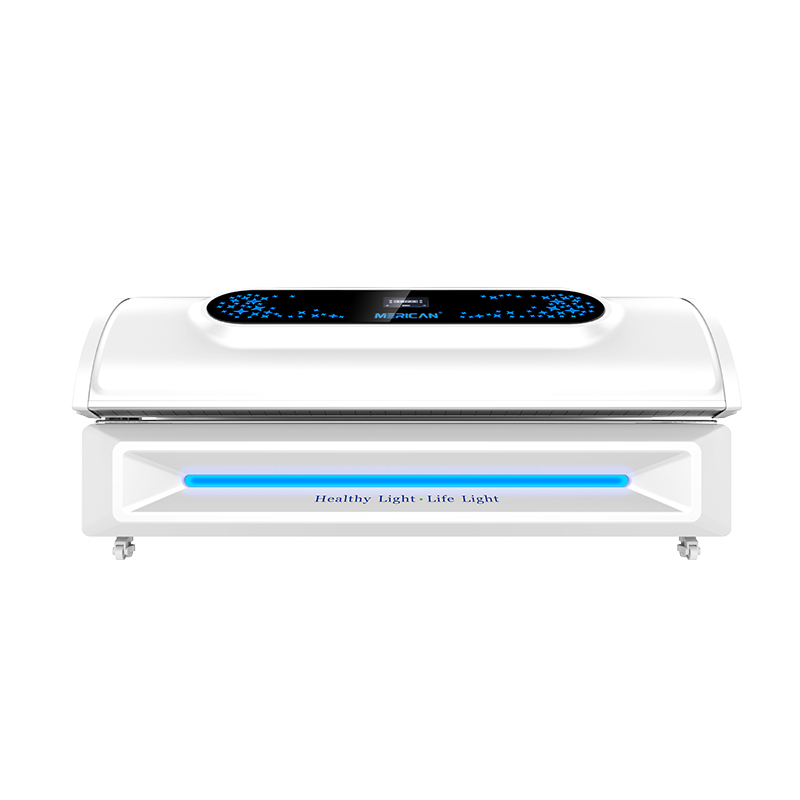
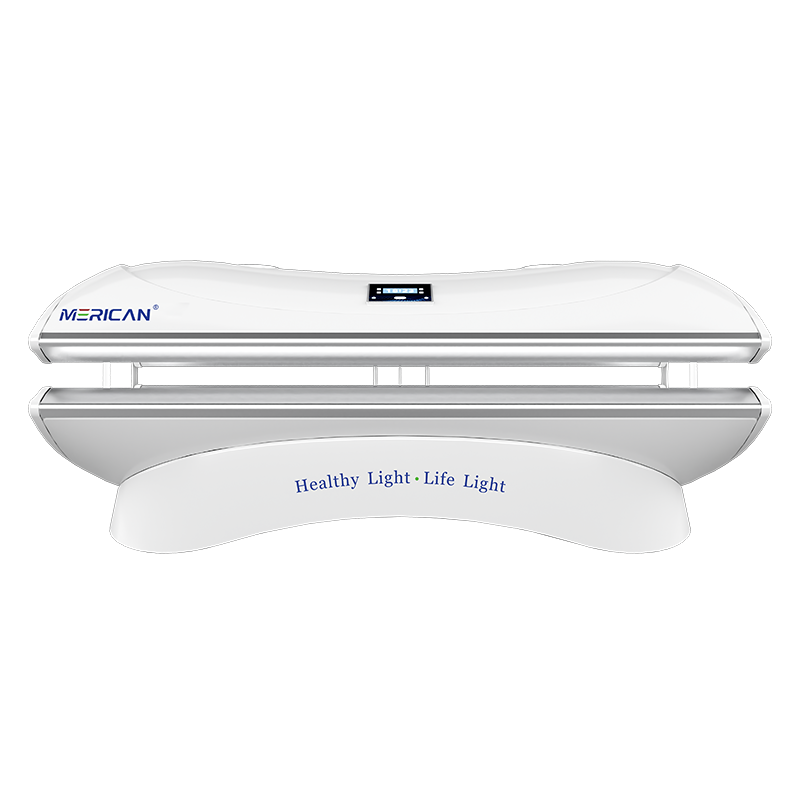
MERICAN’s professional red light therapy systems use medical-grade wavelengths and uniform energy output, ensuring haumaru, deep tissue absorption suitable for wellness and rehabilitation purposes.
Te Haumaru me nga Whakatupato
Ko te rongoa rama whero kore-kino, tarukino-kore, and UV-free, kia haumaru mo te nuinga o nga kaiwhakamahi. Heoi ano:
- It should not replace prescribed osteoporosis medications.
- Nga tangata whai mate pukupuku, haputanga, or light sensitivity disorders should consult a doctor before use.
- Always follow device instructions and recommended exposure times.
Whakamutunga
While red light therapy is not a cure for osteoporosis, growing research shows it can be a powerful supportive tool. By improving circulation, stimulating bone-forming cells, me te whakaiti i te mumura, tera pea ka awhina slow bone loss and enhance recovery from fractures.
For individuals seeking a non-invasive way to complement traditional osteoporosis management, red light therapy offers a safe and science-backed option worth considering.