Kupu Whakataki
Plantar fasciitis is a common foot condition caused by inflammation of the plantar fascia, te kiko matotoru e hono ana i te rekereke ki nga matimati. Ko nga tohu ko heel pain, mārō, me te uaua haere, ina koa i te ata. He maha nga wa ka uru mai nga maimoatanga tawhito stretching exercises, orthotics, rongoā anti-inflammatory, werohanga pūtaiaki ranei.
I nga tau tata nei, maimoatanga rama whero (RLT) kua arohia hei a non-invasive method to reduce pain and promote healing. But is it really effective for plantar fasciitis? Kia tuhura tatou i te pūtaiao.
How Red Light Therapy Works for Plantar Fasciitis
Ka whakamahia te whakamaarama rama whero roangaru motuhake o te whero (630–660 nm) me te rama tata-infrared (810–850 nm) ka kuhu hohonu ki roto i nga kopa. Ka horo enei roangaru e mitochondria, nga "mana" o nga pūtau, which enhances hanga ATP and promotes whakatika pūtau.
For plantar fasciitis, RLT can help by:
- 🌿 Te whakaheke i te mumura in the plantar fascia and surrounding tissues
- 💡 Te whakaora i te mamae by modulating nerve signaling and inflammatory mediators
- 🔋 Stimulating tissue repair to strengthen fascia and connective tissue
- ❤️ Improving blood flow to the heel and arch for faster recovery
Nga Whakaaturanga Putaiao
Research supports the potential benefits of red light therapy for plantar fasciitis:
- 📚 He ako i roto Taiaho i roto i te Pūtaiao Hauora showed that te maimoatanga laser taumata iti (LLLT) tino heke heel pain and inflammation in plantar fasciitis patients after several weeks.
- 💡 Clinical observations indicate that RLT can accelerate healing of micro-tears in the fascia and reduce post-exercise soreness.
- 🔬 Red light therapy is increasingly used in sports medicine and physical therapy to support soft tissue recovery and manage chronic foot pain.
While RLT may not replace orthotics or stretching exercises, ka taea enhance recovery and reduce reliance on pain medication.
How to Use Red Light Therapy for Plantar Fasciitis
- Te roanga o te huihuinga: 10–20 minutes per affected foot
- Auautanga: 3–5 times per week until pain relief is noticeable
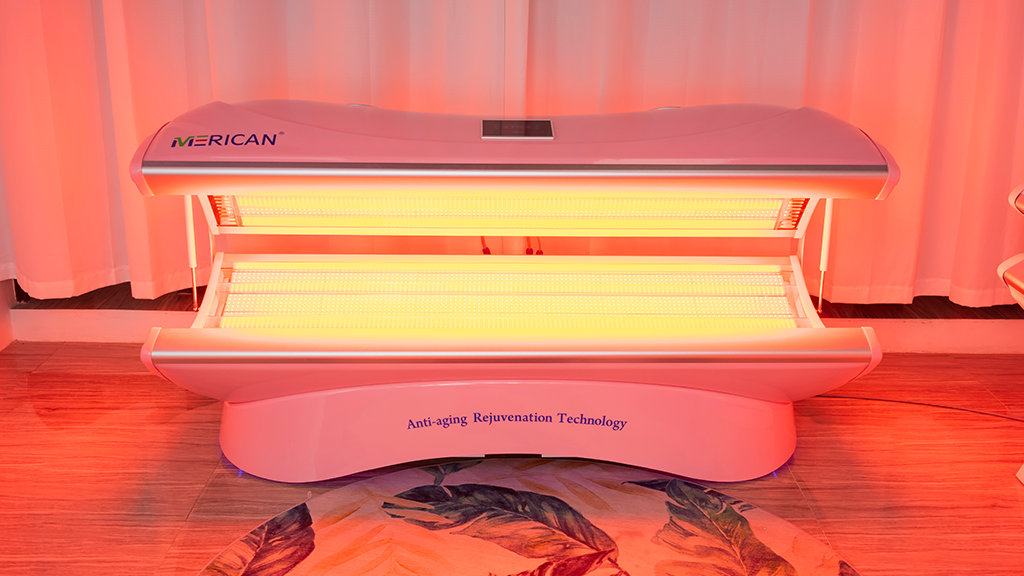
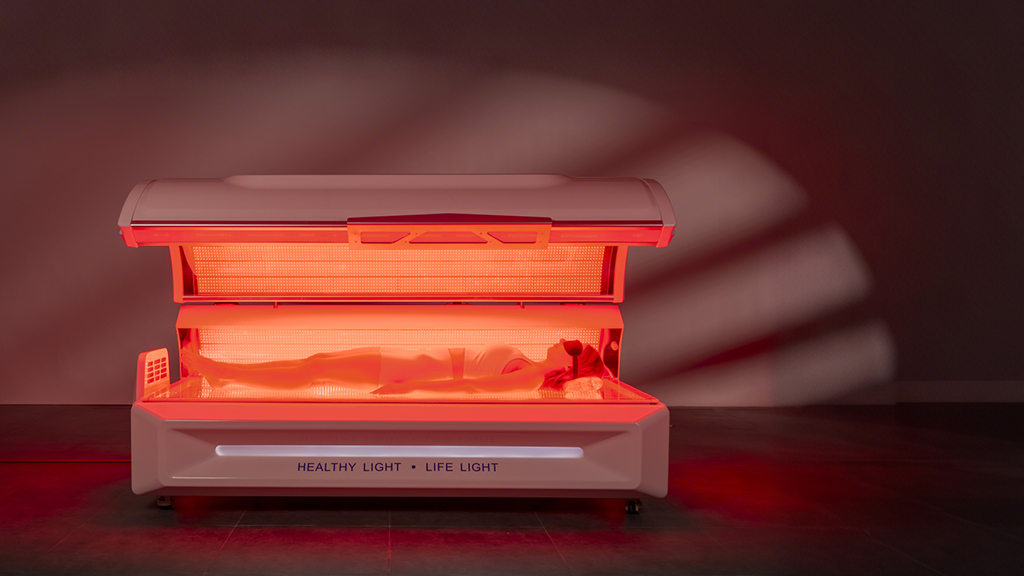
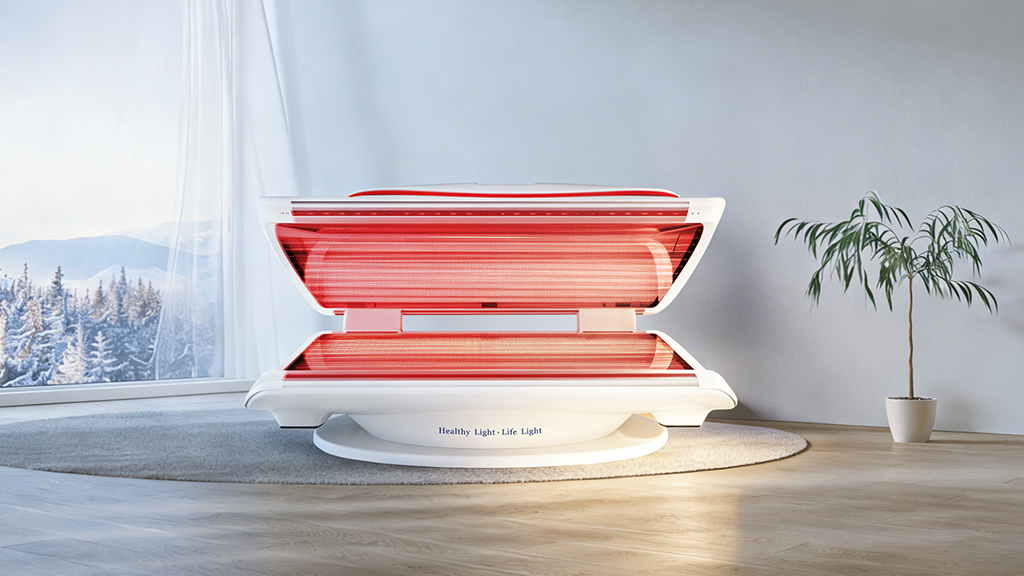
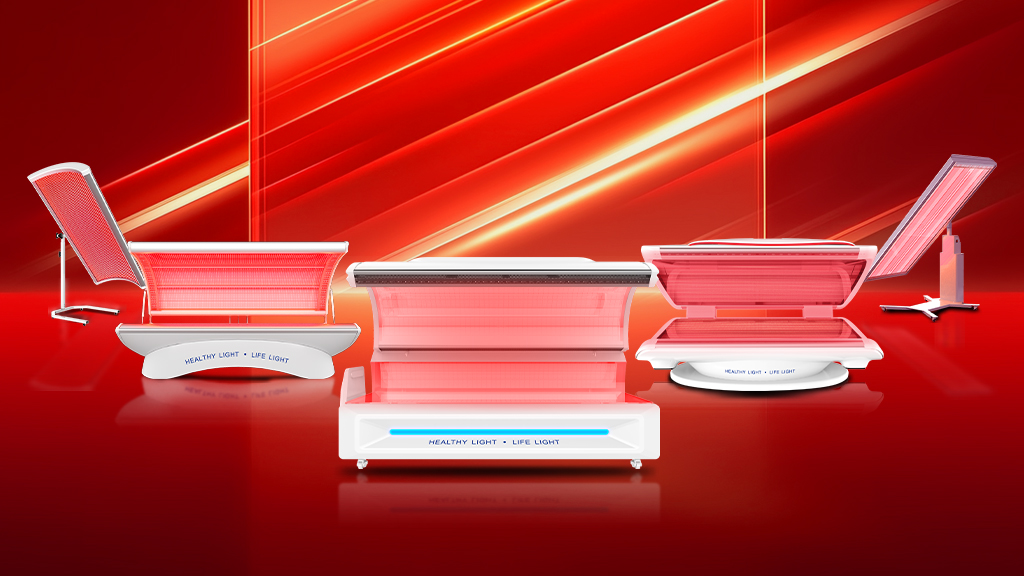
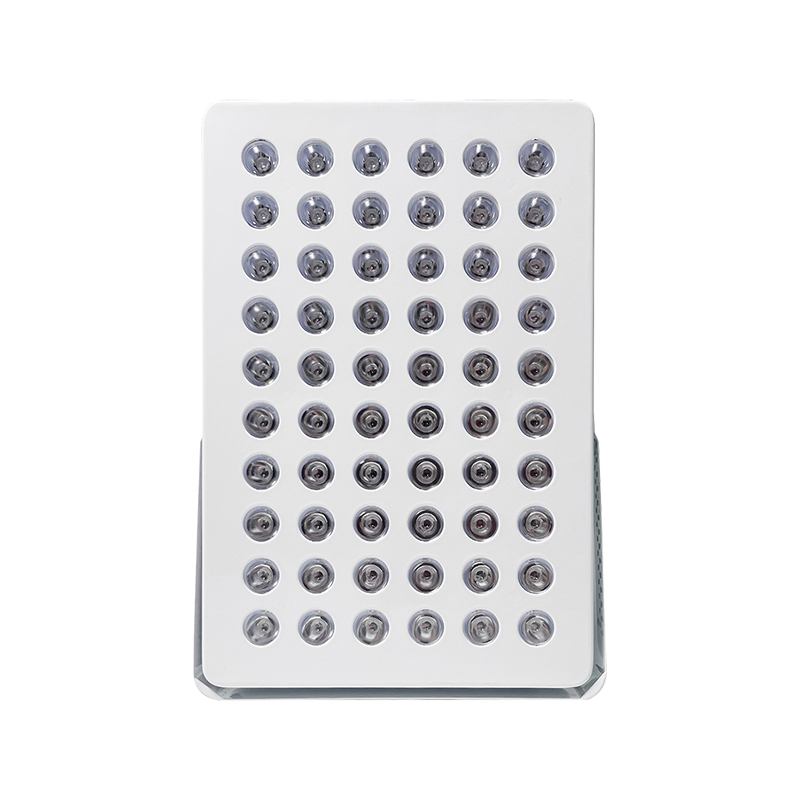
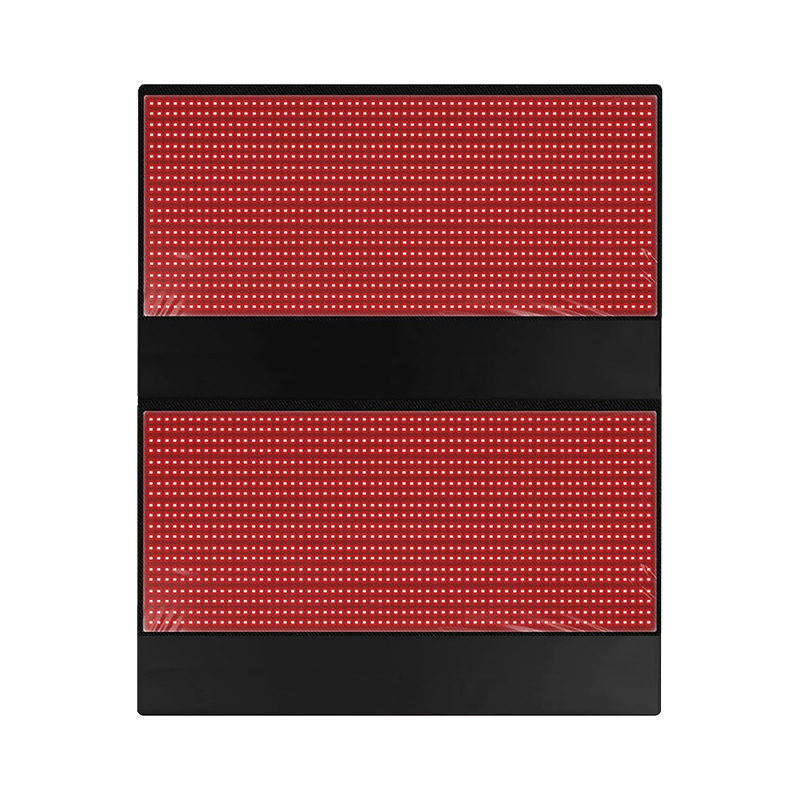
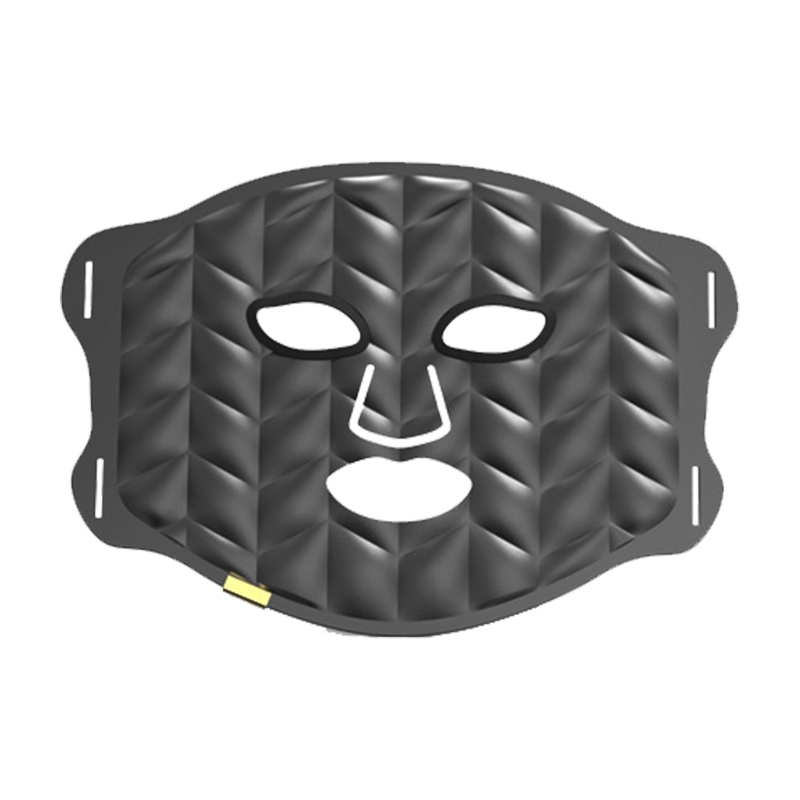
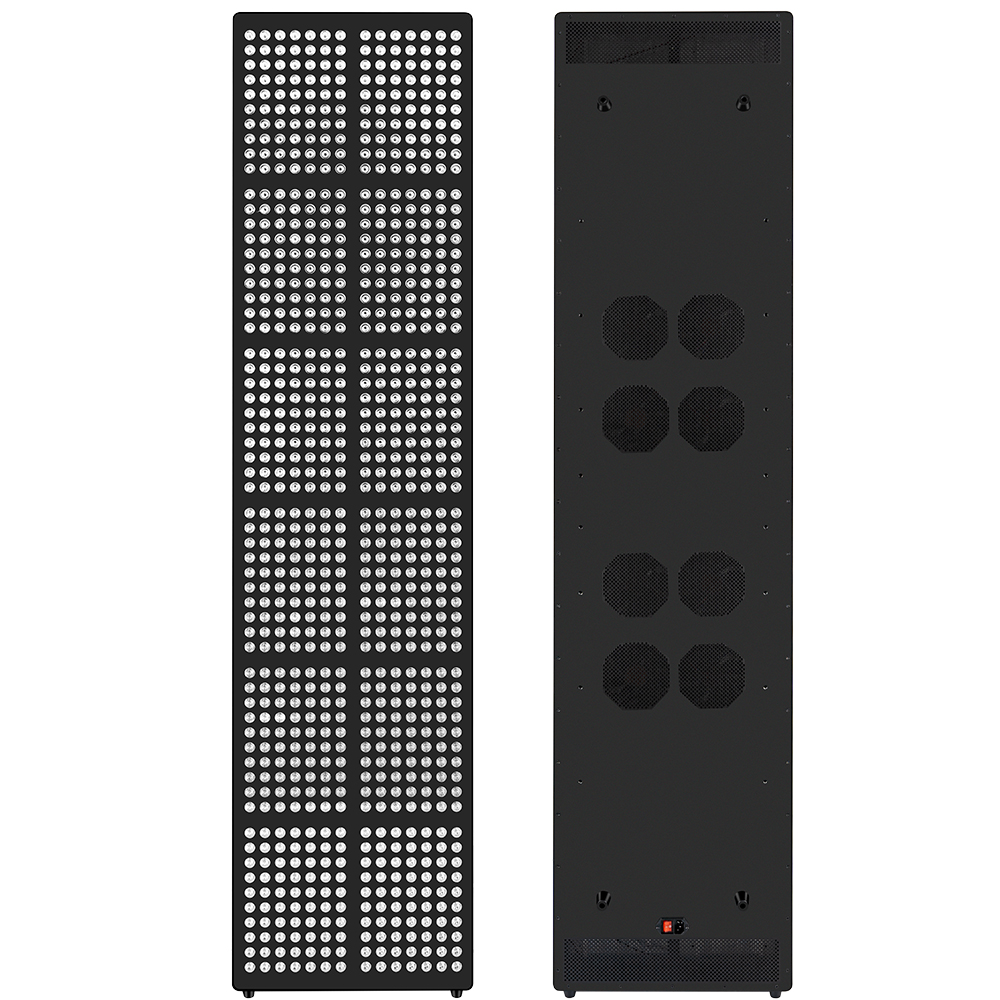
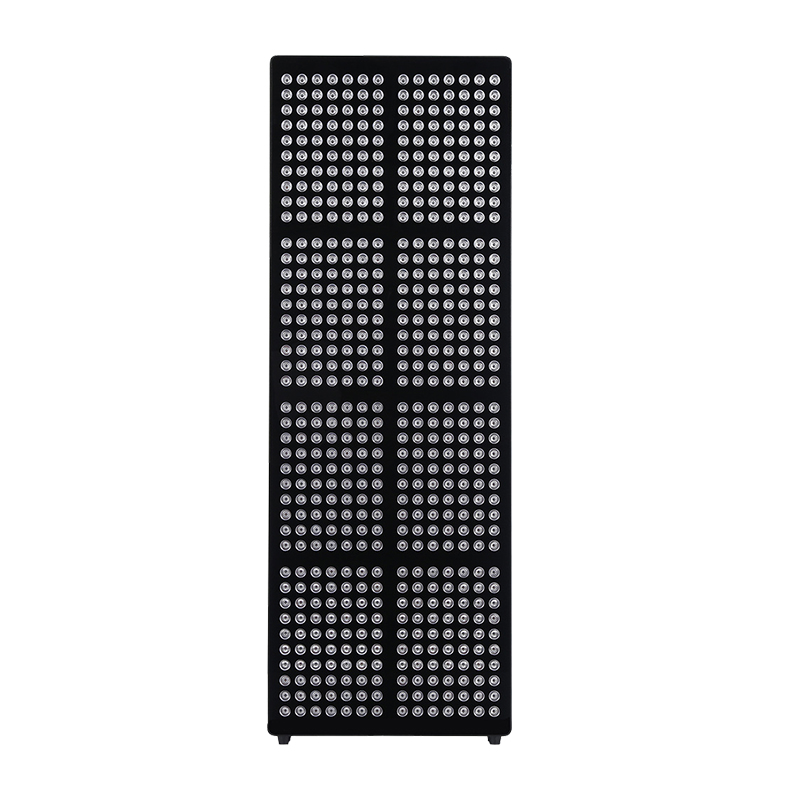
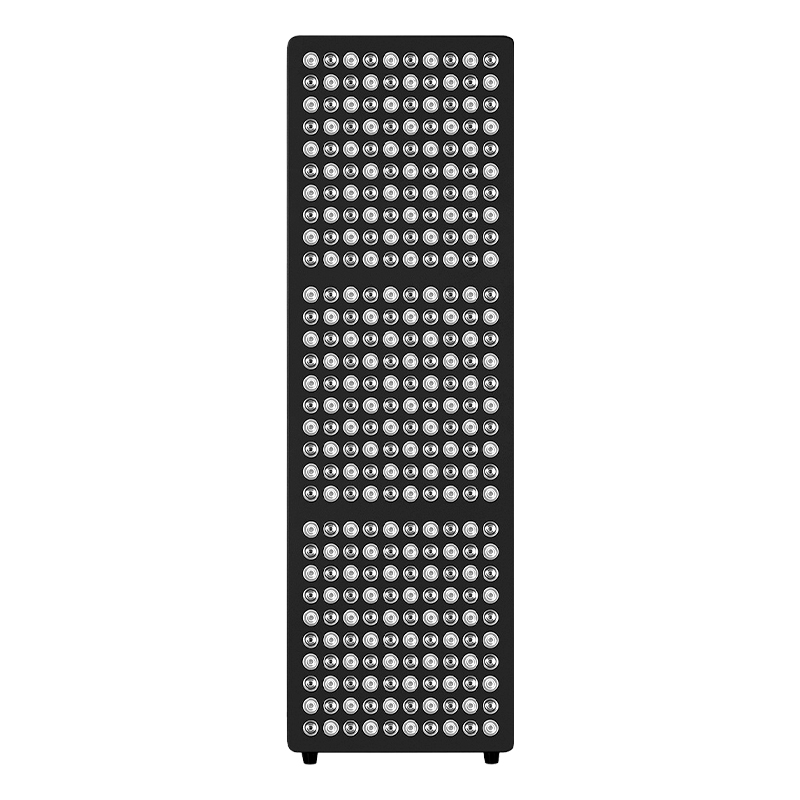
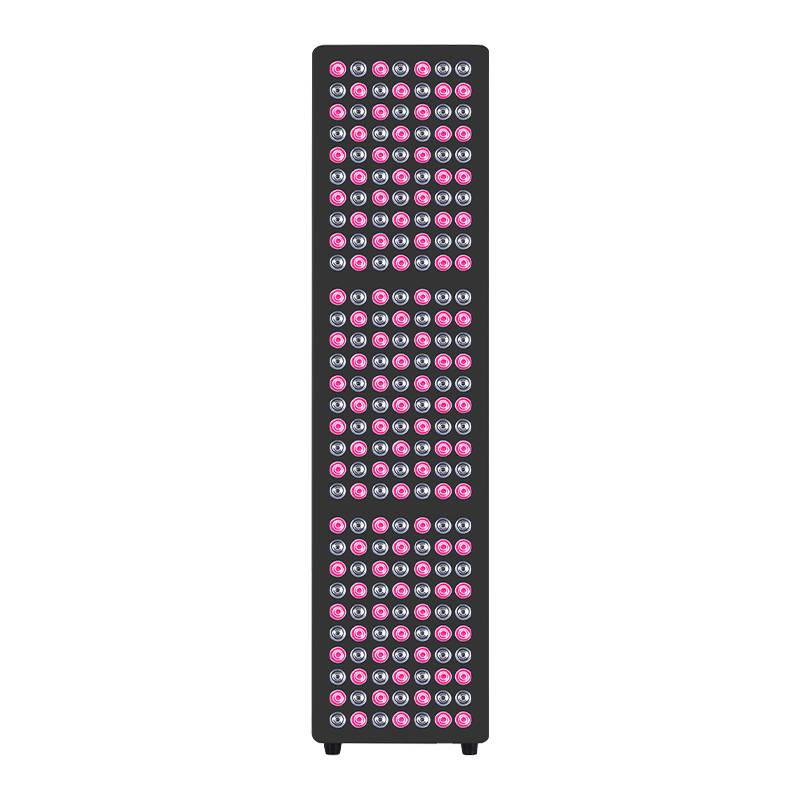
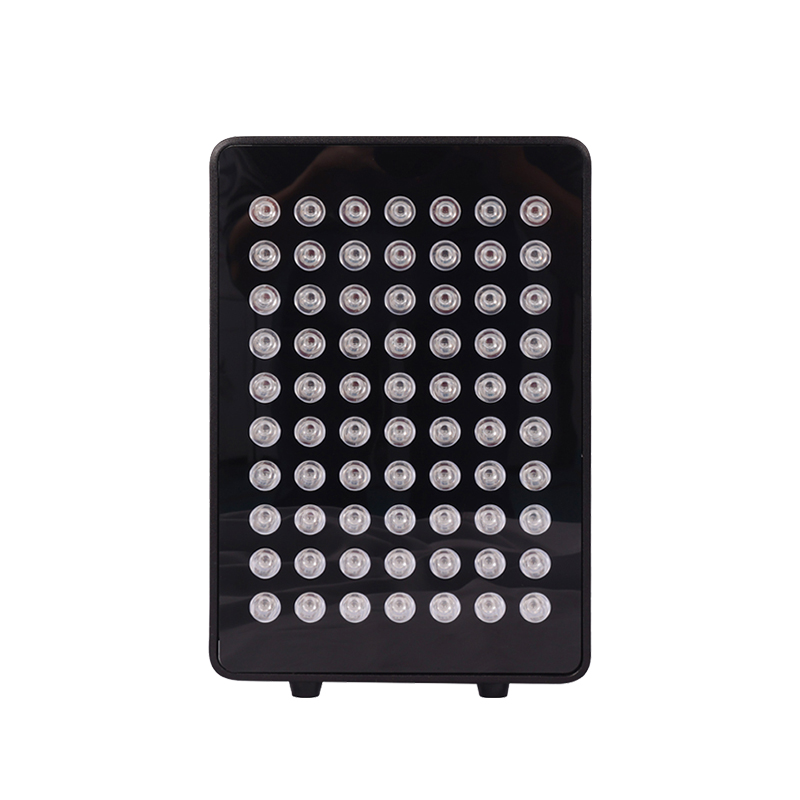
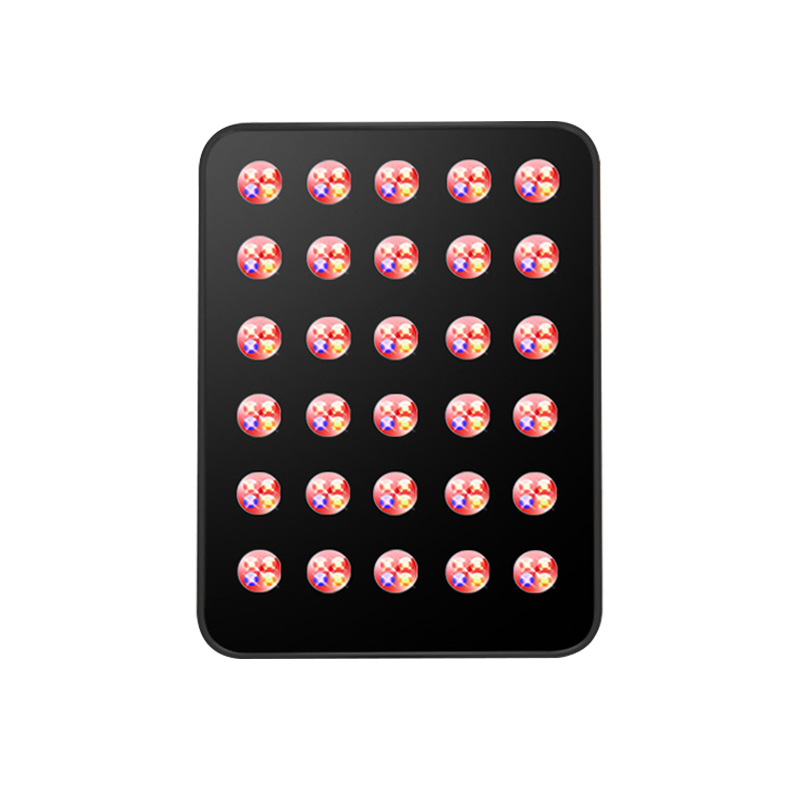
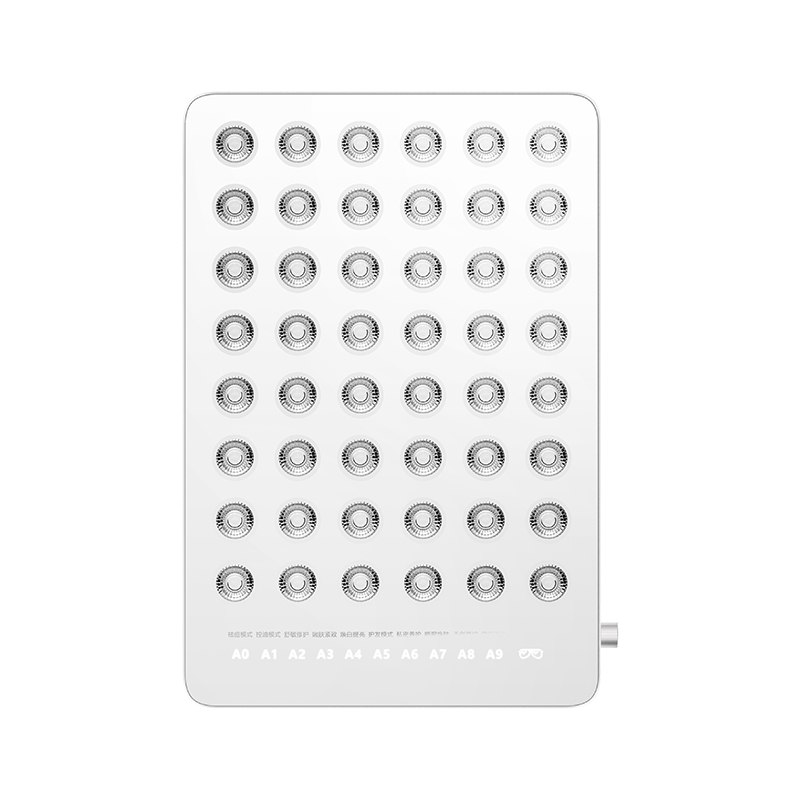
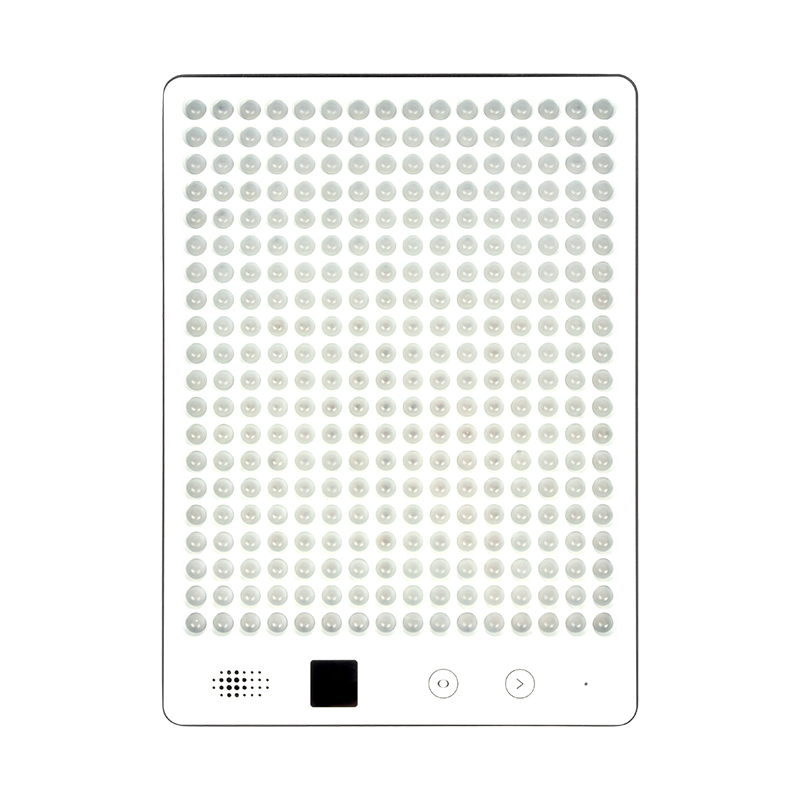
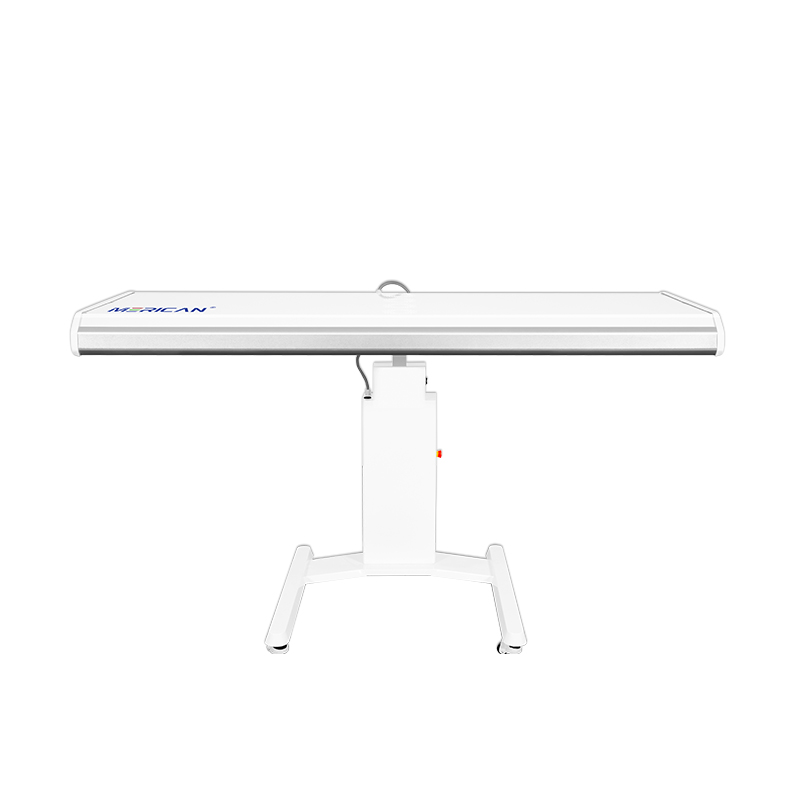
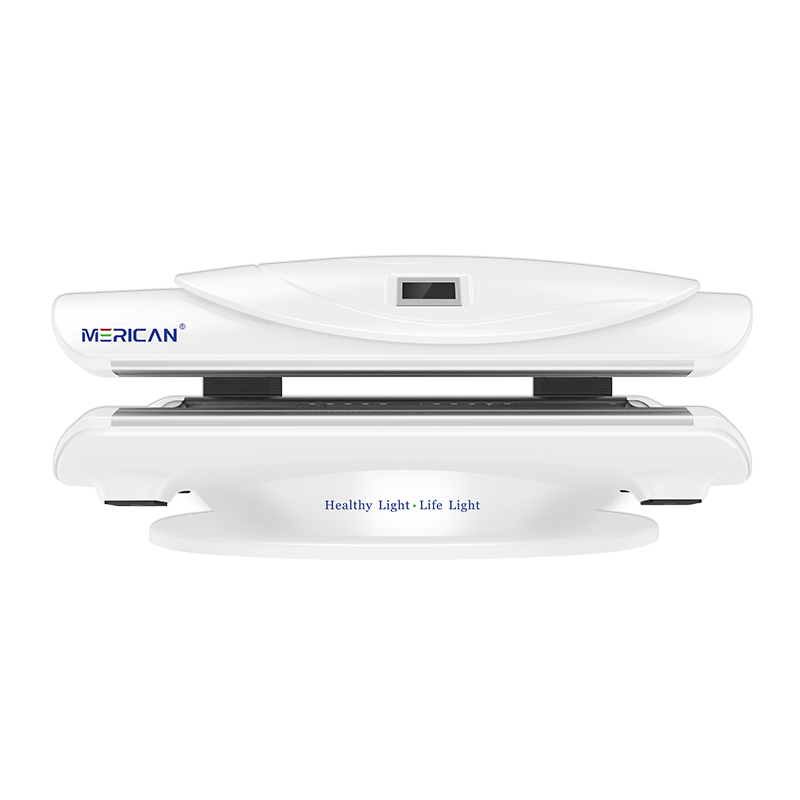
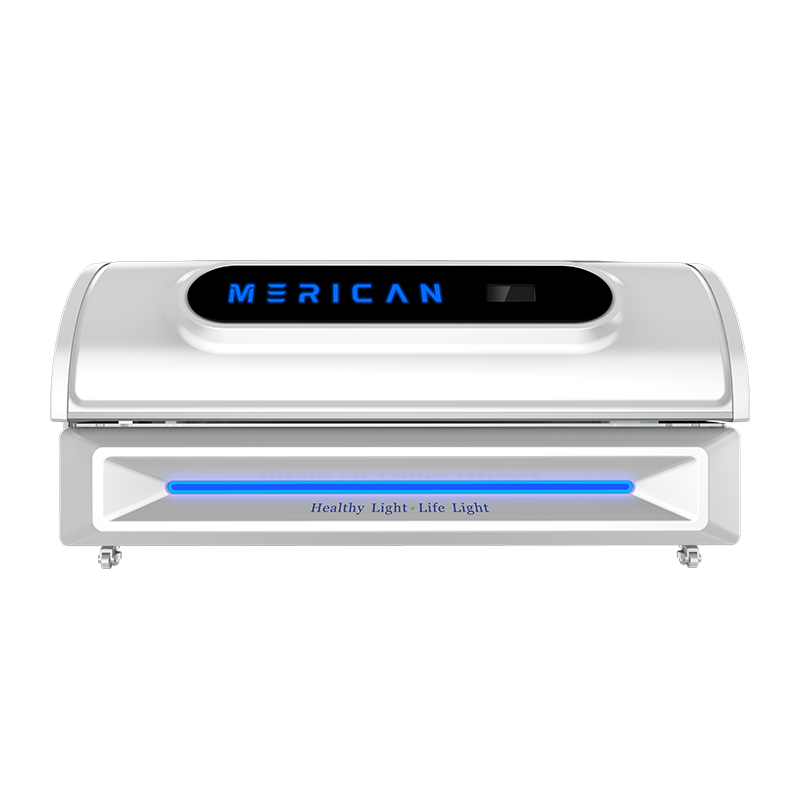
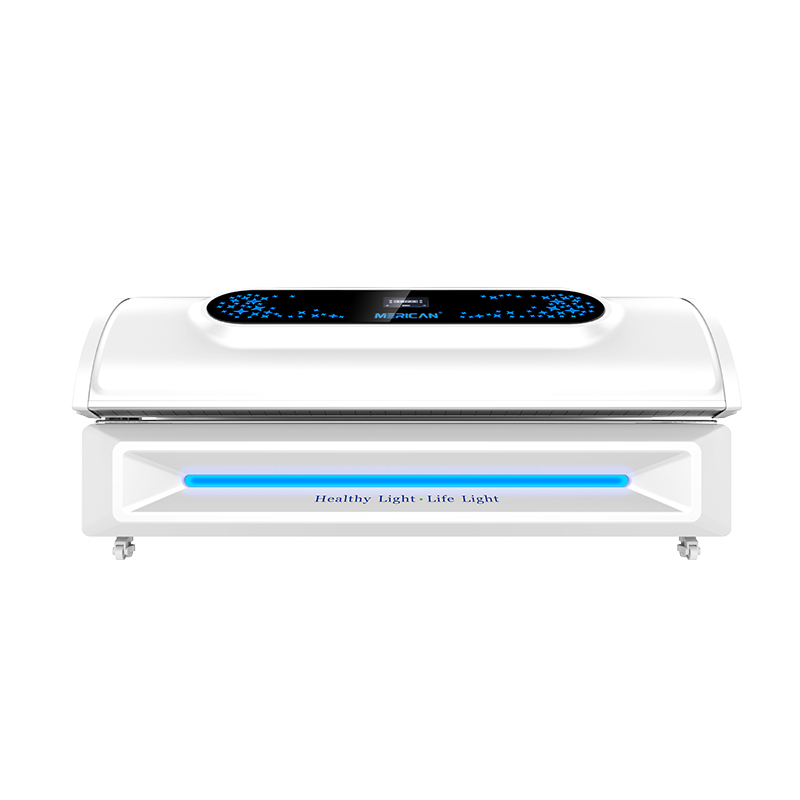
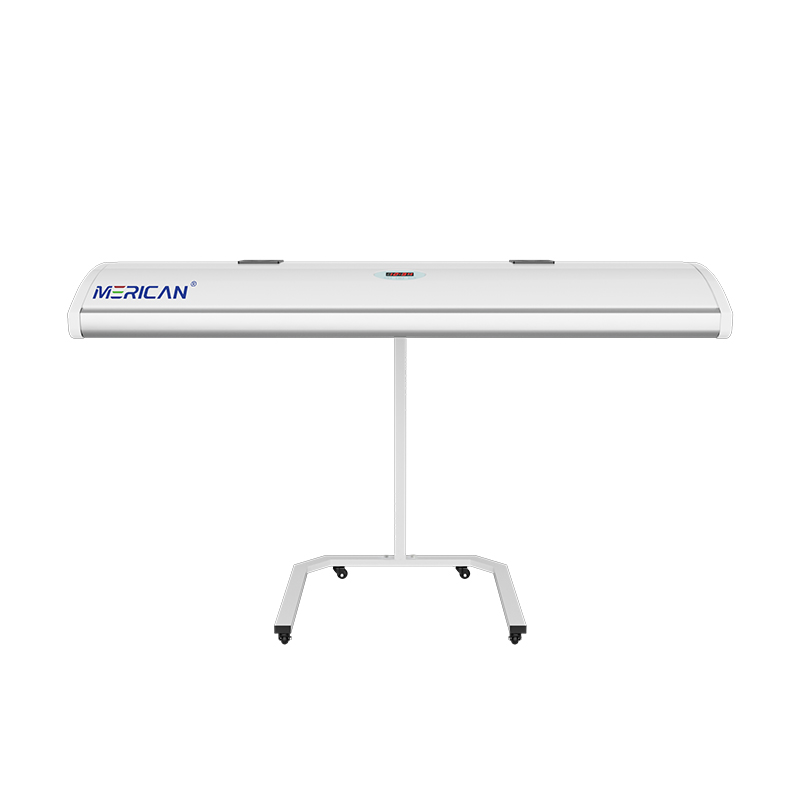
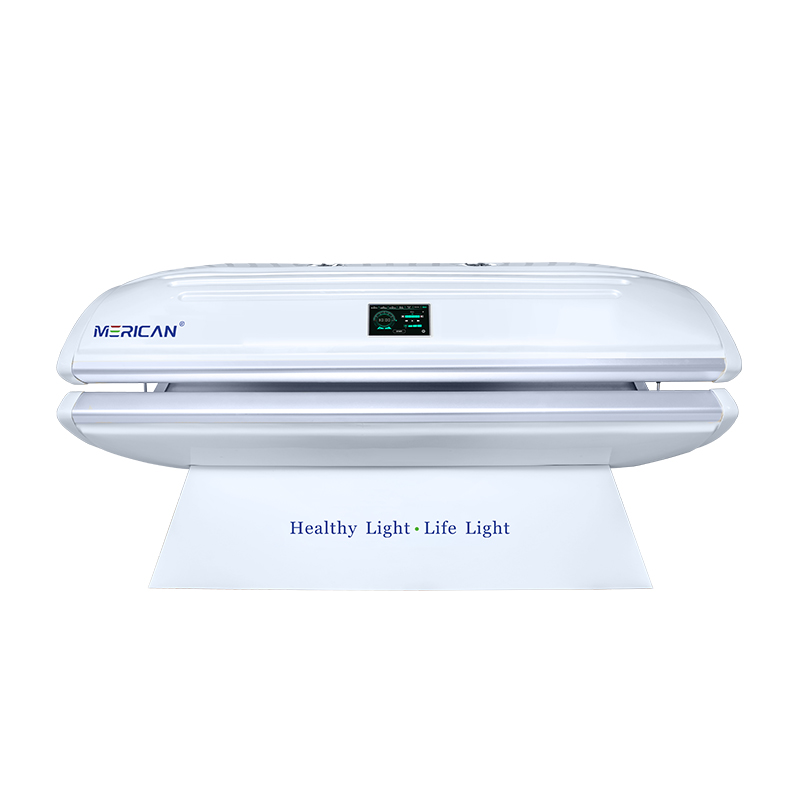
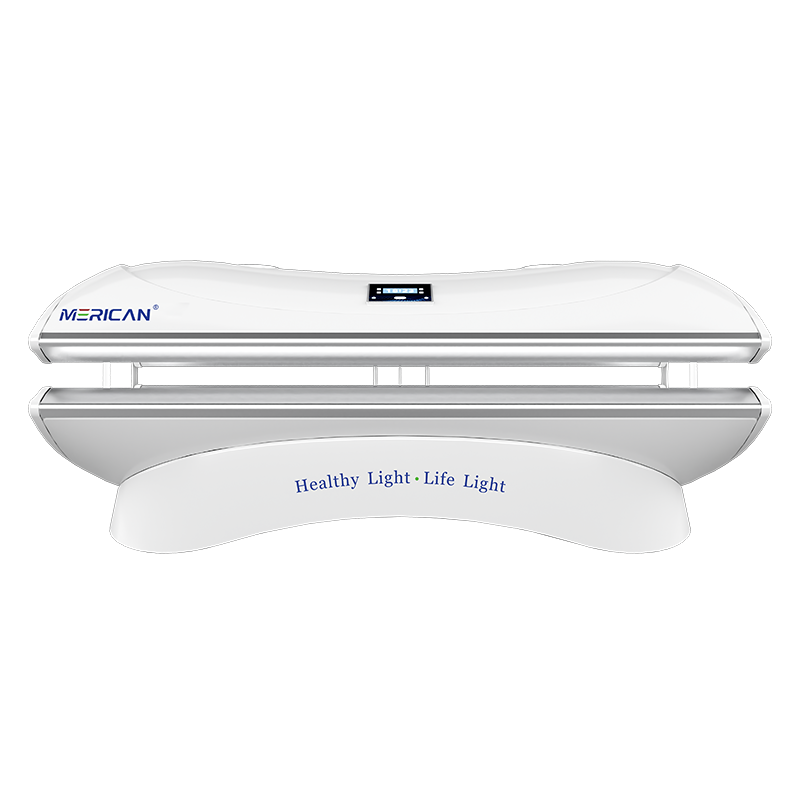
- Momo taputapu: Localized red light pads or MERICAN professional therapy beds
- Wāhanga whainga: Focus on the heel, arch, and plantar fascia
- Whakakotahitanga: Whakahoahoa ki totoro, proper footwear, and foot massage mo nga hua pai
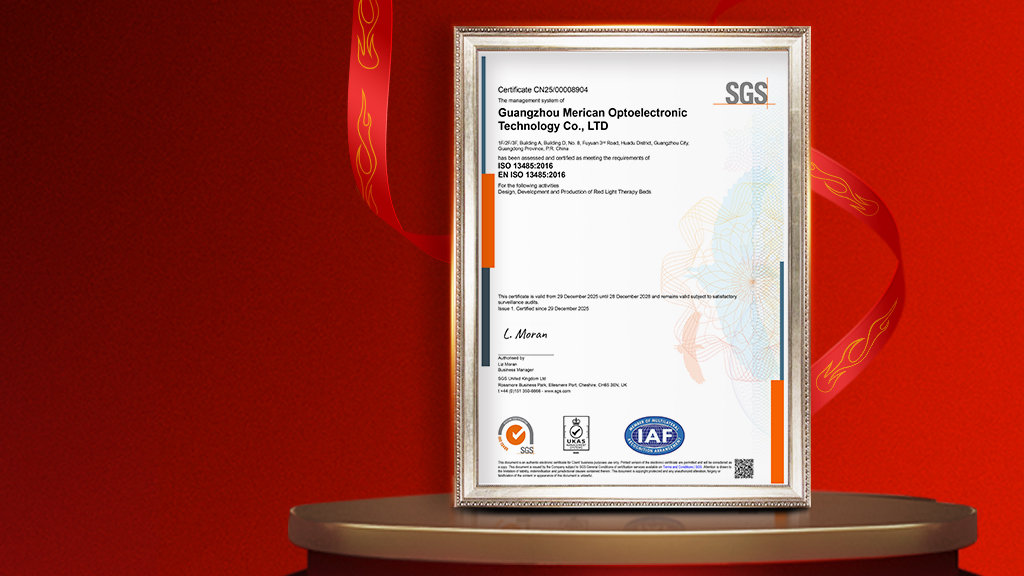
Ko nga punaha rongoa rama whero a MERICAN e whakarato ana precise wavelengths and deep tissue penetration, making them ideal for both professional physiotherapy clinics a whakamahi whare.
Te Haumaru me nga Whakatupato
Ko te rongoa rama whero kore-kino, UV-kore, me te tarukino-kore, kia haumaru mo te nuinga o nga kaiwhakamahi. Heoi ano:
- Avoid using it on nga patunga tuwhera, nga mate ranei
- Consult a healthcare professional if you have severe pain or other foot conditions
- Whaia nga aratohu taputapu mo te wa whakakitenga me te tawhiti
Whakamutunga
Na, is red light therapy good for plantar fasciitis?
Yes — studies and clinical experience suggest that RLT can whakaiti i te mamae, whakaiti i te mumura, me te tautoko i te whakatikatika kiko, making it a haumaru me te whai hua te rongoa taapiri for plantar fasciitis.
Mo te hunga e rapu ana tere, non-invasive foot pain relief, MERICAN nga punaha rongoa rama whero whakarato professional-grade wavelengths, consistent coverage, and safe application, helping patients recover faster and walk comfortably again.