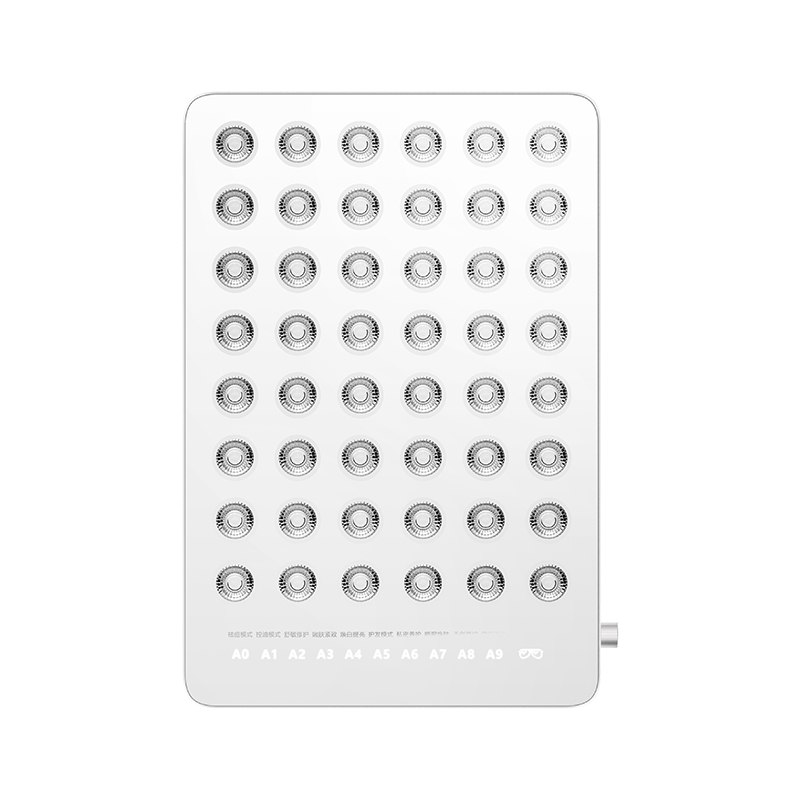
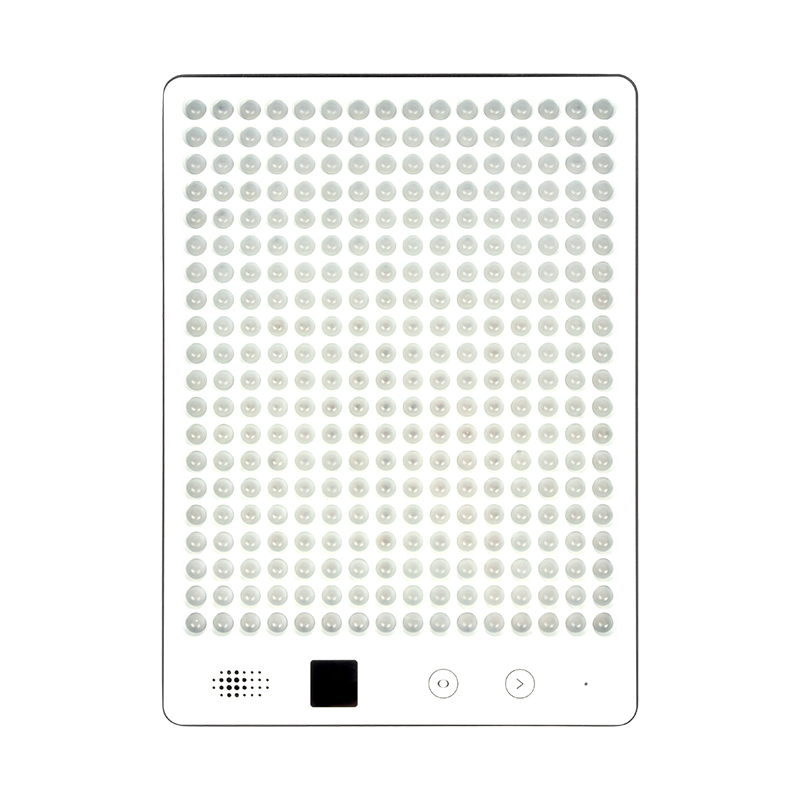
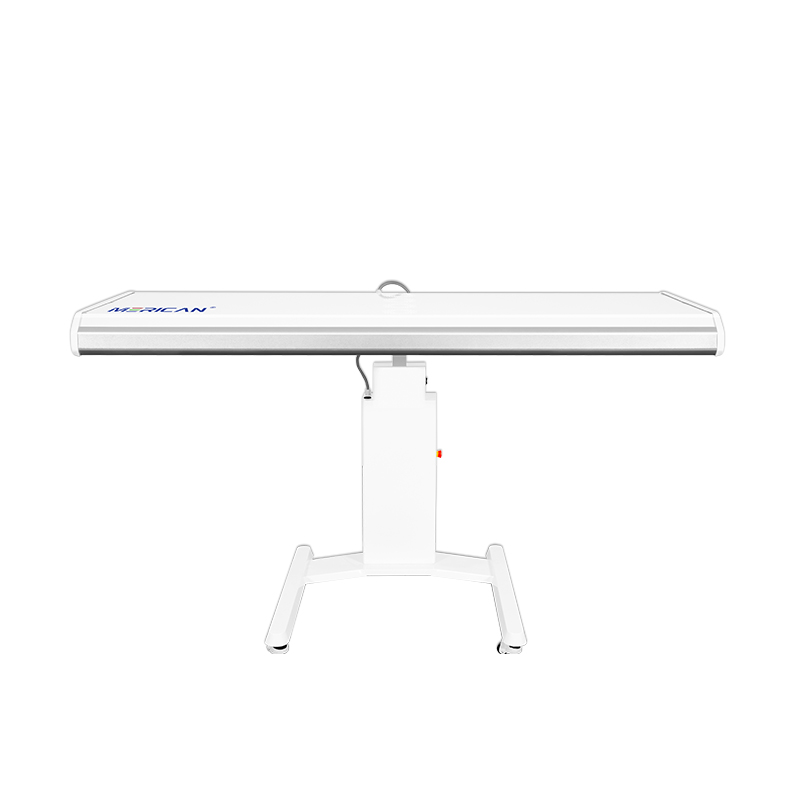
Ko te wa haputanga he wa ka nui ake te tupato o nga wahine ki nga maimoatanga oranga, hua tiaki kiri, me nga rongoa whakaora. I te mea kei te tipu haere tonu te rongoa rama whero ki te rongonui puta noa i te ao, he patai noa te maha o nga whaea e tatari ana: he haumaru te whakamaarama rama whero i te wa e hapu ana?
Te rongoa rama whero, ka kiia hoki ko te rongoa photobiomodulation, uses specific wavelengths of red and near-infrared light to support natural biological processes in the body. Kaore i rite ki nga moenga tanning, Ko te whakamaarama rama whero kaore e whakamahi i te ultraviolet (UV) irirangi. Engari, it relies on low-level light wavelengths that are commonly associated with skin wellness, tautoko tohanga, whakangā uaua, me te whakaora.
Because red light therapy is non-invasive and does not involve medications or chemicals, many people view it as a gentle wellness option. Heoi ano, pregnancy is a special condition, and safety should always be the first priority when considering any new therapy or wellness routine.
I tenei wa, research on red light therapy during pregnancy is still limited. While red light therapy is generally considered safe for most healthy adults, there are not enough large-scale studies specifically focused on pregnant women. Mo tenei take, healthcare professionals often recommend consulting a doctor before beginning any light therapy treatment during pregnancy.
Some pregnant women explore red light therapy for relaxation and physical comfort. During pregnancy, the body experiences significant physical changes, including back discomfort, mānukanuka uaua, te pupuhi, me te ngenge. Red light therapy is commonly associated with supporting circulation and promoting relaxation, which is why some users are interested in incorporating it into prenatal wellness routines.
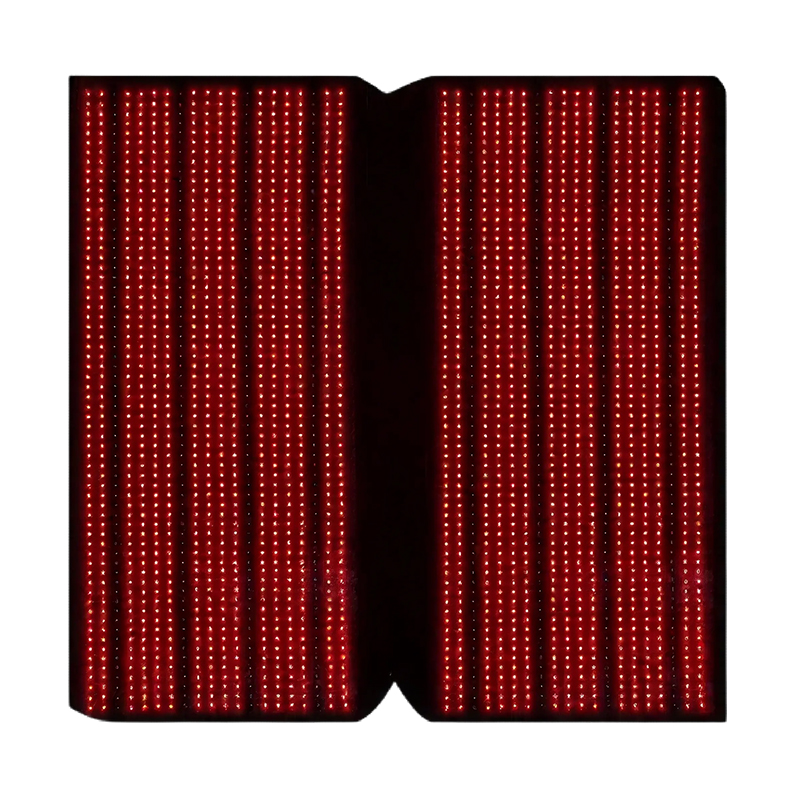
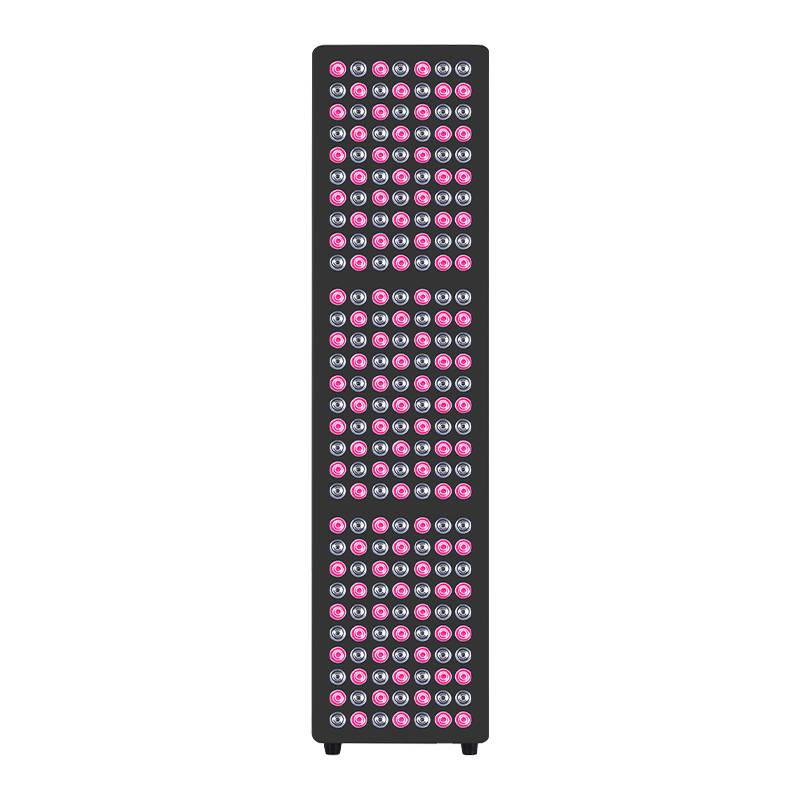
Near-infrared wavelengths such as 850nm are often used in professional wellness systems because they may penetrate deeper into tissues and support muscle comfort. Red light wavelengths like 660nm are commonly used for skin rejuvenation and circulation support. Tahi, these wavelengths are widely used in full-body wellness devices.
Many users also appreciate that red light therapy sessions are calm and relaxing. Pregnancy can sometimes lead to increased stress and poor sleep quality, especially during later stages. Some people report that red light therapy helps create a more comfortable recovery environment and supports overall relaxation.
Heoi ano, moderation and professional guidance are important. Pregnant women should avoid excessive heat exposure and should only use high-quality devices designed with safety and comfort in mind. Professional-grade systems often include cooling technology and controlled energy output to improve the treatment experience.
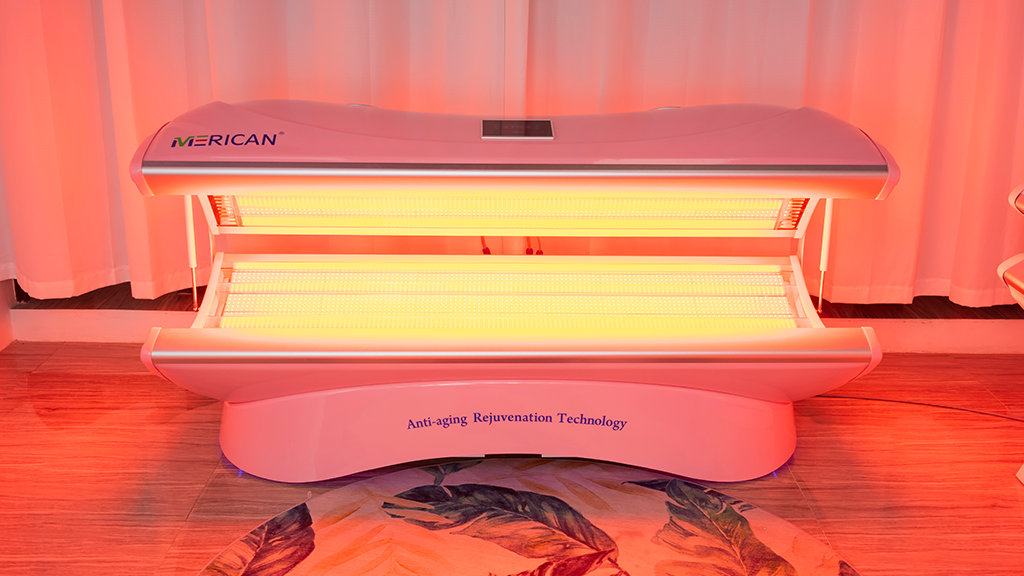
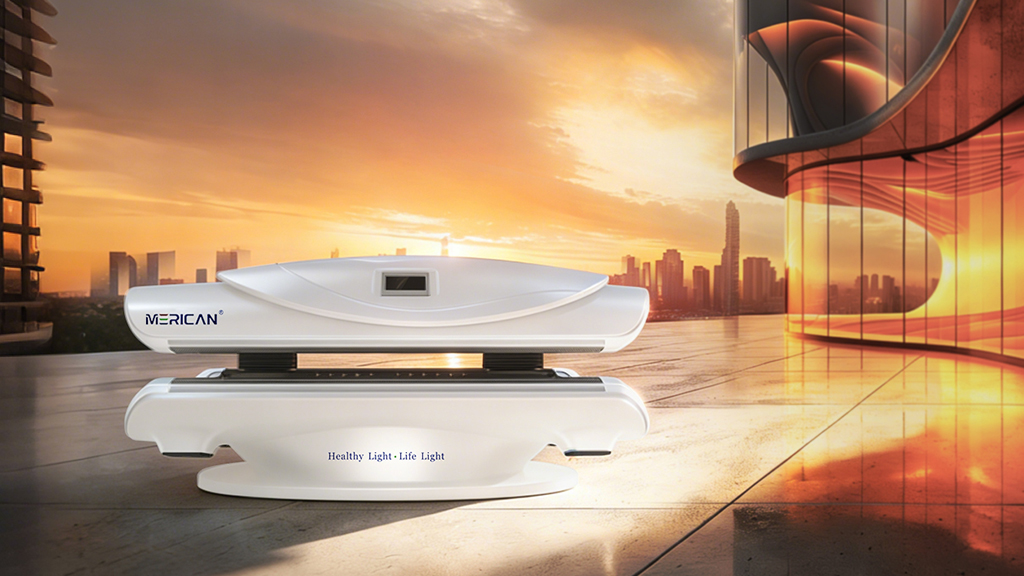
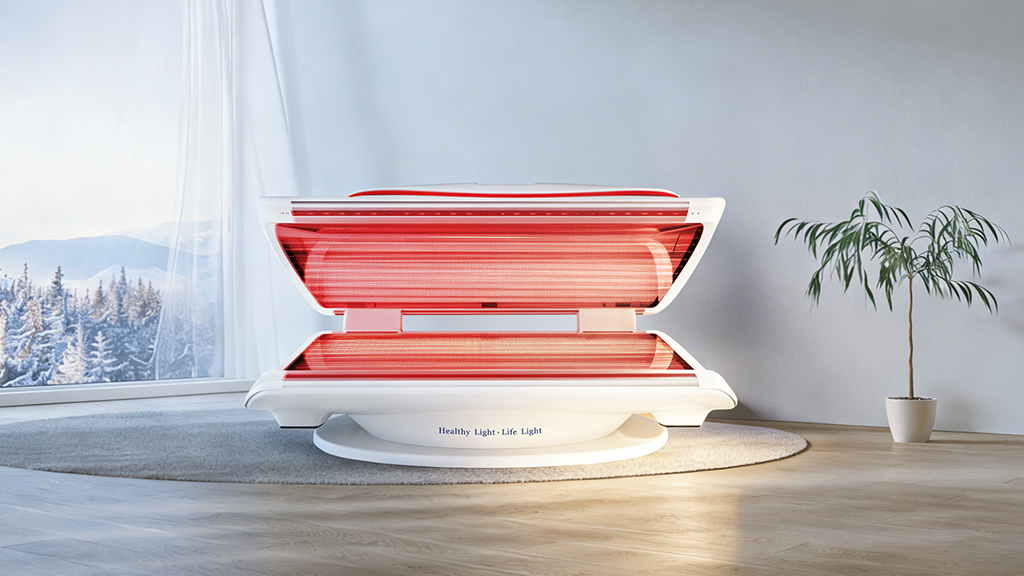
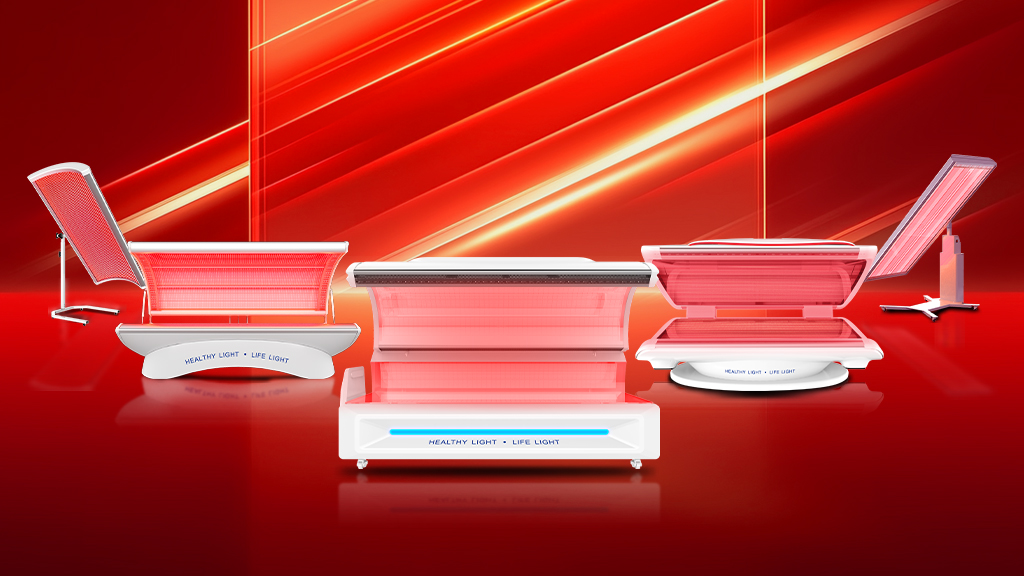
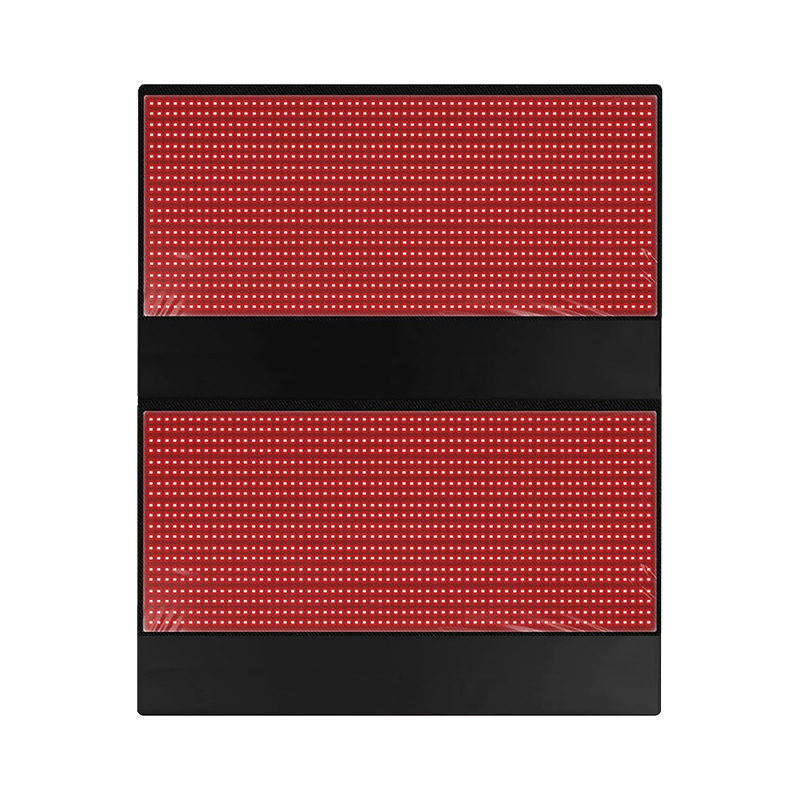
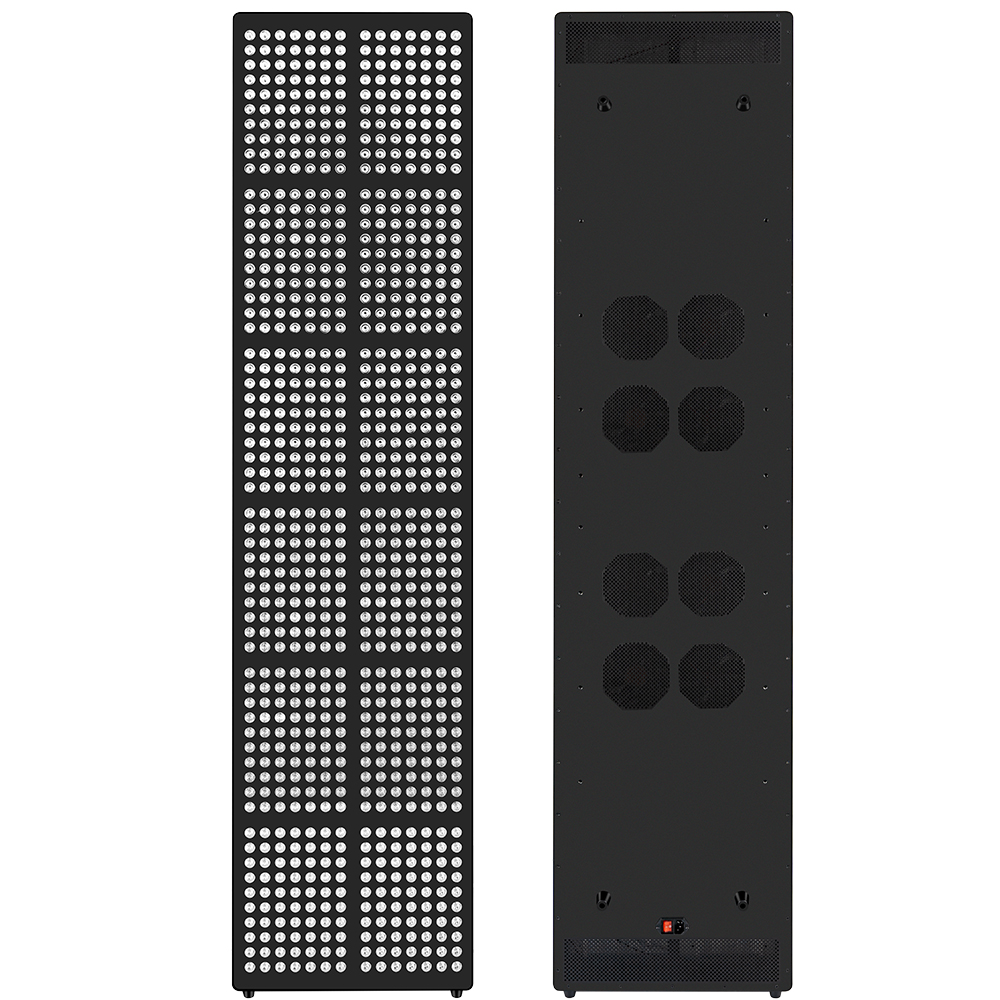
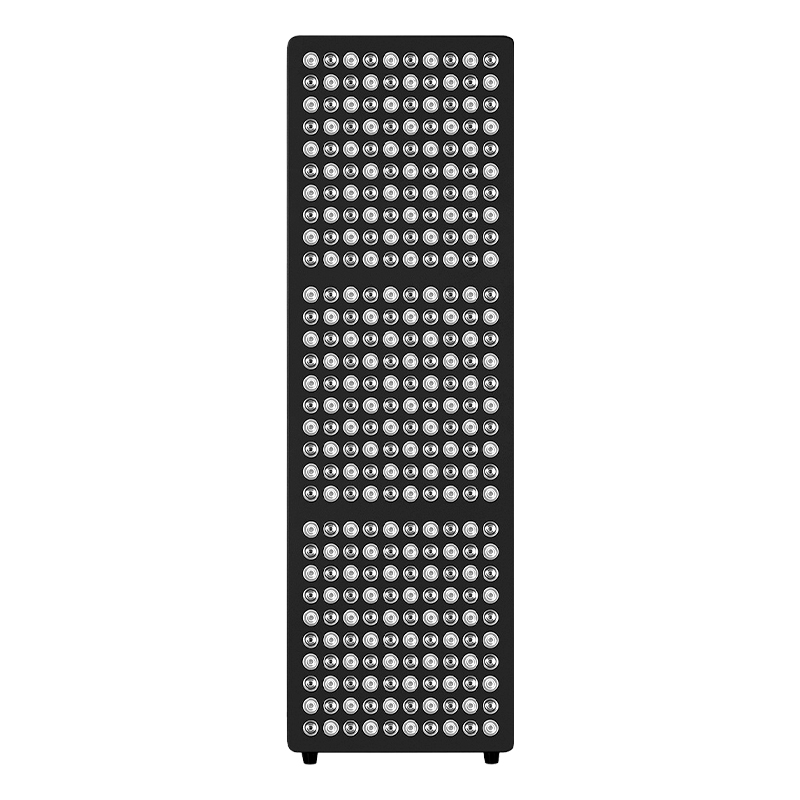
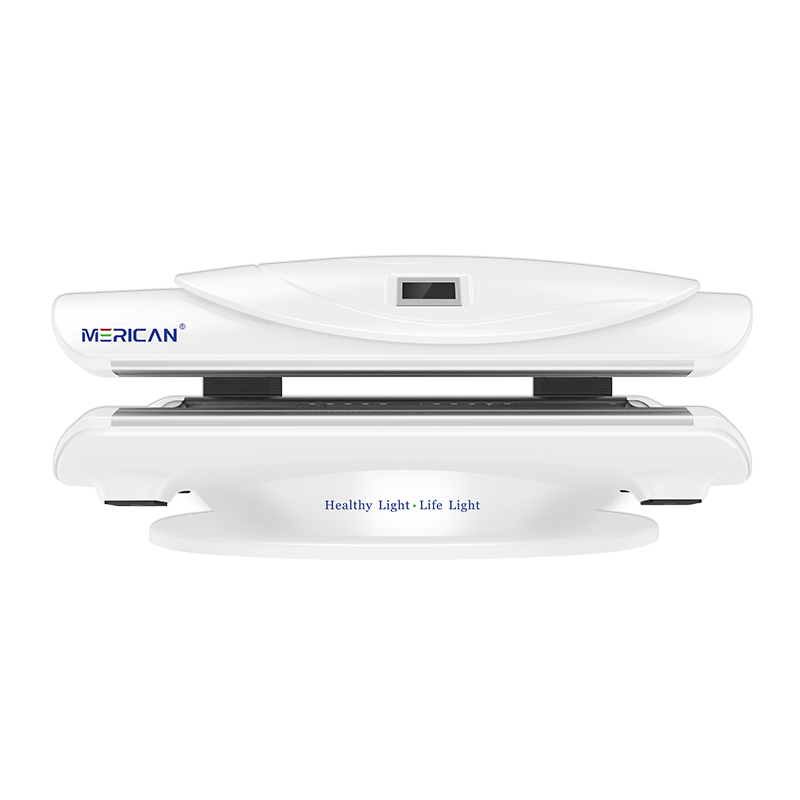
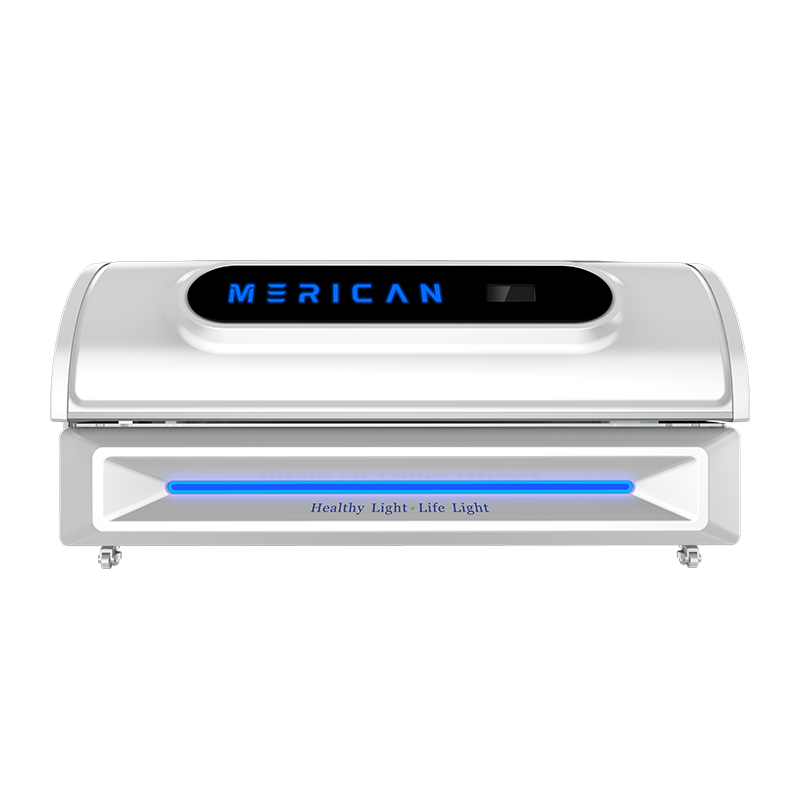
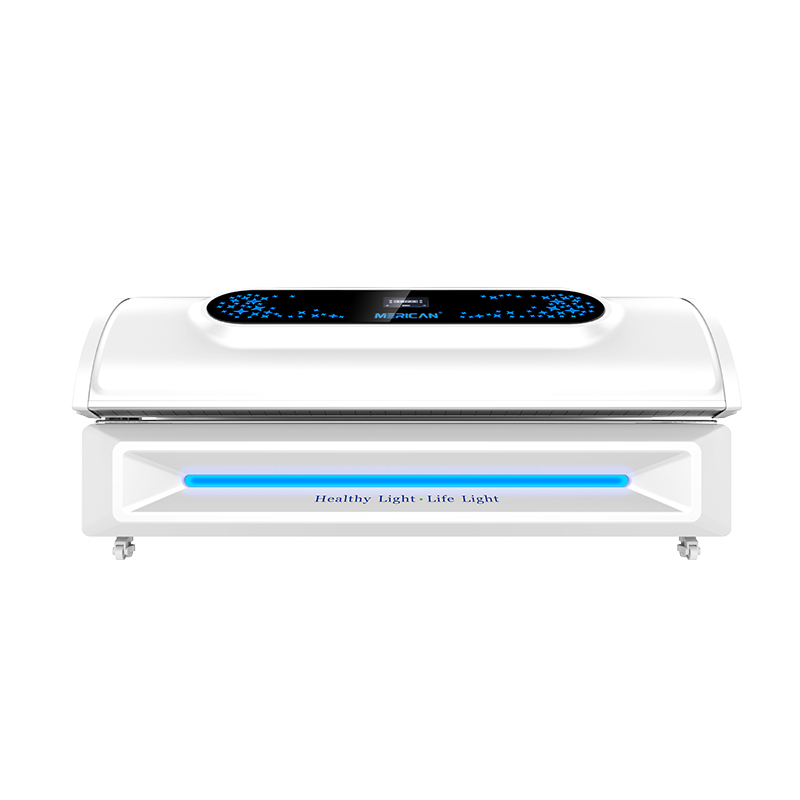
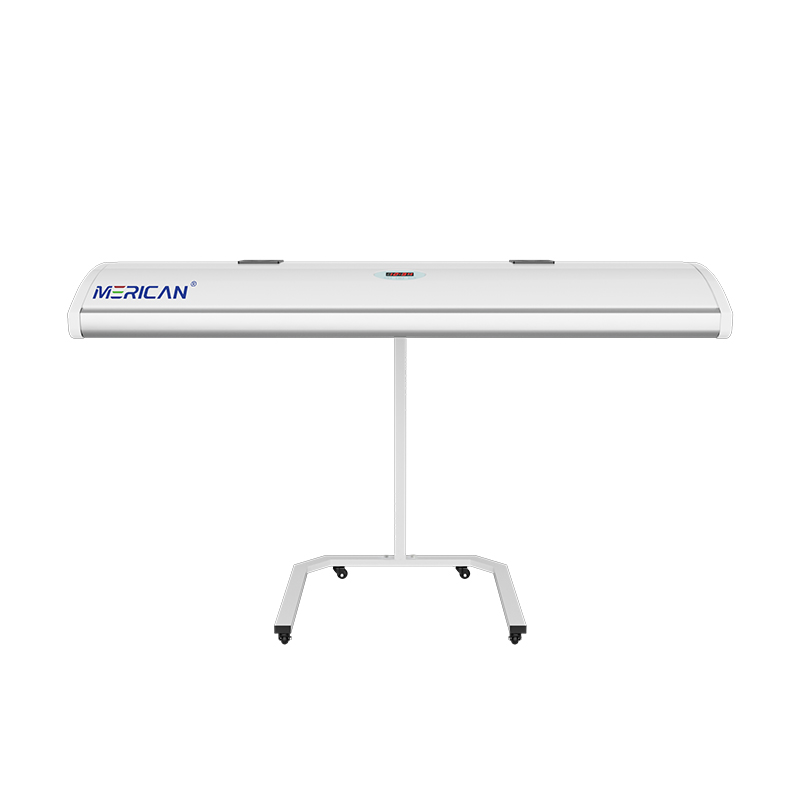
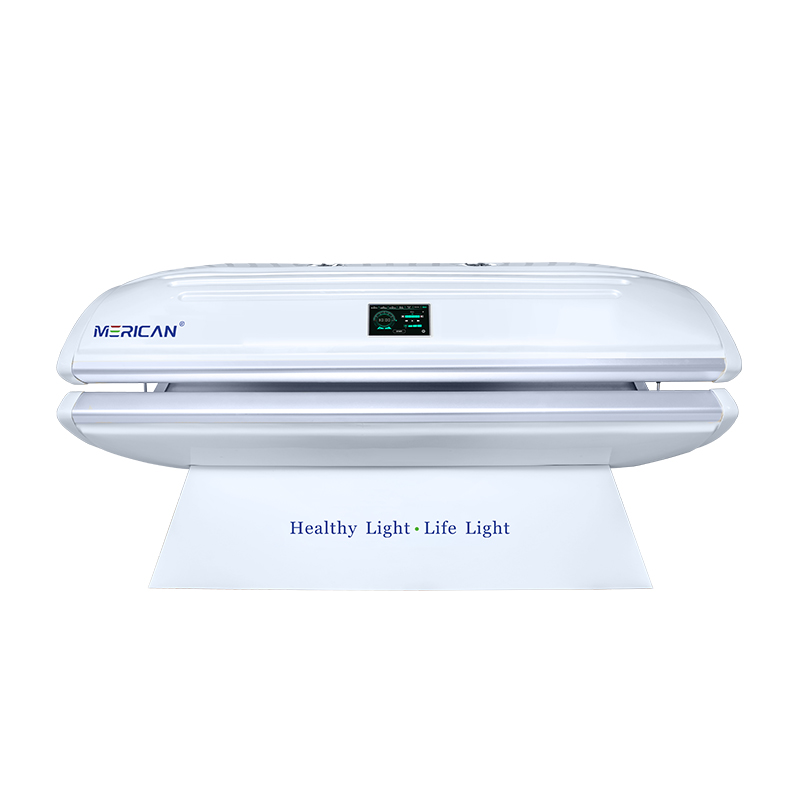
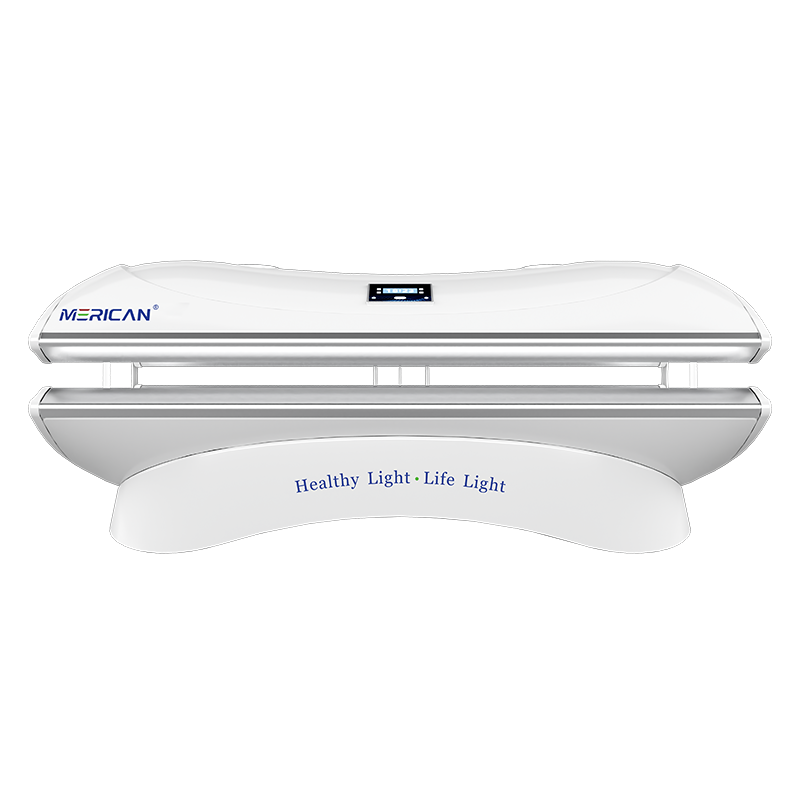
Global red light therapy bed supplier and manufacturer MERICAN develops advanced wellness equipment designed for professional environments. Products such as the MERICAN Red Light Therapy Bed M6N feature full-body coverage, nga punaha whakamahana mohio, and clinically popular wavelengths including 660nm red light and 850nm near-infrared light.
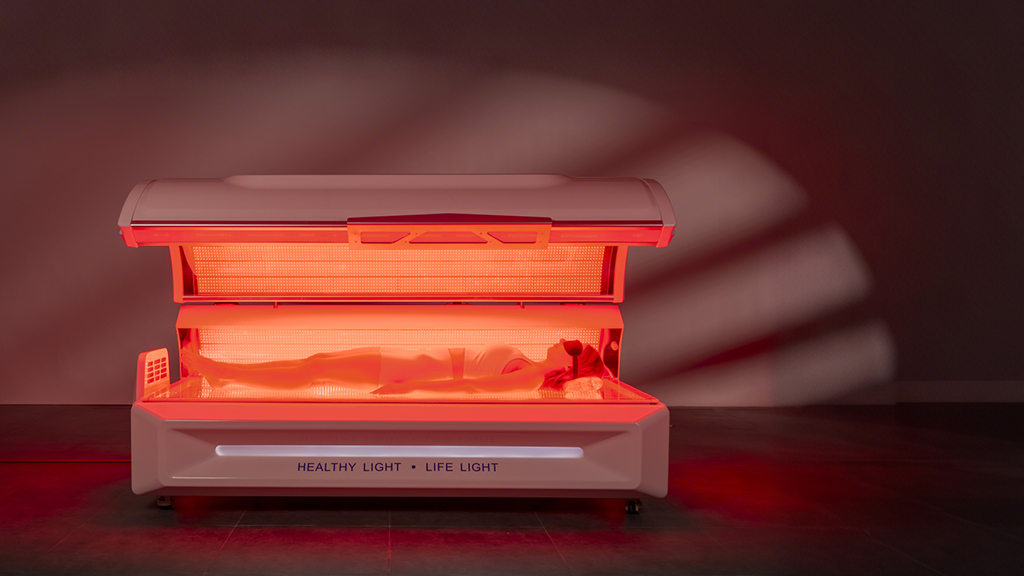
The MERICAN M6N is widely used in wellness centers, haumanu, taiwhanga whakaora, and beauty facilities worldwide because it delivers stable light output and a comfortable user experience. Full-body systems allow users to relax during sessions while receiving even light distribution across larger treatment areas.
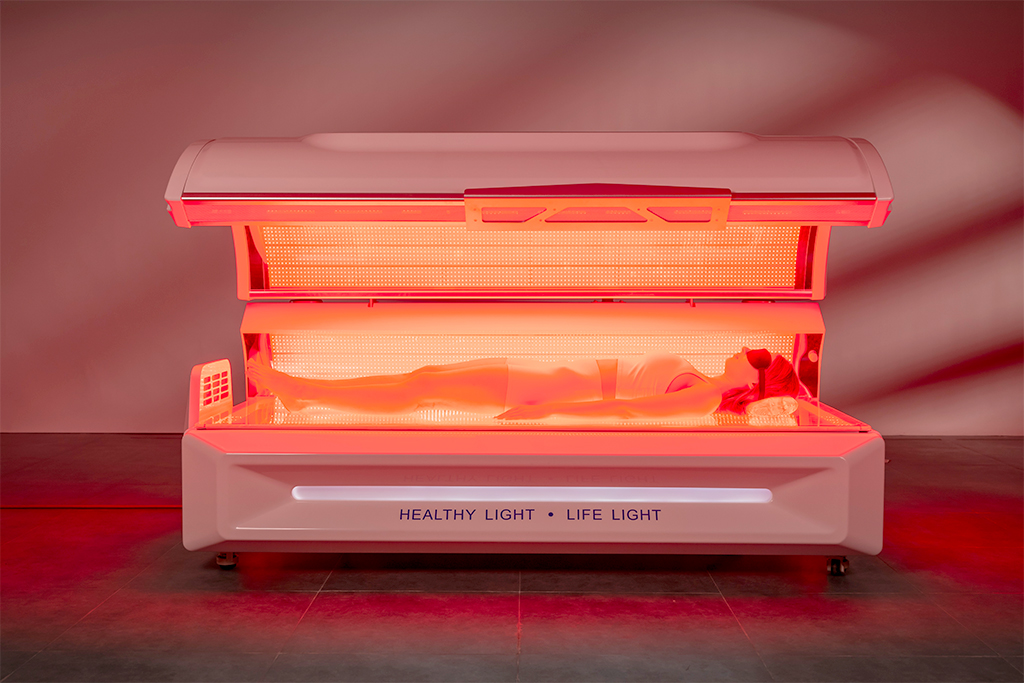
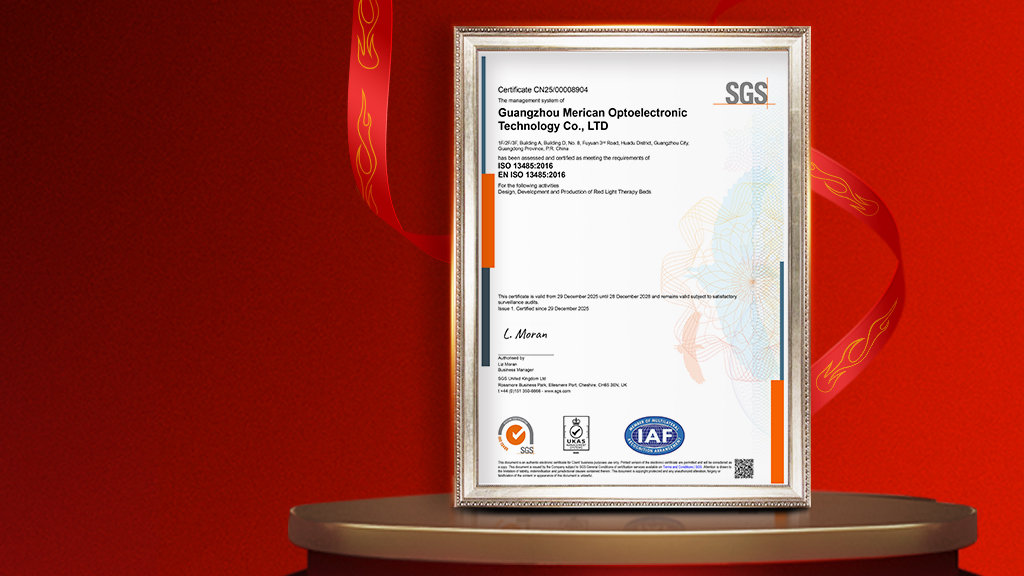
Professional equipment quality is especially important for individuals seeking gentle and controlled wellness support. Global red light therapy bed manufacturers like MERICAN continue investing in advanced design, nga hanganga ergonomic, and intelligent technology to improve safety and efficiency for modern wellness applications.
Even though red light therapy is non-invasive, kia tupato tonu nga wahine hapu. He mea nui kia:
- Me toro atu ki tetahi kaiwhakarato hauora i mua i te maimoatanga
- A ape i nga huihuinga roa rawa
- Me noho wai i roto i nga huihuinga
- Whakamahia nga taputapu taumata ngaio
- A ape i te wera nui
- Me whai i nga aratohu whakamahinga e taunaki ana
Ko tetahi atu mea nui ko te maarama ki te rereketanga o te whakamaarama rama whero me te tanning UV. Ko etahi ka pohehe i nga hangarau e rua. Ka whakamahia e nga moenga kirikiri tawhito te rama ultraviolet, i te nuinga o te waa kaore i te tūtohutia i te wa e hapu ana na te kaha o te kiri kiri me te werawera. Te rongoa rama whero, heoi ano, ka whakamahi i nga roangaru kore-UV e hono ana ki te whakaora me te tautoko oranga, kaua ki te tanning.
Ko etahi o nga tohunga hauora e whakapono ana ka awhina te rongoa rama whero ki te tautoko i te kiri me te whakamarie katoa i te wa e hapu ana na te hononga ki te tautoko collagen me te whakapai tohanga.. Heoi ano, me noho pono tonu nga tumanako, me kaua rawa te rongoa e whakakapi i te tiaki hauora ngaio.
Ka mutu, mehemea e tika ana te whakamaarama rama whero i te wa e hapu ana ka whakawhirinaki ki nga ahuatanga hauora whaiaro, whāinga maimoatanga, me te aratohu hauora. He rereke nga hapu katoa, no reira he mea nui nga tohutohu takitahi.
I te mea kei te piki haere tonu te umanga oranga puta noa i te ao, Ko te whakamaarama rama whero e noho tonu ana tetahi o nga hangarau whakaora-kore tino rongonui e waatea ana i enei ra. Ma te arataki tika me nga taputapu ngaio penei i te MERICAN M6N, Ko etahi o nga whaea e hapu ana ka whiriwhiri ki te tirotiro i te rongoa rama whero hei waahanga o te mahi whakangā me te oranga oranga i te wa e hapu ana.