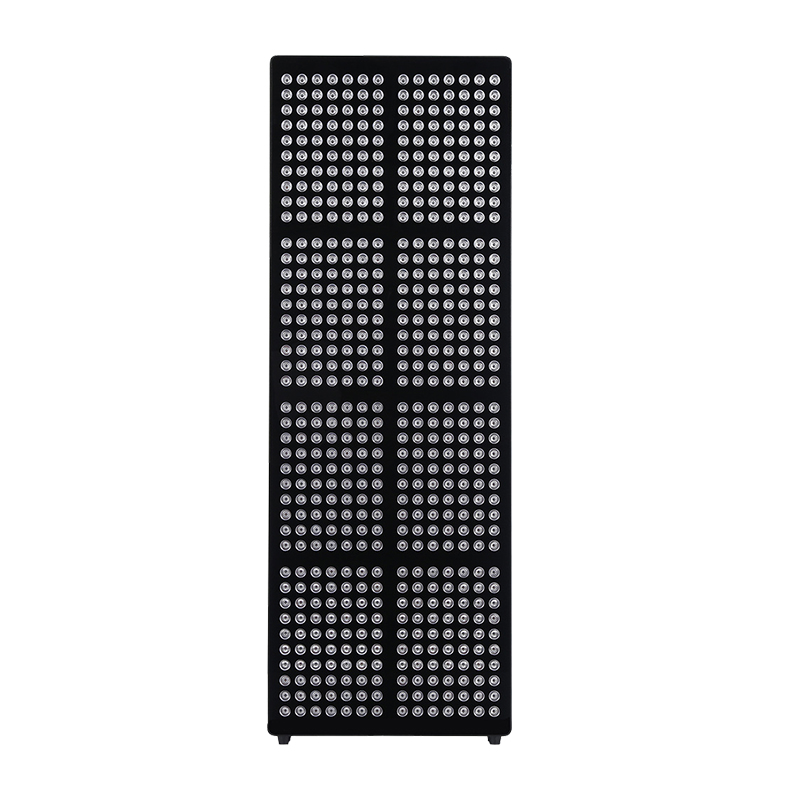
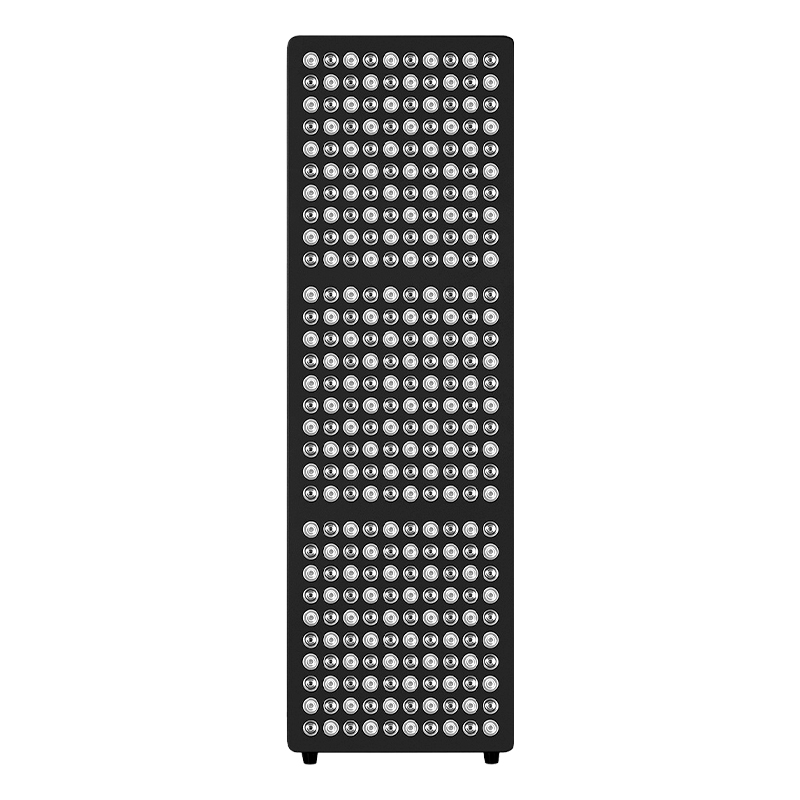
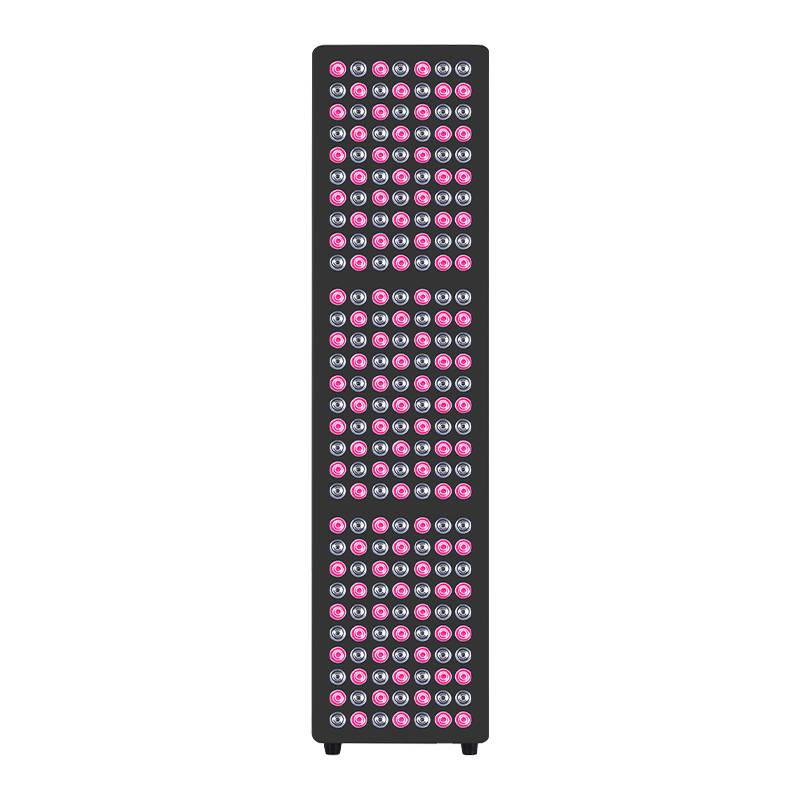
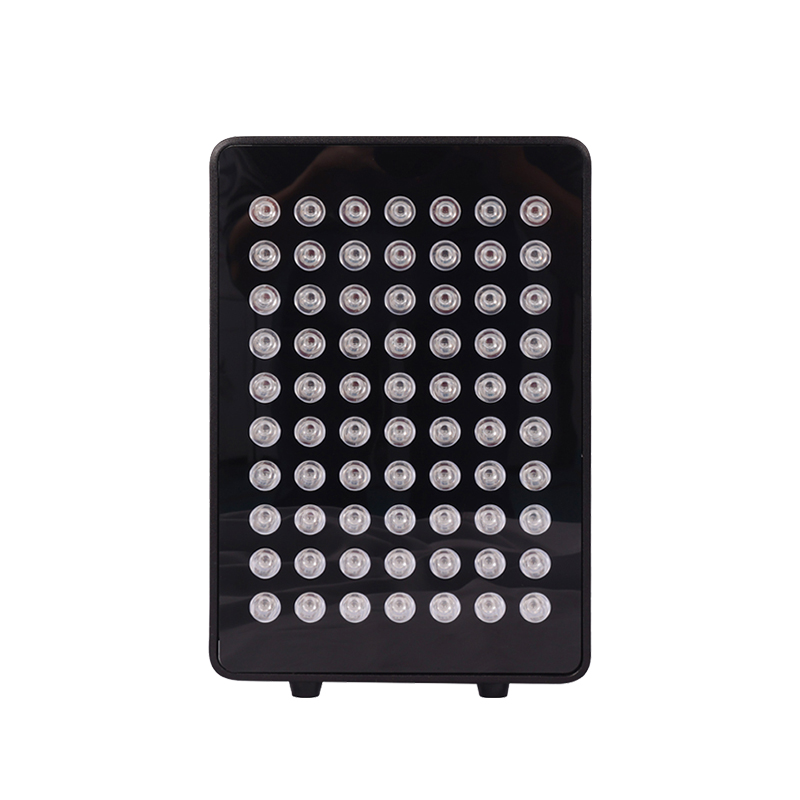
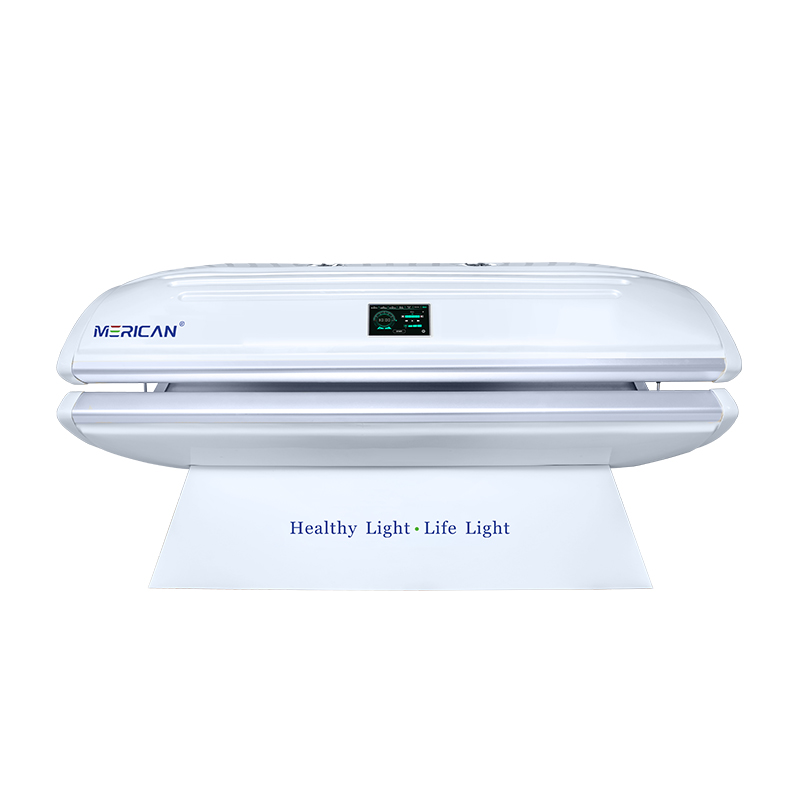
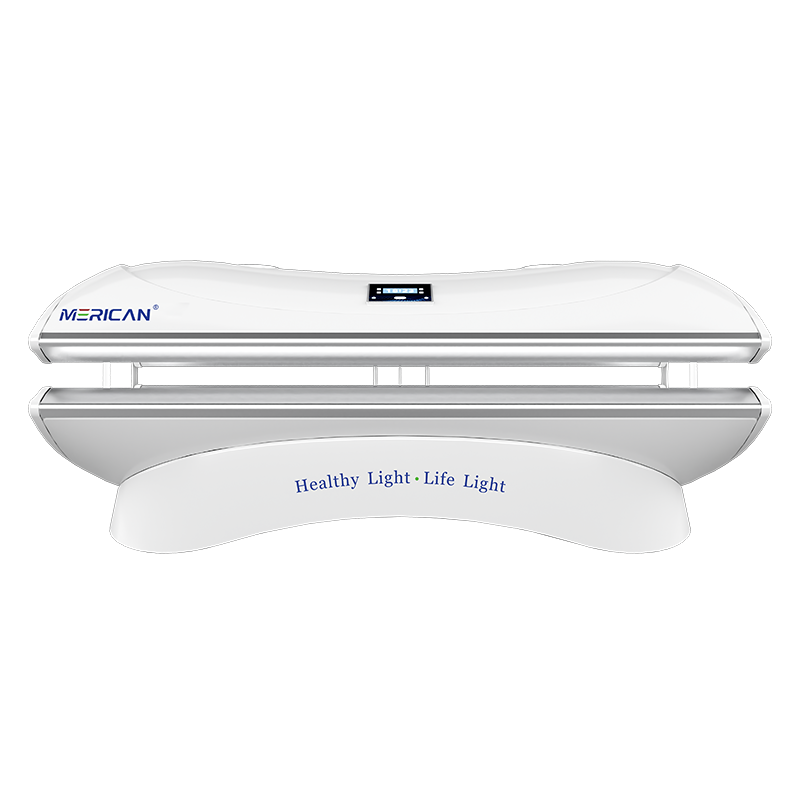
Ko te whakamaarama rama whero tetahi o nga hangarau hauora kore-ahuru e whakamahia nuitia ana i roto i te tiaki kiri, whakaora, me nga maimoatanga rerehua. Among the most commonly discussed wavelengths are 630nm me te 660nm, he wahanga e rua o te tuāwhiorangi rama whero.
He patai maha i waenga i nga kaiwhakamahi: maimoatanga rama whero 660 vs 630 — what is the difference, and which one is better?
Although both wavelengths belong to the red light range and are often used together in professional devices, they have slightly different characteristics in terms of skin penetration, energy absorption, and biological response.
This article provides a clear, structured comparison to help users and businesses understand how these two wavelengths work.
He aha te Maama Whero?
Te rongoa rama whero, mohiotia hoki ko photobiomodulation (PBM), uses specific wavelengths of red and near-infrared light to interact with skin and cellular structures.
The most commonly used red light wavelengths are:
- 630nm (rama whero)
- 660nm (deep red light)
Both are non-UV wavelengths and do not cause tanning or skin damage. Engari, they are used in wellness and skincare applications to support natural biological processes.
What Is 630nm Red Light?
630ka whakaarohia a nm he he iti ake te roangaru marama whero.
Ko nga ahuatanga matua o te 630nm:
- Ka kuhu tata atu ki te mata kiri
- He kaha te taunekeneke me nga papa epidermal
- Ka whakamahia i roto i nga taputapu whakapaipai me te tiaki kiri
- He maha nga wa e pa ana ki te tautoko ahua kiri taumata-mata
Ko nga keehi whakamahi angamaheni:
- Te ahua kanapa o te kiri
- Nga mahinga tiaki kiri taumata-mata
- Nga taputapu rongoa whakapaipai
Na tona urunga taumata-mata, 630Kei te whakamahia te nm i roto i nga tono e aro ana ki te ataahua.
He aha te 660nm Marama Whero?
660Ko te nm he te roangaru marama whero hohonu, ka kiia he "whero hohonu."
Ko nga ahuatanga matua o te 660nm:
- Ka kuhu hohonu ki roto i te kiri ka whakaritea ki te 630nm
- He pai ake te taunekeneke me nga papa kiri
- Ka whakamahia nuitia i roto i nga punaha whakamaarama rama whero ngaio
- He hononga kaha ki nga taputapu tautoko e pa ana ki te collagen
Ko nga keehi whakamahi angamaheni:
- Nga mahi whakaora kiri
- Nga punaha tiaki kiri anti-pakeke
- Moenga hauora ngaio me nga moenga rongoa
- Ko nga taputapu whakamaarama rama whero-tinana katoa
660Ko te nm ka kiia he pai ake mo nga tono whakapaipai me te oranga.
Whakamarama Whero Whero 660 vs 630: Rerekētanga Matua
Ahakoa ko nga roangaru e rua he wahanga o te tuāwhiorangi rama whero kotahi, Ko o raatau rereketanga kei te hohonu o te kuhu me te taunekeneke koiora.
1. Te Hohonutanga Kuhu
- 630nm: nui ake te taunekeneke kiri
- 660nm: te urunga o te paparanga kiri hohonu
2. Te Arotahi Taupānga
- 630nm: tiaki kiri me te ahua mata
- 660nm: te oranga whanui + tautoko kiri hohonu
3. Te Pungaonga
- 630Ko te nm ka uru i mua ki nga papa kiri
- 660ka tae atu te nm ki nga kiko hohonu i mua i te whakaurunga
4. Whakamahinga Pūrere
I roto i nga punaha rongoa rama whero hou:
- 630Kei te whakamahia te nm mo nga taputapu e aro ana ki te kiri
- 660Kei te whakamahia whanui te nm i roto i nga moenga whakamaarama tinana katoa me nga punaha ngaio
- He maha nga taputapu e whakakotahi ana i nga roangaru e rua mo te mahi taurite
Ko tehea te mea pai: 660nm, 630nm ranei?
There is no absolute “better” wavelength — the choice depends on application goals.
Choose 630nm if:
- Focus is on surface-level skincare
- Cosmetic applications are the priority
- Short-depth skin treatment is desired
Choose 660nm if:
- Deeper skin interaction is needed
- Full-body wellness therapy is required
- Professional-grade devices are being used
Best Practice (Industry Standard)
Most high-quality red light therapy devices do not choose one over the other. Engari, they combine both:
630nm + 660nm = balanced skin and tissue support
This combination ensures both surface and deeper layers are targeted effectively.
Why Most Professional Devices Use Both Wavelengths
In modern photobiomodulation systems, dual-wavelength design is widely used because it provides:
- Layered skin interaction
- More complete light coverage
- Improved user experience consistency
- Broader application scenarios
This is especially common in full-body red light therapy beds and clinical-grade systems.
Red Light Therapy Applications
Red light therapy using 630nm and 660nm wavelengths is widely applied in:
- Skincare and beauty routines
- Te hauora me te whakangawari
- Sports recovery environments
- Physiotherapy and rehabilitation centers
- Anti-aging treatment systems
Its non-invasive nature makes it suitable for both home users and professional clinics.
Nga Whakaaro Whakamutunga: Whakamarama Whero Whero 660 vs 630
Ina whakatairite maimoatanga rama whero 660 vs 630, the main difference is penetration depth and application focus.
- 630nm is more surface-oriented
- 660nm penetrates deeper and is more versatile
I roto i nga punaha rongoa rama whero hou, the most effective approach is not choosing one over the other, but combining both for balanced performance.
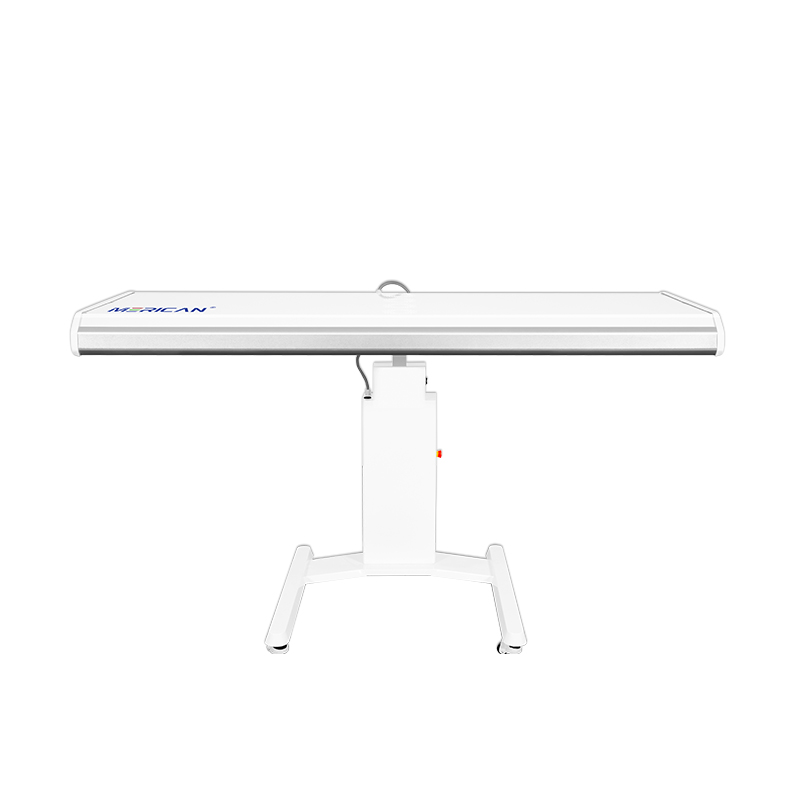
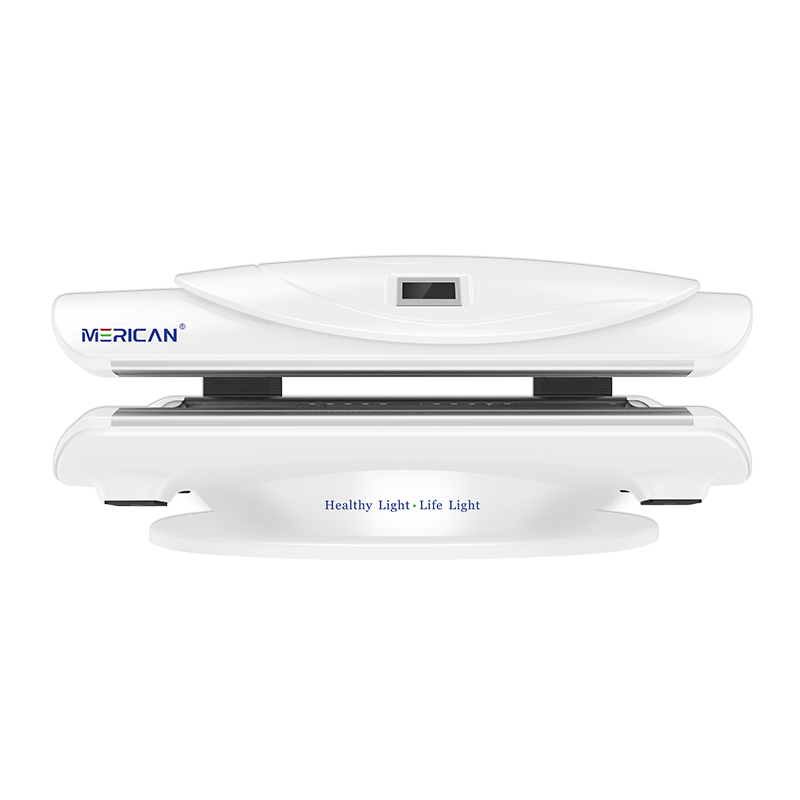
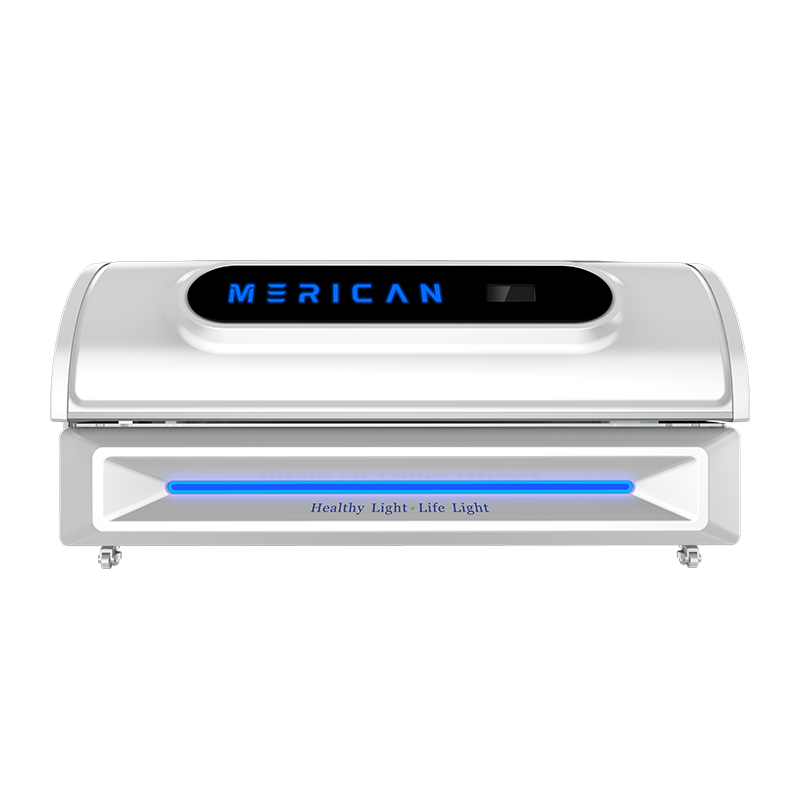
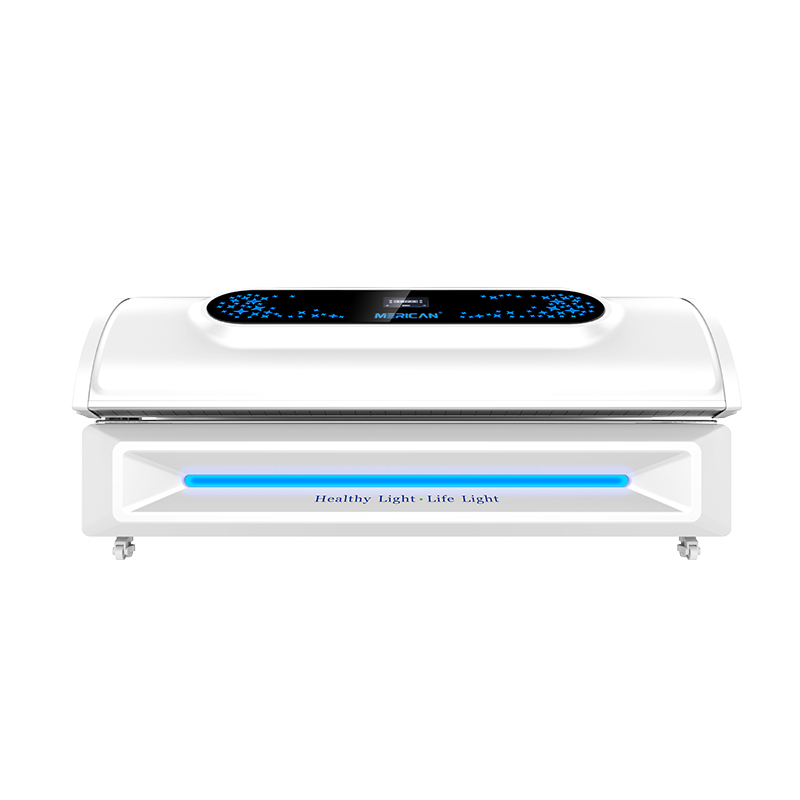
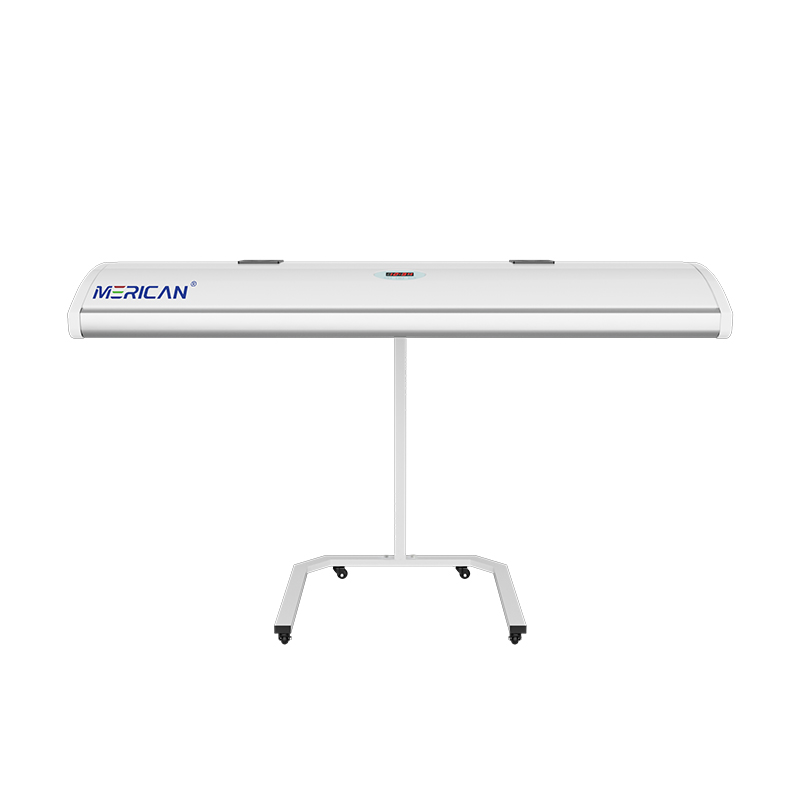
Tirohia Merican Red Light Therapy Bed MMB with OEM/ODM Solutions
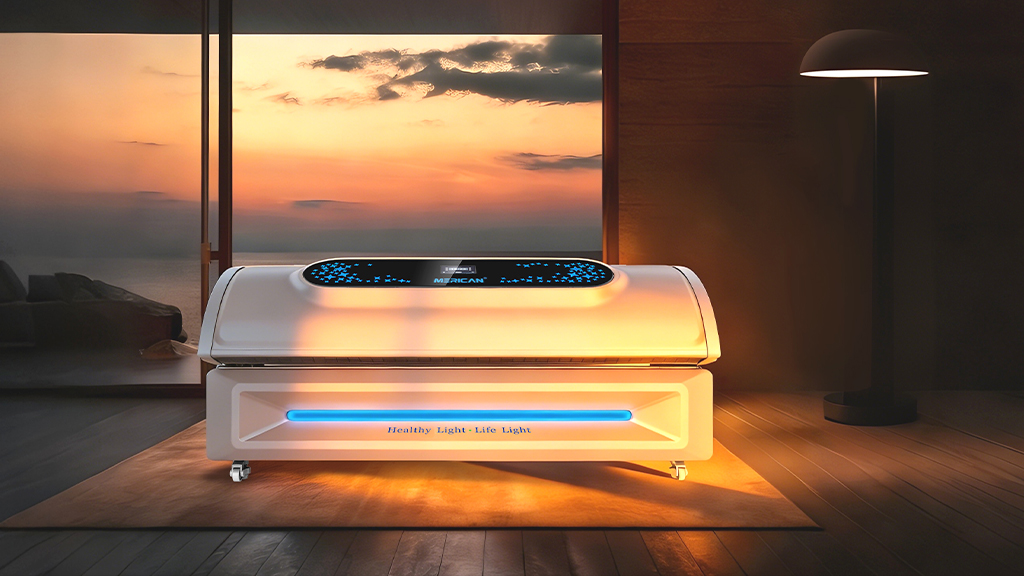
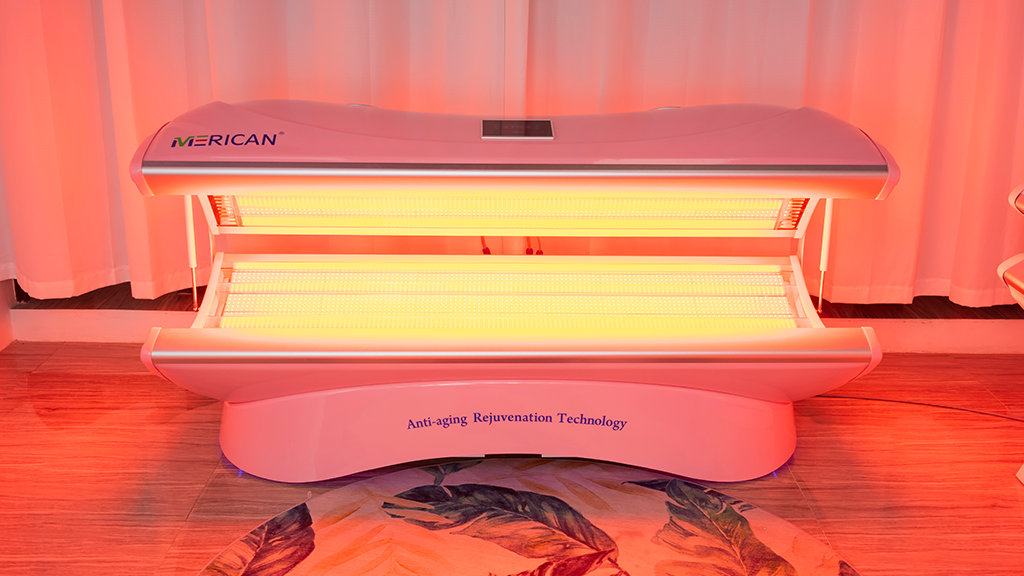
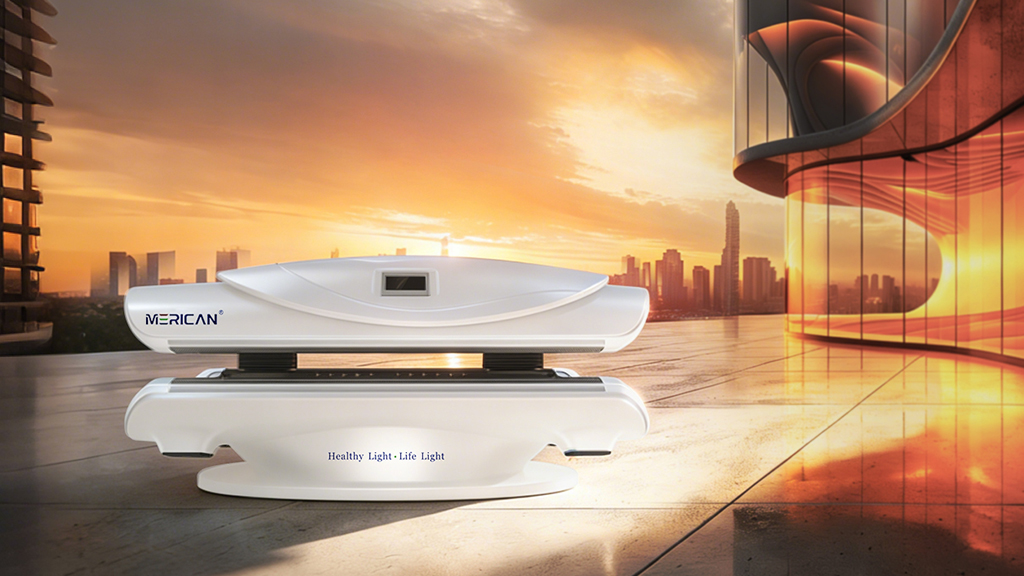
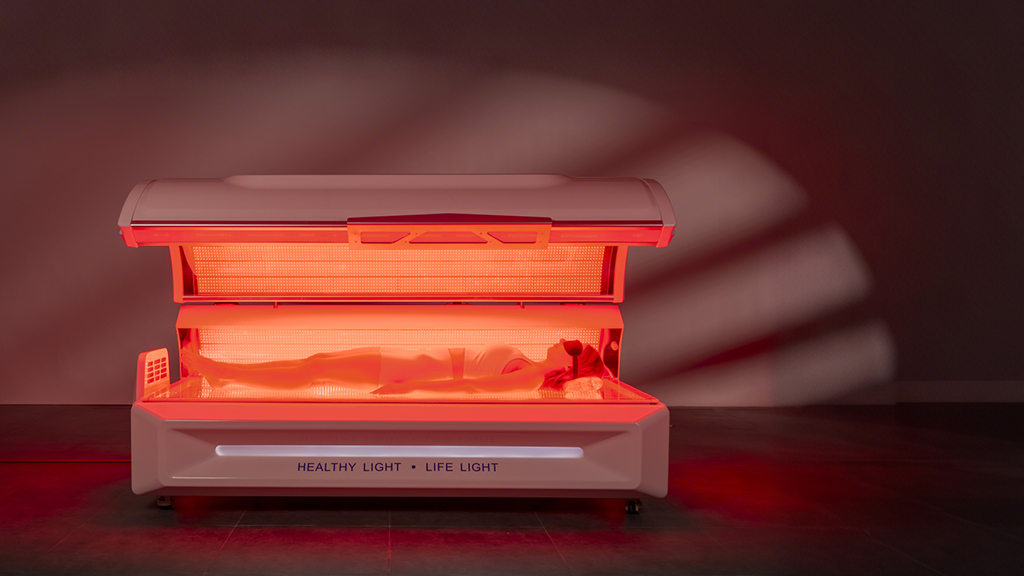
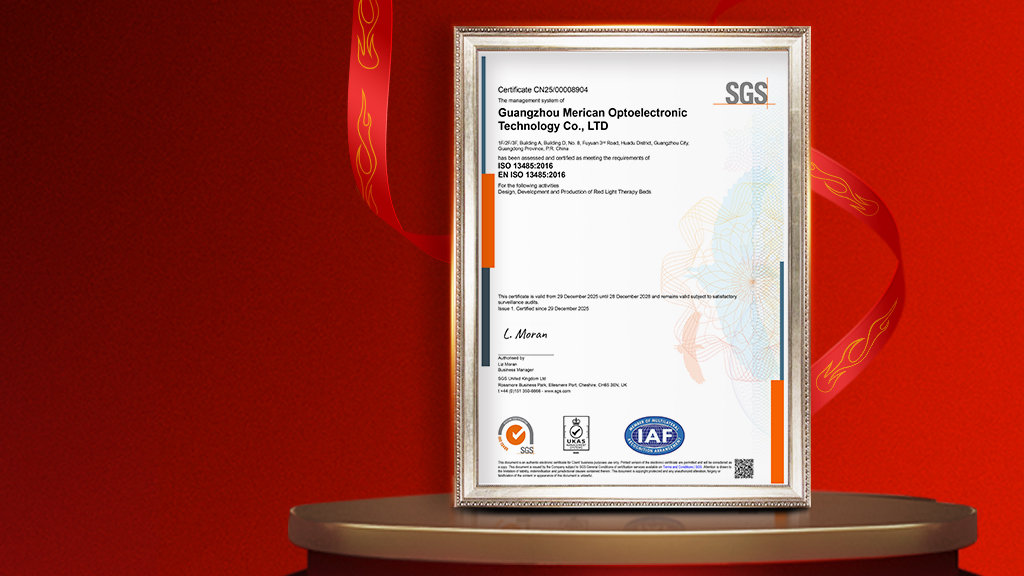
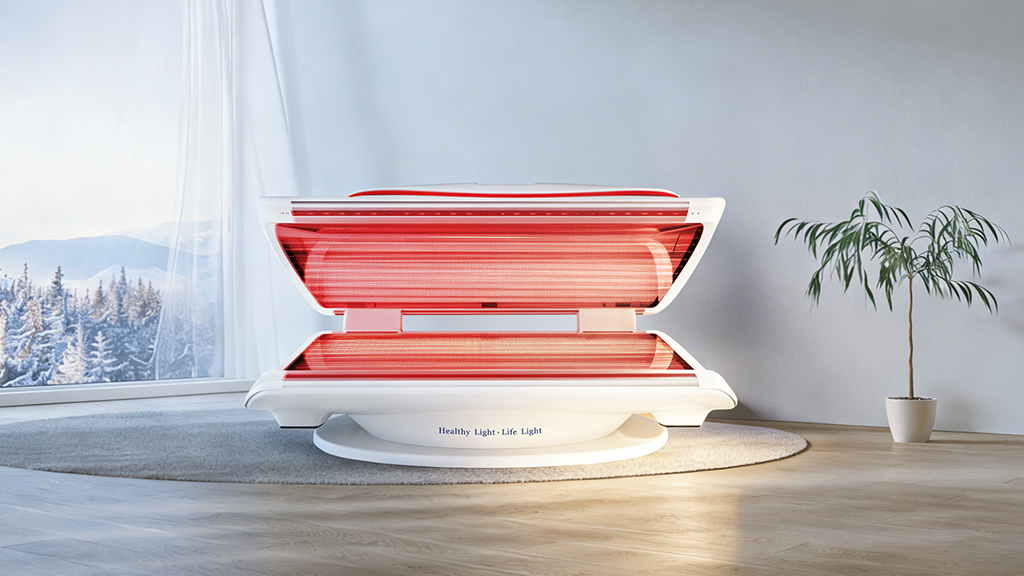
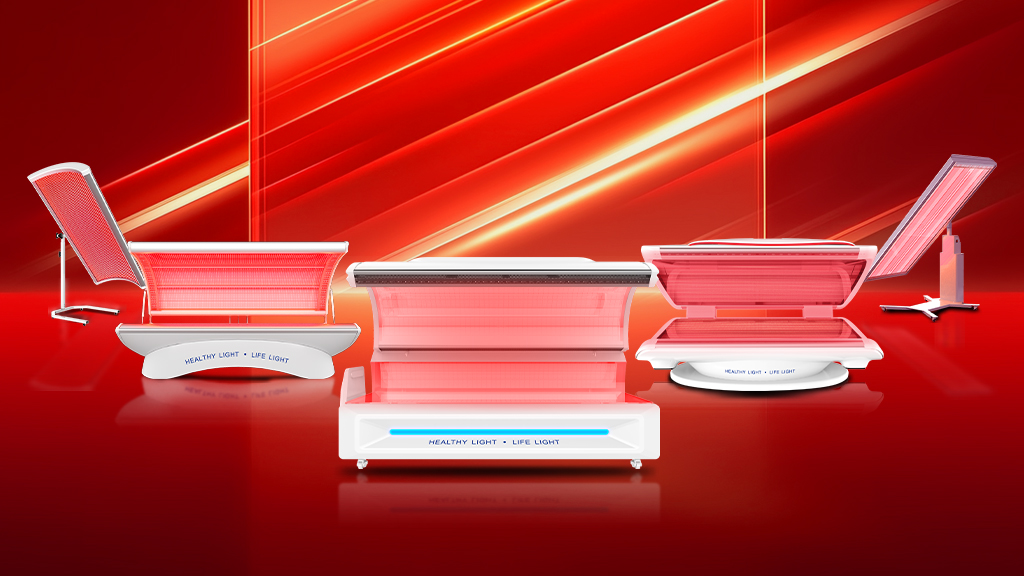
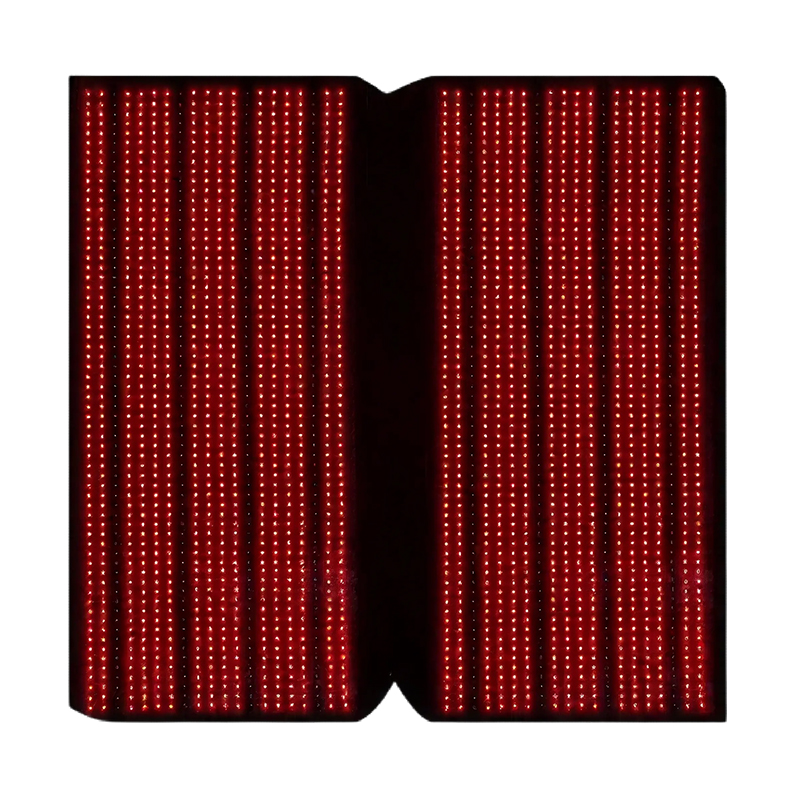
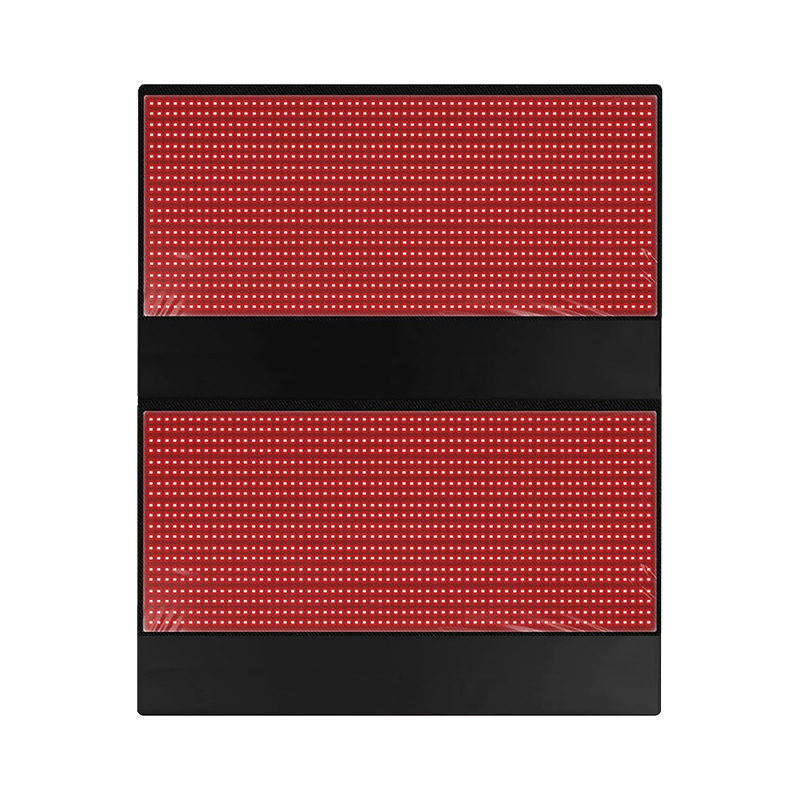
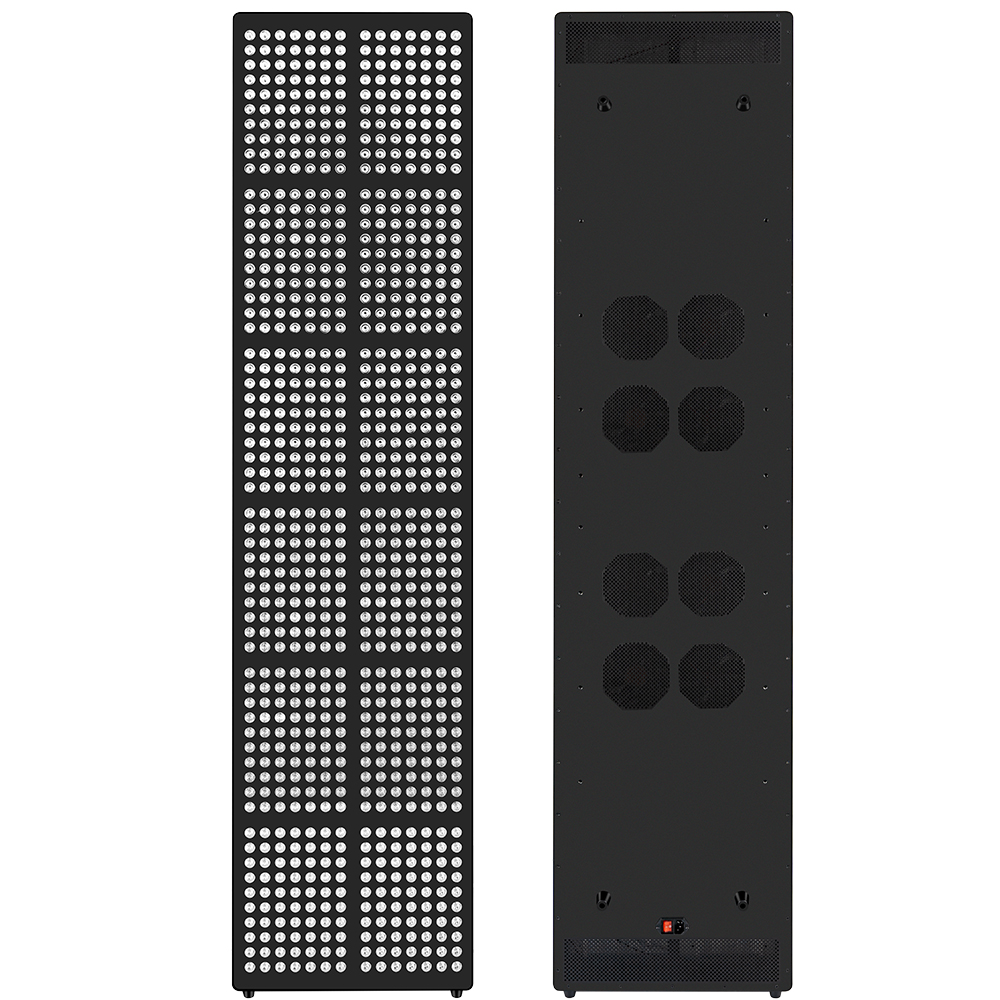
He kaihanga ngaio a Merican mo nga taputapu photobiomodulation matatau, tae atu ki te mahi teitei Moenga whakamaarama marama whero MMB. The MMB system is designed with optimized red light wavelengths, including 630nm and 660nm combinations, to support skincare and full-body wellness applications.
Ko te MMB moenga whakamaarama marama Whero Merican delivers stable light output, professional-grade engineering, and full-body coverage, kia pai ai mo nga whare hauora, whare hauora ataahua, and commercial therapy environments.
Ka whakarato matawhānui hoki a Merican OEM me ODM ratonga whakaritenga, tae atu ki te hoahoa hua, structural customization, rongoā waitohu, me te whakangao hangahanga mo nga hoa o te ao.
I tua atu, Ka tautoko a Merican puta noa i te ao whai wāhitanga mahi tahi a te kaihoko me te tohatoha, tuku tautoko hangarau kaha, tohungatanga hangahanga, and long-term partnership potential for business expansion in the global wellness industry.