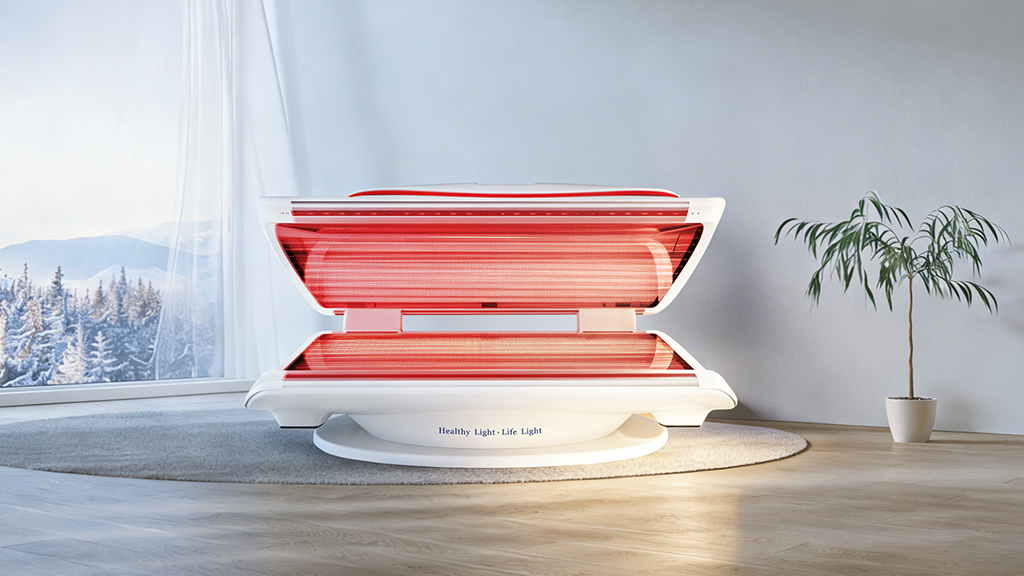
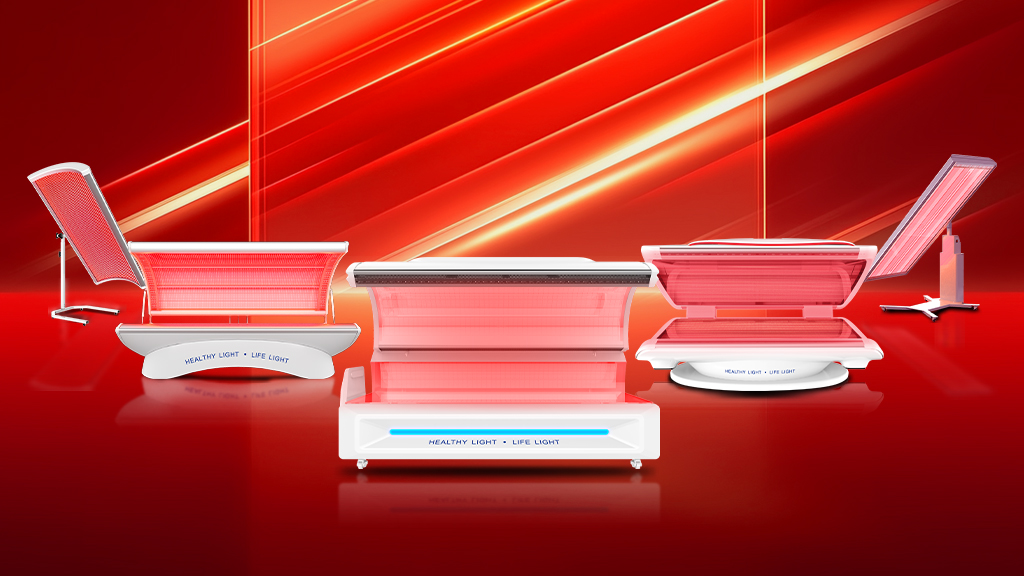
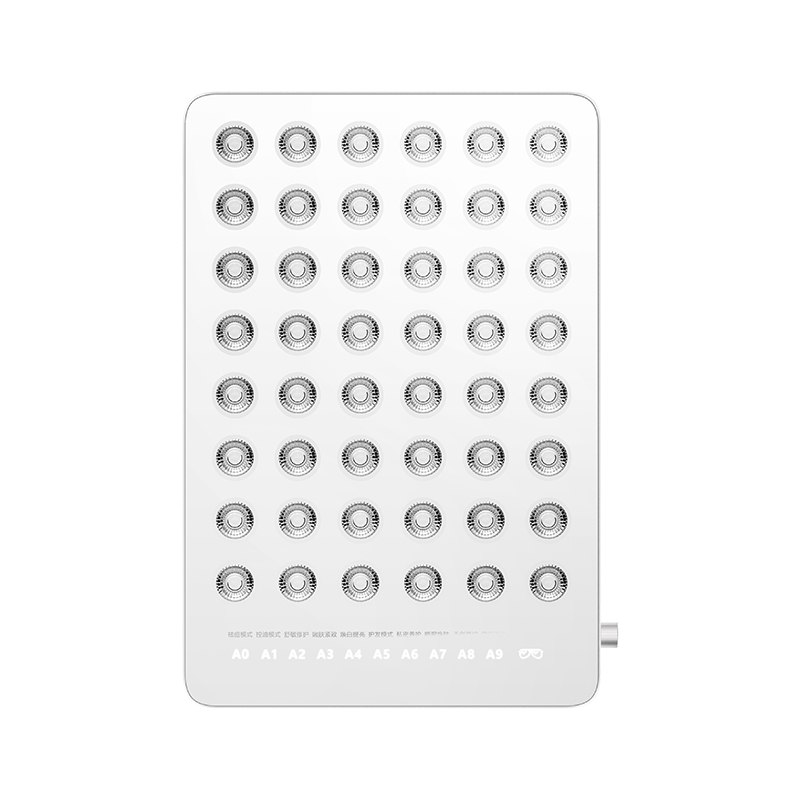
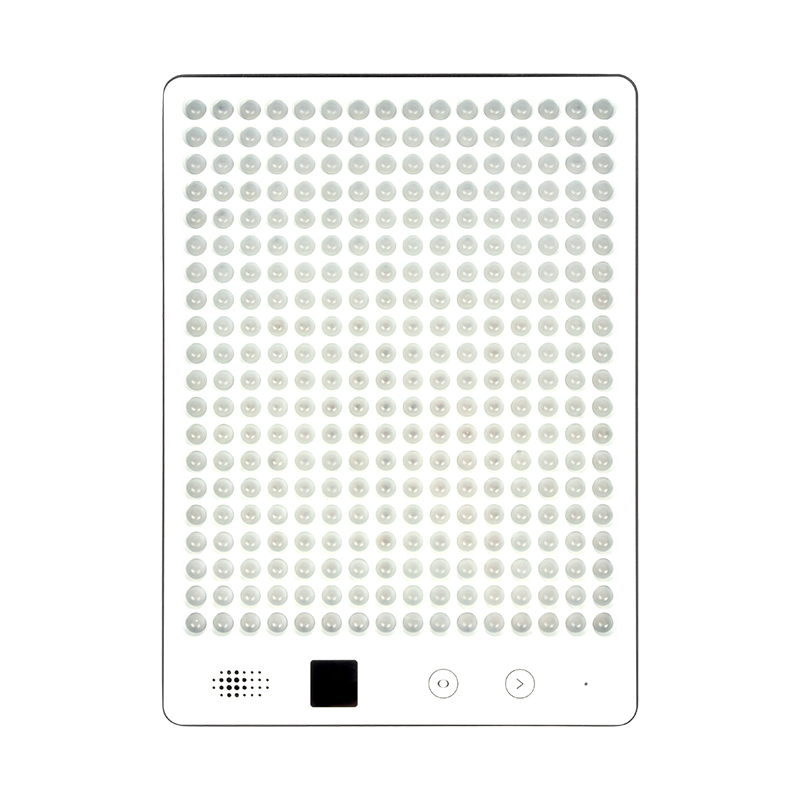
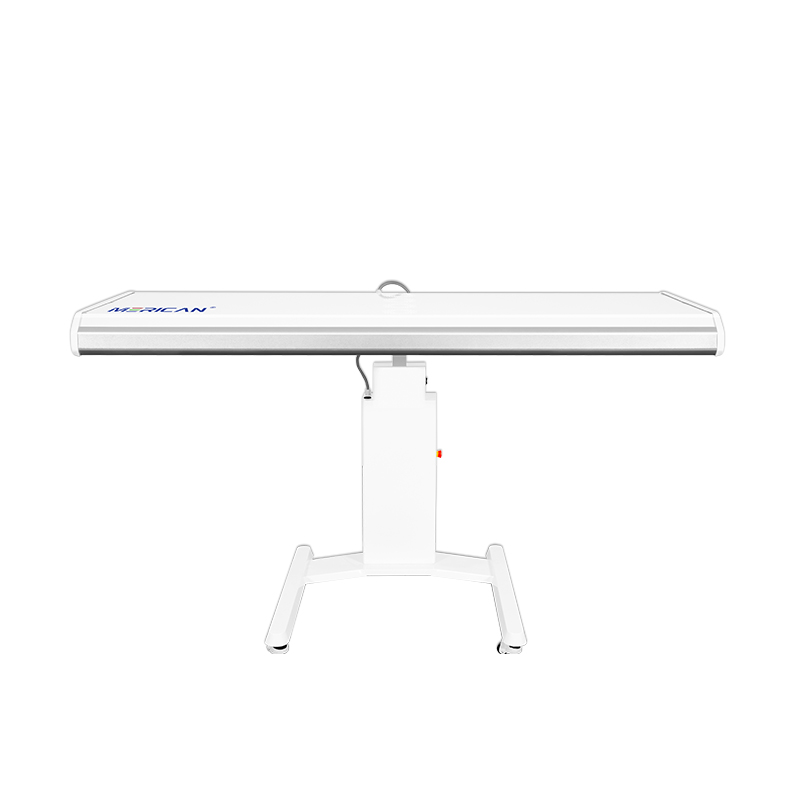
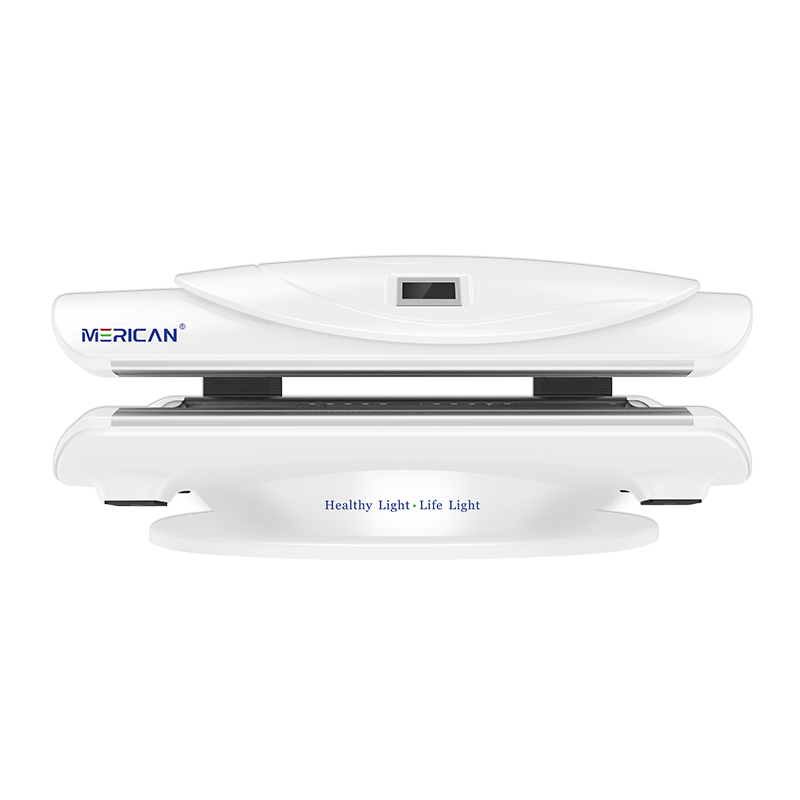
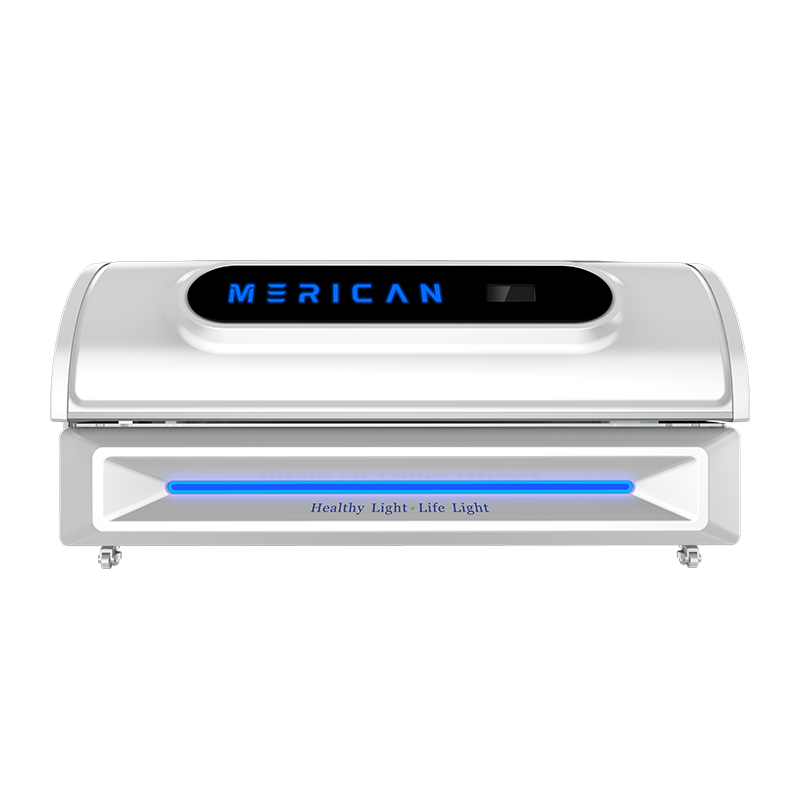
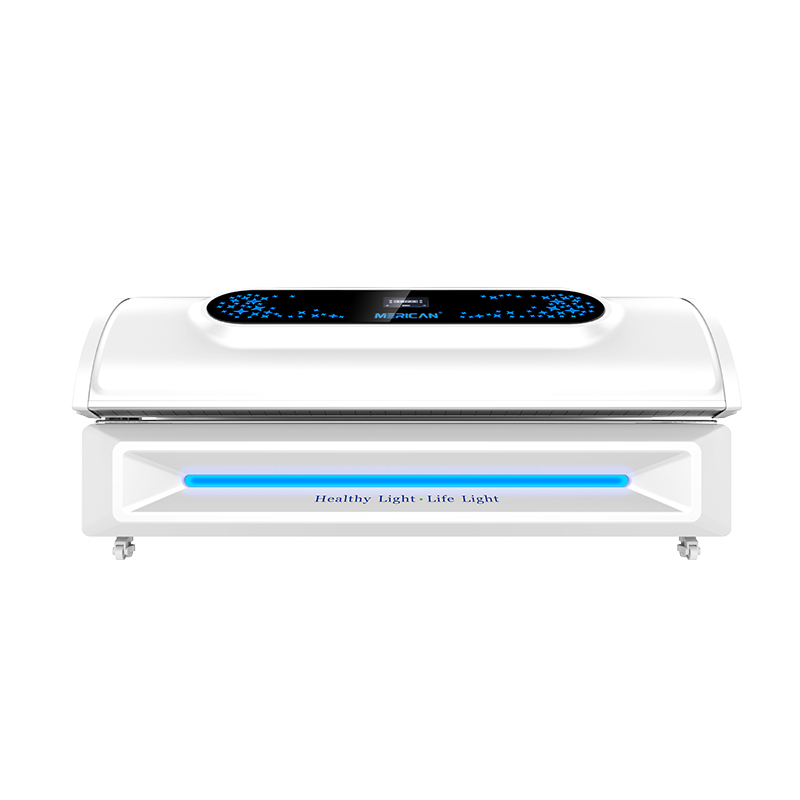
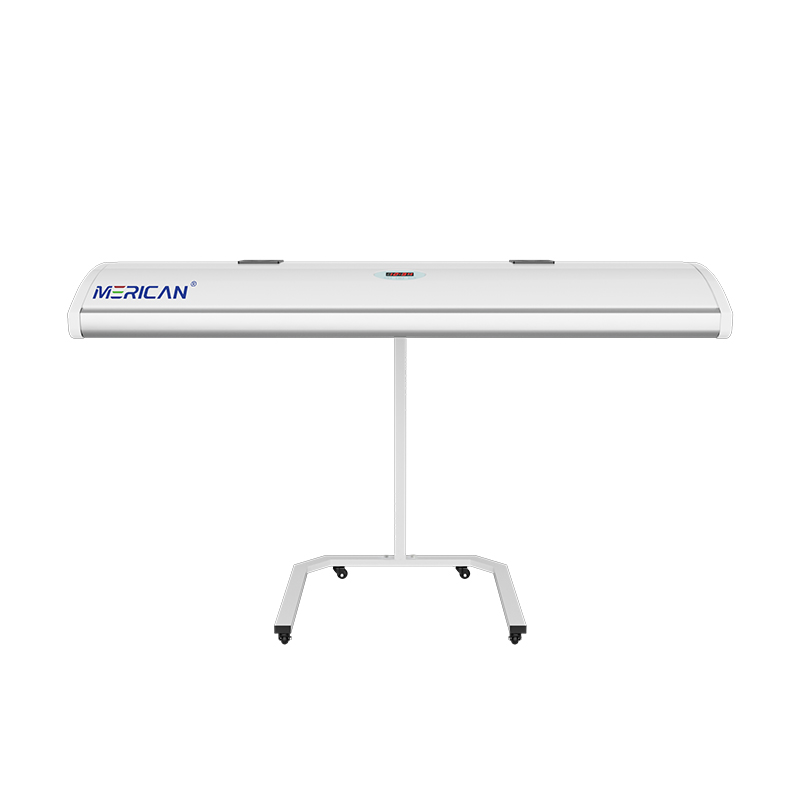
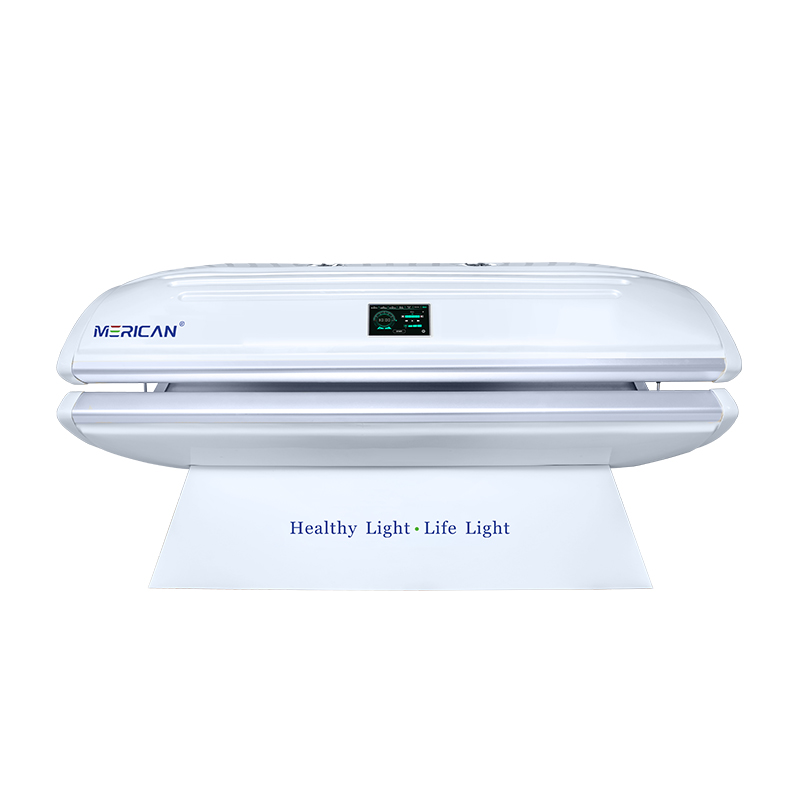
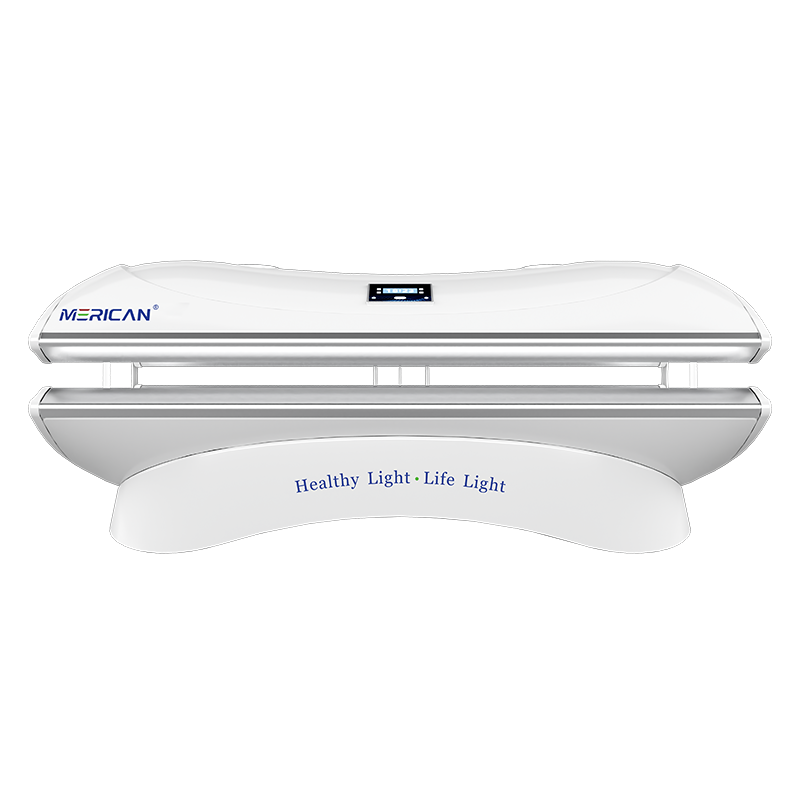
Te mate o te tuāwhiorangi autism (ASD) he mate neurodevelopmental e pa ana ki te whakawhitiwhiti korero, whanonga, tukatuka tairongo, me te mahi o ia ra. I te tipu haere o te hiahia ki nga hangarau hauora-kore, maimoatanga rama whero (RLT)—e mohiotia ana ano ko te photobiomodulation—kua tirotirohia mo tona kaha ki te tautoko i te hauora roro me te punaha io.
He mea nui kia mohio ko te rongoa rama whero ehara i te maimoatanga, i te rongoa ranei mo te autism, engari he waahanga rangahau tautoko ka puta ake.
He pehea te mahi a te Maama Whero
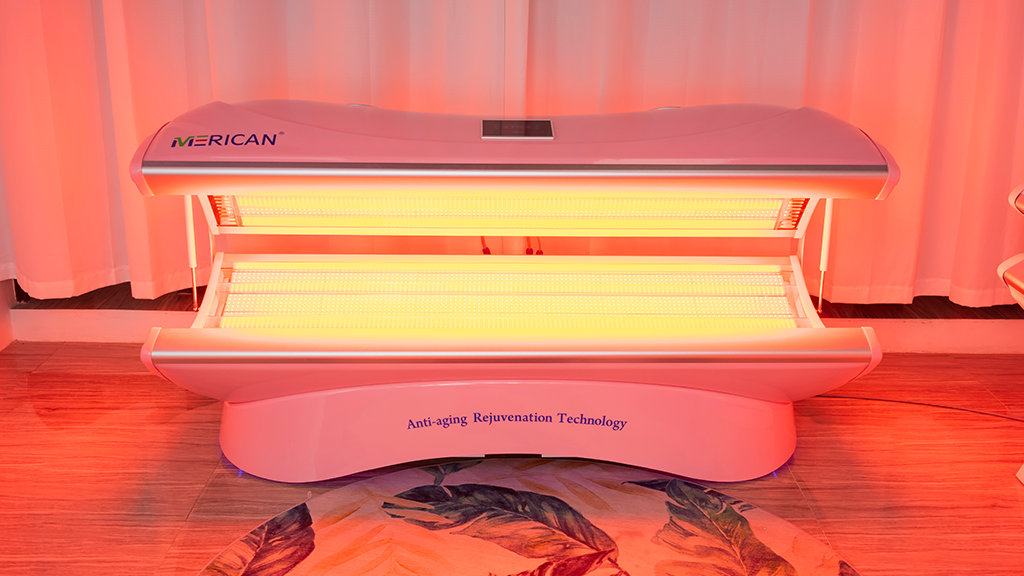
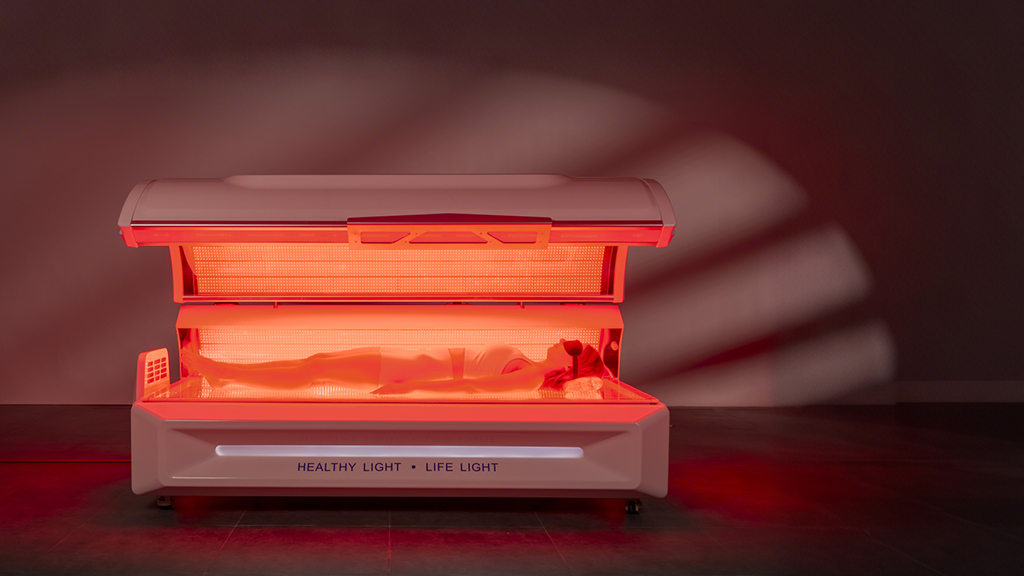
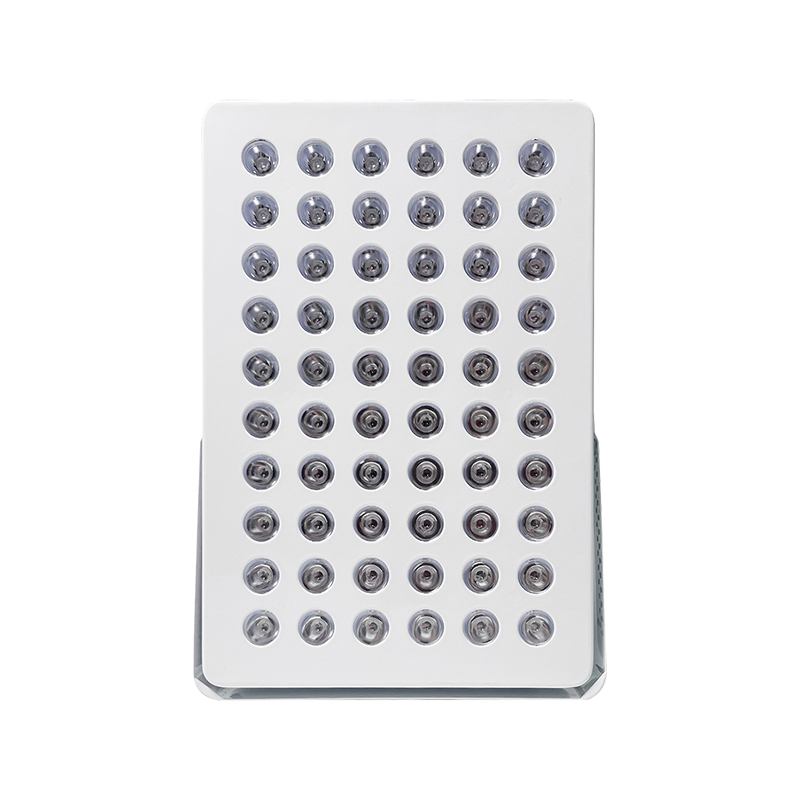
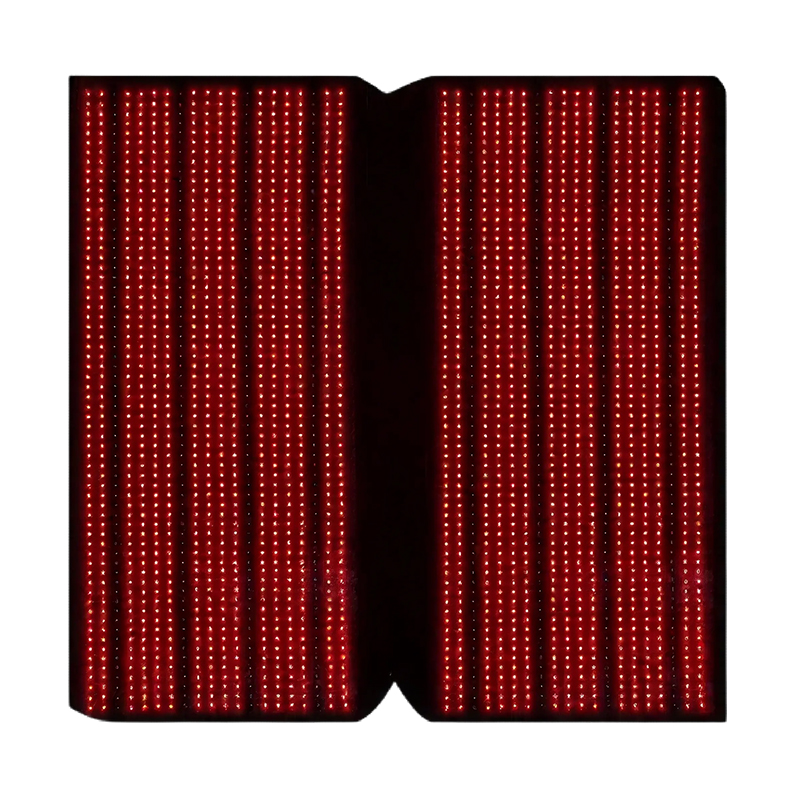
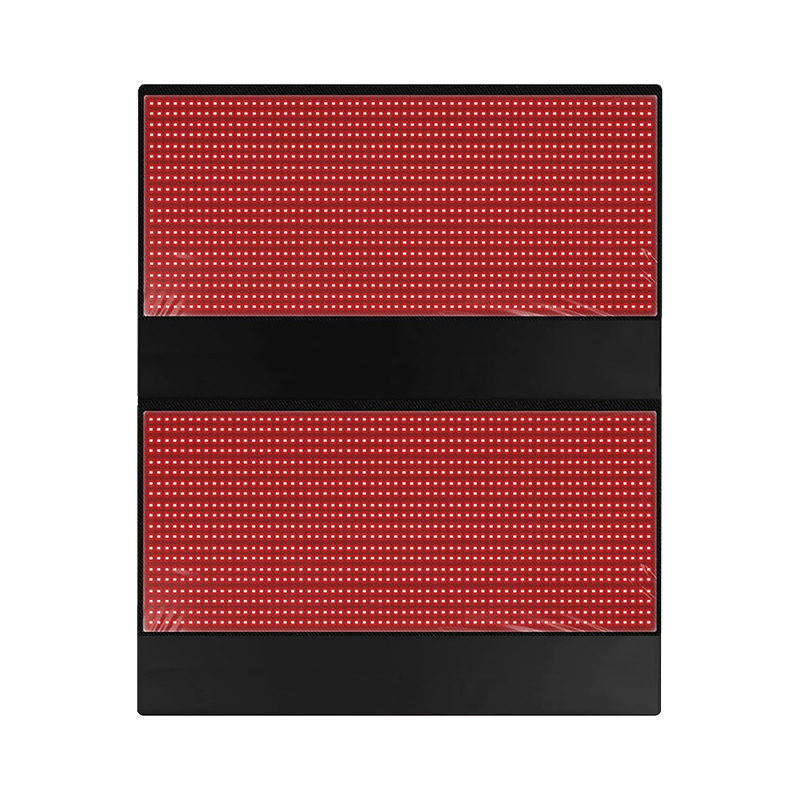
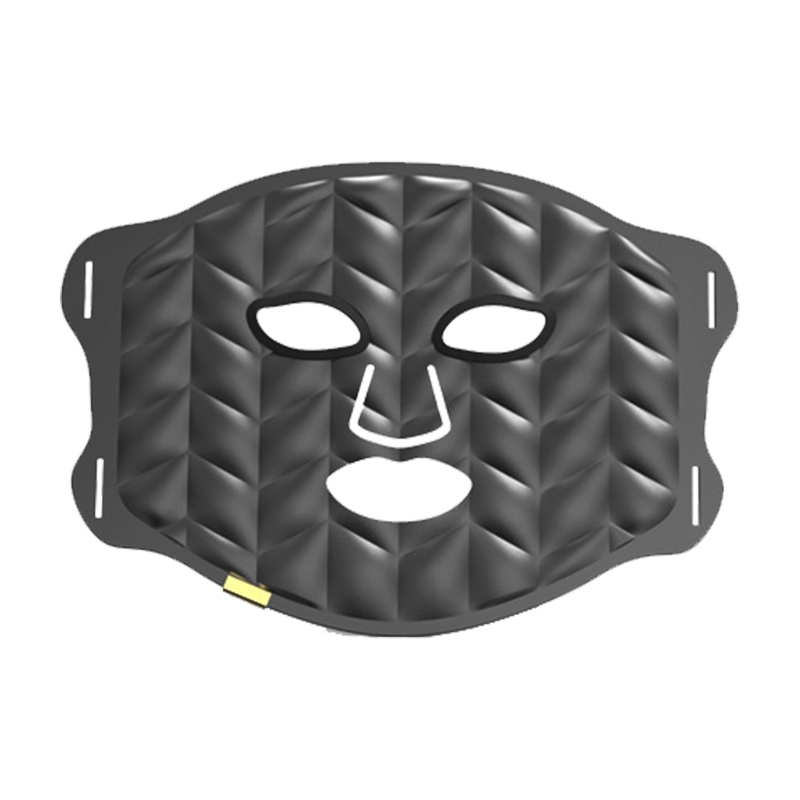
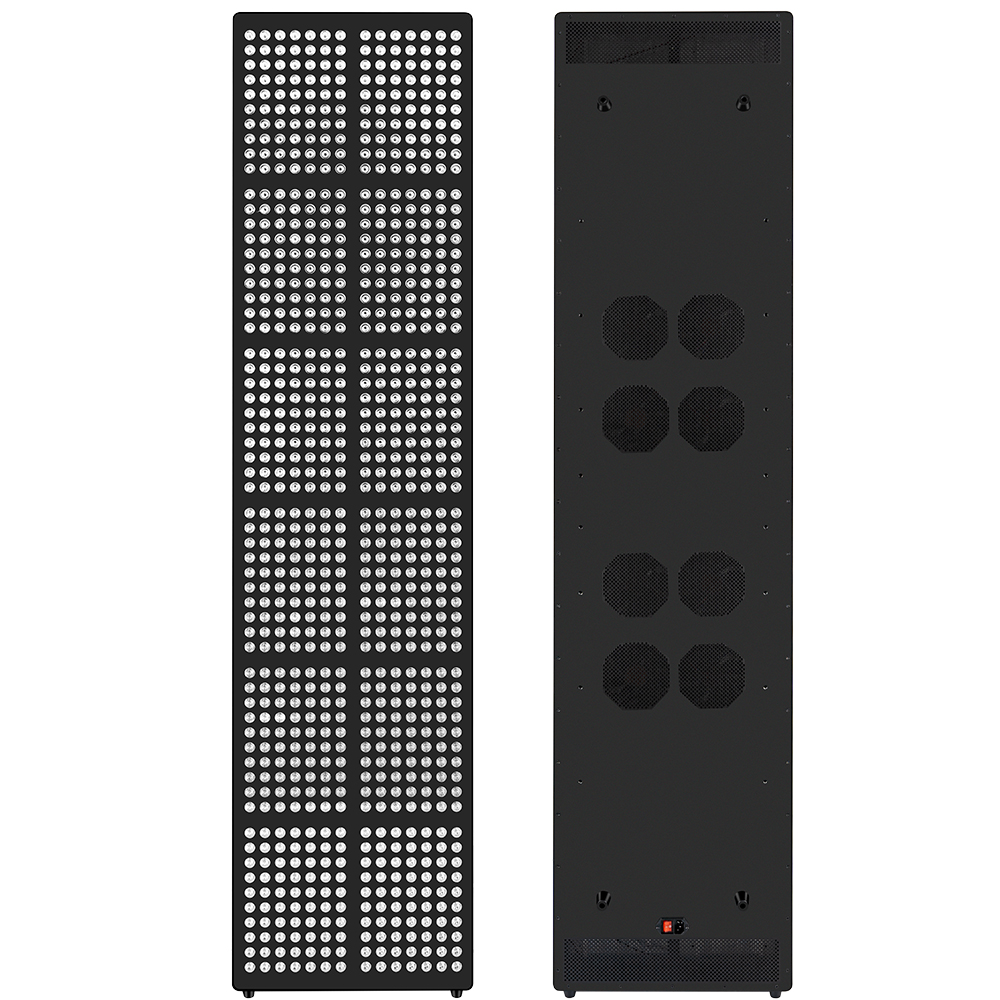
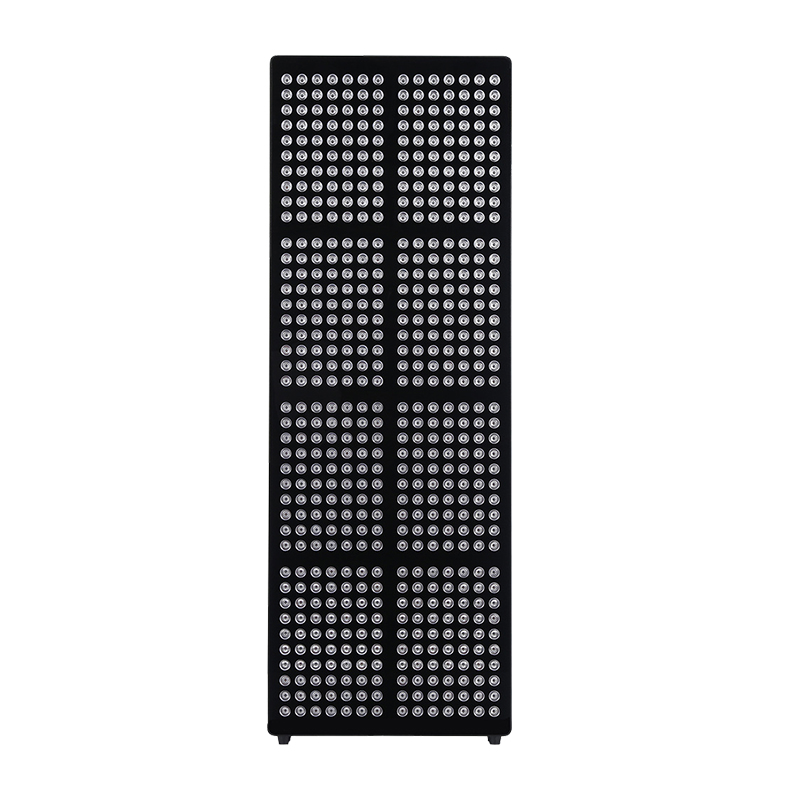
Ko te whakamaarama rama whero e whakamahi ana i nga roangaru whero me te roangaru infrared tata, te tikanga i waenganui 630–880 nm, tera pea ka uru ki roto ki te kiko me te awe i nga mahi a te waea. E ai ki nga rangahau ka taea e enei roangaru:
- Tautoko i te mahi mitochondrial me te kaha (ATP) hangahanga
- Whakapai ake te tohanga toto
- Whakatau i te mumura me te ahotea oxidative
He tika enei tikanga na te mea ko etahi o nga rangahau e hono ana te autism ki te whakarereketanga o te kaha o te roro me nga tukanga neuroinflammatory.
Te Maama Whero me te Mahi roro
Kua akohia te Photobiomodulation i roto i nga momo horopaki neurological. I roto i te rangahau e pa ana ki te autism, Kua korerohia te rongoa rama whero mo tona kaha ki te:
- Tautokohia te pai o te tohu tohu neural
- Te whakatairanga i te neuroplasticity
- Awhina i te toenga tauritenga o te roro
Ahakoa he pai nga kitenga moata, he iti tonu nga taunakitanga o naianei me te tirotiro tuatahi.
He aha ta te rangahau o naianei e tohu ana?
Ko nga rangahau iti-iti me nga tirohanga keehi kua tirotirohia te rongoa rama whero mo nga tangata whai ASD, e arotahi ana ki nga waahi penei:
- Te whakauru hinengaro
- Nga tauira moe
- Te ture tairongo
He rereke nga hua, me nga kairangahau e whakanui ana i te hiahia kia nui ake, te whakahaere i nga whakamatautau haumanu i mua i te tuhi whakatau.
Nga Whakaaro Haumaru
Ko te rongoa rama whero ka kiia he haumaru ina whakamahia tika:
- Kaore he hihi UV
- Kore-ahuru me te mamae
- He iti rawa nga paanga o te taha korero
Heoi ano, ko nga tangata whai tuāwhiotanga me whakamahi noa te whakamaarama rama whero i raro ārahitanga ngaio, ina koa ko nga tamariki, ko nga tangata takitahi ranei he ngakau tairongo.
Whakarāpopototanga
Ko te whakamaarama rama whero e tohu ana i te putanga mai, Ko te waahi rangahau-aia e aro nui ana ki te tautoko autism. Ahakoa ehara i te rongoa rongoa, ka whai hua pea e pa ana ki te hauora roro me te toenga o te punaha io, e whakamana ana i etahi atu rangahau pūtaiao.