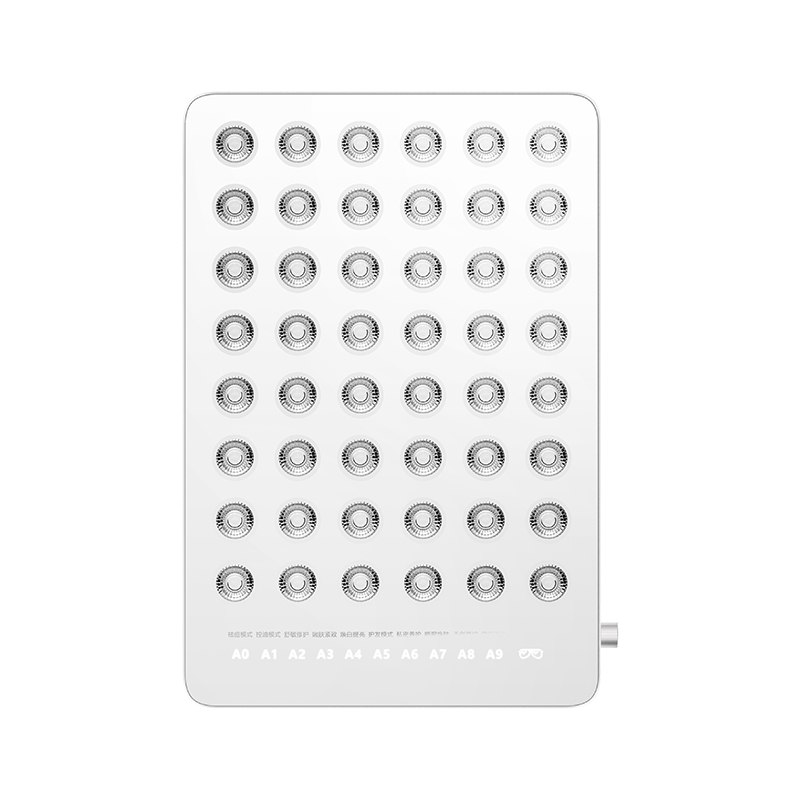
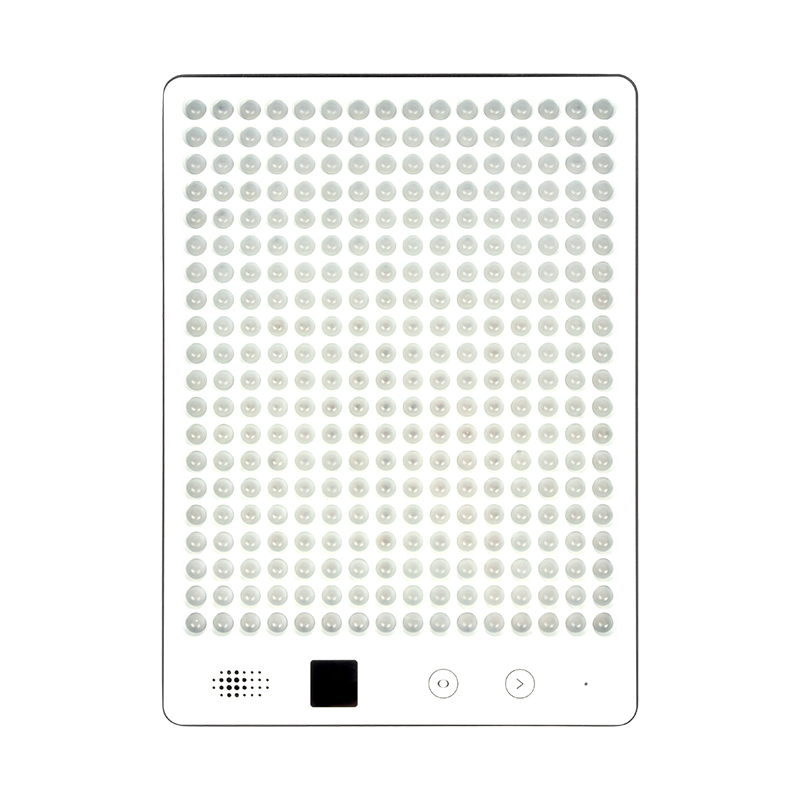
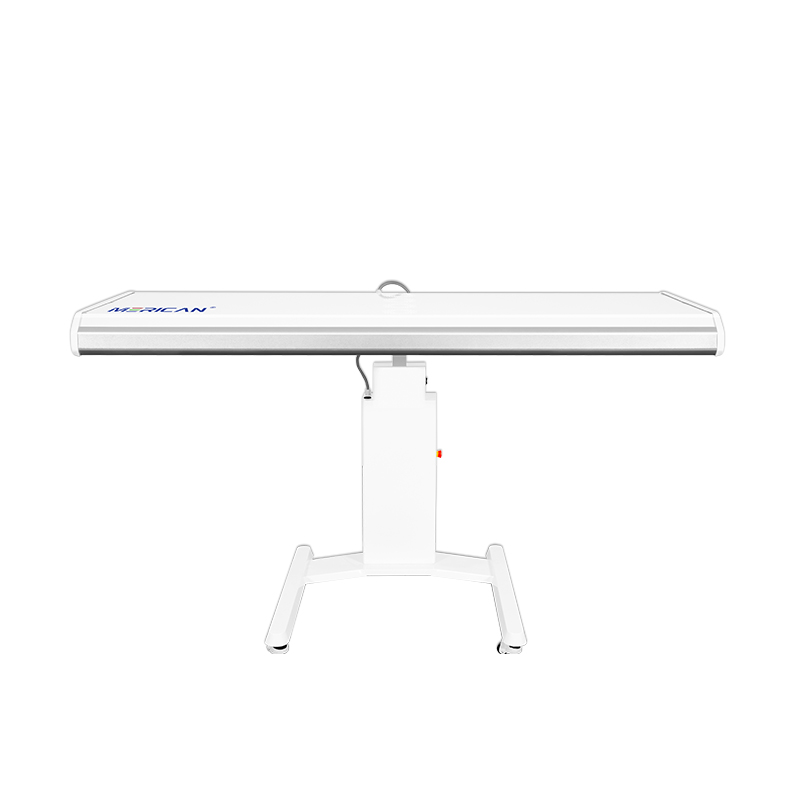
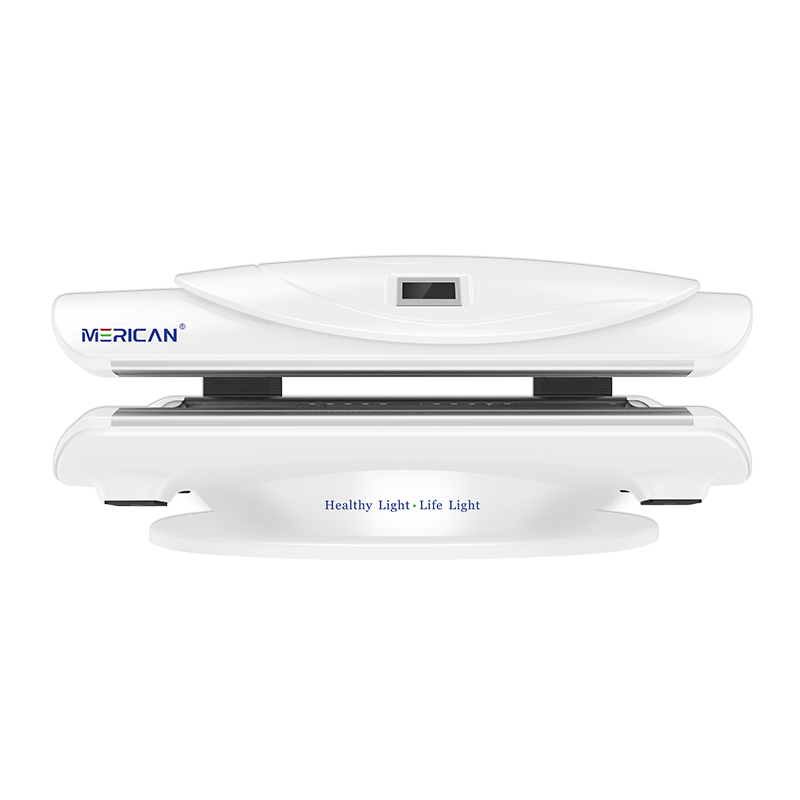
Ko te hononga i waenga i te whakamaarama rama whero me te mahi mitochondrial kua riro tetahi o nga kaupapa e tino korerohia ana i roto i te ahumahi oranga me te whakaora.. Mai i nga kaitäkaro me te hunga biohacker ki nga tohunga tiaki kiri me nga whare hauora, He maha nga tangata e tirotiro ana me pehea te awhina o te rongoa mama ki te whakapai ake i nga mahi aa-a-rorohiko.
Understanding the relationship between mitochondria and red light therapy can help explain why this technology is widely used for muscle recovery, te whakahou kiri, me te tautoko oranga katoa.
Why Mitochondria Are Essential for Health
Mitochondria are microscopic organelles found inside nearly every cell in the human body. Their primary role is converting nutrients and oxygen into ATP, which powers cellular activity.
Cells with high energy demands — such as muscle cells, brain cells, and skin cells — rely heavily on healthy mitochondrial function.
Heoi ano, several factors may negatively affect mitochondria over time:
- Te pakeketanga
- Te taumahatanga
- Te moe kino
- Te mumura
- Environmental toxins
- Physical overtraining
When mitochondrial efficiency decreases, the body may experience lower energy levels and slower recovery processes.
Te Putaiao i muri i te Marama Whero
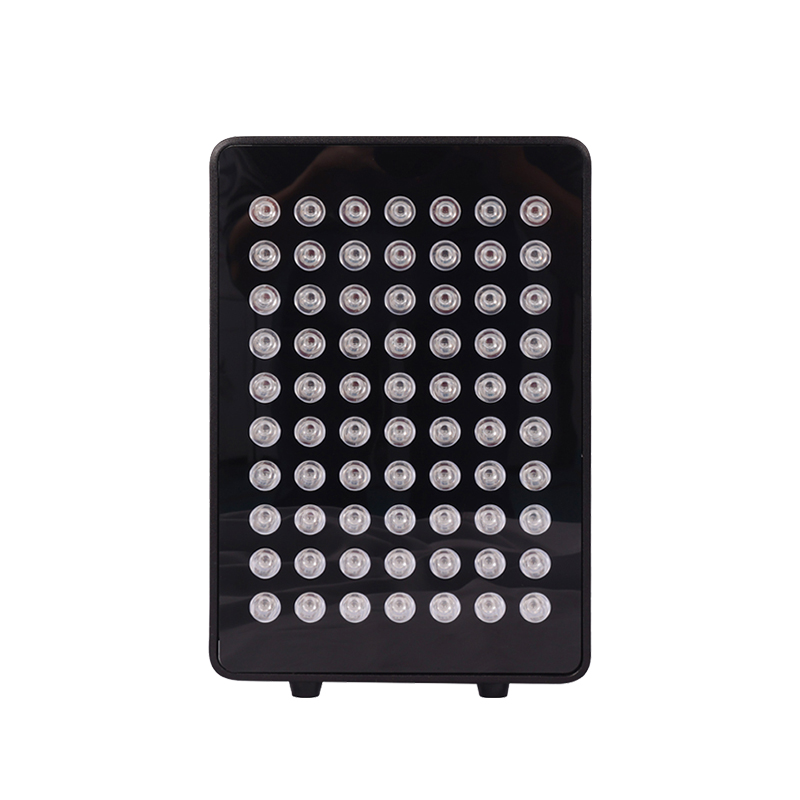
Ko te whakamaarama rama whero e whakamahi ana i nga roangaru taumata iti o te rama whero me te rama tata-infrared ka uru ki roto ki te kiri kaore e pakaru te wera..
Ko nga roangaru noa ko:
- 630nm
- 660nm
- 810nm
- 850nm
Ko enei roangaru e whakaponohia ana he taunekeneke ki nga chromophores mitochondrial, ina koa te cytochrome c oxidase, te awhina i nga pūtau ki te whakamahi i te hāora kia pai ake, ka piki ake pea te hanga ATP.
Ko tenei tukanga e kiia ana ko te photobiomodulation.
Kia pehea te Whakanuia o te Mahi Mitochondrial Ka Painga ki te Tinana
Te Whakaora Tinana
He maha nga wa ka whakamahia e nga kaitakaro me te hunga kaingākau tinana te whakamaarama rama whero hei tautoko i te whakaora i muri i nga mahi kaha.
Ka whai hua pea pea:
- Te ngoikore o te uaua
- Kua pai ake te tohanga
- He tere ake te whakaora i te kiko
- He pai ake te mahi korikori
Ko te kaha ake o te mahi mitochondrial ka awhina i nga pūtau uaua ki te whakatika pai ake i muri i te ahotea me te whakangungu.
Tautoko mo te Hauora Kiri
Skin cells also require large amounts of energy for collagen production and tissue repair.
Ka awhina pea te rongoa rama whero:
- Tautokohia te whakahiato collagen
- Improve skin appearance
- Reduce visible signs of aging
- Promote healthier-looking skin
Mo tenei take, many spas and wellness clinics incorporate red light therapy into skincare programs.
Wellness and Stress Recovery
Mitochondrial support is also associated with general wellness and stress management.
Some users report improvements in:
- Te whakangā
- Te kounga o te moe
- Daily energy
- Overall recovery
Although individual experiences vary, the growing popularity of red light therapy reflects increasing interest in non-invasive wellness technologies.
Commercial Red Light Therapy Systems
As demand increases, commercial red light therapy beds are becoming more common in:
- Nga whare hauora
- Whare Whakaora
- Nga whare hauora ataahua
- Nga whare whakapakari tinana
- Biohacking spaces
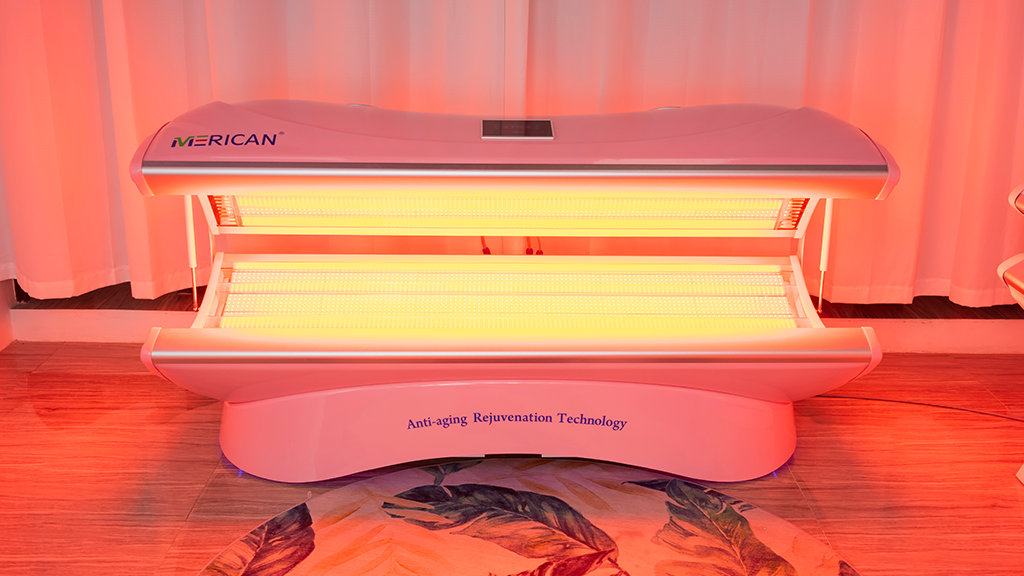
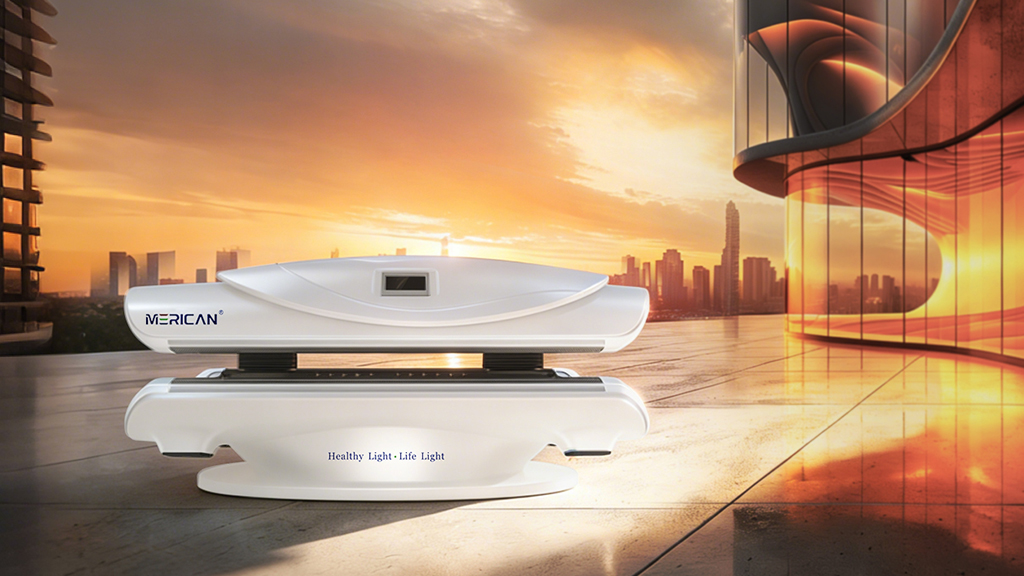
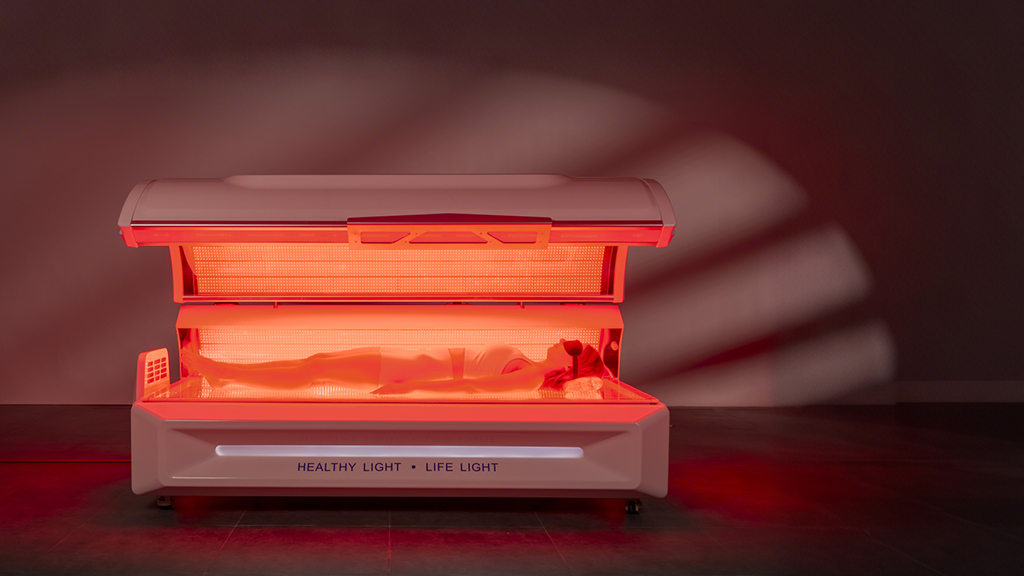
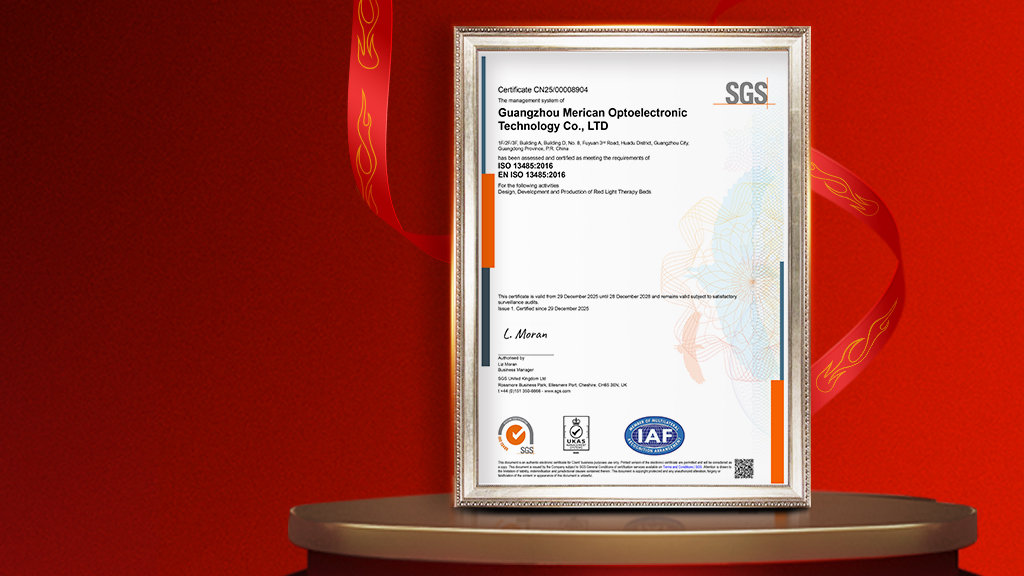
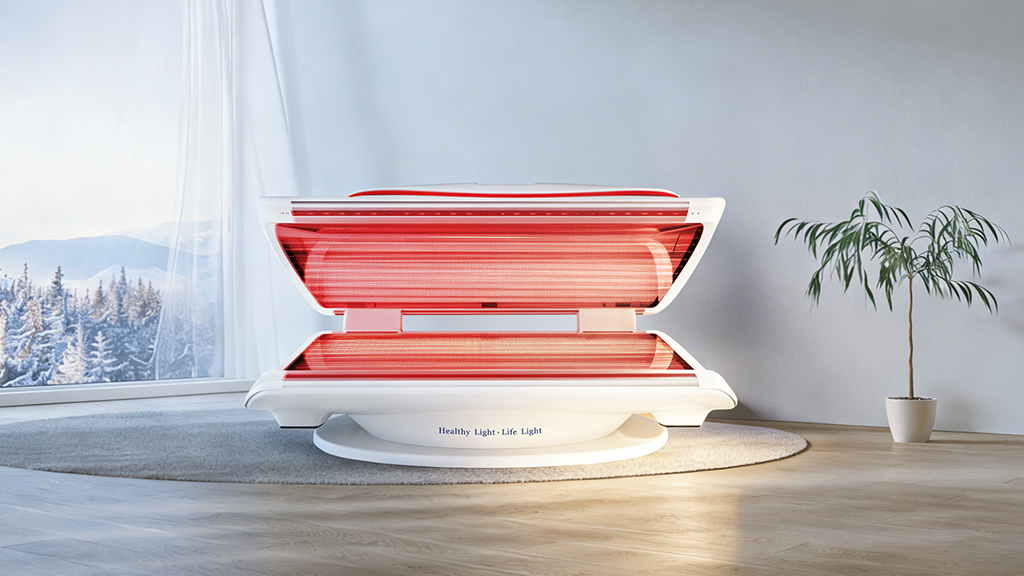
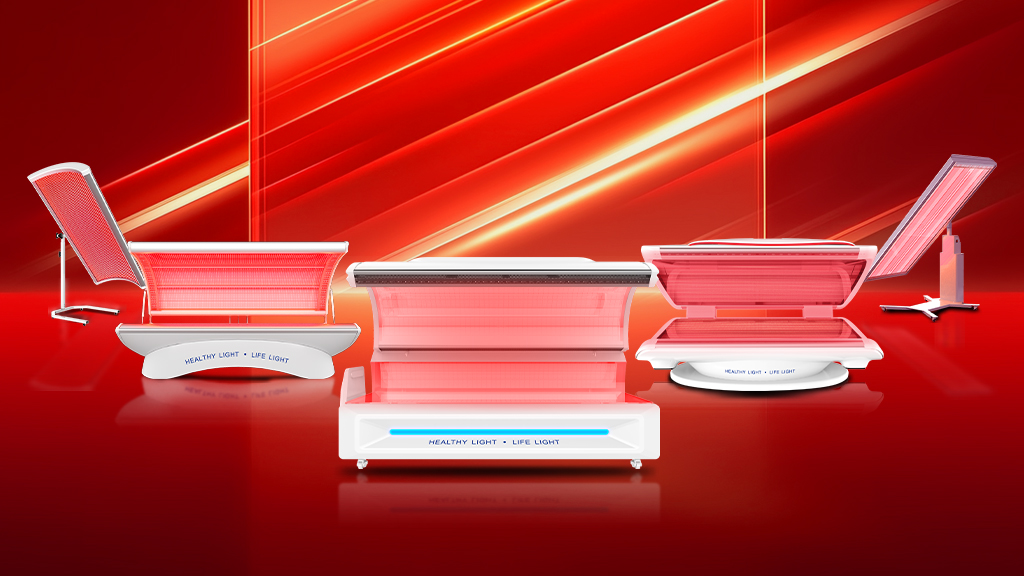
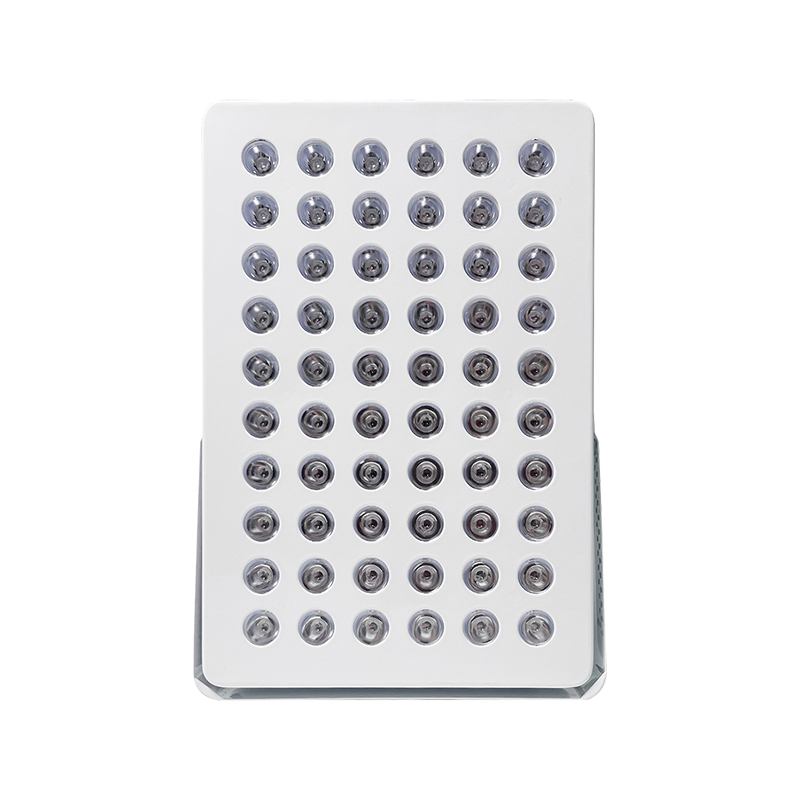
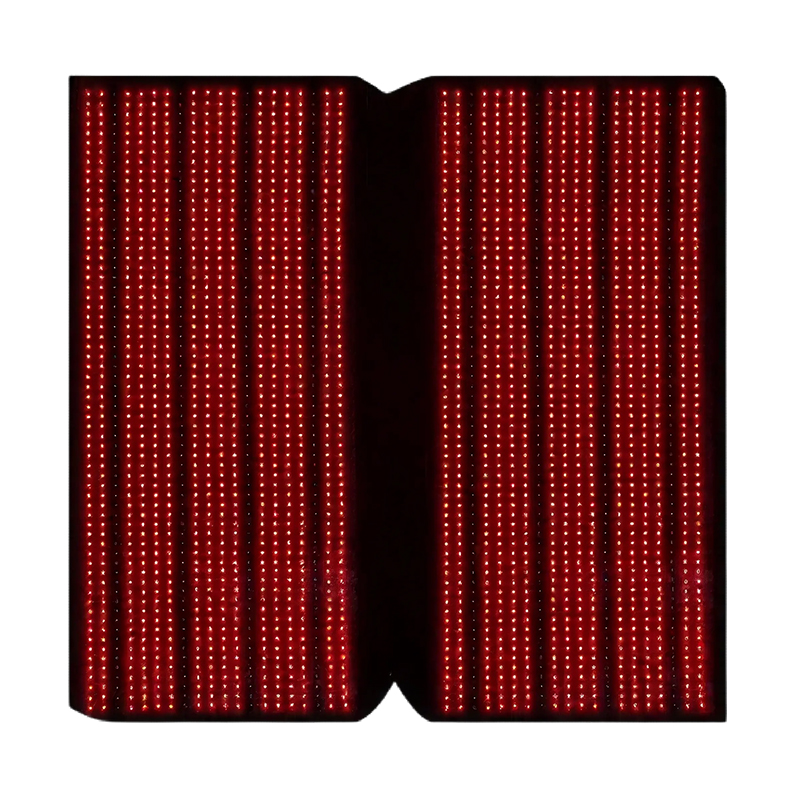
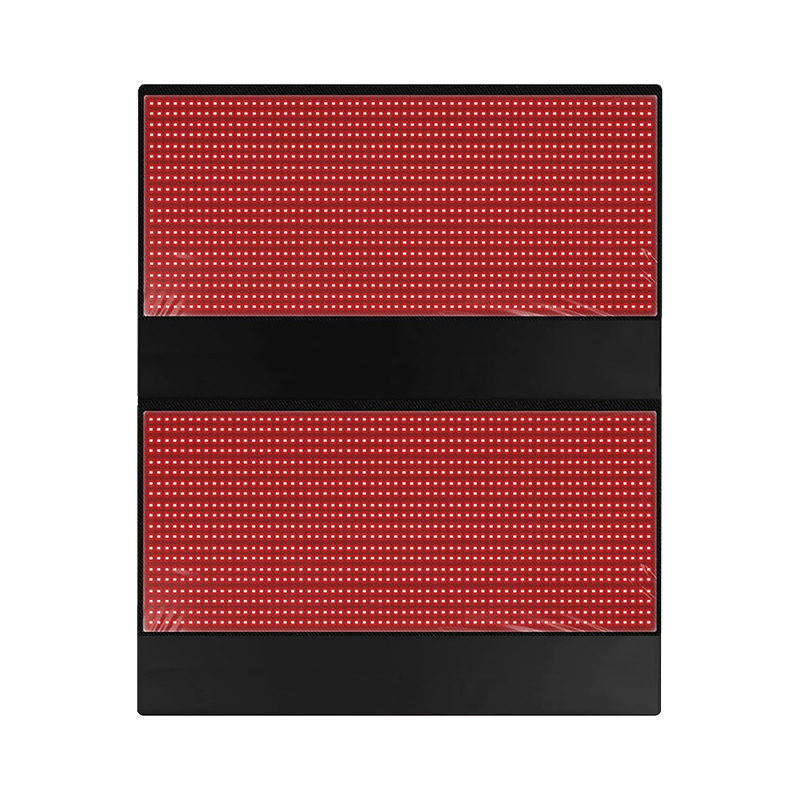
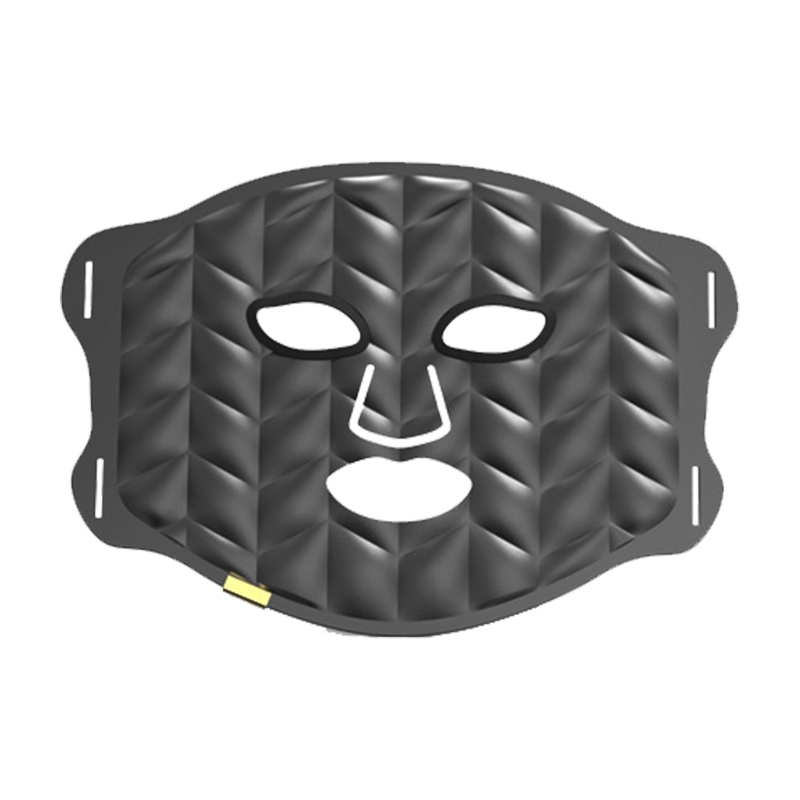
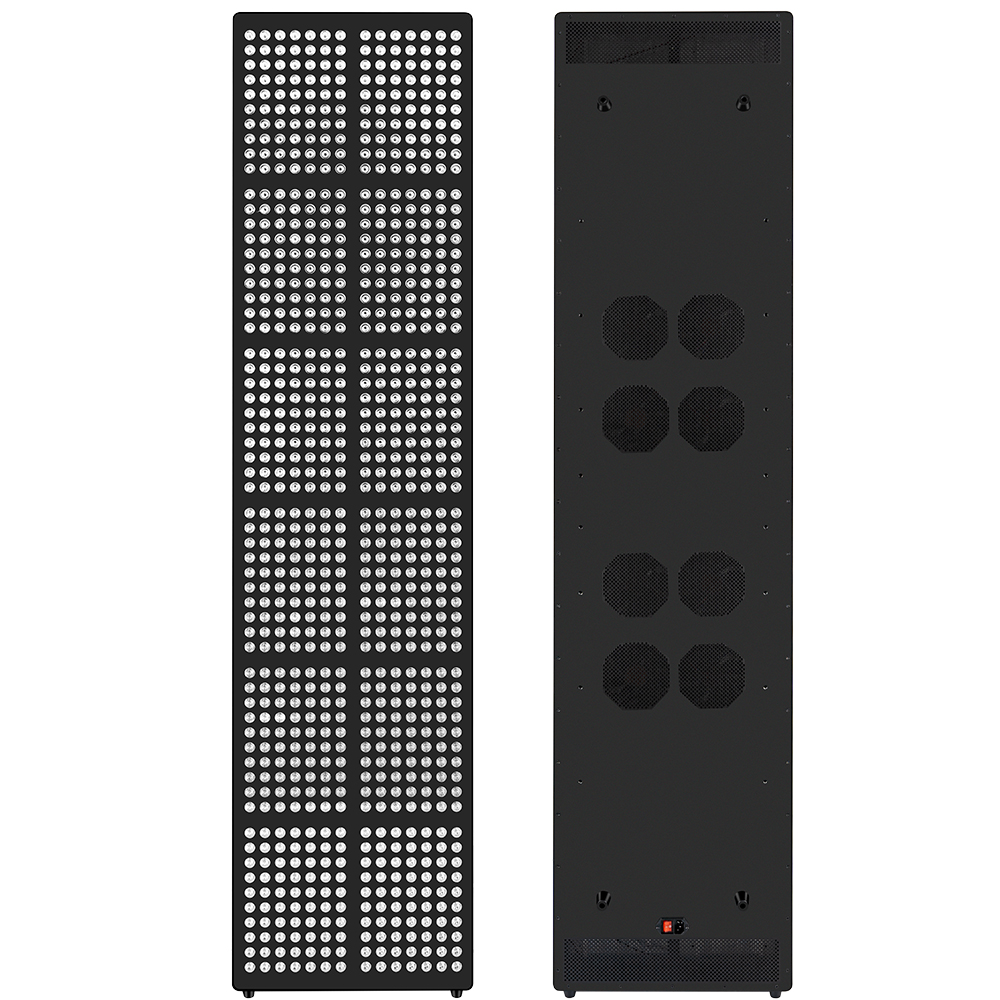
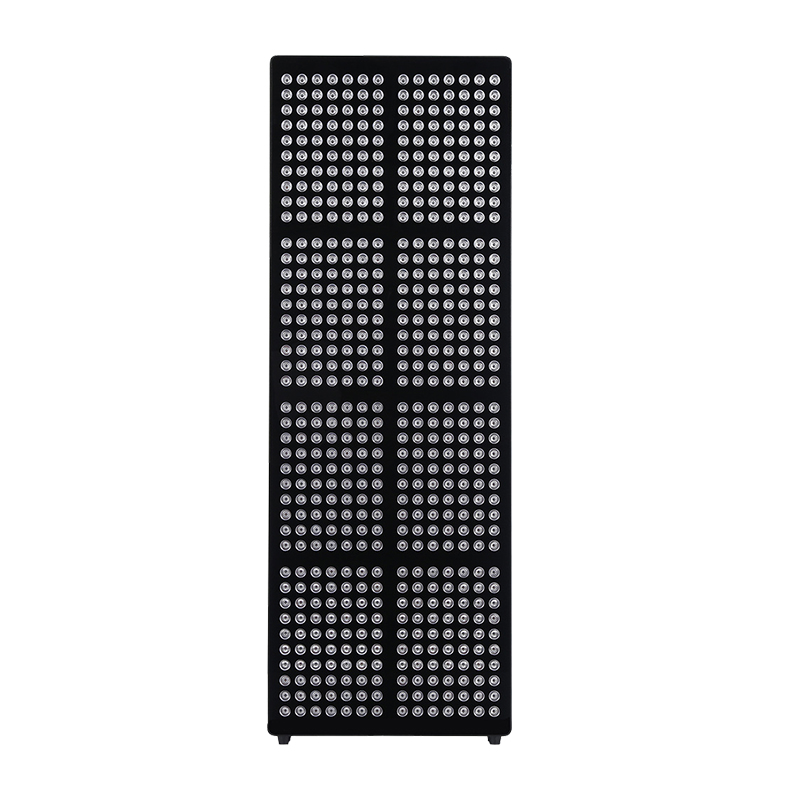
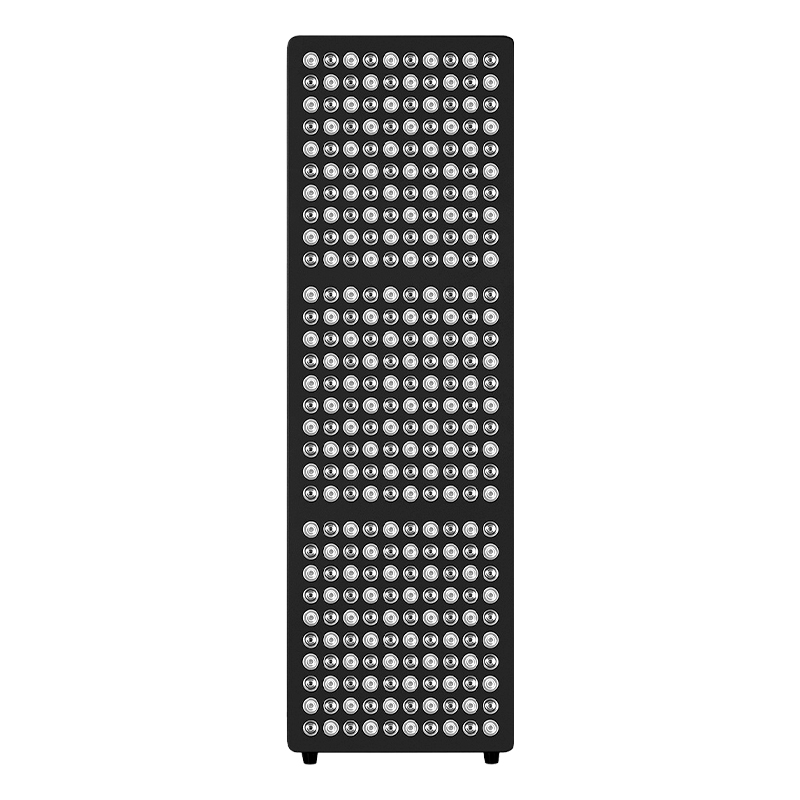
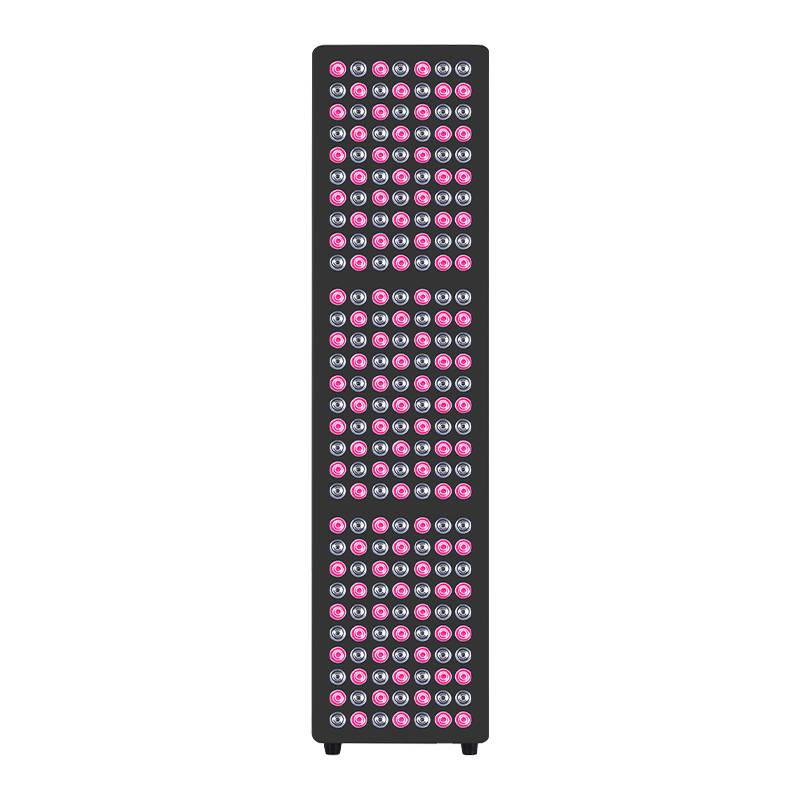
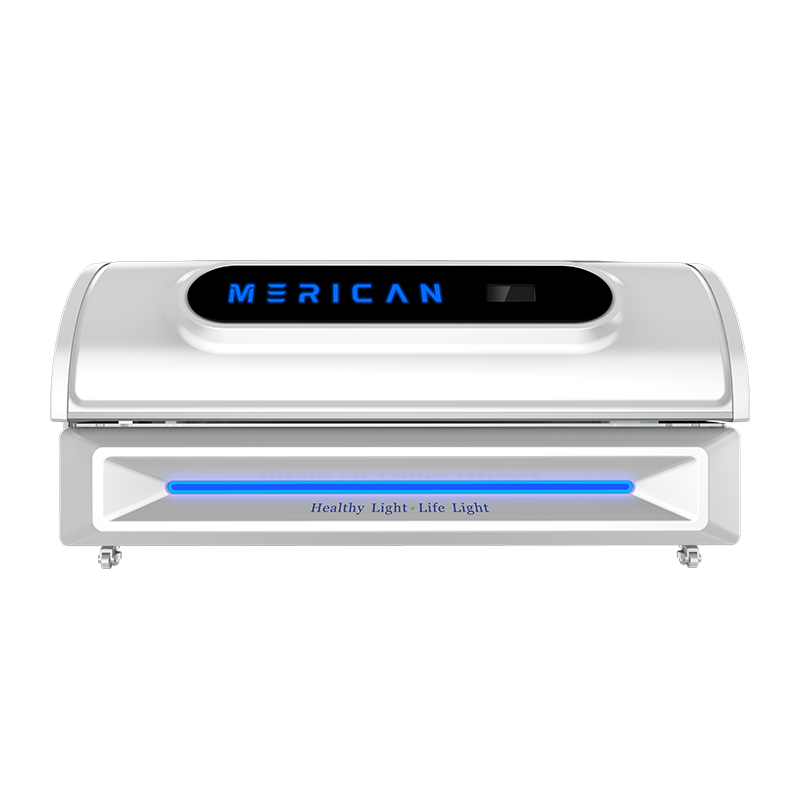
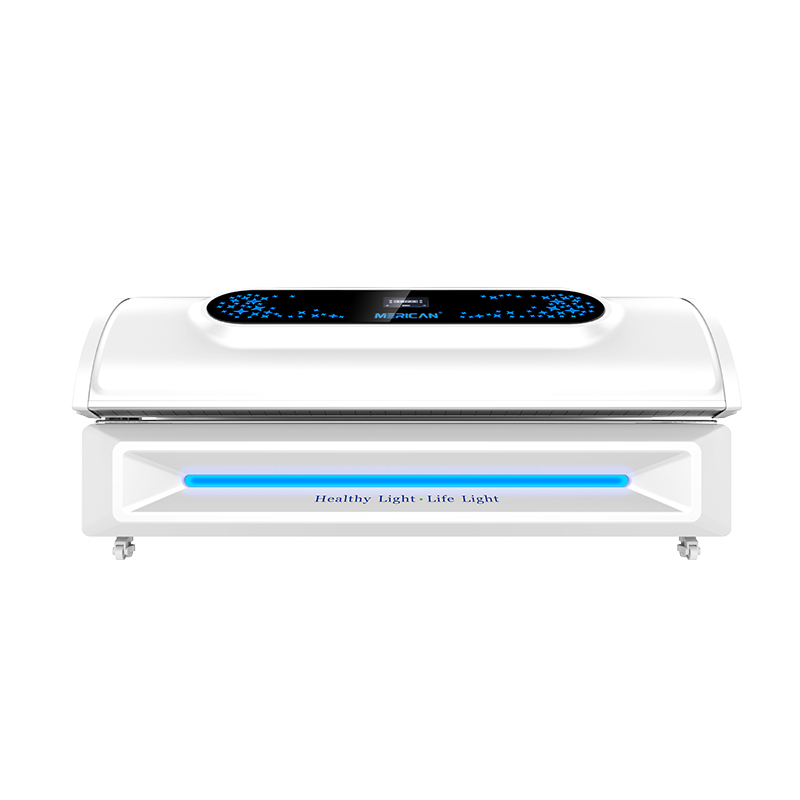
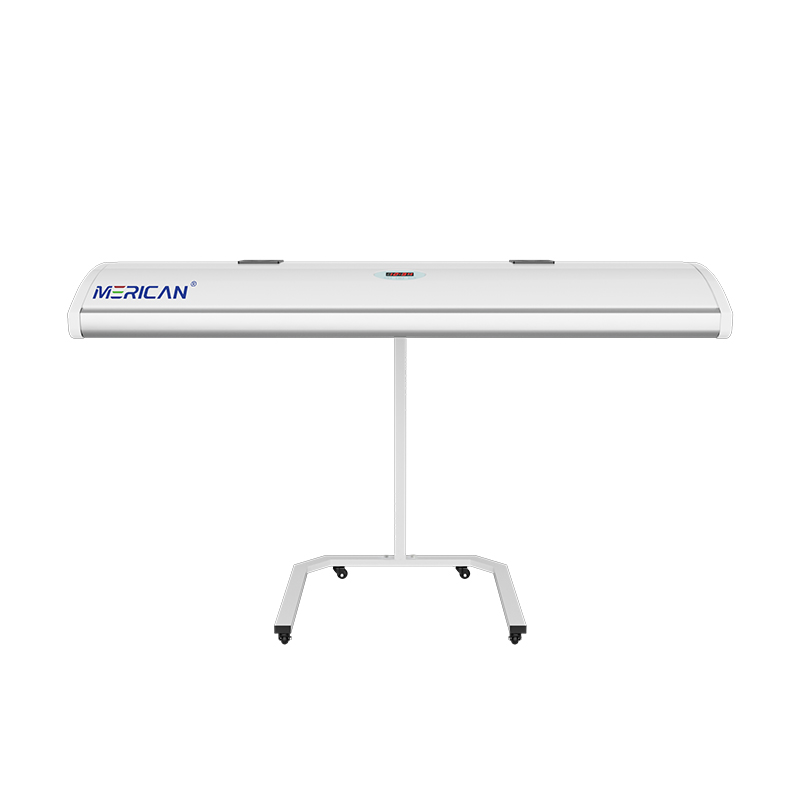
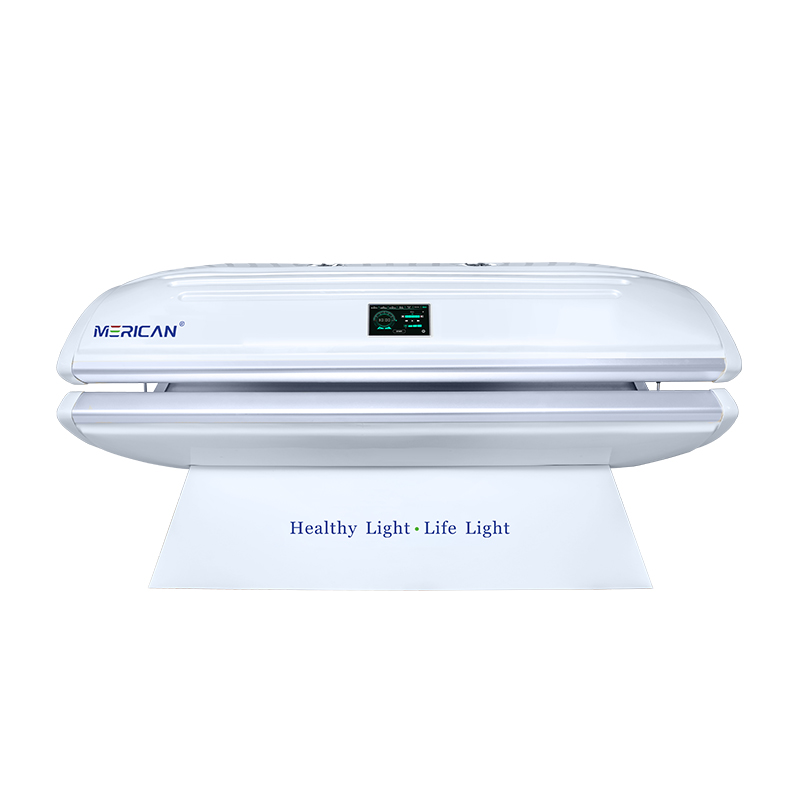
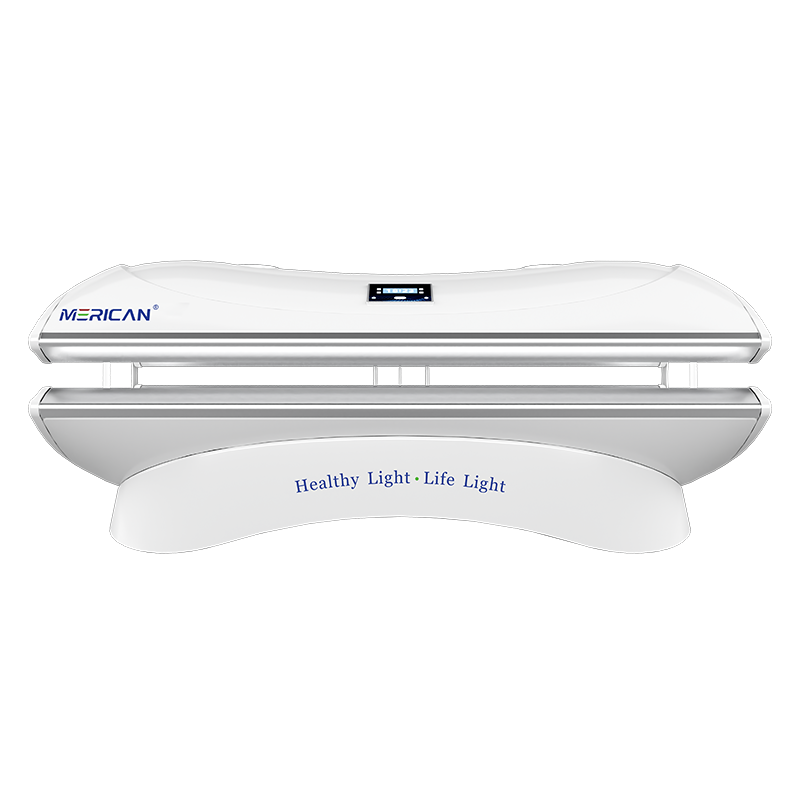
Professional-grade systems such as MERICAN Red Light Therapy Beds are designed to provide:
- Kapi-tinana katoa
- High-intensity light output
- Combination red + nga roangaru tata-infrared
- Comfortable treatment environments
These systems are often preferred for their efficiency and consistent light distribution.
He Haumaru Whakamarama Whero?
Red light therapy is generally considered non-invasive and does not use ultraviolet (UV) light like tanning beds.
Ka wheako te nuinga o nga kaiwhakamahi:
- No downtime
- No skin damage from UV exposure
- Comfortable treatment sessions
Heoi ano, session duration and device quality are important factors, and users should always follow professional guidelines.
Whakamutunga
Mitochondria are essential for cellular energy and overall body function. Red light therapy may help support mitochondrial performance by enhancing ATP production and promoting healthier cellular activity.
As more people seek non-invasive wellness technologies, red light therapy continues to gain attention for its potential role in recovery, hauora kiri, me te tautoko oranga tinana katoa.