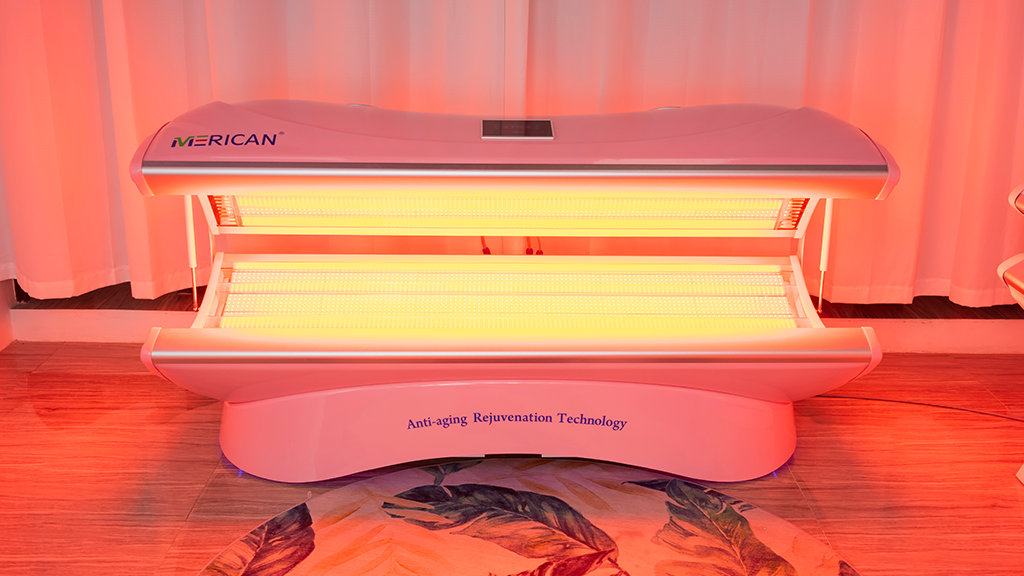
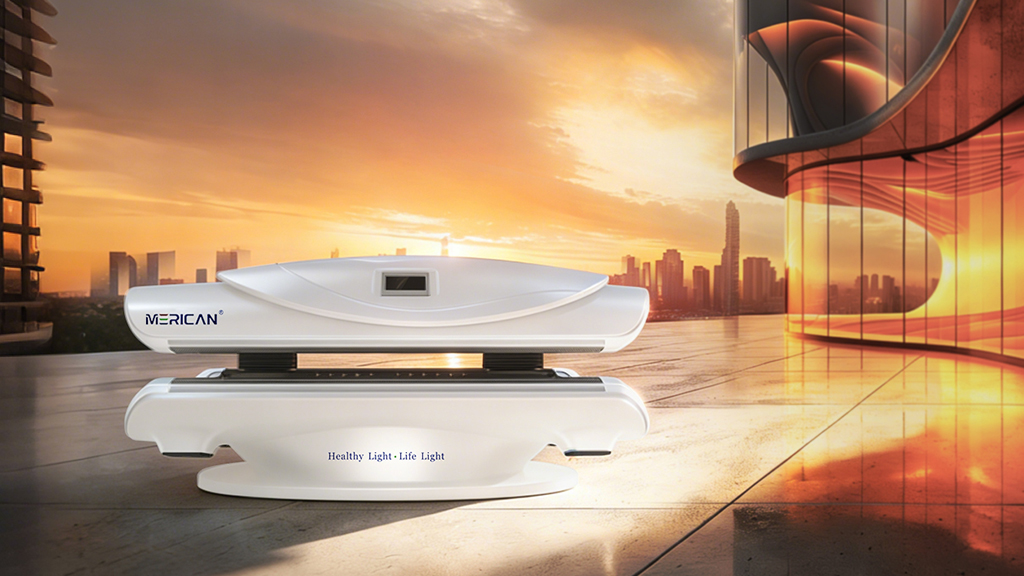
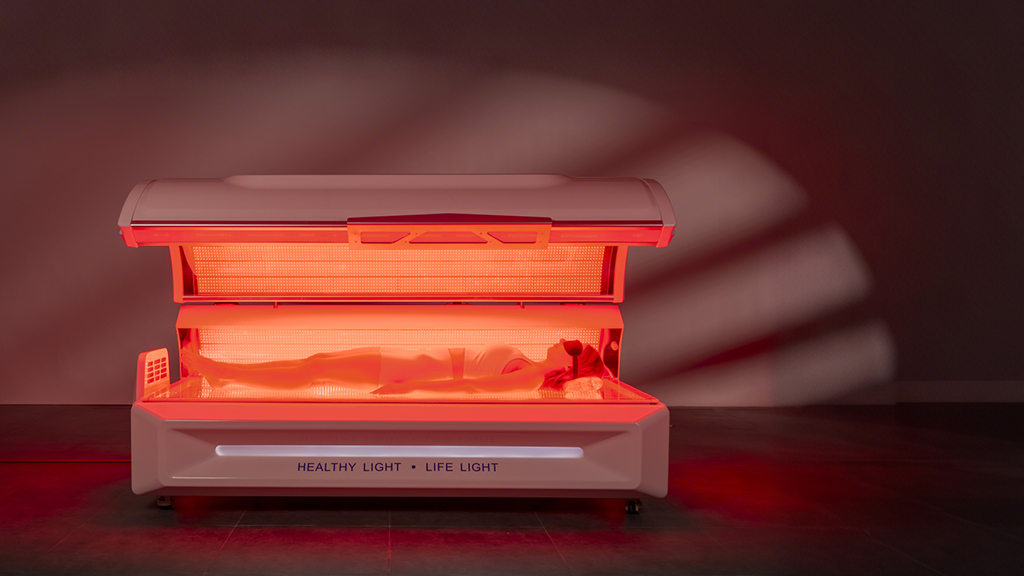
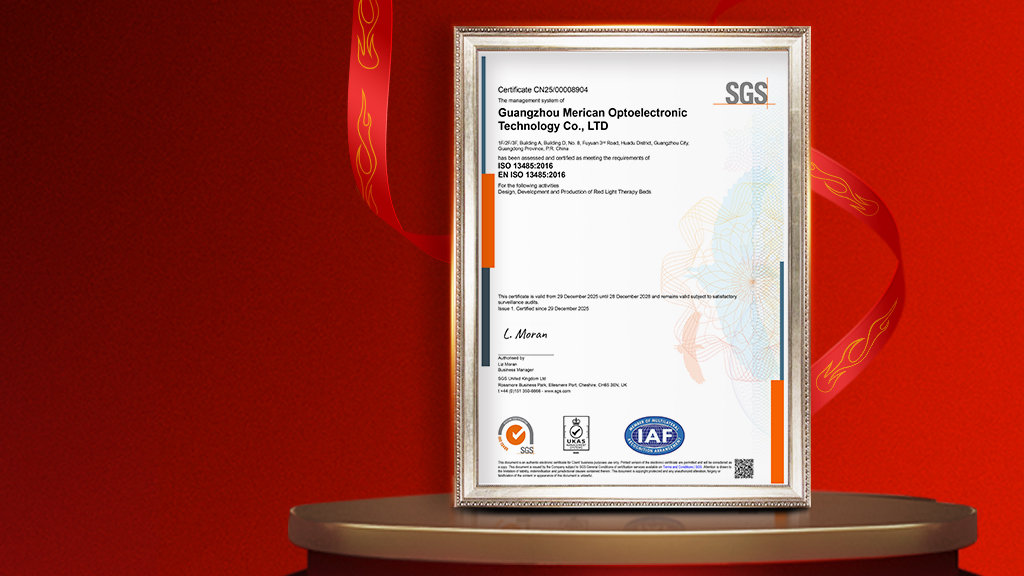
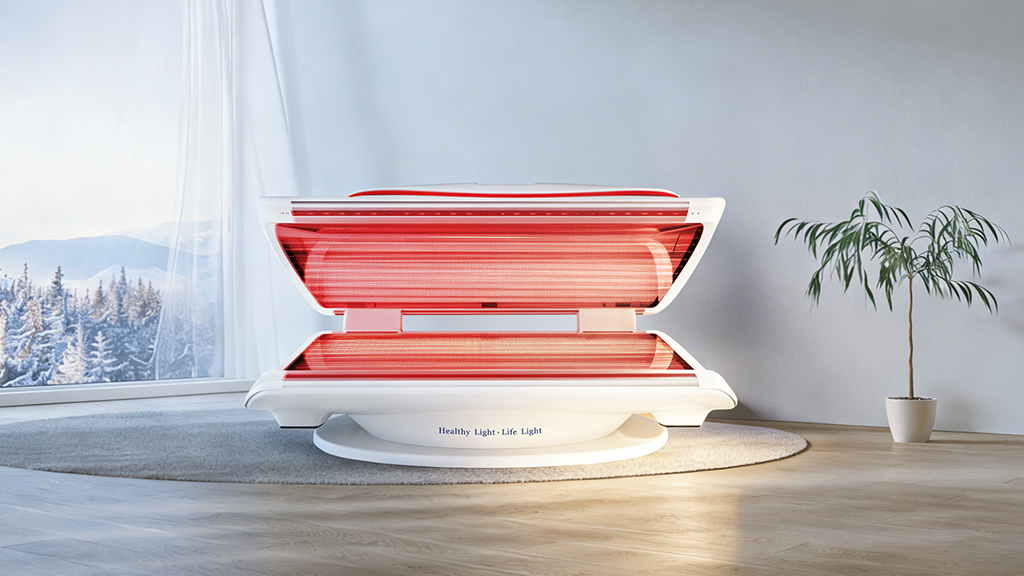
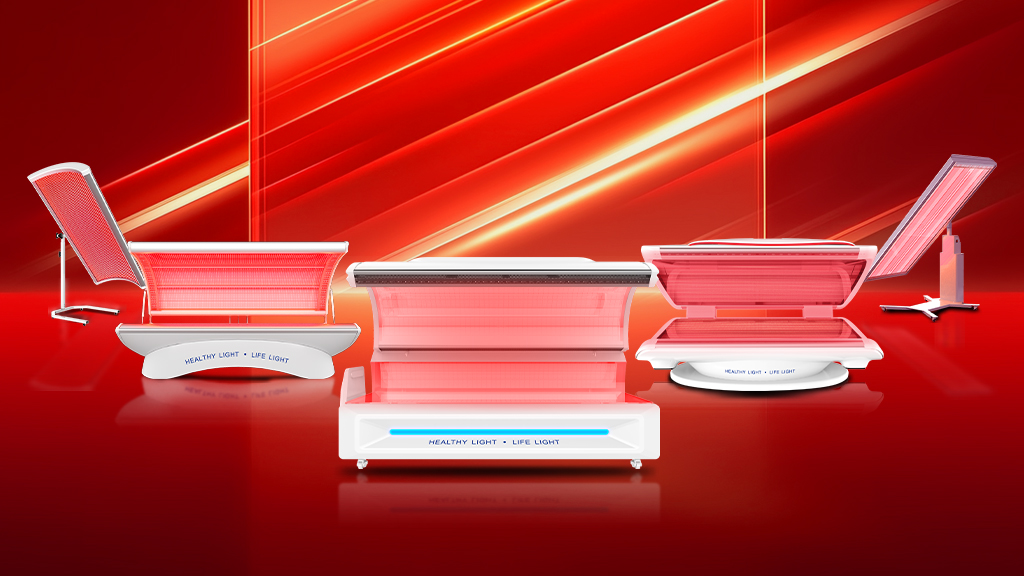
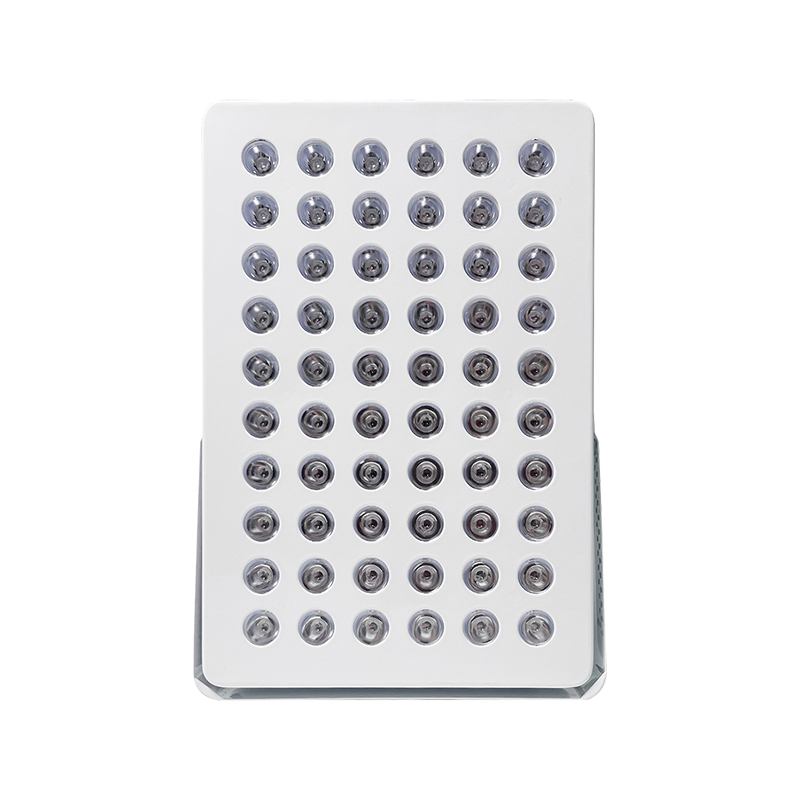
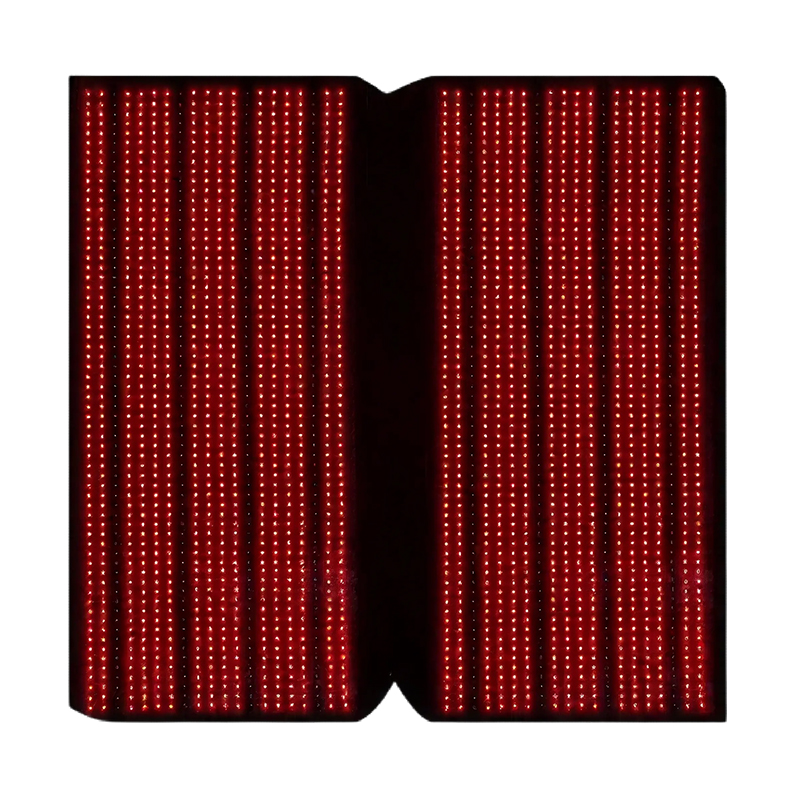
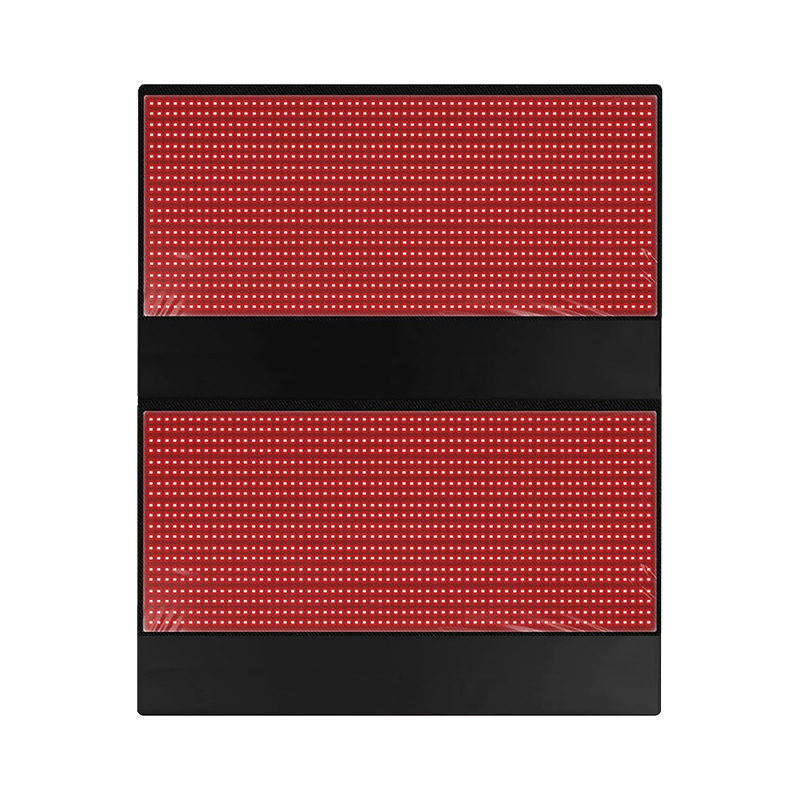
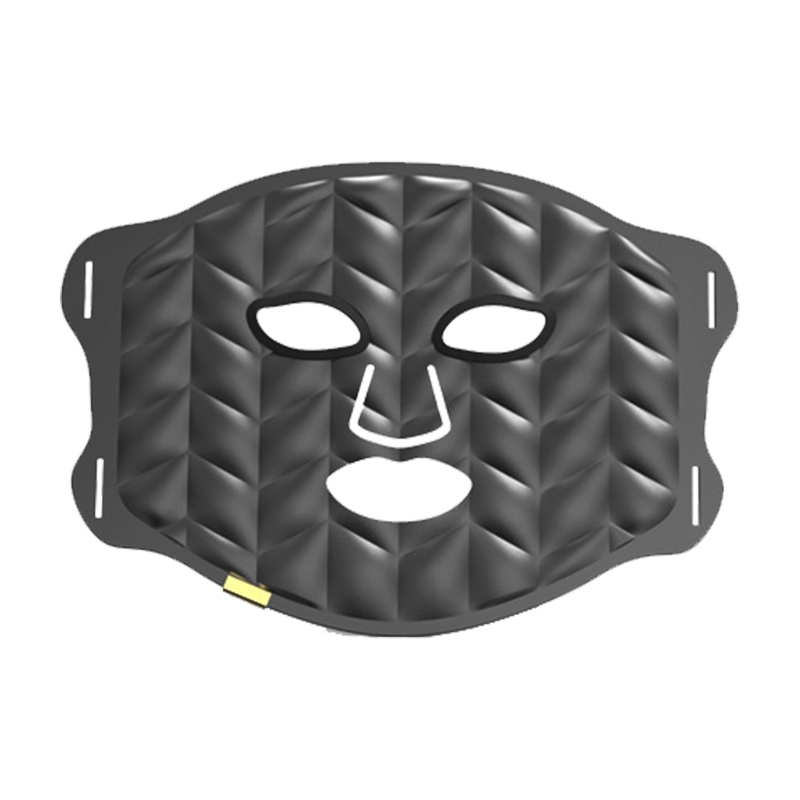
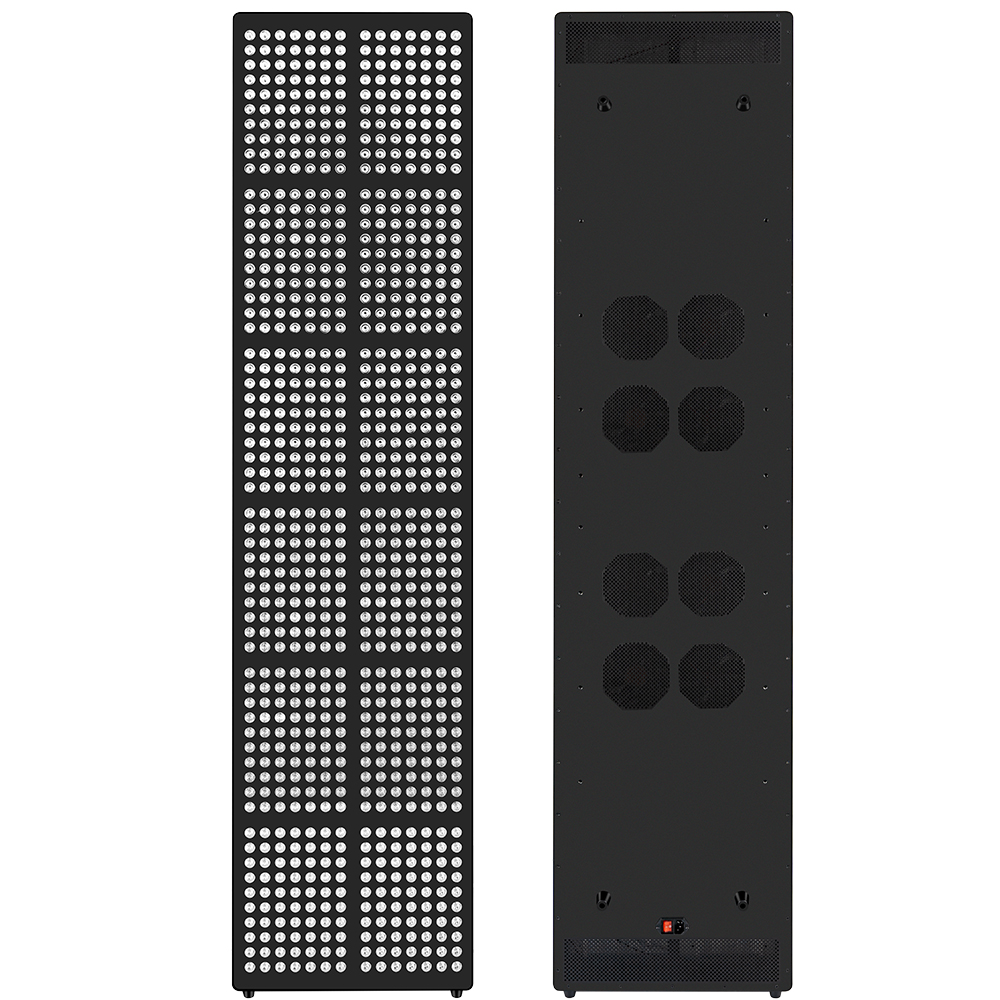
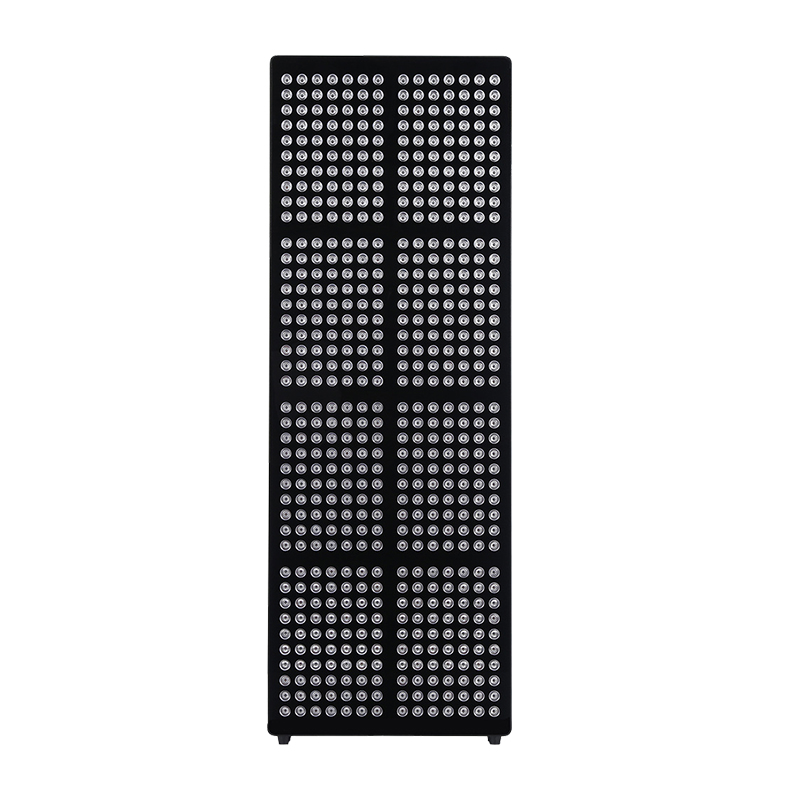
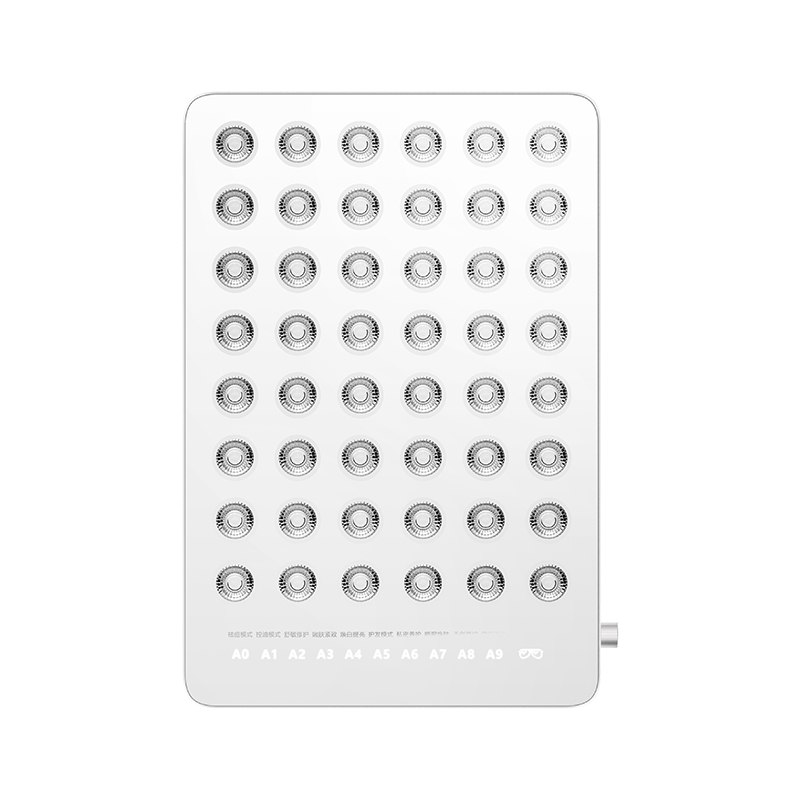
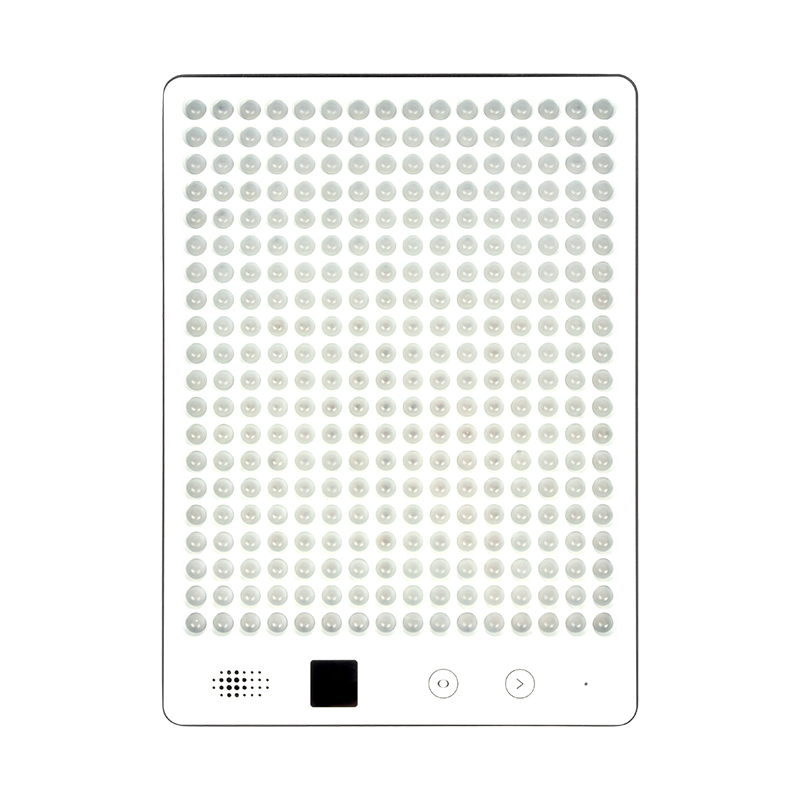
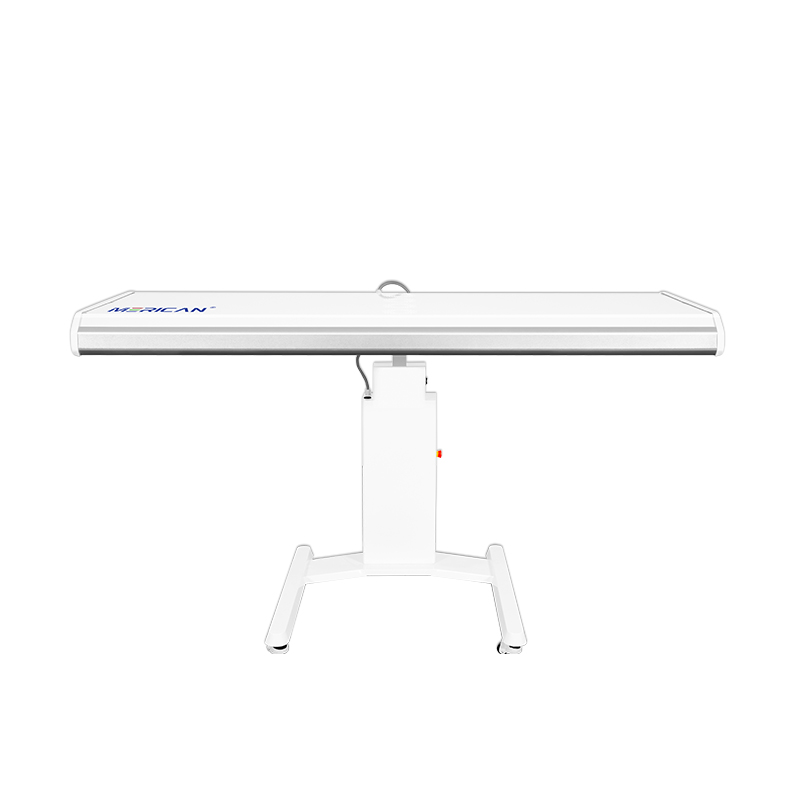
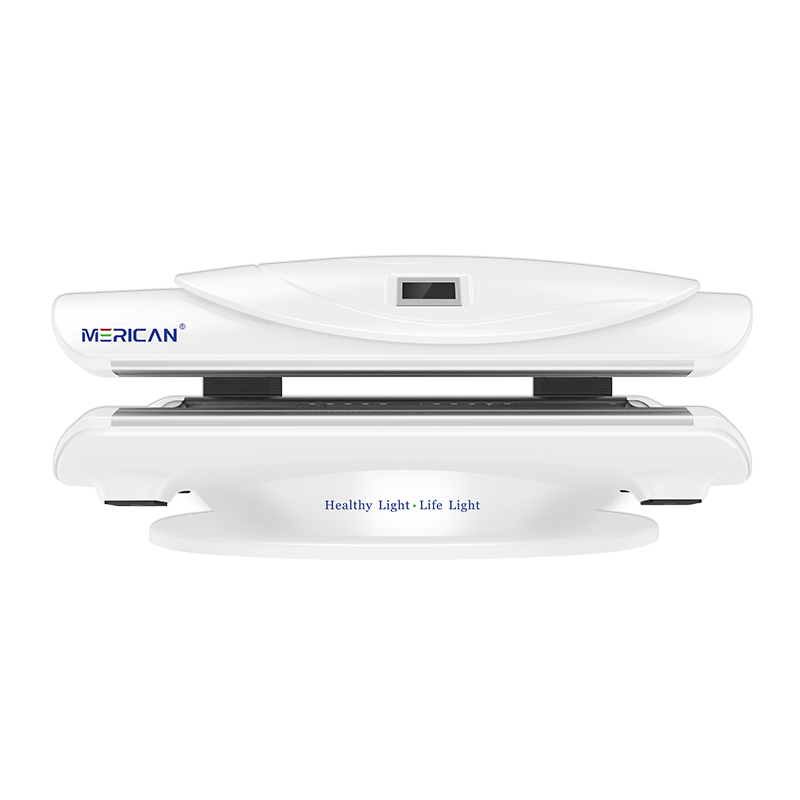
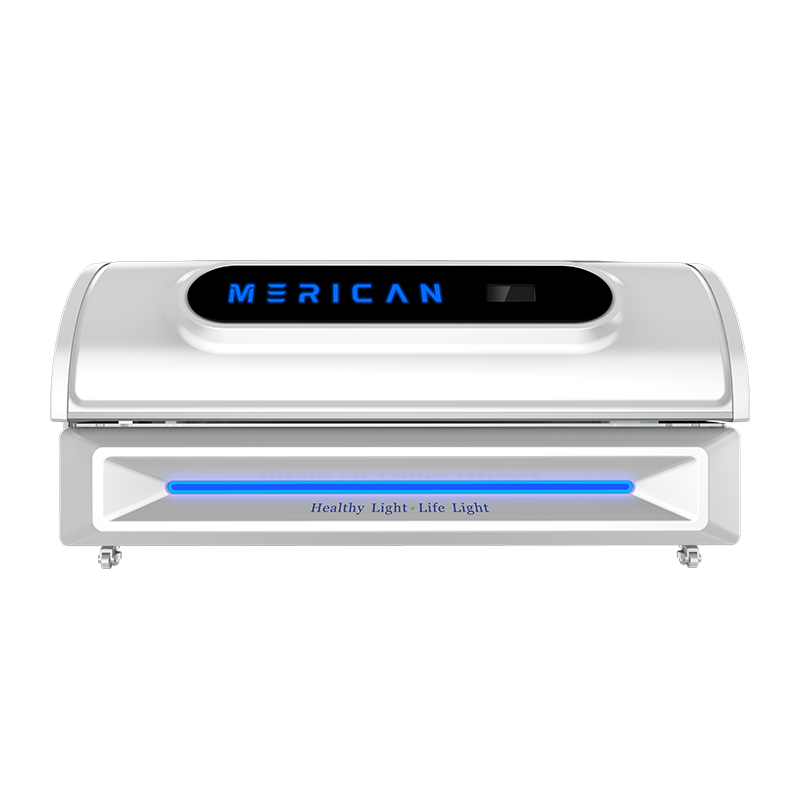
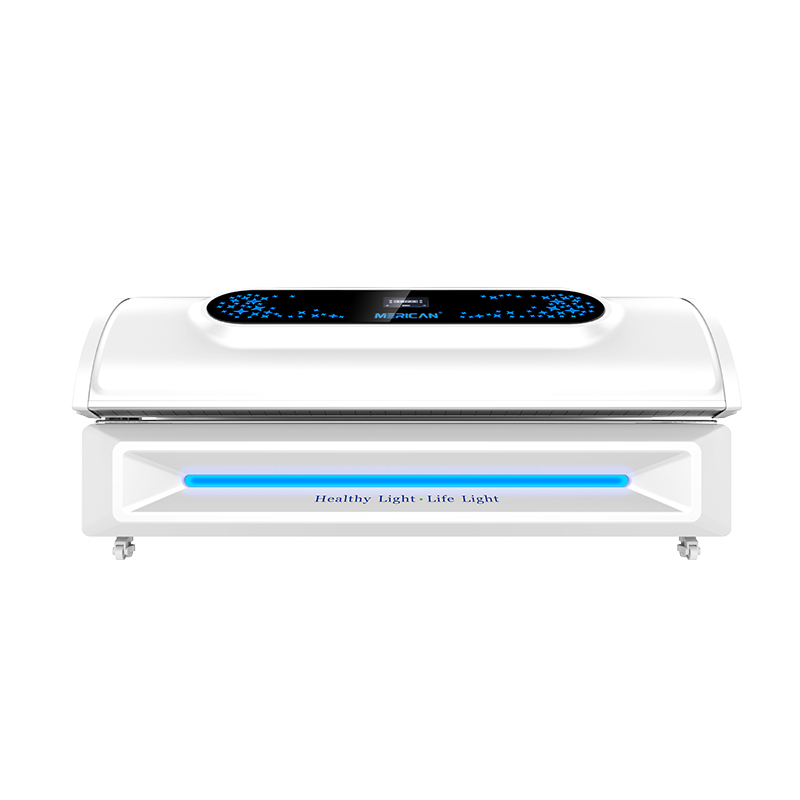
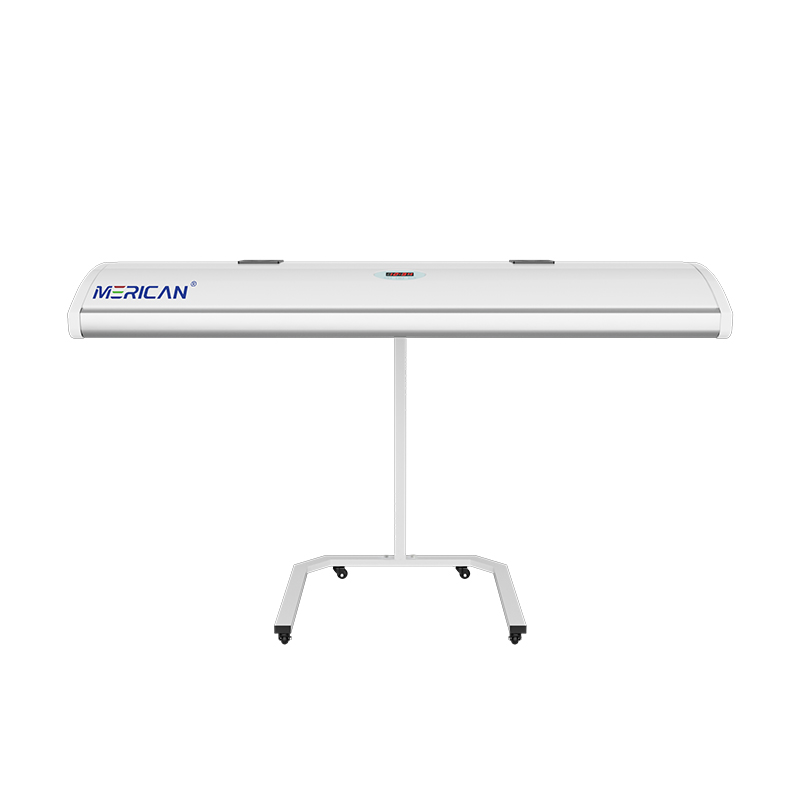
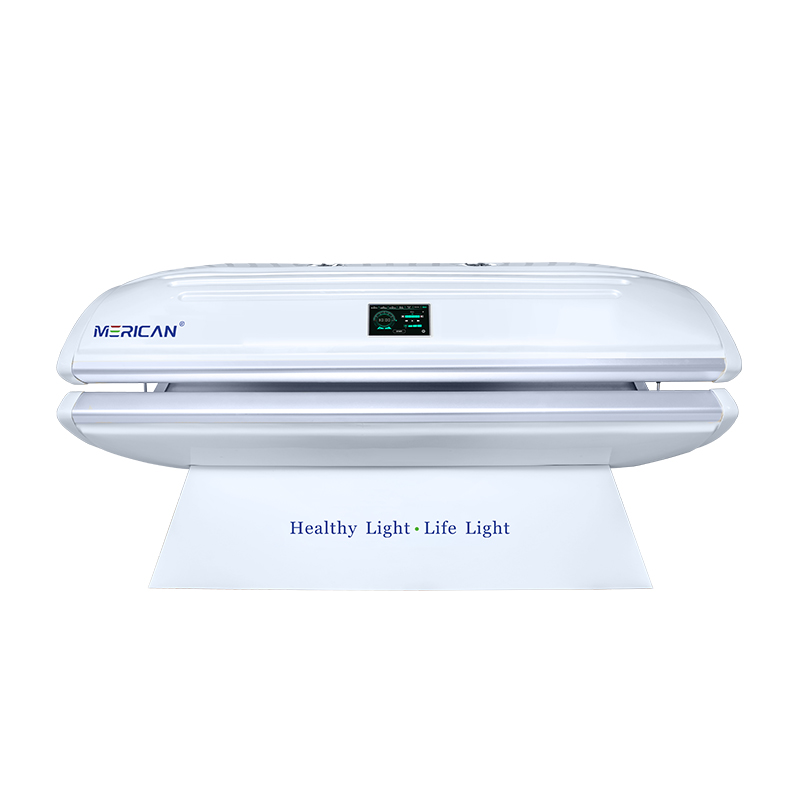
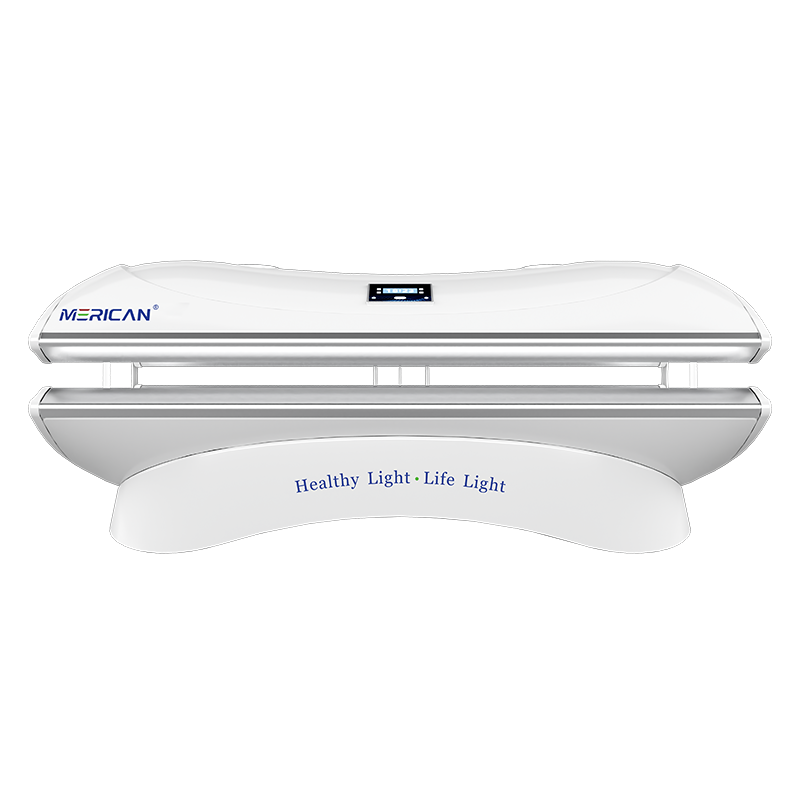
Te rongoa rama whero (RLT) ka whakamahia nuitia hei tautoko i te hauora kiri, whakaora uaua, mamae mamae, me te oranga katoa. Heoi ano, Ko tetahi o nga patai noa e patai ana nga kaiwhakamahi: e hia nga wa e whakamahia ai te whakamaarama rama whero kia kitea nga painga?
Ko te mohio ki nga painga me te auau tika te mea matua mo te whakamahi haumaru me te whai hua.
Nga Painga Matua o te Maama Whero
Red light therapy uses red and near-infrared wavelengths—typically 630–880 nm—to stimulate cellular activity. Research suggests it may help:
- Support cellular energy (ATP) hangahanga
- Whakaitihia te mumura
- Whakapai ake te tohanga
- Promote tissue repair and recovery
These effects explain why red light therapy is commonly used for skin rejuvenation, joint comfort, whakaora uaua, me te oranga tinana.
Why Frequency Matters
Ka whai te whakamaarama rama whero a dose-response principle. Too little exposure may not produce noticeable benefits, while excessive use does not necessarily improve results and may reduce effectiveness.
Consistency and proper spacing between sessions are more important than intensity.
General Guidelines for How Often to Use Red Light Therapy
For general wellness and maintenance:
- 3–5 wahanga ia wiki
- 10–20 meneti mo ia wahanga
For targeted concerns such as muscle soreness or joint discomfort:
- 4–6 sessions per week, depending on sensitivity
Most users begin to notice benefits after 2–4 wiki o te whakamahi rite.
Is Daily Use Safe?
Daily use may be appropriate for low-intensity or full-body systems, but rest days are often recommended to allow cellular recovery. Listening to your body and avoiding overuse is essential.
Whakarāpopototanga
Red light therapy offers a wide range of benefits, but results depend heavily on proper usage frequency. Whakaōrite, consistent sessions provide the best balance between effectiveness and safety.