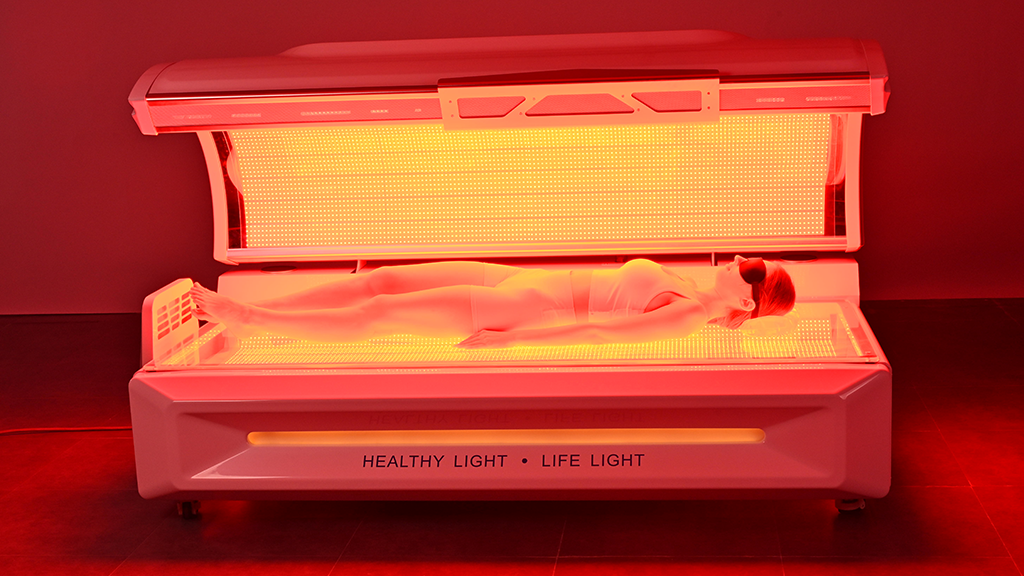
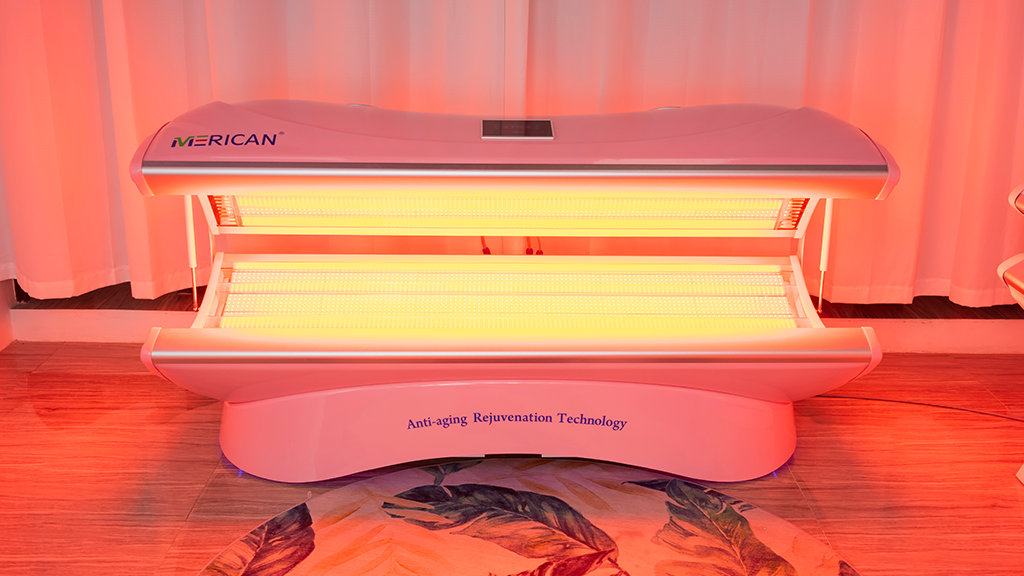
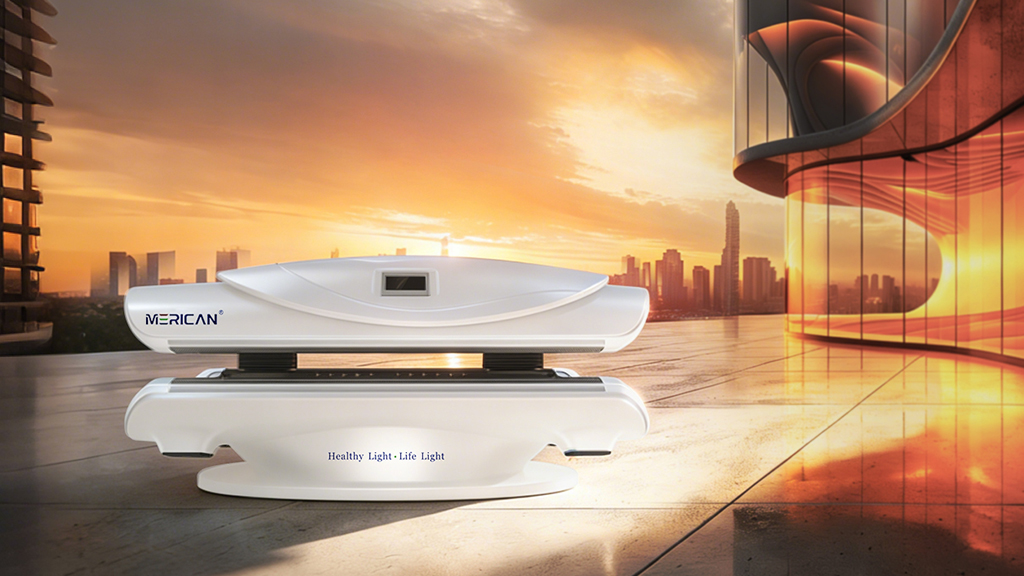
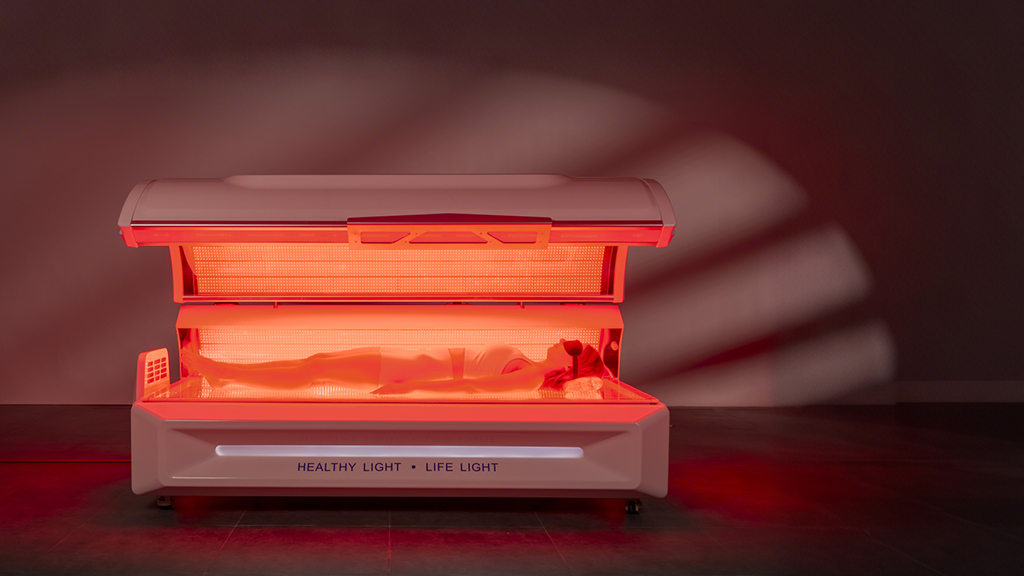
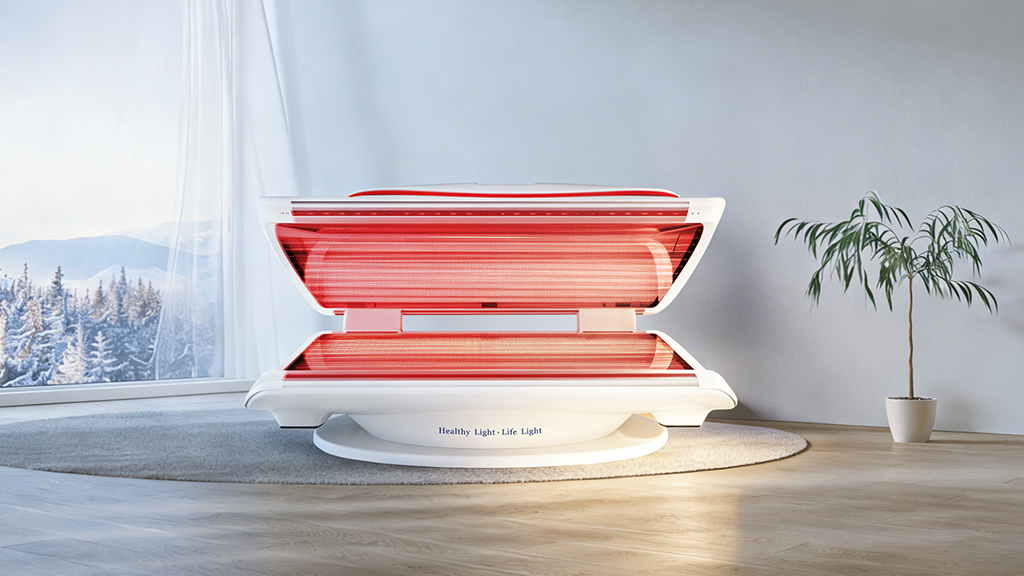
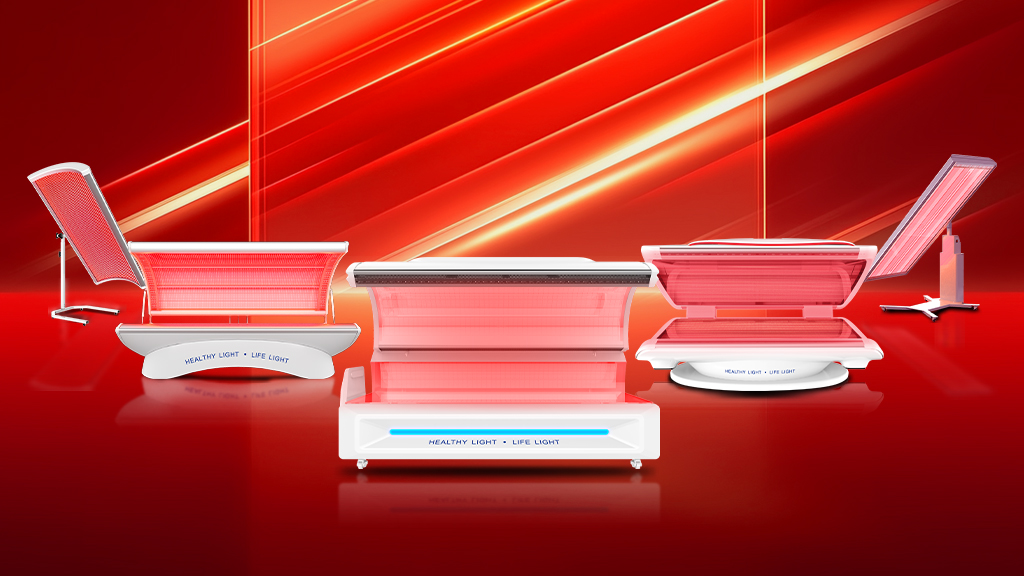
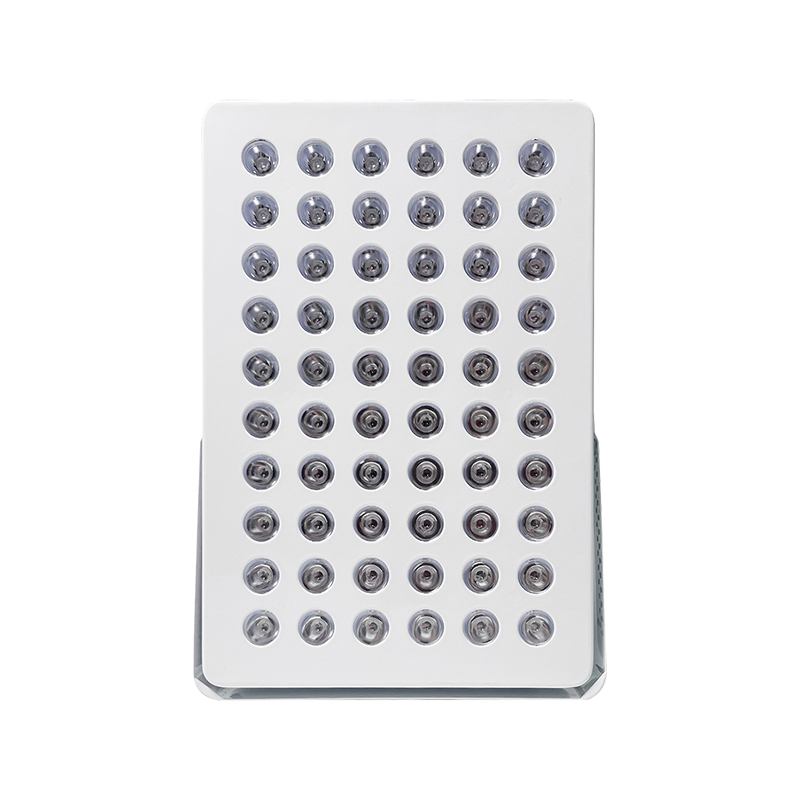
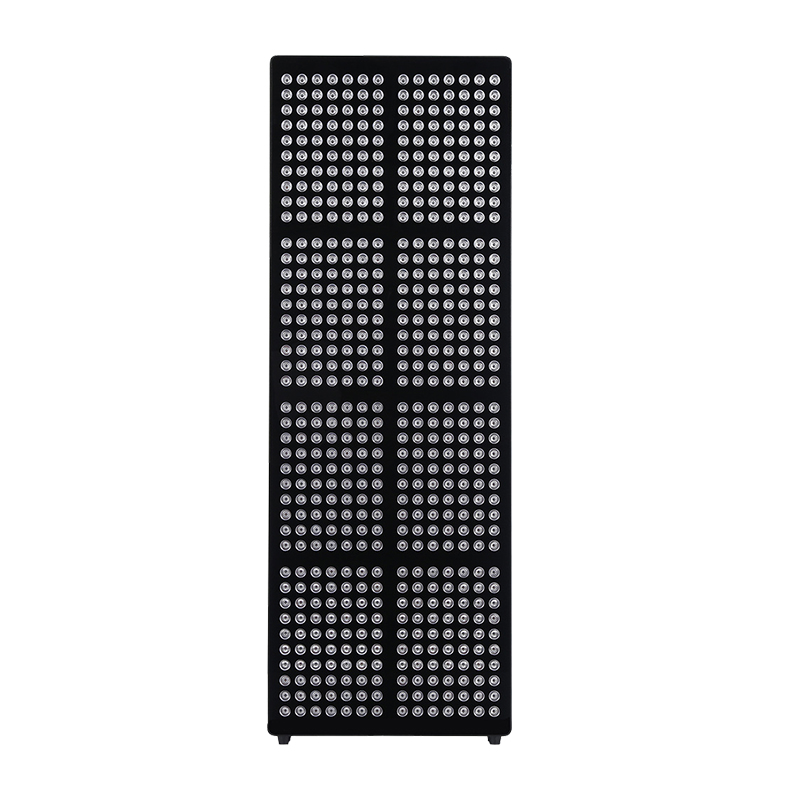
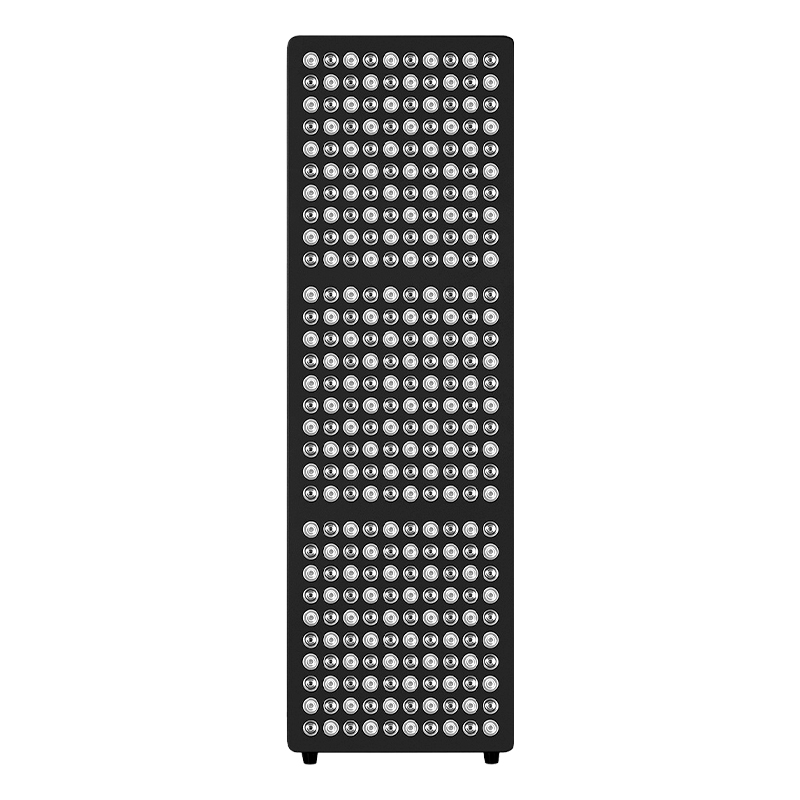
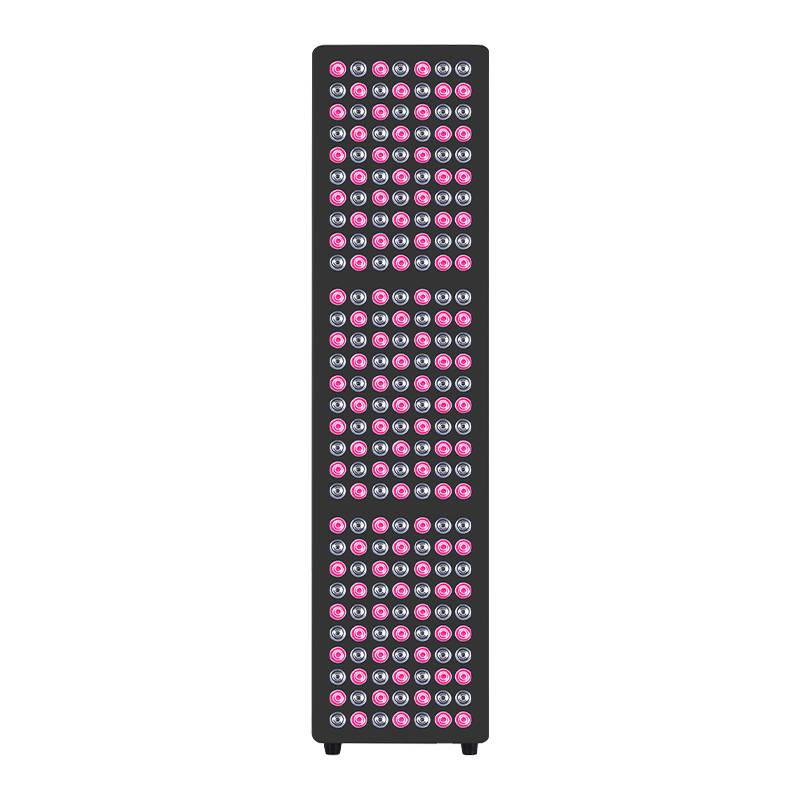
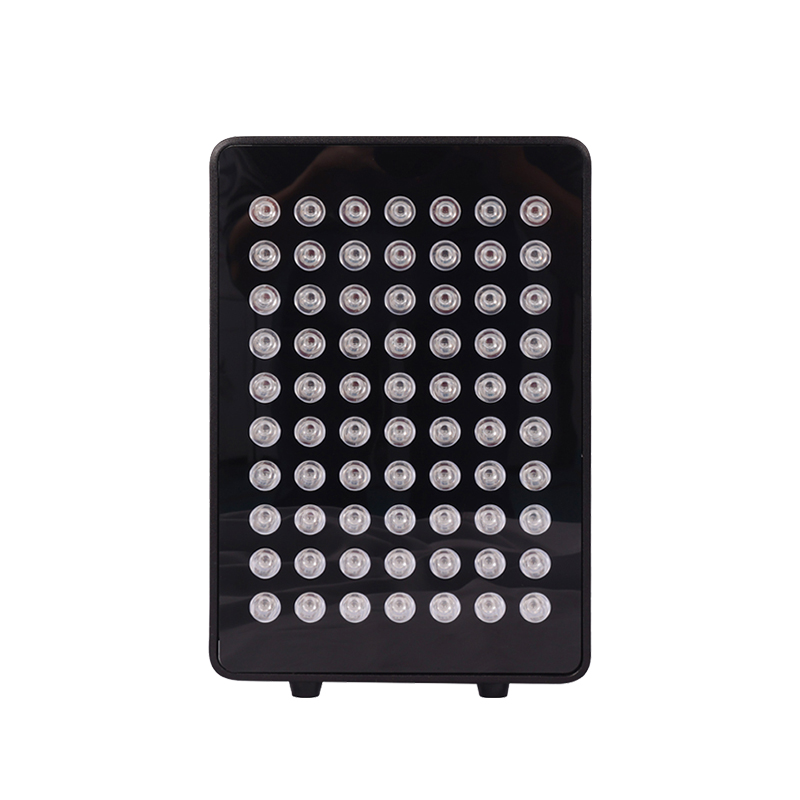
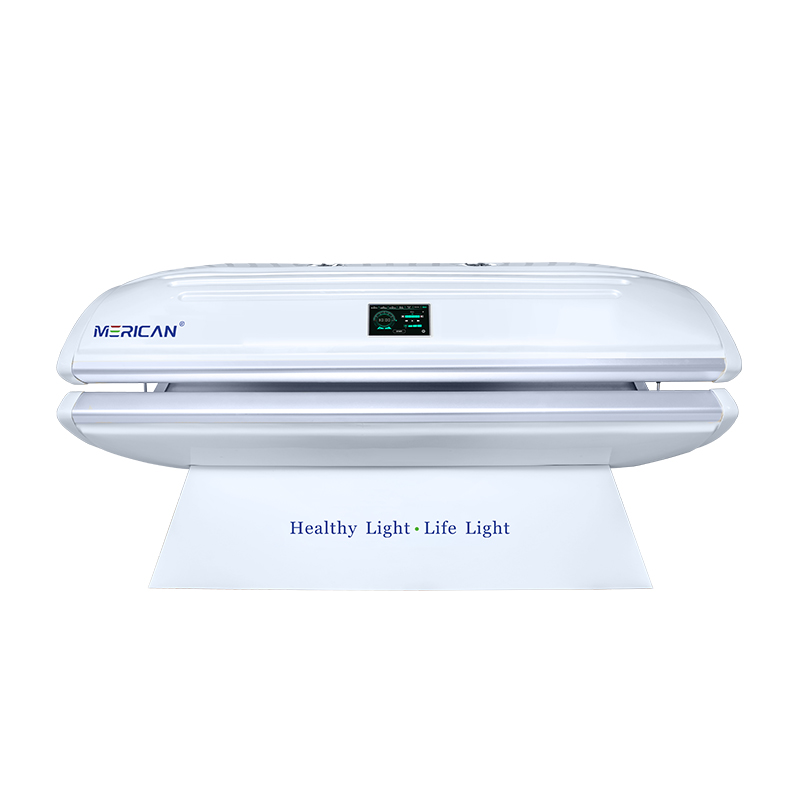
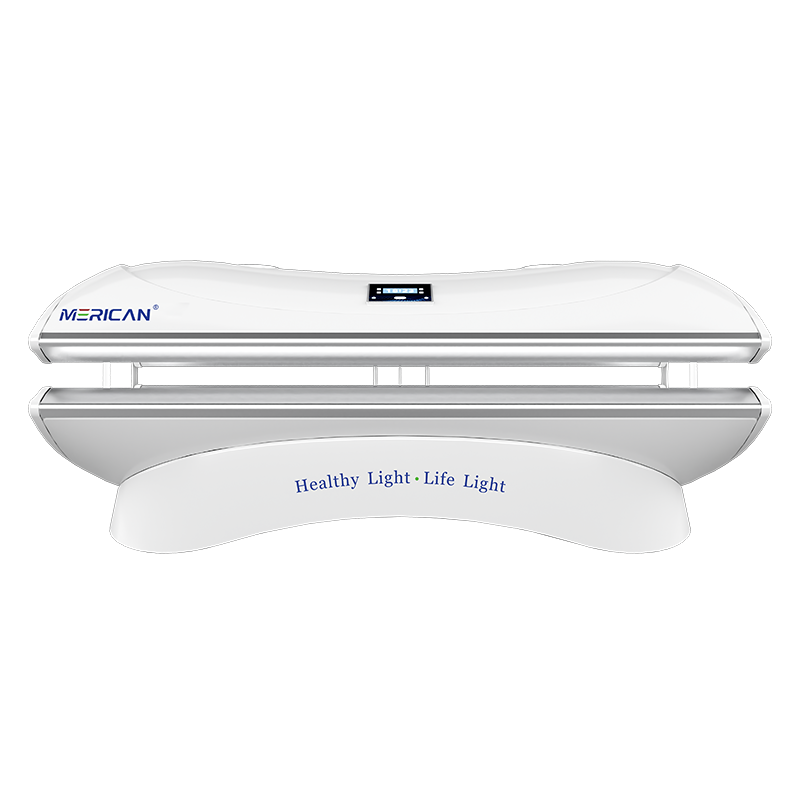
Ko te mamae o muri ko tetahi o nga amuamu a tinana i te ao katoa, e pa ana ki nga tangata o nga reanga katoa. Ahakoa na te uaua uaua, noho kino, nga ahuatanga tawhito ranei, he maha nga tangata e rapu ana i nga rongoā kore-taakaro. Te rongoa rama whero (RLT) kua puta hei tautoko, kōwhiringa kore-invasive mo te mamae mamae tuara.
How Red Light Therapy Works for Back Pain
Ko te whakamaarama rama whero e whakamahi ana i nga roangaru whero me te roangaru infrared tata, te tikanga 630–880 nm, which can penetrate skin and soft tissue to reach muscles and joints. Ka awhina pea enei roangaru:
- Increase cellular energy (ATP) hangahanga
- Whakapai ake te tohanga toto
- Whakaitihia te mumura ki nga waahi kua pa
Because inflammation and reduced circulation are common contributors to back pain, these effects are especially relevant.
Te Whakamamae i te mamae me te whakangā uaua
Ka awhina pea te rongoa rama whero:
- Ease muscle tension
- Reduce soreness and stiffness
- Support relaxation of tight back muscles
This can be beneficial for both acute muscle strain and long-term discomfort.
Supporting Tissue Recovery
By improving circulation and cellular repair processes, Ka tautoko pea te rongoa rama whero:
- Faster recovery after physical strain
- Reduced recurrence of pain
- Improved overall back comfort
Safety and Use
He haumaru te whakamaarama rama whero, tarukino-kore, me te kore urutomo. It should be viewed as a rongoā tautoko, not a replacement for medical diagnosis or treatment.
Whakarāpopototanga
Red light therapy offers a science-backed way to support back pain relief by addressing inflammation, tohanga, and muscle recovery—key factors in everyday back discomfort.