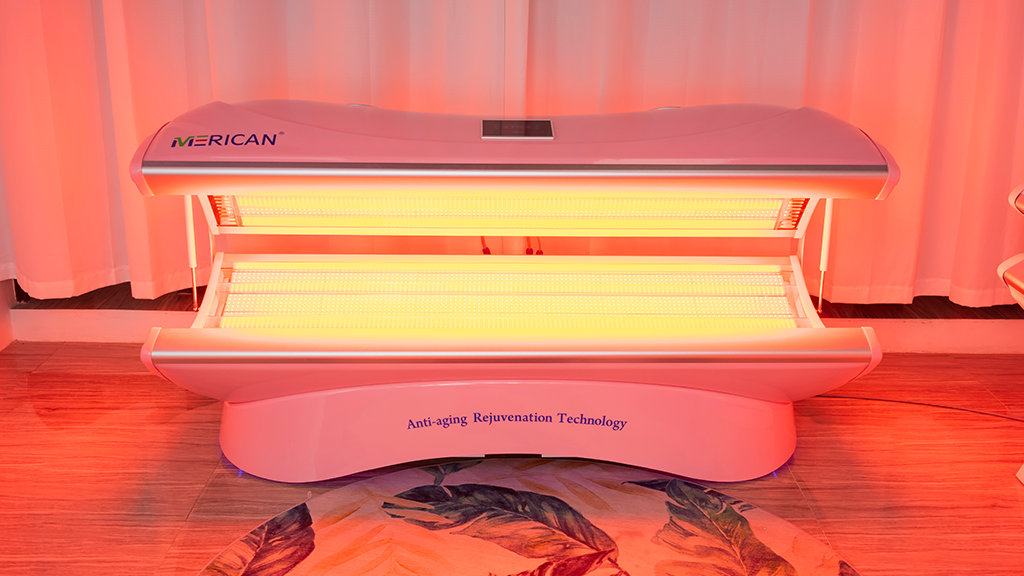
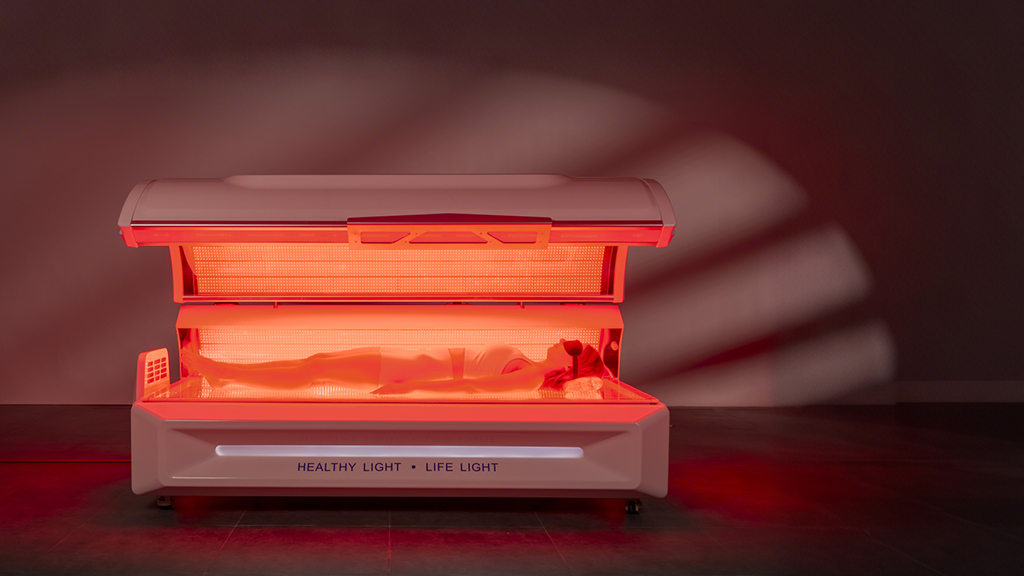
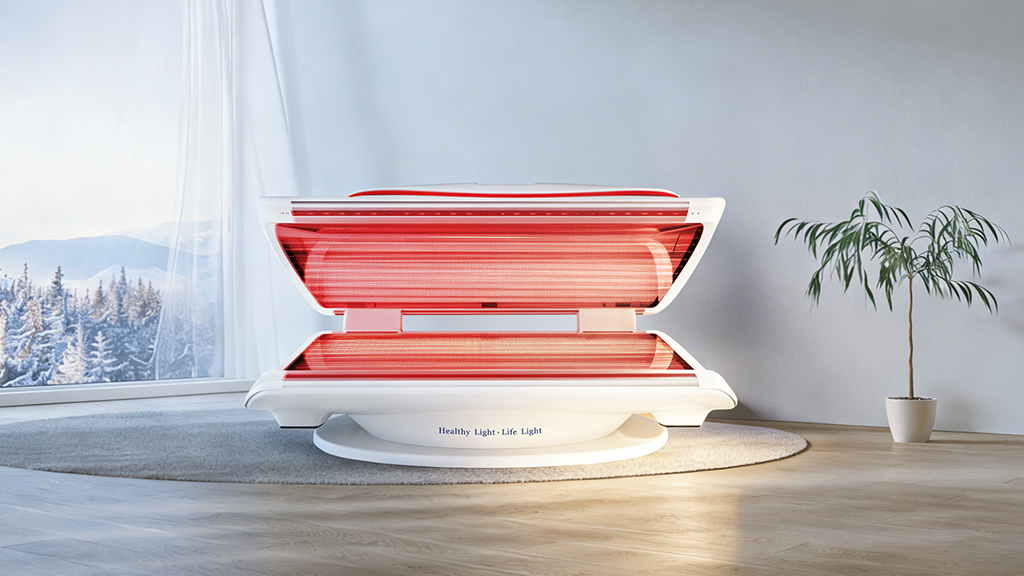
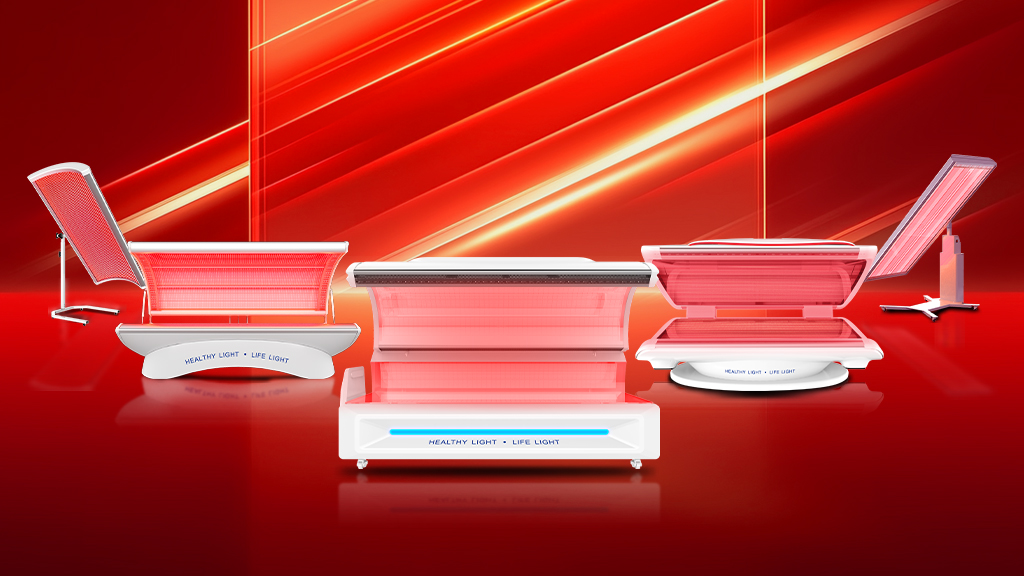
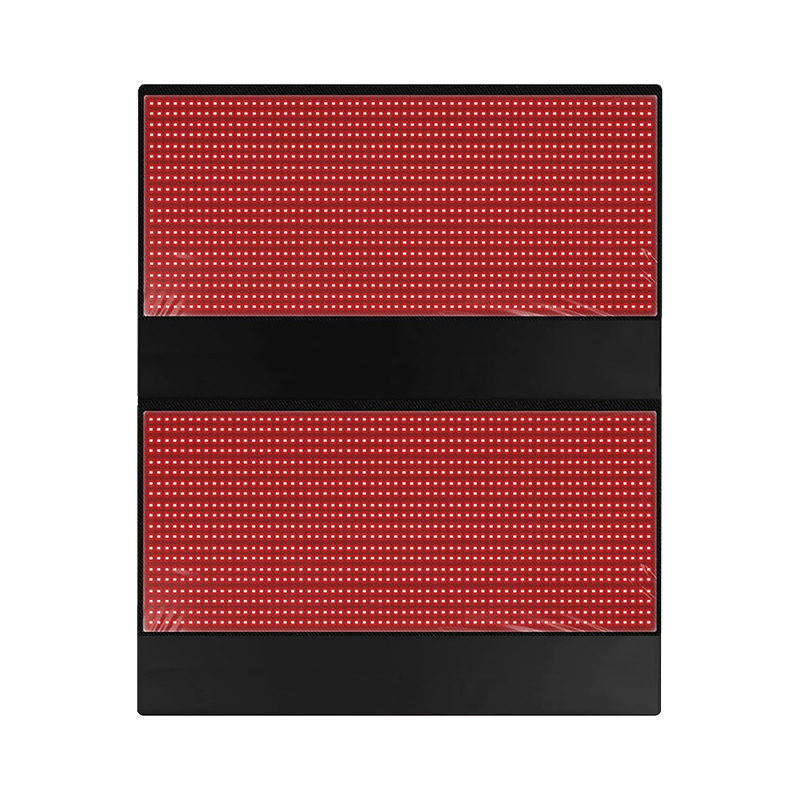
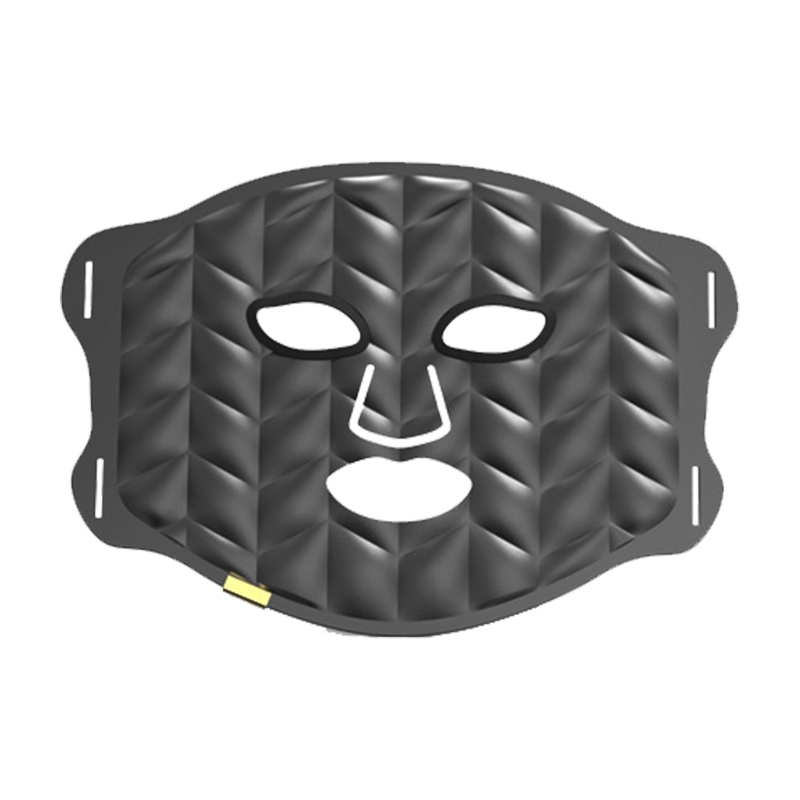
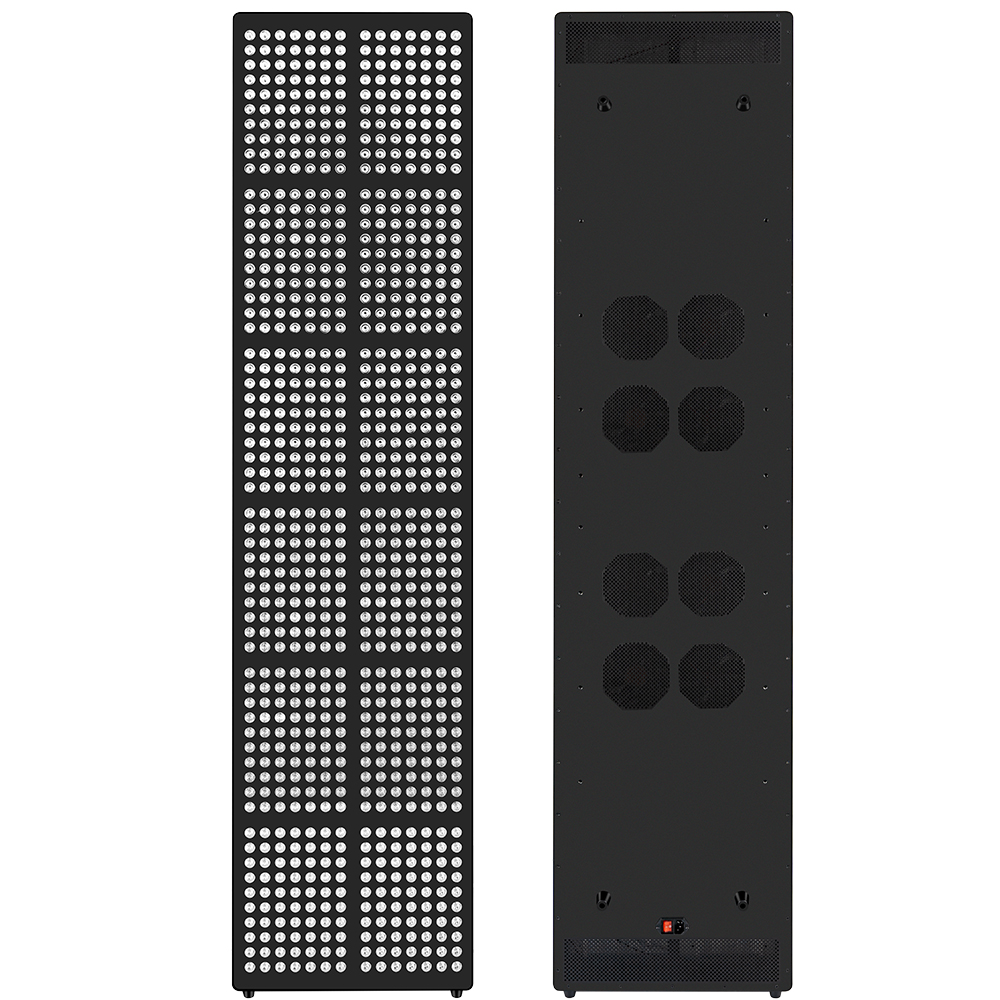
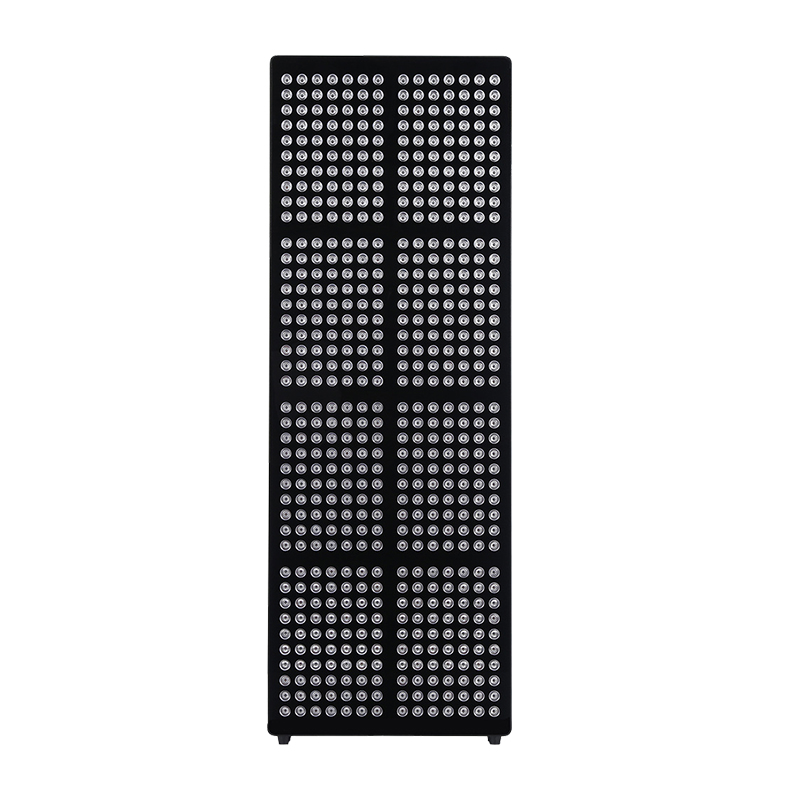
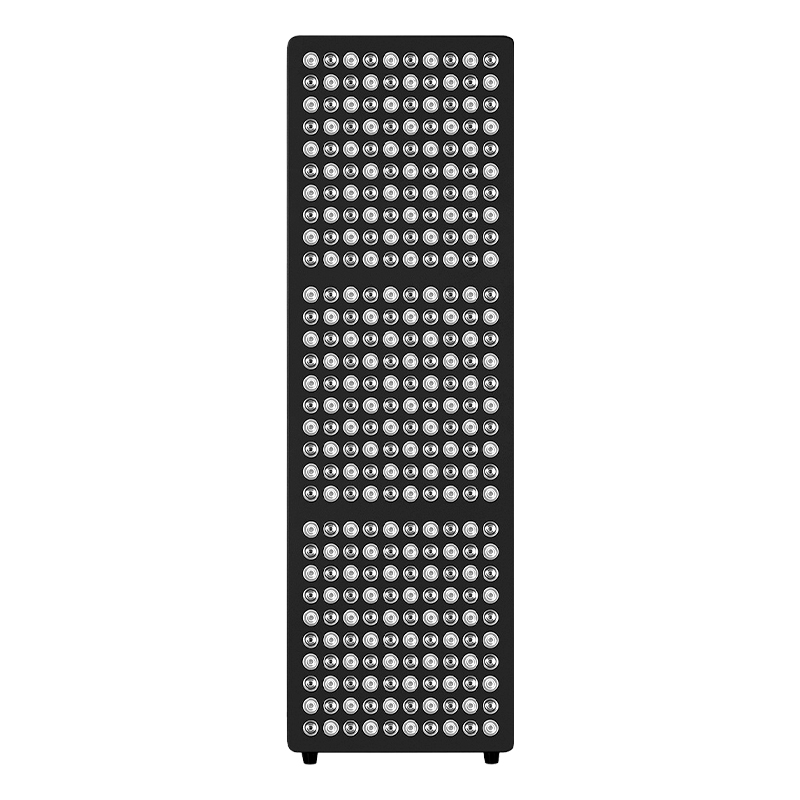
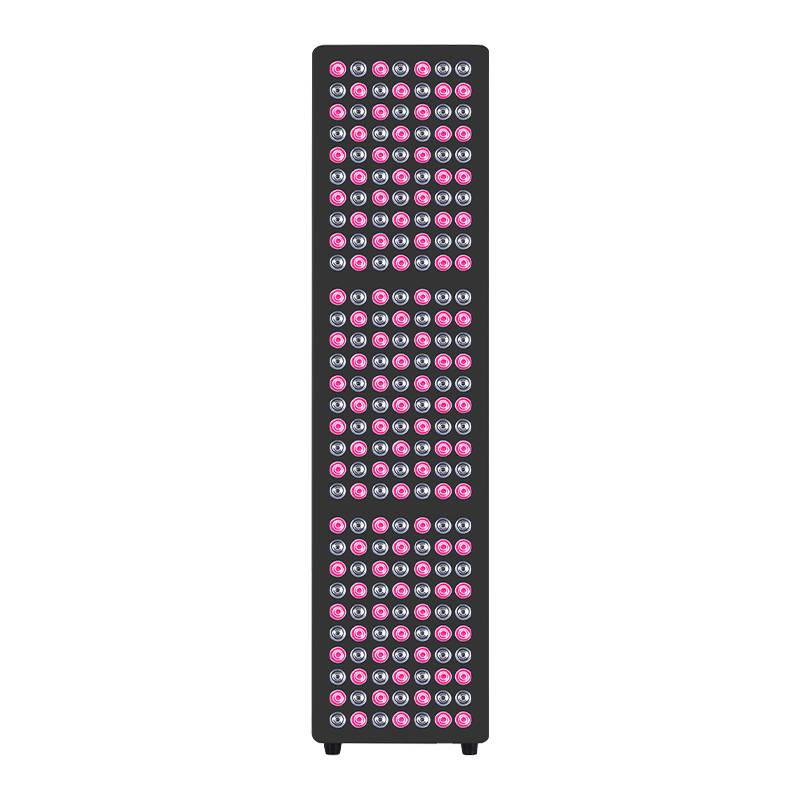
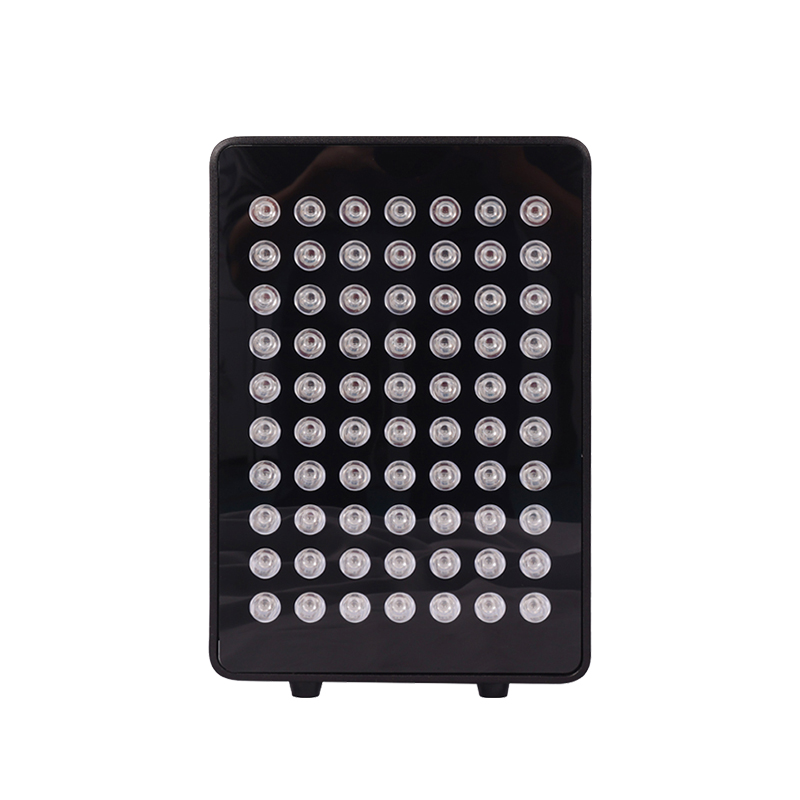
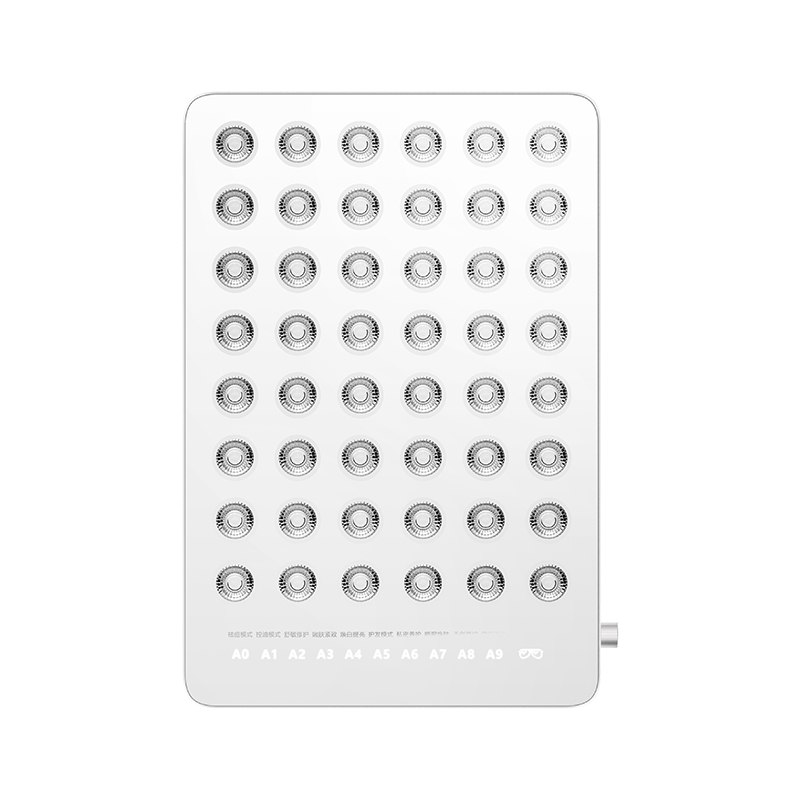
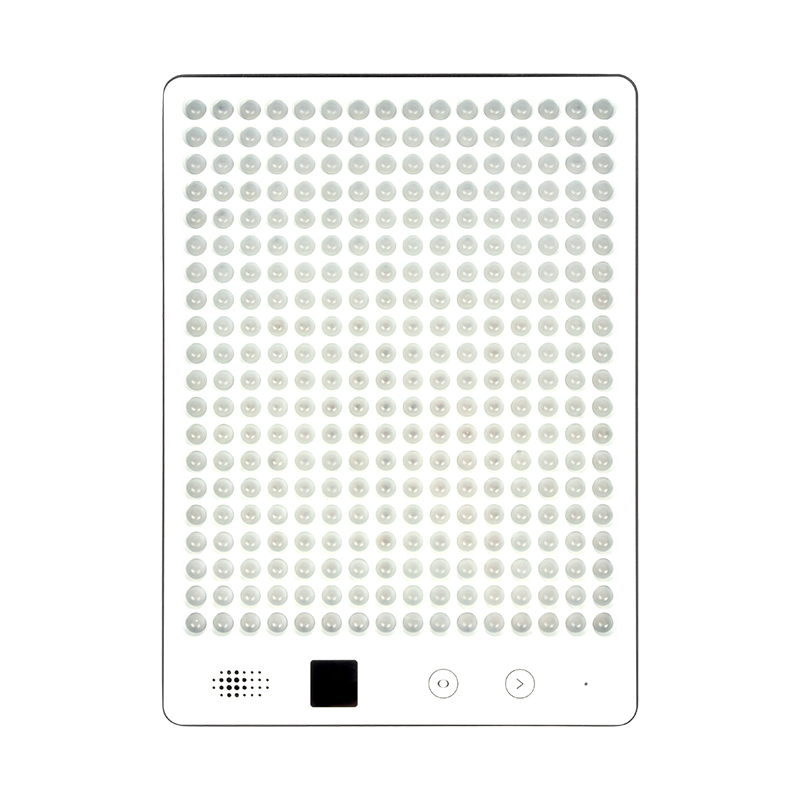
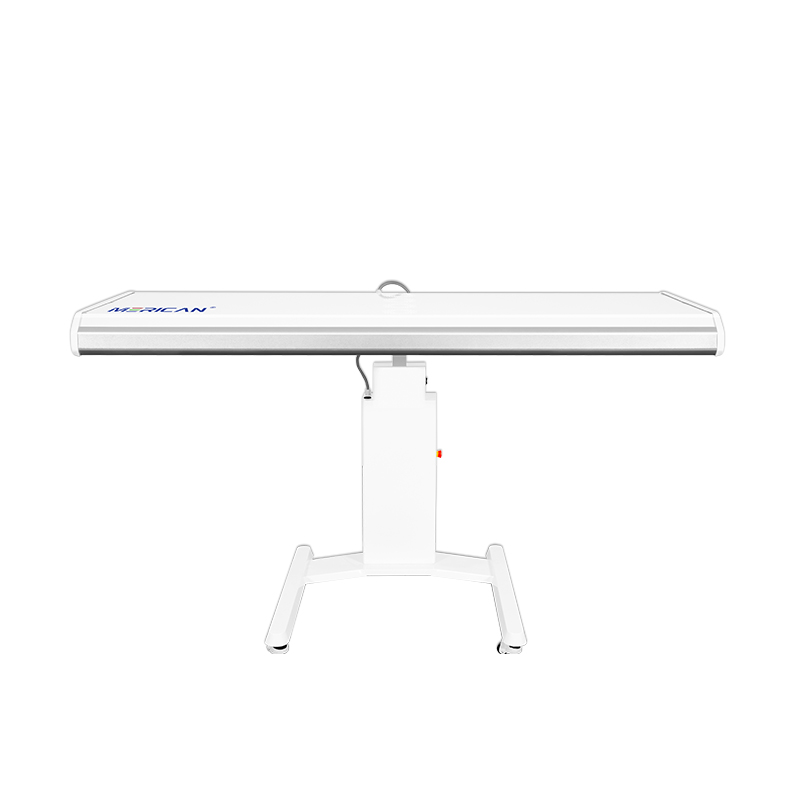
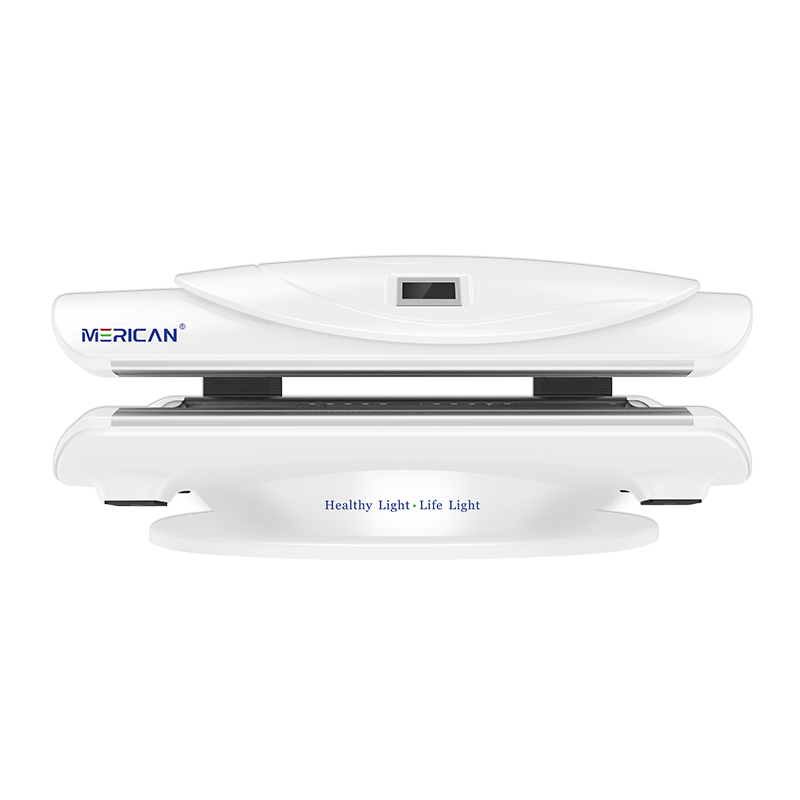
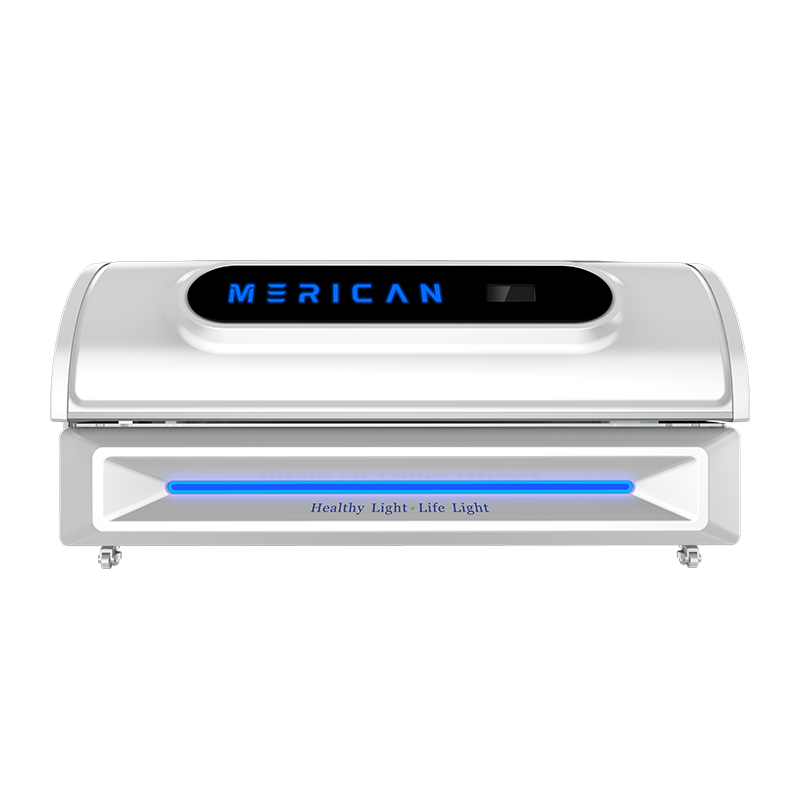
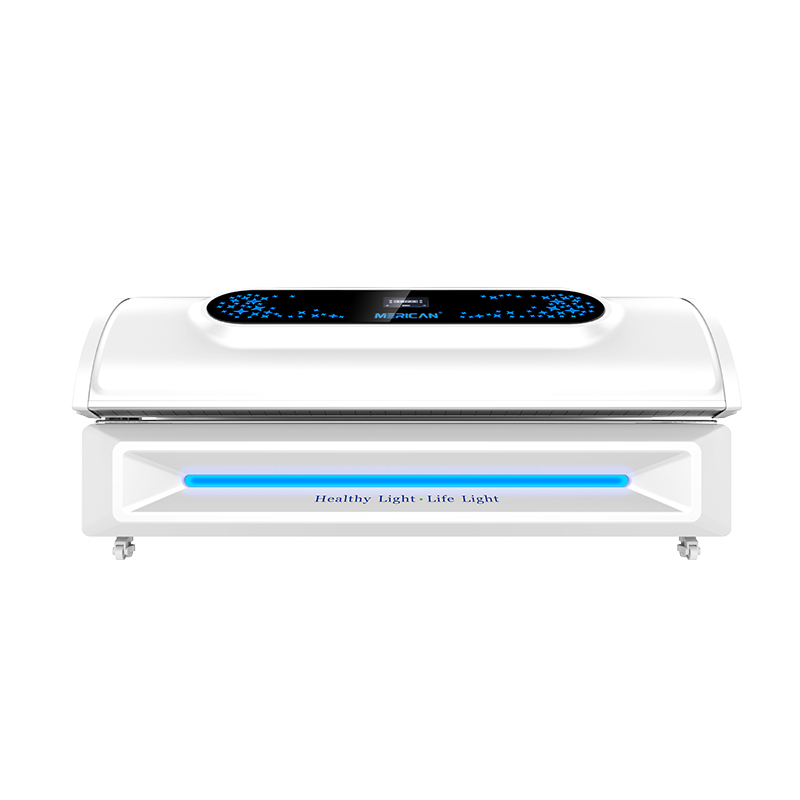
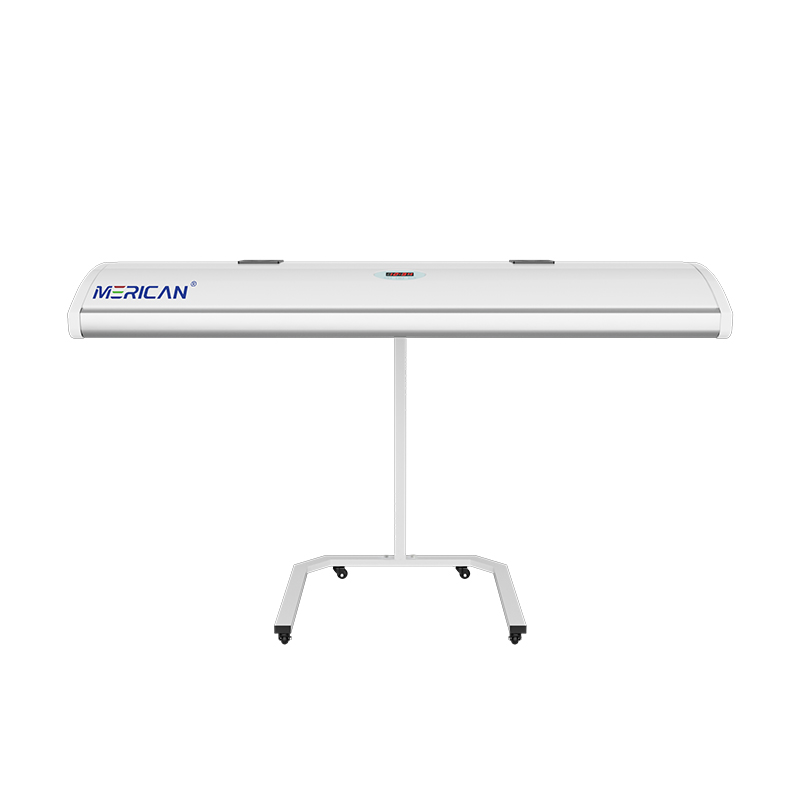
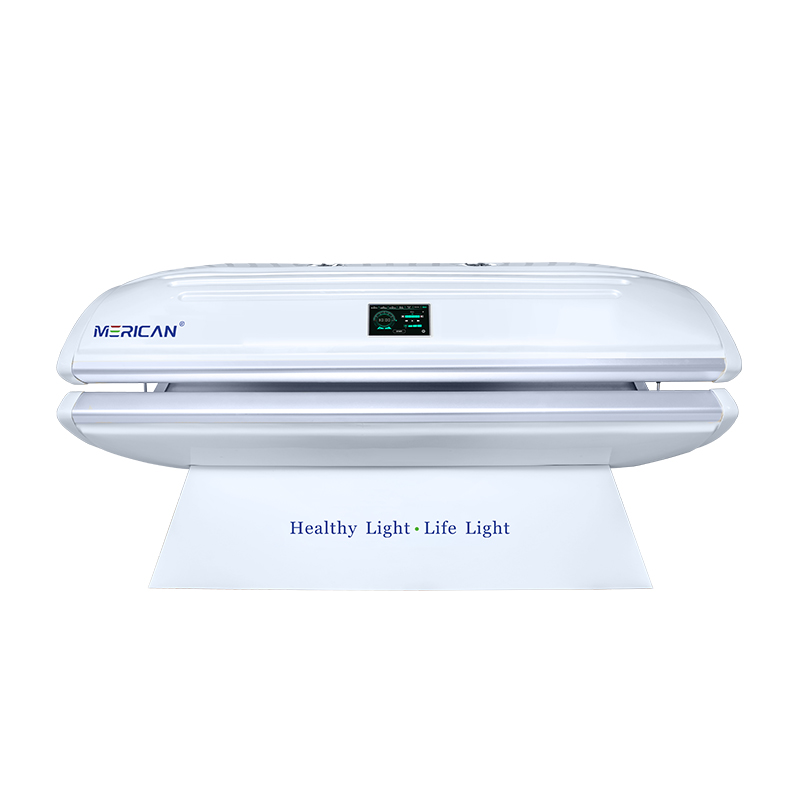
Mo nga miriona e noho ana me te mate pukupuku, te mamae tonu, mārō, me te mumura ka rite ki te whiu ora. Ahakoa ko nga rongoa tuku iho penei i te rongoa me te rongoa tinana he kohatu kokonga, he maori, Ko te huarahi kore-whakararuraru kei te whiwhi tautoko nui putaiao: Whakamarama Whero Whero (RLT), e mohiotia ana ko te photobiomodulation (PBM).
Engari he tino pai mo te mate pukupuku? Kei te tipu haere nga rangahau e kii ana ka taea e te RLT tetahi taputapu kaha mo te whakahaere i nga tohu mate pukupuku me te whakapai ake i te hauora tahi mai i roto..
Me pehea te Maama ki te awhina i nga hononga mamae?
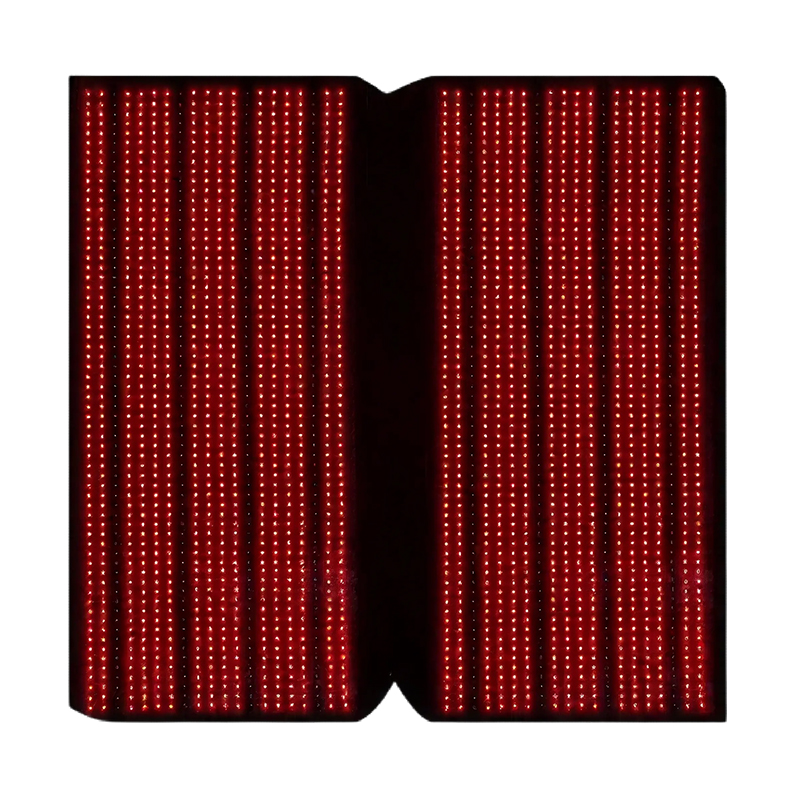
Ka whakamahia e te Marama Whero nga roangaru motuhake o te whero me te tata-infrared (NIR) marama. Kaore i rite ki te rama UV, he haumaru enei roangaru, ka uru ki roto ki te kiri kia hohonu ki roto ki nga kopa me nga hononga.
I te wa e kapohia ana tenei hiko marama e nga ruma, ka puta he mekameka whakamiharo o nga kaupapa koiora:
- Ka whakaiti i te mumura: RLT has been shown to suppress key inflammatory cytokines, the molecules responsible for the swelling and pain in arthritic joints. This is one of its most significant benefits.
- Relieves Pain: By lowering inflammation and improving cellular function, RLT can provide substantial pain relief, helping to break the cycle of chronic discomfort.
- Promotes Tissue Repair: The light energy boosts cellular energy (ATP) hangahanga, giving your cells the fuel they need to repair damaged cartilage and synovial tissue.
- Whakapai ake i te Tohanga & Reduces Stiffness: RLT stimulates the formation of new capillaries, enhancing blood flow to the affected joints. This delivers more oxygen and nutrients while flushing away waste products, leading to reduced morning stiffness and better mobility.
He aha ta te Putaiao?
Numerous studies have investigated RLT for both osteoarthritis (OA) and rheumatoid arthritis (RA). A 2020 systematic review published in the journalTaiaho i roto i te Pūtaiao Hauora concluded that RLT effectively reduces pain and improves functional capacity in patients with knee osteoarthritis without adverse effects.
Me pehea te Whakamahi i te Maama Whero mo te Arthritis
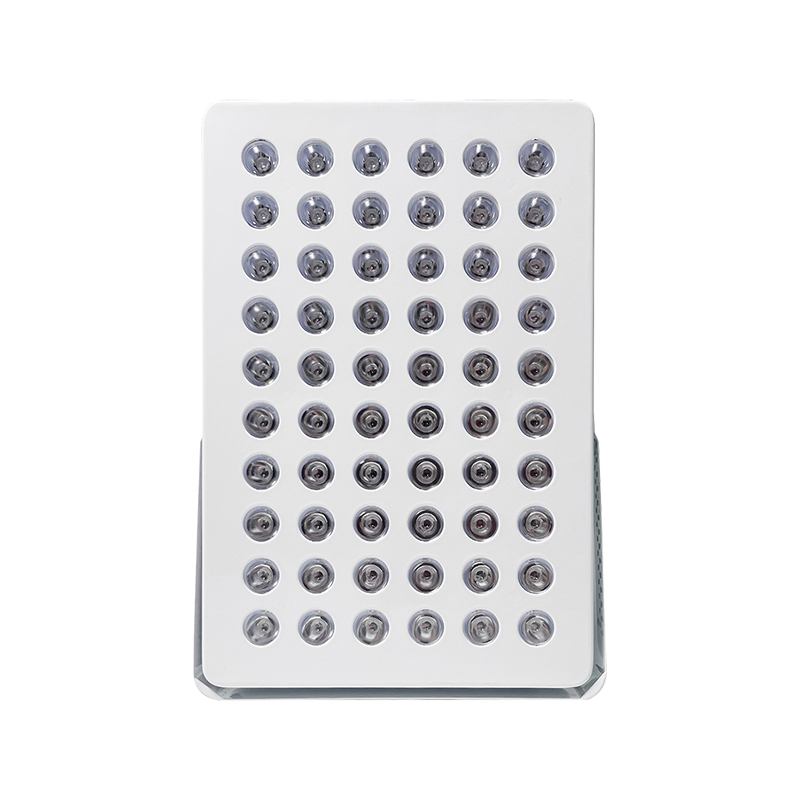
Using RLT is simple and non-invasive. For joint pain, the device is placed directly over the affected area—such as knees, ringa, hope, or shoulders.
- Wātū Roa: Typical sessions last between 10 ki 20 minutes per joint.
- Auautanga: Mo nga hua pai, consistency is key. Most protocols recommend daily use or at least 3-5 wa ia wiki.
- Pūrere: You can find professional treatment at physiotherapy clinics or use a high-quality, high-power device at home for convenient daily care.
Te Rarangi Raro
Red Light Therapy is not a cure for arthritis, but it is a potent, science-supportedte rongoa taapiri. Ka aro atu ki nga take putake o te mamae o te rumati—te mumura me te ngoikoretanga o te pūkoro—e tuku ana i te haumaru, ara maori ki te whakaiti i te mamae, iti ake te maro, me te pai ake o te oranga. Ka rite ki nga wa katoa, korero ki to taakuta i mua i te tiimata i tetahi maimoatanga hou kia mohio ai he tika mo to ahuatanga motuhake.