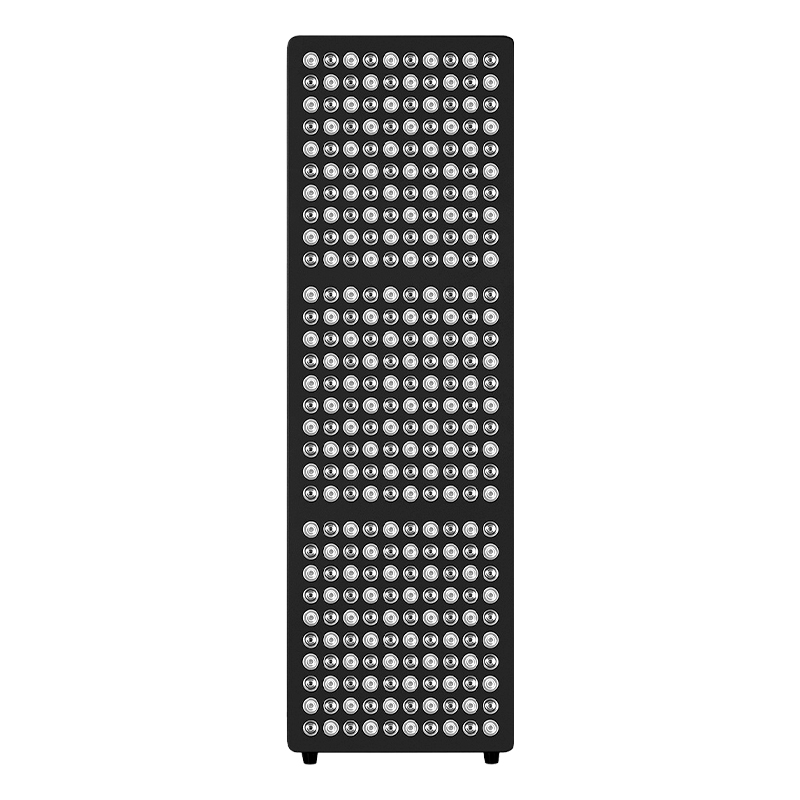
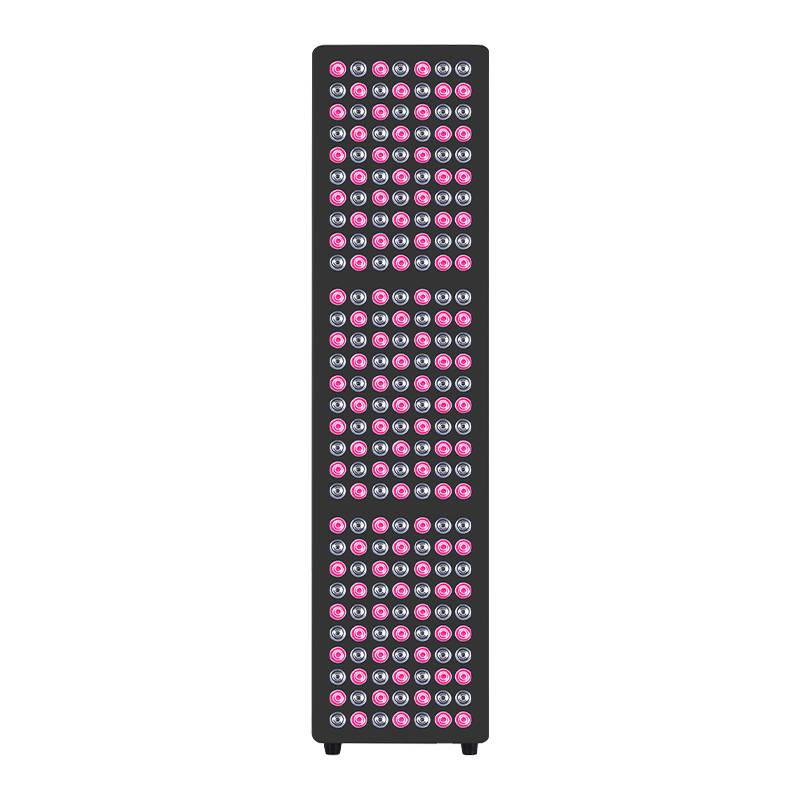
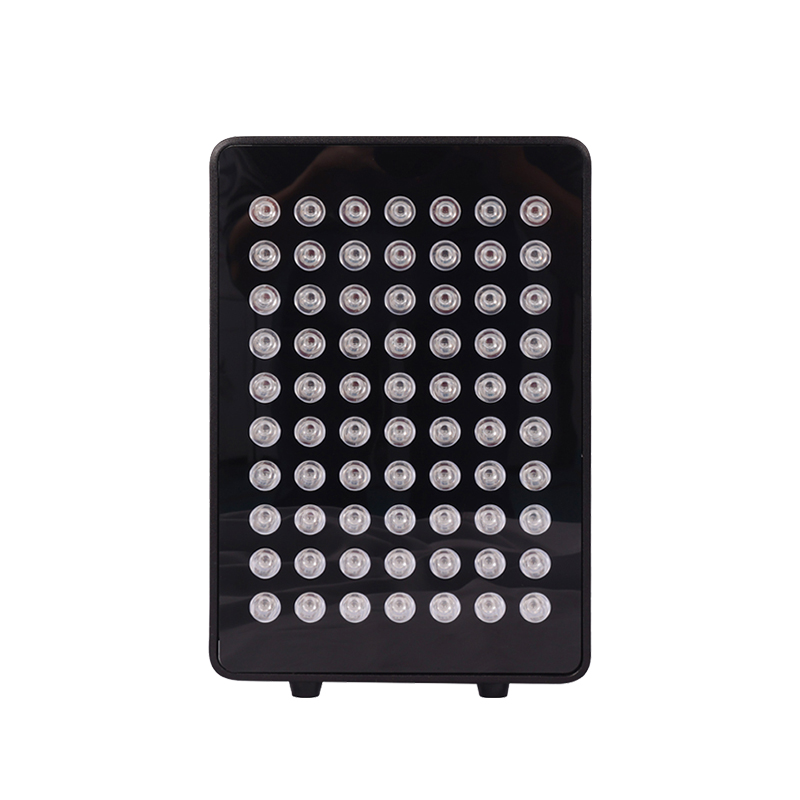
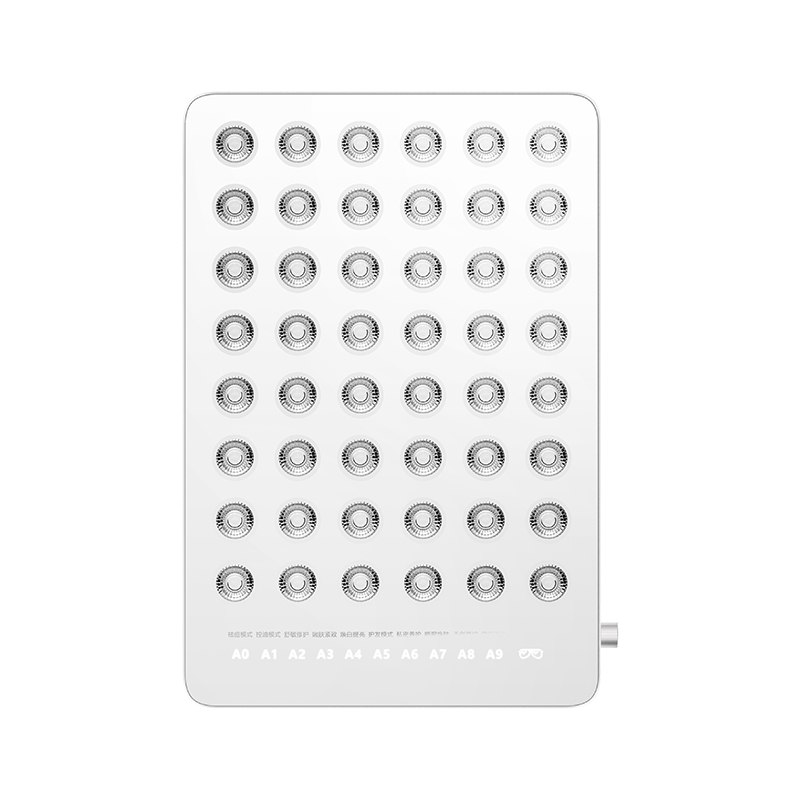
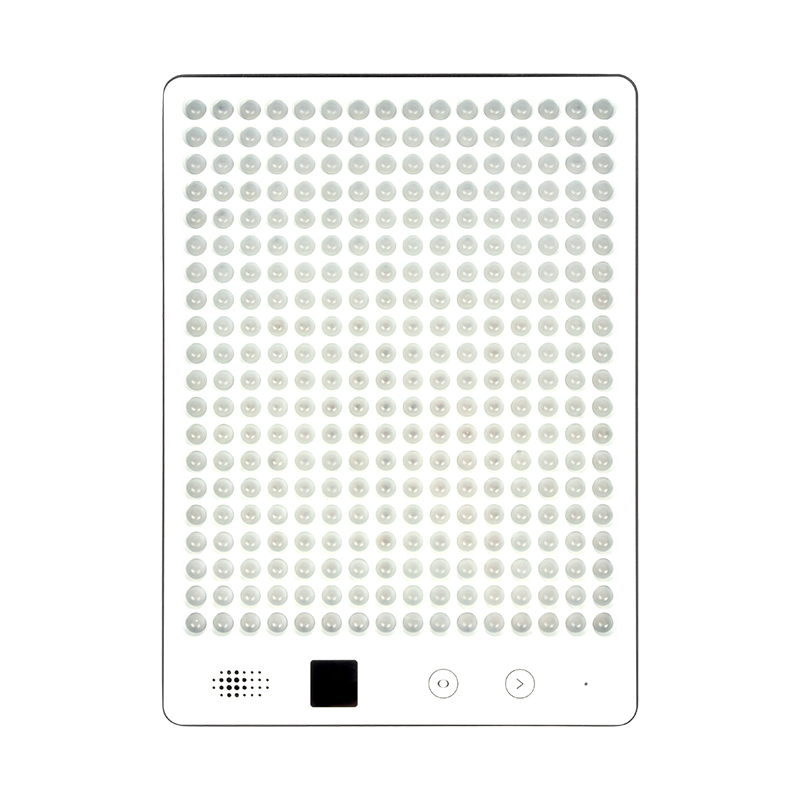
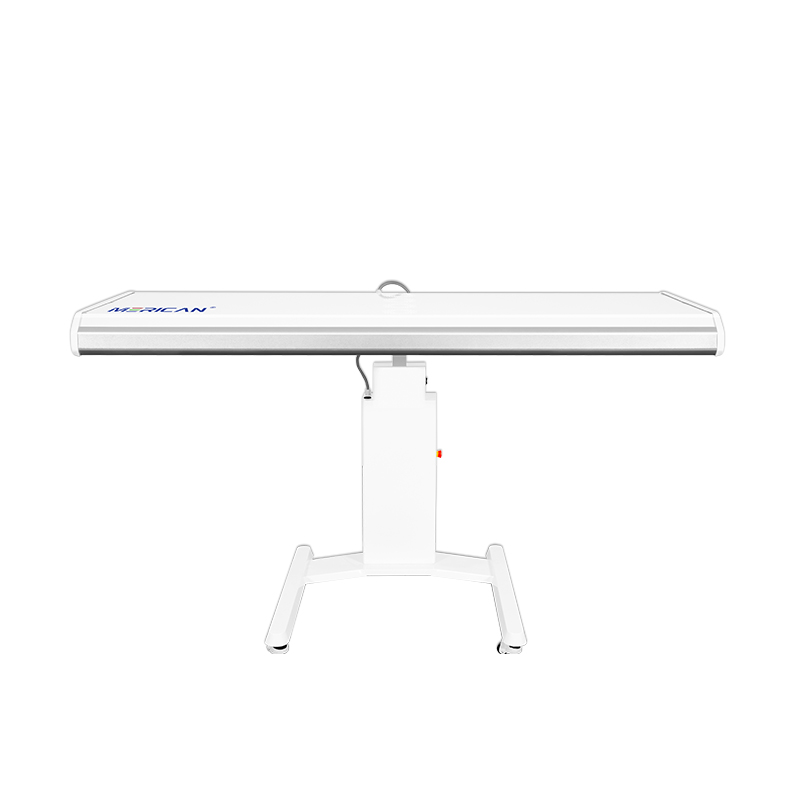
Ka raru pea te kiri ponana, kitea, me te pouri — ina koa ka hoki mai ano. For individuals seeking drug-free skin support, Ko te rongoa rama whero kua piki ake te rongonui ki nga mahinga tiaki kiri o ia ra.
Why People Explore Red Light Therapy for Skin Rashes
Many users turn to red light therapy because it:
- Does not rely on medication
- Is gentle and non-thermal
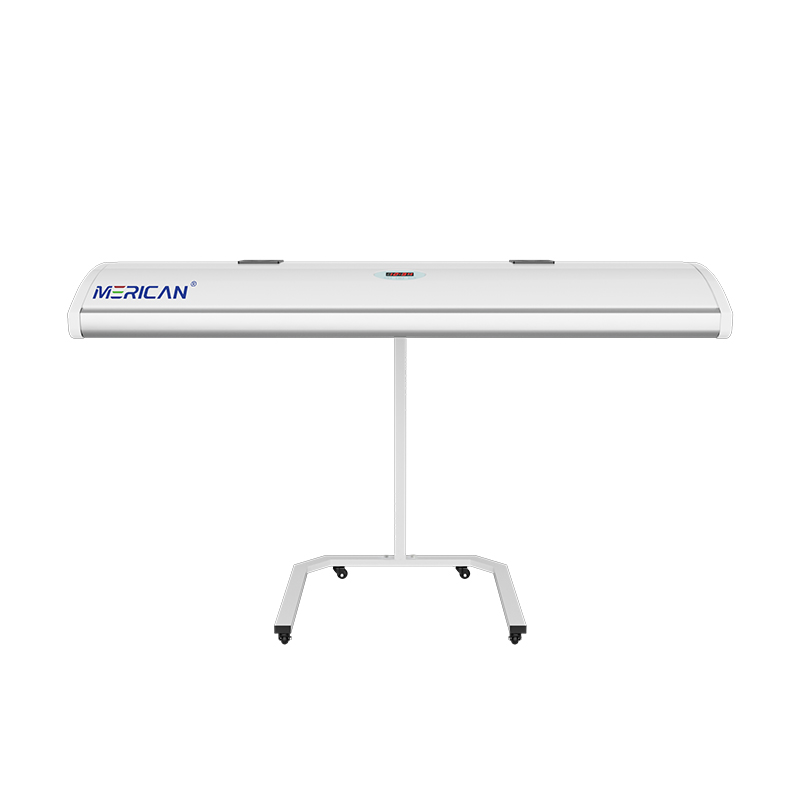
- Ka taea te whakamahi ki te kainga, ki nga whare haumanu ranei
- Supports overall skin health
It is often used alongside moisturizers, barrier creams, and dermatologist-recommended care.
How to Use Red Light Therapy for Rashes (Tiaki Tautoko)
Suitable Rash Types (Supportive Use)
- Mild irritation or redness
- maroke, itchy skin
- Inflammatory skin flare-ups (non-infectious)
Nga Aratohu Whakamahi Tikanga
- 5–10 meneti mo ia wahanga
- 3–5 wa ia wiki
- Maintain proper distance from the skin
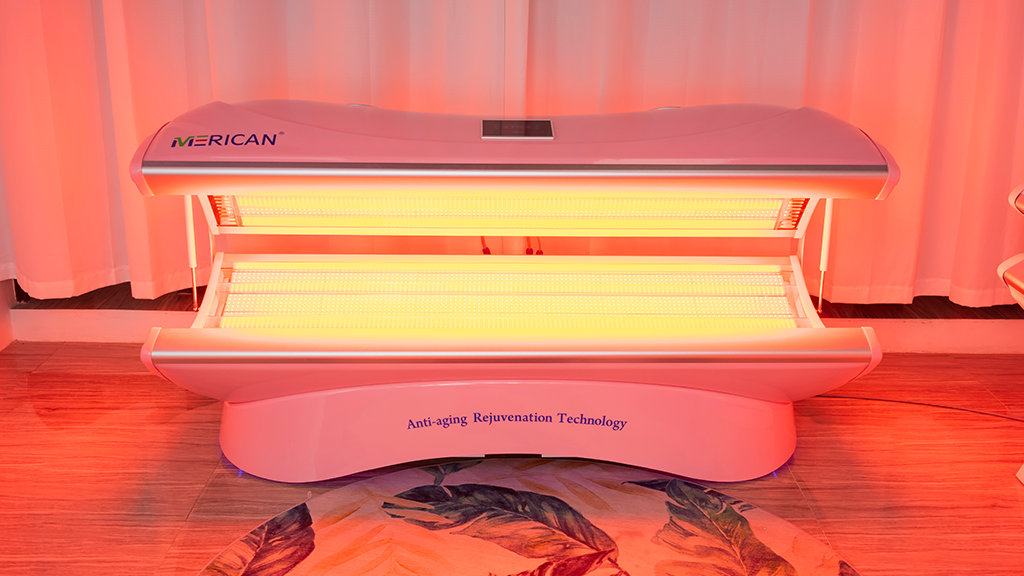
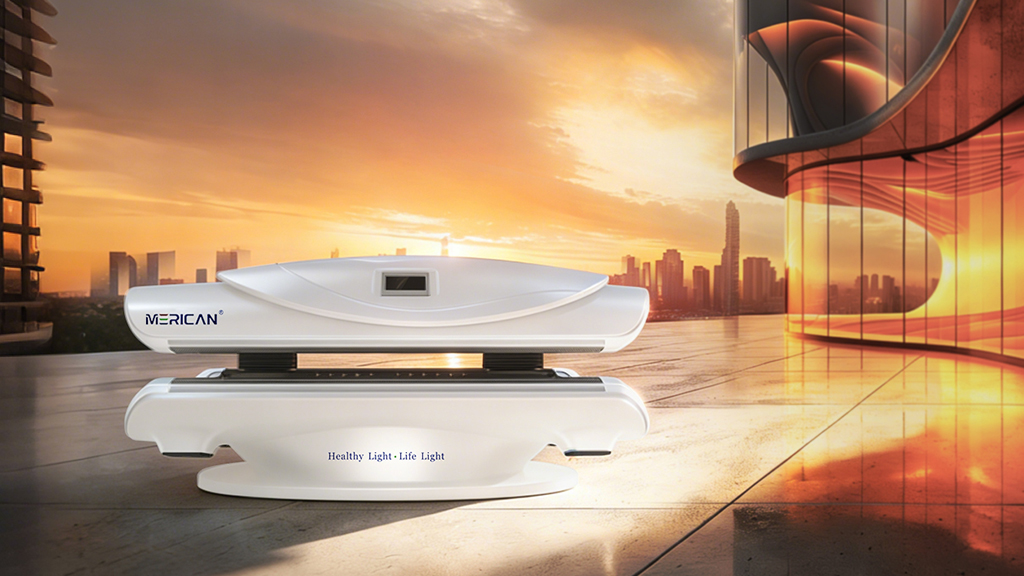
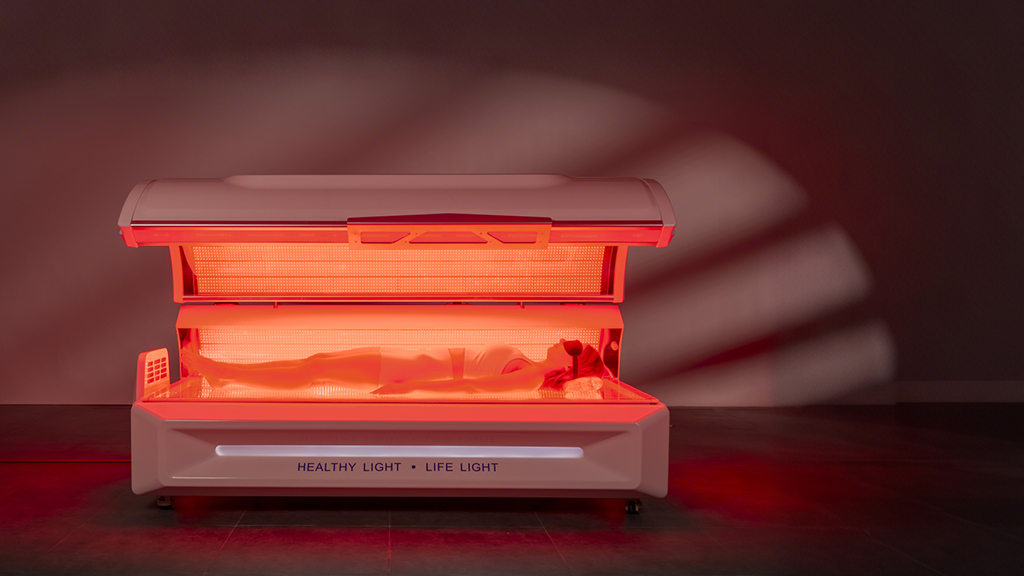
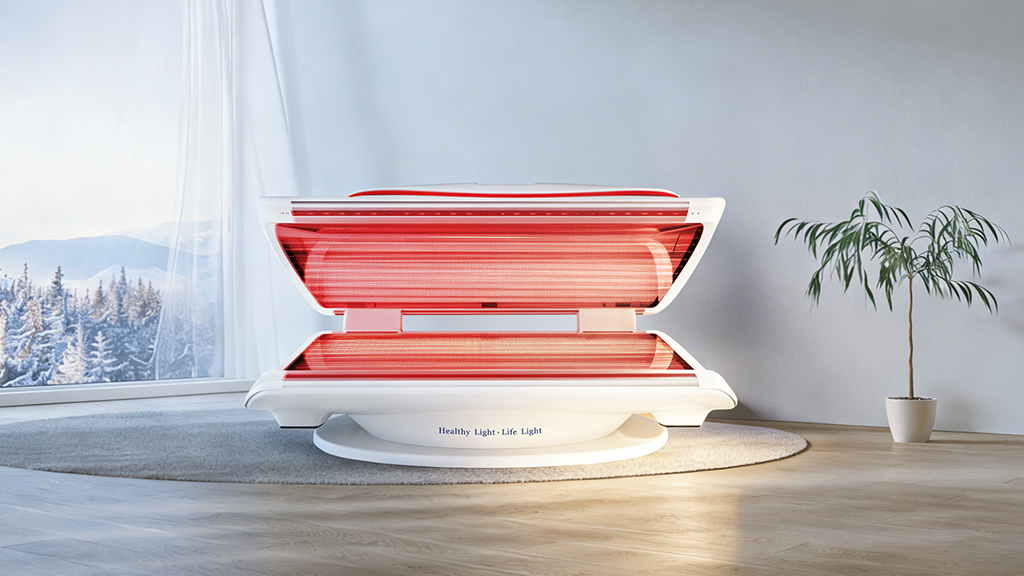
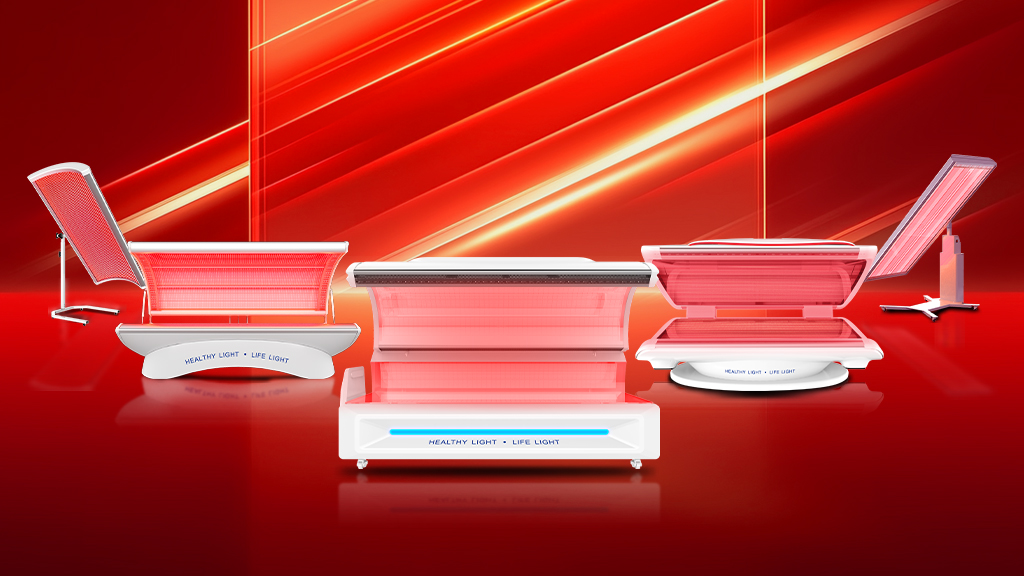
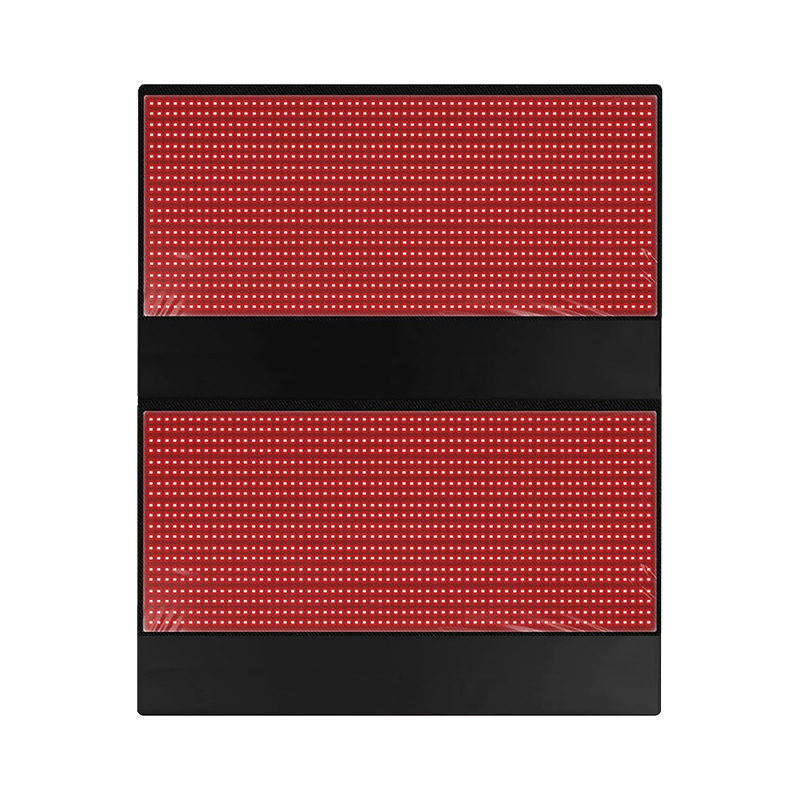
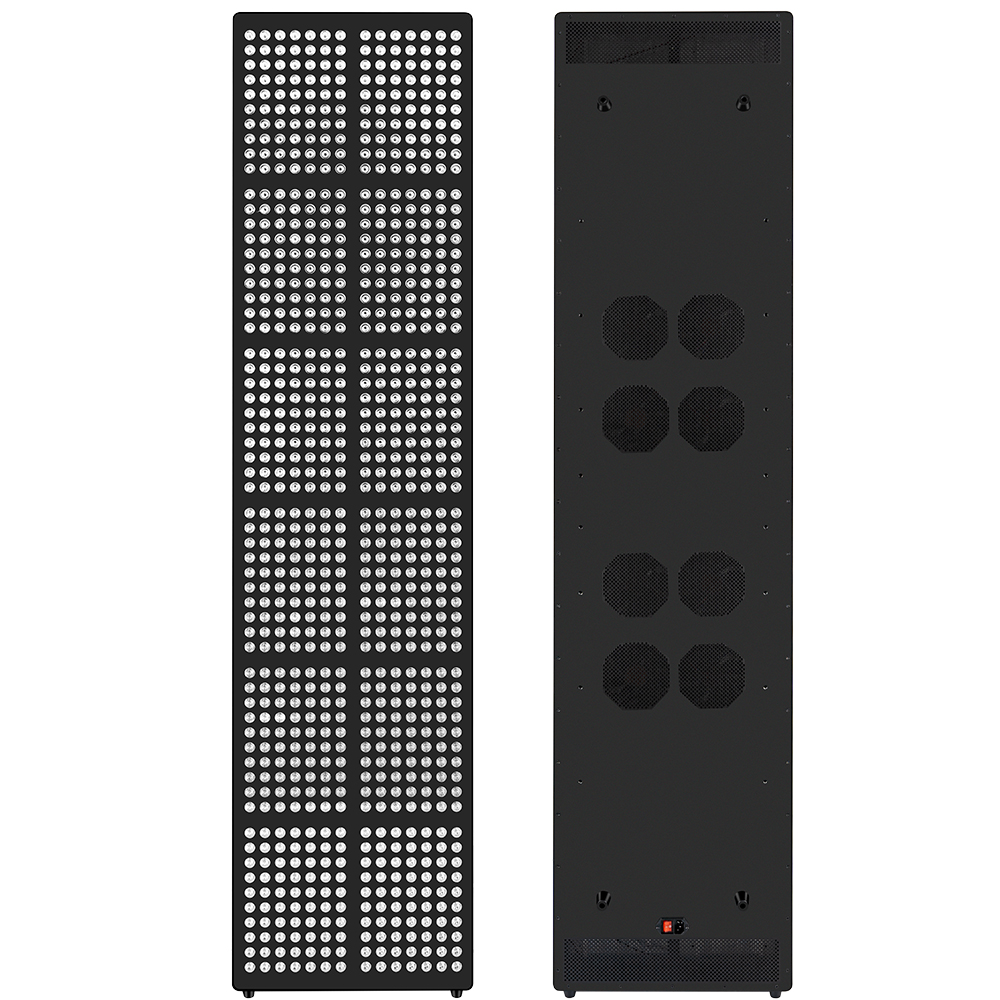
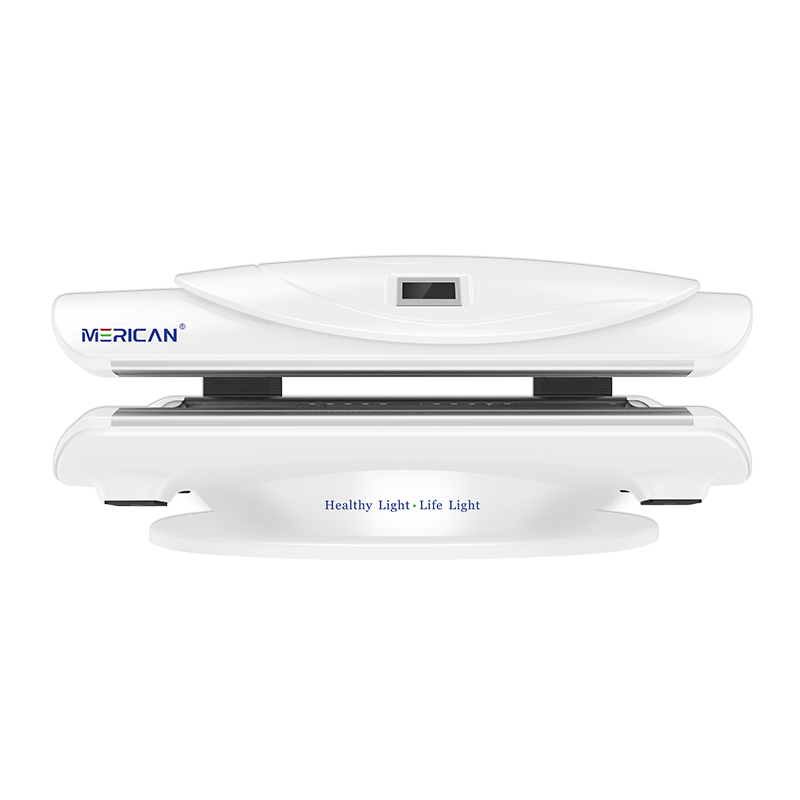
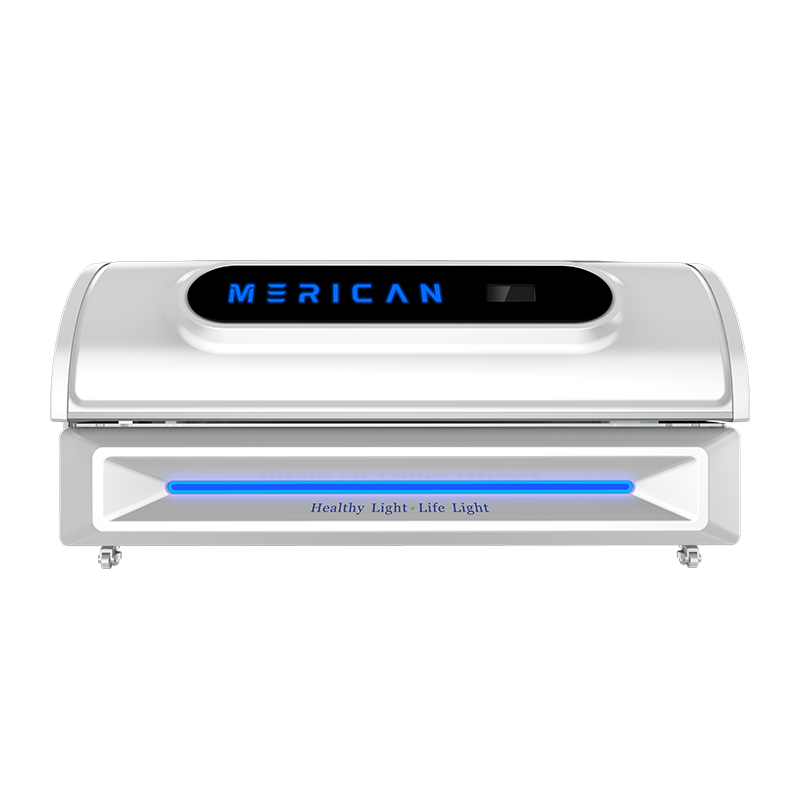
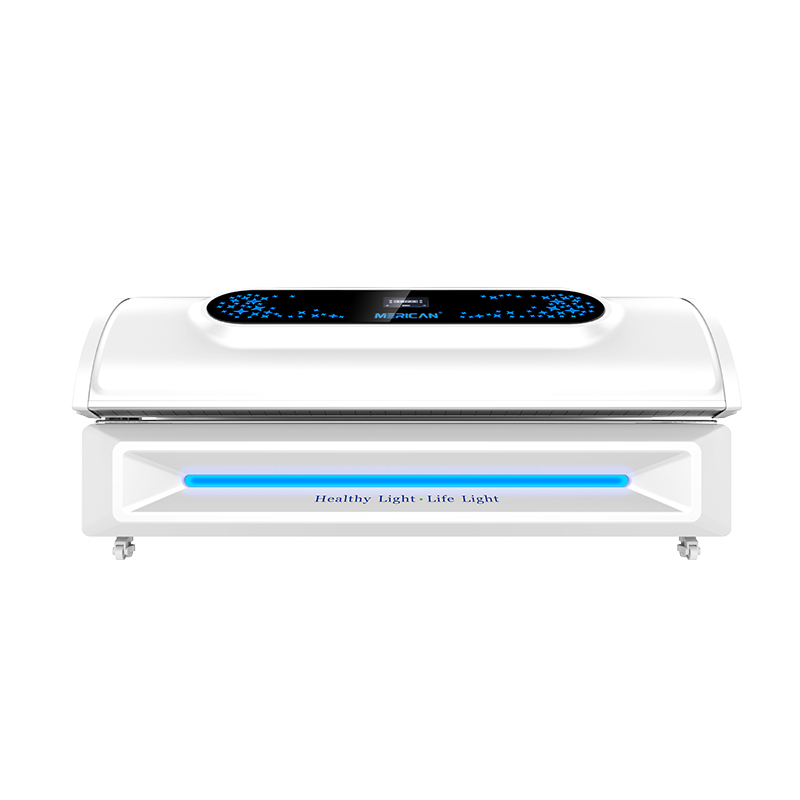
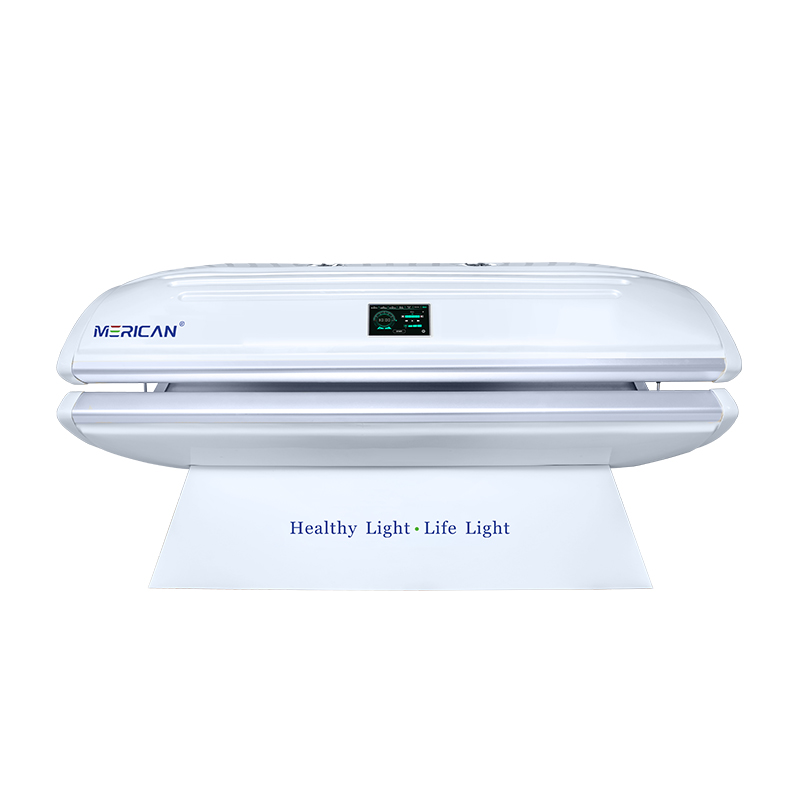
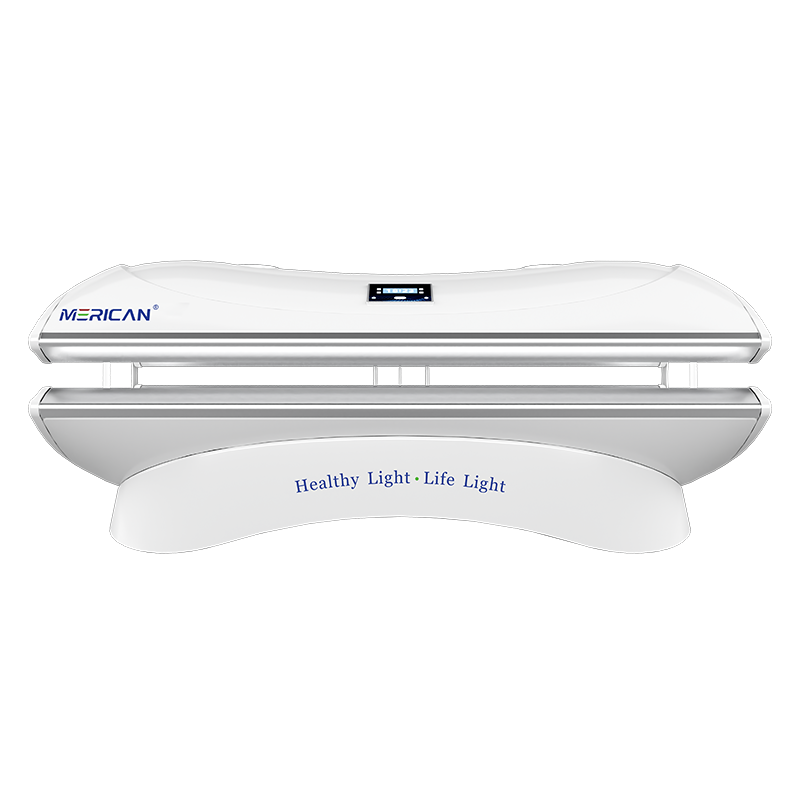
For larger areas or full-body skin wellness, red light therapy beds offer even and consistent exposure.
Benefits Beyond Rash Relief
Regular red light therapy use may also support:
- Kua pai ake te kakano kiri
- Enhanced collagen production
- Better skin tone balance
- Faster recovery from environmental stressors
Red Light Therapy vs Traditional Rash Care
| Care Method | Nga herenga |
|---|---|
| Topical steroids | Not suitable for long-term use |
| Antihistamines | Systemic side effects |
| Nga whakamakuku | Limited anti-inflammatory effect |
| Te rongoa rama whero | Kore urutomo, tautoko |
Ko wai ka whai hua nui?
- Individuals with sensitive or reactive skin
- People managing recurring mild rashes
- Nga whare hauora Dermatology me nga waahi hauora
- Wellness centers offering skin recovery services
Nga Whakaaro Whakamutunga
Ko te rongoa rama whero not a cure for skin rashes, but it may provide meaningful support for calming inflammation and promoting skin recovery. Used correctly and selectively, it can be a valuable addition to a holistic skin care routine.