Nga tohu totoro (korikori) are a common skin concern caused by rapid stretching of the skin due to pregnancy, huringa taimaha, te tipu tipu ranei. While they’re harmless, many seek ways to reduce their appearance.Ka taea te rongoa rama whero (RLT) help? Anei te korero a te pūtaiao.
1. How Red Light Therapy May Improve Stretch Marks
RLT works by stimulatinghanga collagen me te elastin, key proteins that keep skin firm and elastic. Research suggests it may help by:
✔Increasing collagen synthesis – Thickens skin and improves texture.
✔Enhancing blood flow – Promotes healing and skin regeneration.
✔Te whakaheke i te mumura – Helps fade red/purple stretch marks (striae rubra).
Nga taunakitanga haumanu
- A 2023 Journal of Cosmetic Dermatology study found RLT improved skin elasticity and reduced stretch mark depth muri 12 wiki.
- Tata-infrared (NIR) light may kuhu hohonu to remodel connective tissue.
2. Best Red Light Therapy Protocols for Stretch Marks
A. Nga roangaru hei Whakamahia
- Maama whero (630-660 nm) – Best for surface-level collagen stimulation.
- Tata-infrared (810-850 nm) – Targets deeper tissue for severe or older stretch marks (striae alba).
B. Auautanga maimoatanga & Roanga
- 3-5 hui ia wiki (consistency is key).
- 5-15 meneti mo ia rohe (depending on device power).
- Minimum 8-12 wiki for visible results.
C. Device Recommendations
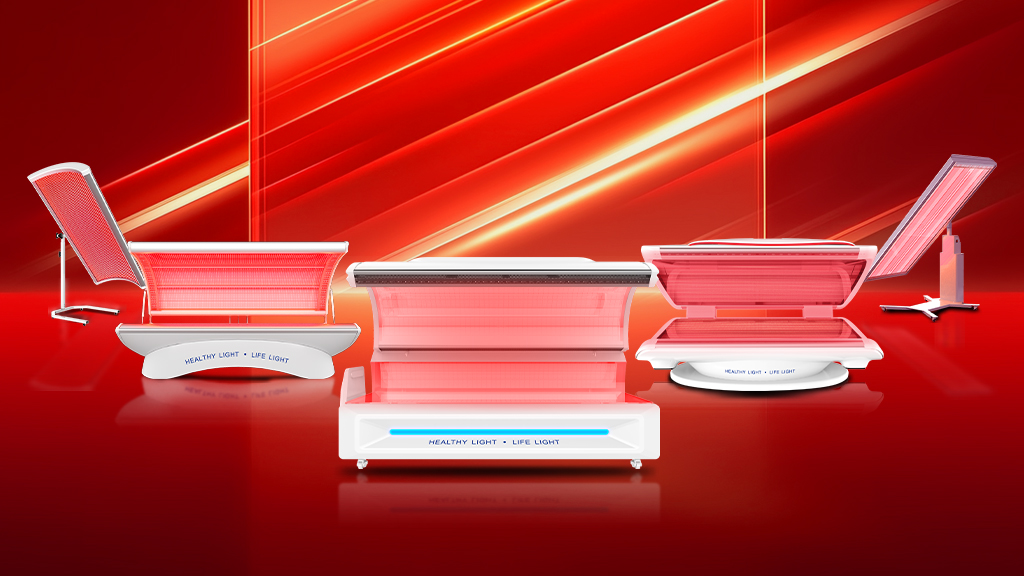
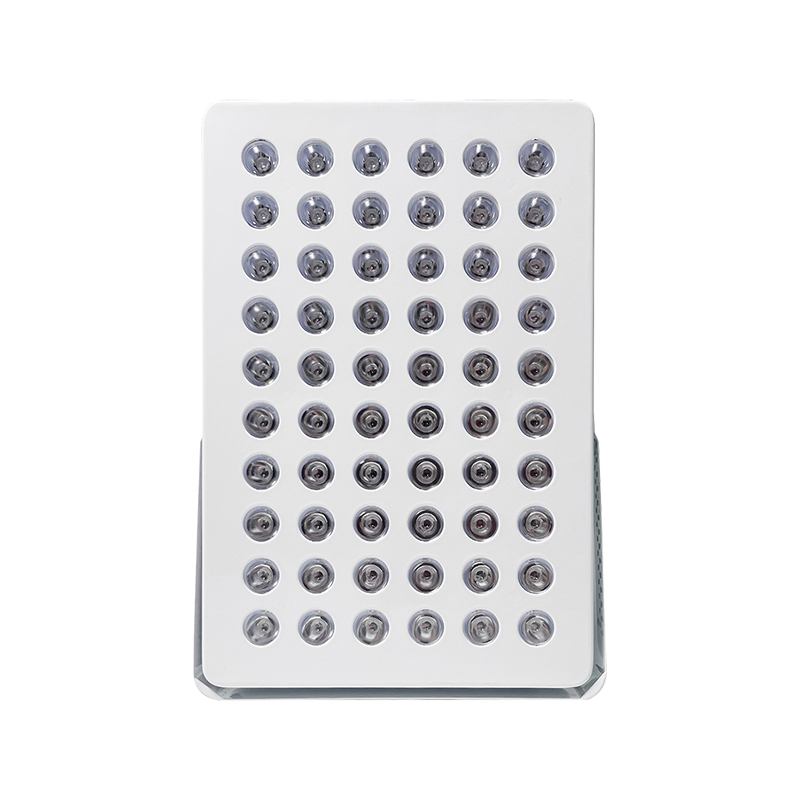
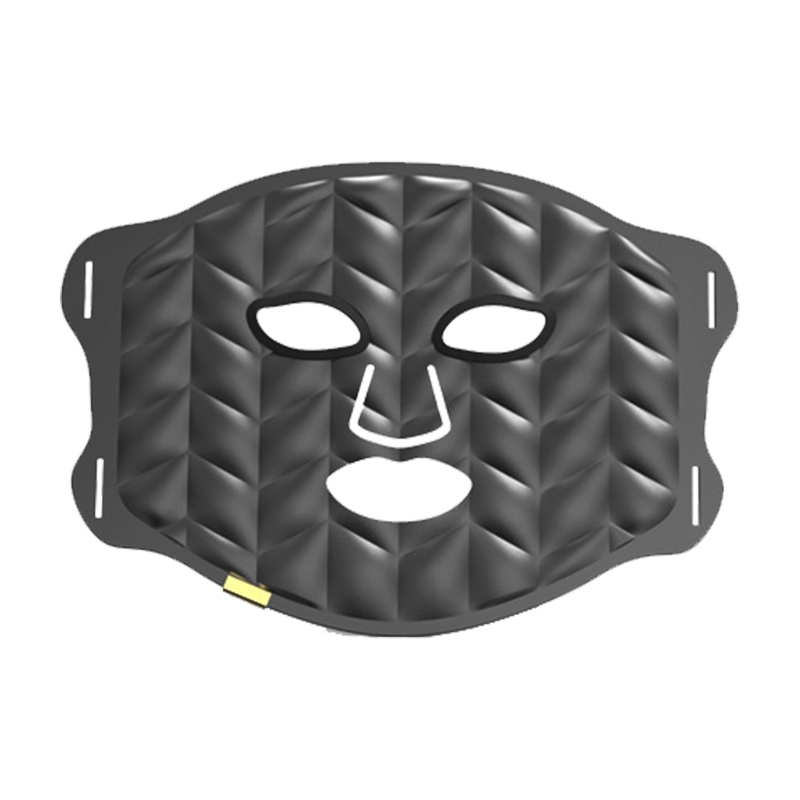
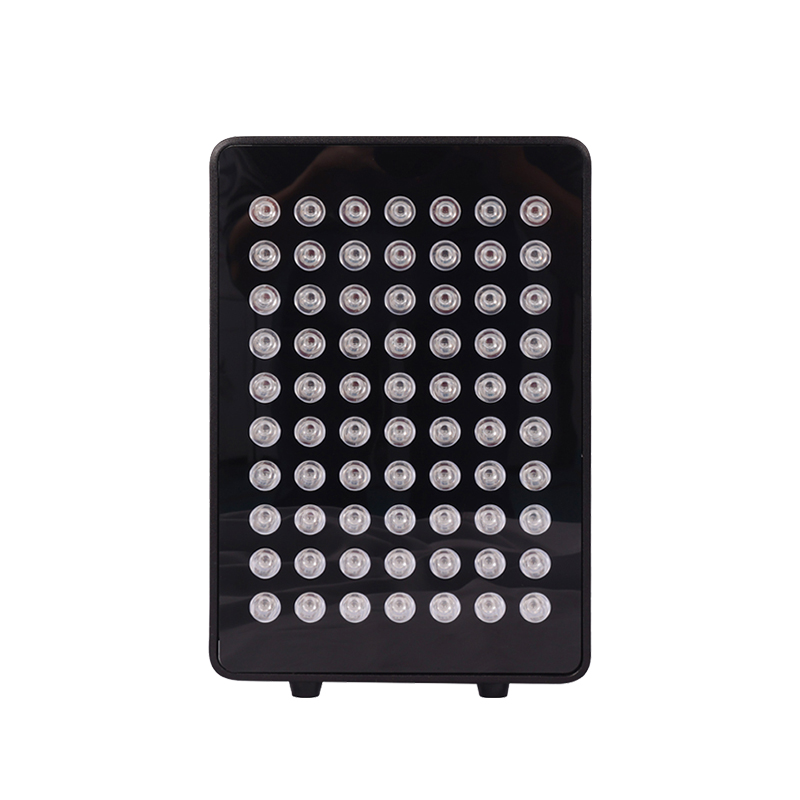
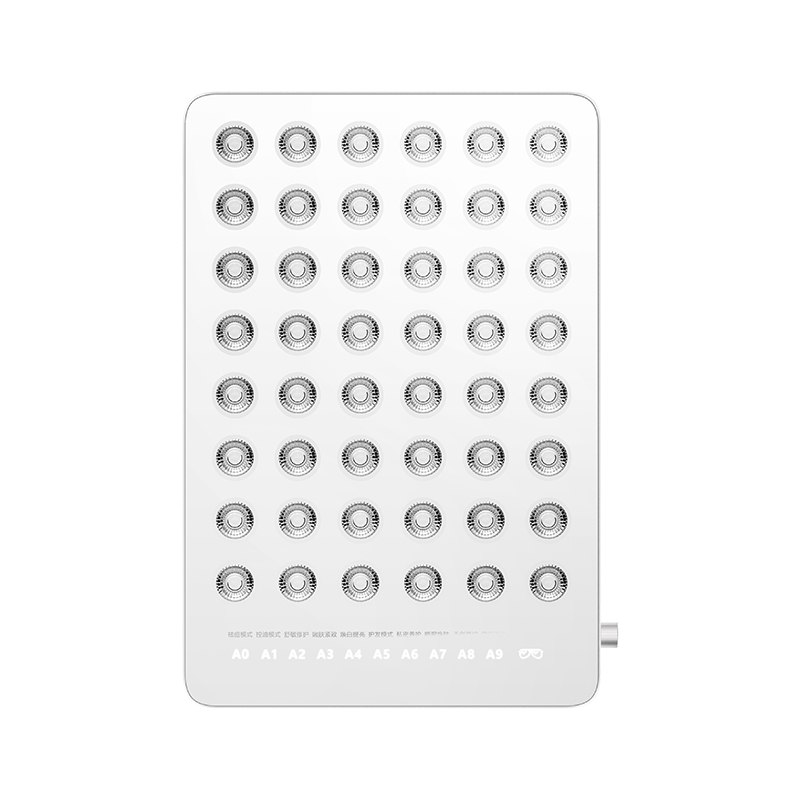
- Handheld RLT devices (e.g., Joovv Go, Mito Red Light) – For small areas.
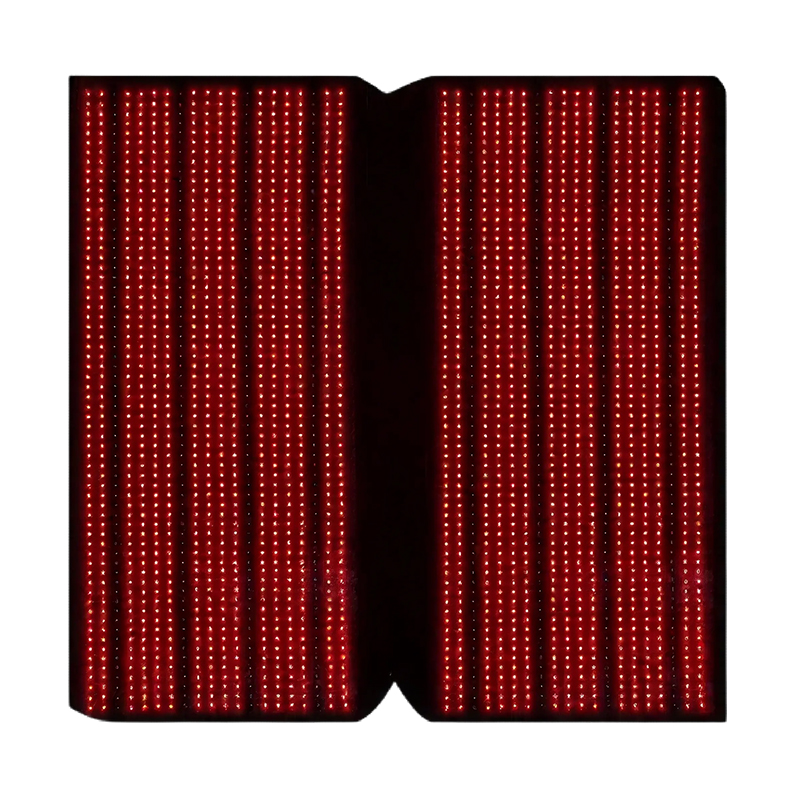
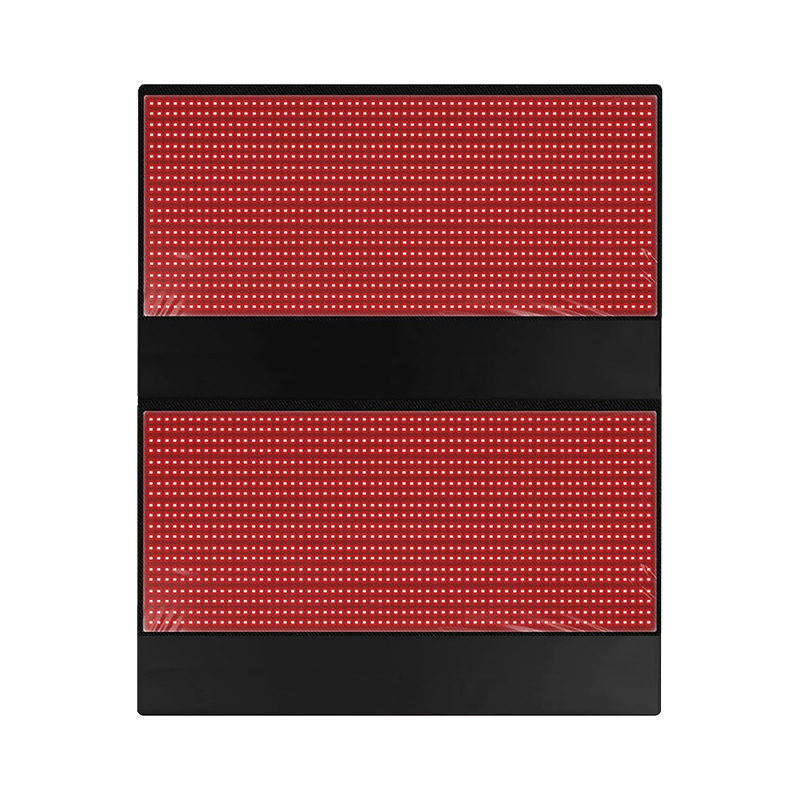
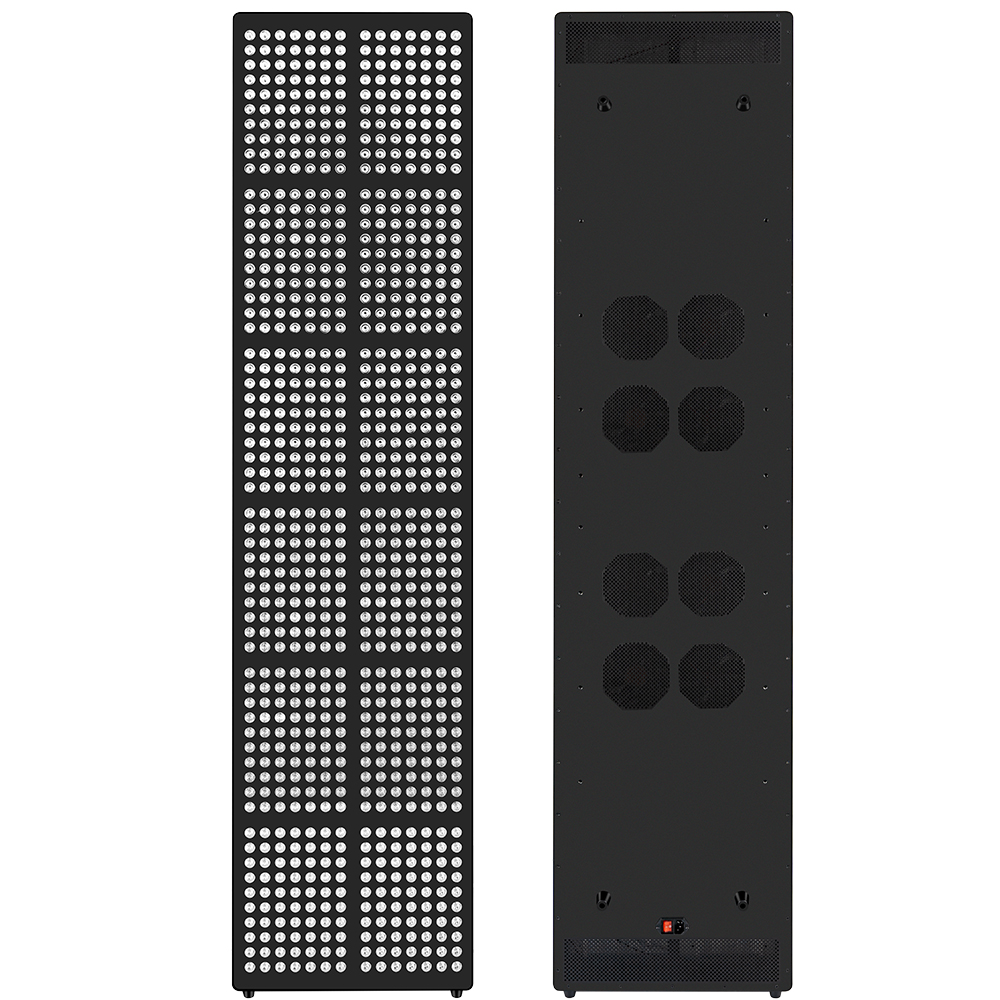
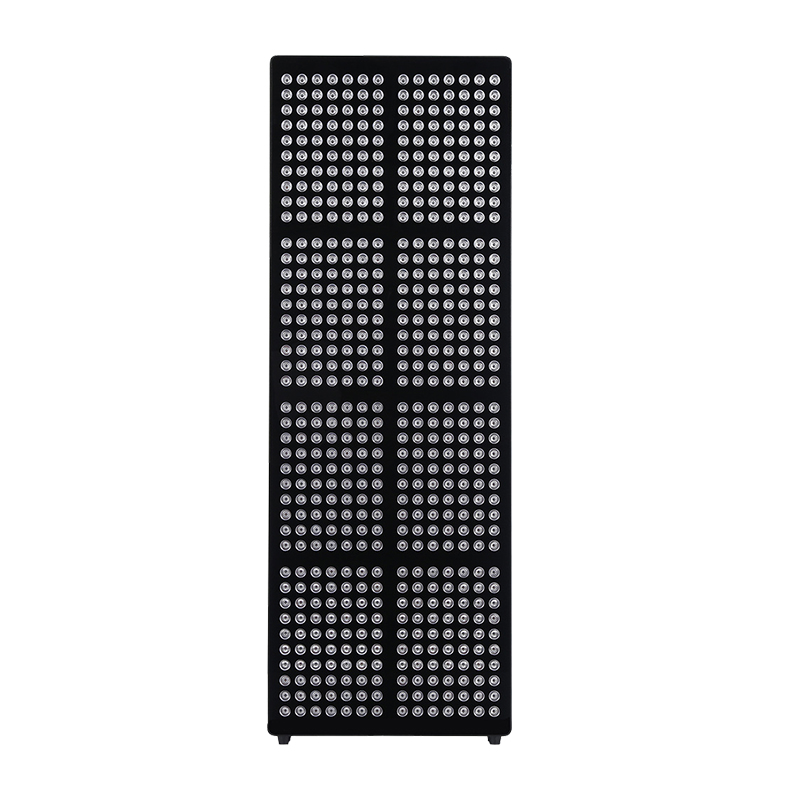
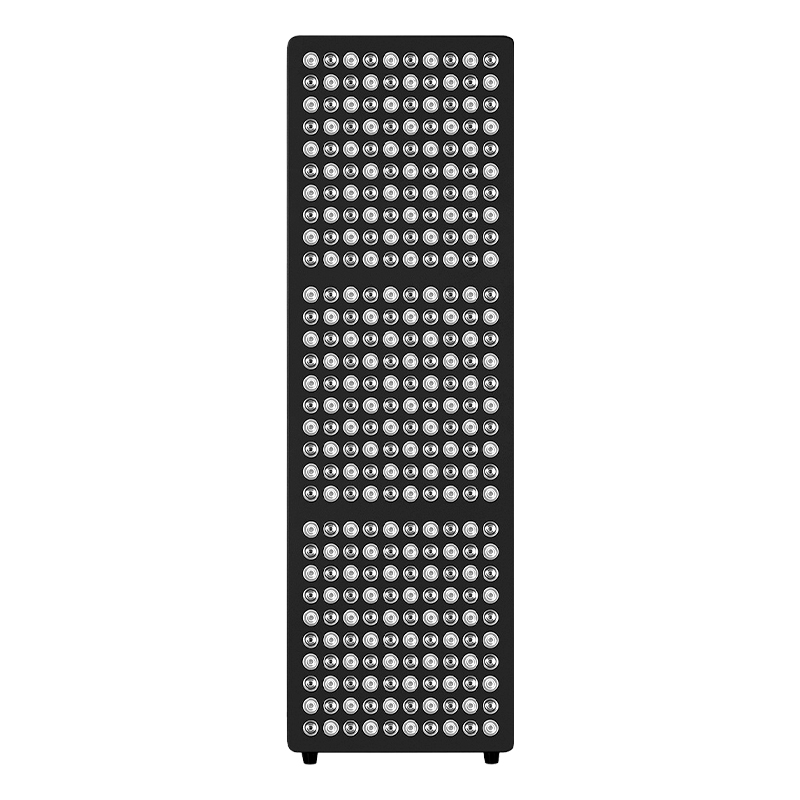
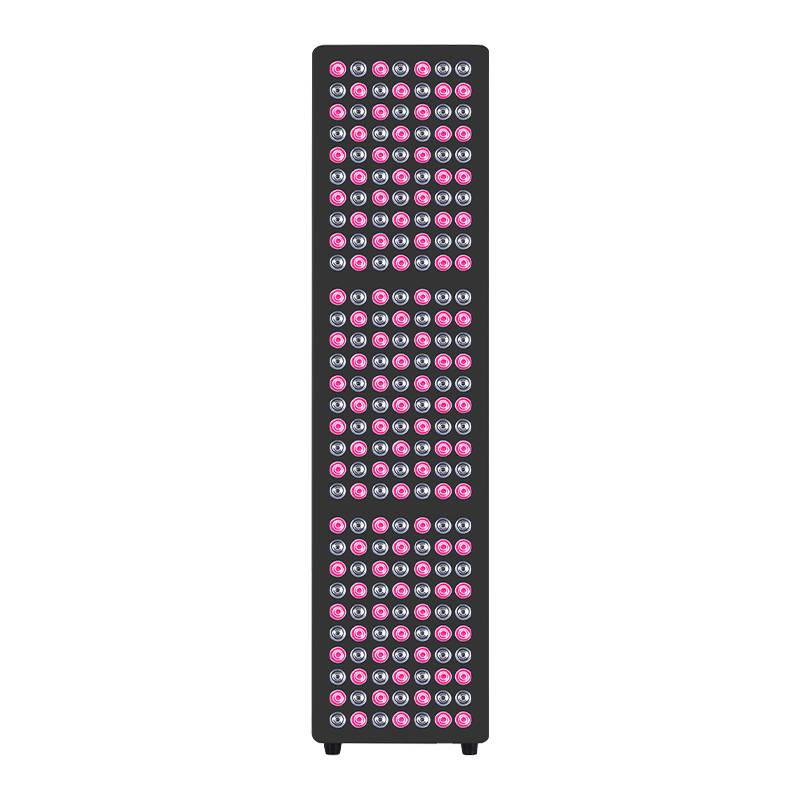
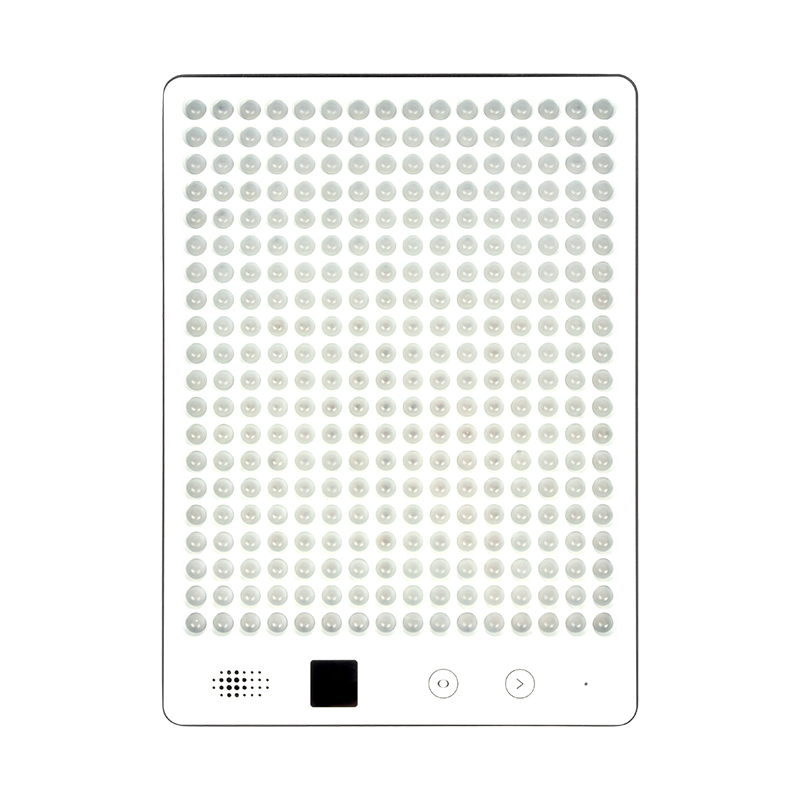
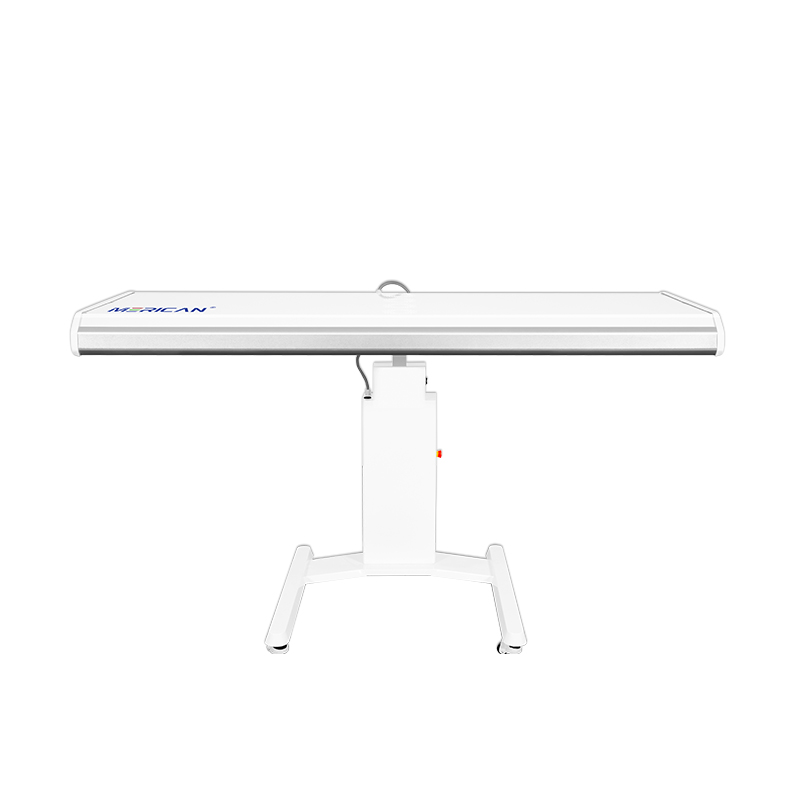
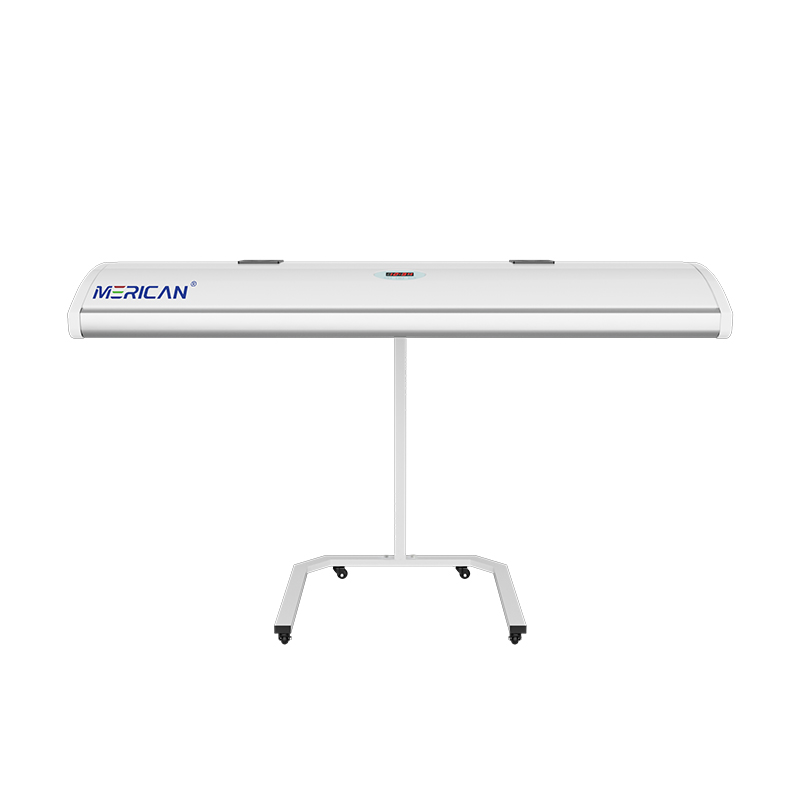
- Large LED panels – For broader coverage (e.g., huha, puku).
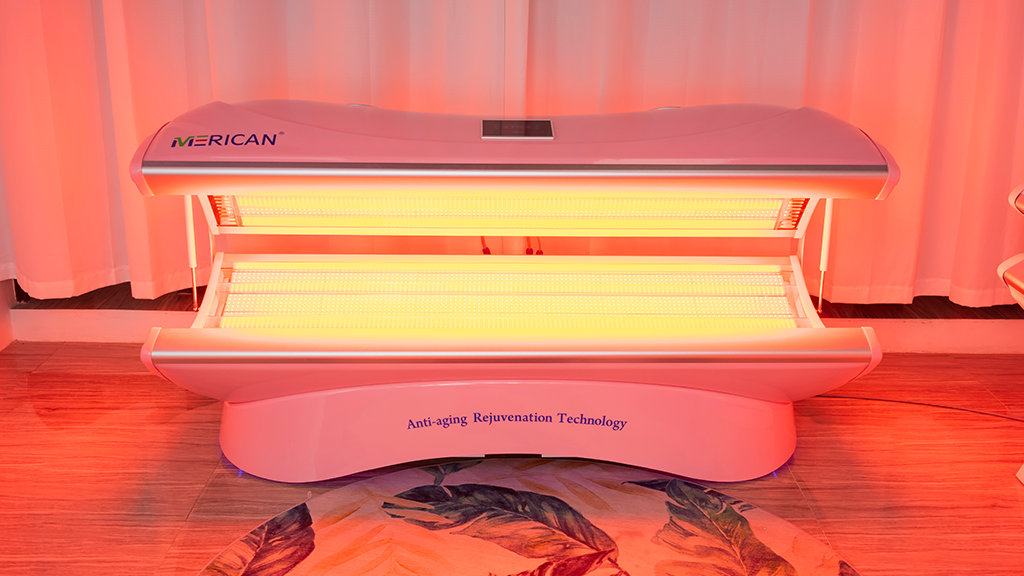
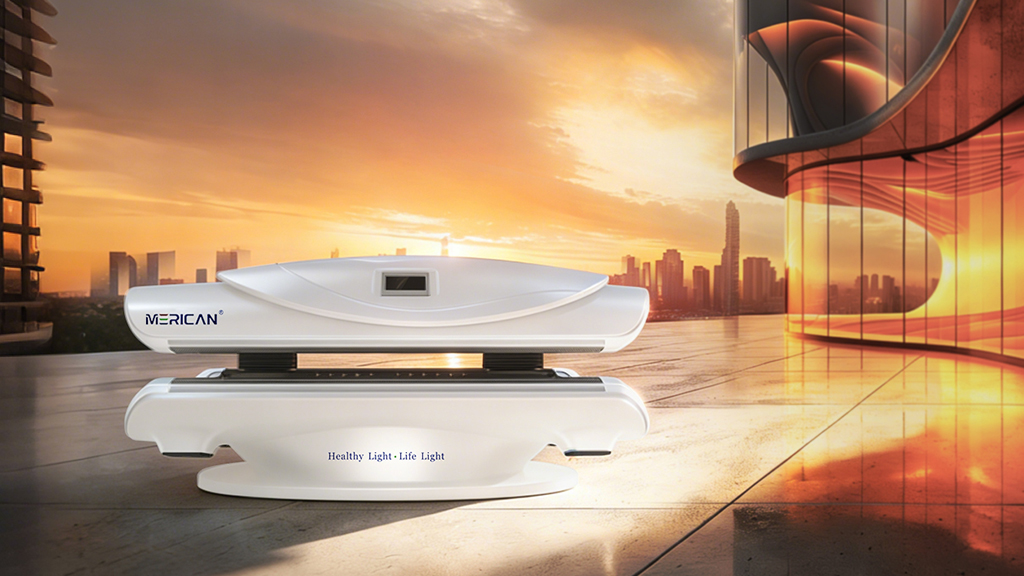
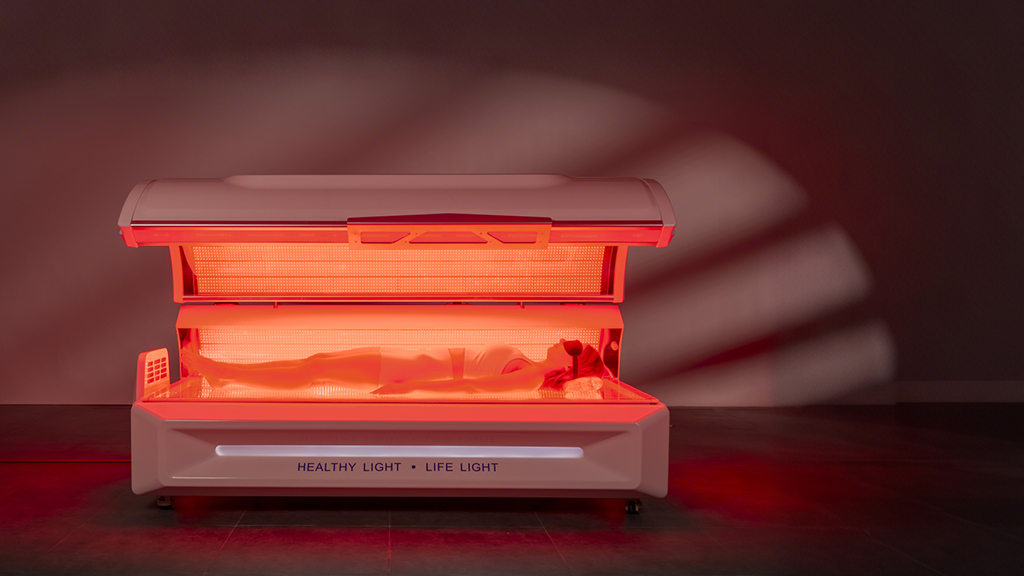
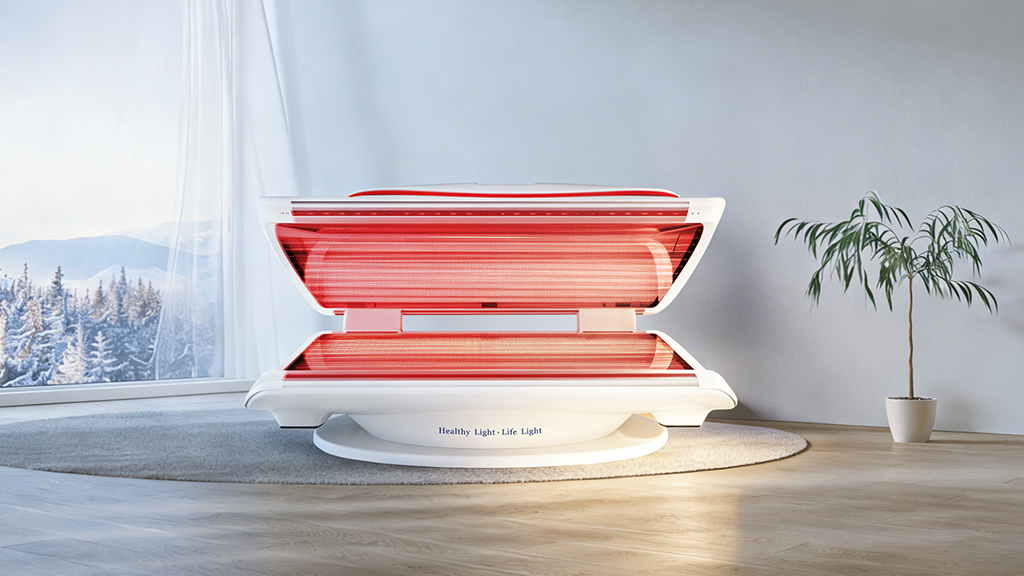
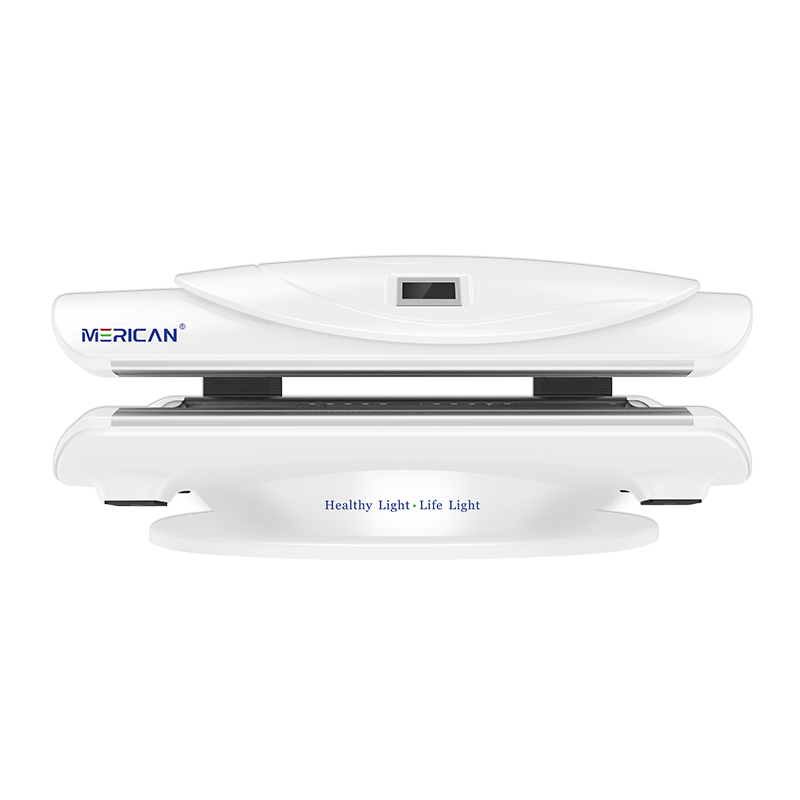
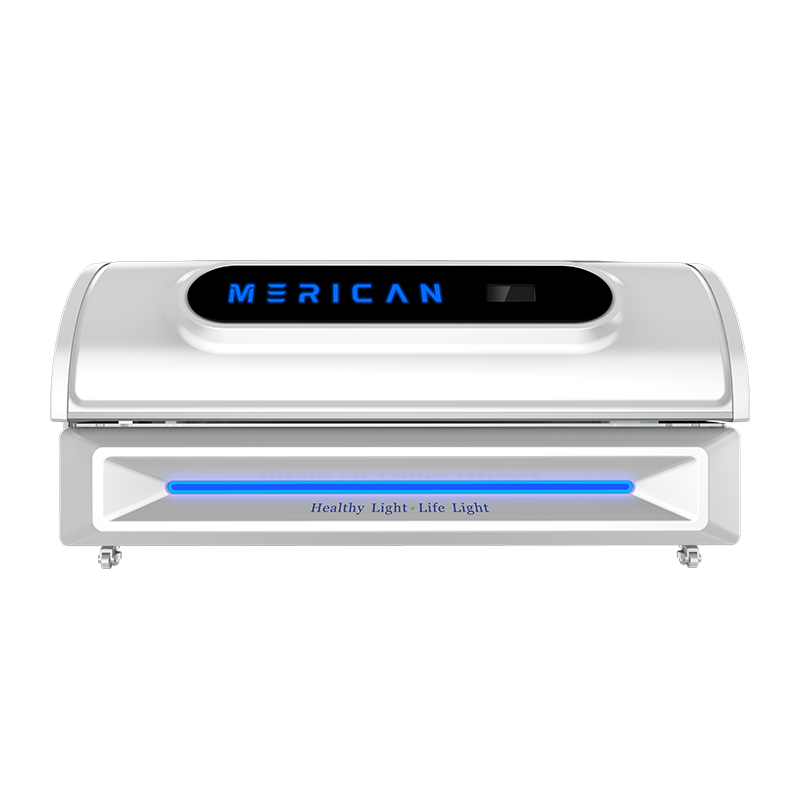
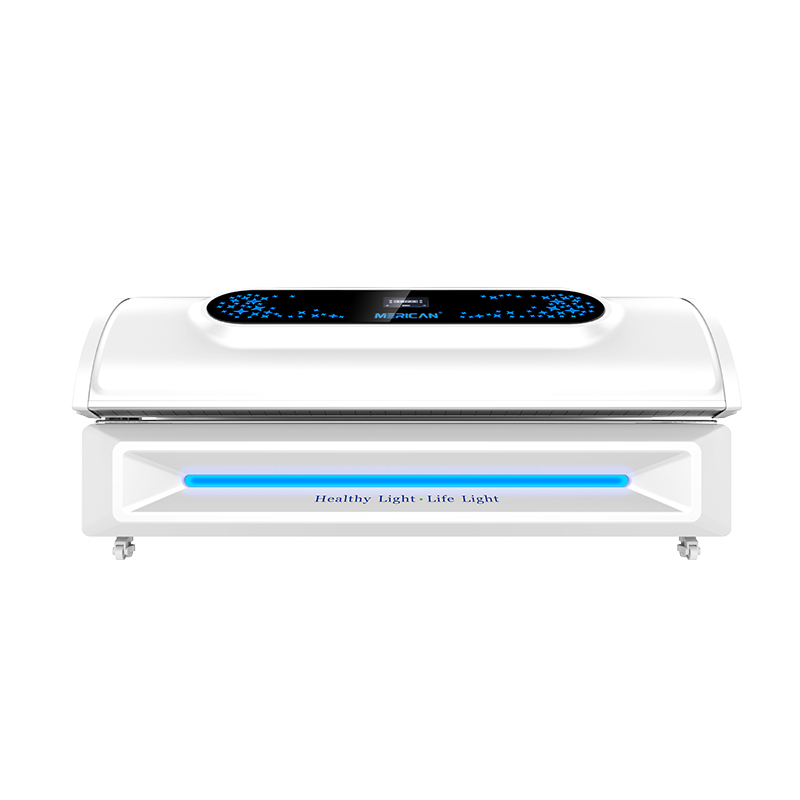
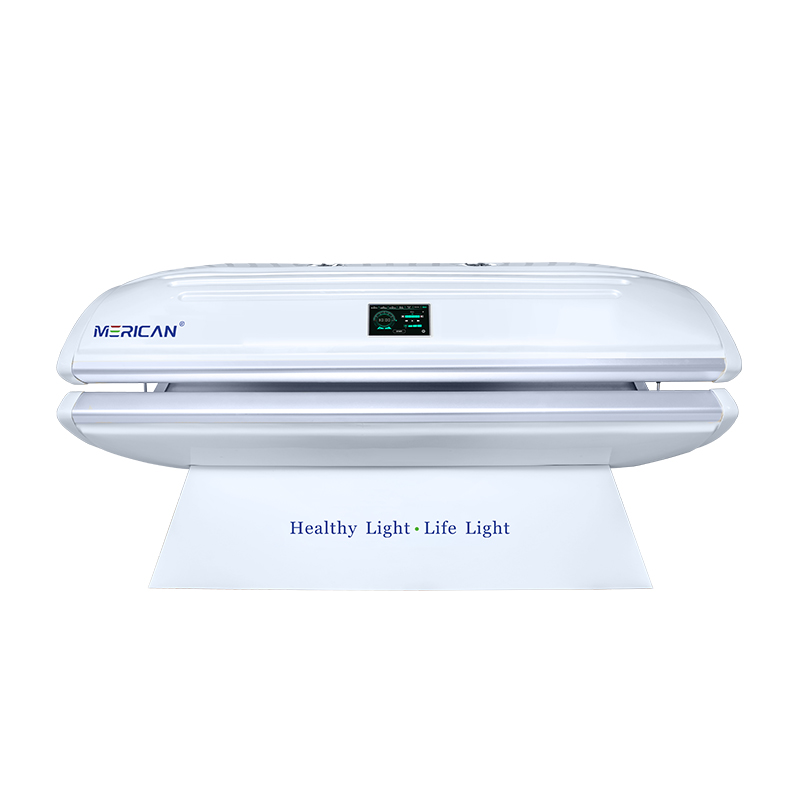
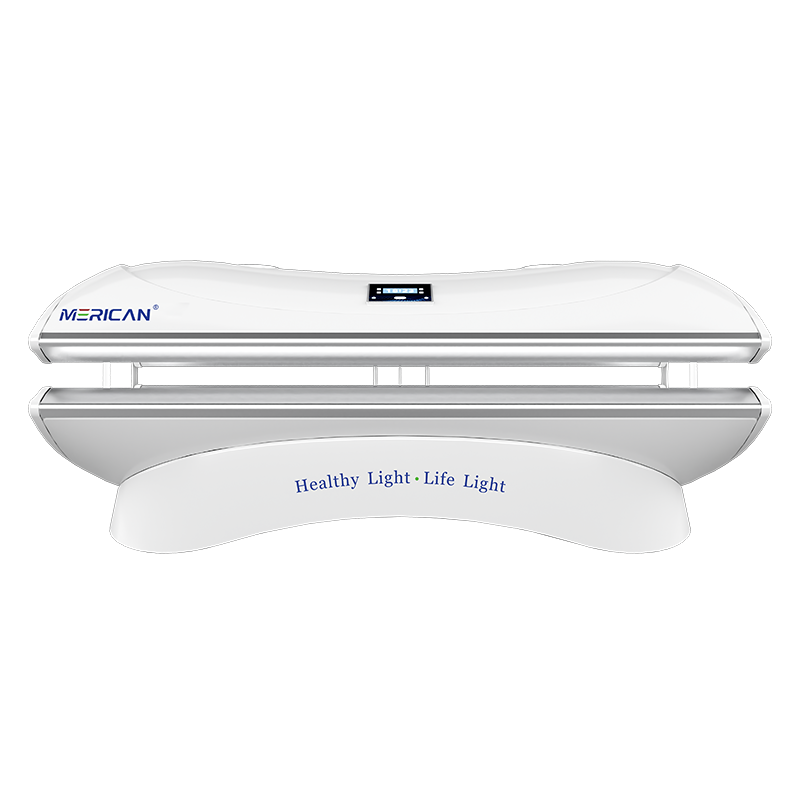
- Professional in-office treatments – More powerful (e.g., LED light beds).
3. Me pehea te Whakanuia Nga Hua
✅Exfoliate first – Removes dead skin for better light absorption.
✅Use hyaluronic acid or vitamin C serum – Enhances collagen effects.
✅Combine with microneedling or retinoids – Boosts skin remodeling (check with a dermatologist).
🚫Avoid sunburn/tanning – Can worsen stretch mark contrast.
4. Nga Manakohanga Tika
- Best for newer (red/purple) tohu totoro – More responsive than old (white/silver) ones.
- Gradual improvement – Unlike lasers, RLT works slowly but safely.
- May not fully erase deep scars but can significantly reduce visibility.
I mua & I muri: He aha te tumanako
| Timeframe | Hua |
|---|---|
| 4-6 wiki | Kua pai ake te kakano kiri, slight fading |
| 8-12 wiki | Noticeable reduction in color/depth |
| 6+ marama | Optimal results (me te whakamahi rite) |
5. He rereke & Nga maimoatanga taapiri
If RLT isn’t enough, consider combining with:
- Fractional lasers (e.g., Fraxel) – For deeper scars.
- Microdermabrasion – Exfoliates top layers.
- Topical retinoids – Promotes cell turnover (avoid during pregnancy).
Whakatau Whakamutunga
✔He haumaru hoki te RLT, kōwhiringa kore-kino to improve stretch marks, especially when started early.
✔He mea nui te riterite—results take weeks to months.
✔For best outcomes, pair with skincare and professional treatments.
Try this routine:
- Exfoliate 2x/week.
- Apply RLT 5-10 mins daily (660nm + 850nm).
- Moisturize with collagen-boosting creams.