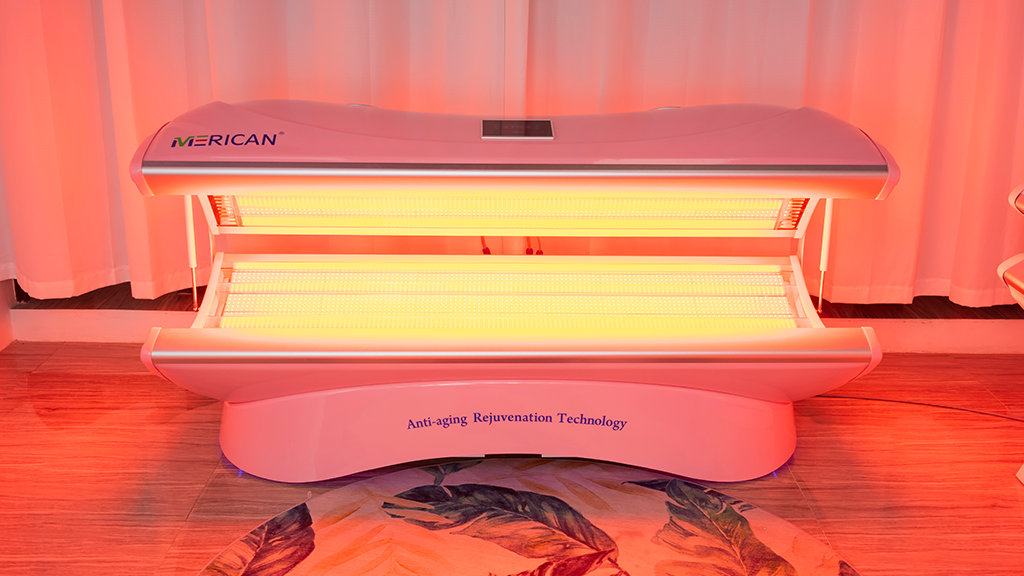
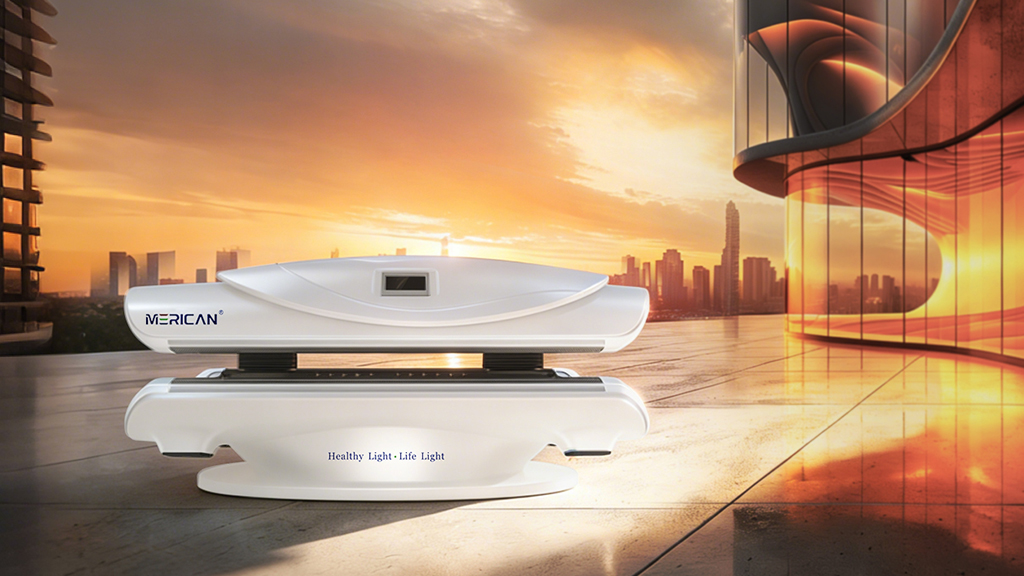
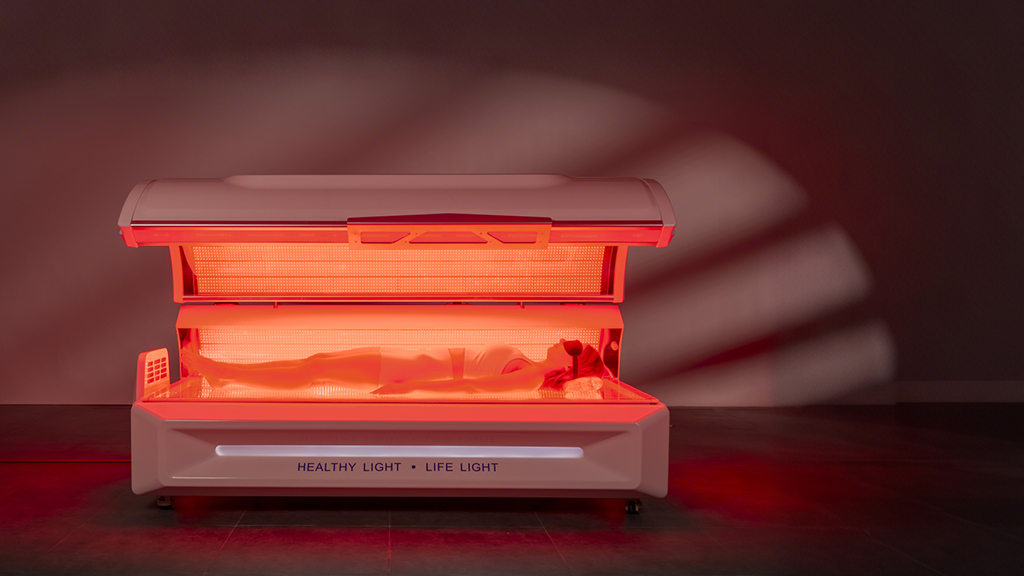
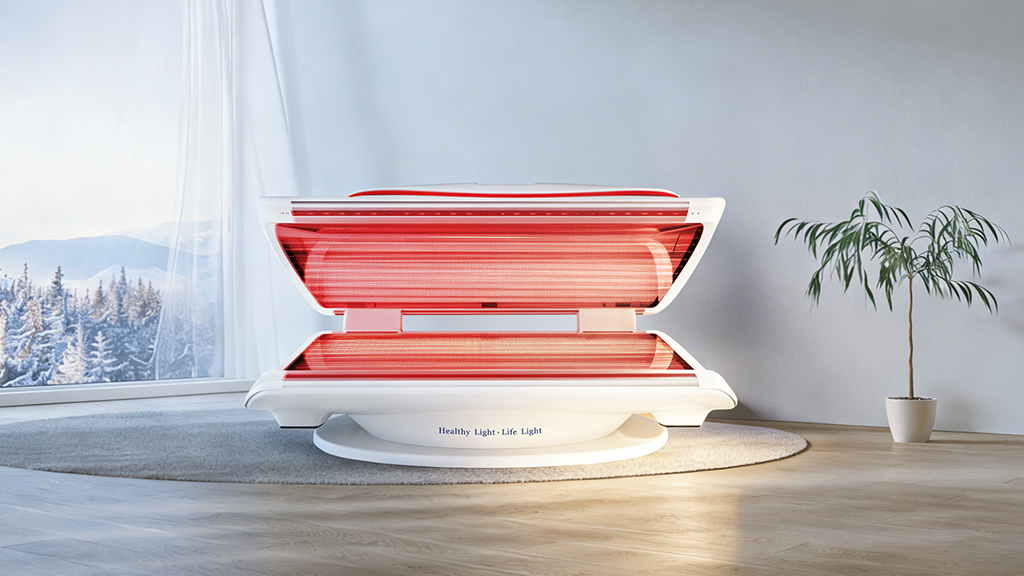
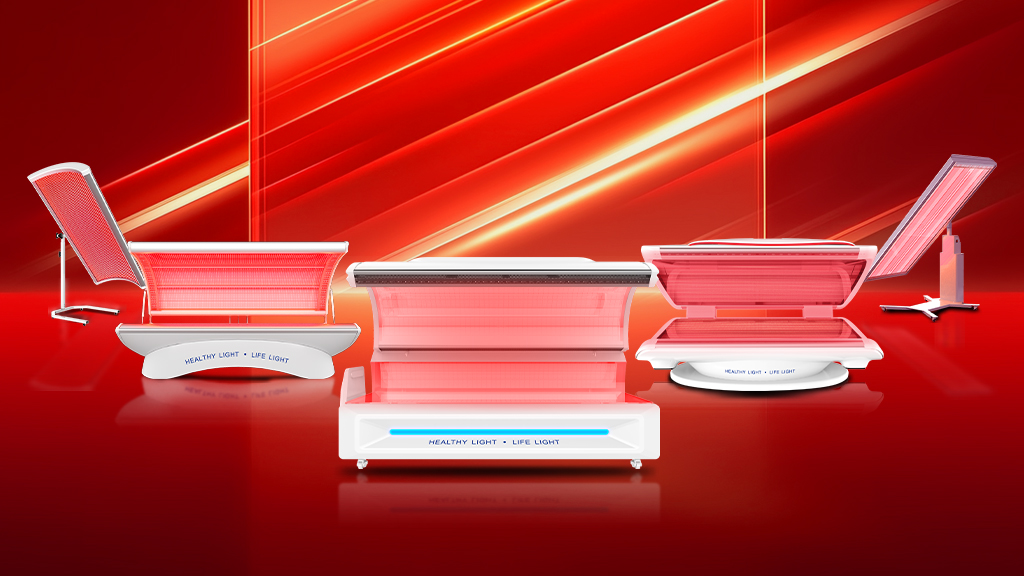
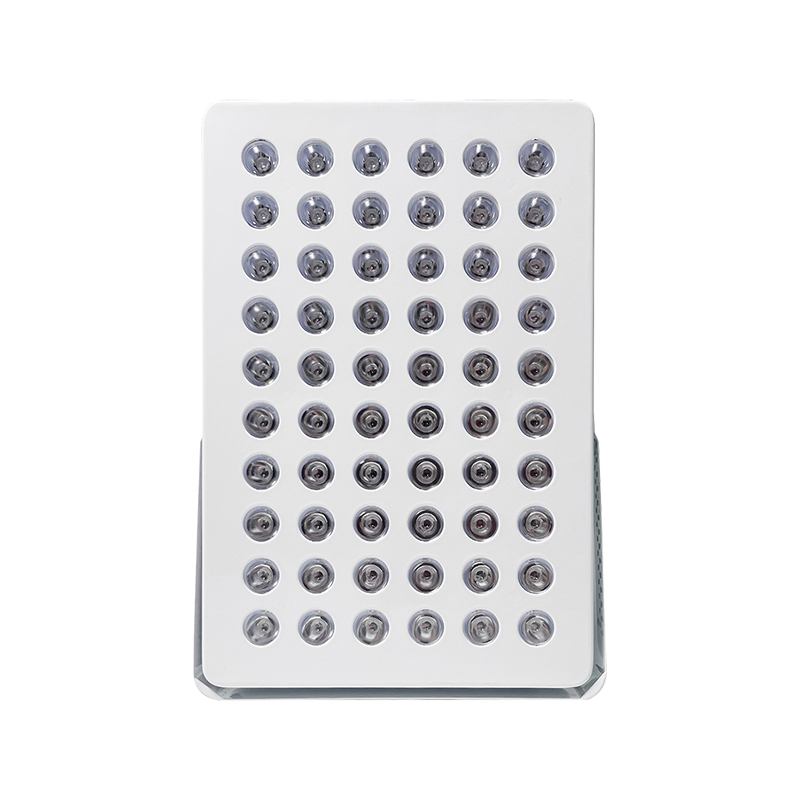
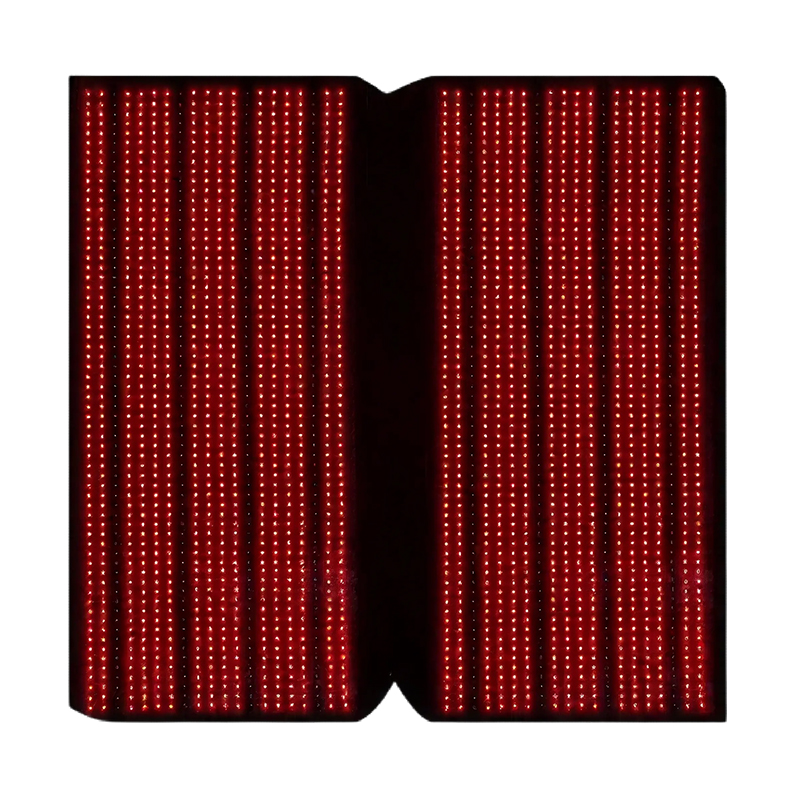
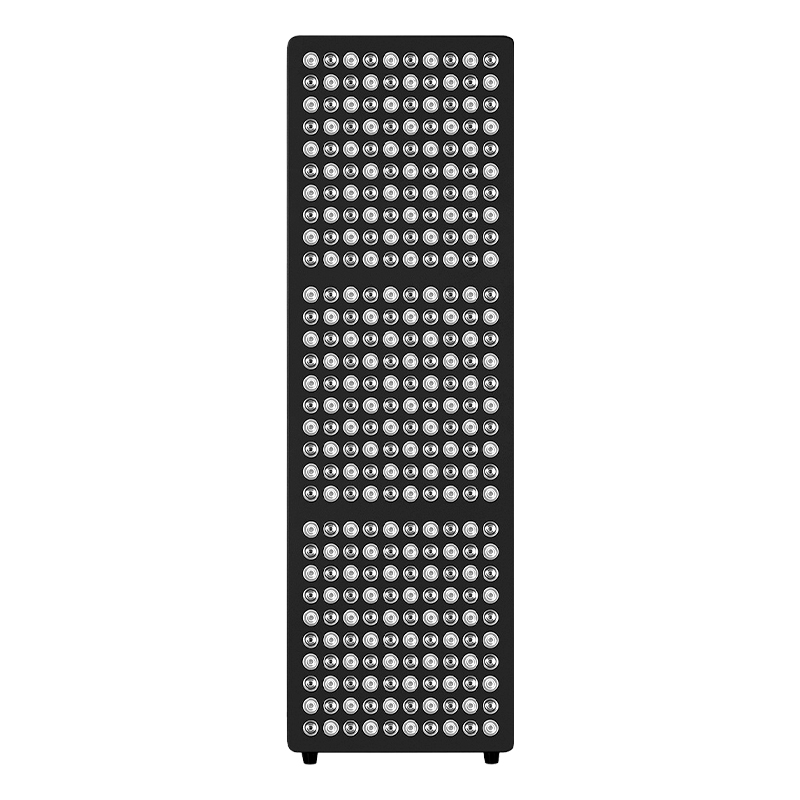
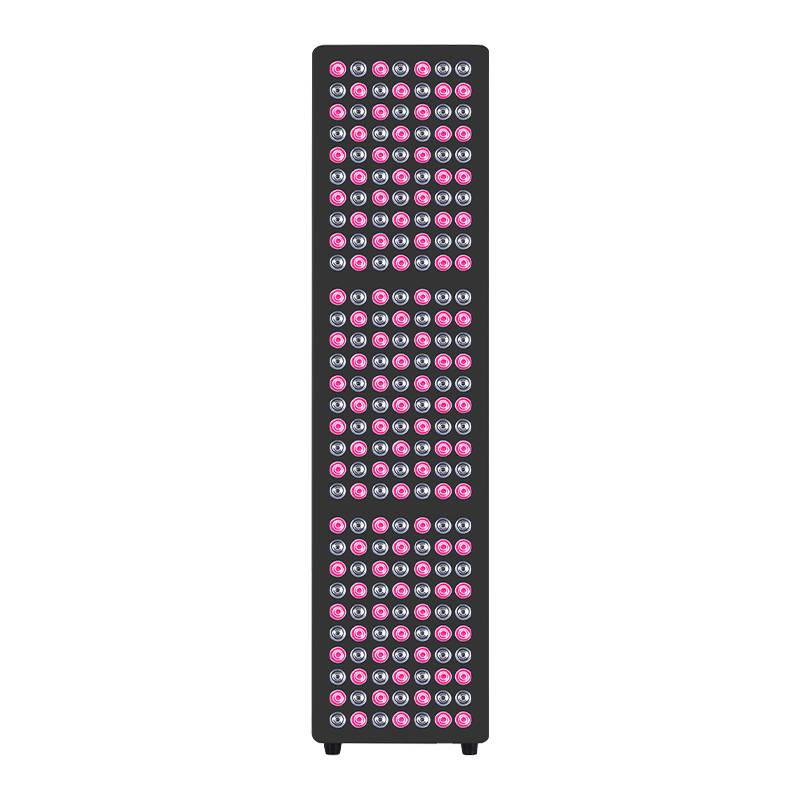
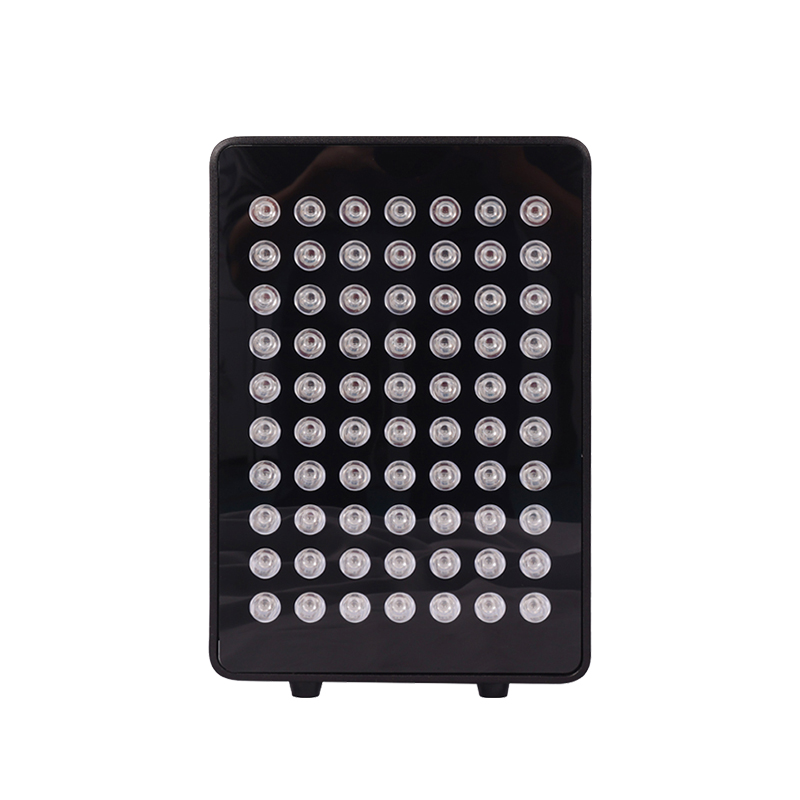
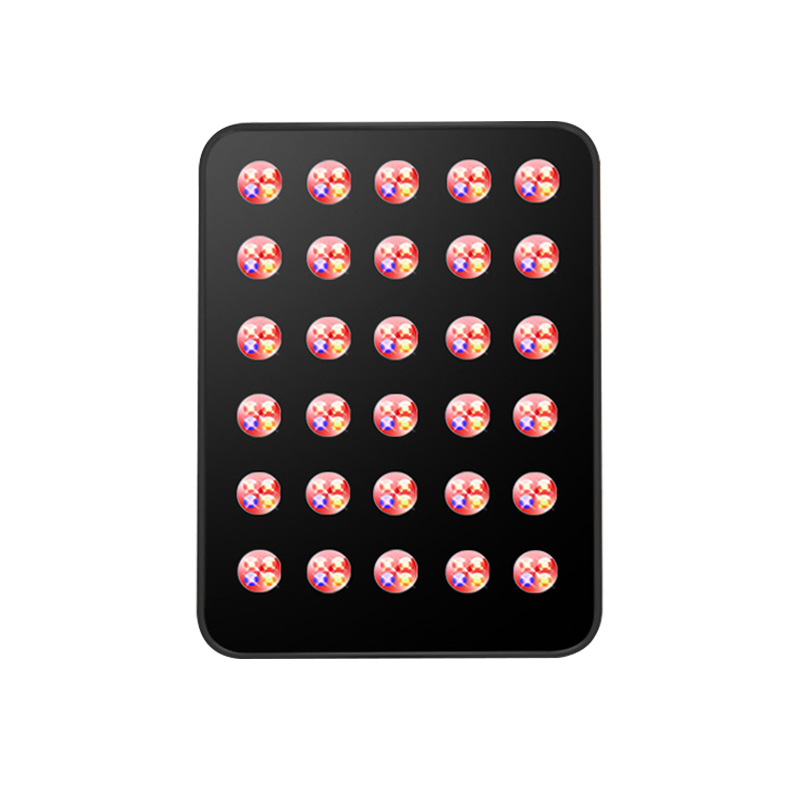
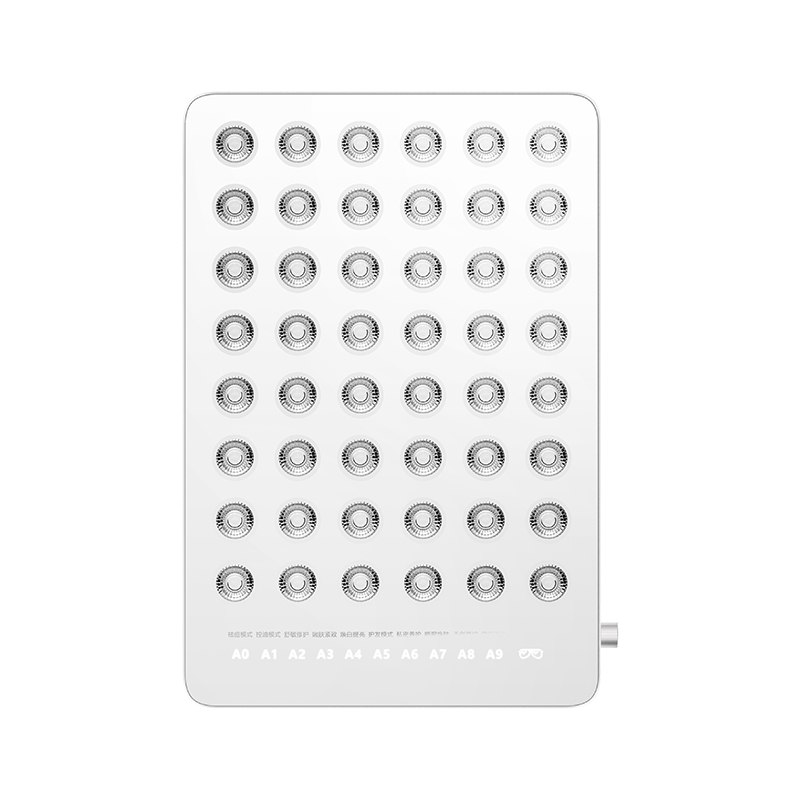
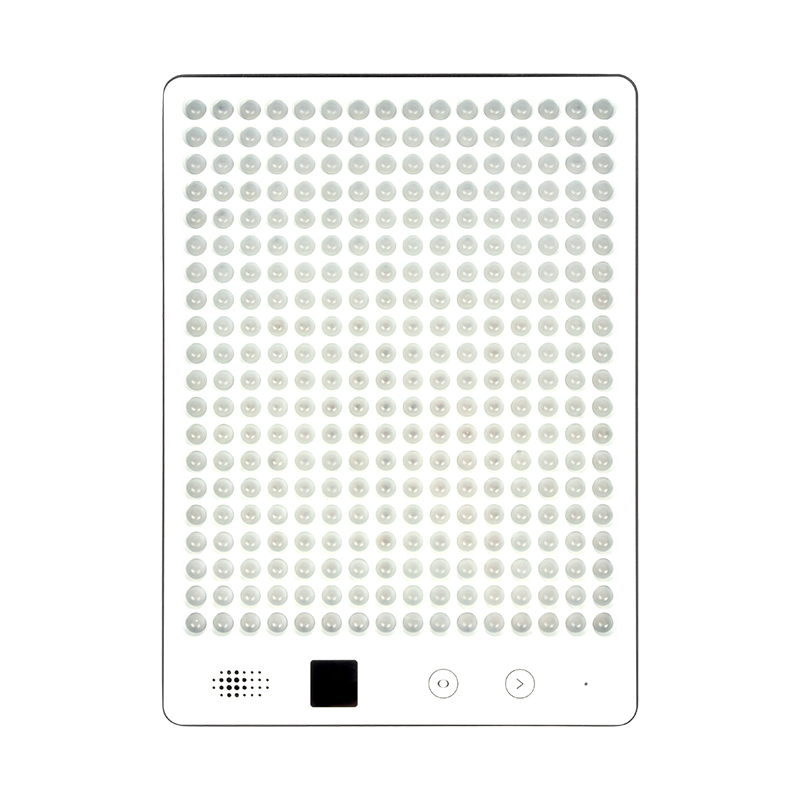
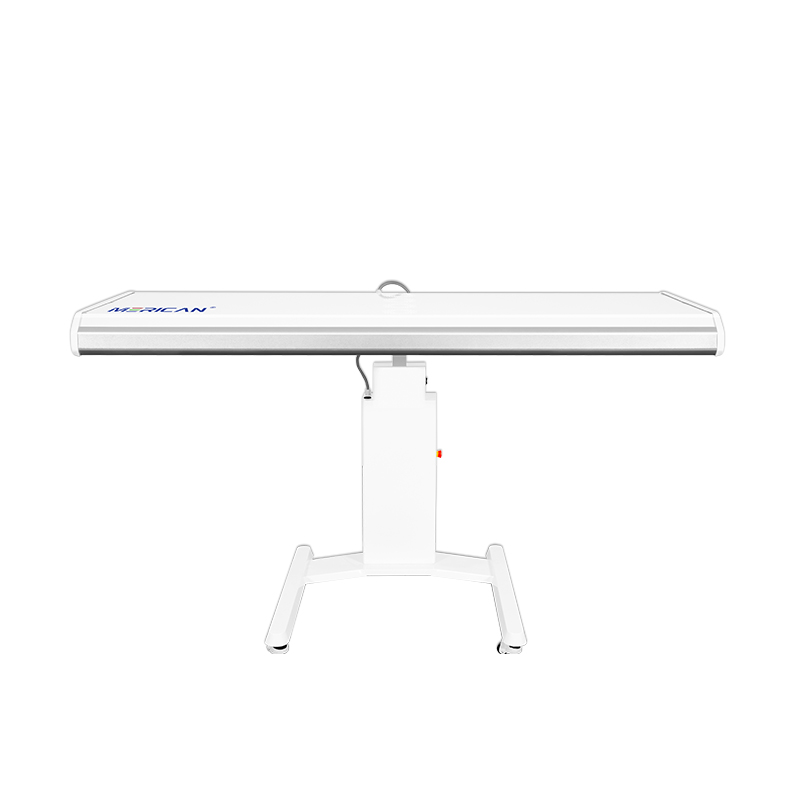
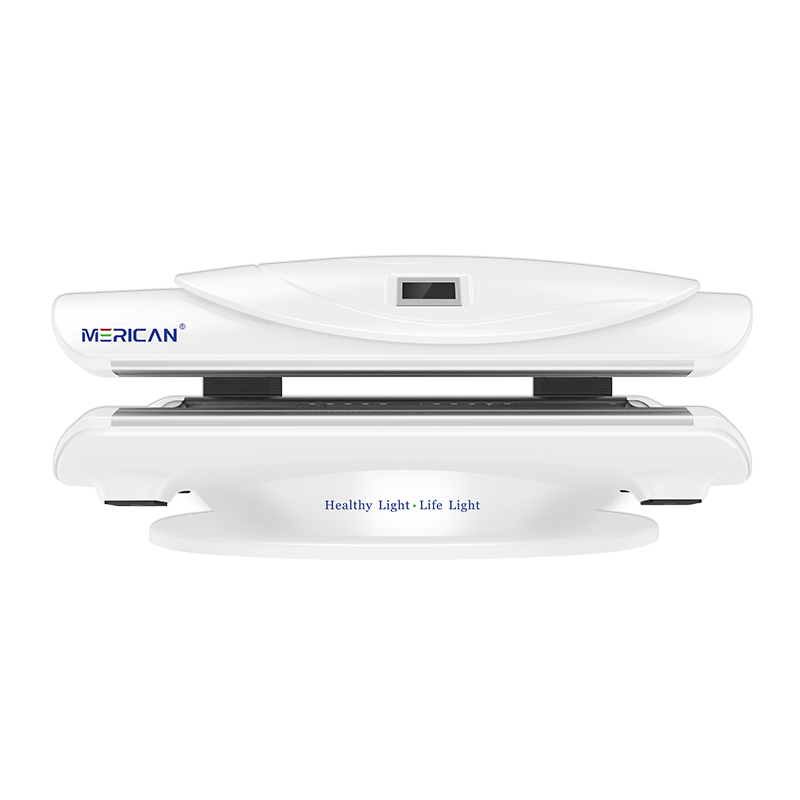
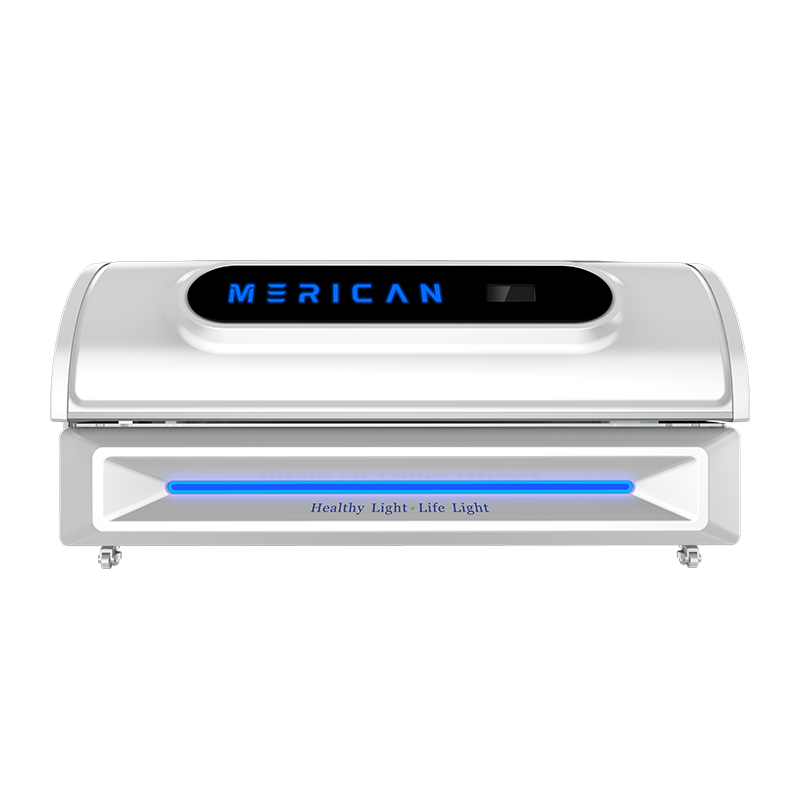
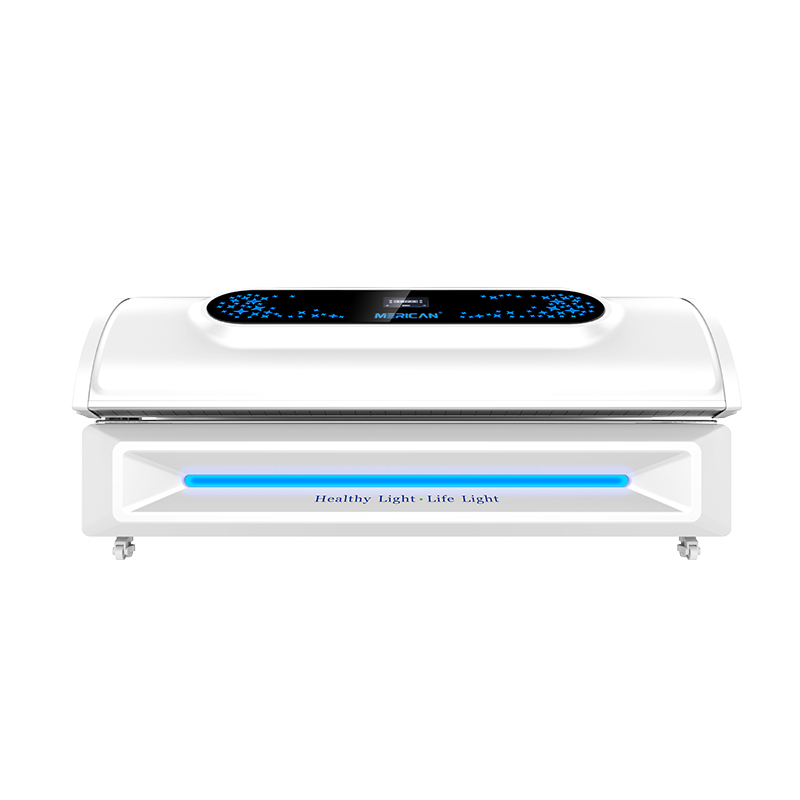
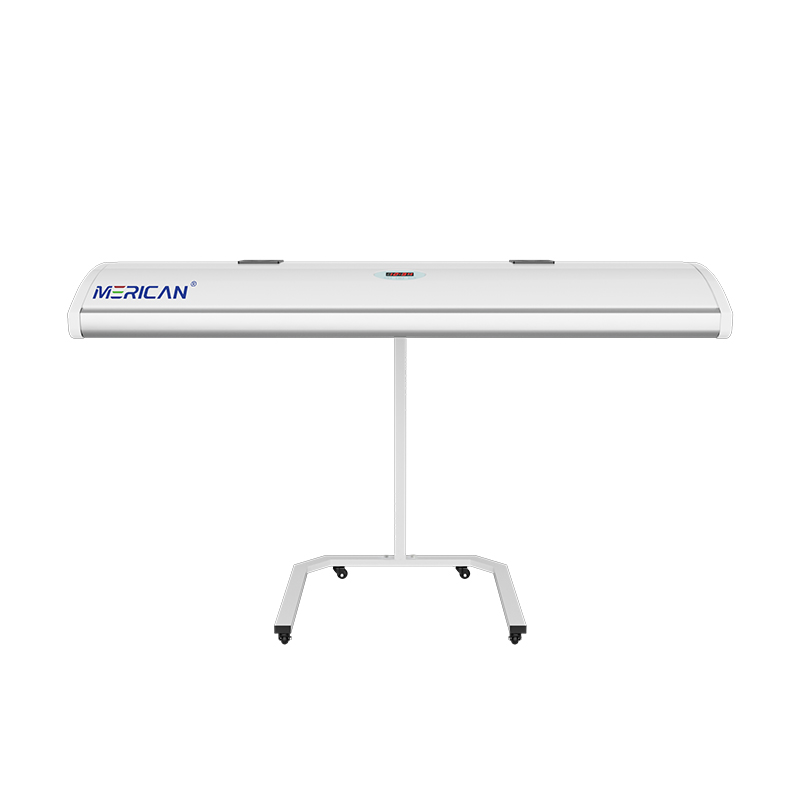
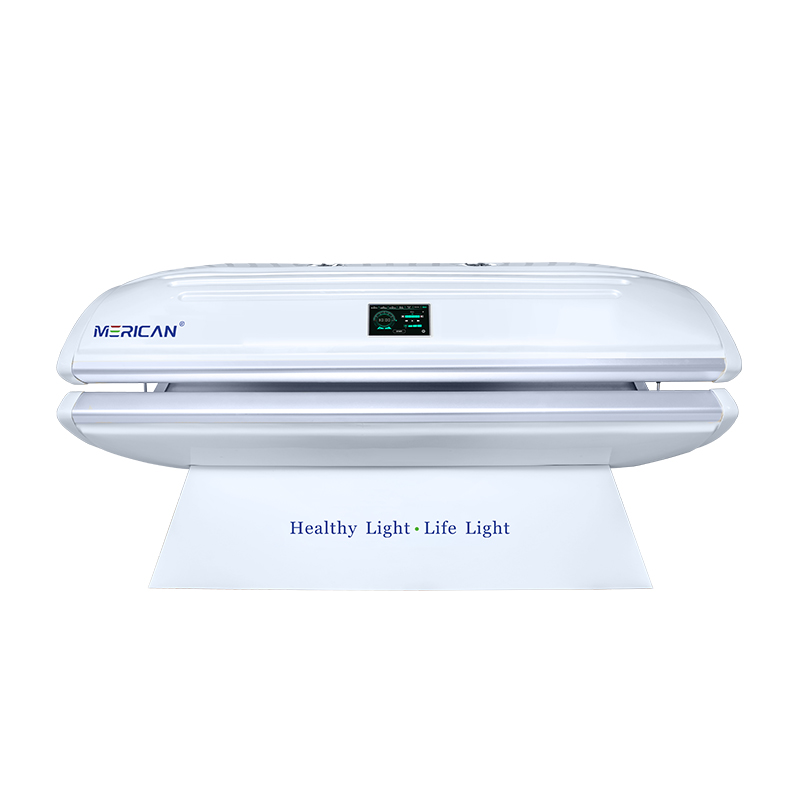
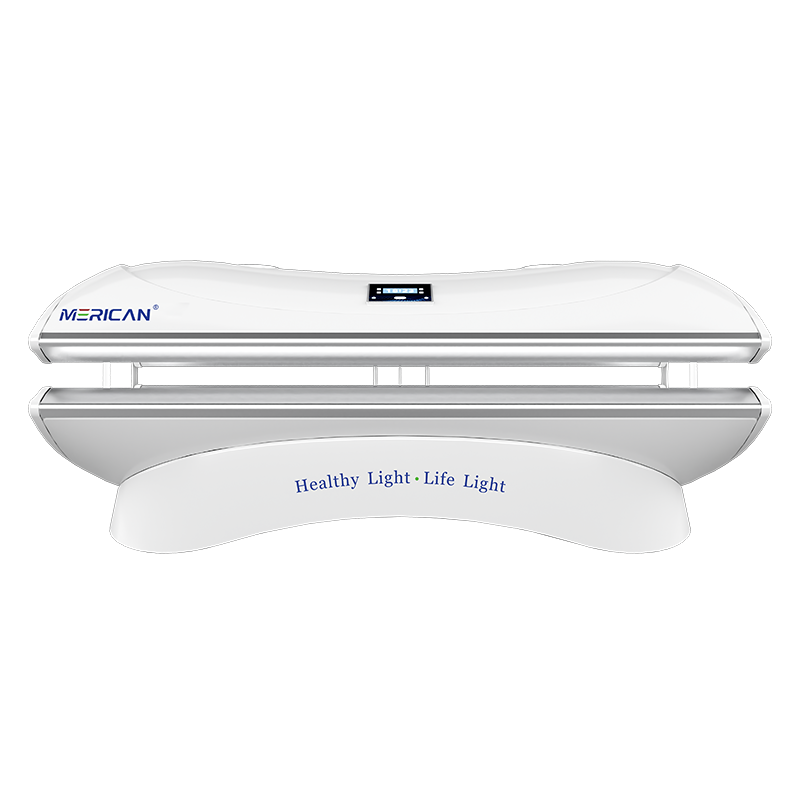
Kei te whakamahia nuitia nga whakamaarama marama i roto i te oranga, tiaki kiri, me te whakahaere mamae. Two commonly discussed types are maimoatanga rama whero (RLT) a rongoā pōkākā (IRT). Ahakoa he rite te ahua, Ko te mohio ki o raatau rereketanga he mea nui mo te whiriwhiri i te maimoatanga tika.
He aha te Maama Whero?
- Whakamahinga visible red light wavelengths (te tikanga 630–660nm).
- Ka kuhu superficial layers of the skin.
- Whakatairanga hanga collagen, elastin repair, and cellular regeneration.
- Common uses:
- Skin rejuvenation and tightening
- Te whakaheke i nga raina pai me nga kita
- Healing minor wounds and scars
- Reducing redness and superficial inflammation
He aha te Infrared Therapy?
- Whakamahinga nga roangaru tata-infrared (around 800–1000nm).
- Ka kuhu deeper into muscles, hononga, me te kiko hono.
- Promotes rere toto, oxygen delivery, me te whakatikatika kiko.
- Common uses:
- Muscle and joint pain relief
- Reducing deep inflammation
- Accelerating recovery from injuries
- Relaxation and improved circulation
Key Differences at a Glance
| Āhuahira | Whakamarama Whero Whero | Te Hauora Infrared |
|---|---|---|
| Te roangaru | 630–660nm | 800–1000nm |
| Te Hohonutanga Kuhu | Superficial (skin layers) | Hohonu (uaua & hononga) |
| Nga Painga Tuatahi | Te whakahou kiri, collagen stimulation | Te mamae mamae, tohanga, deep tissue healing |
| Ideal Use | Nga korikori, nga whiu, te whero, hakihaki | Te mamae o te uaua, mamae tahi, mumura |
| Heat Generation | iti | Mild warmth due to deeper penetration |
Ko Tehea Koe Me whiriwhiri?
- Skin-focused treatments: Red light therapy is most effective for improving kakano, te elasticity, and appearance.
- Pain or deep tissue concerns: Infrared therapy is ideal for relieving muscle soreness, te pakari o nga hononga, me te mumura.
- Combined therapy: Some devices use both red and near-infrared light for painga matawhānui, targeting skin and deeper tissues simultaneously.
Whakamutunga
Red light therapy and infrared therapy are both safe and effective but serve different purposes. Red light is best for hauora kiri, while infrared is best for pain relief and deep tissue recovery. For maximum benefits, a combination of both therapies is often recommended.
10 Pātai Auau (FAQ)
- He rite tonu te whakamaarama rama whero ki te whakamaarama infrared?
Kao, Ko te rama whero e aro ana ki nga papa kiri papapapa, i te wa e uru ana te infrared ki nga kiko hohonu. - Which therapy is better for anti-aging?
Red light therapy is more effective for reducing wrinkles and stimulating collagen. - Which therapy is better for muscle or joint pain?
Infrared therapy provides deeper penetration for pain relief and improved circulation. - Ka taea e au te whakamahi tahi i nga rongoa e rua?
Ae, combination devices offer both superficial and deep tissue benefits. - Ka whakaputa te whakamahana infrared i te wera?
Ae, near-infrared light penetrates deeper and generates gentle warmth. - How long are typical treatment sessions?
10–20 meneti mo ia wahanga, 3–5 wa ia wiki, depending on goals and device. - Are these therapies safe for everyone?
Ko te tikanga, āe. Whaia nga tohutohu taputapu, and consult a doctor if you have medical conditions. - Can red light therapy help with skin redness or acne?
Ae, it reduces superficial inflammation and stimulates cellular repair. - Can infrared therapy improve circulation?
Ae, it increases blood flow and oxygen delivery to muscles and tissues. - Kia pehea te wa ka kite au i nga hua?
Skin improvements from red light therapy may appear in 4–8 weeks; pain relief from infrared therapy can sometimes be felt immediately or after a few sessions.