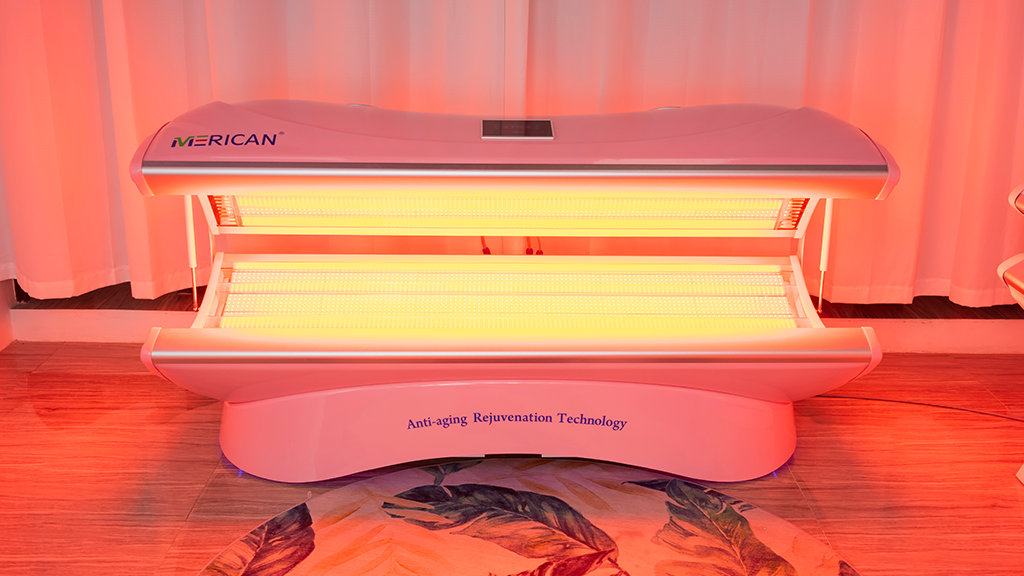
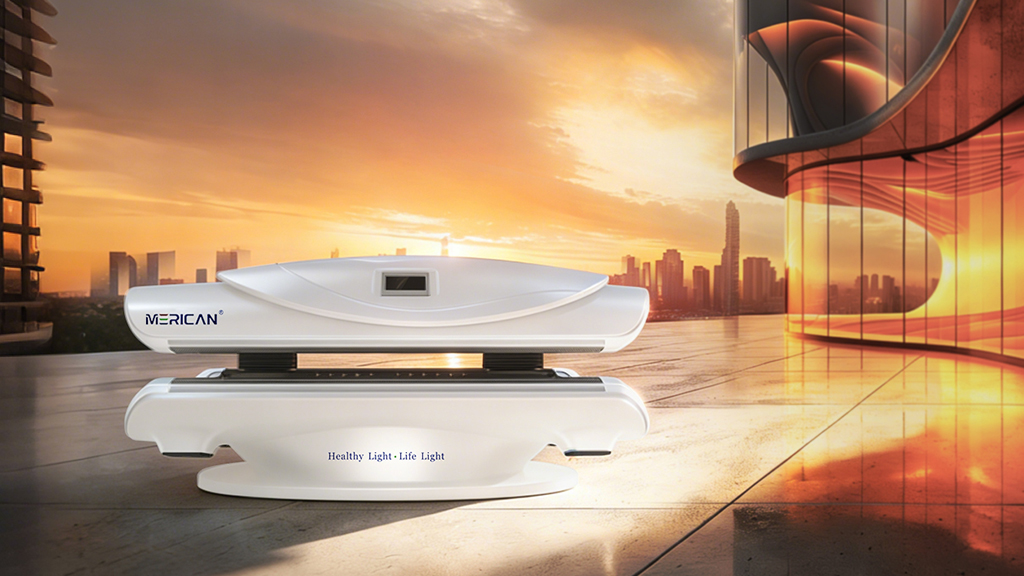
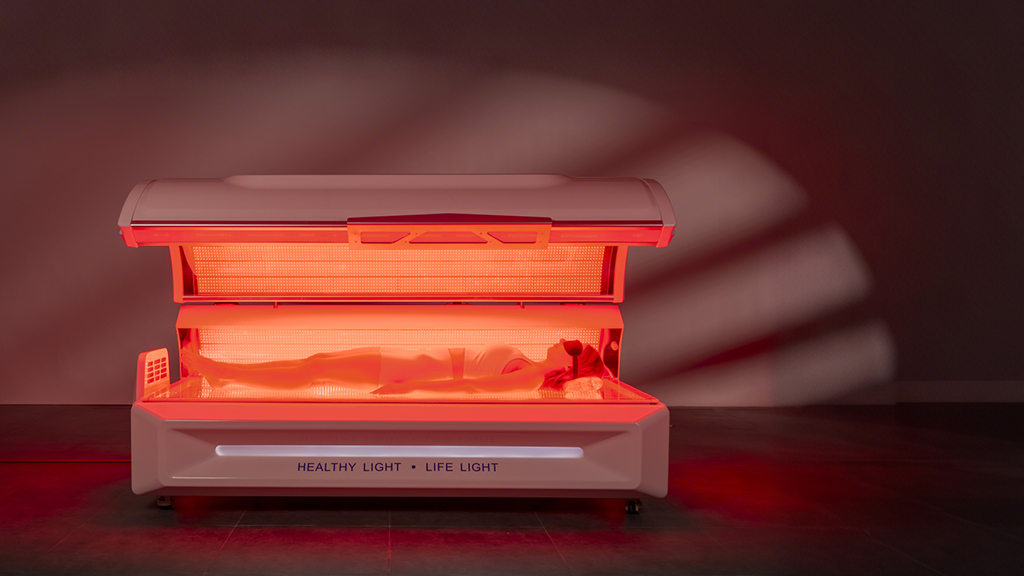
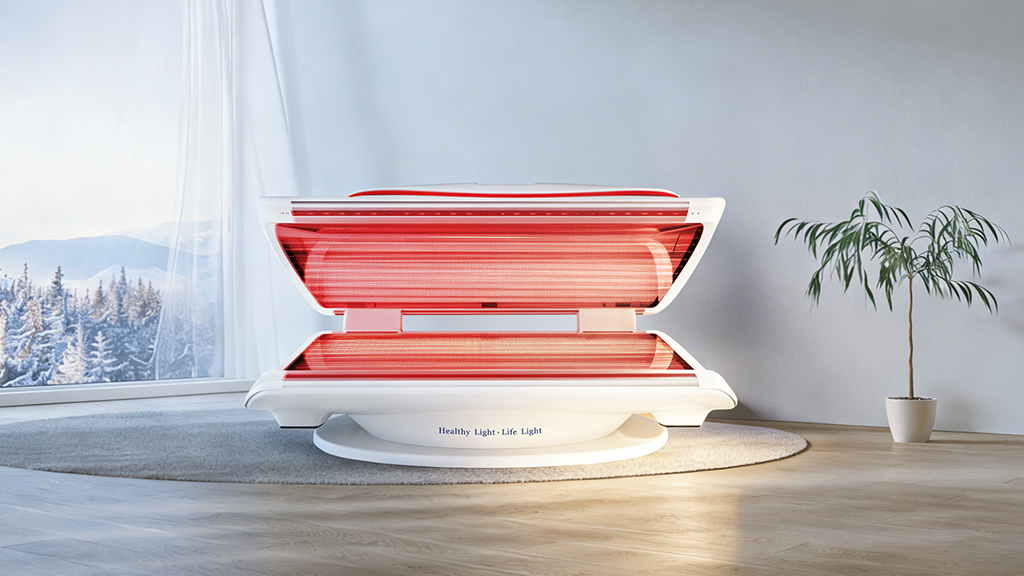
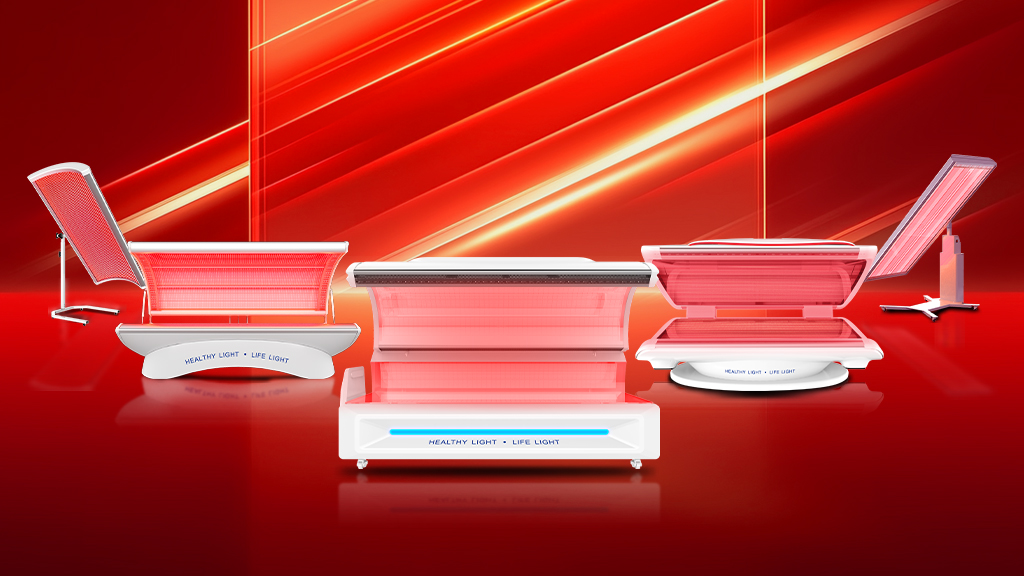
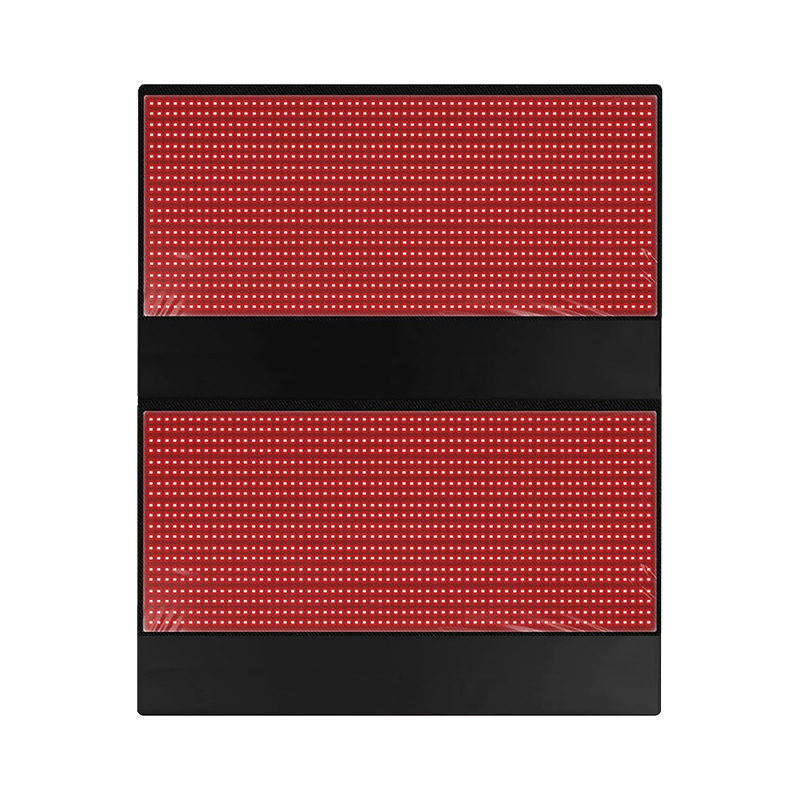
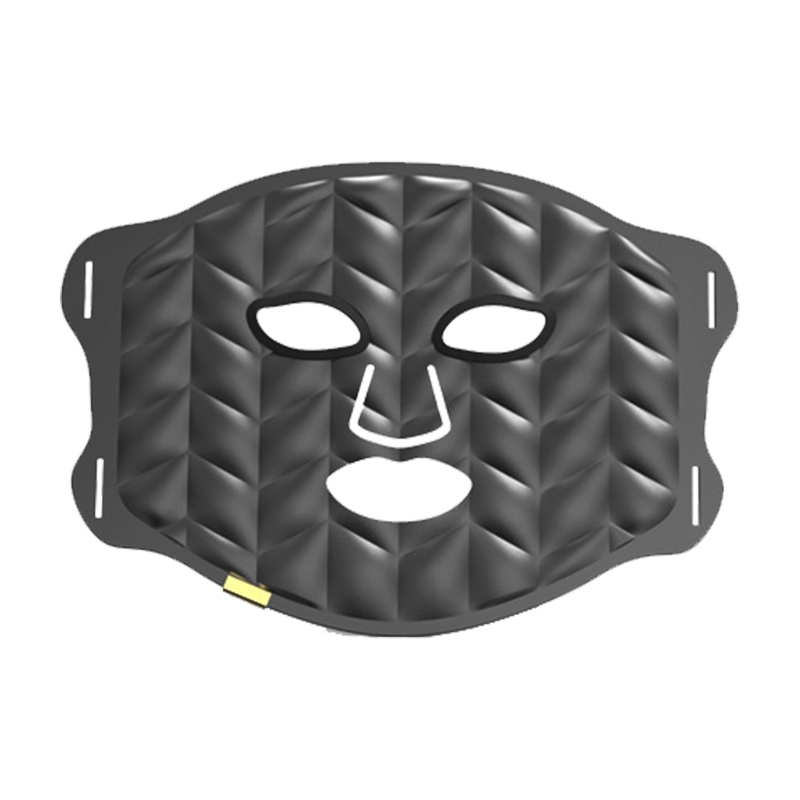
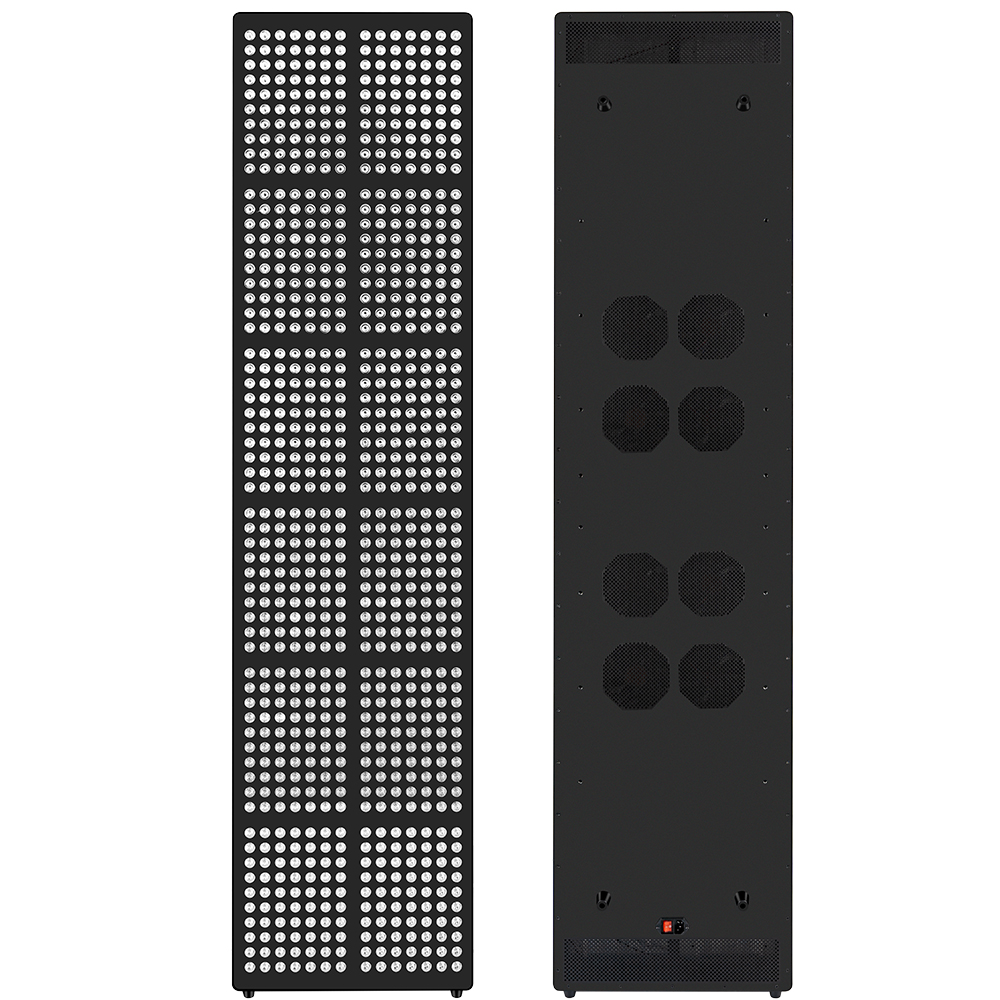
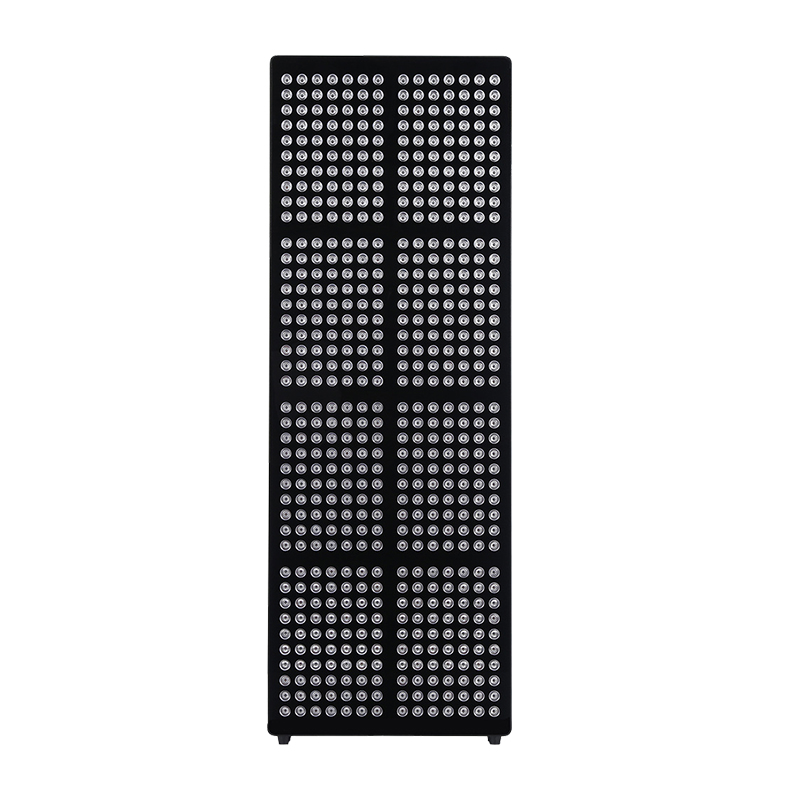
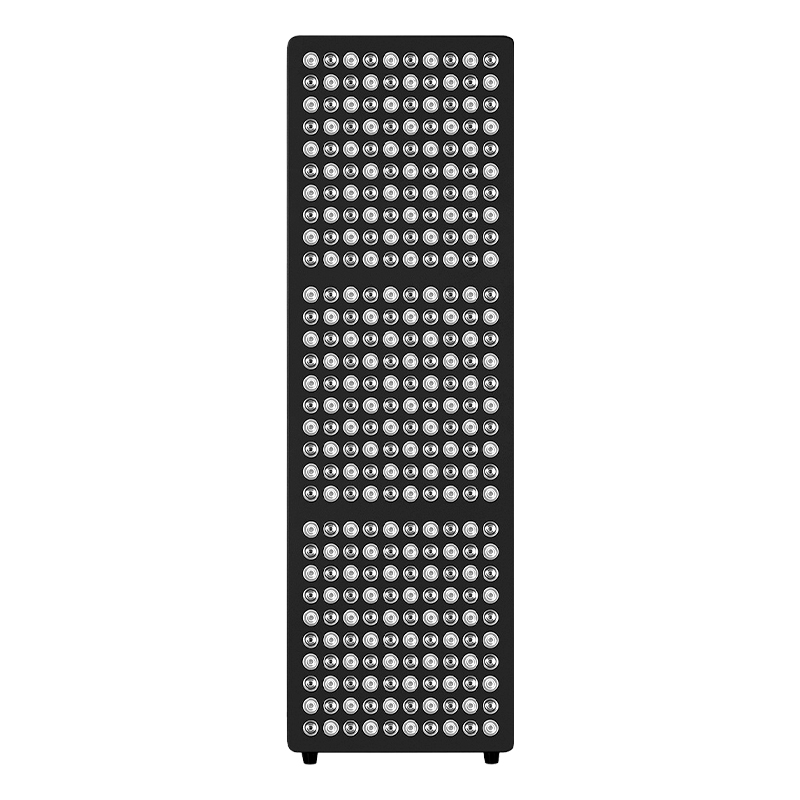
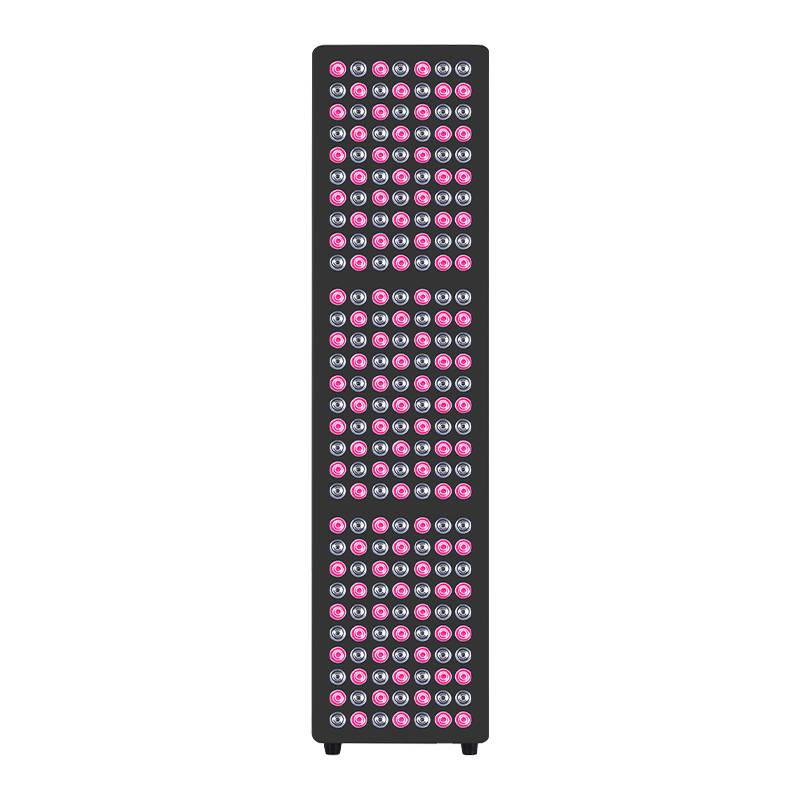
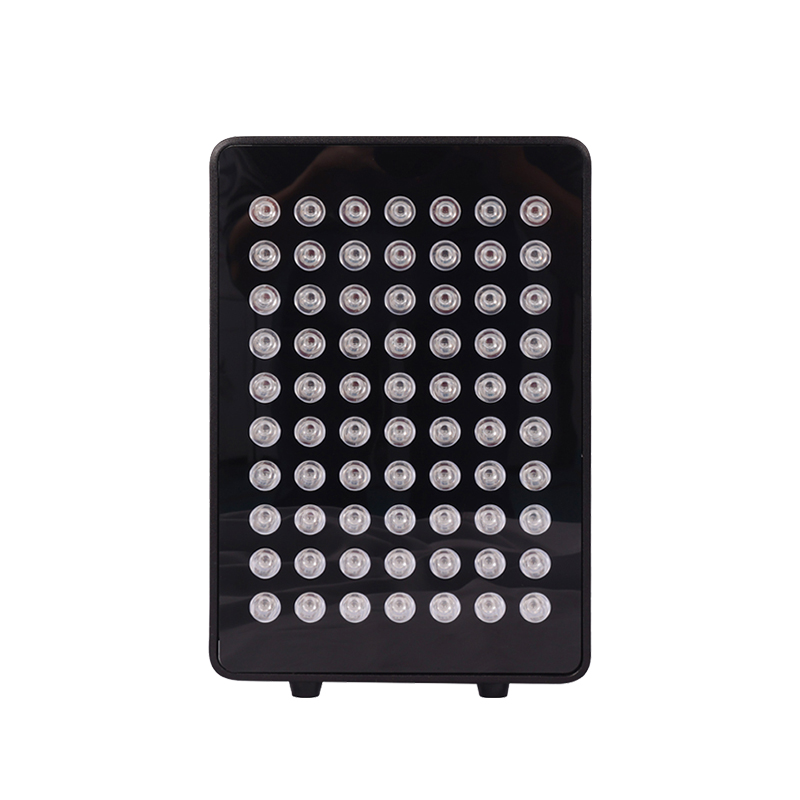
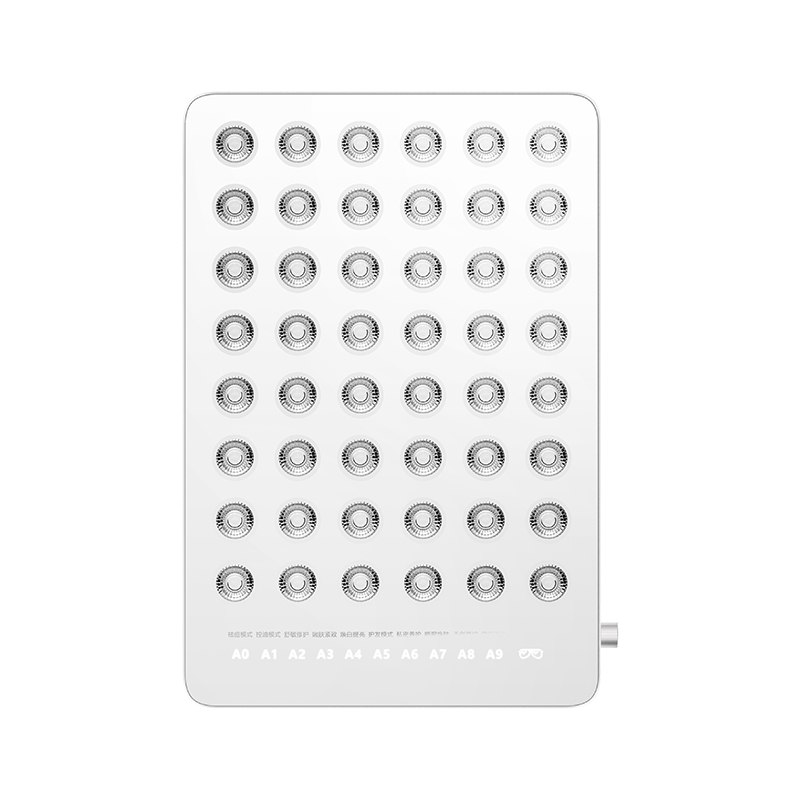
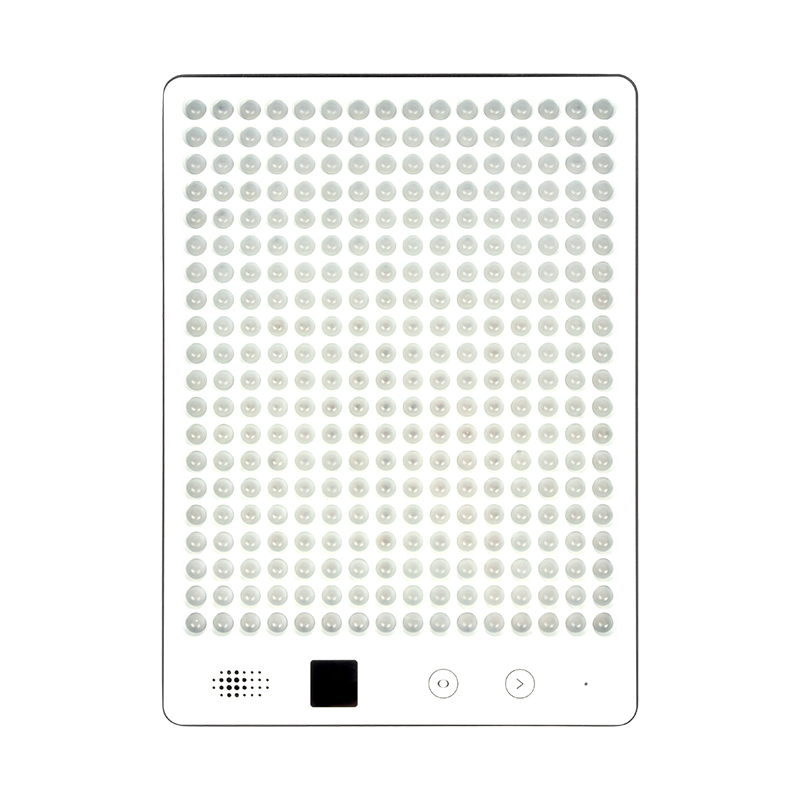
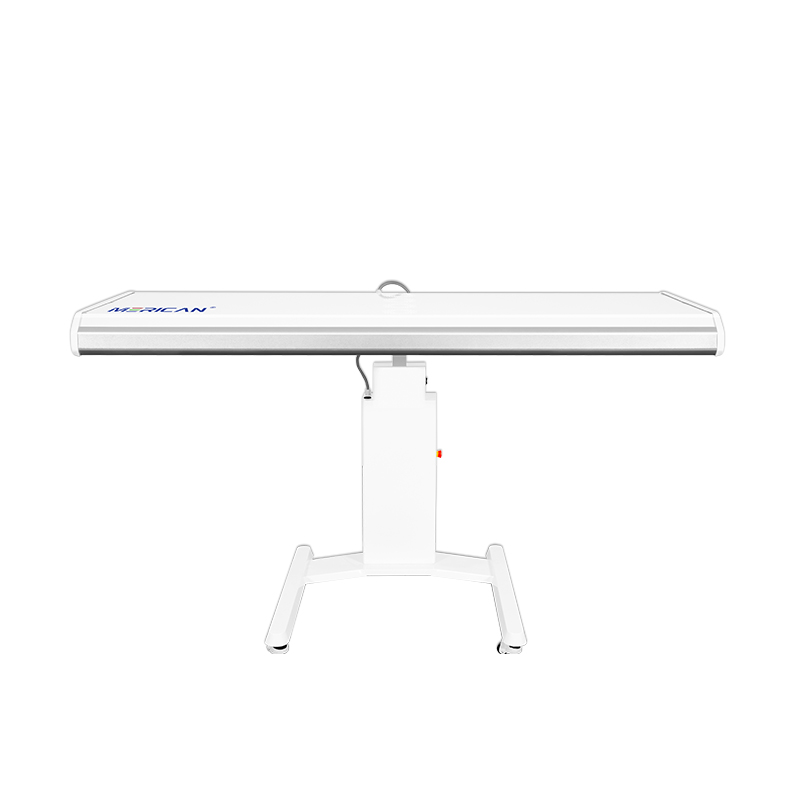
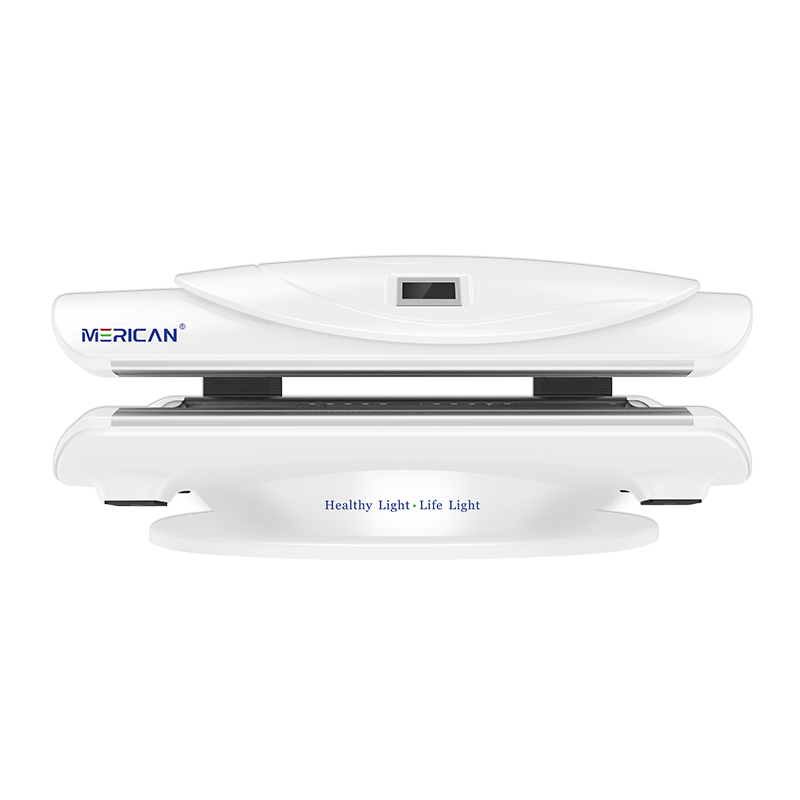
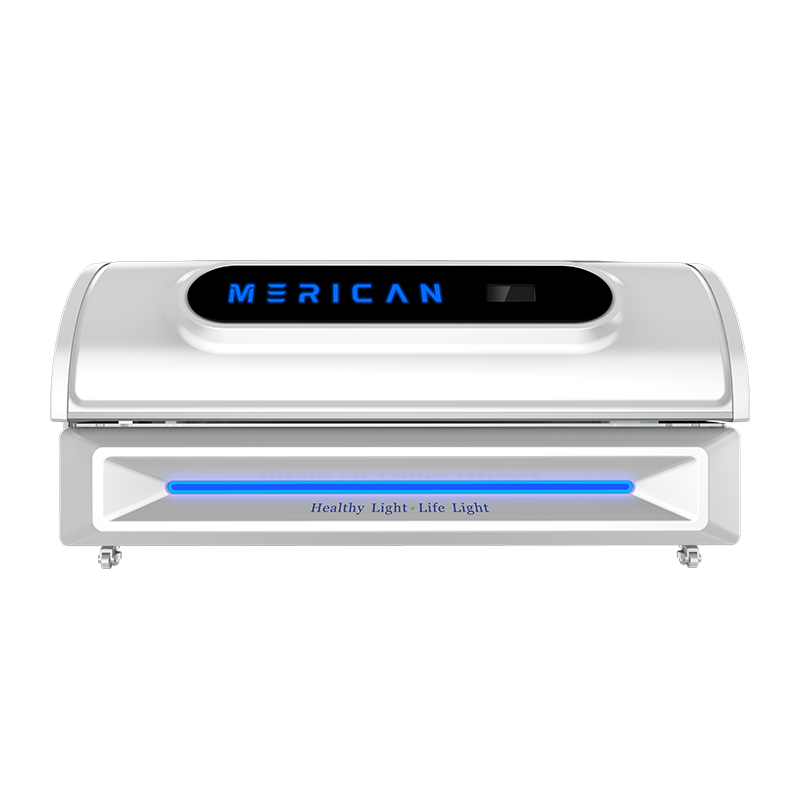
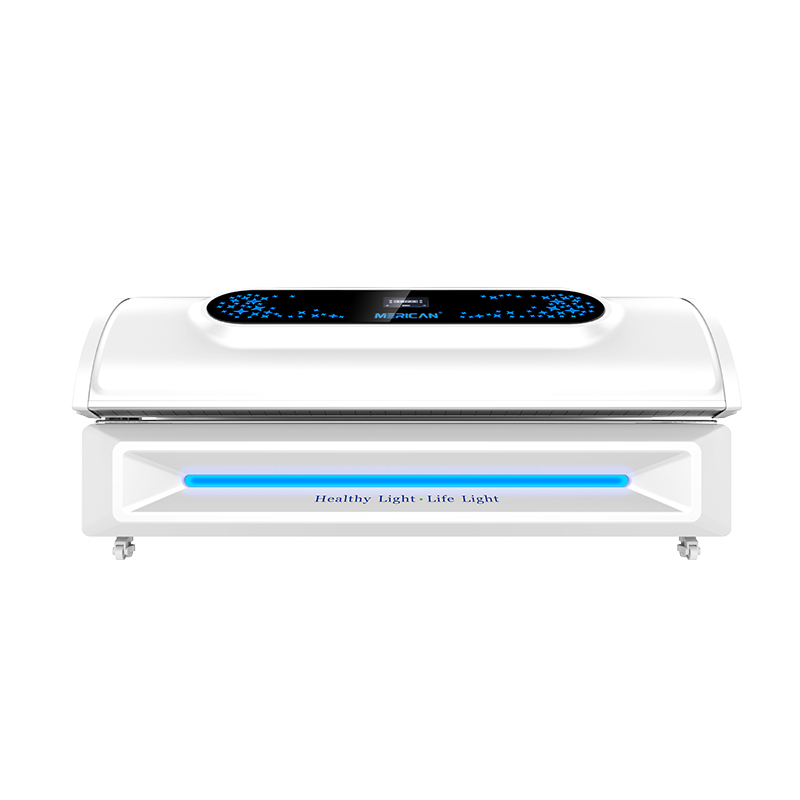
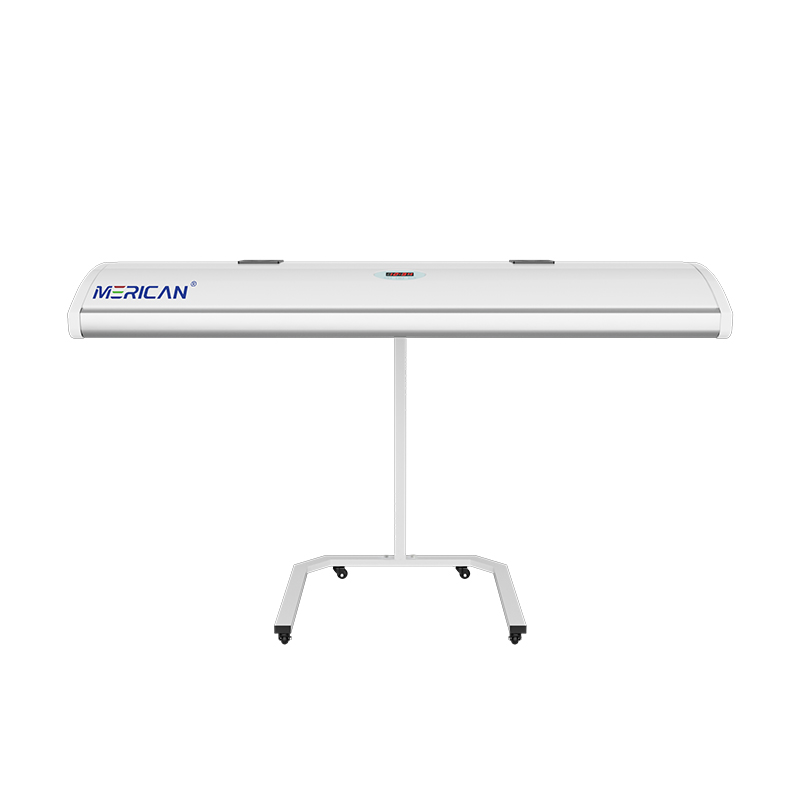
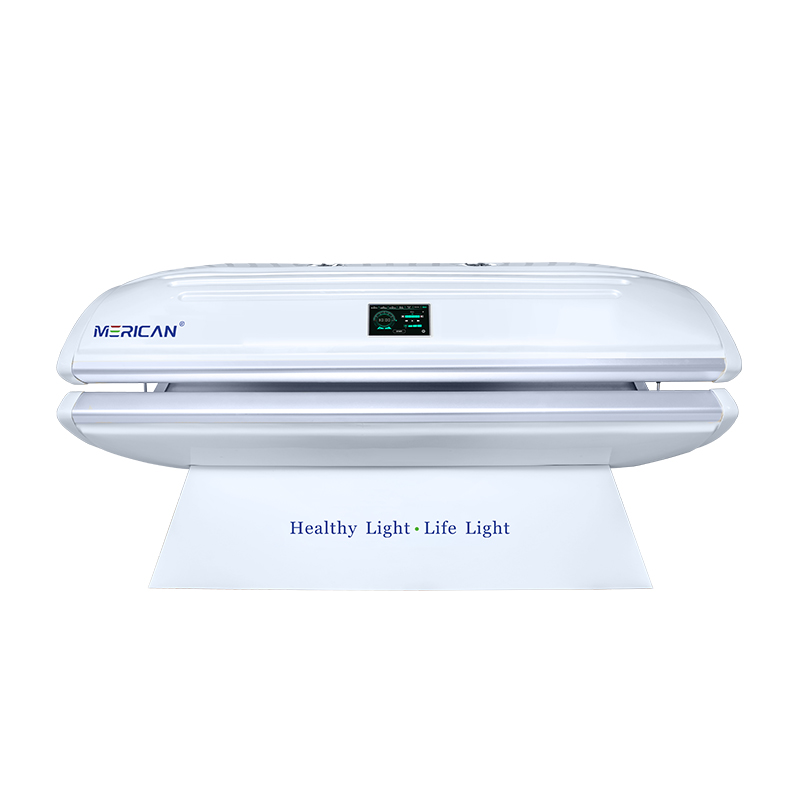
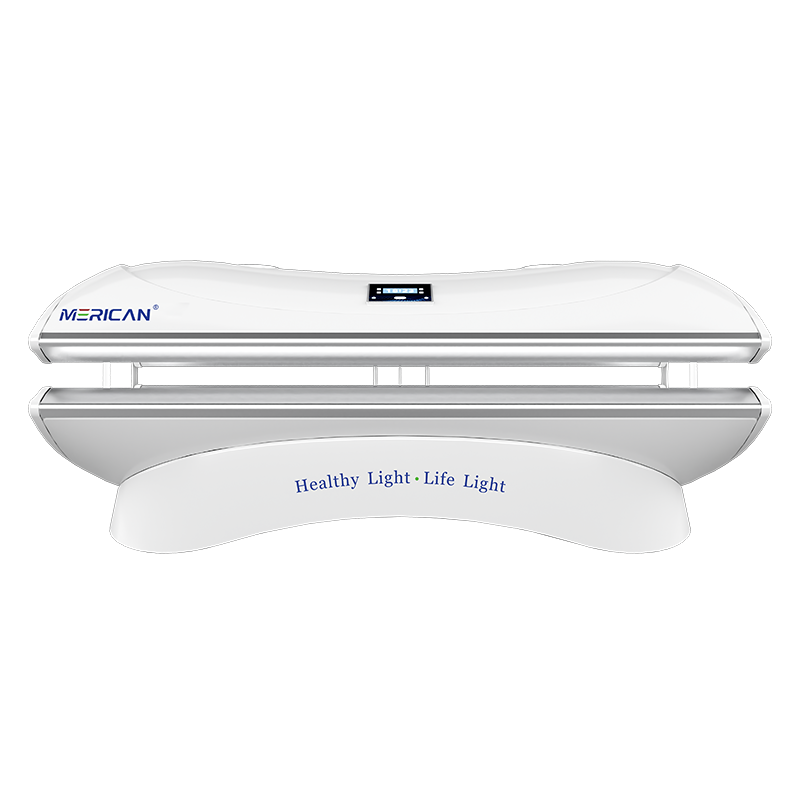
I te ruku ki roto i te ao whakamīharo o te whakamaarama marama, ka kitea pea e koe e rakuraku ana i to mahunga me te patai, "He aha te rereketanga o te whakamaarama infrared me te rama whero?” Ko nga momo rongoa rama e rua he ahuatanga motuhake me nga painga e paingia ana i roto i nga porowhita oranga. Na, kia whiti tatou mo tenei kaupapa me te tirotiro i te rama whero me te rama infrared, ka taea e koe!
He aha te Maama Whero?
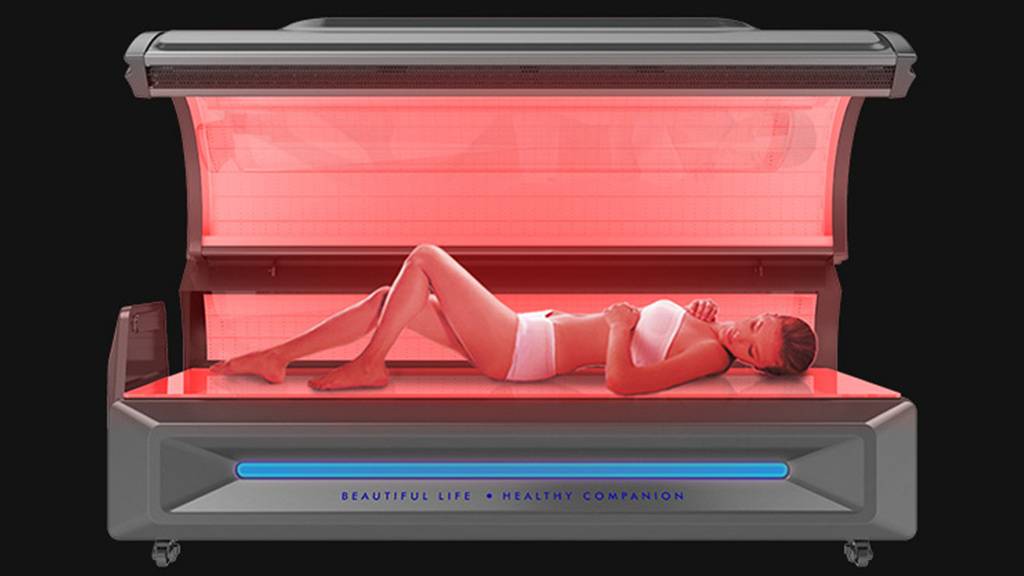
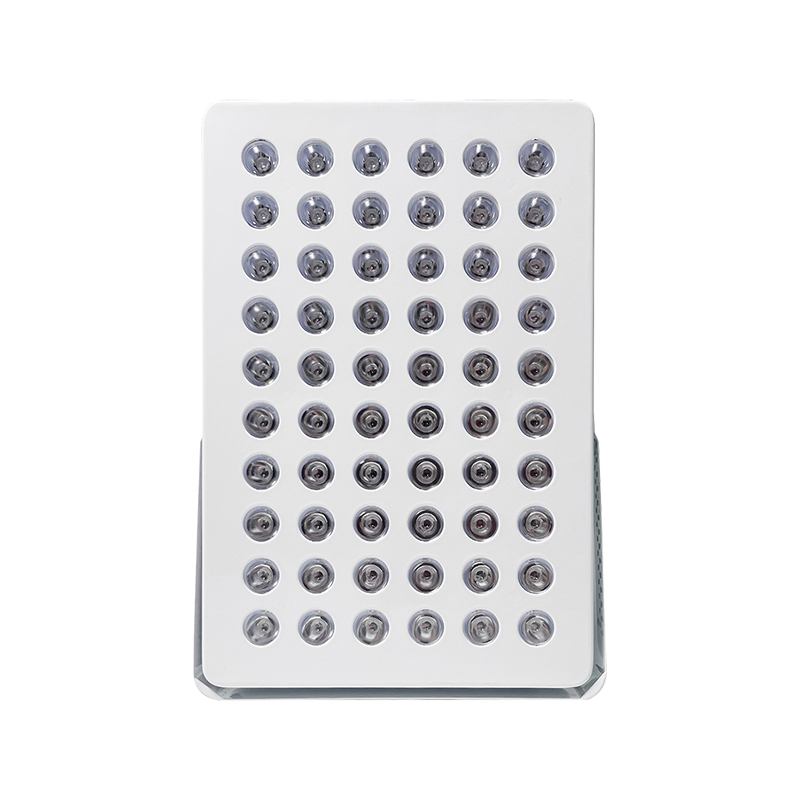
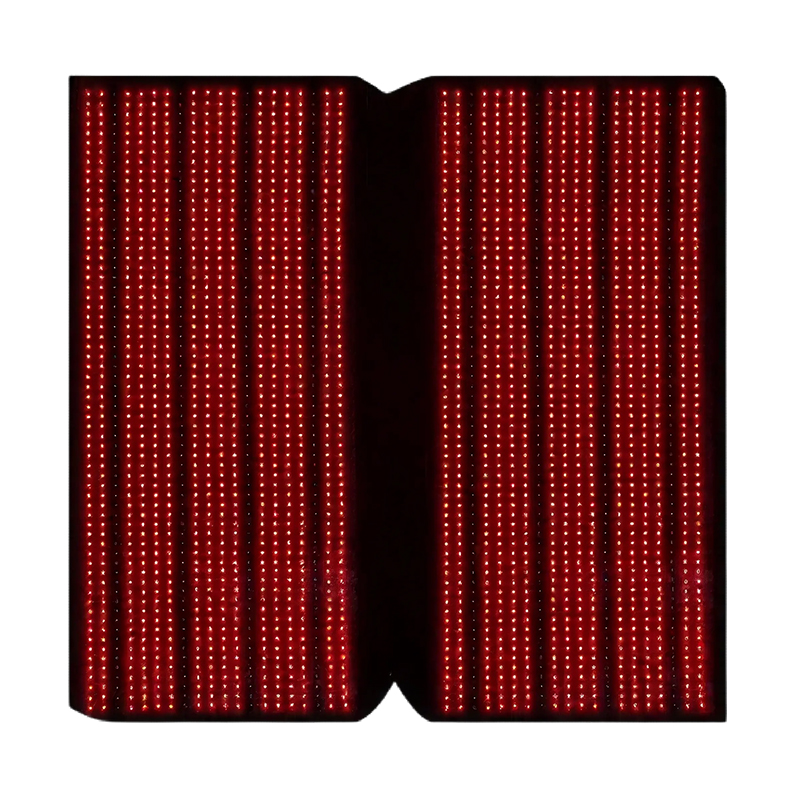
Te rongoa rama whero kua whai mana i roto i nga tau tata nei, rawa i roto i te ataahua me te ahumahi hauora. Engari he aha tonu? Ka whakamahia e te rongoa rama whero te rama whero iti-roa, te tikanga huri noa 600 ki 700 nanometera. Whakaarohia he mura ahi aahua—he mahana me te whakaihiihi, engari ki te kore te wera ka kaha te kaha. Ko nga puna penei i nga taputapu LED me nga laser e tuku ana i tenei rama, ka waiho hei matua mo nga momo tono, mai i te tiaki kiri ki te whakaora uaua.
He aha te Whakaora Maama Infrared?
Inaianei, kia nekehia nga taputapu me te ata titiro atu rama infrared. He roa ake te roangaru o tenei momo marama, te tikanga i waenganui 700 nanometers me 1 mirimita. Whakaarohia ko te mahana e kore e kitea e koe mai i te whakamahana—he whakamarie me te whakamarie engari ehara i te mea ka kitea e koe.! Ka whakamahia te rama infrared i roto i nga rama whakamahana, sauna, me etahi momo taputapu rongoa, engari kua kikii hoki ki nga hua hauora.
Nga Rerekēnga Matua i waenga i te Maama Whero me te Maama Infrared
Anei he ripanga whakataurite mo te whakamaarama rama whero vs. rongoā pōkākā:
| Āhuahira | Maama Whero | Maama Infrared |
| Te roangaru | 600-700 nanometera | 700 nanometera – 1 mirimita |
| Tirohanga | Ka kitea e te kanohi tangata | Kare e kitea e te kanohi tangata |
| Te Hohonutanga Kuhu | Pāpaku, ka pa ki te mata kiri | Hohonu ake, ka uru ki nga uaua me nga kopa |
| Nga Paanga Ngawha | Te wera iti | Ka whakaputa wera mo te whakangā hōhonu |
| Nga tono noa | Te whakahou kiri, anti-pakeke, hakihaki | Te whakaora uaua, mamae mamae, whakaweto |
| Te Hinga o te Waiora | Ka whakaihiihi i te hanga serotonin | Ka pai ake te whakangā me te oranga |
| Haumaru | Ko te tikanga he haumaru me te iti o nga raru | Ko te tikanga haumaru; whai i nga aratohu |
1. Whakatauritenga roangaru
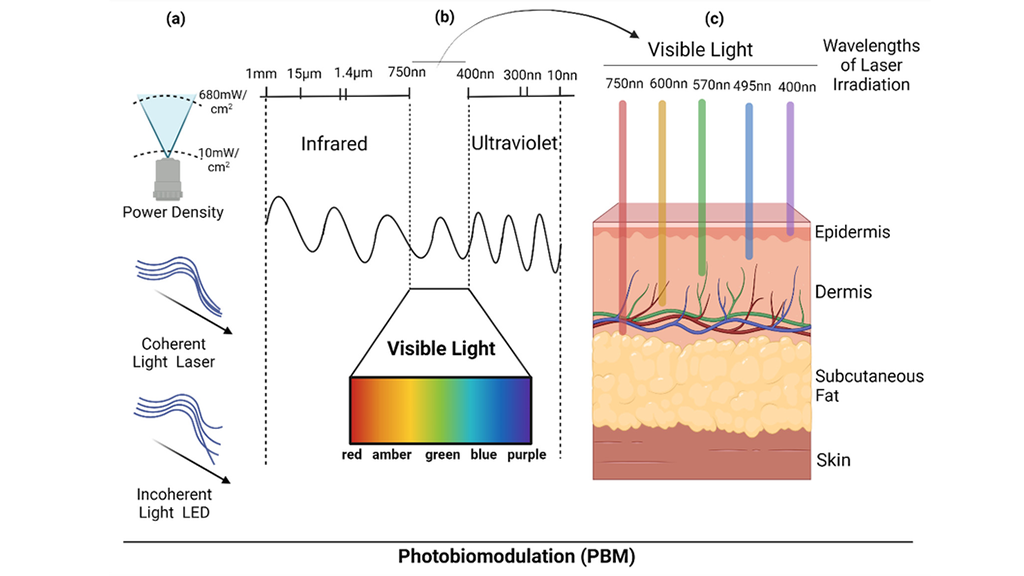
I konei ka ahua hangarau nga mea, engari kia mau! Ko te rereketanga nui i roto i te tautohetohe mo te rama whero vs. Ko te rama infrared kei roto i o raatau roangaru. Ka kitea te rama whero ki te kanohi tangata, i te mea kaore te rama infrared. Ka whai waahi nui tenei rereketanga ki te pehea o te taunekeneke me to tinana.
Maama whero, me tona roangaru poto ake, ka pa ki te mata o te kiri. He rite ki te hau ngawari e pa ana ki to kanohi engari karekau e kuhu hohonu. I tetahi atu ringa, Ka taea e te rama infrared te kuhu hohonu ki roto i nga kopa, kia whai hua ake mo te rongoa i nga take o raro. Whakaarohia he rite ki te mirimiri ngawari me te mirimiri kiko hohonu—kei a raua nga painga, but each serves a different purpose.
2. Te Hohonutanga Kuhu
One of the standout features of infrared light is its ability to penetrate deeper into the skin compared to red light. While red light primarily works on the surface, infrared light dives deep, reaching muscles and joints. This characteristic makes infrared therapy particularly beneficial for those dealing with chronic pain or muscle tension. If red light is the gentle surface treatment, infrared is the deep restorative healing.
3. Nga Paanga Ngawha
You’ll also notice that infrared light generates more heat than red light. This heating effect is excellent for muscle relaxation, helping to ease tension and discomfort. He rereke, red light therapy is more focused on skin rejuvenation and healing. He rite ki te noho i roto i te kurupae o te ra e pai ana, e mahana ana me te awhi me te paraikete awhiawhi e takai ana i a koe ki te mahana..
4. Te Tirohanga ki te Mata Tangata
I ngana tonu ki te kite i te rama infrared? Matohi kaipahua: e kore e taea e koe! Kare rawa e kitea e te kanohi tahanga. Maama whero, heoi ano, he ngawari te kitea, he maha nga wa ka whakamahia i roto i nga waahi rereke mo tona ahua marino. Whakaarohia te rama whero hei to te ra o te ra, i te mea ko te rama infrared he rite ki te kanapa mahana e mau tonu ana i muri i te torengitanga o te ra—he ataahua nga mea e rua i roto i to raatau ake tika., engari he rereke nga ahuatanga.
Nga Painga o te Maama Whero
1. Te Hauora Kiri me te Anti-Aging
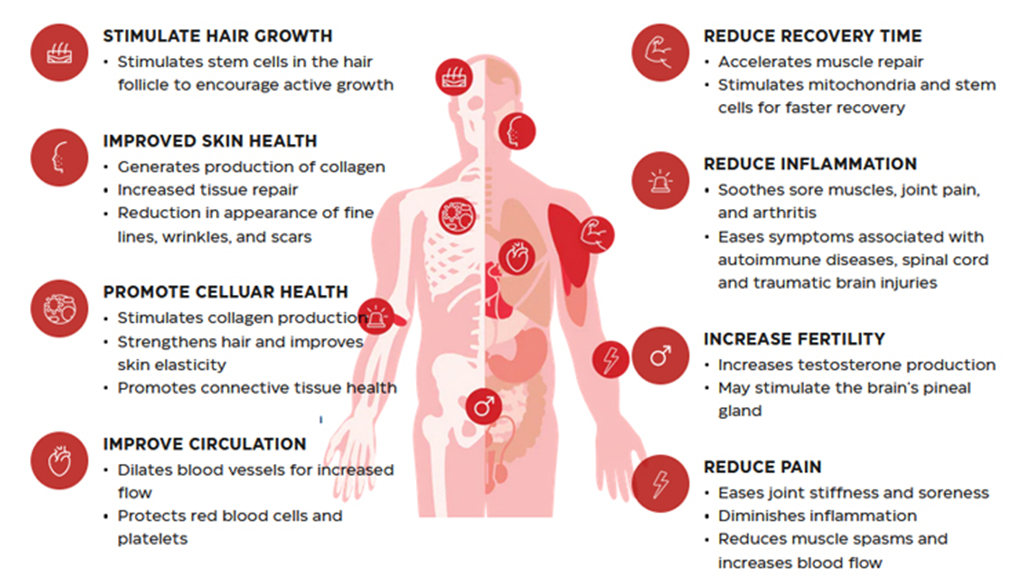
Na, he aha nga painga o te whakamaarama rama infrared, ina koa mo te rama whero? Mo te whakamaarama rama whero, he toa ki te whakatairanga i te hanga collagen. Ko te Collagen te pūmua e pupuri ana i to tatou kiri kia pakari me te taiohi. Ma te whakaihiihi i tana whakaputanga, Ka awhina te whakamaarama rama whero ki te whakaheke i nga raina pai, whakapai ake te kakano kiri, me te tarai i te hakihaki kino. He rite ki te patu i te paatene whakahou ki to kiri, te whakahoki mai i taua maramatanga taitamariki!
2. Te Whakaora i te uaua me te mamae mamae
Mena he kaipara koe, he tangata noa ranei e pai ana ki te noho kaha, Ka taea e te rongoa rama whero te awhina i te whakaora uaua. Ka whakaitihia te mamae, ka tere ake te whakaora, ka waiho hei whiringa pai i muri i te mahi whakangungu. Whakaarohia ka hoki mai koe ki te kainga i muri i te ra roa o te mahi me te rongo ka ngaro te mamae me te mamae i a koe e pa ana ki te mura o te rama whero..
3. Te Hinga o te Waiora
He ahua pouri? Ko te rongoa rama whero ka ara ake to wairua. Ka taea e te kanapa mahana te whakaihiihi i te hanga o te serotonin, ka kiia ko te "hormone hari." Ka taea e tenei whakanui te whakapai ake i to ahua me to oranga oranga. He tiki-a-ahua, ano he kapu tea mahana i te ra makariri!
Nga Painga o te Whakaora Maama Infrared
1. Te Whakaora Tipa Hohonu
Ka whiti te rama infrared i tona kaha ki te whakatairanga i te whakaora kiko hohonu. Ma te whakanui ake i te rere o te toto me te hāora ki nga kopa, ka awhina i te whakaora tere me te mamae mamae. Mena kua pa ki a koe he mirimiri kiko hohonu, e mohio ana koe me pehea te whakahou i tera. Inaianei, whakaarohia taua wheako e tupu ana ma te kaha o te marama! He rite ki te whai i te pama whakamahana mo o uaua, tika ina hiahia koe.
2. Whakanuia te Tohanga
Ko tetahi atu painga nui o te whakamaarama rama infrared ko tona kaha ki te whakanui i te tohanga. Ko te pai ake o te rere toto he pai ake te tuku matūkai me te hāora puta noa i to tinana, ka taea e koe te kaha ake me te ora. He rite ki te tuku i to tinana ki te peke iti, whakakaha ana i ia pūtau!
3. Tautoko Pūnaha Whakaora
Ma te whakamahi auau, infrared therapy may also support your immune system. The increased circulation and detoxification help keep your body functioning optimally. Think of it as sending in reinforcements to help keep you healthy and ready to take on the day!
Choosing Between Red Light and Infrared Light
Na, which is better: te whakamaarama rama whero, infrared ranei? The answer really depends on your needs. If you’re focusing on skin health and superficial issues, red light is your go-to. Heoi ano, for deeper tissue concerns and muscle recovery, infrared might be the better option. It’s all about what you’re aiming to achieve.
Purpose of Use
Before diving in, ask yourself what you’re hoping to achieve. Whether it’s skincare or muscle recovery, your goal can help determine which light is best for you. Hei tauira, ki te hiahia koe ki te whakaiti i nga kita me te whakapai ake i te kiri kiri, Ko te rongoa rama whero ka tino pai ki a koe. Engari ki te pa koe ki te mamae tahi me te mumura mau tonu, infrared pea te whakautu.
Te waahi maimoatanga
Whakaarohia te waahi ka tono koe i te rongoa. Mo nga waahi nui ake, nga kiko hohonu ranei, Ka taea e te rama infrared te pai ki a koe mo to putea. Mena kei te aro koe ki nga waahi motuhake penei i to kanohi, i etahi atu kiri ngawari ranei, Ko te rama whero pea to hoa pai.
Nga Whakaaro Haumaru
Ahakoa he haumaru nga rongoa e rua, he torutoru nga tikanga hei maumahara. Ko te nui o te maarama ka pa ki te kiri, na he mea nui ki te whai i nga aratohu me te korero ki tetahi tohunga hauora mena kaore koe i te tino mohio. Whakaritehia to oranga i nga wa katoa!
Mo te kainga, kia mohio koe ki te kowhiri i nga taputapu mai i nga waitohu rongonui me te u ki nga waa whakamahi kua tohua. Ka mihi to kiri me to tinana!
Whakamutunga
I roto i te tautohetohe mo te rama whero vs. rama infrared, kei a raua nga painga motuhake me nga tono. Ma te mohio ki o raatau rereketanga ka taea e koe te whiriwhiri i te rongoa tika mo o hiahia. Ahakoa kei te rapu koe ki te whakahou i to kiri, ki te whakaora ranei i nga kiko hohonu, Ko te whakamaarama marama e whakarato ana i te kaha nui hei whakapai ake i to haerenga oranga. Na he aha e kore ai e tirotiro i enei whiringa kanapa ka kitea he aha te mea e pai ana mo koe?
FAQ
1. Ka taea e au te whakamahi tahi i te rama whero me te rama infrared?
Tino! He maha nga tangata ka kite ko te whakakotahi i nga rongoa e rua ka taea te whakanui ake i o raatau painga me te whakarato i te maimoatanga matawhānui.
2. E hia nga wa ka whakamahia e au te whakamaarama rama whero, infrared rama ranei?
He rerekee ia takitahi, engari ko te tikanga, 3-5 Ko nga wa o te wiki he timatanga pai mo te nuinga o nga tangata. Whakarongo ki to tinana ka whakatika ina hiahiatia!
3. He paanga taha?
Ahakoa onge, Ko etahi o nga tangata ka pa ki te mamae ngawari o te kiri, te ngawari ranei. He pai ki te timata puhoi me te mataki i te ahua o to tinana.
4. He aha nga taputapu e taunakihia ana mo te whakamahi kaainga?
Rapua nga waitohu rongonui me nga arotake pai. Paewhiri arahina, nga taputapu ringaringa, me nga sauna infrared he whiringa rongonui, he rereke nga painga o ia tangata.
5. Ka taea e nga tamariki te whakamahi i enei rongoa?
Me korero tonu ki te taote tamaiti i mua i te tiimata i tetahi rongoa mo nga tamariki. Ko te haumaru te tuatahi, ina koa mo nga taiohi!