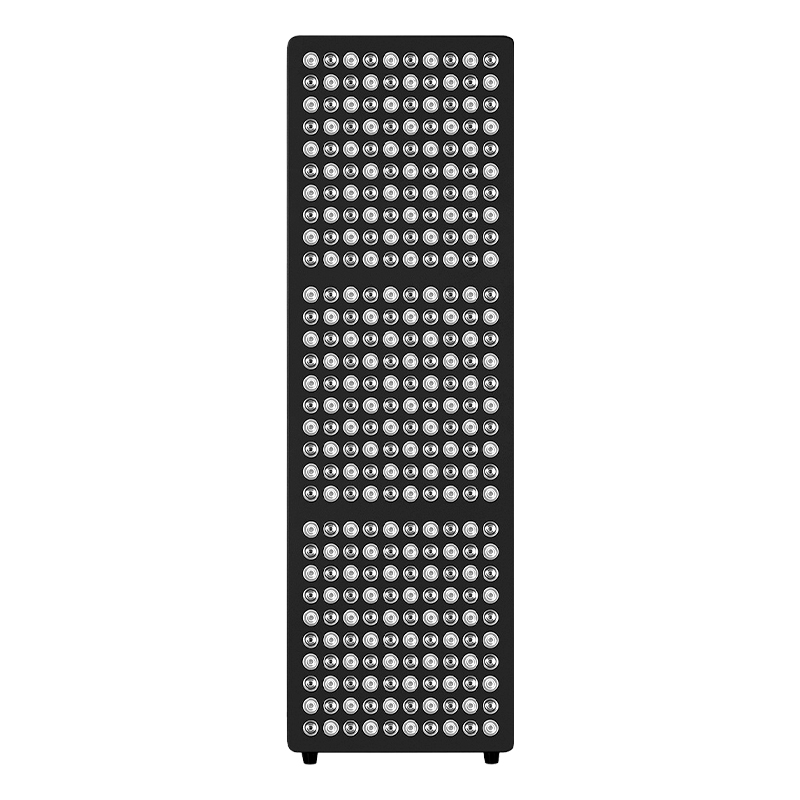
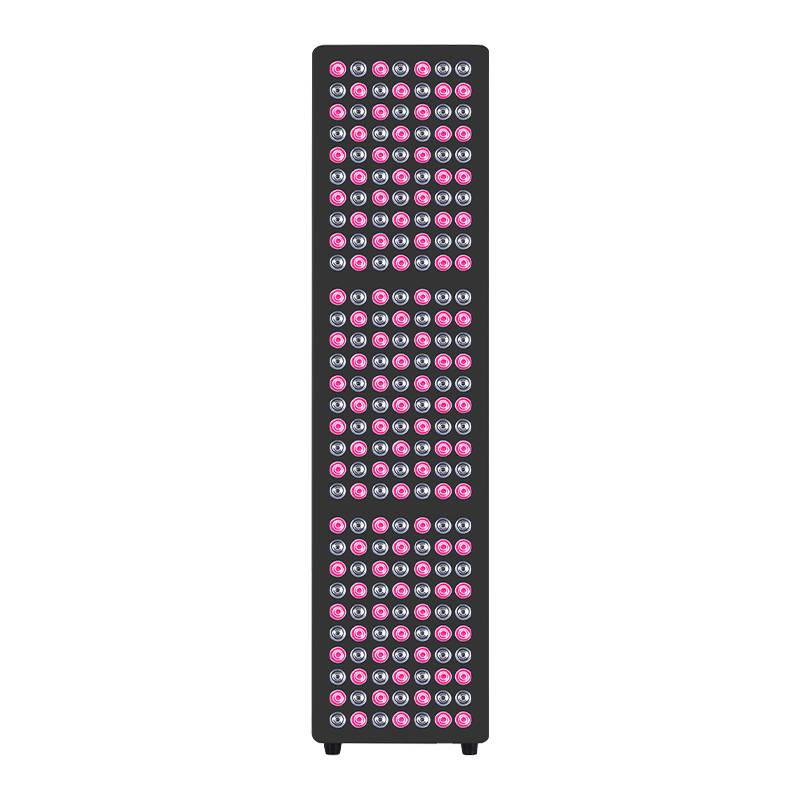
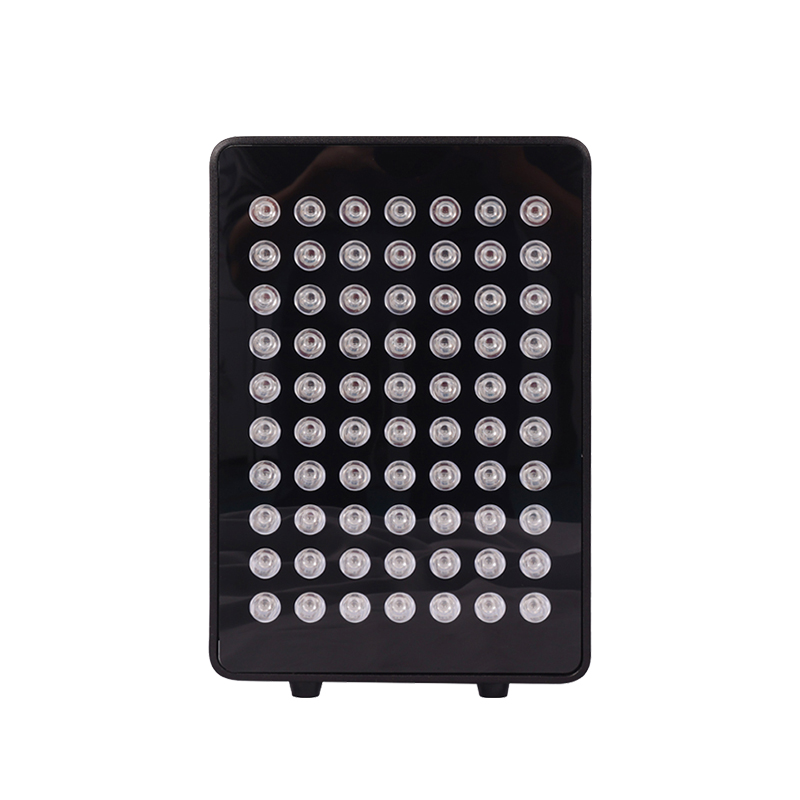
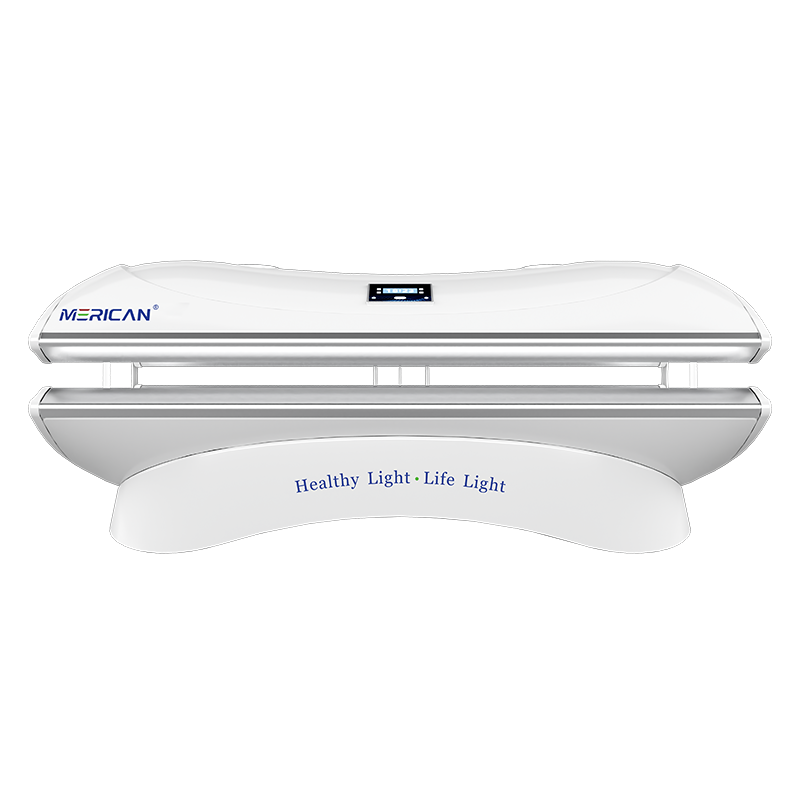
Te rongoa rama whero (RLT) kua tino rongonuihia mo te whānuitanga o nga hua hauora me te ataahua - mai i te whakahou kiri ki te whakaora uaua me te mamae mamae.. But if you want the hua mōrahi, one crucial factor often overlooked is roangaru.
Karekau nga rama whero katoa i hangaia kia rite. Understanding the right wavelength can help you choose the most effective device or therapy protocol for your goals.
What Is Wavelength in Red Light Therapy?
Wavelength is measured in nanometera (nm) and determines how deeply light penetrates the skin and tissues. Red light therapy devices typically use wavelengths between 600 nm me 950 nm.
This spectrum can be divided into two key zones:
- Maama Whero (600–700 nm): He pai mo surface-level treatments
- Tata-Pokakā (NIR) Light (700–950 nm): Ka kuhu kiko hohonu like muscles and joints
Wavelength Comparison Chart
| Te roangaru | Momo | Hohonutanga | Pai Mo |
|---|---|---|---|
| 620–630 nm | Maama Whero | Pāpaku (0.5–1 mm) | Skin tone, mumura, minor wounds |
| 630–660 nm | Maama Whero | Mid-depth (1–3 mm) | Te hanga collagen, anti-pakeke, hakihaki, nga whiu |
| 810 nm | NIR Light | Hohonu (ki runga ki 5 cm) | Te whakatikatika i te nerve, hauora roro, energy metabolism |
| 850 nm | NIR Light | Hohonu (ki runga ki 5 cm) | Te whakaora uaua, mamae tahi, tohanga |
| 940 nm | NIR Light | Deepest (~5–6 cm) | Internal organs, immune modulation, mumura |
Me pehea te whiriwhiri i te roangaru tika mo o hiahia
1. Mo te Whakahou kiri & Ataahua
Whakamahi: 630–660 nm
- Whakanuia te collagen me te elastin
- Ka whakaiti i nga kita, nga whiu, me te whero
- He rongoa i te hakihaki me te kino o te ra
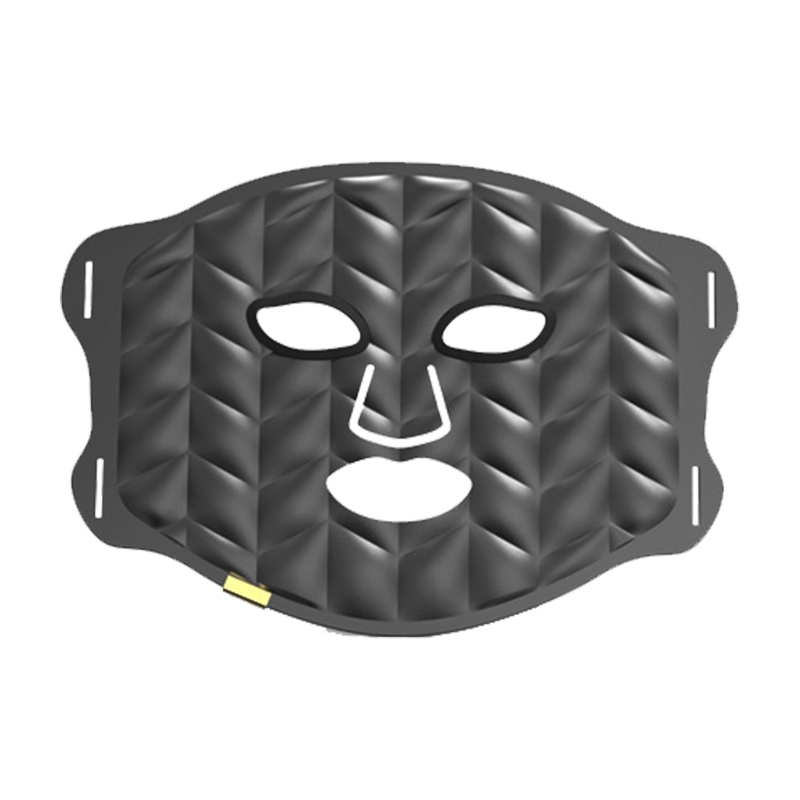
✅ He pai mo: Paewhiri kanohi, Kopare LED, whare hauora ataahua
2. Mo te Whakaora uaua & Mahi
Whakamahi: 850 nm
- Ka whakapai ake i te rere toto me te hanga ATP
- Ka tere te whakaora i muri i te whakangungu
- Ka whakaiti i te DOMS (kua roa te tiimata o te mamae o te uaua)
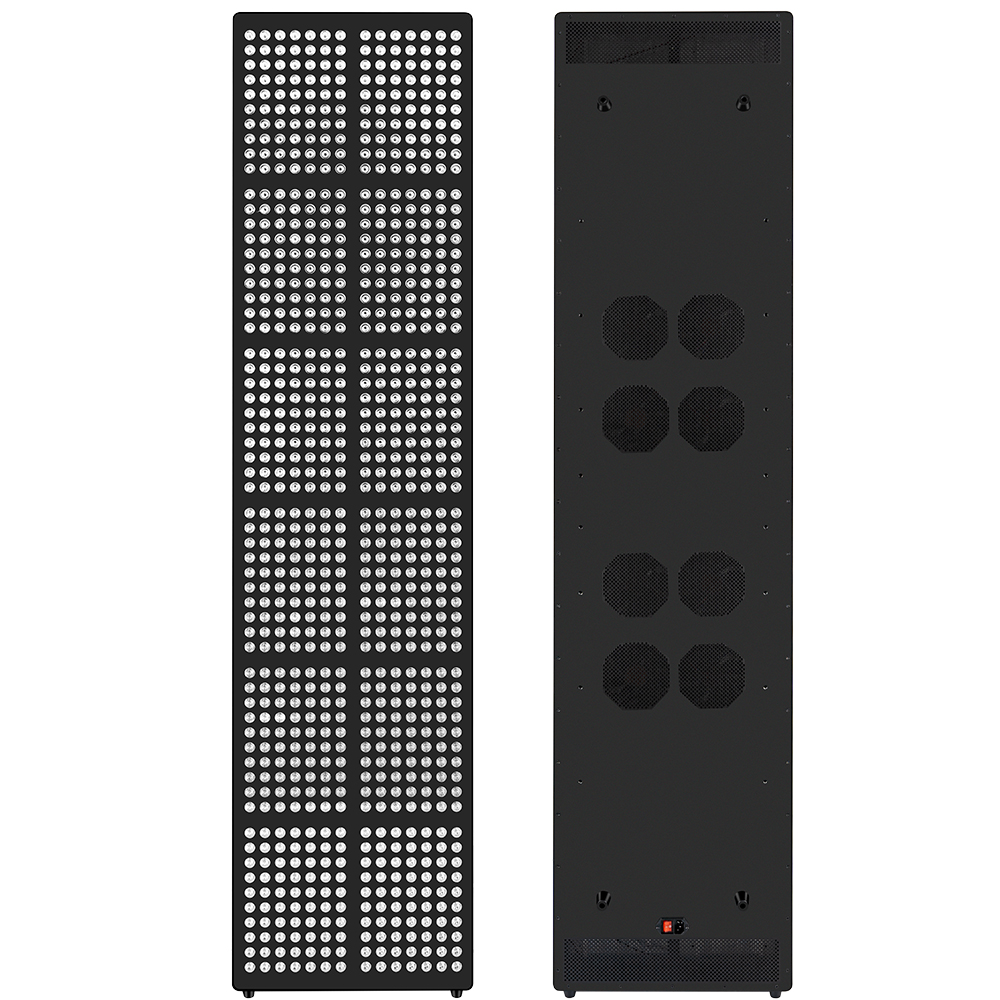
✅ He pai mo: Nga moenga marama whero, taputapu whakamaroke hakinakina
3. Mo te Hauora Hinengaro, Roro ranei
Whakamahi: 810 nm
- Ka kuhu ki te angaanga hei tautoko i te kiko roro
- Ka pai ake te mahara, huru, me te arotahi
✅ He pai mo: Nga taputapu ahua potae, rangahau neurological
4. Mo te mamae mamae & Te mumura
Whakamahi: 660 + 850 nm (Te rongoa paheko)
- Ka whakaiti i te mamae mau tonu (rewharewha, mamae tuara, sciatica)
- Ka whakaheke i nga tohu mumura
- Ka rongoa i nga whara kiko hohonu
✅ He pai mo: Ko nga moenga-tinana-a-haumanu-a-tinana, he takai kua whakaritea ranei
5. Mo te Hauora o Roto & Te aukati
Whakamahi: 940 nm (me te tupato)
- Ka kuhu ki nga paparanga hohonu rawa atu
- Ka whakamahia i roto i etahi tono rongoa, rongoa ranei
⚠ Tuhipoka: 940 Ko te nm ka nui ake te wera me te iti ake o te marama. Me pai te whakamatao o nga taputapu.
Takitahi vs. Pūrere Roa Ngaru Takirua
- Te roangaru kotahi: He pai mo nga paanga kua whakaritea (e.g., 660 nm mo te kiri).
- Te roangaru-rua/Tauwha: Nga tuku te whānuitanga atu o nga rongoa rongoa—he pai mo nga whare haumanu me nga punaha tinana katoa.
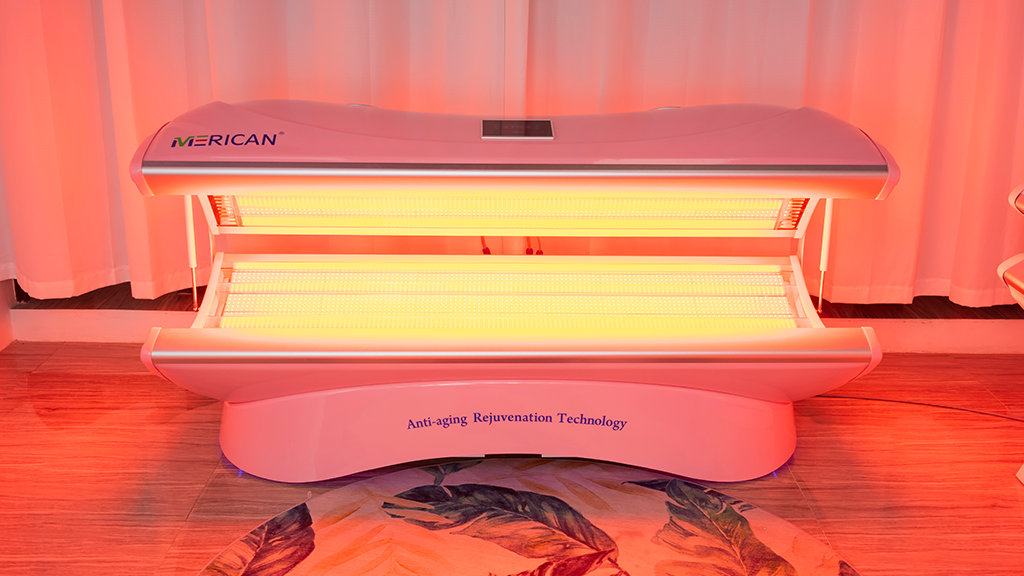
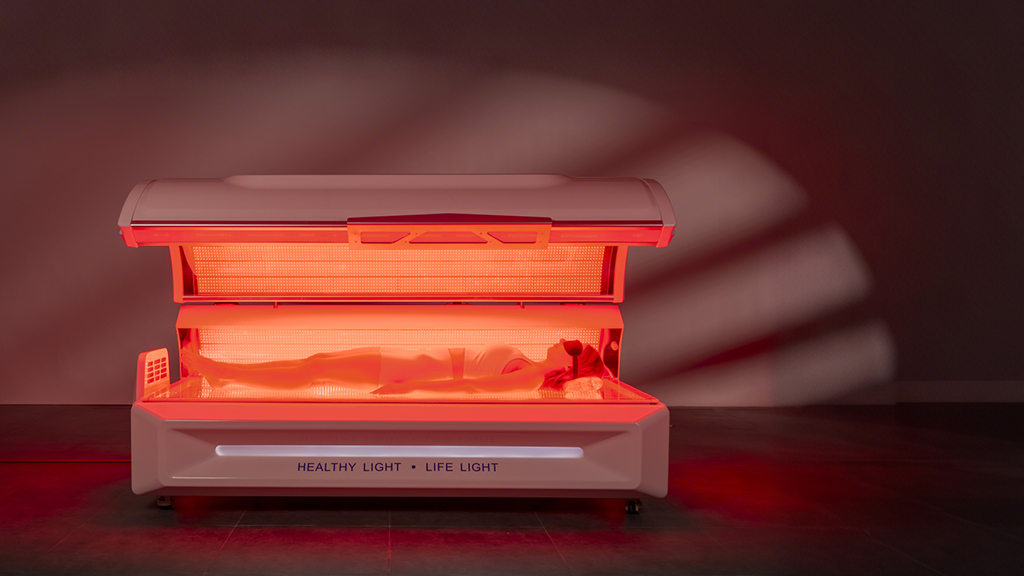
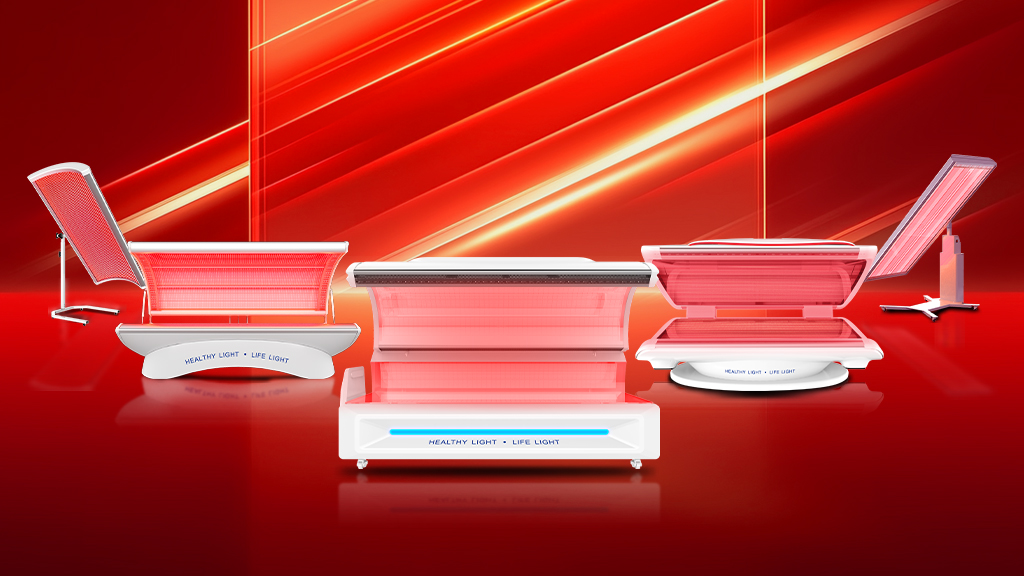
💡 Te nuinga o nga moenga rama whero ngaio whakakotahi 633, 660, 810, a 850 nm ki te whakanui i nga painga.
He aha te roangaru e whakamahia ana e te nuinga o nga moenga rama whero?
He maha nga wa e whakamahia ana e nga moenga whakamaarama rama whero o runga he huinga penei:
- 633 nm + 660 nm (mo te kiri)
- 810 nm + 850 nm (mo te kiko hohonu & whakaora)
- Ka taapiri etahi 940 nm mo nga tikanga hauora matatau
Tonoa te kaihanga mo a te purongo roangaru, te pepa tohu LED ranei i mua i te hoko.
Whakamutunga
Ko te whiriwhiri i te roangaru tika he mea nui ki te iriti i te mana katoa o te whakamaarama rama whero. Ahakoa e whai ana koe mo te kiri kanapa, whakaora uaua, mamae mamae, he hohonu ake ranei nga hua whakaora, ka whakataurite i te roangaru tika ki to whainga he tere ake, he roa ake nga hua.