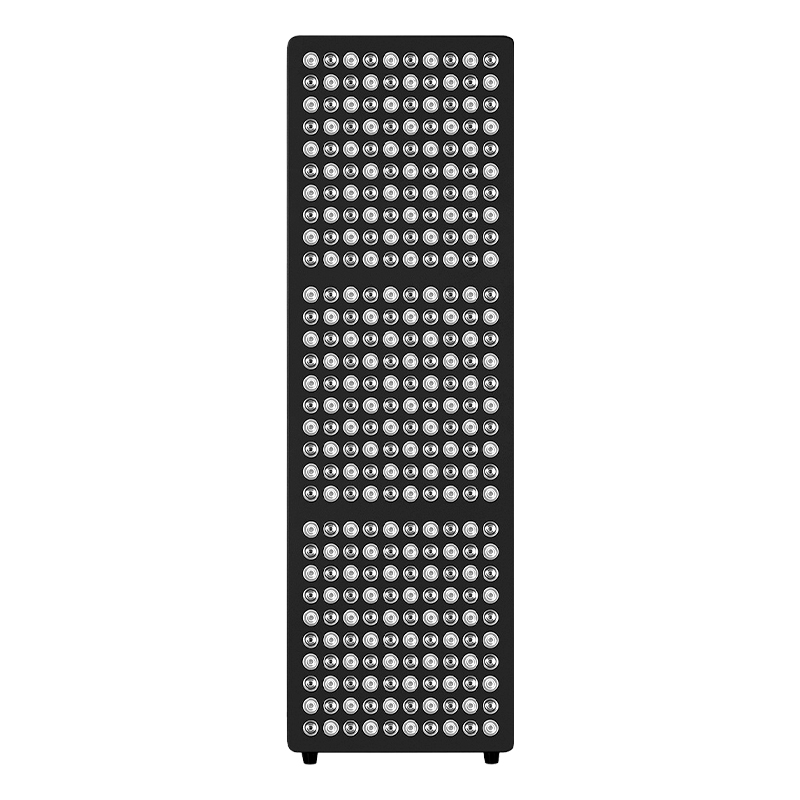
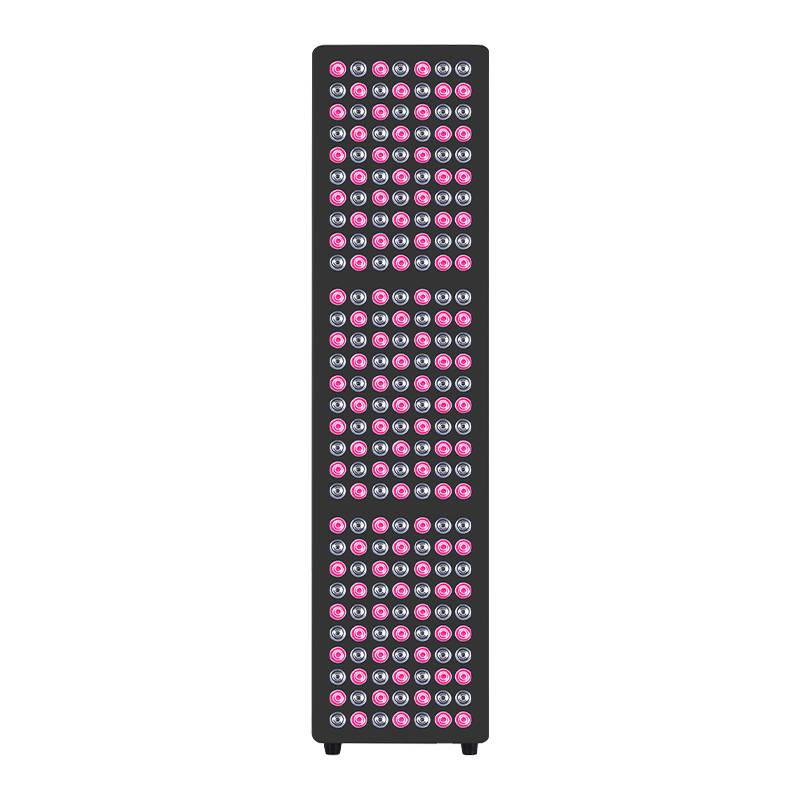
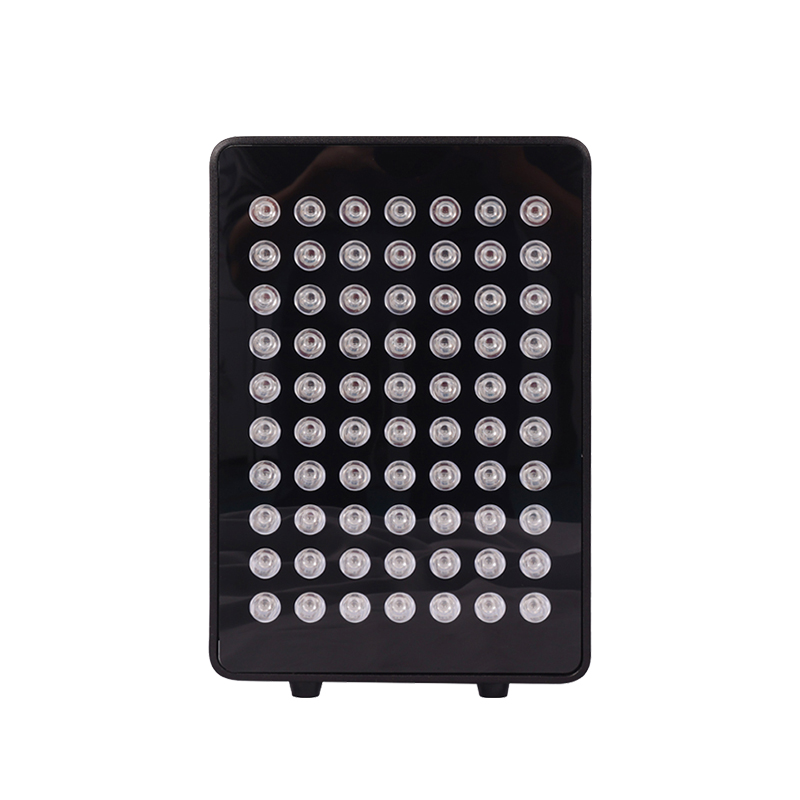
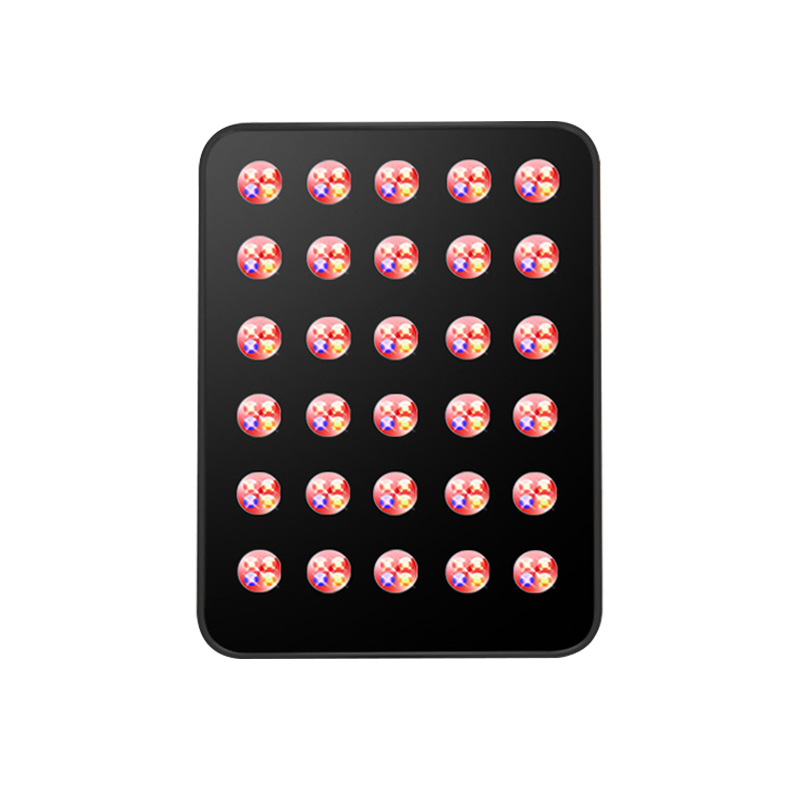
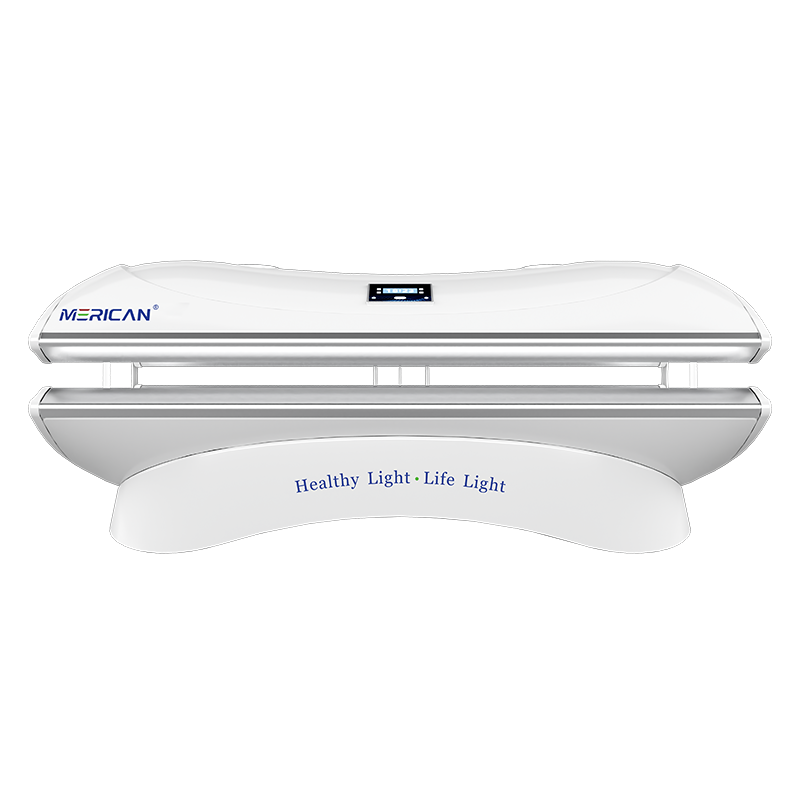
Te rongoa rama whero kua riro i te rongonui nui hei kore-kino, te maimoatanga kore-rongoa mo te whakahou kiri, mamae mamae, me te whakaora uaua. Engari i te maha o nga tangata e kawe mai ana i enei taputapu ki te kainga, he maha kei te pohehe i te pohehe e whakararu ana i te haumaru me nga hua. Ko tenei aratohu e whakanui ana i te 8 te nuinga o nga hapa whakamaarama rama whero e mahia ana i te kainga—me pehea te karo kia whai hua, hua rite.
| Kao. | Pohehe | He aha te Raruraru | Me pehea te Whakatika |
| 1 | Whakamahi i te Tawhiti He | Te tu ki tawhiti, tata rawa ranei ki te marama. | Whaia te pukapuka taputapu; te tikanga 6–12 inihi mo nga awhi, te whakapiri tika mo nga kopare. |
| 2 | Te whakamahi nui i te rongoa | Te whakamahi pinepine, mo te roa rawa ranei mo ia wahanga. | Kia mau ki te 10-20 meneti, 3–5 wa ia wiki. |
| 3 | Tiaki Tiaki Karu | Te titiro ki te marama, ki te kore ranei e mau mohiti. | Whakamaua he karu whakamarumaru, kia kati ranei nga kanohi i te wa e rongoa ana. |
| 4 | Te whakamahi i te taputapu he, te roangaru ranei | Ko nga taputapu utu he he, he ngoikore ranei nga roangaru. | Kōwhiri 630–660nm (whero) 810–850nm ranei (NIR); tirohia te irarangi. |
| 5 | Kaore i te horoi i te kiri | Te tono rama whero ki runga i nga mahi whakapaipai kiri ranei. | Horoia te kiri i mua i te whakamahi; tono serums muri. |
| 6 | Mahi Tauriterite | Te mokowhiti i nga huihuinga, te whakarereke ranei i te waa. | Hangaia he mahinga auau me te whai i te ahunga whakamua. |
| 7 | Te whakamahi kino i nga Maama Maama Whero | Kore te pai, te whakamahi nui, he tikanga kino ranei. | Ako me pehea te whakamahi i te kanohi marama whero tika—te pai, 10–15 meneti, ma i muri i te whakamahinga. |
| 8 | Te wareware i nga Contraindications | Te whakamahi i te rama whero me nga ahuatanga whakaahua, nga rongoa ranei. | Me toro atu ki te taote i mua i te tiimata, ina koa ki te hapu, ki te rongoa ranei. |
Te whakamahi i te Tawhiti He mai i te Pūrere
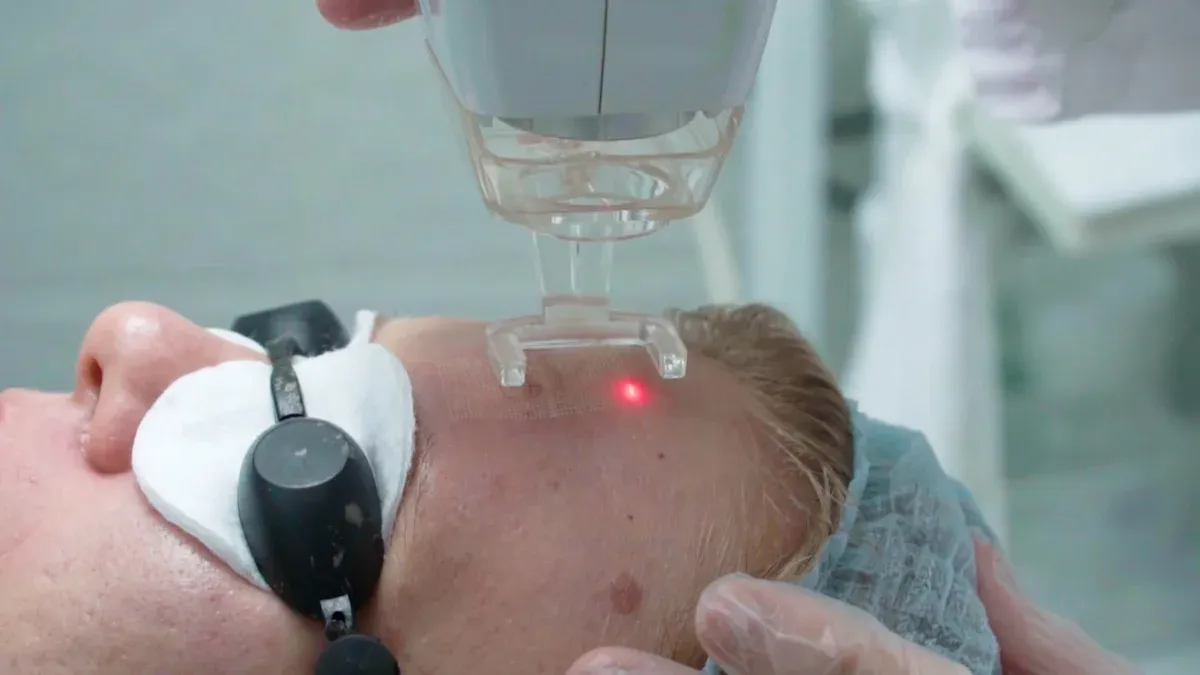
He aha te take o te tawhiti tika
He maha nga kaiwhakamahi e wareware ana ki te tata ki te rongoa rama whero, e pa ana ki nga painga o te maimoatanga.
- Ko te tawhiti tika ka ngoikore nga hua
If you sit too far from the device, the red and near-infrared light won’t penetrate deeply enough into your tissues to stimulate cellular activity. I tetahi atu ringa, being too close—especially with powerful panels—could cause irritation or overheating.
- General guideline: 6–12 inihi
For full-body red light panels, 6–12 inches is usually recommended. Mo nga maimoatanga kanohi, especially with lower-wattage devices, being slightly closer may be acceptable.
- Wavelength and irradiance affect distance
Higher-intensity devices allow for greater distance, while low-irradiance ones require you to be closer. Always match your distance to the device’s power level.
- Red light mask exception
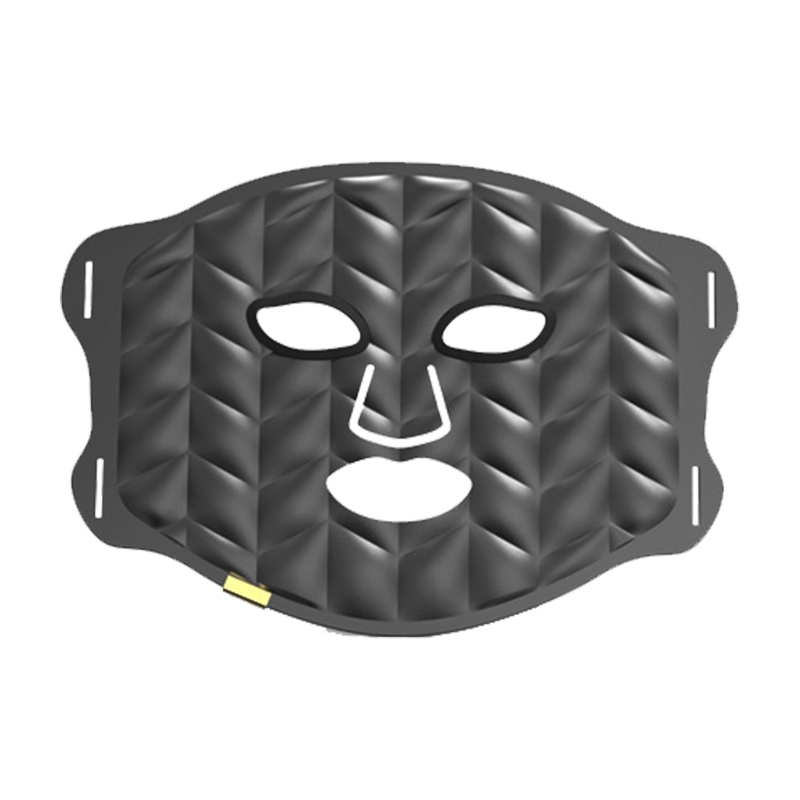
If you’re wondering me pehea te whakamahi i te kanohi marama whero properly, it’s meant to rest directly against your face. That’s an exception to the general rule.
- Follow the manual
Each device is designed differently. Check the manufacturer’s guidance before assuming the right distance.
Overusing Red Light Therapy
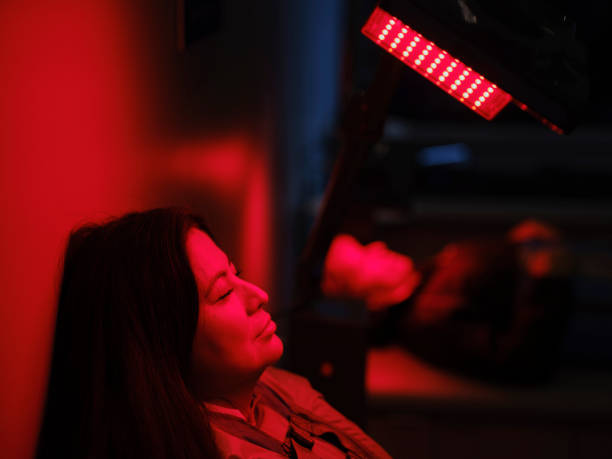
Can You Use Red Light Therapy Too Much?
Yes—and this is one of the most common mistakes, especially among enthusiastic beginners.
- Cell overstimulation is real
While red light supports cellular regeneration, using it excessively may overstimulate mitochondria, potentially leading to cellular fatigue rather than repair.
- Ko te nui ake kaore i te pai ake i nga wa katoa
Just like exercise, red light therapy works through a “dose-response” relationship. Doing too much can plateau your results or even reverse them.
- Symptoms of overuse
Te whero, mild headaches, kiri maroke, and fatigue are signs you may be overdoing your sessions.
- Stick to the protocol
Most experts recommend 10–20 minutes per session, 3–5 times per week for general wellness. Start slow and build as needed.
Tiaki Tiaki Karu
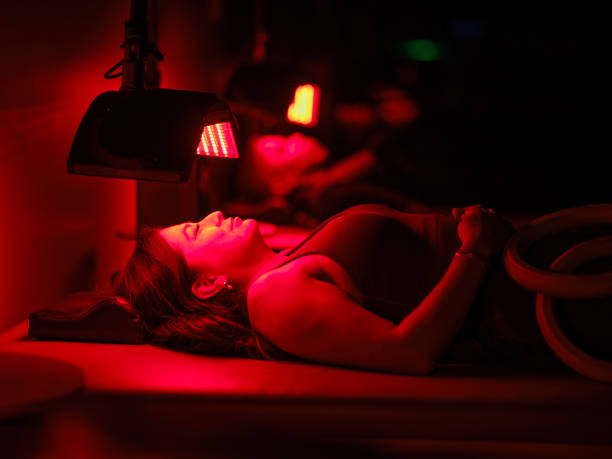
Can Red Light Therapy Hurt Your Eyes?
Despite its low-risk nature, unprotected eye exposure is one of the most overlooked dangers in red light therapy.
- Light intensity matters
While red light is not UV, strong panels or long exposure times can irritate or strain the eyes, especially if used too close.
- Symptoms of eye overexposure
Te aro ki te marama, te tirohanga rangirua, or headaches after sessions may indicate that your eyes are not adequately protected.
- Protective eyewear is a must
Always wear safety goggles, especially with high-powered panels or when treating the face directly. Don’t rely on simply closing your eyes.
- Masks with built-in eye cutouts
If you’re using a red light mask, most have eye openings or protective layers. Tonu, keep your eyes closed unless the product is certified eye-safe.
Na, can red light therapy hurt your eyes? Ae, without proper safety measures, repeated exposure can be harmful.
Choosing the Wrong Wavelength or Device
Not All Red Light Devices Are Equal
Using a poorly designed or underpowered device can render your entire therapy routine ineffective.
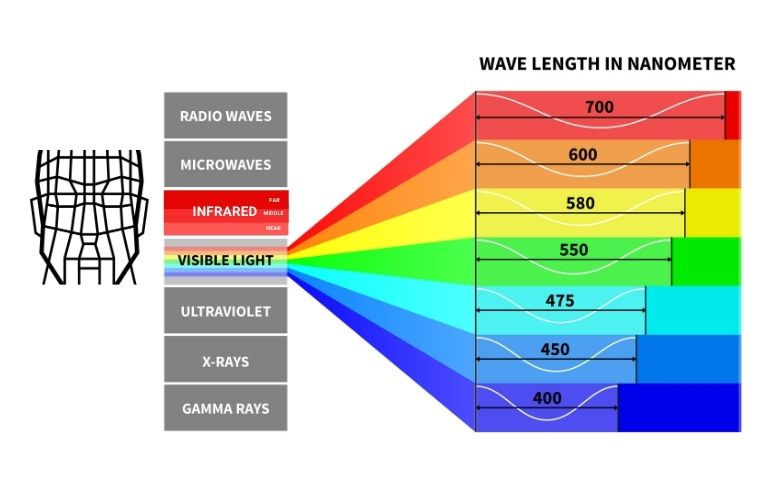
- Wavelength is critical
Effective red light therapy operates between 630–660nm (rama whero) me te 810–850nm (tata-infrared). Many low-quality devices use visible red LEDs that don’t penetrate deeply enough for therapeutic effects.
- Check irradiance levels
A good therapy device will list its output (raratanga) in mW/cm². Anything below 20 mW/cm² may not deliver strong results.
- Full-body vs. maimoatanga kua whakaritea
Using a facial mask for joint pain or a handheld for full-body therapy isn’t practical. Choose the right tool for your treatment goals.
Not Starting with Clean Skin
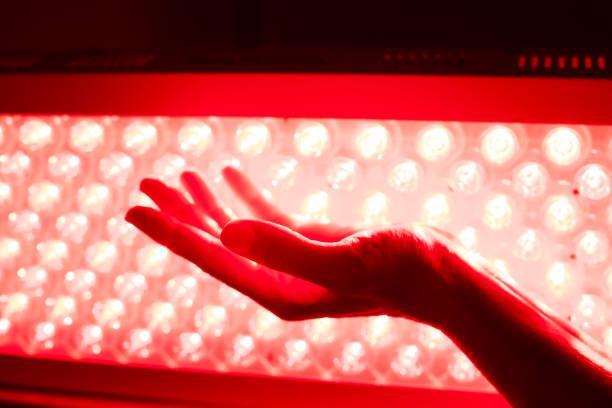
Barriers Reduce Light Penetration
Failing to properly prep your skin before a session can hinder the light’s ability to reach its target.
- Residue blocks absorption
Makeup, whakamarumaru ra, werawera, and heavy lotions act as physical and chemical barriers that absorb or reflect light.
- Maemaa, bare skin is ideal
Always wash your face or body with a gentle cleanser before starting treatment. Pat dry and avoid oil-based products beforehand.
- Avoid applying actives before sessions
Products containing retinol, AHA/BHA, or vitamin C can sensitize the skin or react under light exposure.
Being Inconsistent with Treatment

Red Light Therapy Only Works If You Stick to It
Sporadic use is one of the biggest reasons people give up on red light therapy prematurely.
- Cumulative results take time
Unlike instant cosmetic fixes, red light therapy works gradually by promoting cellular health and repair.
- Make it part of your routine
Set fixed times or pair it with daily habits like skincare or meditation to ensure you don’t forget.
- Set realistic expectations
It may take 4–8 weeks to notice improvements in skin or inflammation. Don’t quit too early.
Using the Wrong Red Light Mask Technique
How to Use Red Light Mask the Right Way
Red light therapy masks offer convenience, but many people misuse them, which leads to lackluster results.
- Ensure full contact with skin
The mask should sit snugly against the skin to deliver light evenly. Gaps around the nose or cheeks reduce exposure in those areas.
- Follow time recommendations
Most masks suggest 10–15 minutes per session, ki runga ki 5 wa ia wiki. Don’t exceed the limit unless advised by a professional.
- Clean after each use
Bacteria or skincare product residue can build up on the mask surface and irritate your skin.
If you’re unsure me pehea te whakamahi i te kanohi marama whero effectively, stick to the user guide—it’s there for a reason.
Te wareware i nga Contraindications
Not Everyone Should Use Red Light Therapy
Ahakoa te tikanga haumaru, Ko te rongoa rama whero ehara mo te katoa.
- Photosensitive conditions
People with lupus or other autoimmune conditions may experience flare-ups.
- Certain medications
Drugs like isotretinoin, tetracycline, or chemotherapy agents can increase light sensitivity.
- Haputanga
Though data is limited, pregnant individuals should consult their doctor before use, especially for abdominal or pelvic treatments.
- Cancer history
Those with active cancer or tumors should avoid red light therapy near the affected area without medical supervision.
- Always consult a healthcare provider
I te wa e ruarua ana, get a professional opinion before starting a new treatment.
Nga Whakaaro Whakamutunga
He haumaru te whakamaarama rama whero, non-invasive treatment—but only when used properly. Whether you’re wondering can red light therapy hurt your eyes ranei how close to red light therapy you should be, education is your most powerful tool. By avoiding these 10 common at-home mistakes, you can unlock the full benefits of red light therapy safely and effectively.
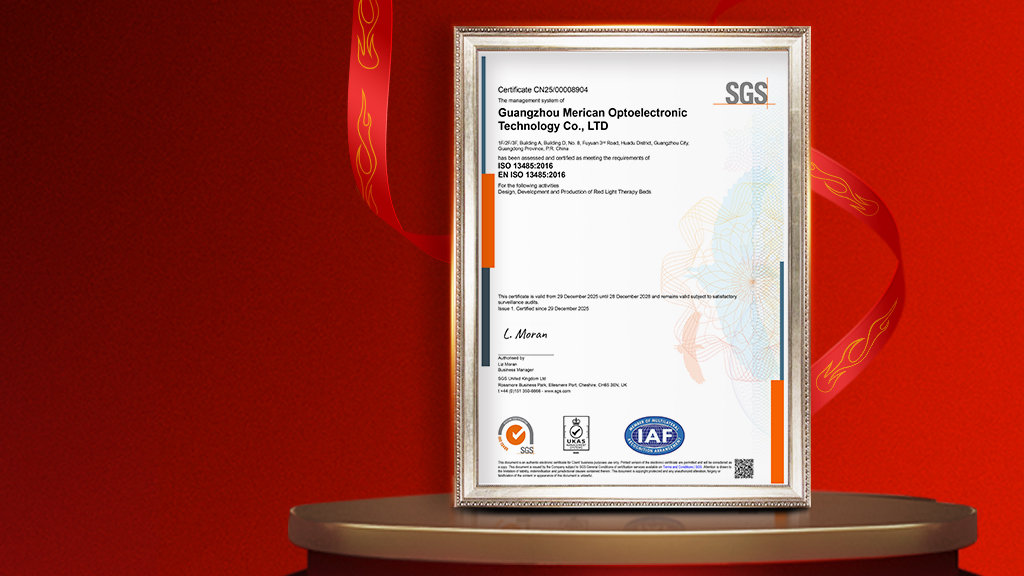
Merican Help You
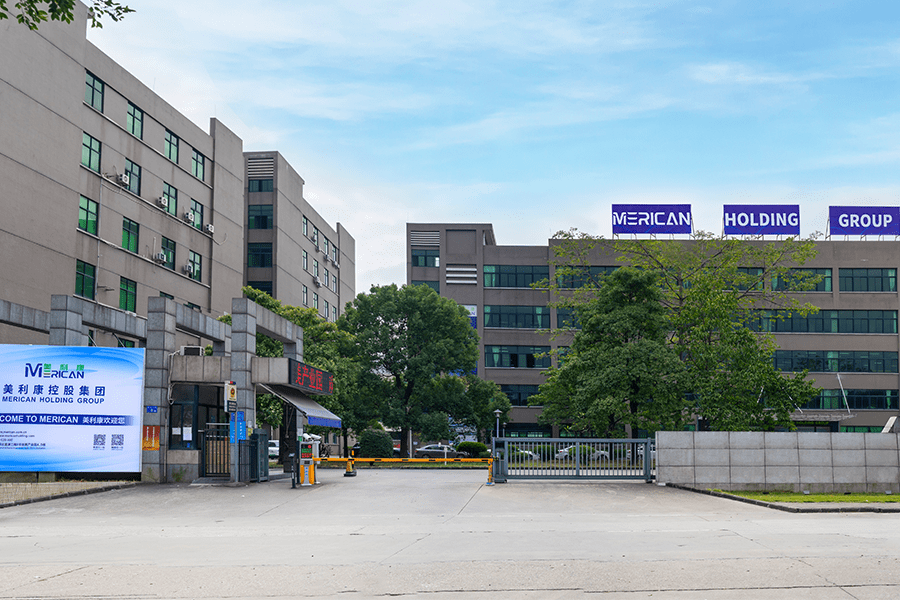
Ko te kaihanga i muri i runga rama rama rama whero runga, we offer free OEM and comprehensive Nga ratonga ODM to meet diverse needs.
Kei te rapu kaha matou ki nga kaitoha o te ao. Whakapaa mai ki a maatau i tenei ra mo te otinga mo te moenga mo te rama whero!