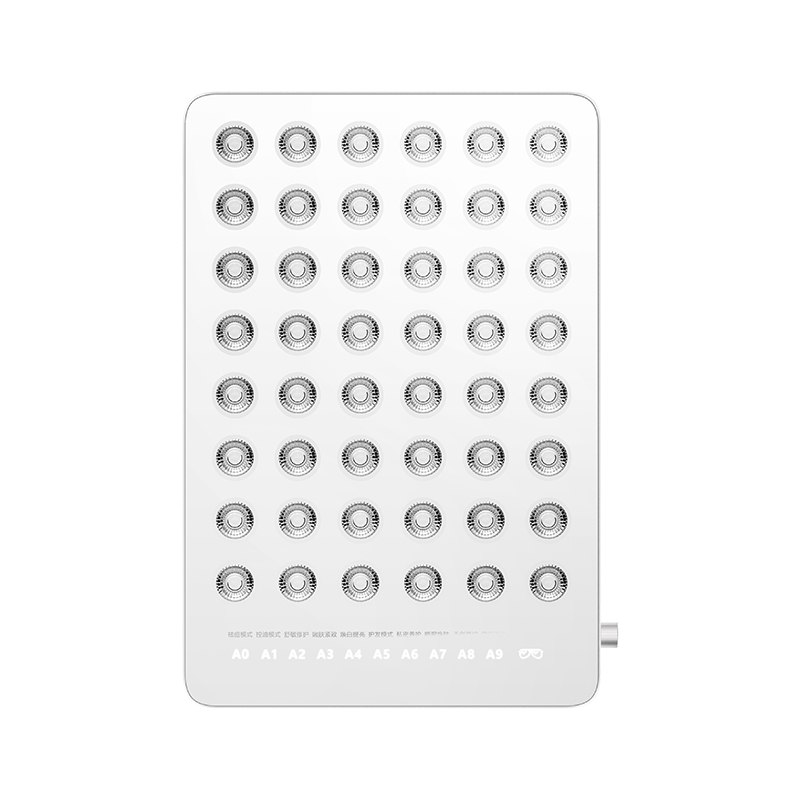
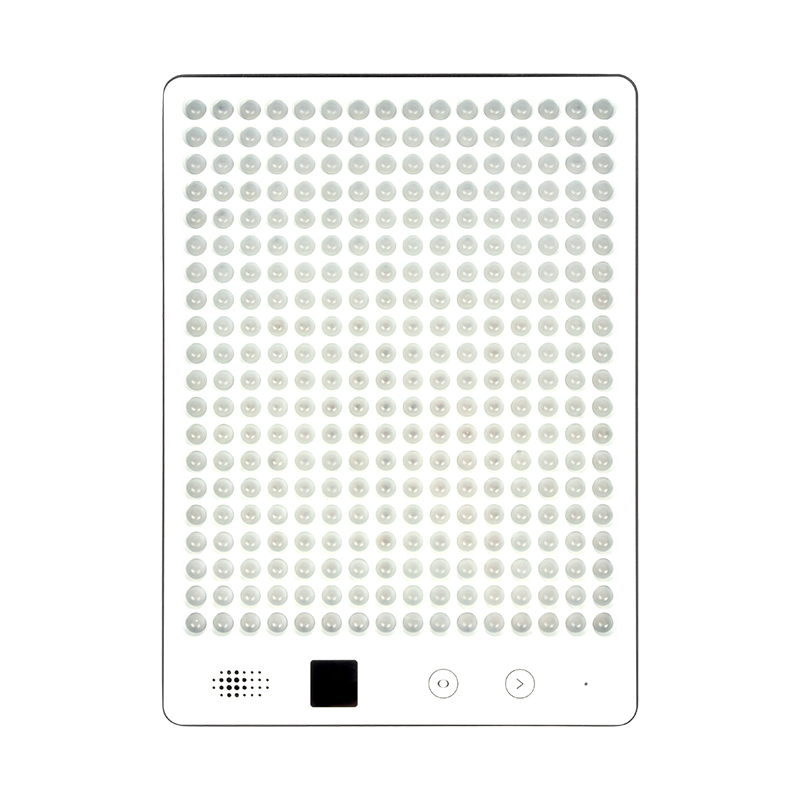
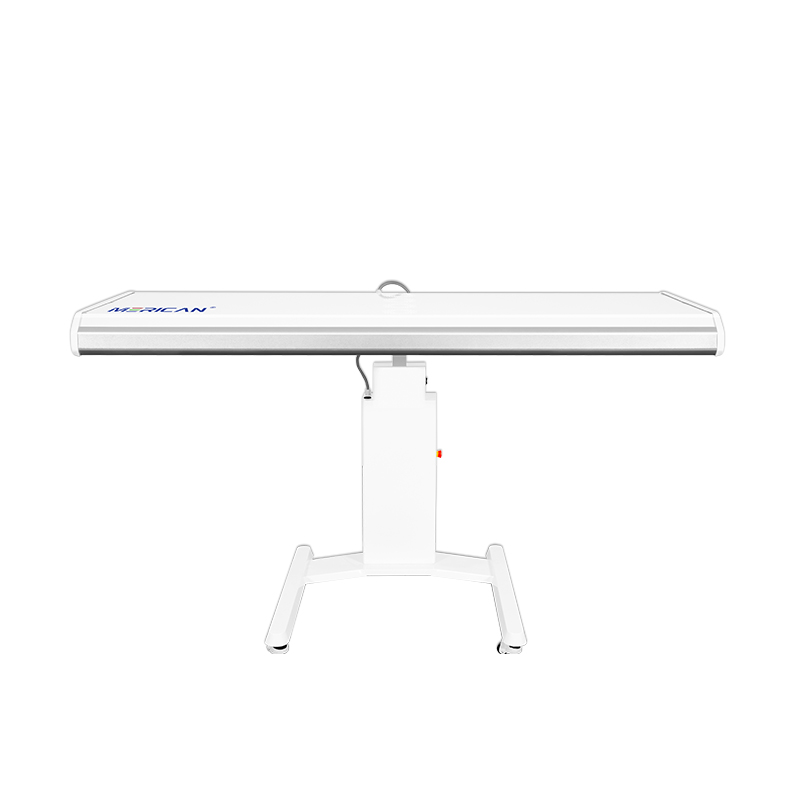
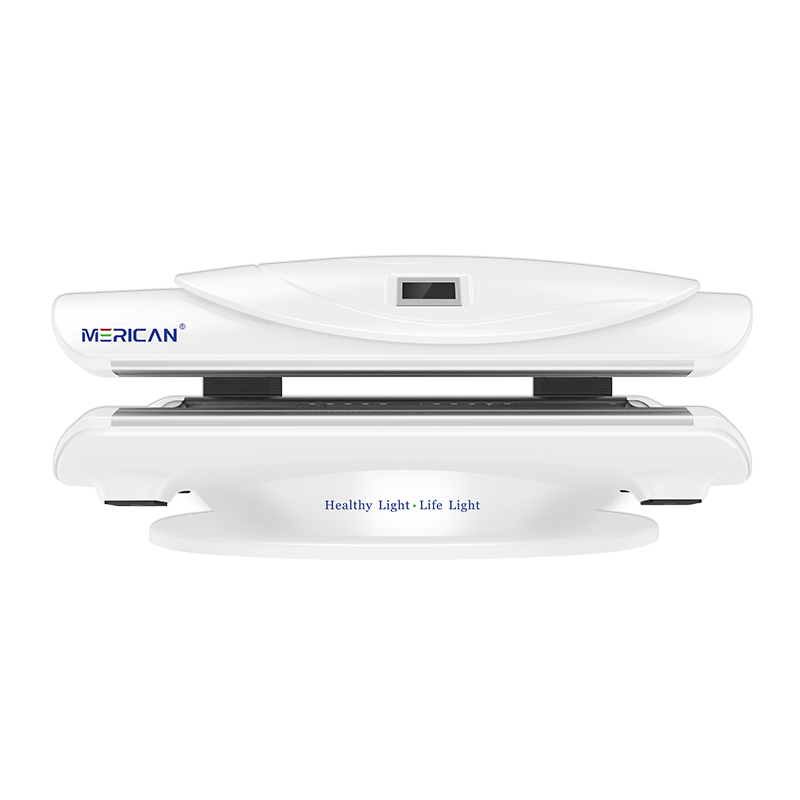
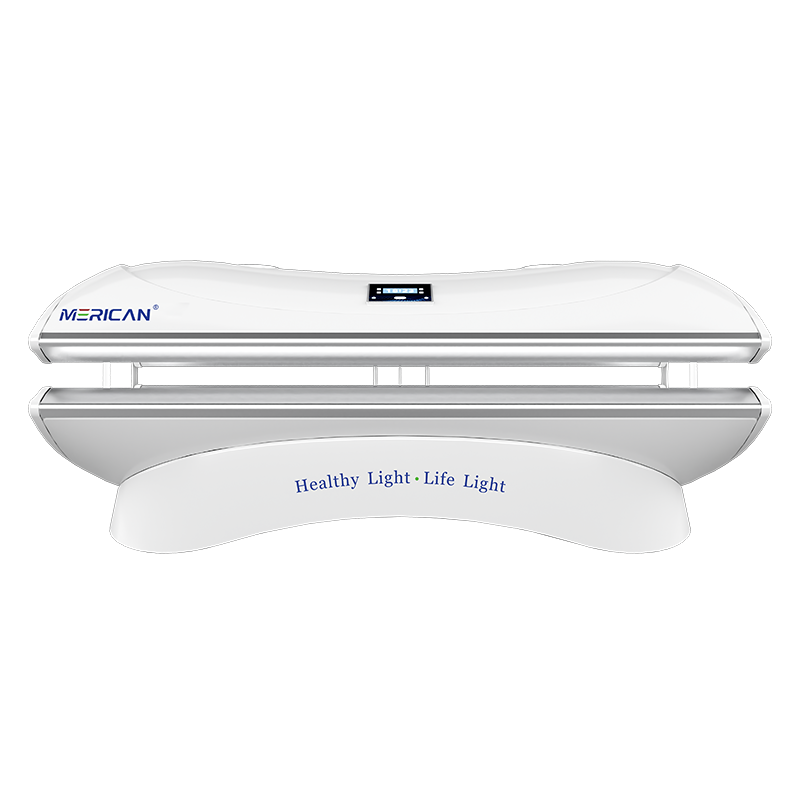
Ahakoa he haumaru nga moenga whakamaarama rama whero mo te nuinga o nga tangata, ka raru pea etahi ahuatanga me etahi ahuatanga. Kei raro nei he rarangi taipitopito o nga contraindications (ka karohia te RLT) me nga whakatupato kia whakaarohia.
Contraindications tino (Aukati Katoa)
- Te mate pukupuku kaha, te mate pukupuku ranei
He aha? Ko te rama Whero/NIR pea ka whakahihiri i te mahi pūkoro, e whakatairanga ana i te tipu o nga pūtau mate pukupuku.
Okotahi: Ko etahi o nga whare haumanu e whakamahi ana i te RLT i raro i te tirotiro hauora mo nga paanga taha mate pukupuku (e.g., mucositis waha).
- Haputanga
He aha? He rangahau iti mo te haumaru o te kopu; ka tupono pea ka wera rawa (mehemea ka honoa ki nga maimoatanga e pa ana ki te wera).
He rereke: Whakamahia ki nga waahi iti anake (e.g., kanohi, ringa) i muri i te korero ki te taote.
- Nga mate whakakitenga
Nga tikanga: Lupus, porphyria, xeroderma pigmentosum.
He aha? Nga tauhohenga kiri kee ki te marama, e arai ana ki te weranga, ki te wera ranei.
- Te Whakamahi i nga Rongoa Whakataunga Whakaahua
Nga Taaka hei Mataara:
Paturopi (tetracyclines, ciprofloxacin).
Retinoids (Accutane, tretinoin).
Nga rongoā chemotherapy (5-FU, methotrexate).
He aha? Ka nui ake te mate o te weranga, te hyperpigmentation ranei.
Contraindications whanaunga (Whakamahia me te Tupato, te Whakaaetanga Hauora ranei)
- Nga mate thyroid
Awangawanga: Tata-infrared (NIR) ka pa te rama mo te wa poto ki te mahi thyroid (ina koa te hyperthyroidism).
Whakatupato: Whakawhāitihia te mata o te kaki; aroturuki tohu.
- Epilepsy, he mate hopukina ranei
He aha? Maramarama, nga rama rama (i etahi taputapu) ka taea te paopao.
Rongoā: Whakamahia tonu, tautuhinga rama-kore.
- Nga Tikanga Karu
Morearea: Te kino o te retina mai i te wa roa o te rongo tika (ahakoa RLT hapa UV).
Whakatupato: Whakamaua i nga wa katoa nga moata whakamarumaru.
- Recent Skin Procedures (Peels, Lasers, etc.)
Wait Time: 1–2 weeks post-procedure (risk of irritation). - Implanted Medical Devices
Pacemakers, insulin pumps, etc. – Theoretical risk of interference (though rare).
Whakatupato: Avoid direct light over the device area.
√Safe for Most People, But Monitor Reactions
Autoimmune diseases (e.g., Hashimoto’s, rumati rūmātiki) – No major risks reported, but start with short sessions.
Diabetes – May aid wound healing, but monitor blood sugar if using large areas.
Children – Safe under supervision, but limit session duration.
Red Flags to Stop RLT Immediately
-Skin burns, blistering, or severe redness.
-Dizziness, whakapairuaki, or headaches (could indicate overuse).
-Worsening of a pre-existing condition.
How to Use RLT Safely
Patch Test – Try a small area first.
Start Slow – 5–10 mins/session, gradually increasing.
Protect Eyes – Wear amber/opaque goggles.
Check Medications – Verify if photosensitizing.
Final Advice
I te wa e ruarua ana, consult a doctor (especially if you have cancer, thyroid issues, or take high-risk meds).
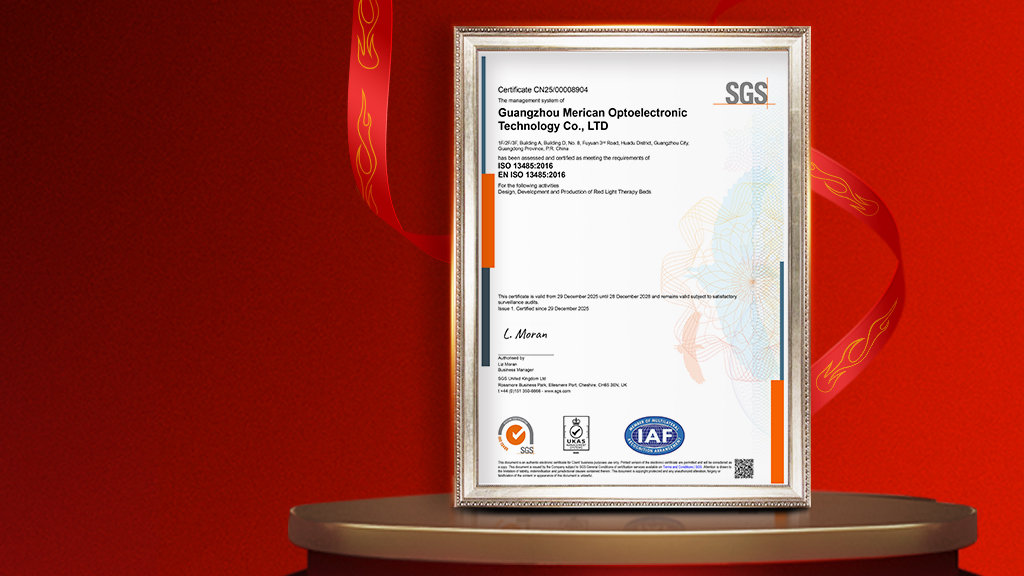
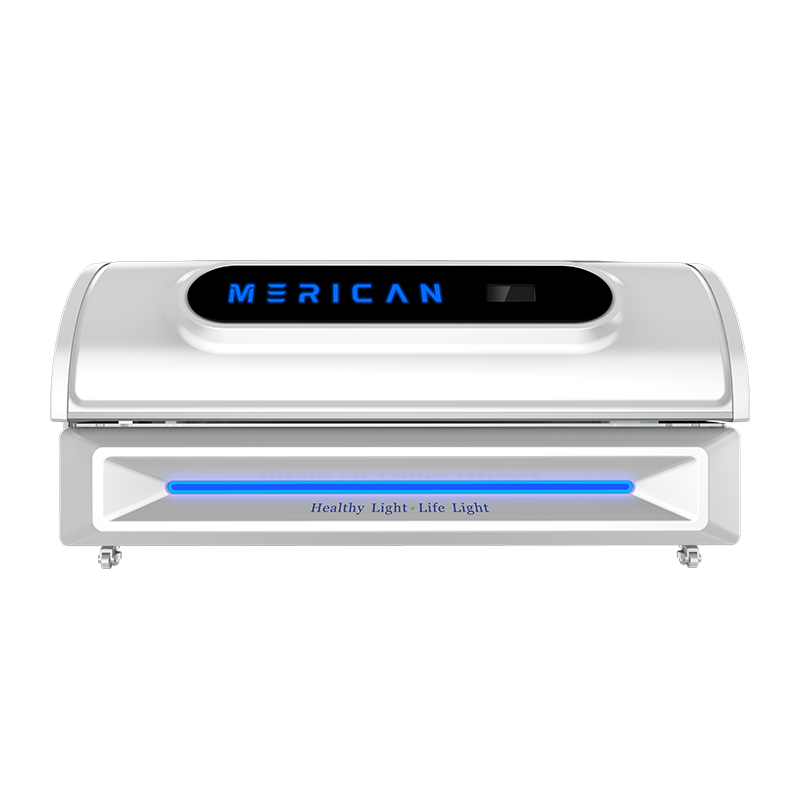
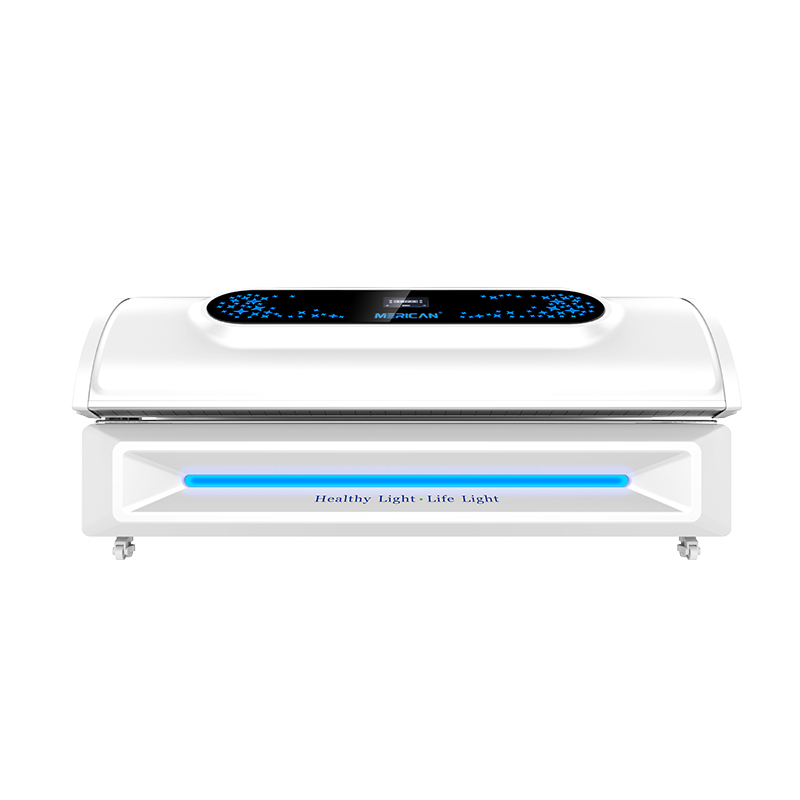
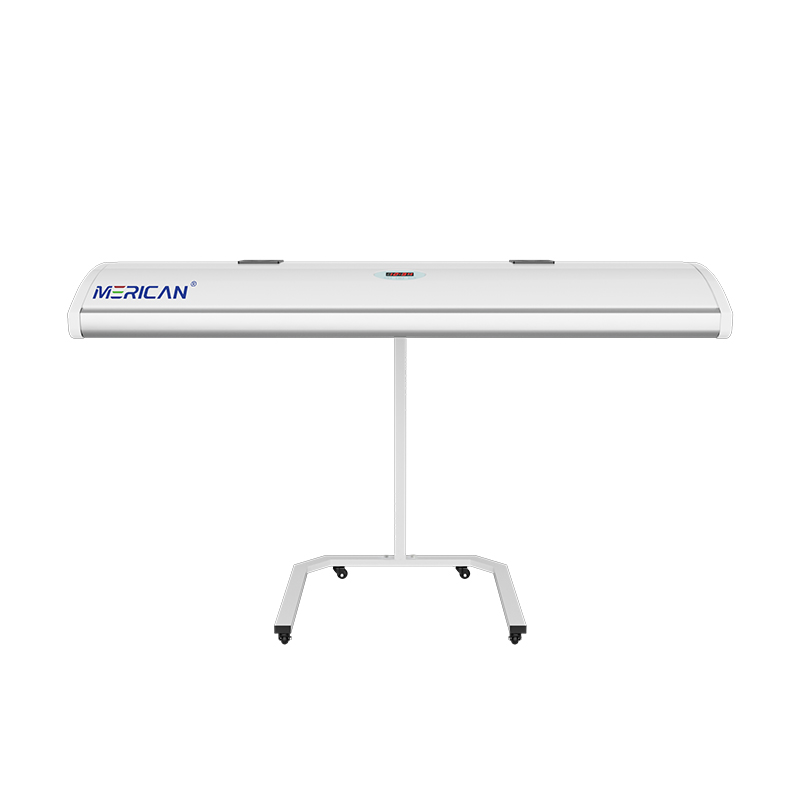
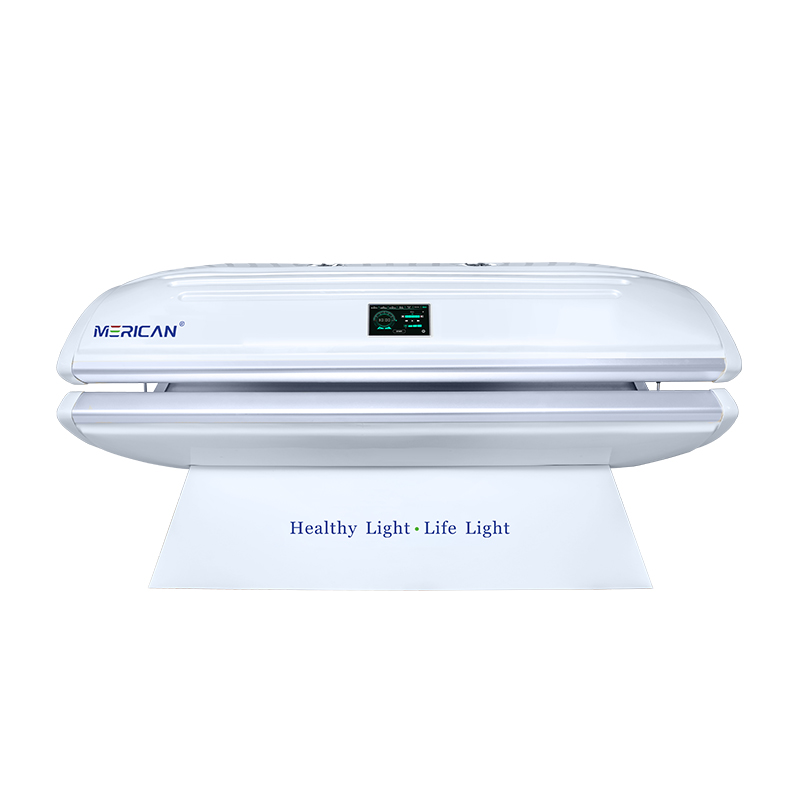
Choose FDA-cleared devices (e.g., Merikana ) for safety assurance.