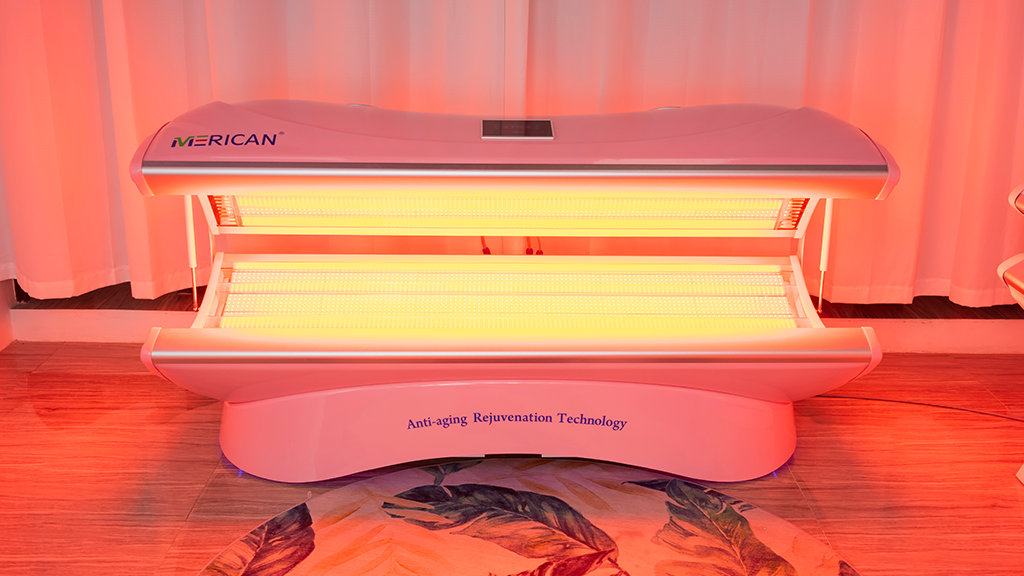
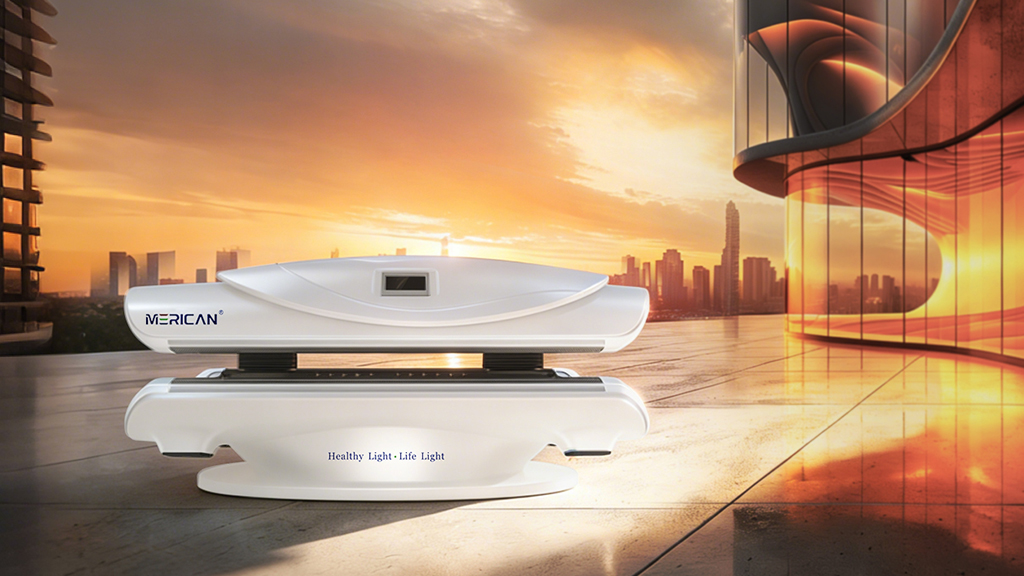
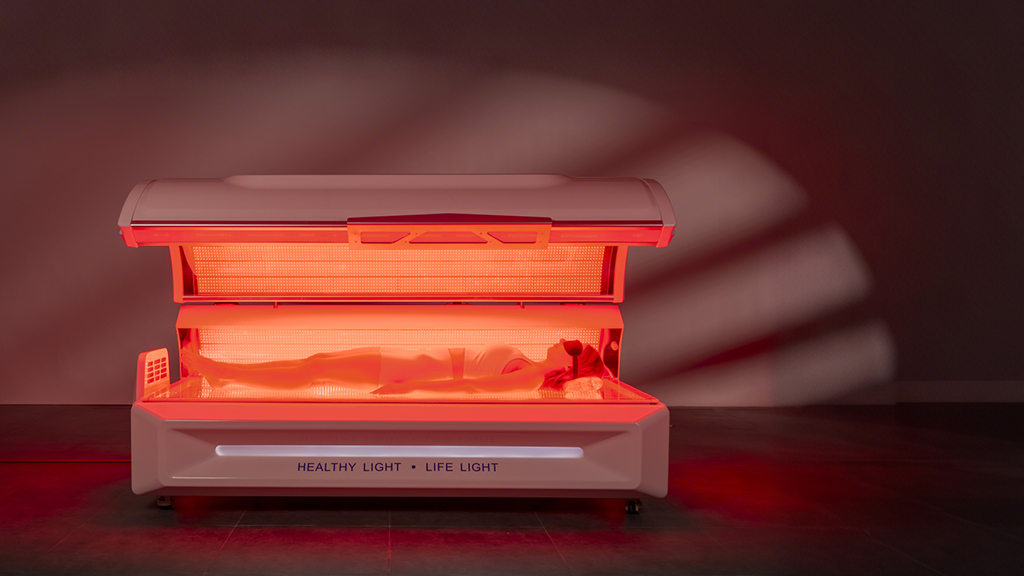
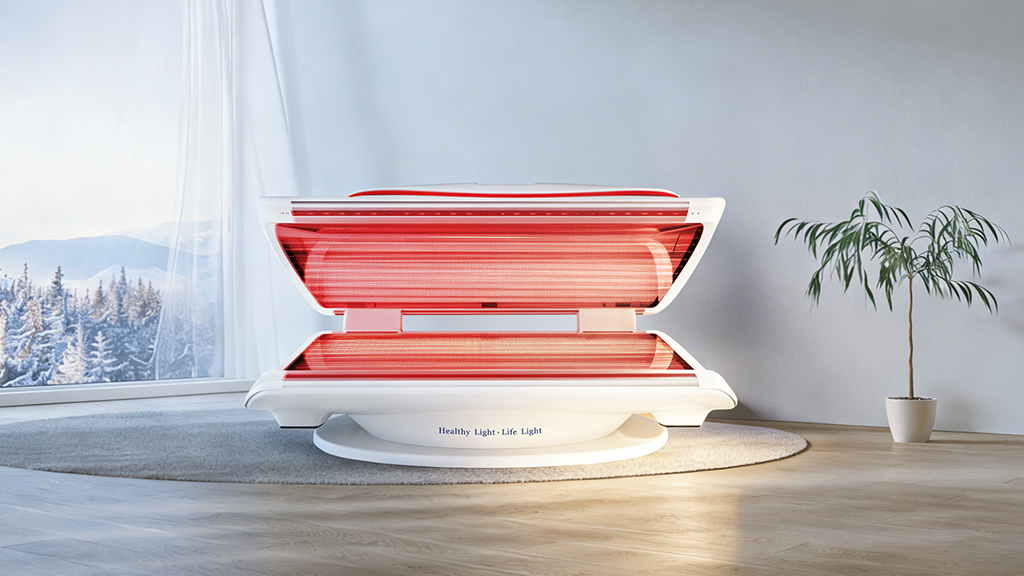
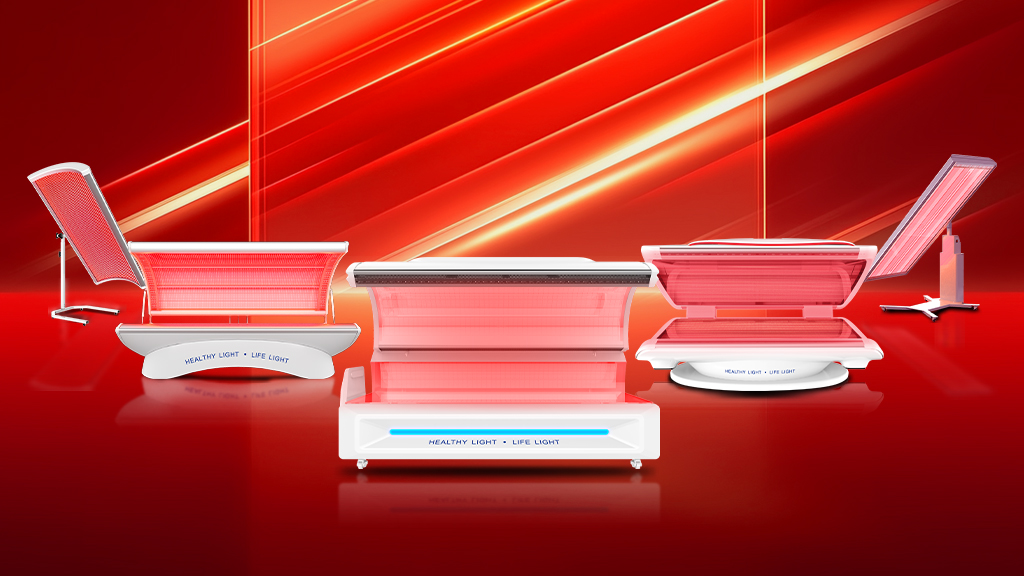
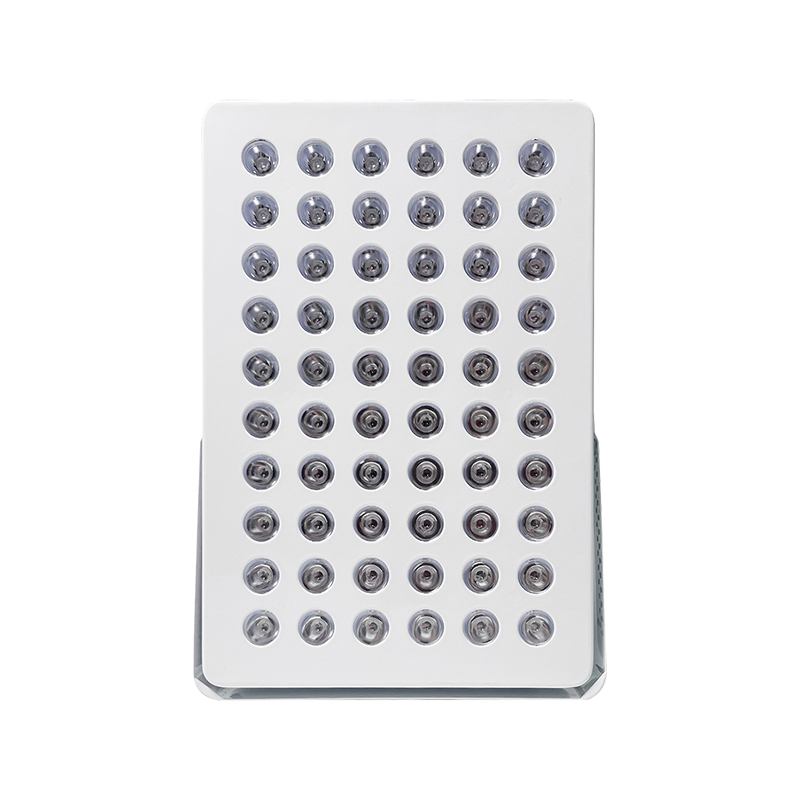
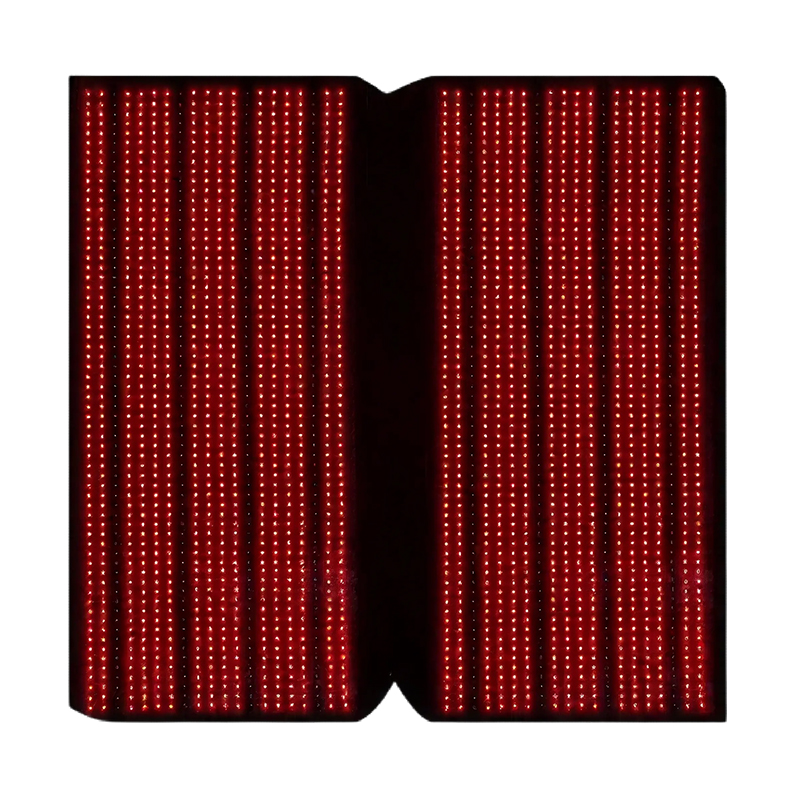
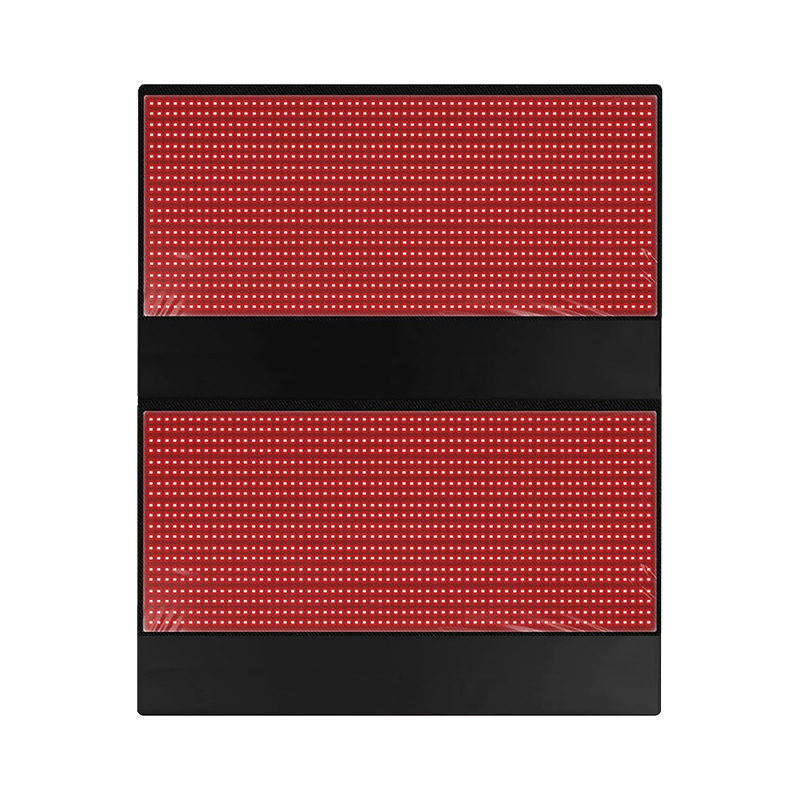
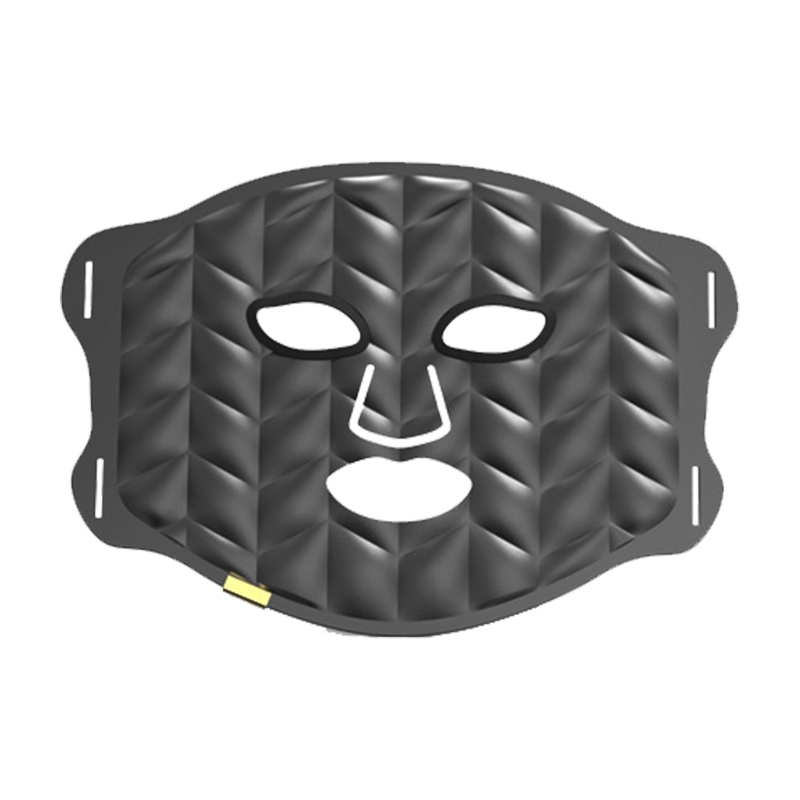
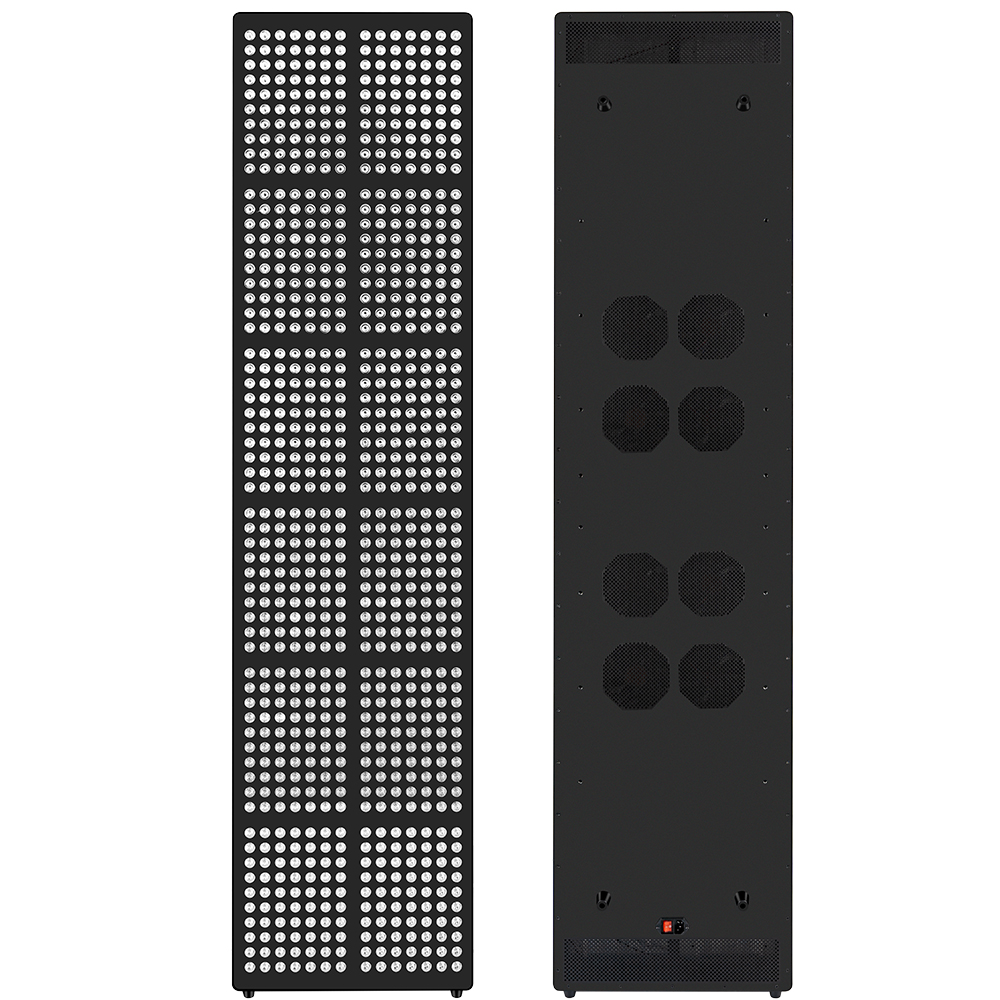
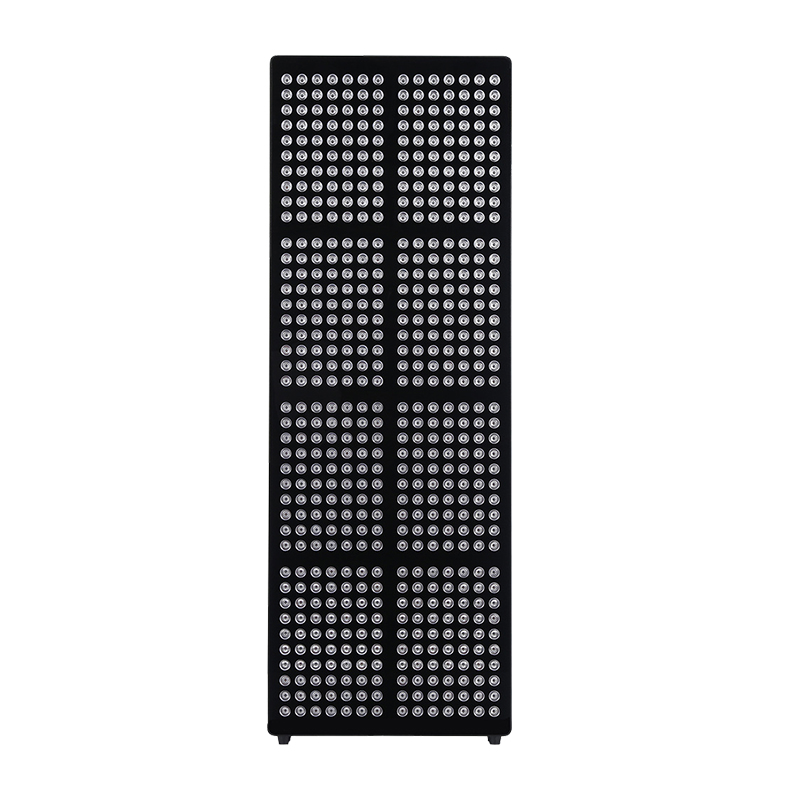
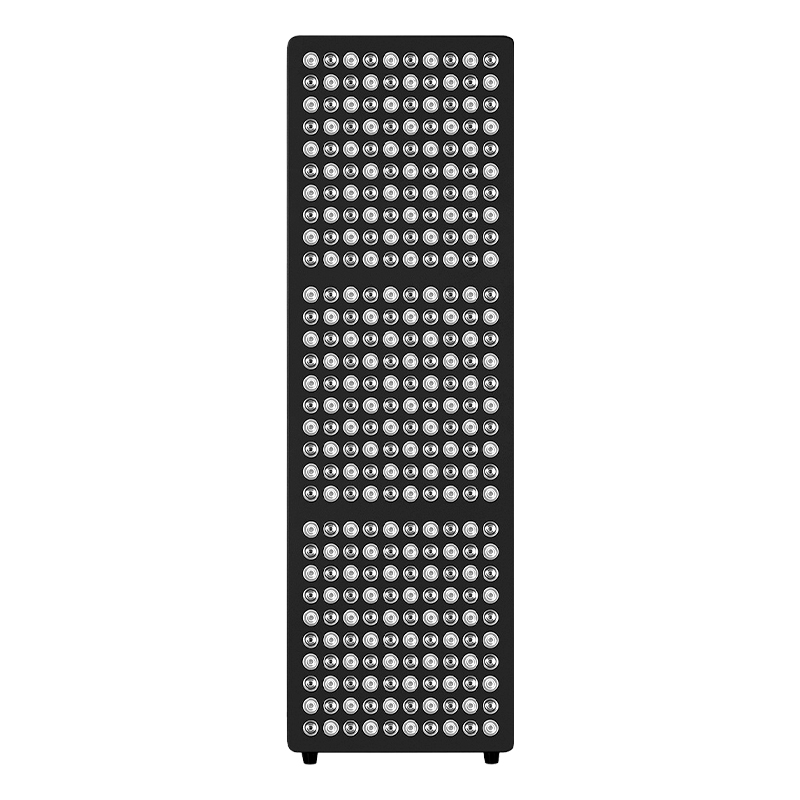
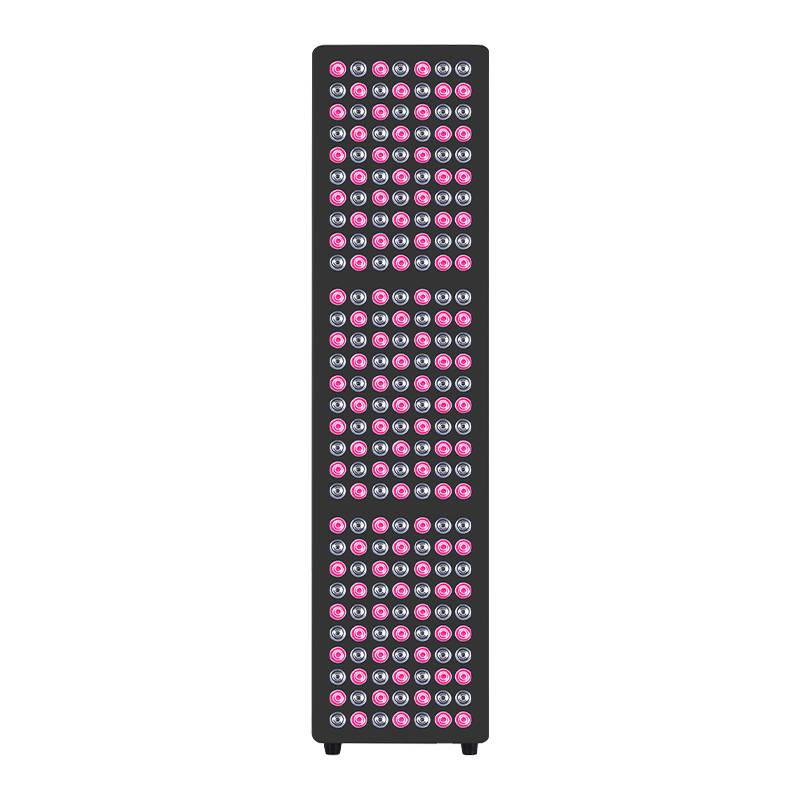
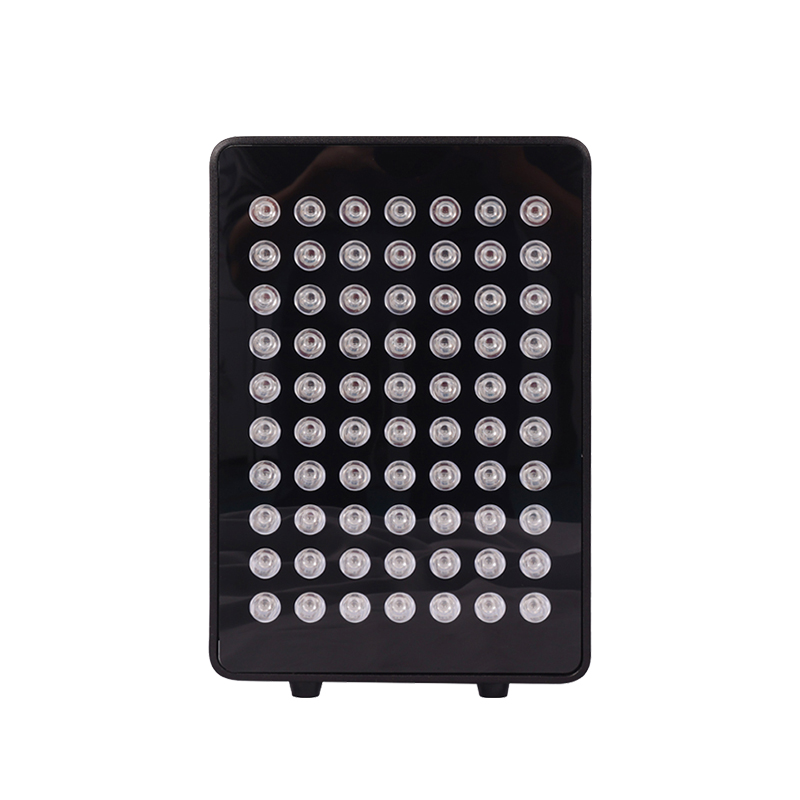
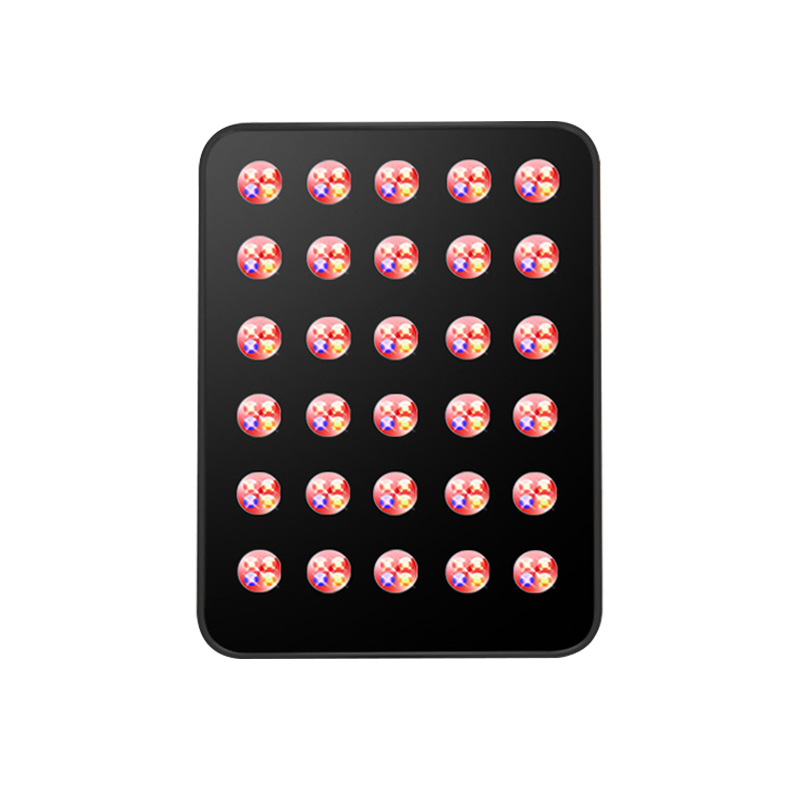
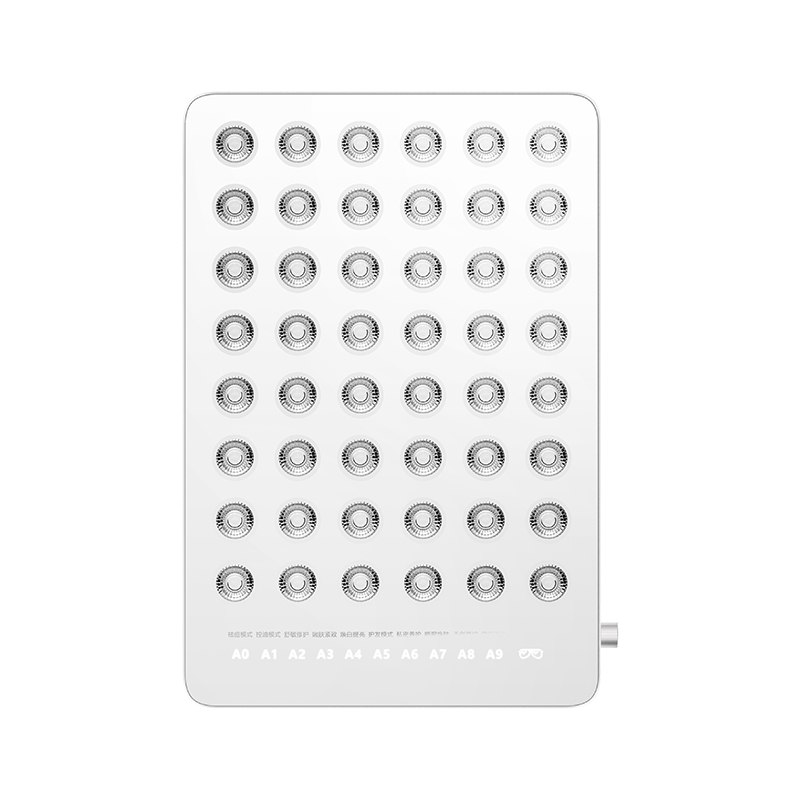
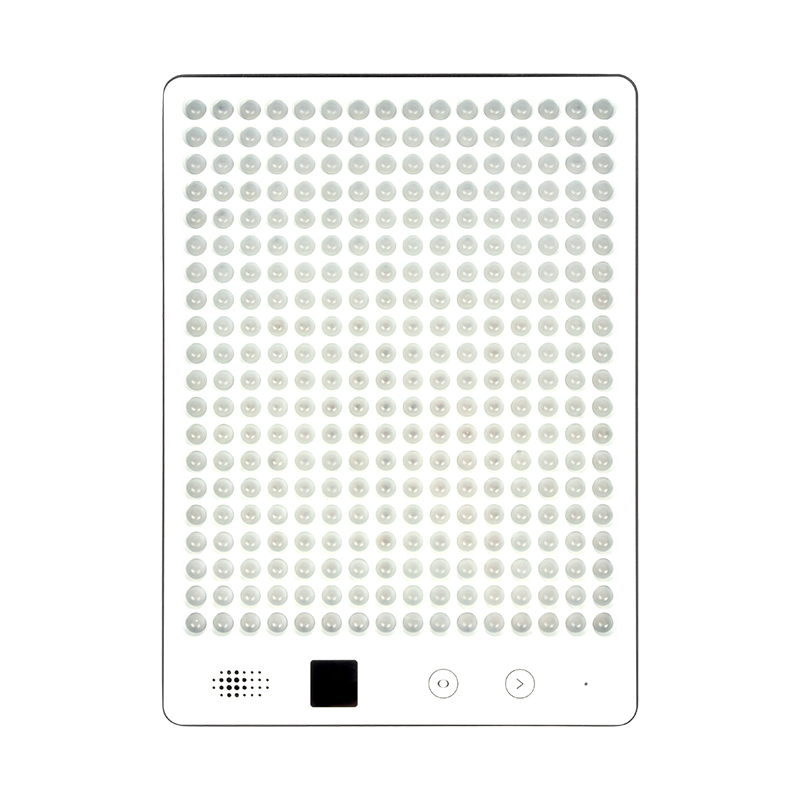
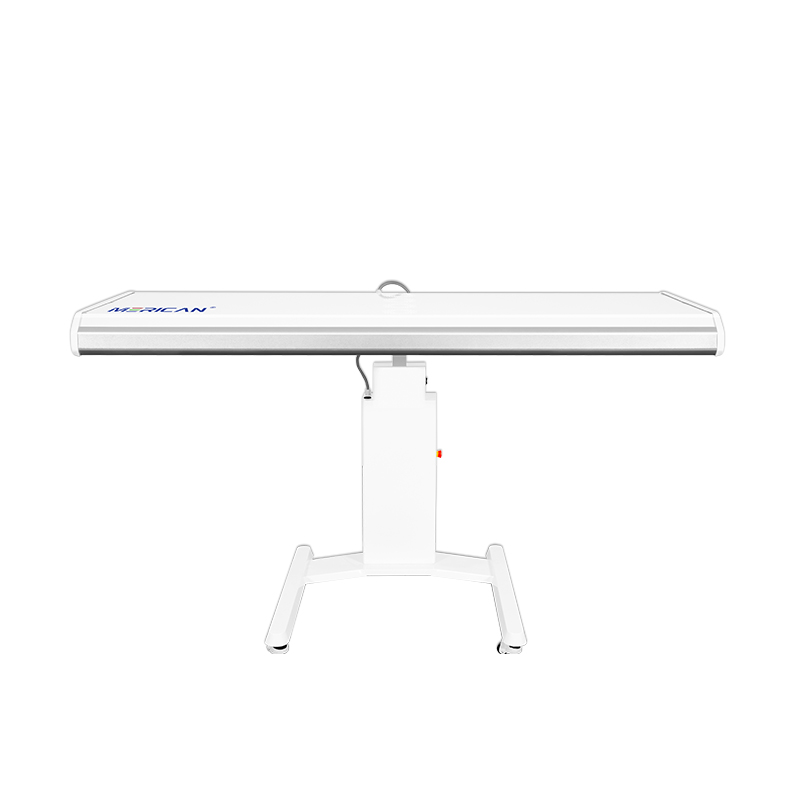
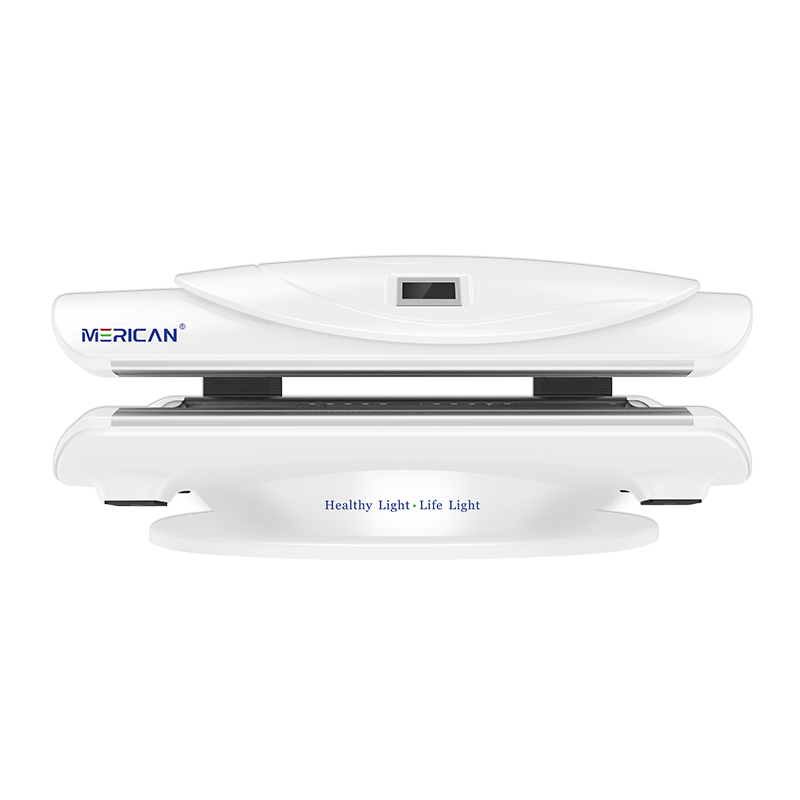
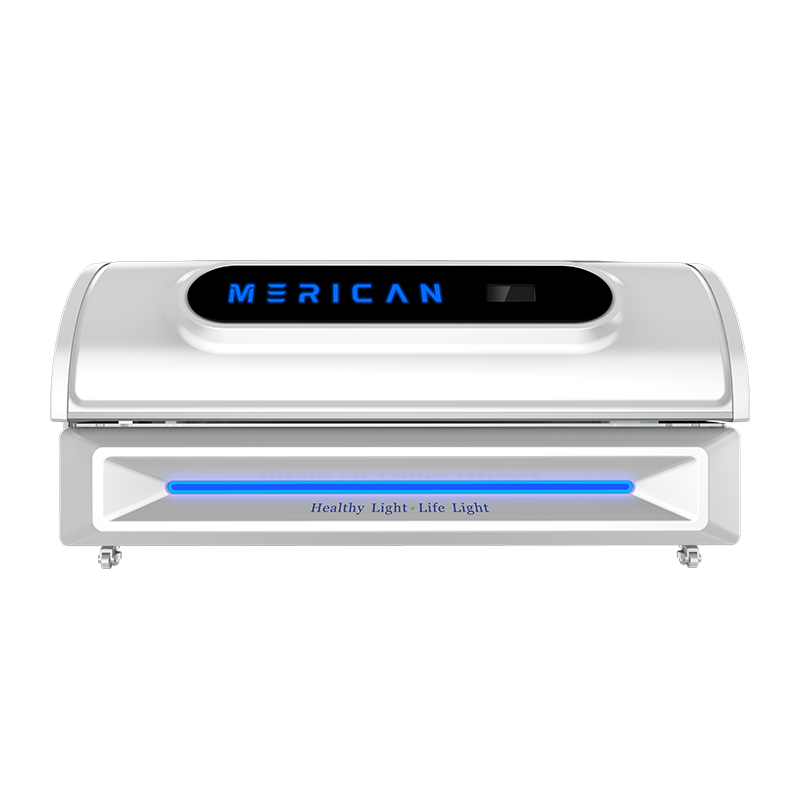
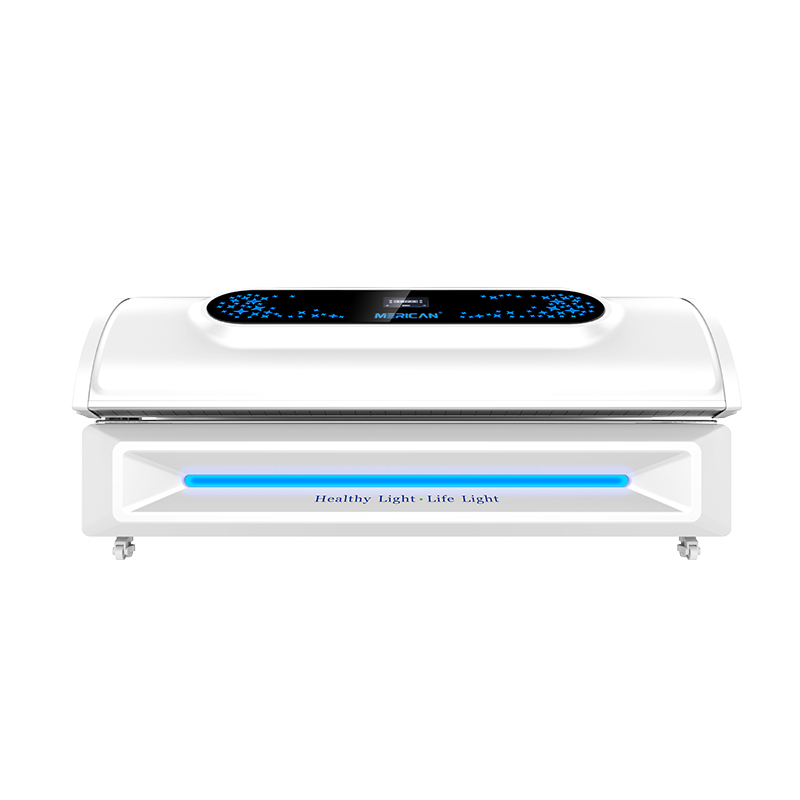
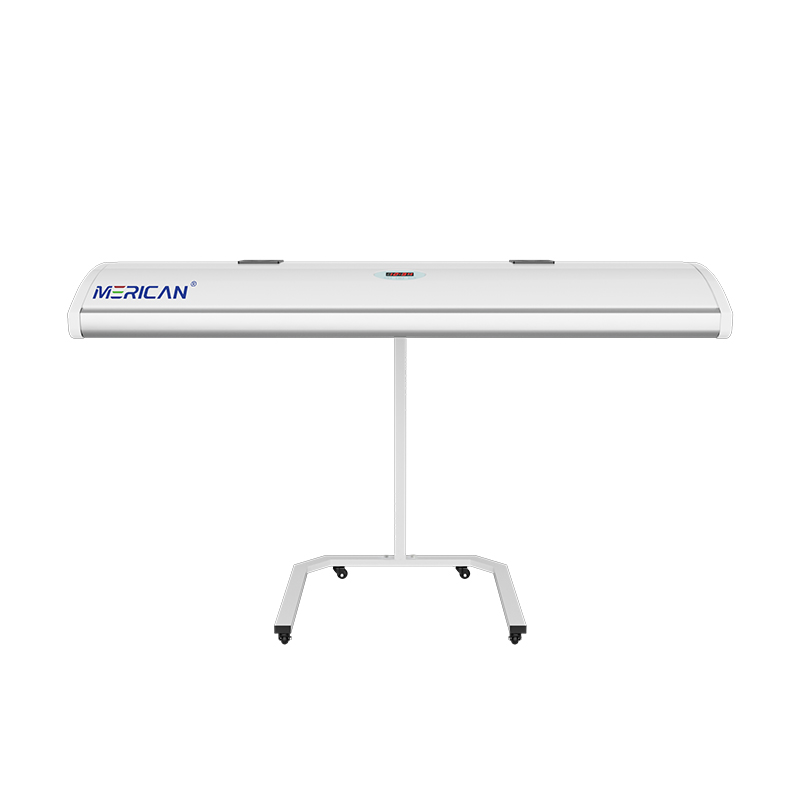
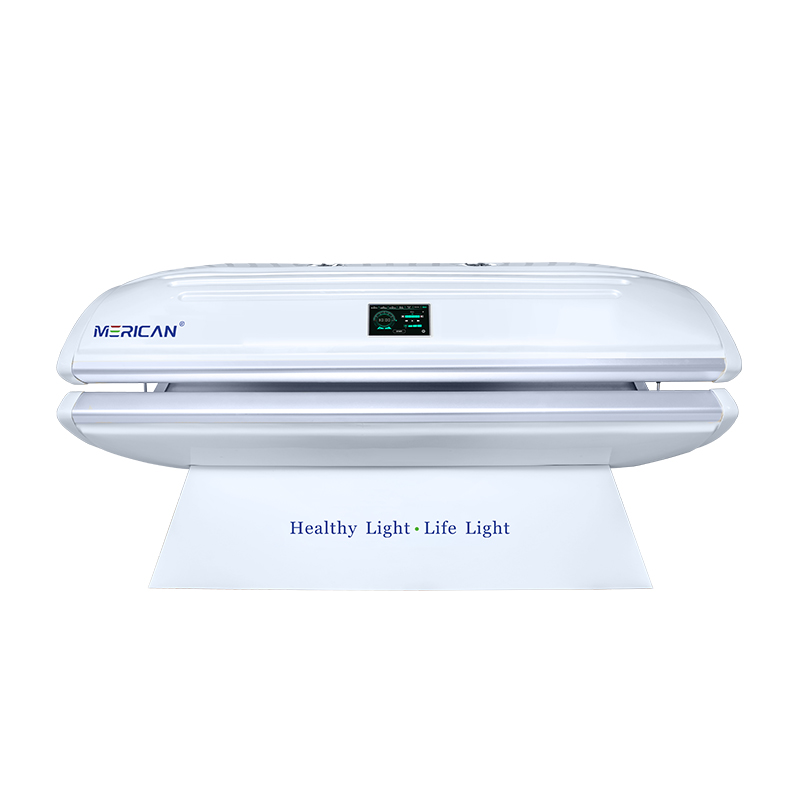
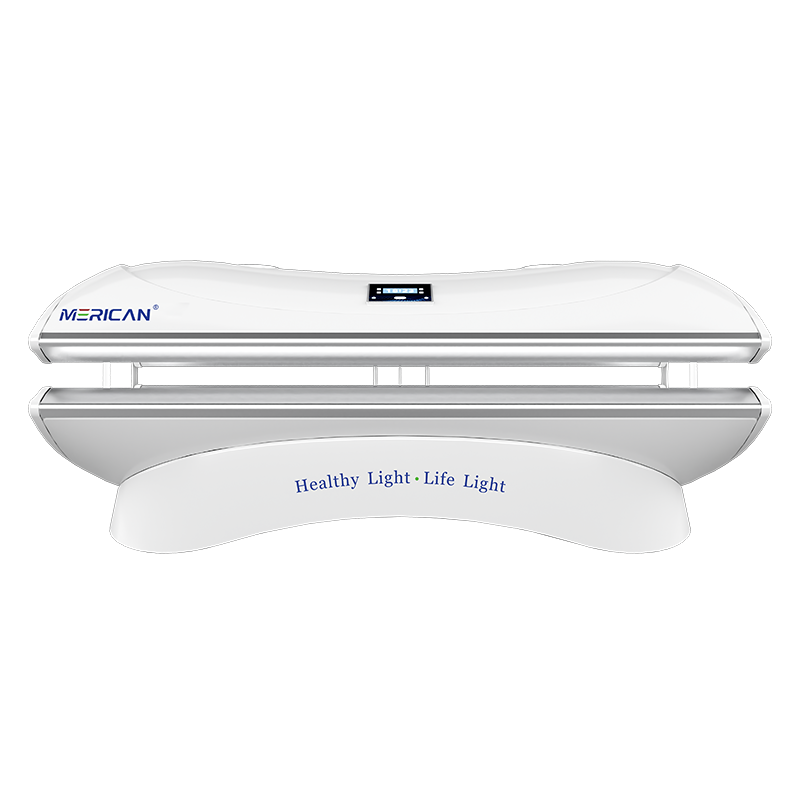
A therapy rama whero-tinana katoa (RLT) machine is a device that emits whero me te tata-infrared (NIR) marama (te tikanga i roto i te awhe 600–850 nm) ki te whakaongaonga i te hanga pūngao pūtau (ATP), whakaiti i te mumura, whakarei tohanga, me te whakatairanga i te whakatikatika kiko. These machines are used for hauora kiri, whakaora uaua, mamae mamae, anti-pakeke, me te oranga katoa.
Key Features to Consider
✅Nga roangaru – Look for660 nm (whero) + 850 nm (NIR) for deep tissue benefits.
✅Kiatotanga Mana (mW/cm²) – Higher = more effective (50–200 mW/cm² is ideal).
✅Te Rohe Kapi – Full-body machines should beat least 6–7 feet tall for complete exposure.
✅Pulsed vs. Continuous Light – Some devices offerpulsed modes for deeper penetration.
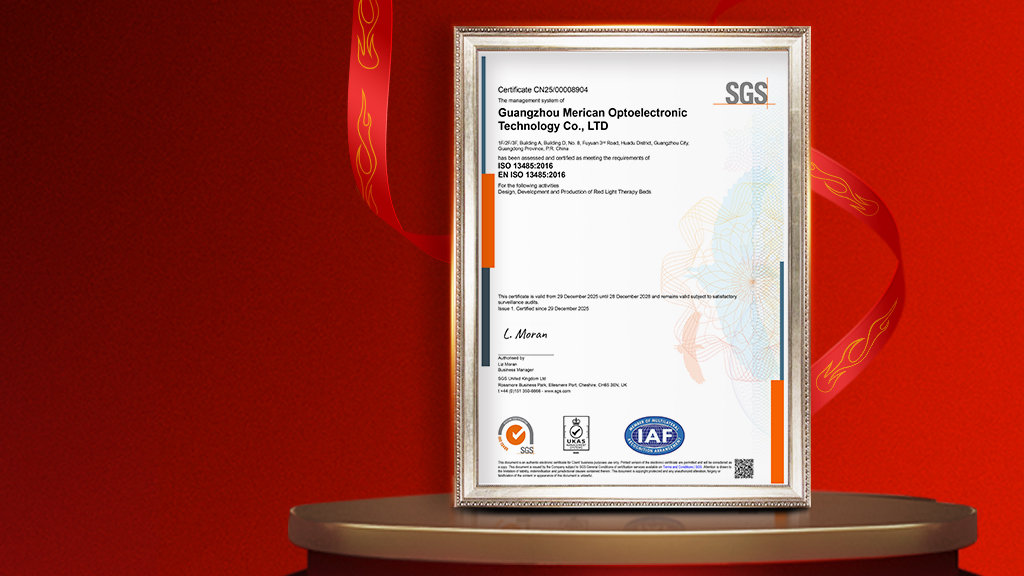
✅Safety Certifications – FDA-cleared or EMF-safe models are preferable.
✅Matawā & Adjustability – Sessions typically last10–20 min; adjustable settings help customize treatment.
Benefits of Full-Body Red Light Therapy
- Hauora Kiri → Collagen production, acne reduction, whakaora patunga.
- Whakamamae → Reduces joint/muscle pain (rewharewha, fibromyalgia).
- Whakaora & Mahi → Speaks up muscle repair, ka whakaiti i te mamae.
- Anti-Aging → Minimizes wrinkles, whakapai ake i te kiri kiri.
- Moe mai & Te huru → Boosts melatonin, may help with circadian rhythm.
How to Use a Full-Body RLT Machine?
Stand or lie down 6–12 inches from the panel (follow manufacturer’s guidelines).
Expose skin directly (clothing blocks light) or wear minimal clothing.
Wā wātū: 10–20 min, 3–5 wa ia wiki.
Protect eyes – Wear goggles if needed (NIR can penetrate eyelids).
Nga Painga taha pea & Haumaru
Ko te tikanga haumaru, but overuse may cause eye strain, te whero ngawari, maroke ranei.
Avoid if pregnant, have photosensitivity, or active cancer (consult a doctor).
No UV exposure (unlike tanning beds).