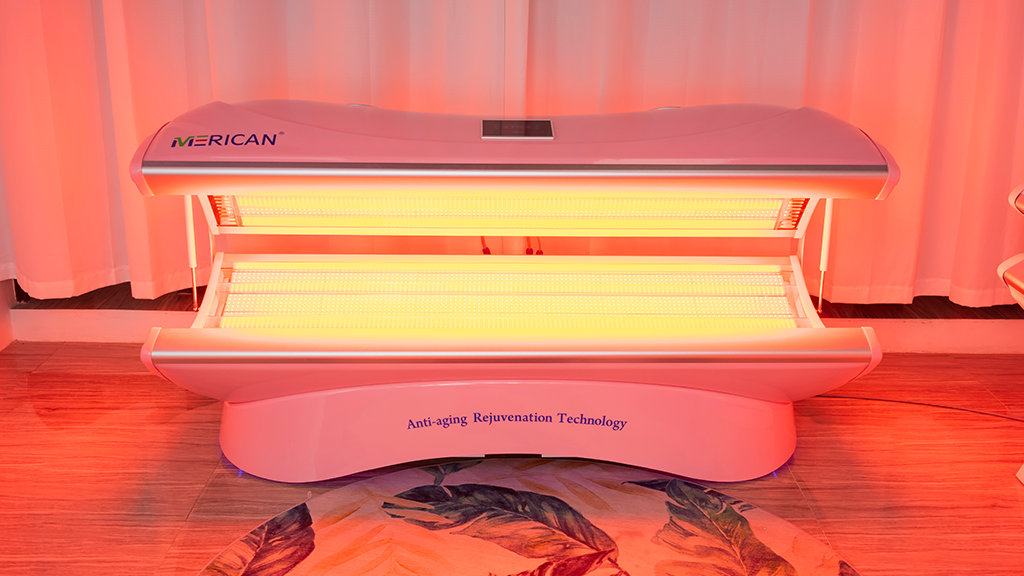
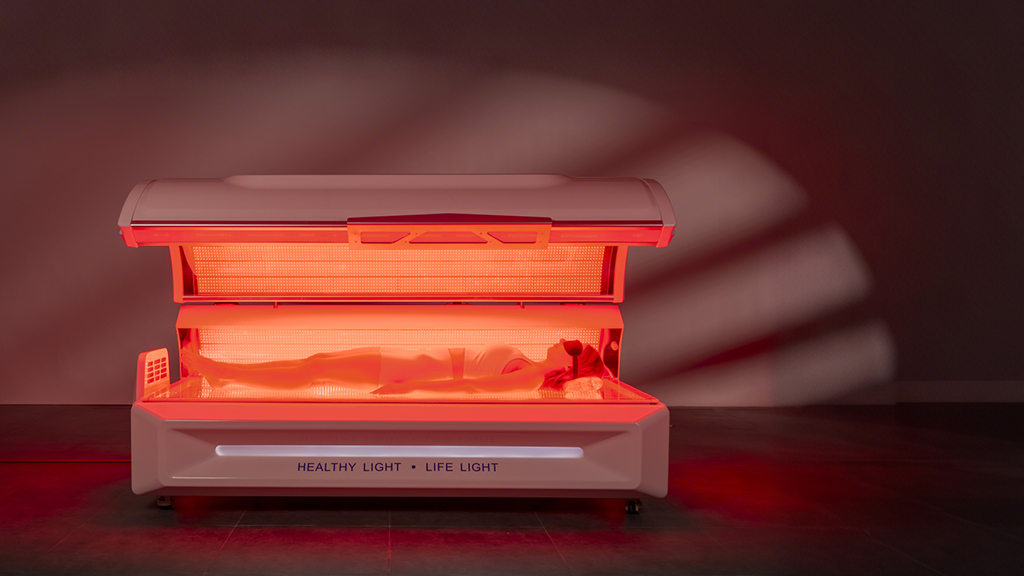
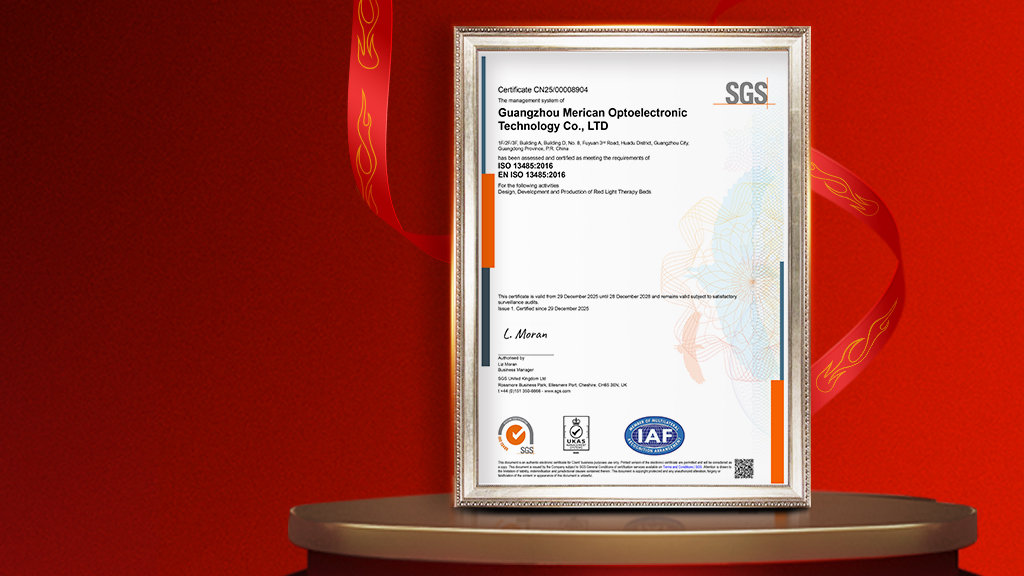
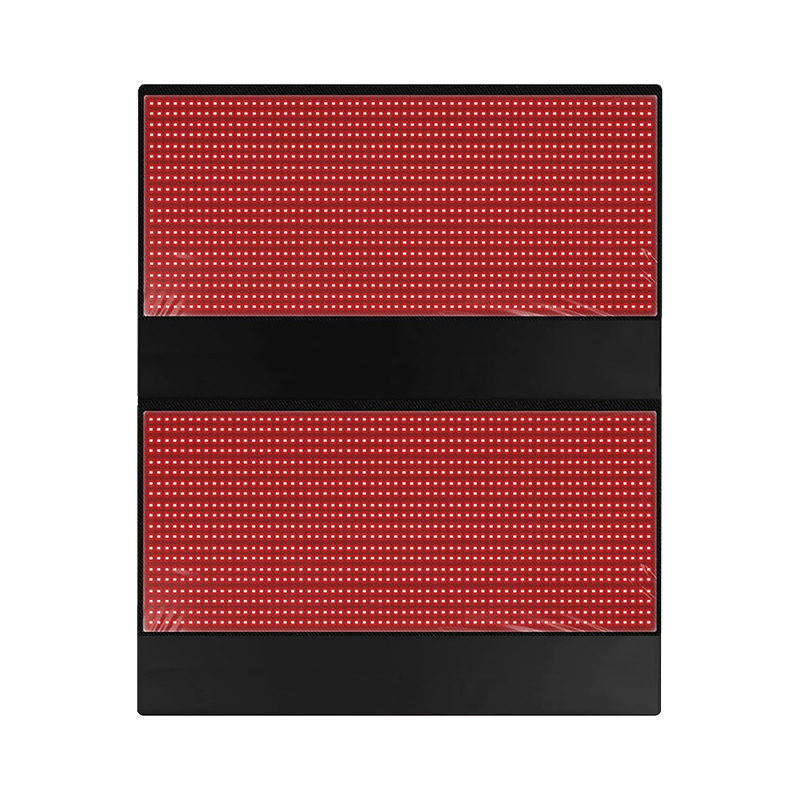
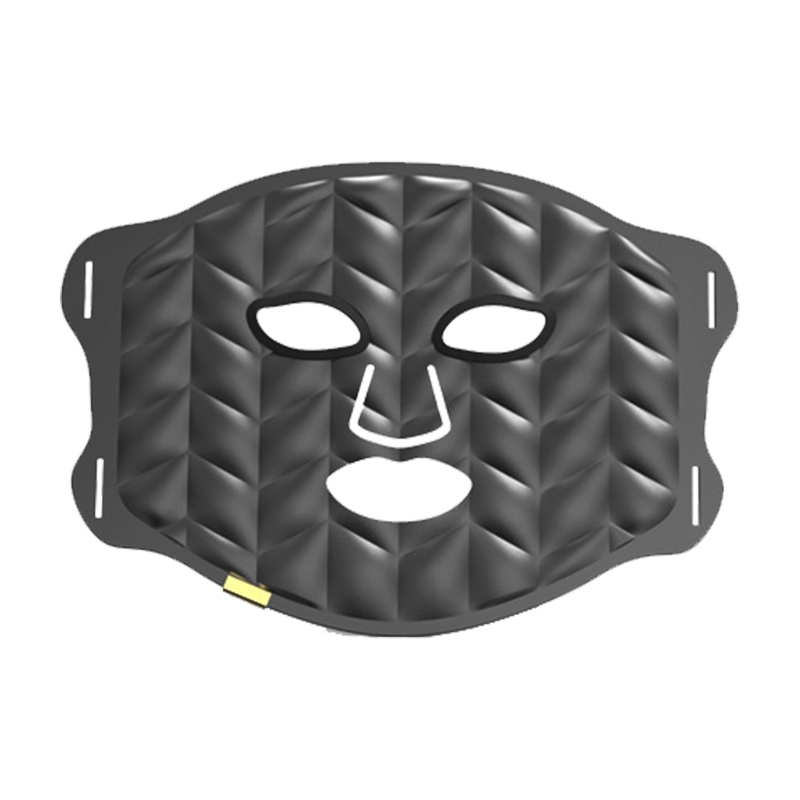
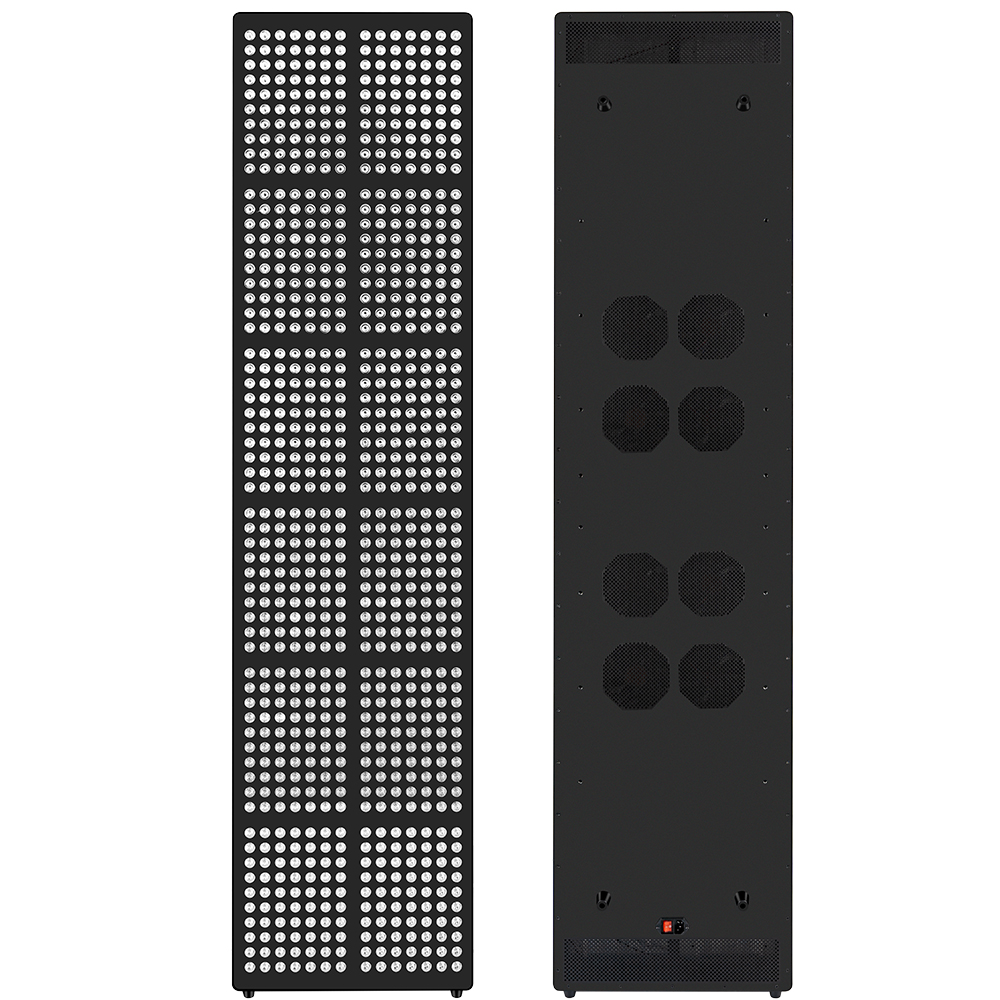
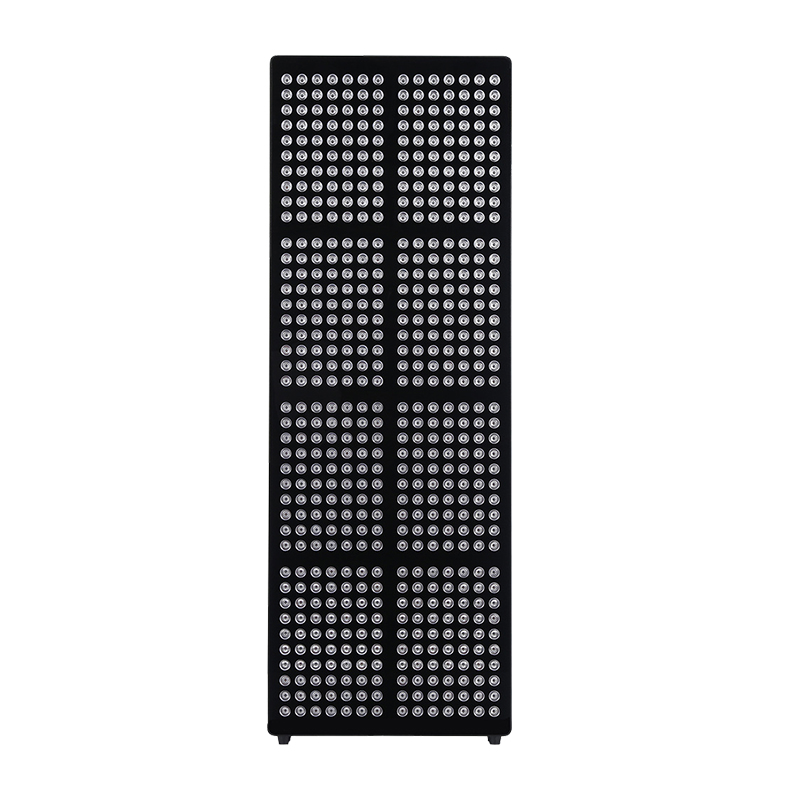
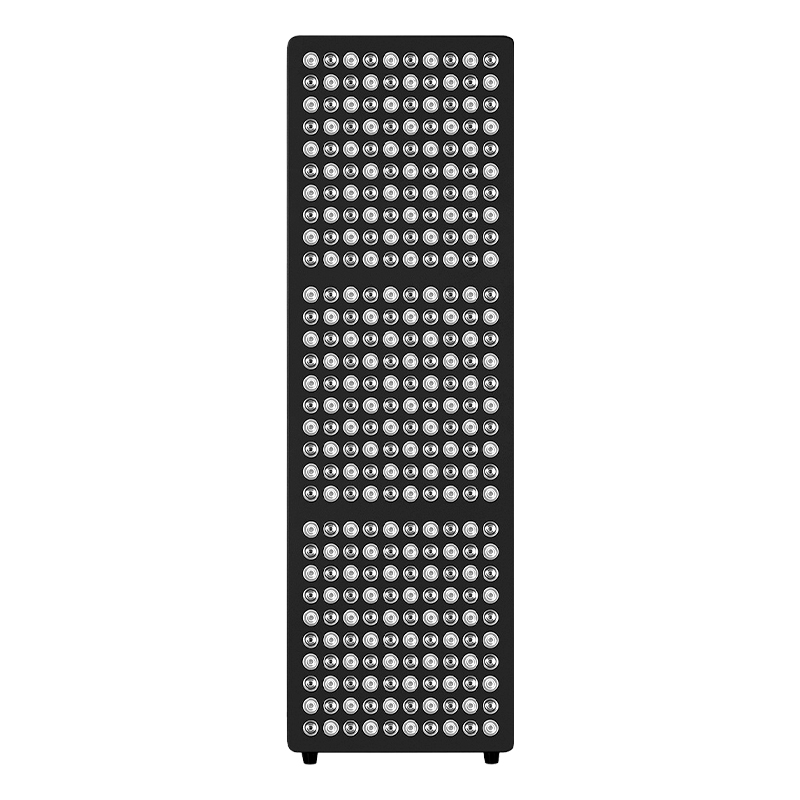
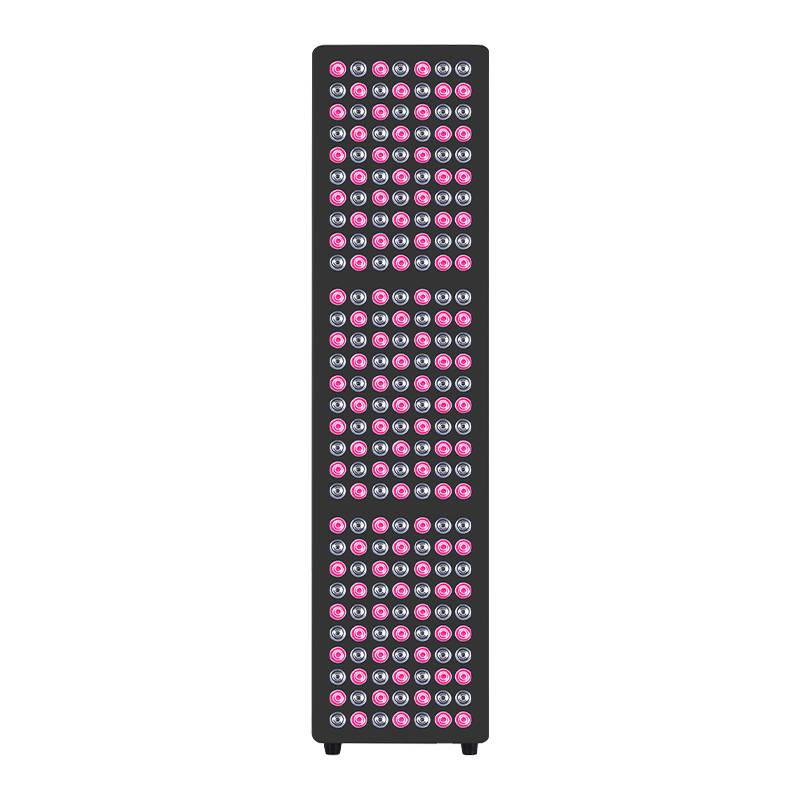
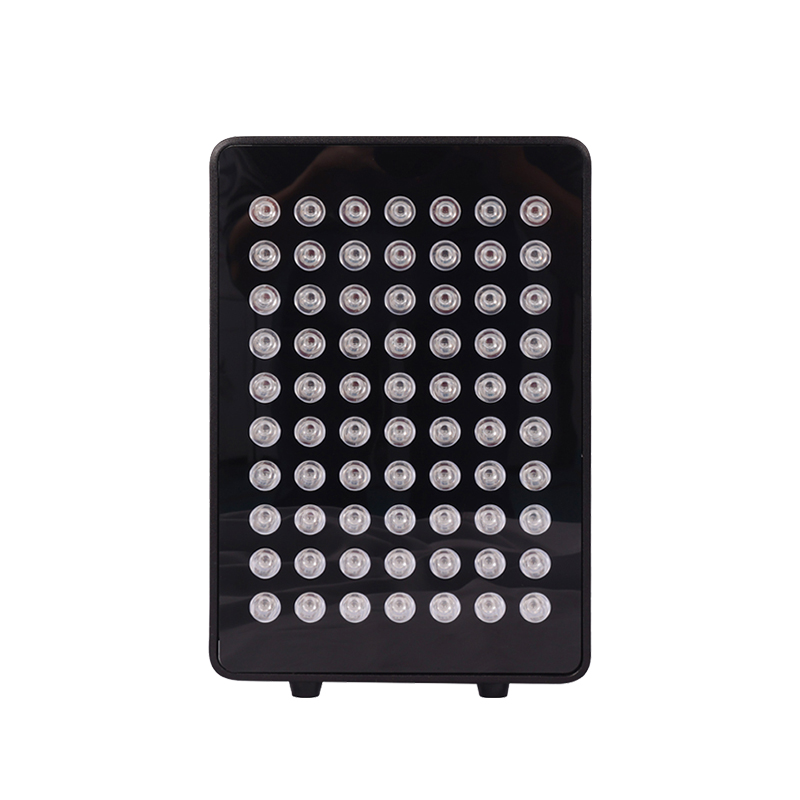
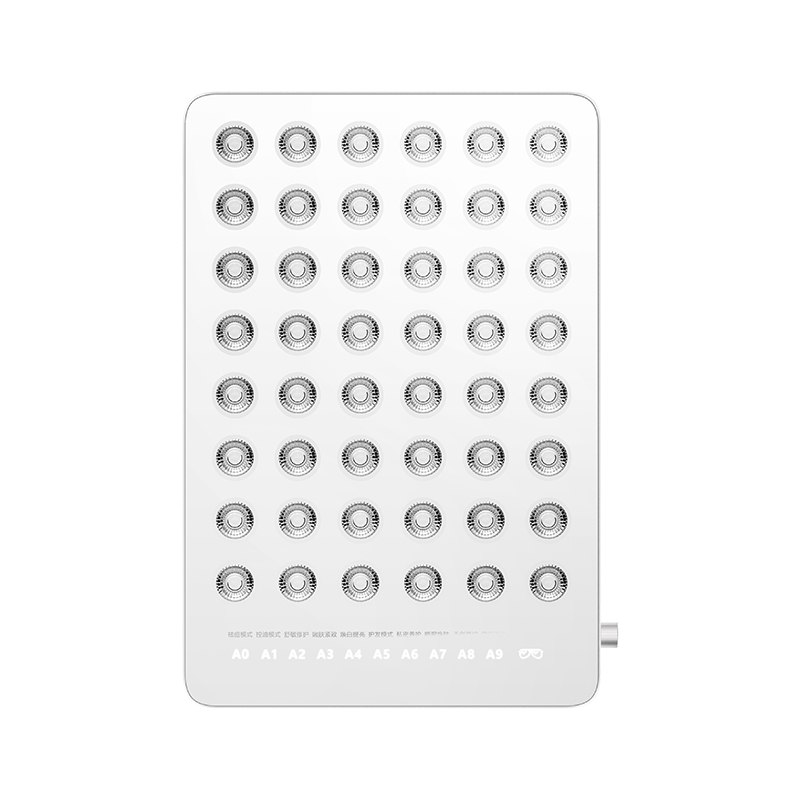
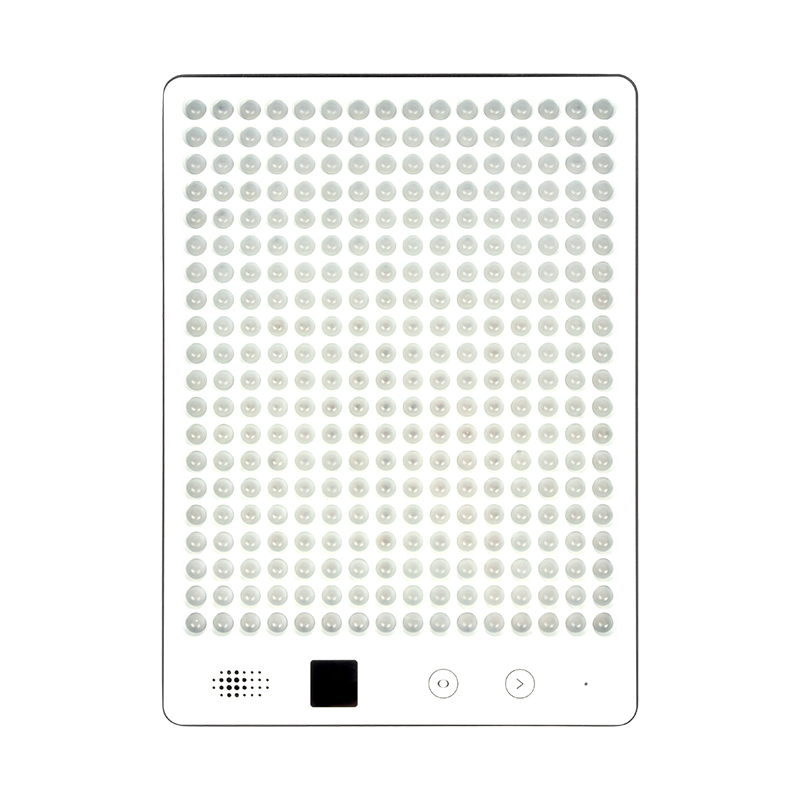
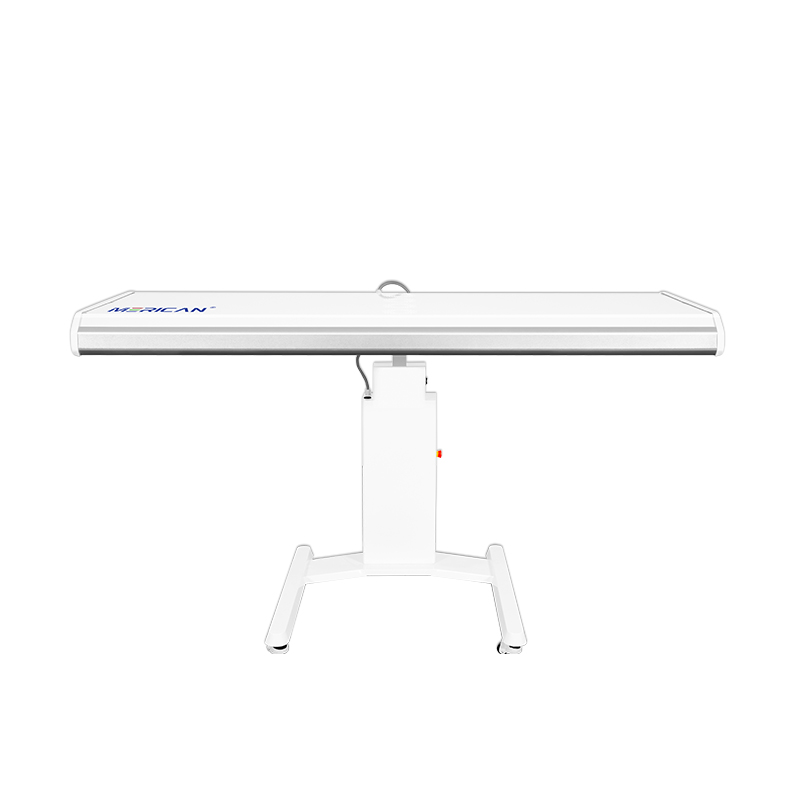
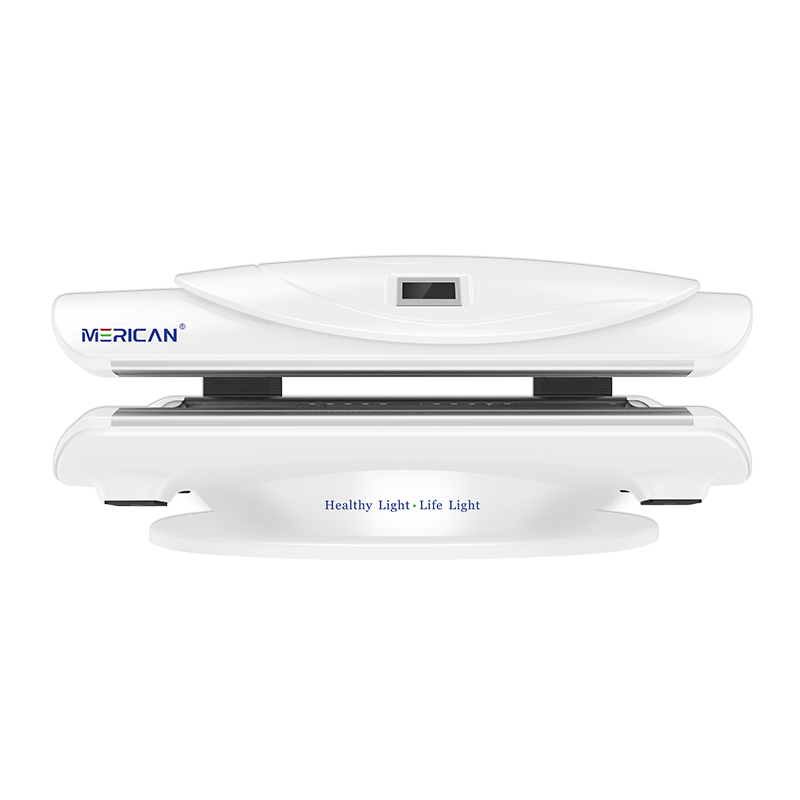
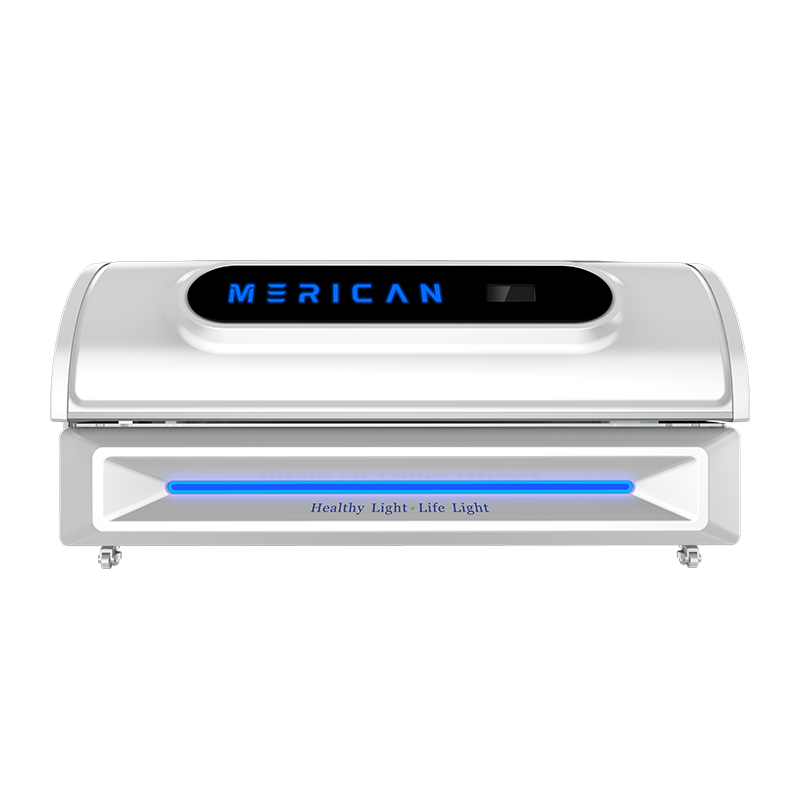
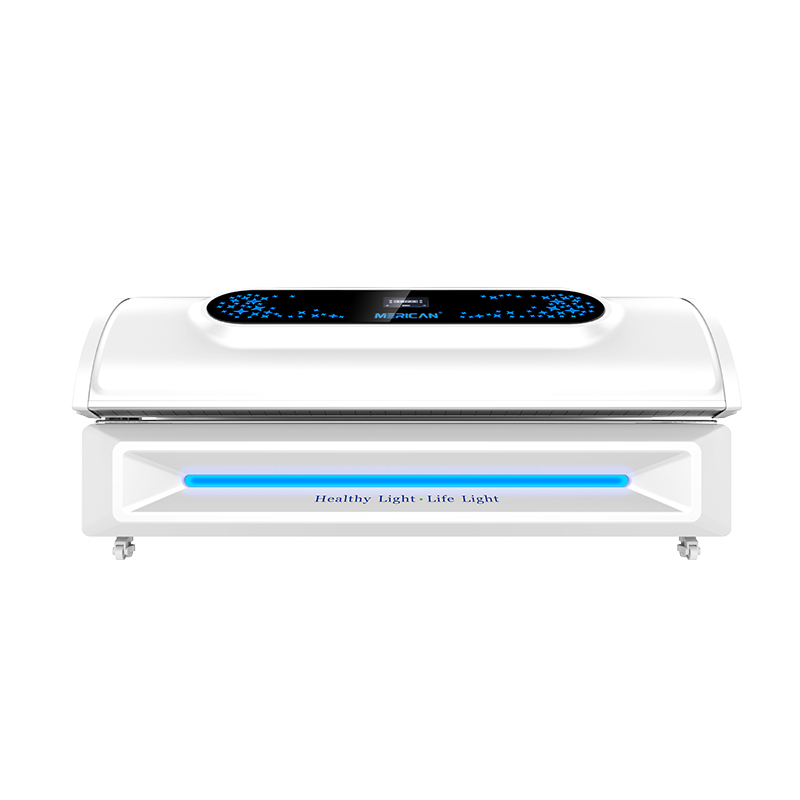
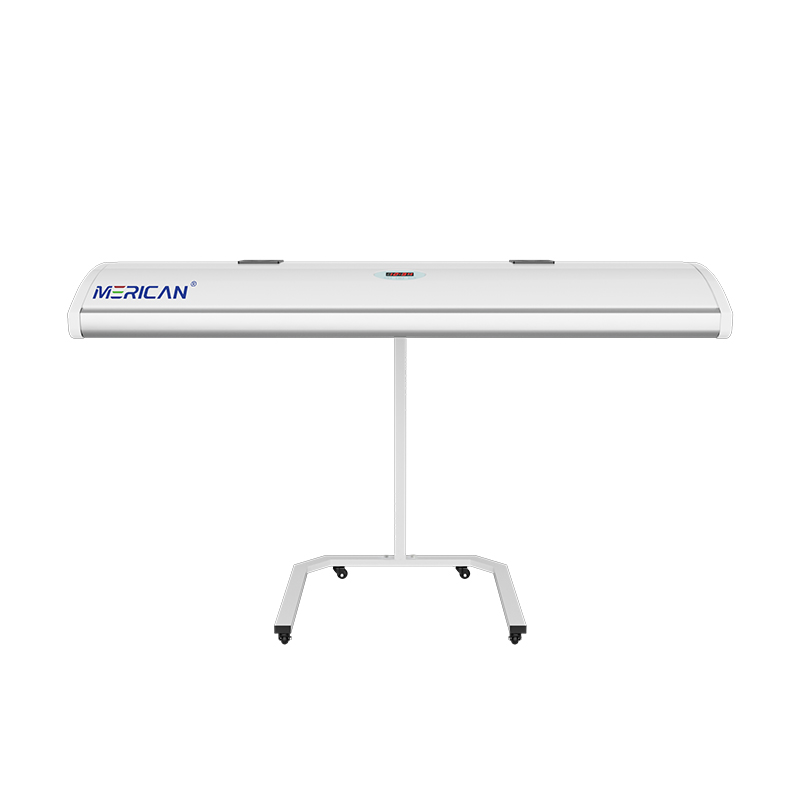
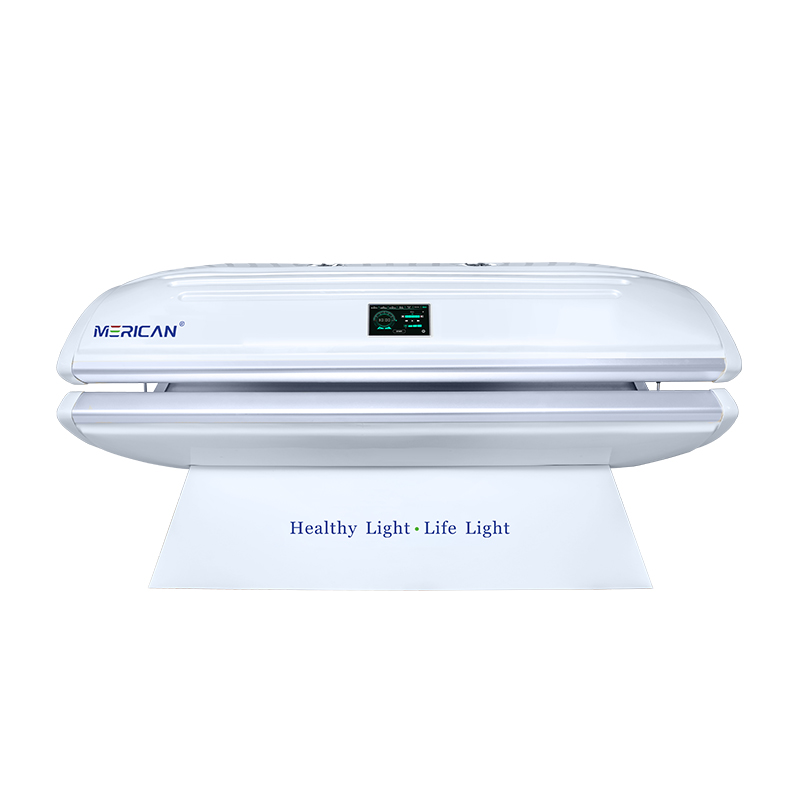
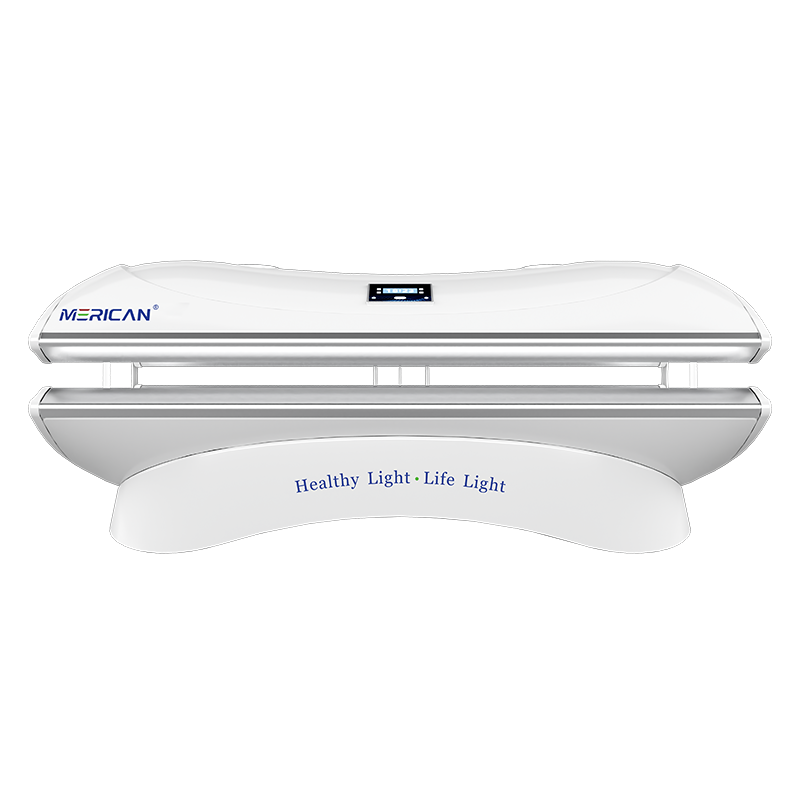
Te rongoa rama whero (RLT), e mohiotia ana ko te photobiomodulation, whakamahi specific wavelengths of visible red and near-infrared (NIR) marama to support cellular function and tissue repair. Kaore i rite ki te rama UV, e kino ai nga pūtau kiri, Ko te whakamaarama rama whero e mahi ana i nga roangaru katoo-kore e rangahaua whanuitia ana mo o raatau paanga koiora.
1. The Core Light Types Used in Red Light Therapy
Red light therapy primarily relies on two types of light:
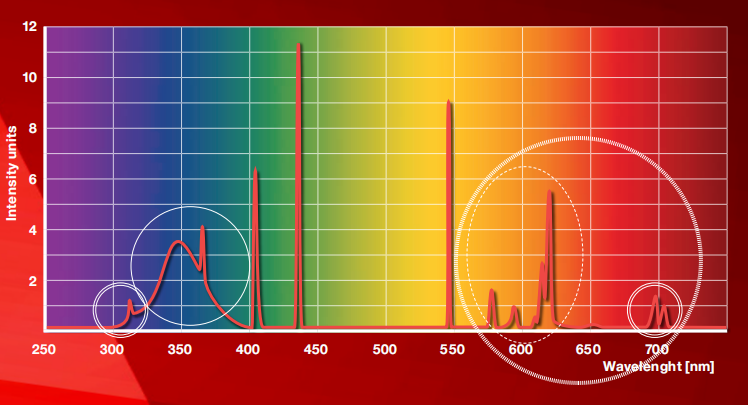
- Maama Whero (Visible Spectrum): 620–660 nm
This wavelength range penetrates the skin’s surface layers and is commonly associated with:- Te whakahou kiri
- Whakatairanga Collagen
- Reduction of fine lines and wrinkles
- Maama-Pokarere Tata (Invisible Spectrum): 810–880 nm
Near-infrared light penetrates deeper into muscles, hononga, and connective tissues, e tika ana mo:- Te whakaora uaua
- Te mamae mamae tahi
- Improved circulation and inflammation modulation
These wavelengths are carefully selected because they align with the absorption peaks of mitochondrial chromophores, ina koa te cytochrome c oxidase.
2. How Red and Near-Infrared Light Work at the Cellular Level
When red or near-infrared light reaches the cells, it helps stimulate mitochondrial activity. Ka taea e tenei tukanga:
- Increase ATP (pūngao pūtau) hangahanga
- Improve oxygen utilization
- Tautoko i nga tukanga whakatikatika kikokiko taiao
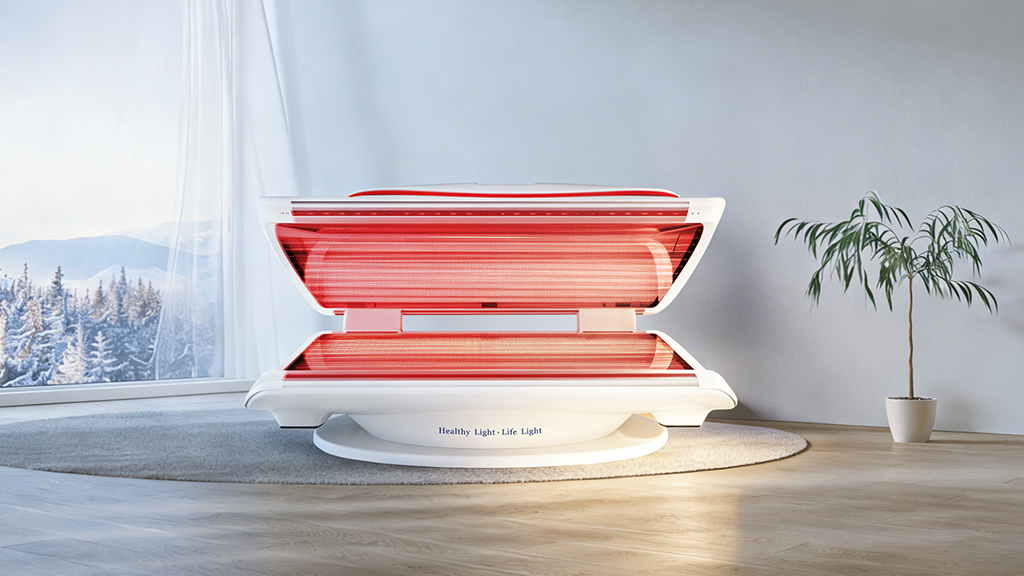
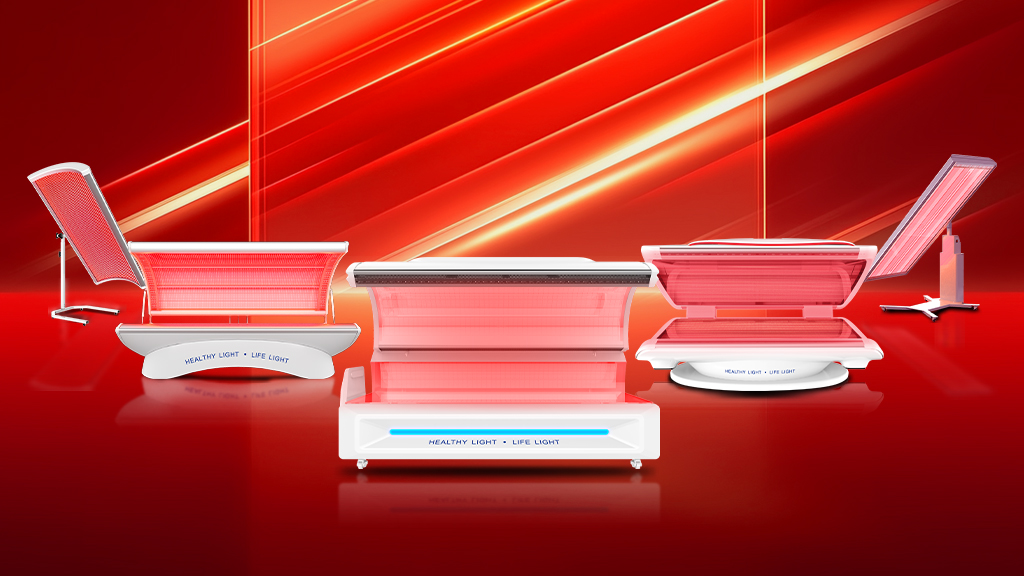
Ko tenei tikanga e whakamarama ana he aha i whakamahia ai te rongoa rama whero i roto i nga mea e rua nga whakaritenga hauora me te oranga, tae atu ki nga whare hauora tinana, mahi dermatology, me nga moenga whakamaarama rama whero ngaio.
3. Whakamarama Whero Whero vs. Ētahi atu momo Marama
| Momo Maama | Te roangaru | Pānga Koiora |
|---|---|---|
| Maama UV | 100–400 nm | Ka kino te DNA me te kiri |
| Marama kahurangi | 400–500 nm | Ka pa te manawataki circadian, huakita hakihaki |
| Maama Whero | 620–660 nm | kiri & tautoko pūtau |
| Maama-Pokarere Tata | 810–880 nm | Te whakaora kiko hohonu |
Kaore i rite ki nga moenga tarau UV, Ko te whakamaarama rama whero kaore e whakawhirinaki ki te rauropi e whakapouri ana i te kiri he kino whakaahua ranei.
4. He aha te take o te tika o te roangaru
Ka whakamahia nga taputapu whakamaarama rama whero-maamaa te whakahaere tika i nga roangaru me nga taumata ira. Ko nga moenga whakamaarama rama whero-a-tinana ngaio e tuku ana i te kaapu kaha ake i nga taputapu kaainga iti, ina koa mo te oranga tinana katoa, mo nga kaupapa whakaora ranei.
Whakamutunga
Ka whakamahia te whakamaarama rama whero marama whero me te tata-infrared ka kitea, i ata whiriwhiria mo to raatau kaha ki te taunekeneke me nga punaha pūngao pūtau. Ko tana kore-UV, Ko te taiao kore-waiariki te mea e kiia ana he rongoa haumaru me te whai hua i runga i te rama ina whakamahia tika.