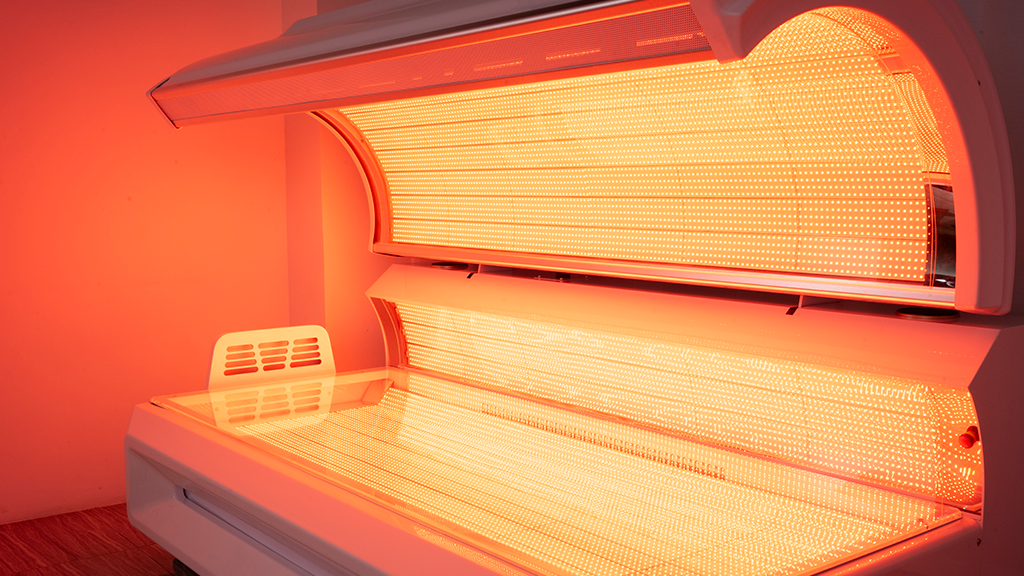
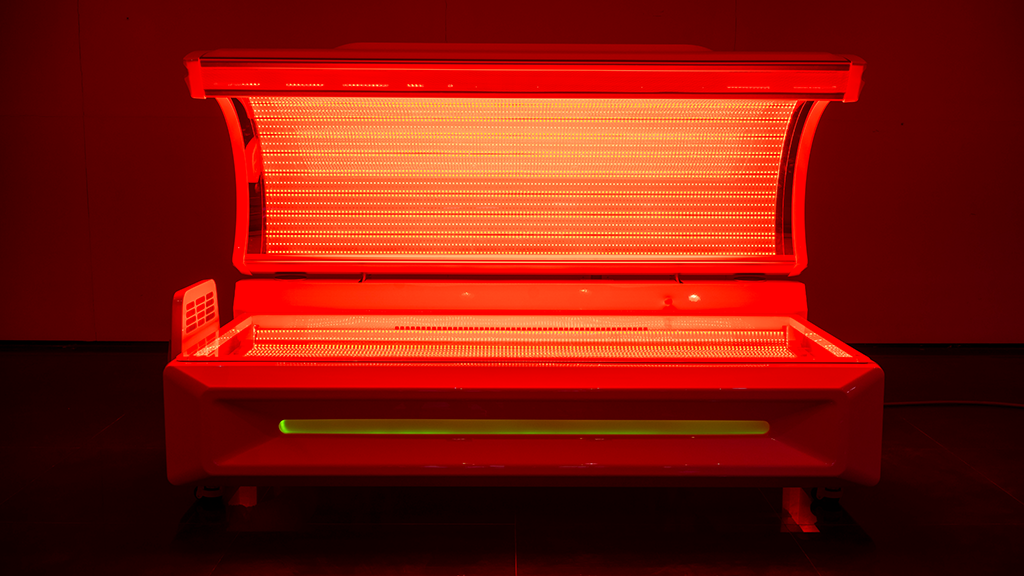
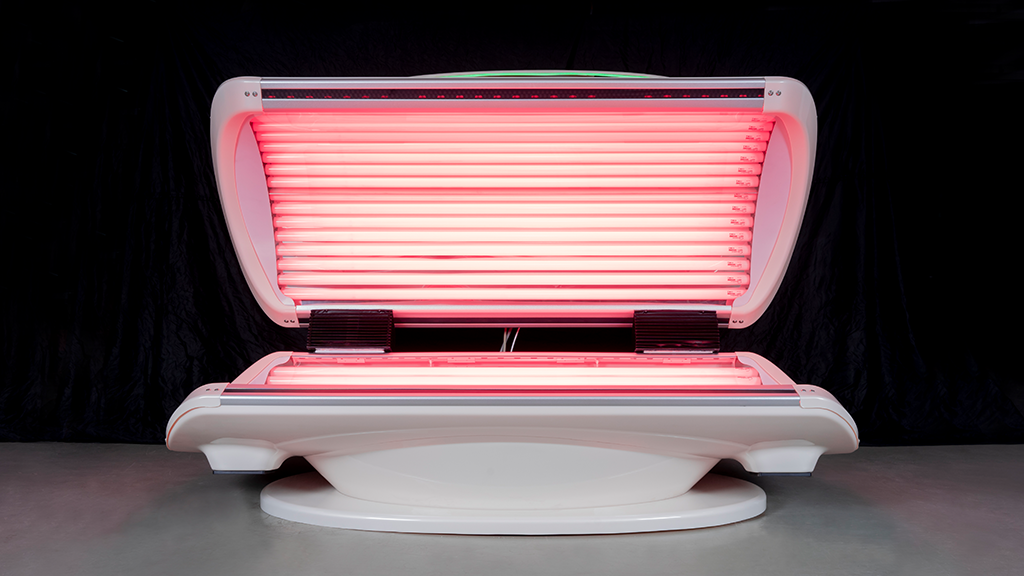
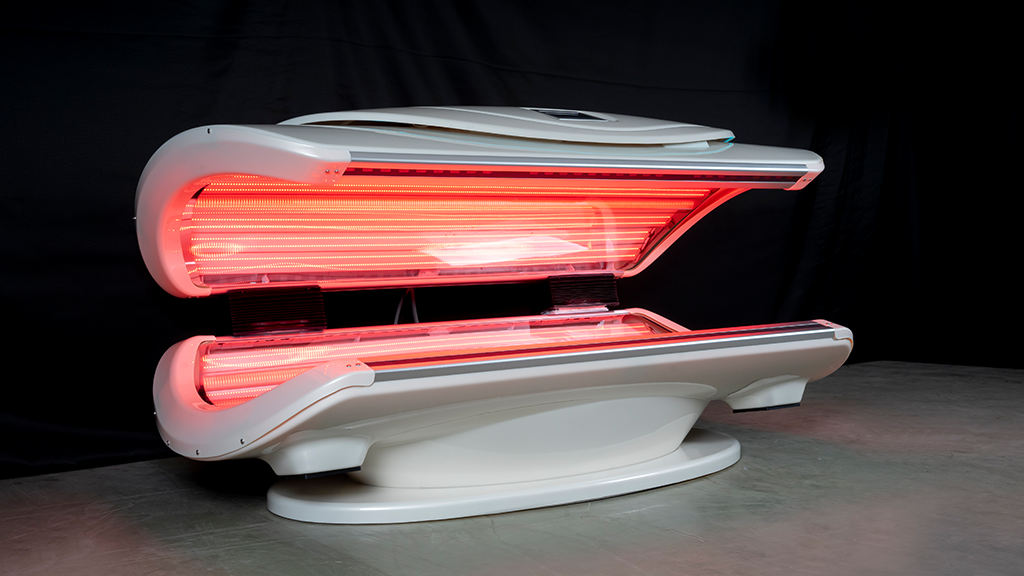
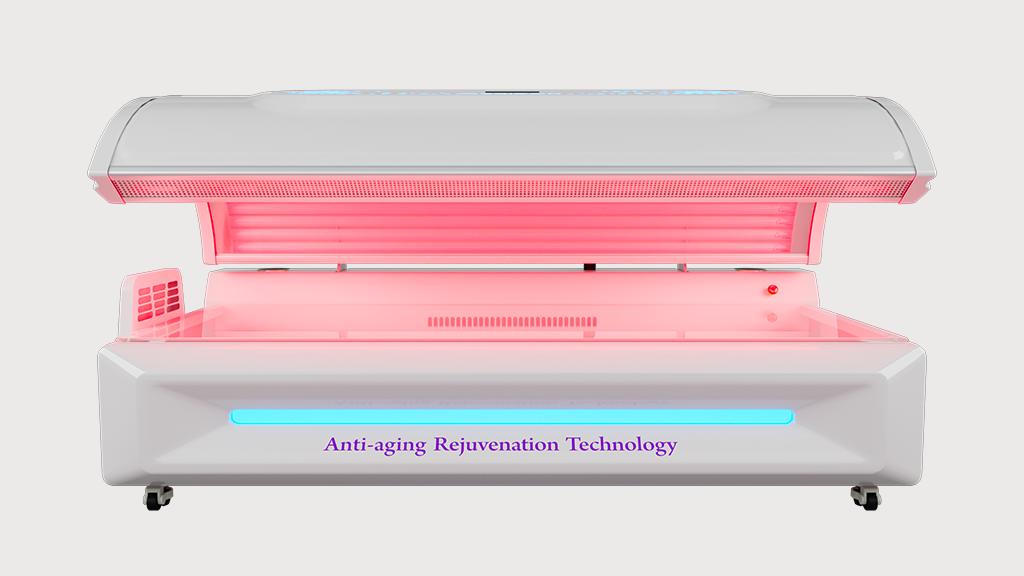
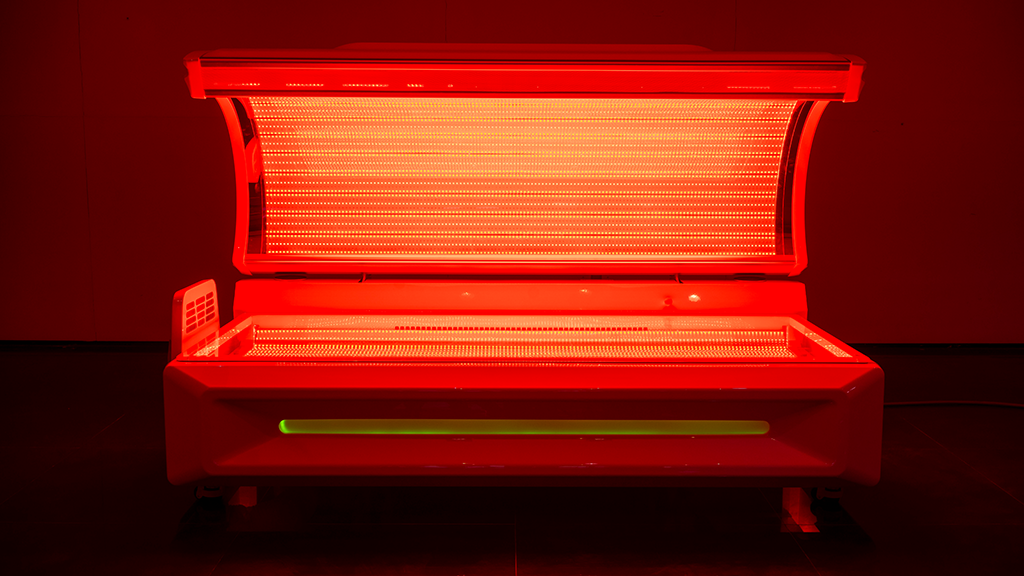
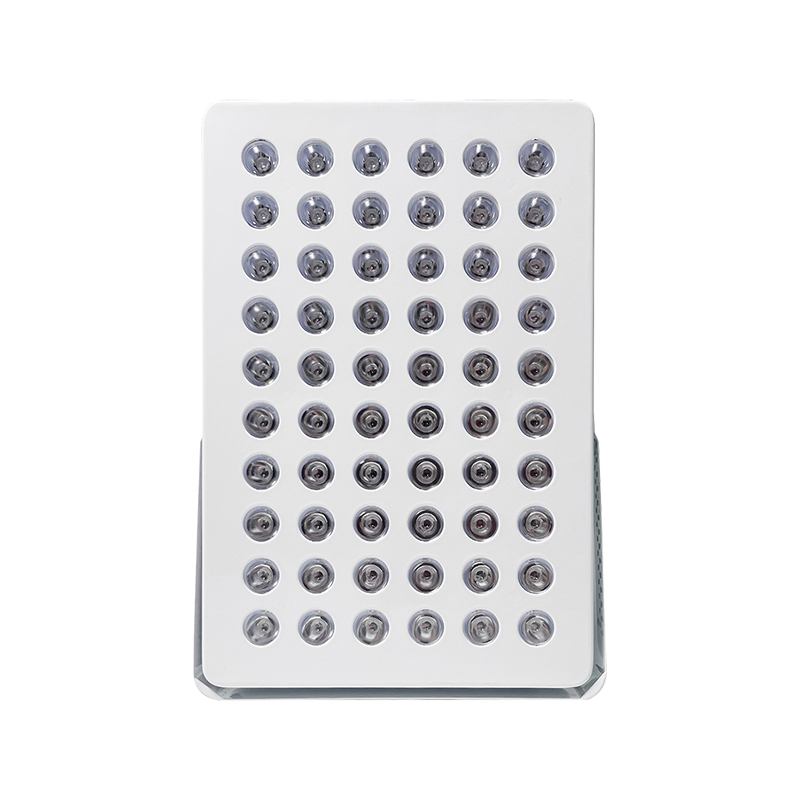
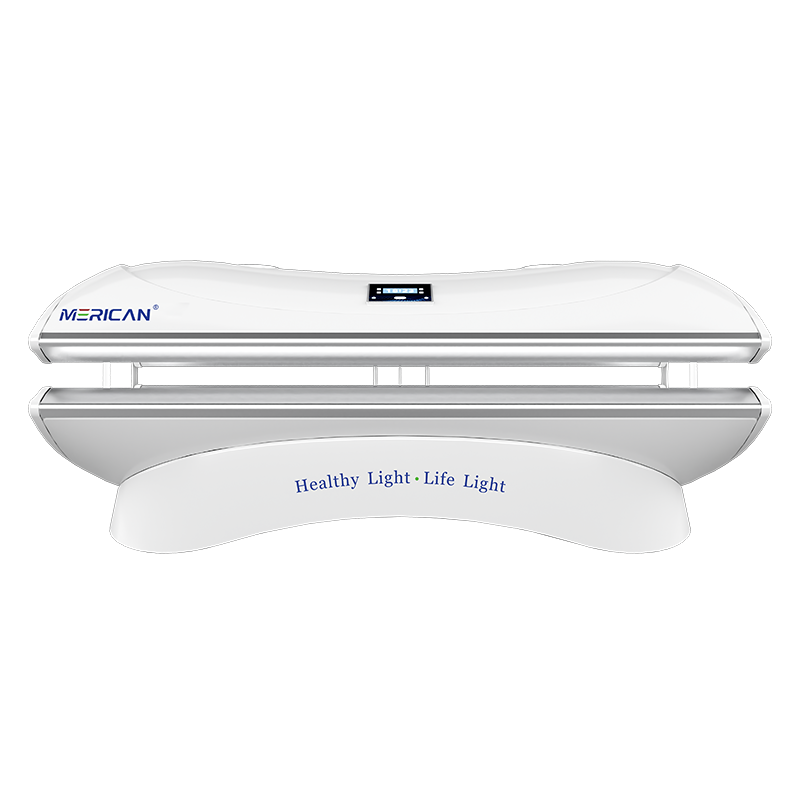
Living with Systemic Lupus Erythematosus often means managing chronic inflammation, ألم المفاصل, وحساسية الجلد. As non-invasive therapies gain attention, some patients are exploring whether red light therapy could offer relief.
But can it actually help—and is it worth the risk?
Why Red Light Therapy Is Being Considered
Red light therapy is known for its ability to:
- تقليل الالتهاب
- تحسين الدورة الدموية
- دعم إصلاح الأنسجة
- Relieve joint and muscle discomfort
These benefits may seem relevant for lupus-related symptoms, particularly pain and inflammation.
Potential Benefits for Lupus Patients
While research is limited, some theoretical benefits include:
1. تأثيرات مضادة للالتهابات
Red light therapy may help regulate inflammatory pathways, potentially easing joint discomfort.
2. تخفيف الألم
It is often used for musculoskeletal pain, which may overlap with lupus-related joint issues.
3. Improved Skin Healing
For mild skin irritation (not active lesions), it may support recovery.
Important Limitations
Despite these potential benefits, there are critical limitations:
- It does not treat the underlying autoimmune condition
- It cannot replace medications or medical care
- Effects vary widely among individuals
حساسية للضوء: The Key Concern
The biggest concern for lupus patients remains حساسية للضوء. Even though red light does not contain UV radiation, some individuals may still experience:
- Increased redness
- Skin irritation
- Triggered flare-ups
This makes personalized assessment essential.
Who Might Consider It (With Caution)
Red light therapy may be cautiously considered if:
- Your lupus is stable and well-managed
- You do not have strong photosensitivity
- You are targeting non-skin symptoms (like joint discomfort)
- Your healthcare provider approves
How to Use It Safely
If approved by a doctor:
- ابدأ ب low-intensity exposure
- Limit sessions to 5– 10 دقائق
- Avoid direct use on sensitive or affected skin areas
- Space sessions to monitor reactions
When to Stop Immediately
Discontinue use if you notice:
- New rashes
- Increased redness or irritation
- Fatigue or systemic symptoms
الأفكار النهائية
Red light therapy may offer some supportive benefits for certain lupus-related symptoms, but it is not risk-free. Because lupus affects individuals differently, what works for one person may not work for another.
Careful monitoring, medical guidance, and a conservative approach are essential when considering any light-based therapy.