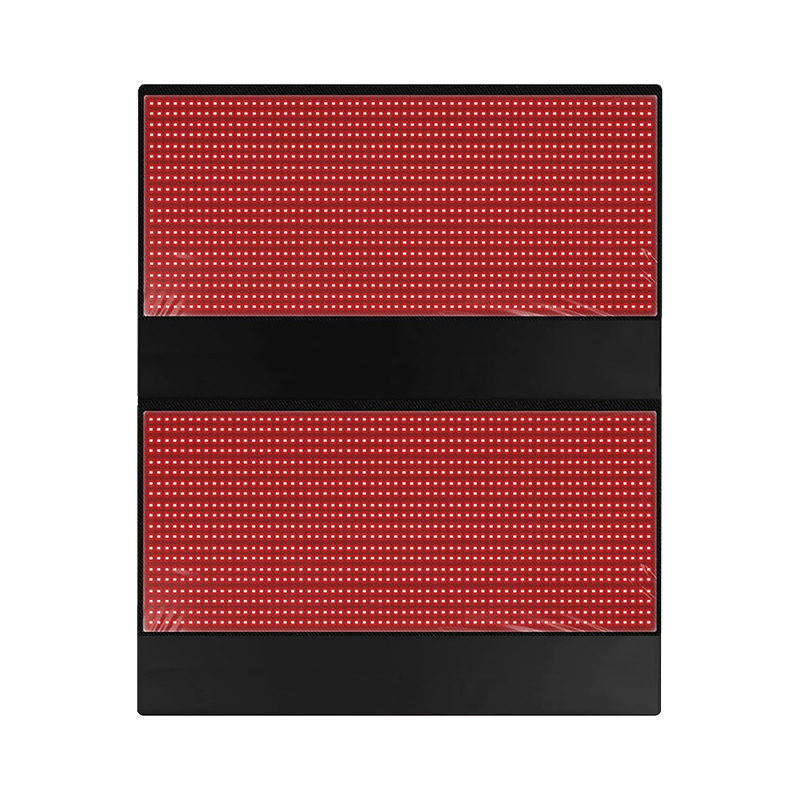
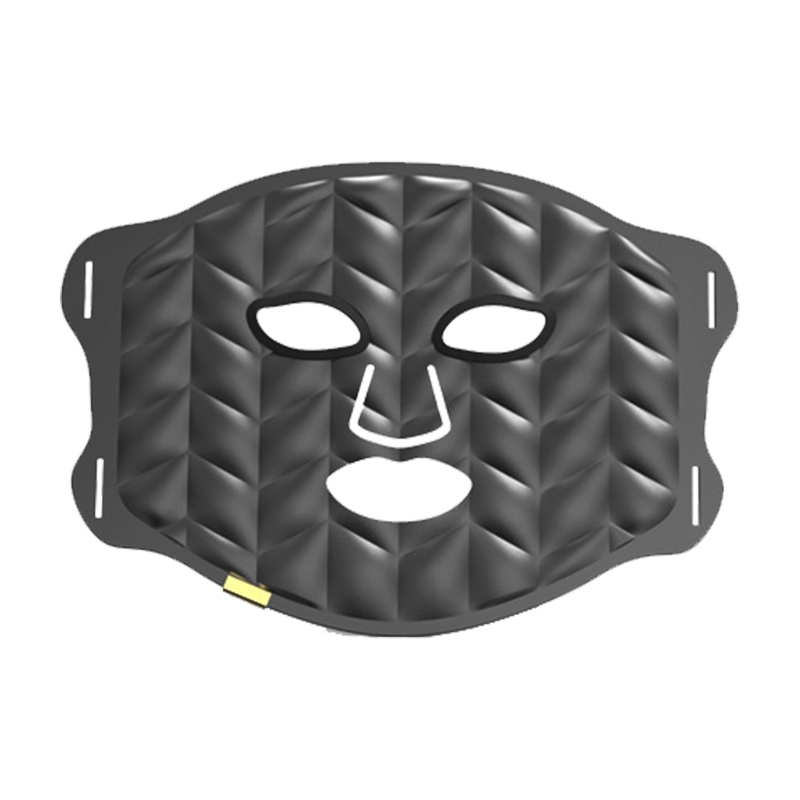
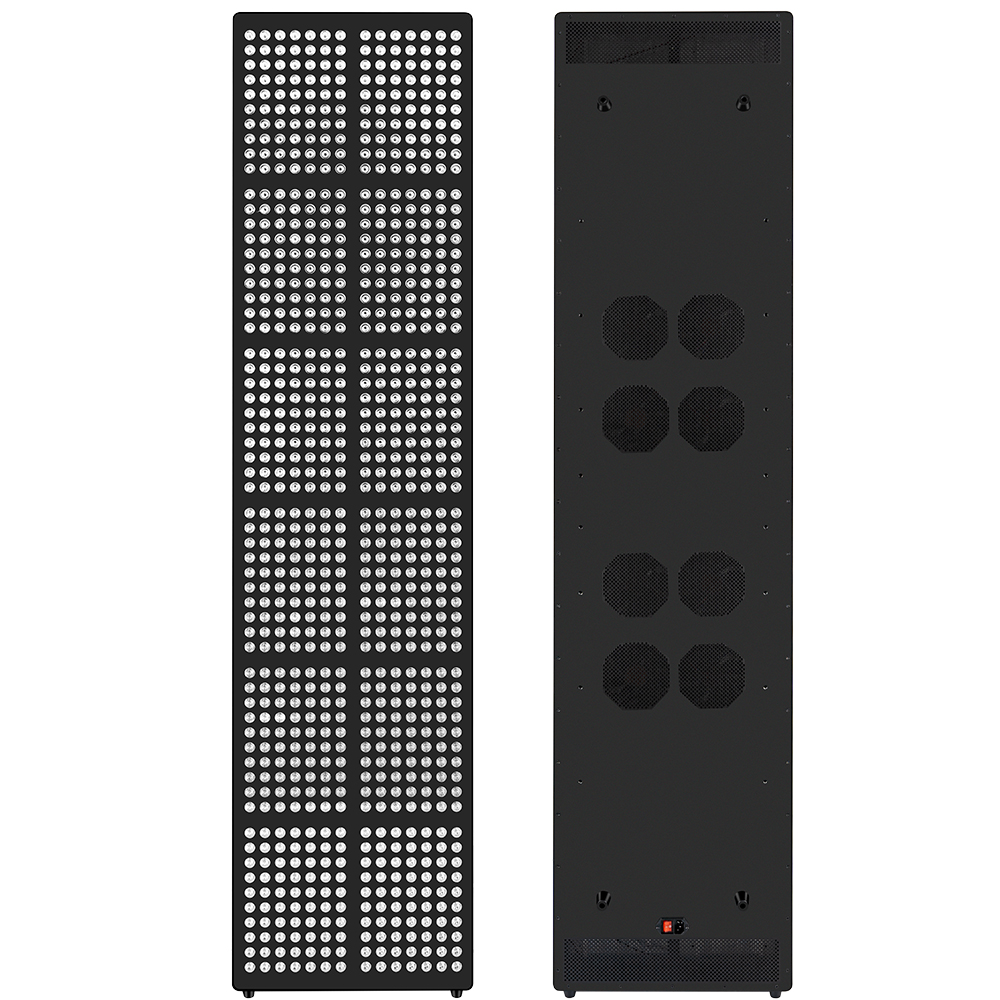
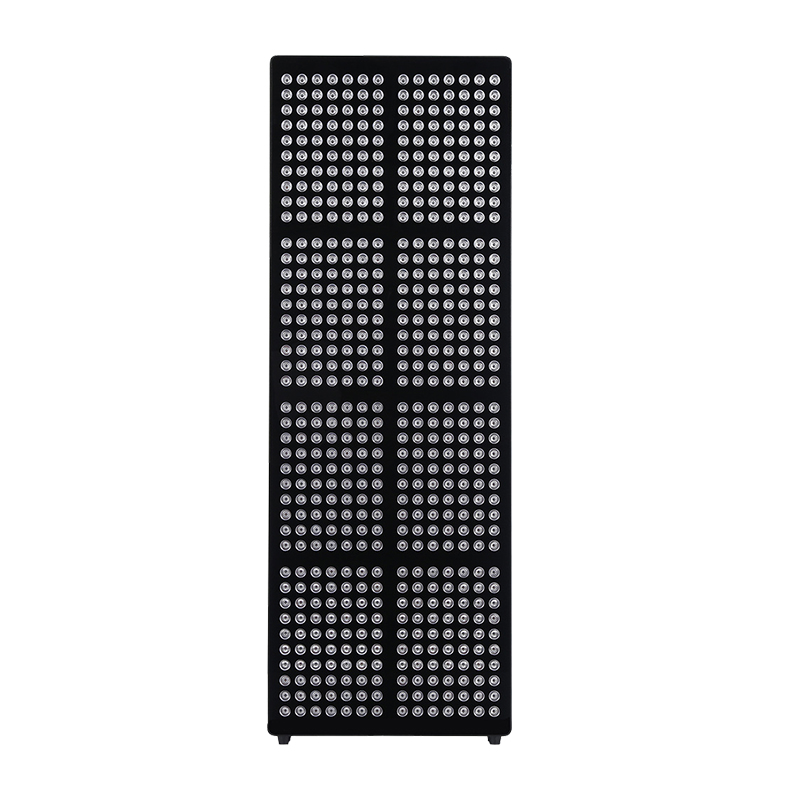
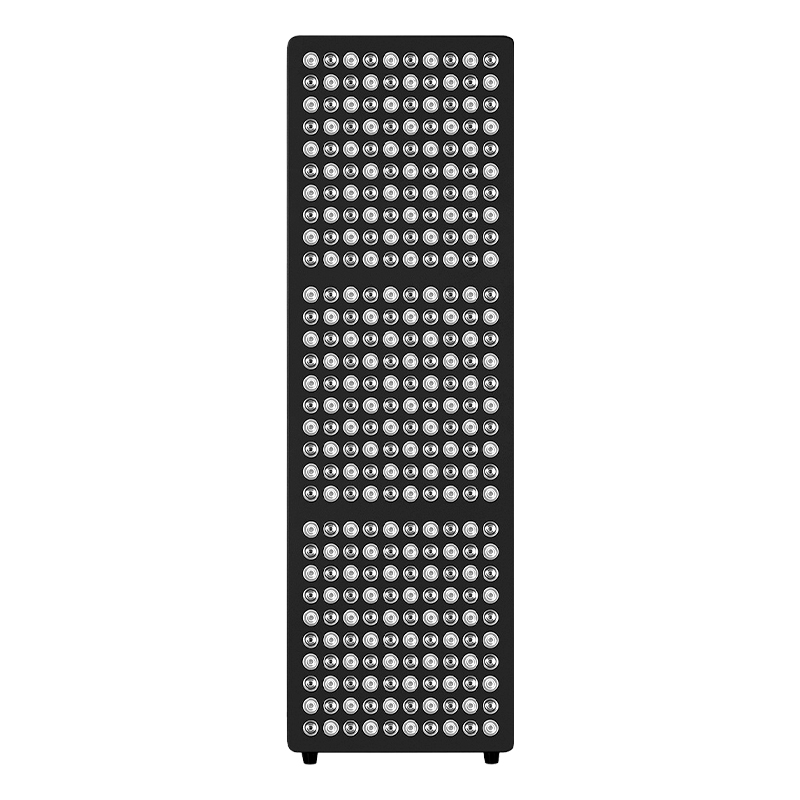
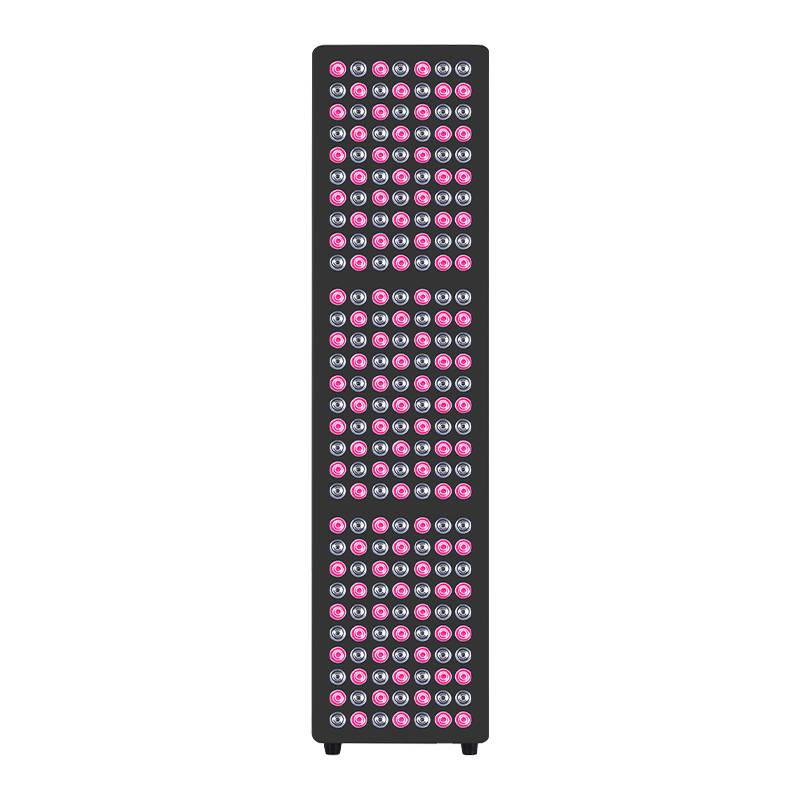
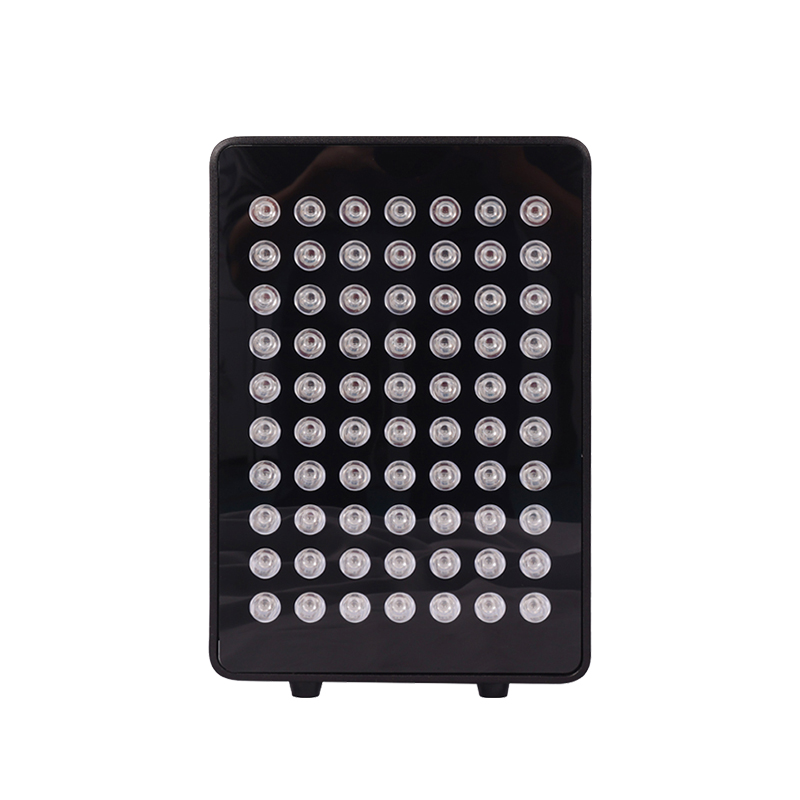
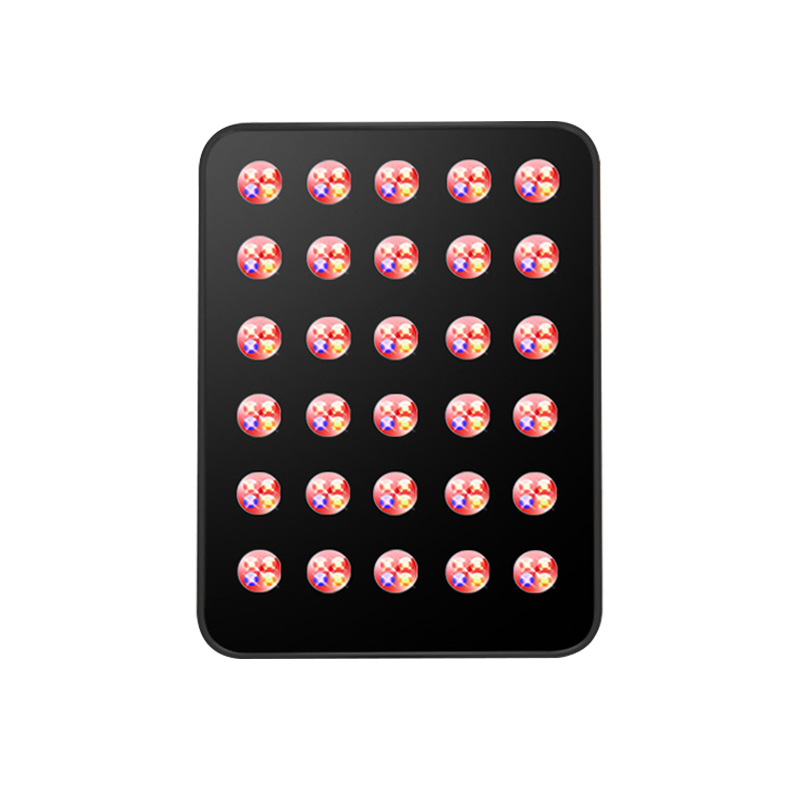
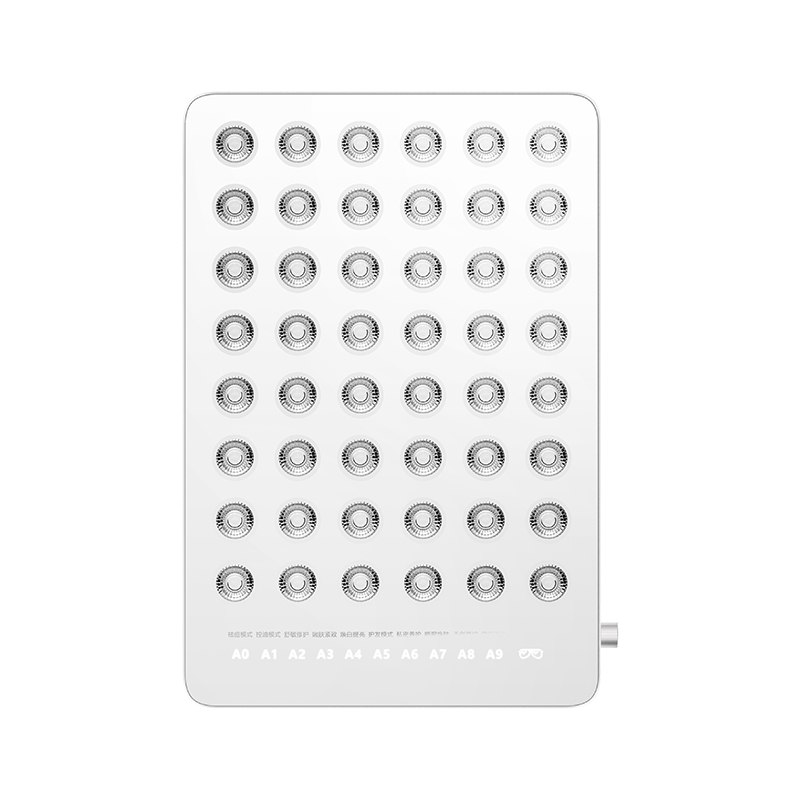
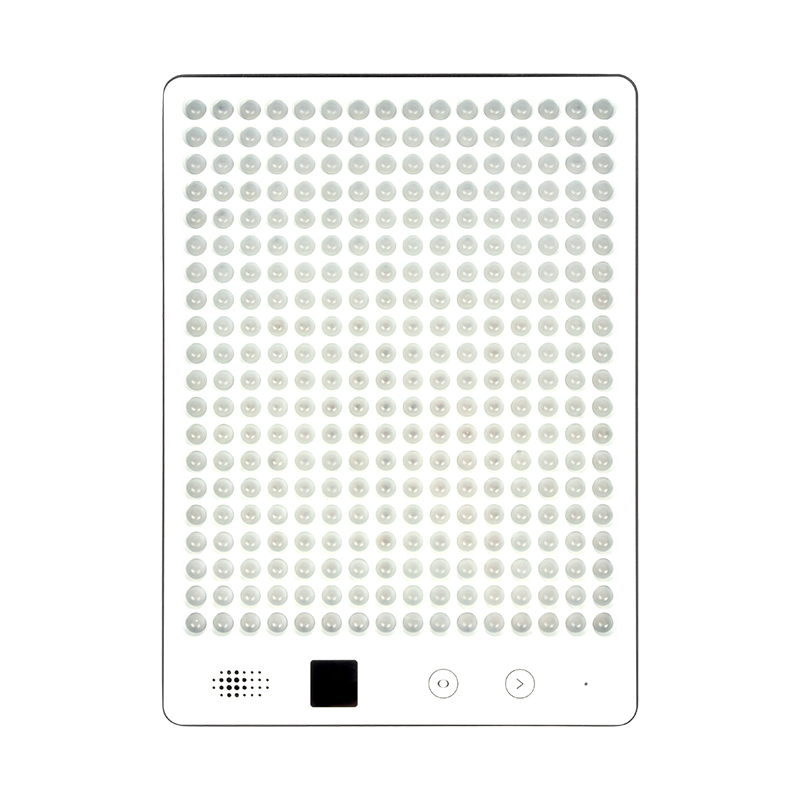
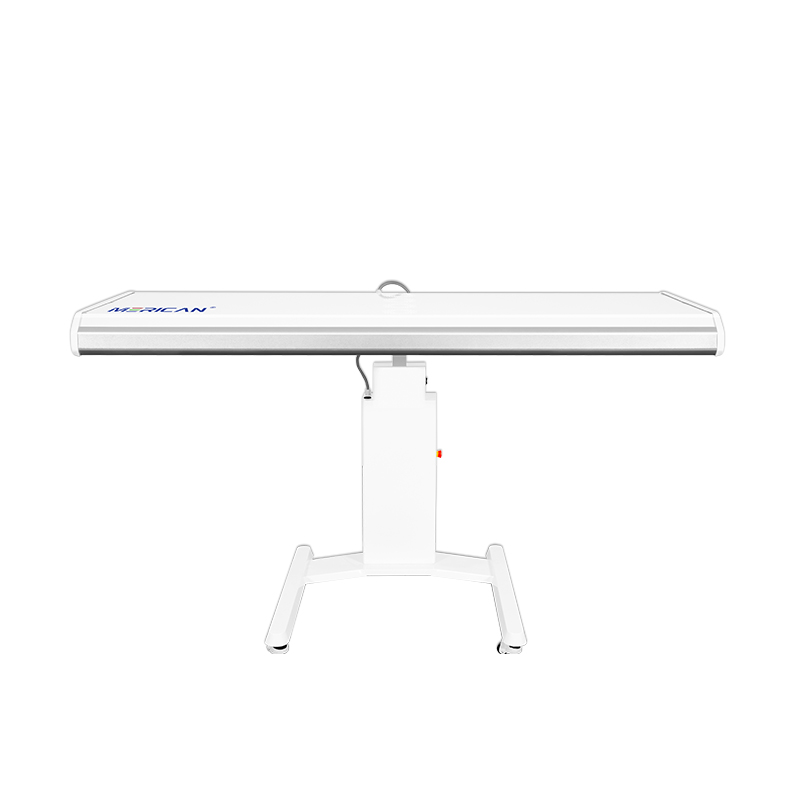
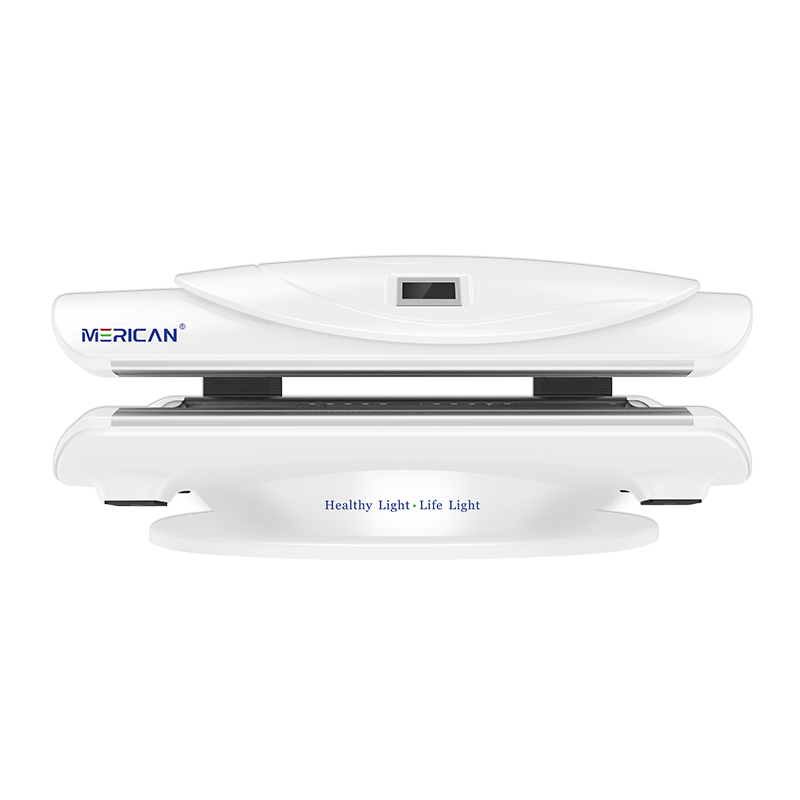
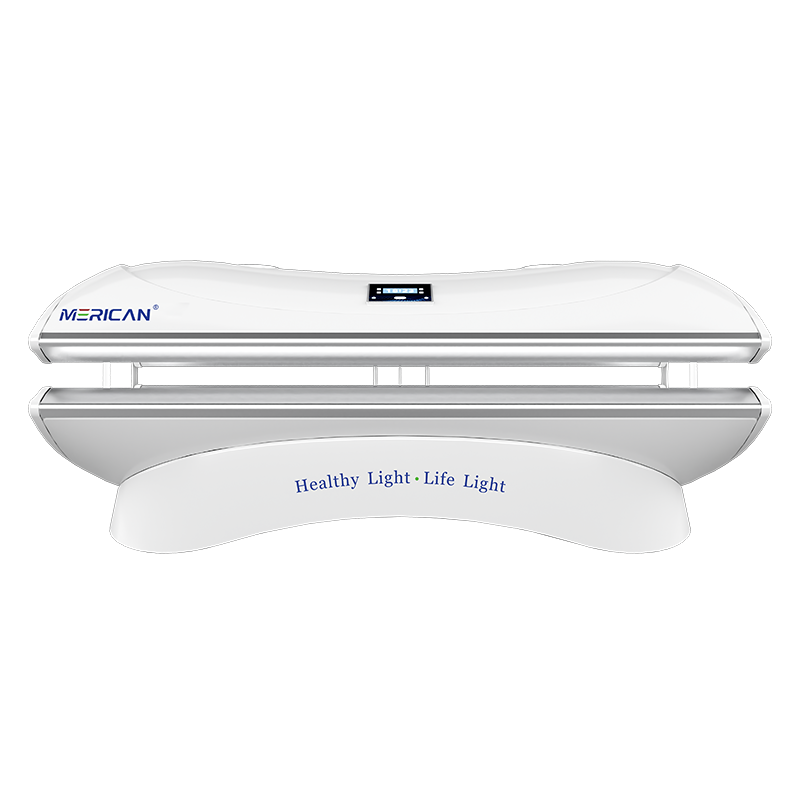
When people search for the best red light therapy, they often expect a single product recommendation. In reality, the “best” red light therapy is defined by scientific parameters, not brand names.
1. The Most Important Factor: Wavelength Accuracy
Research consistently shows that effective red light therapy uses:
- الضوء الأحمر: ~630 nm and 660 نانومتر
- ضوء القريب من الأشعة تحت الحمراء: ~810–880 nm
These wavelengths are best absorbed by mitochondrial chromophores and are widely studied for skin health, انتعاش العضلات, and cellular support.
A device using inaccurate or unstable wavelengths may look bright but deliver limited biological benefit.
2. Output Quality Matters More Than Marketing Claims
Instead of focusing on exaggerated power numbers, professionals evaluate:
- الإشعاع (MW/CM²) at treatment distance
- Uniform light distribution
- Consistent output over time
Effective therapy is about delivering a controlled dose of light energy, not overwhelming the tissue.
3. Treatment Area and Coverage
The best red light therapy matches the treatment area to the goal:
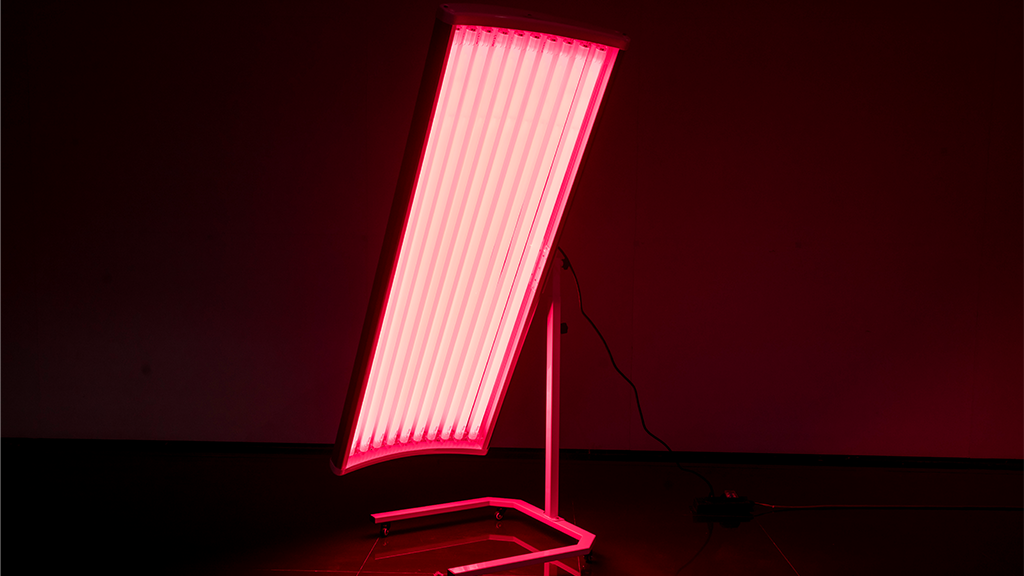
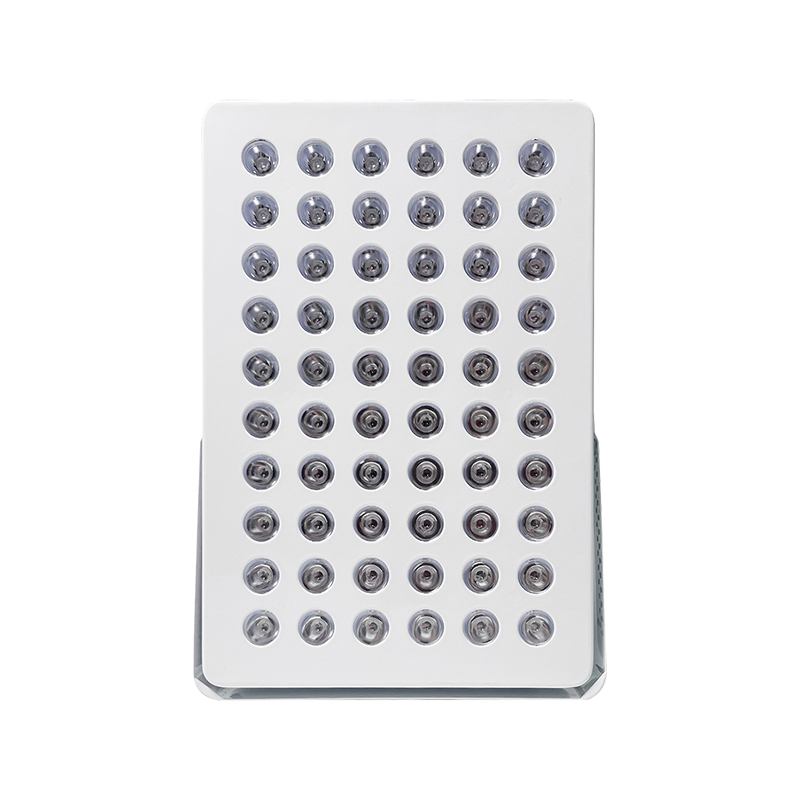
- Small areas (وجه, المفاصل): localized panels or masks
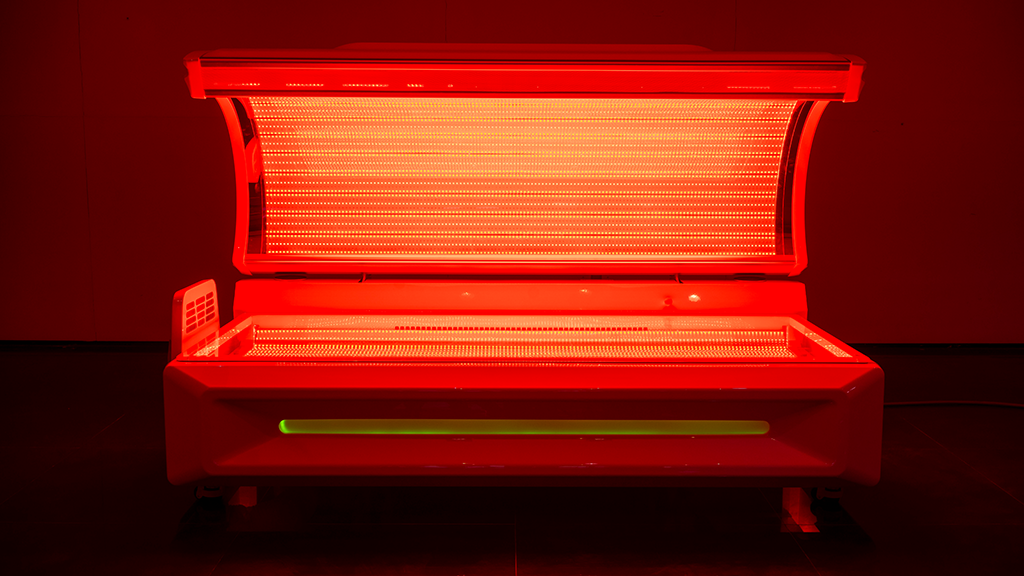
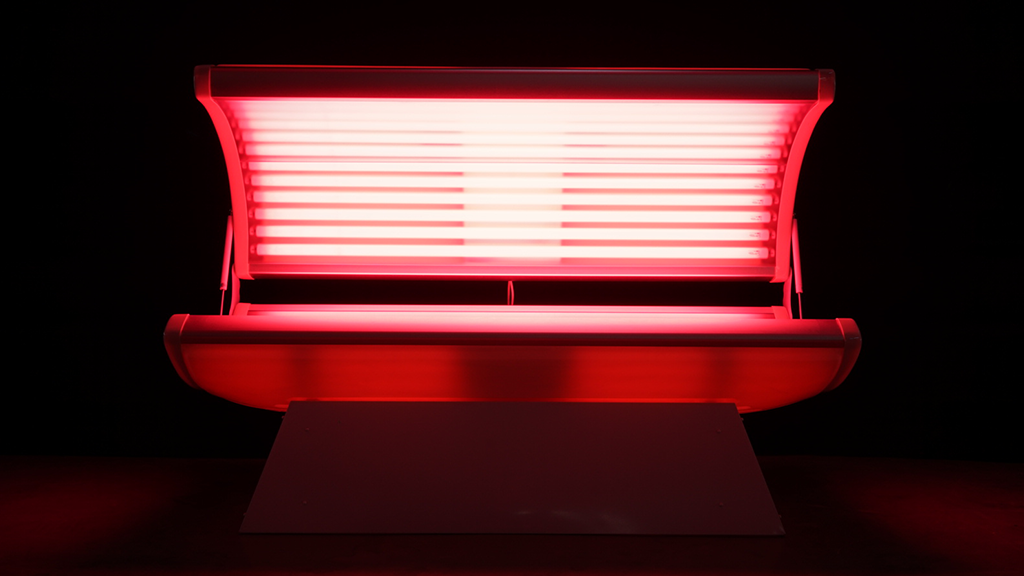
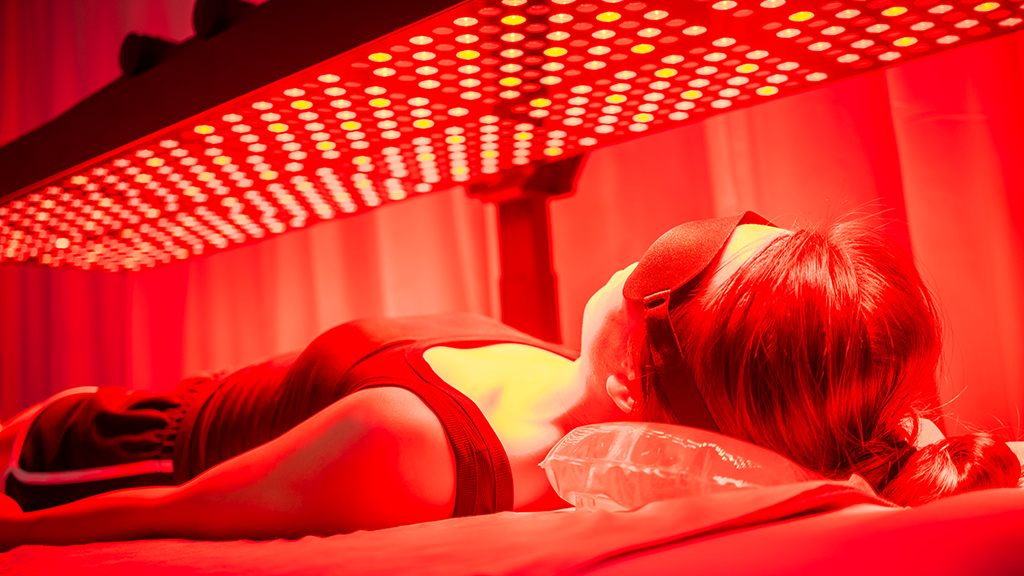
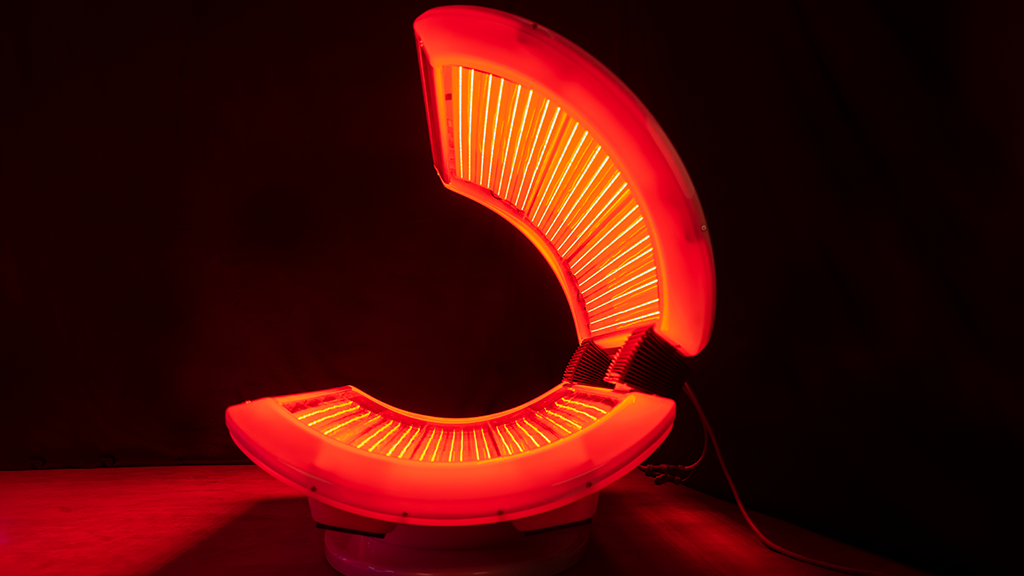
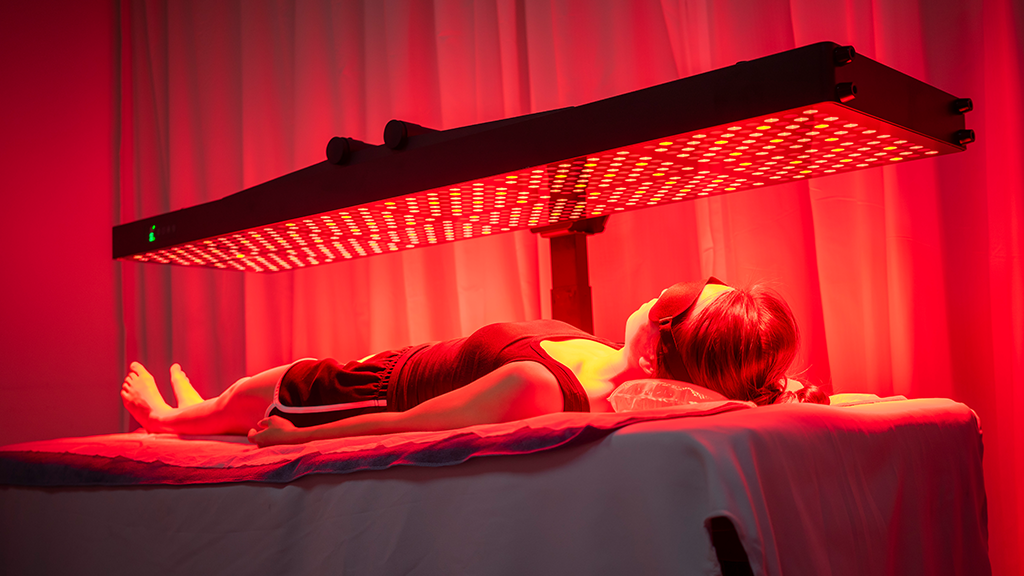
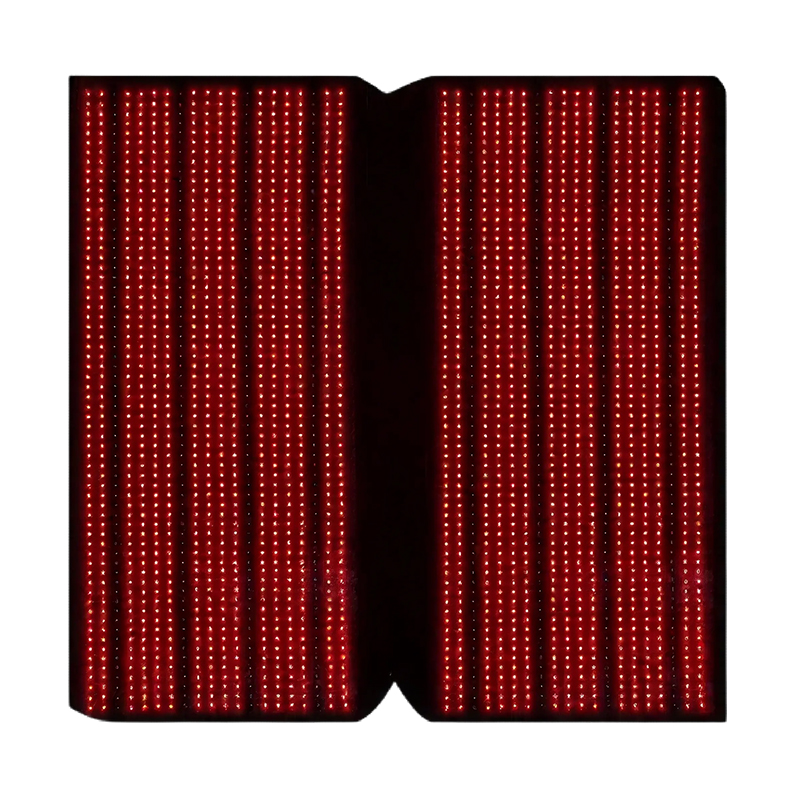
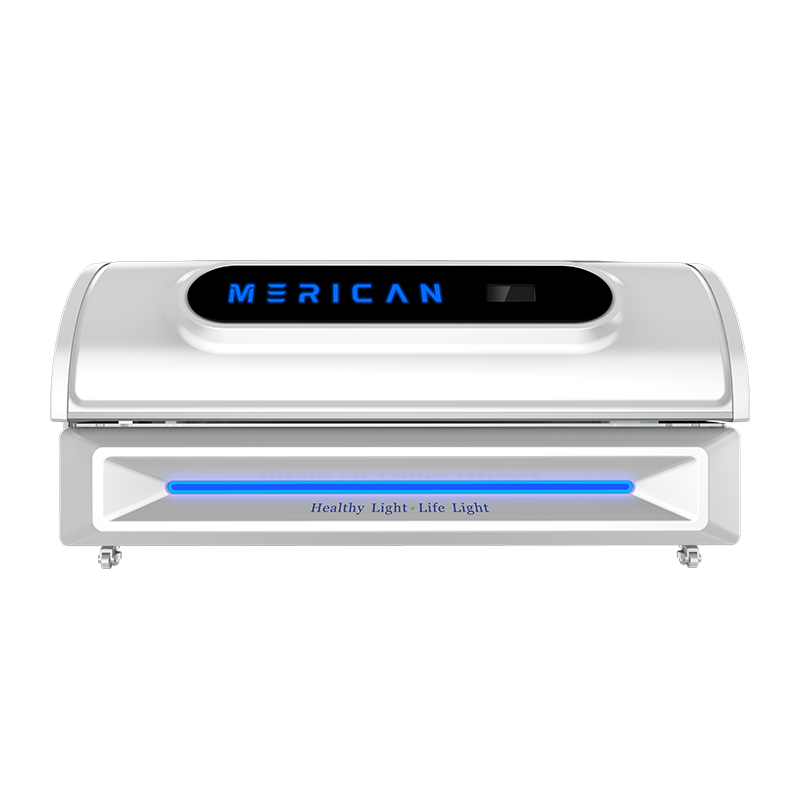
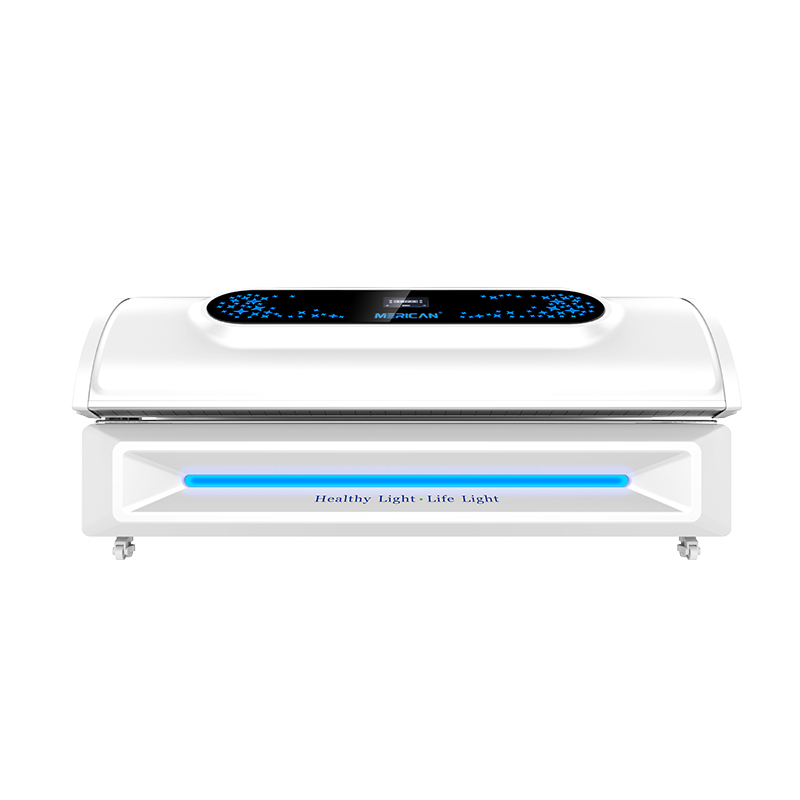
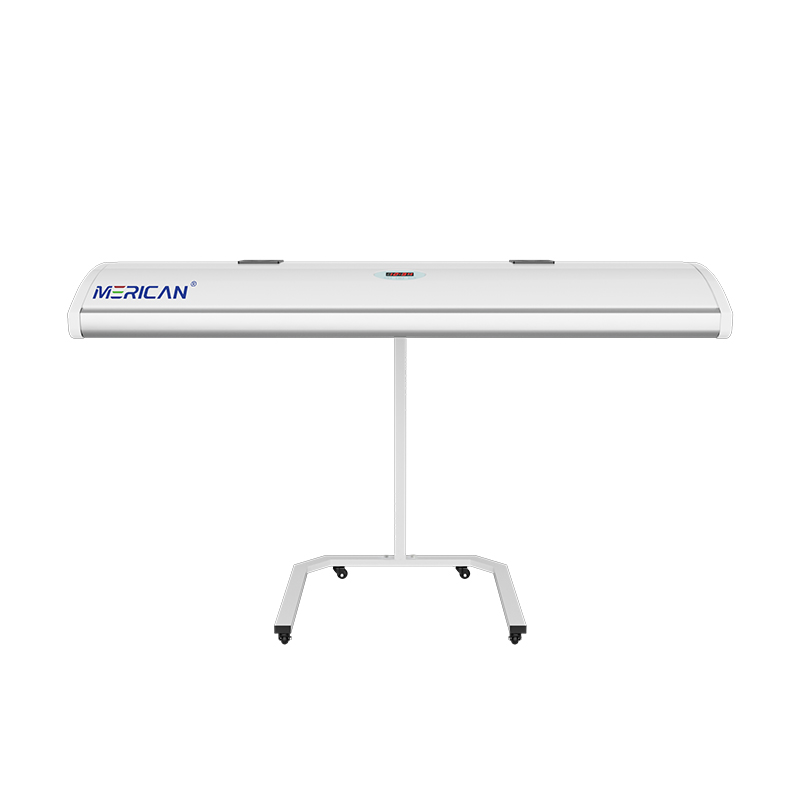
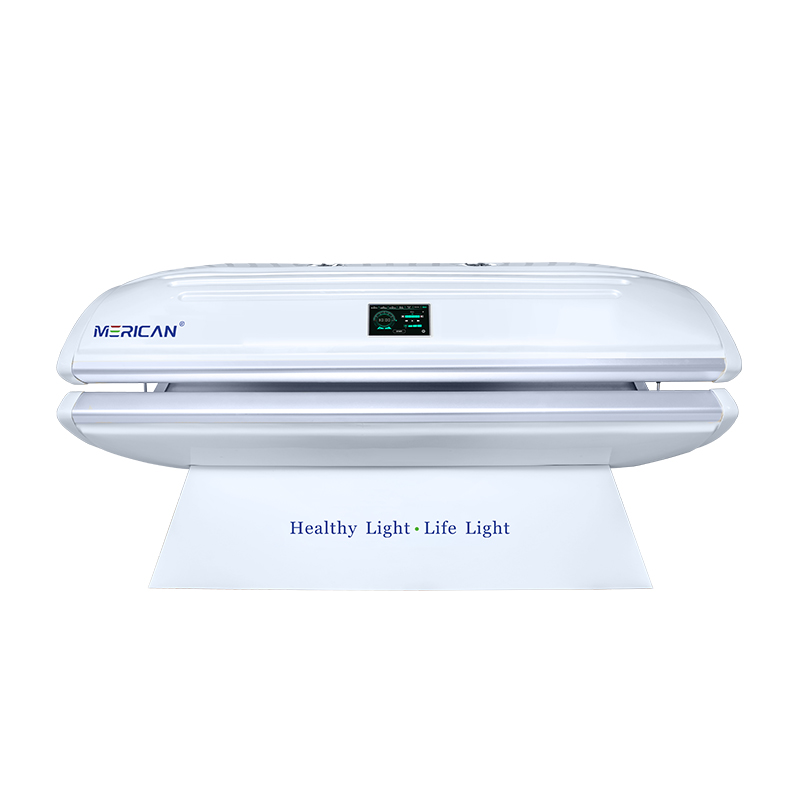
- Large areas or systemic wellness: أنظمة الجسم بالكامل
Inconsistent coverage can reduce effectiveness, even with correct wavelengths.
4. Safety and Engineering Standards
Scientifically sound red light therapy systems:
- Use non-ionizing, ضوء غير الأشعة فوق البنفسجية
- Control heat output
- Include timers and exposure guidelines
This ensures repeatable results without unnecessary risk.
خاتمة
From a scientific perspective, the best red light therapy is one that combines clinically relevant wavelengths, controlled irradiance, proper coverage, and safe engineering. There is no universal “best device”—only the best setup for a specific application.