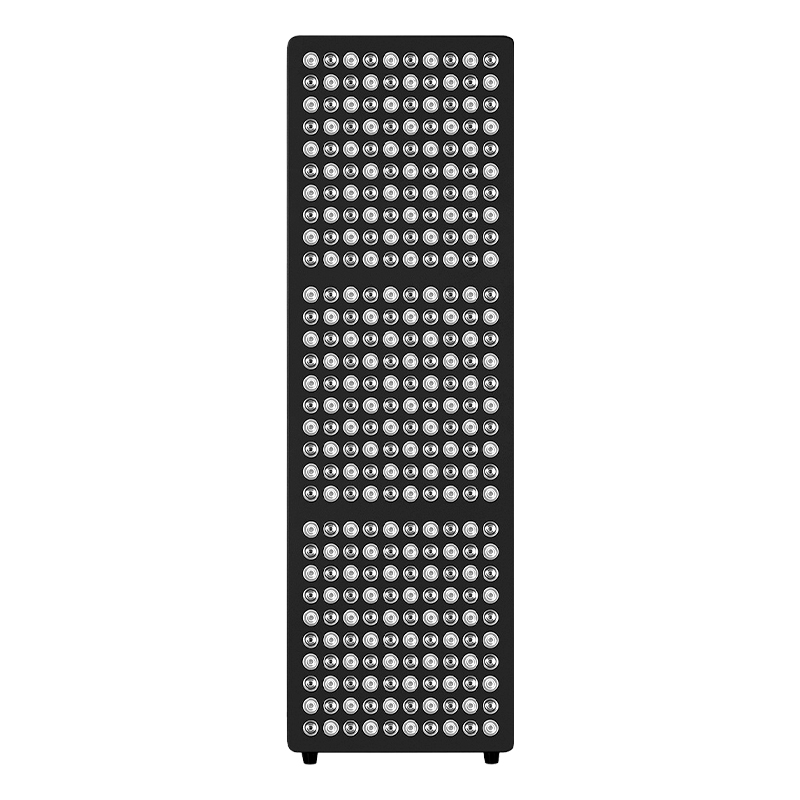
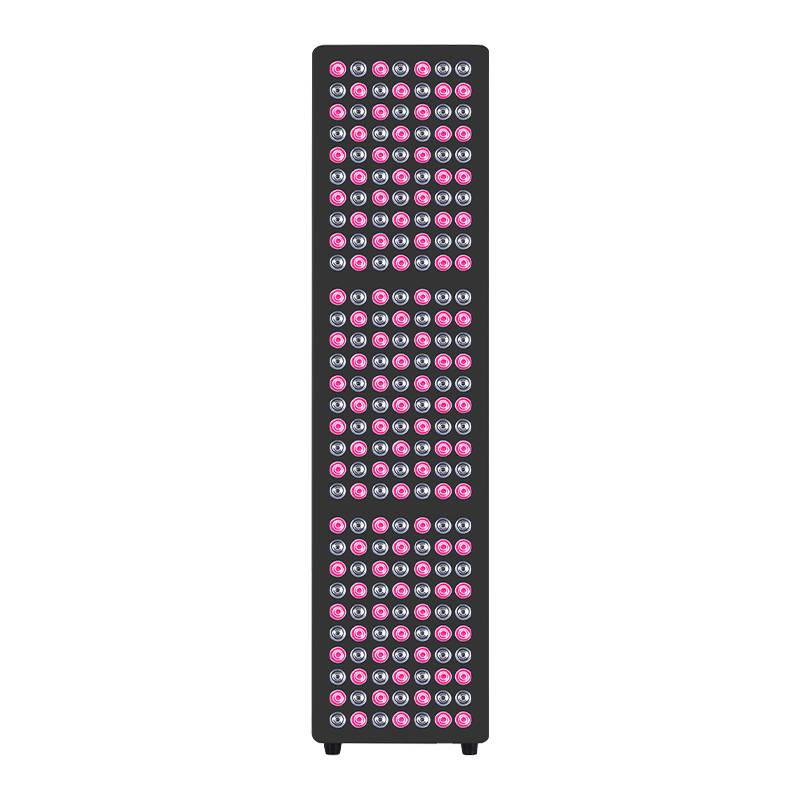
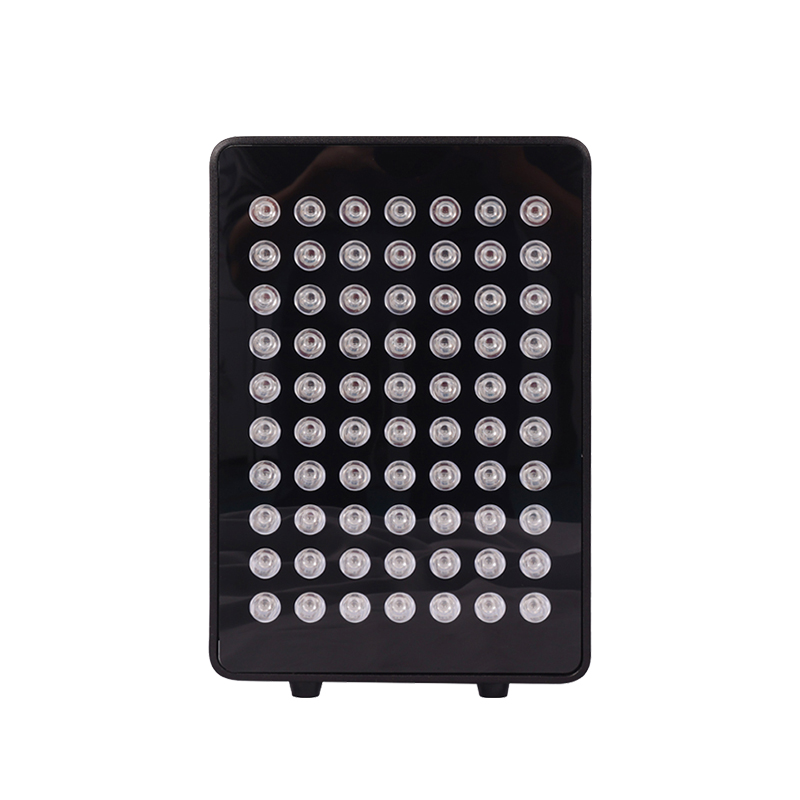
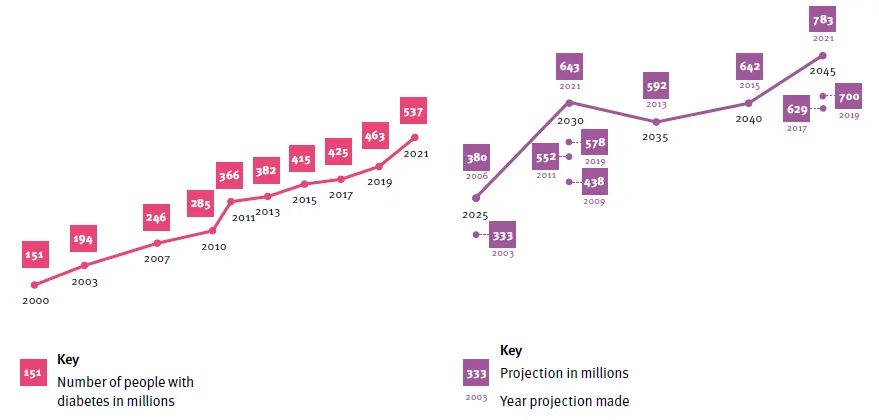
糖尿病, 内分泌ホルモンの異常が過剰な血糖濃度を引き起こす慢性疾患, マルチオルガン損傷のトリガー.
年齢の大人の数 20-79 世界中の糖尿病の年 2021 なんとです 537 百万, または 7 out 100 糖尿病の人. 食べ物を避ける, 毎日血糖値を測定し、インスリンを服用することは、大多数の患者とその家族に数え切れないほどの生活上の問題と心理的不安をもたらします。.
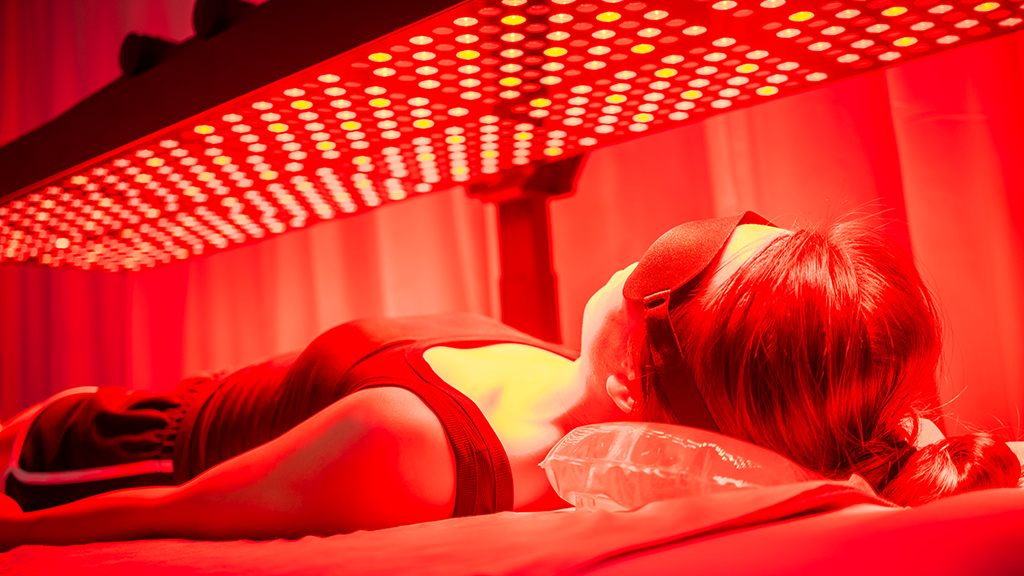
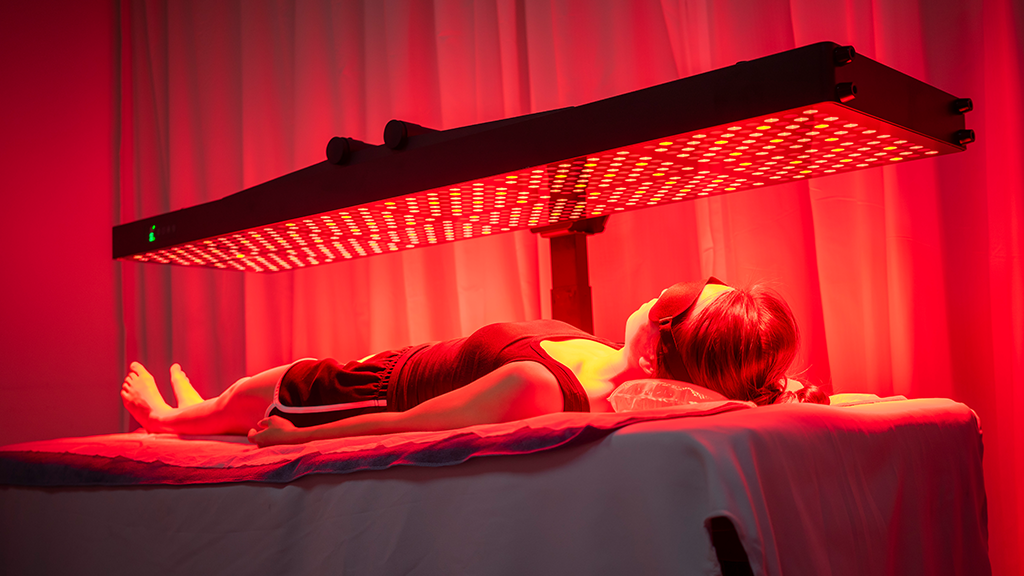
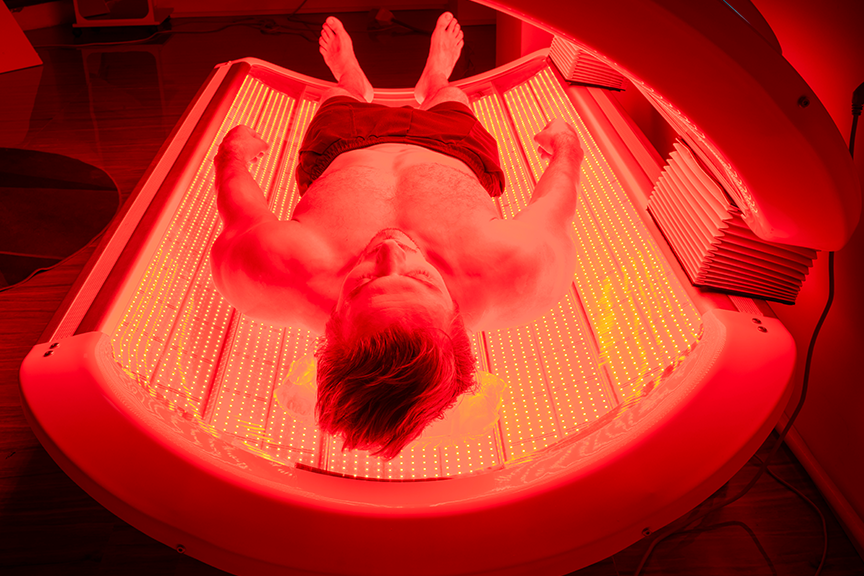
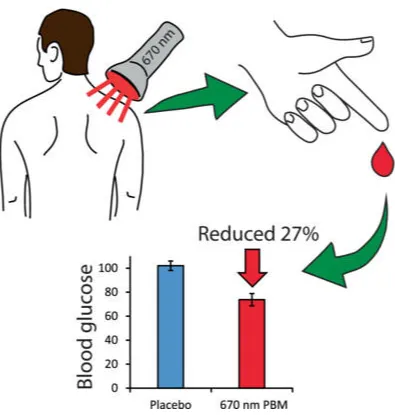
幸いなことに, 「科学技術日報」最近の重いニュース, 大多数の「シュガーフレンド」に良いものをもたらすために: シティ カレッジ ロンドン, ロンドン大学とユニバーシティ・カレッジ・ロンドンの科学者が協力して最新の研究を実施した結果、 670 人の背中にナノメートルの赤色光を照射すると、 15 分, 血糖値を下げることができます!
赤色光照射は血糖値の破壊を低下させる
糖尿病そのものは怖くない, 怖いのは合併症だ, そしてDCCT (糖尿病の管理と合併症の臨床試験) ヨーロッパの研究では、血糖値をコントロールすることで両方のタイプの合併症の発症を効果的に遅らせることができることが長い間確認されてきました。 1 そして入力してください 2 糖尿病.
血糖をコントロールするための通常のアプローチは、ある種の血糖降下薬の経口投与による生活習慣の介入です。. しかし, 病気が進行するにつれて, 血糖値を下げるのはますます困難になります, および複数の血糖降下剤, インスリンさえも, 血糖をコントロールするために徐々に必要になります. これらの侵襲的な薬物治療は患者に予期せぬ副作用をもたらす可能性があります. そして非侵襲的として, 安全性で知られる非薬理学的技術, 赤色光理学療法は副作用を最小限に抑え、糖尿病患者により多くの利益をもたらす可能性がある.
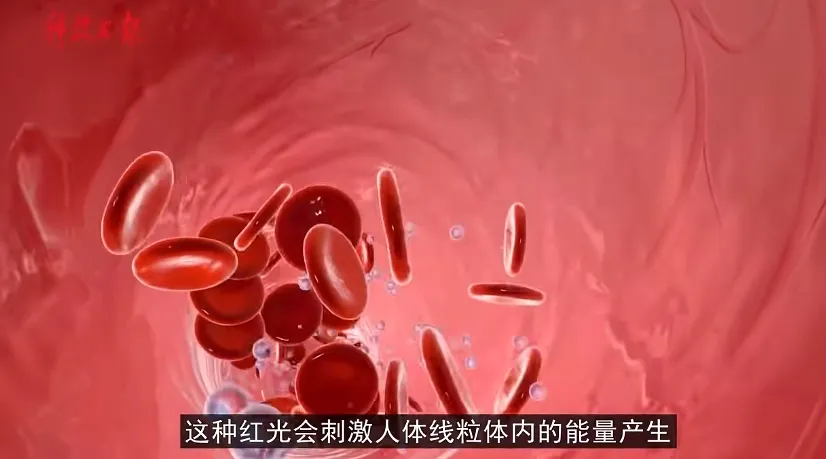
結局のところ, ミトコンドリアは細胞の「エネルギー工場」として知られています, 酸素とブドウ糖を利用してアデノシン三リン酸を生成します。 (ATP), 体内の重要な細胞プロセスにエネルギーを供給します. いつ 670 nm赤色光はミトコンドリアを刺激する, ミトコンドリア膜電位とアデノシン三リン酸の生成 (ATP) 光生体調節によって増加させることができる (PBM), グルコースの需要と消費を増加させるプロセス, それによって血糖値が下がります.
実験では、この赤色光刺激により血糖値が以下のように低下することが示されました。 27.7% グルコース摂取後、最大グルコーススパイクが減少 7.5%. 博士によると. ボナー, 研究の筆頭著者, 食後に赤色光に15分間1回曝露するだけで、食後の体内で有害な可能性のある血糖値の上昇を抑えることができるという。.
この最新の研究は, German Journal of Biophotonicsに掲載されました, 一流の国際科学雑誌, ということを示唆している この研究は健康な人を対象に行われましたが、, 非侵襲的です, 非薬理学的手法は、老化につながる有害な体内の血糖値の変動を軽減することで、食後の糖尿病の管理にプラスの影響を与える可能性があります。.
博士. ボナー, 市立保健心理科学部神経生物学上級講師, そしてジェフリー教授, 眼科研究所神経科学教授, ユニバーシティ・カレッジ・ロンドン, アデノシン三リン酸の生成が改善されたとも言われています。 (ATP) ヌクレオシドからのシグナル伝達の変化が引き起こされ、体全体に伝わります。.
赤色光はレクリエーション療法で広く使用されています
光生産 (PBM) 赤色光は主に光化学的です, 熱ではない. 赤色光照射によって達成される効果は、主に赤色光エネルギーを細胞に伝達して、新しい細胞の活力を刺激することによって行われます。.
以前の信頼できる研究では、長波長光は約 650-900 nm (可視域から近赤外域まで) ミトコンドリアATP産生を増加させる, 血糖値を下げ、動物の健康と寿命を改善します。. 以前の研究では, 670 マウスの背中に選択的に照射されたnm光はATPを改善することが示されています, したがって症状は, パーキンソン病モデルと糖尿病性網膜症モデルの両方で.
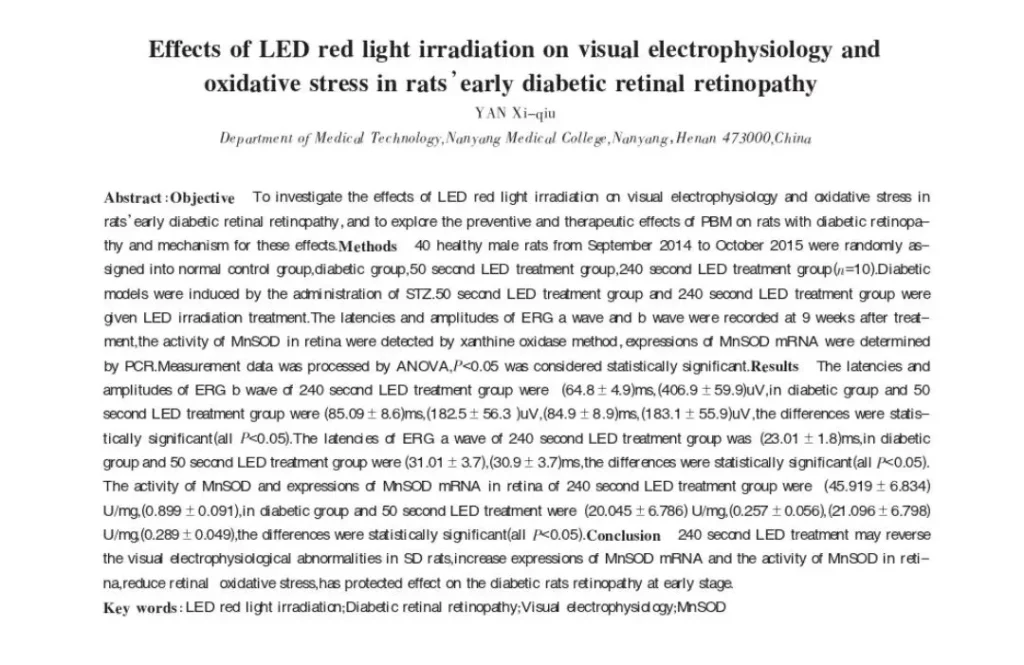
赤色光の最大吸収はミトコンドリアです, 赤色光照射によりミトコンドリア内のカタラーゼの活性が上昇する, 細胞の代謝を高めることができます, グリコーゲンの含有量を増やす (エネルギーを蓄えるだけではなく, but also breaks down into glucose to regulate the concentration of blood glucose), increase the synthesis of proteins and increase the decomposition of adenosine triphosphate to promote cell synthesis, healing of wounds and ulcers, hair growth and bone fracture healing, accelerate the regeneration of damaged nerves, increase White blood cell phagocytosis, remove free radicals in the body, so that the blood viscosity decreases and oxygen-carrying capacity significantly higher, regulate immune function, improve fat accumulation, delay skin aging, so red light in the clinic can treat a variety of diseases.
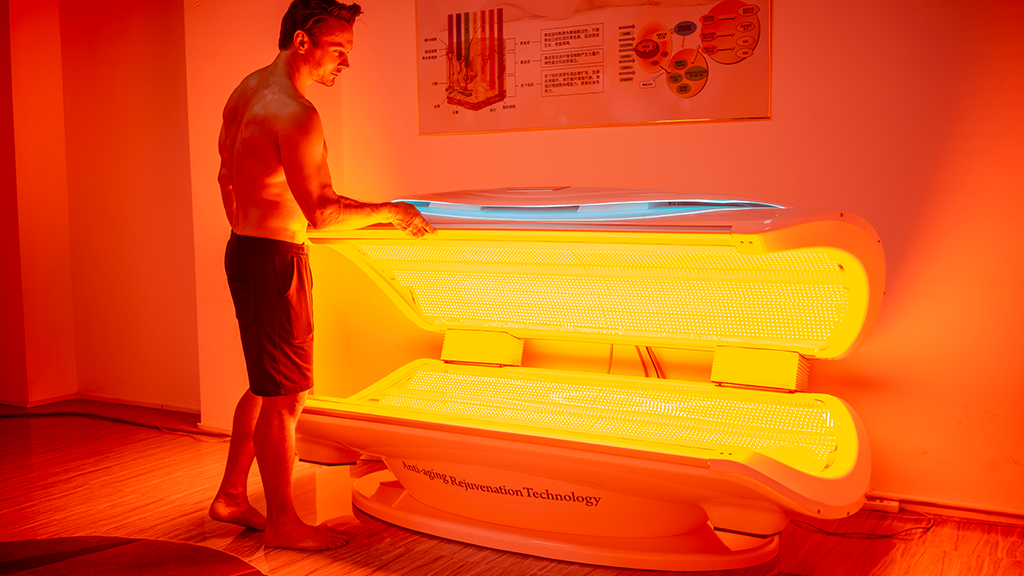
As a non-invasive, non-drug technology, red light physiotherapy is harmless and is used by many large tertiary hospitals to relieve patients’ 痛み.
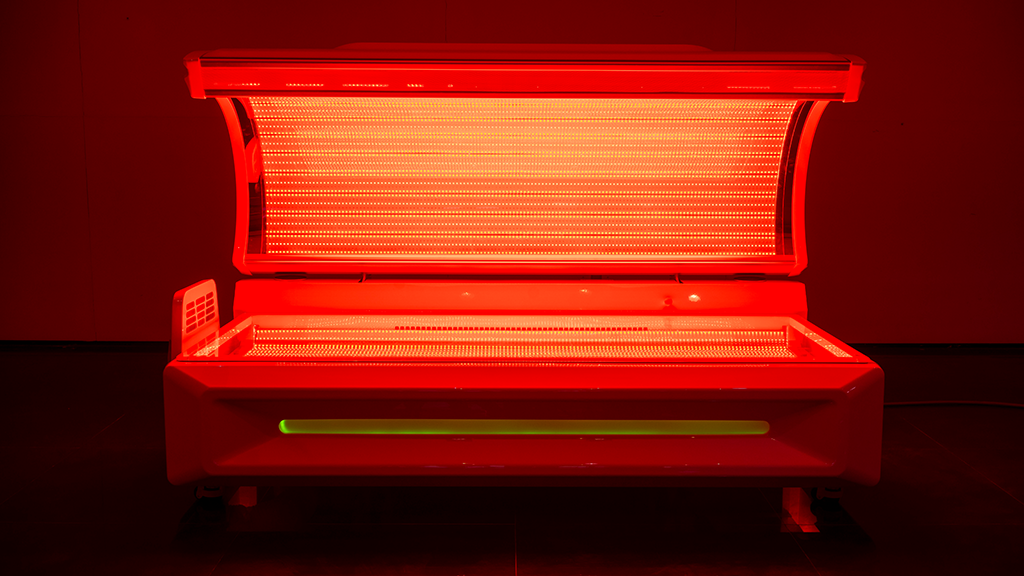
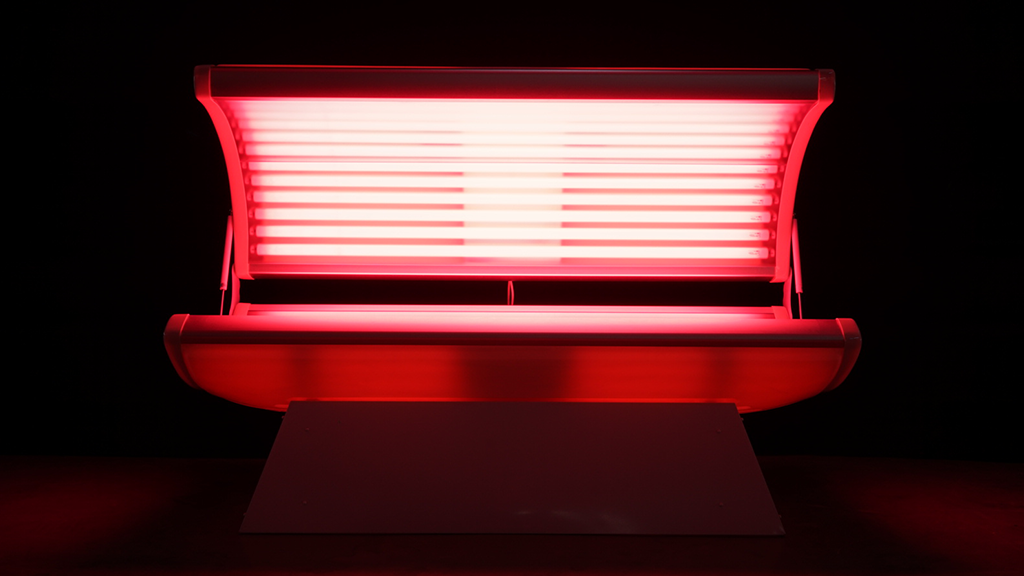
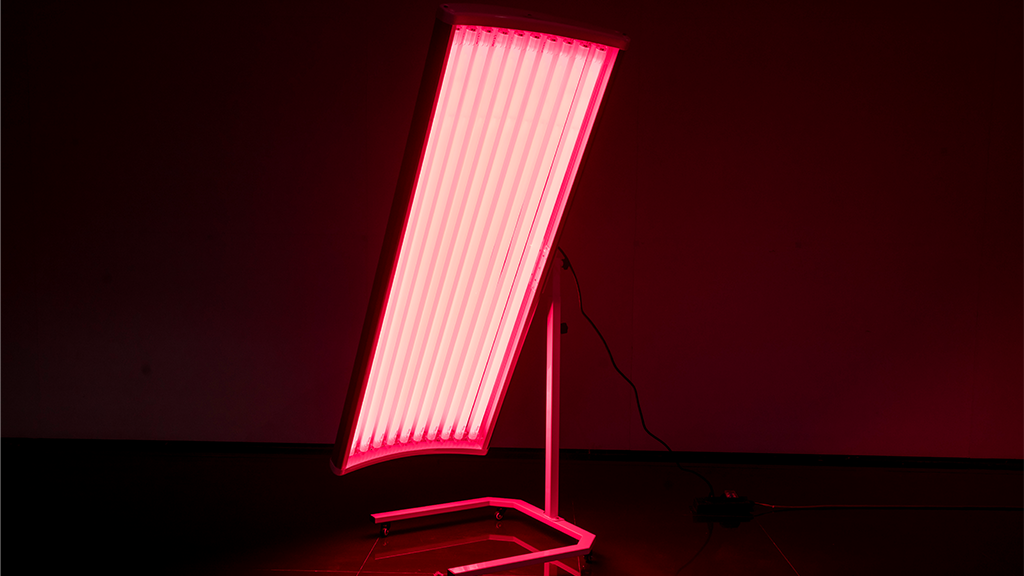
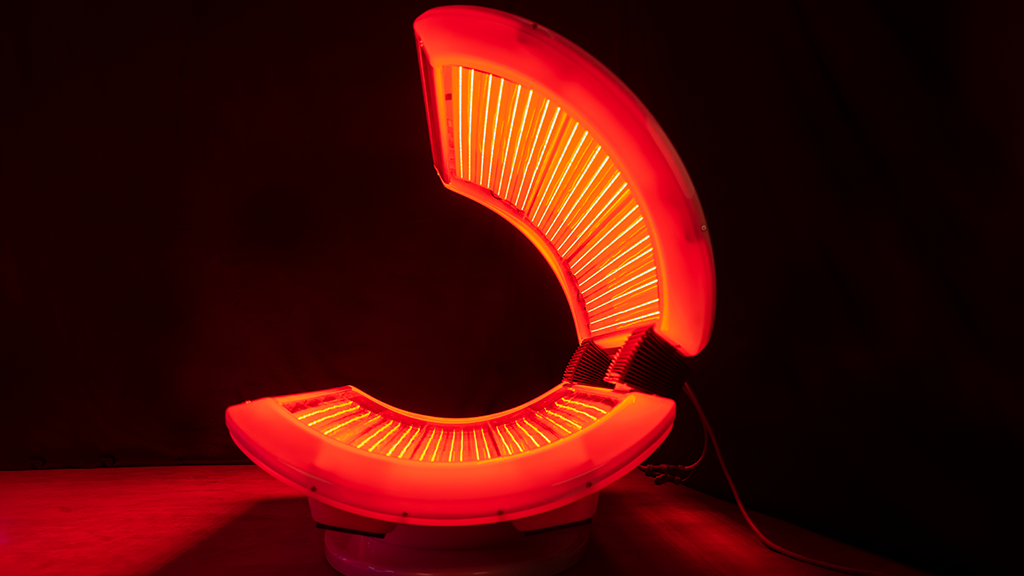
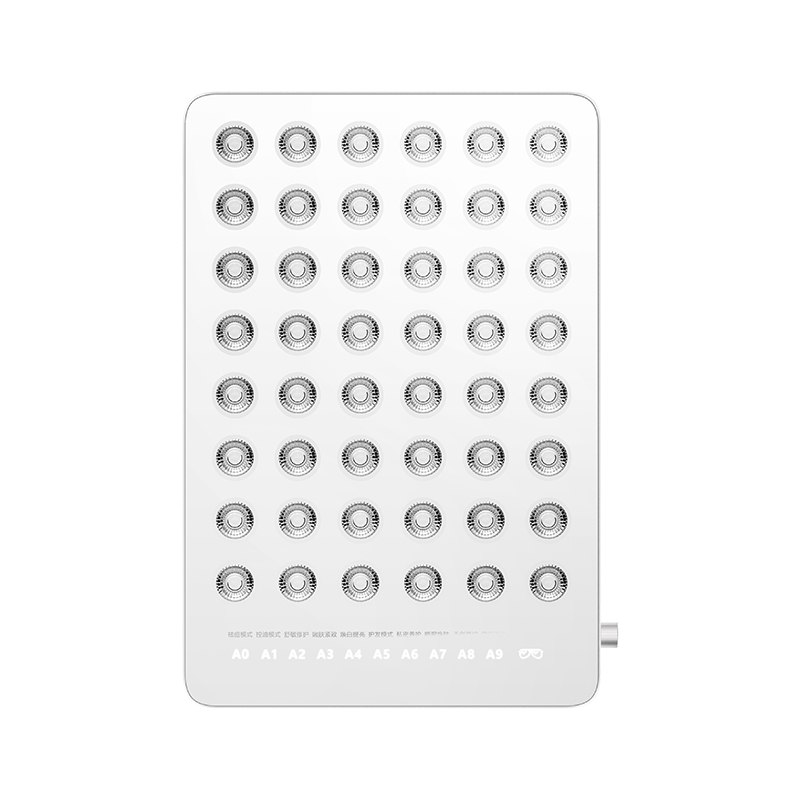
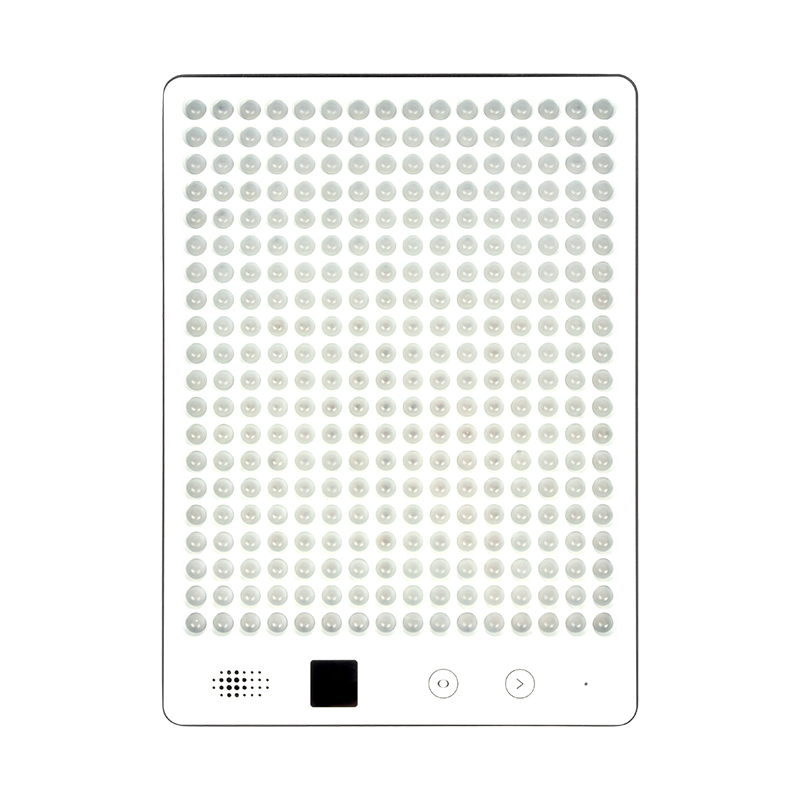
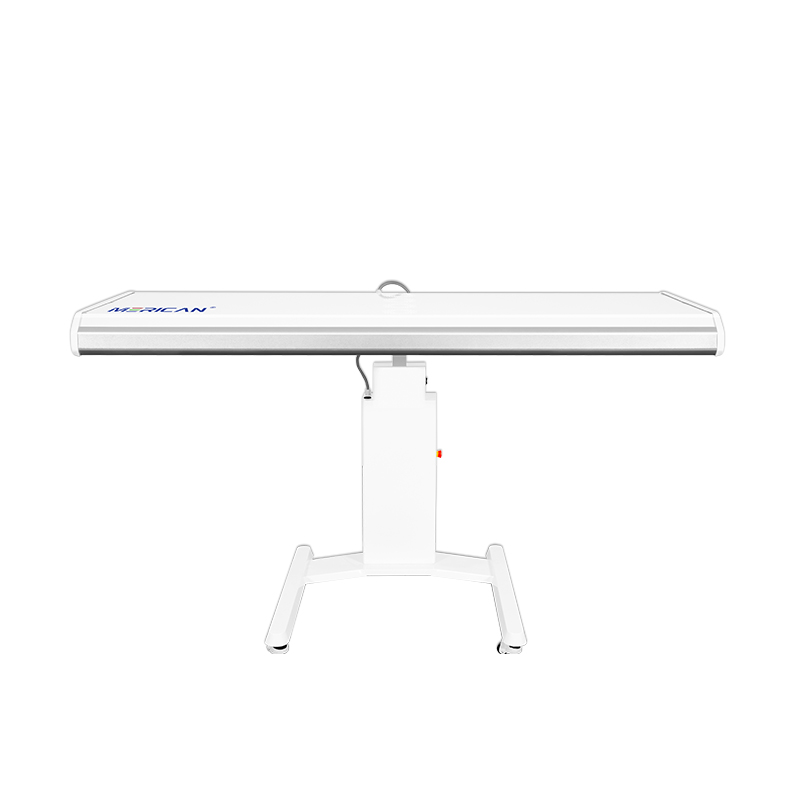
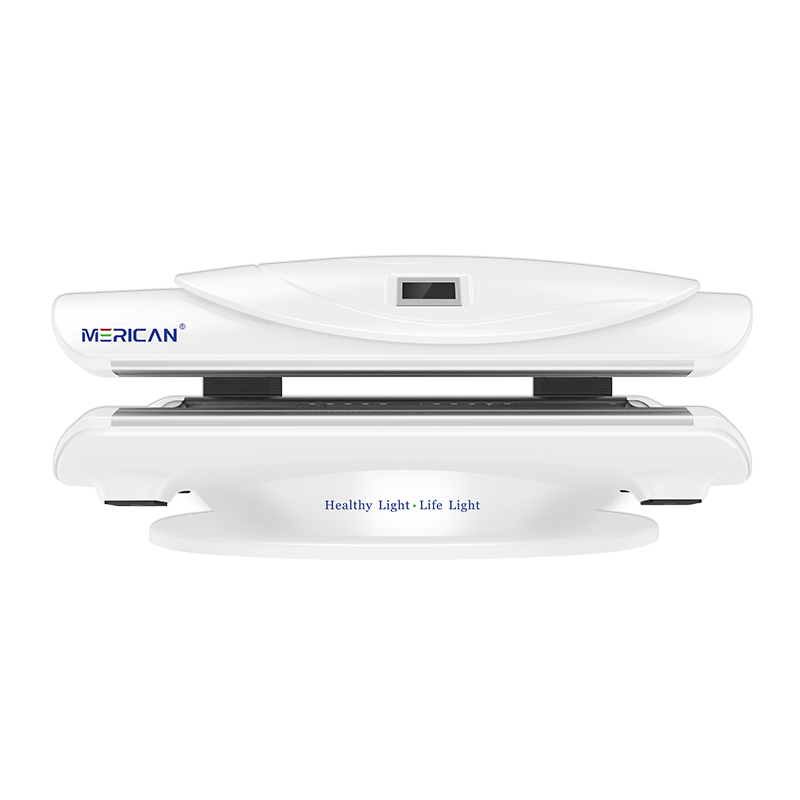
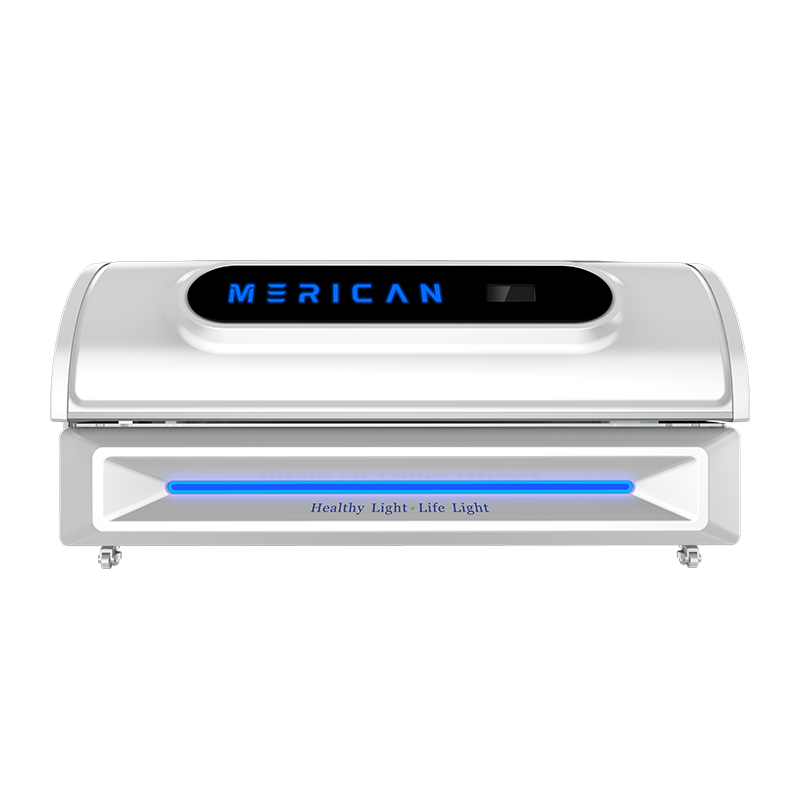
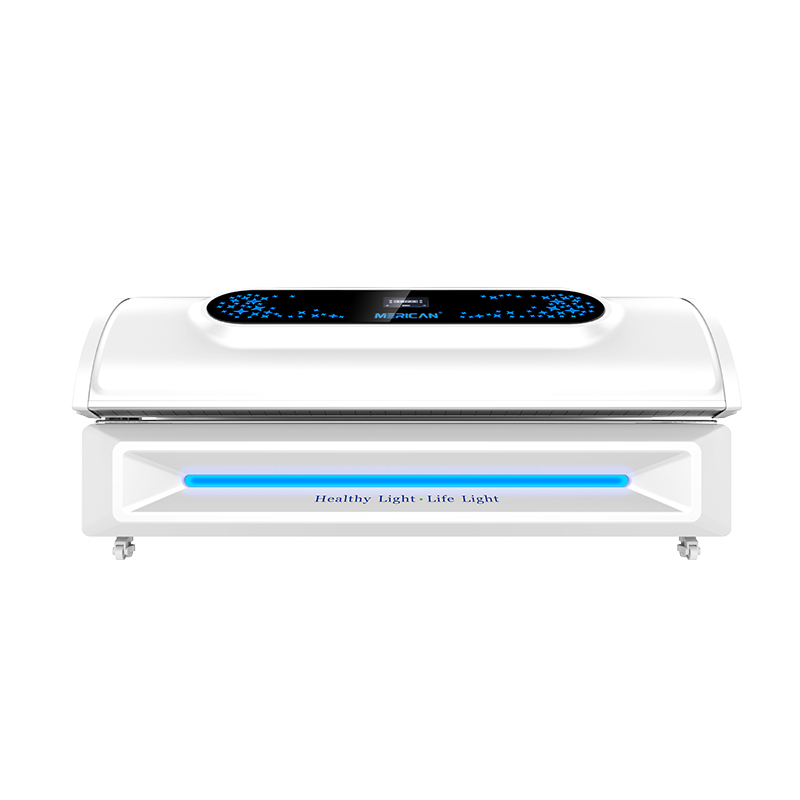
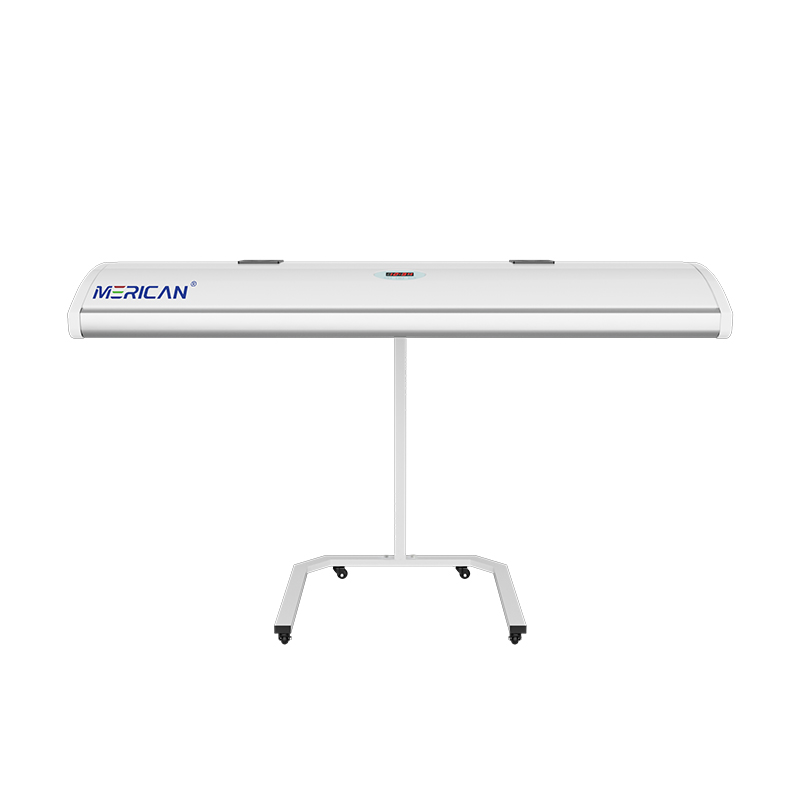
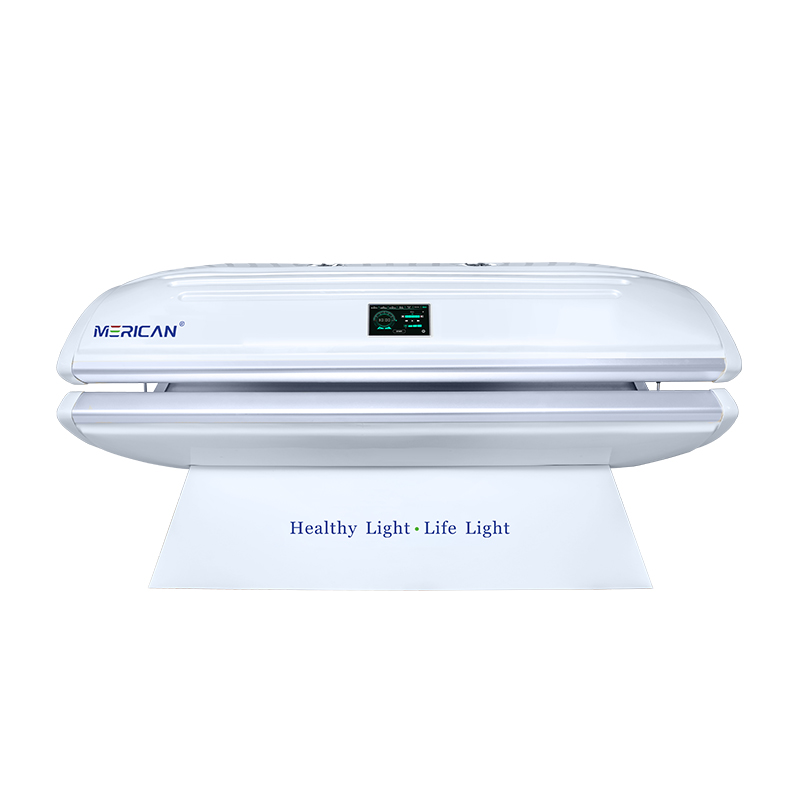
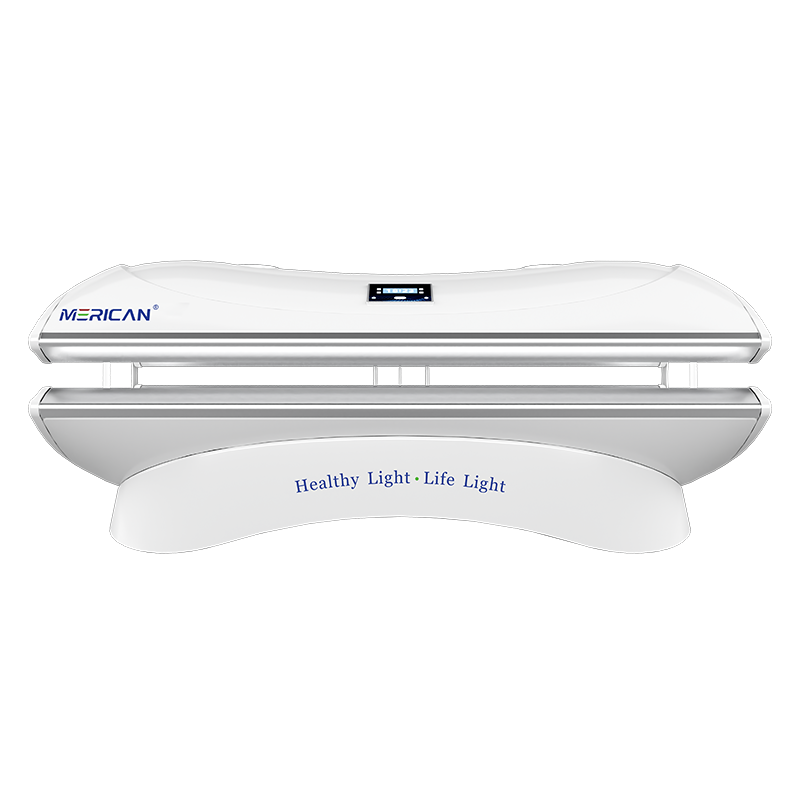
Merican Light Energy Research Center and a number of universities, 医療研究機関は、数々の臨床検証を通じて、光力学ヘルスキャビンと呼ばれる一種の赤色光照射を通じて、そのことを証明しました。, 皮膚の下1~4cmまで浸透する可能性がある, 心血管疾患、脳血管疾患、その他の循環器系疾患の改善に関する研究, 組織と神経の痛みの修復, 産後リハビリテーション, 身体修復や美容整形なども, 明らかな効果があります. LED冷光源の使用と併用, 光源は発光ダイオード方式, 低発熱, 熱放射がない, 治療時間を過ぎても, 人体に熱ダメージを与えません, 放射性物質は一切含まれておりません.