Ko te Sciatica e pa ana ki te mamae e puta ana i te taha o te nerve sciatic, ka rere mai i te tuara o raro ma roto i te hope me te papa, ki raro i ia waewae. I te nuinga o te wa na te kopae herniated, stenosis tuawhenua, kōpeketanga uaua, mumura nerve ranei. Ko nga tohu ko te mamae koi, te wera ranei, te ngunguru, te matemate, he ngoikoretanga uaua ranei.
Because sciatica can significantly affect daily life, many people look for non-invasive ways to manage discomfort. One therapy gaining attention is red light therapy. But can red light therapy help sciatica? Let’s explore how it may support pain relief and recovery.
He aha te Maama Whero?
Te rongoa rama whero, e mohiotia ana ko te photobiomodulation (PBM), ka whakamahi i nga roangaru whero-iti me te roangaru-a-ira-i waenganui 630 nm me 880 nm—ki te whakaihiihi i nga mahi a te waea.
Unlike medications or invasive procedures, red light therapy works at a cellular level to support the body’s natural healing processes without damaging tissue.
How Red Light Therapy May Help Sciatica
Red light therapy cannot cure the underlying structural causes of sciatica, but it may offer supportive benefits in symptom management:
1. Helps Reduce Inflammation Around Nerves
Sciatic nerve pain is often associated with inflammation and surrounding tissue swelling. Red light therapy may help modulate inflammatory pathways and reduce oxidative stress near the affected area.
2. Supports Natural Pain Relief
Photobiomodulation has been studied for its effects on nerve-related pain. By calming irritated nerves and reducing inflammation, red light therapy may help decrease pain intensity.
3. Ka whakapai ake i te Tohanga Toto
Enhanced microcirculation may support oxygen and nutrient delivery to compressed or irritated tissues, promoting recovery.
4. Supports Muscle Relaxation
Muscle tightness in the lower back and hips can worsen sciatic pain. Red light therapy may help relax surrounding muscles, reducing secondary nerve compression.
He aha ta te rangahau?
Studies on photobiomodulation suggest positive outcomes for chronic pain, nerve inflammation, and musculoskeletal conditions. Research on low-level light therapy has shown potential benefits for neuropathic pain and lower back discomfort, which are closely linked to sciatica.
Heoi ano, red light therapy does not address disc herniation or spinal misalignment, and should be considered a complementary approach rather than a standalone treatment.
How to Use Red Light Therapy for Sciatica Support
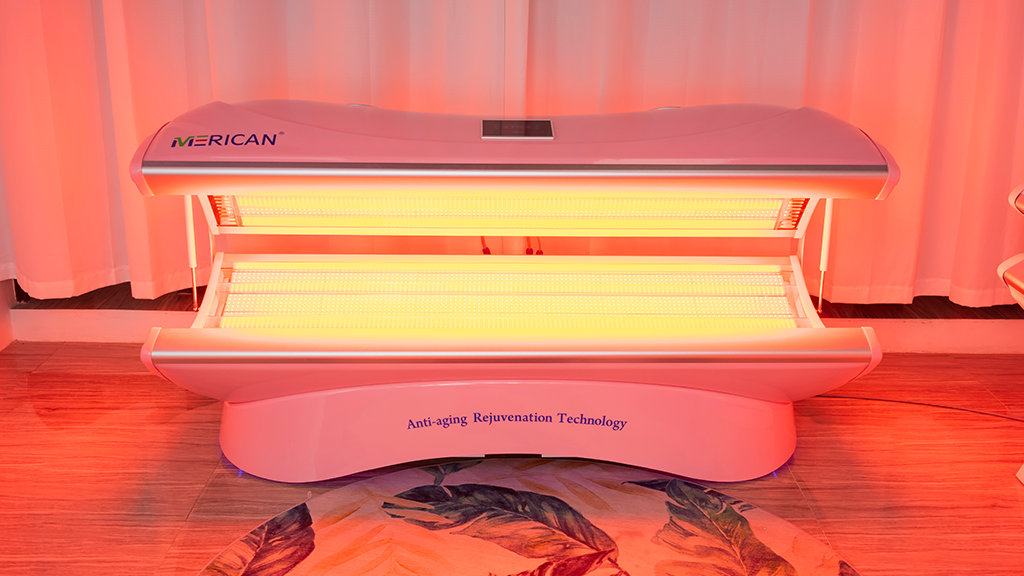
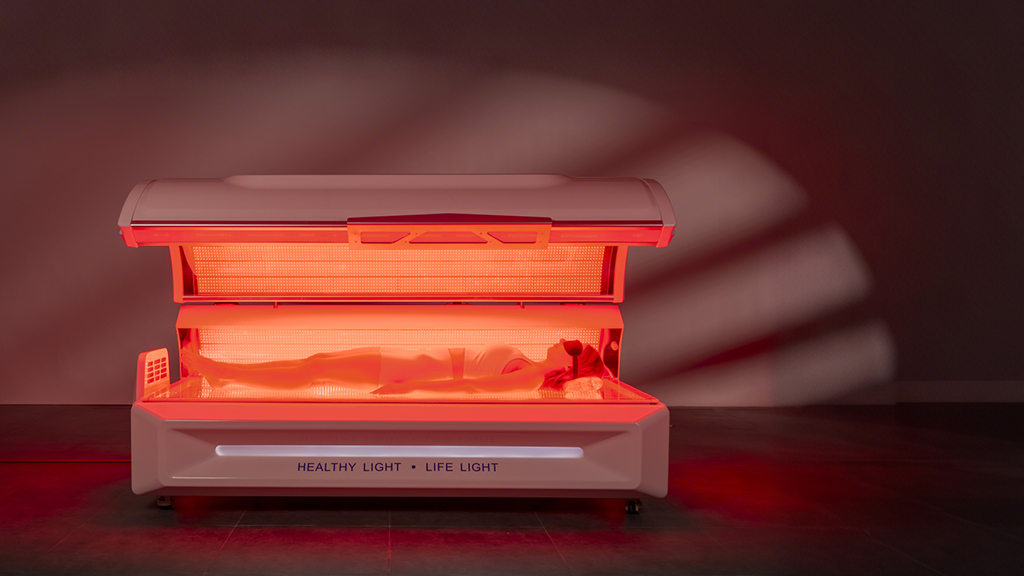
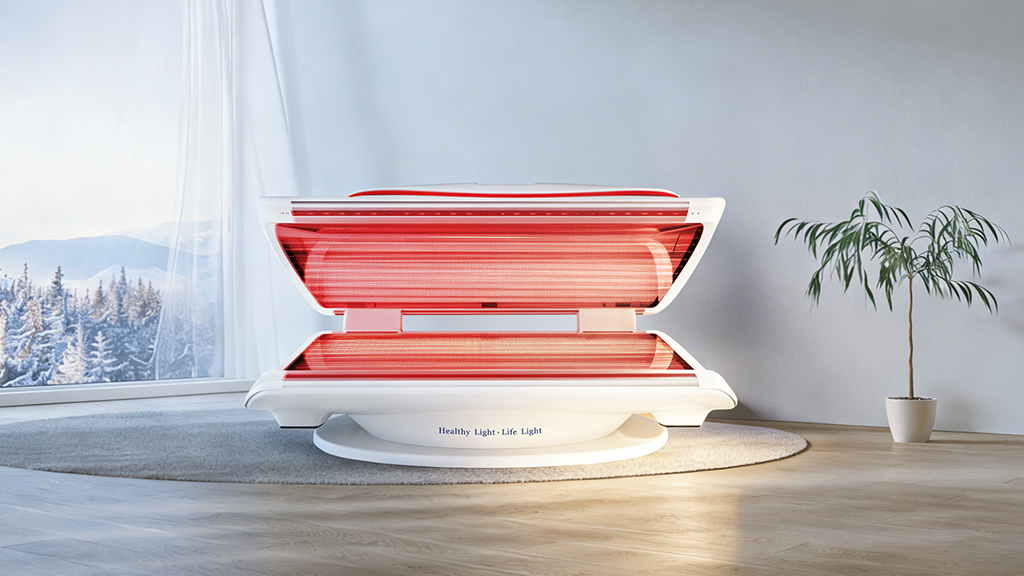
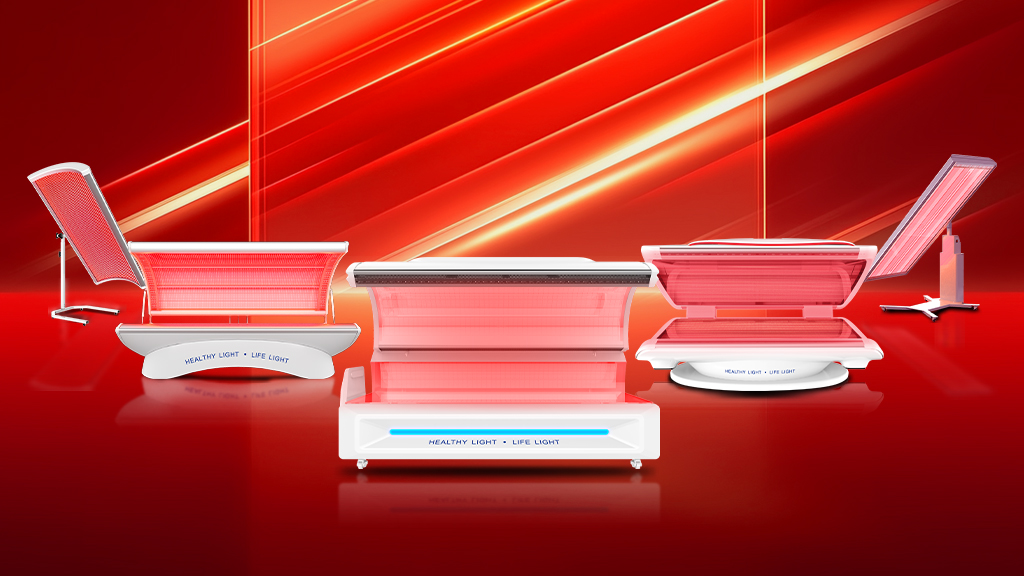
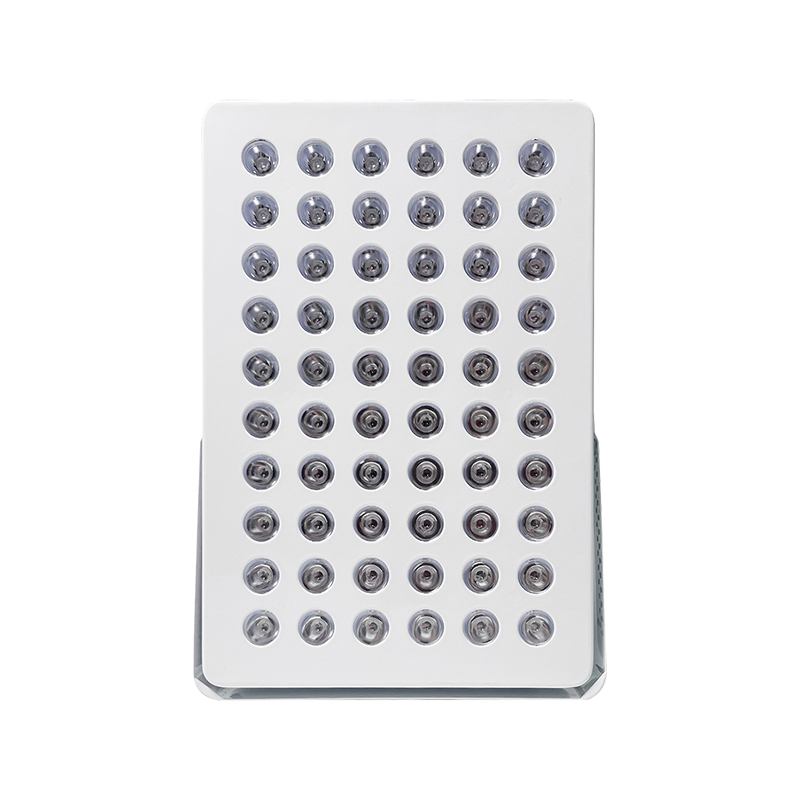
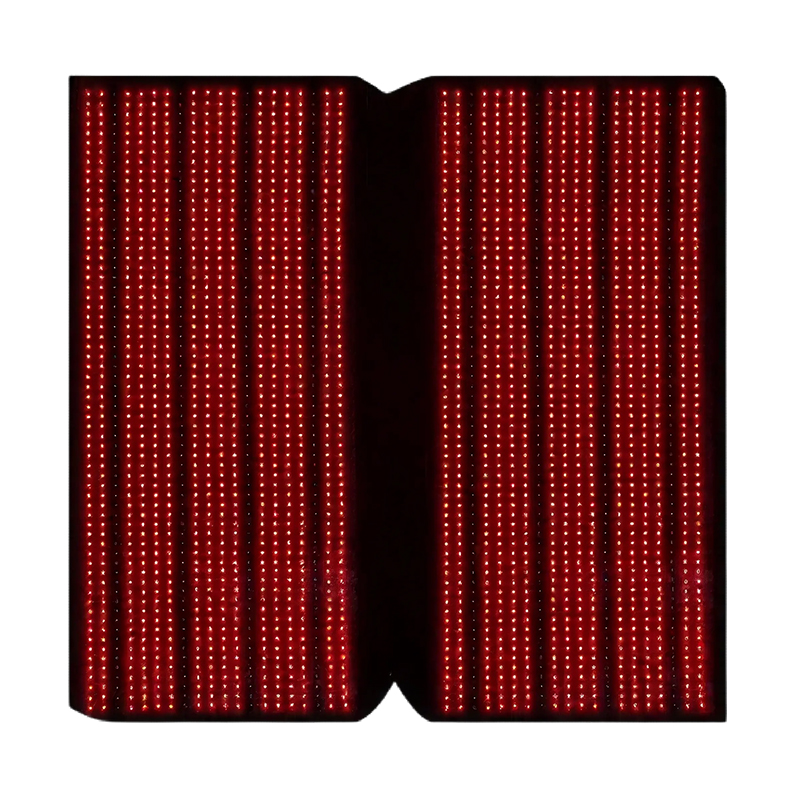
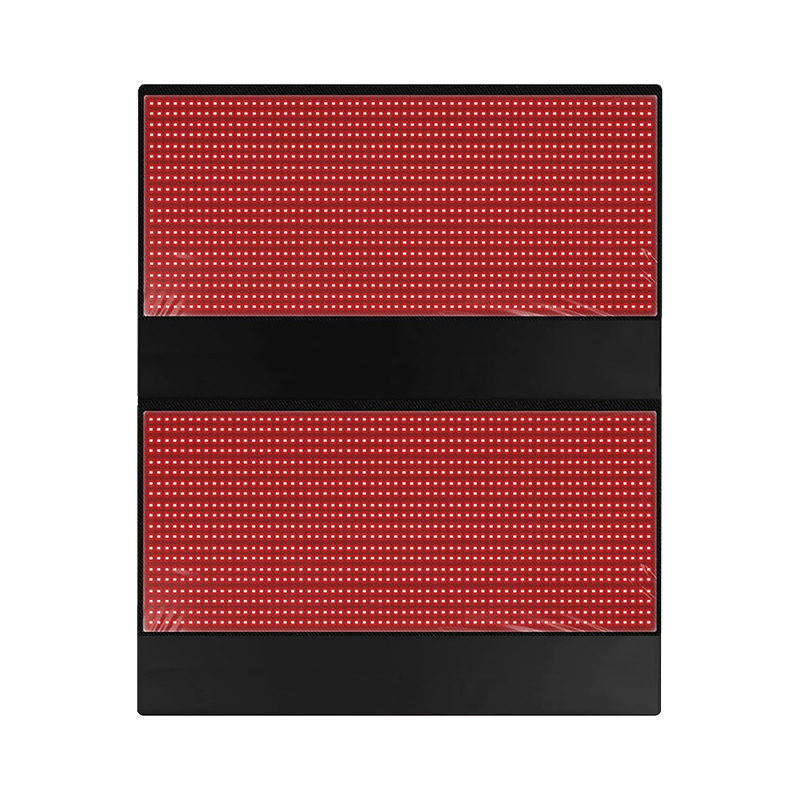
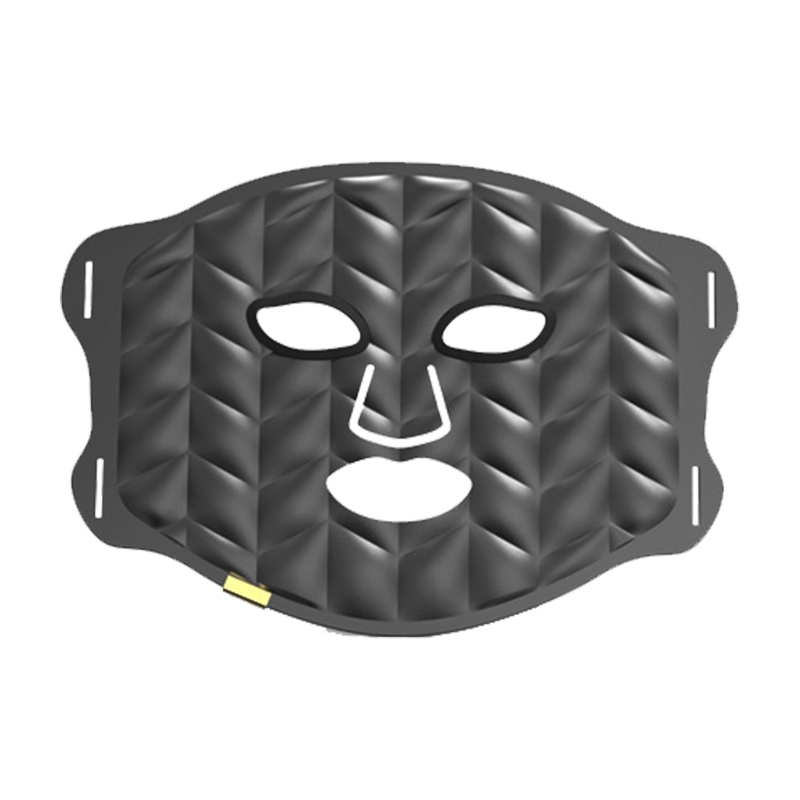
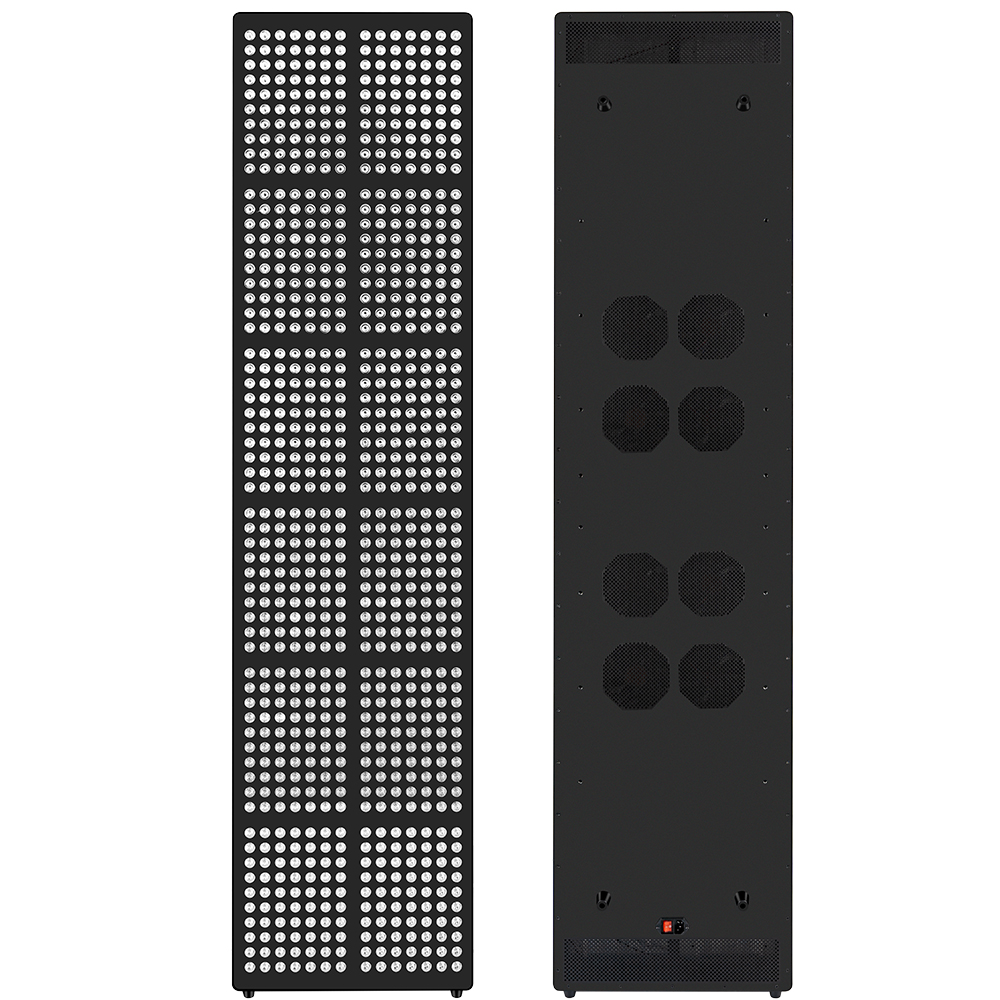
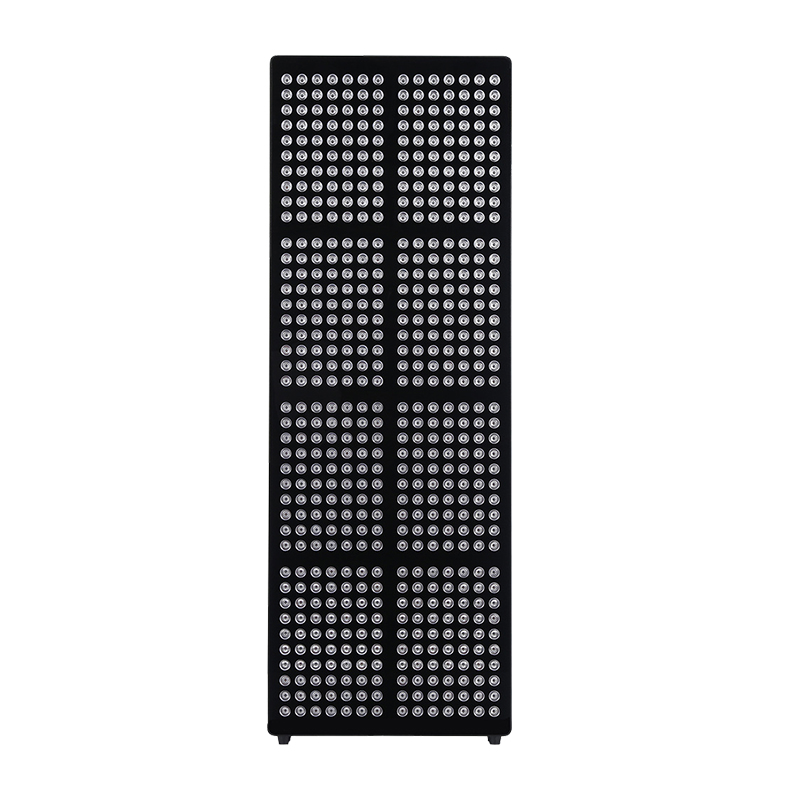
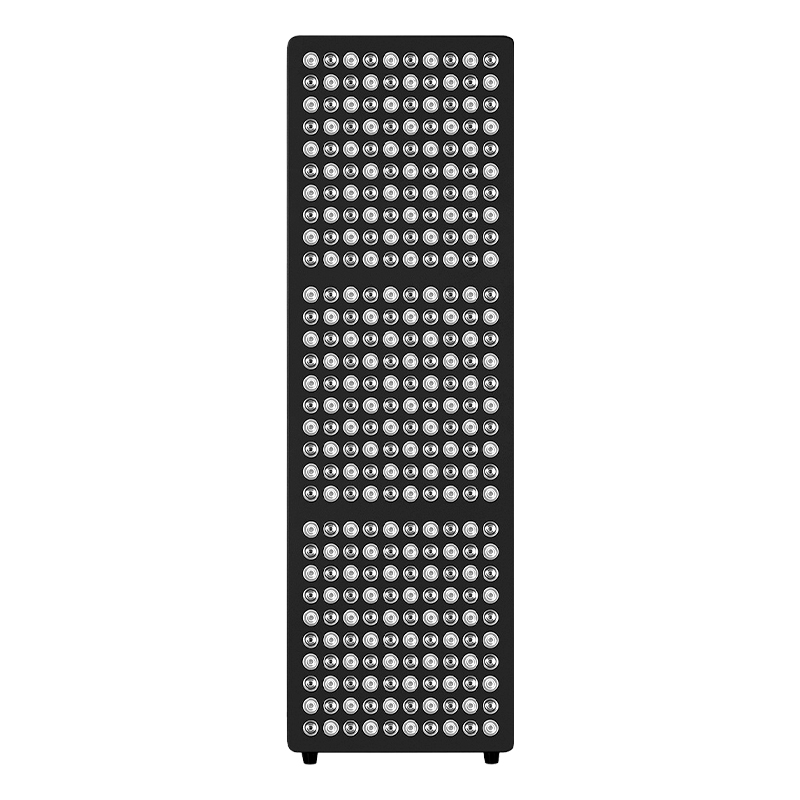
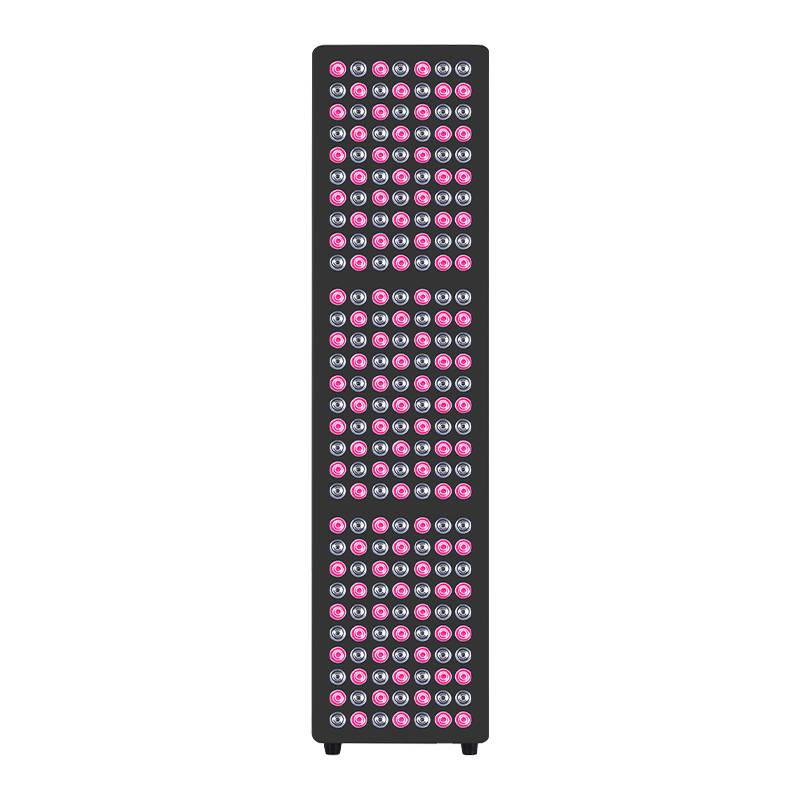
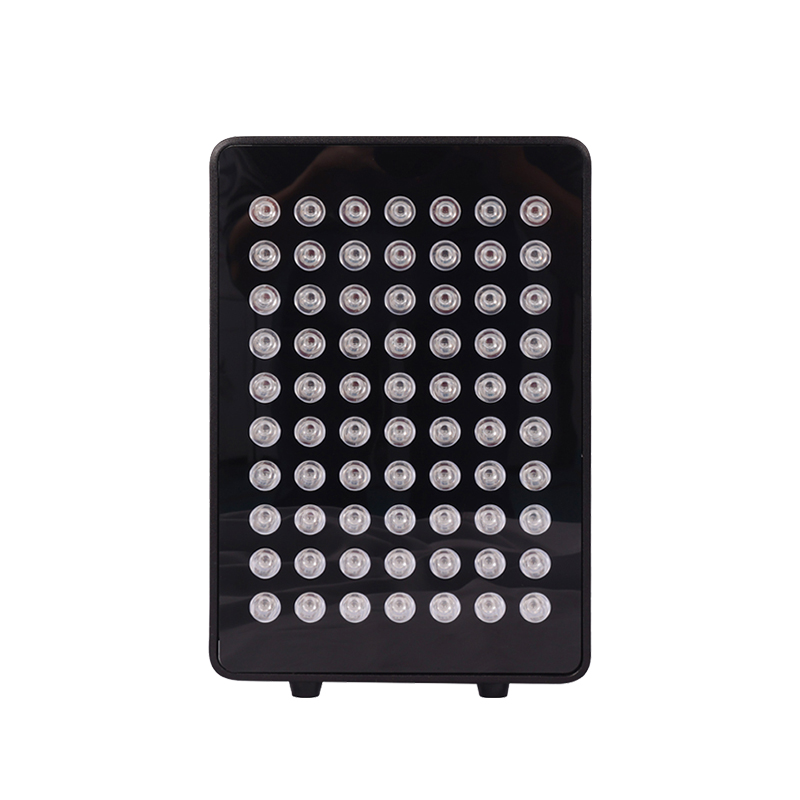
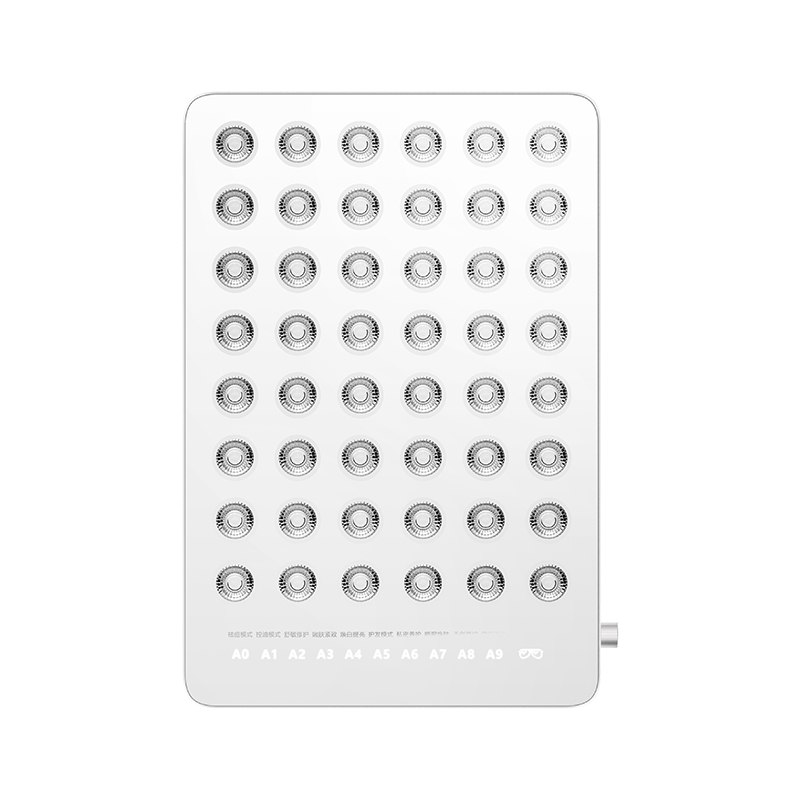
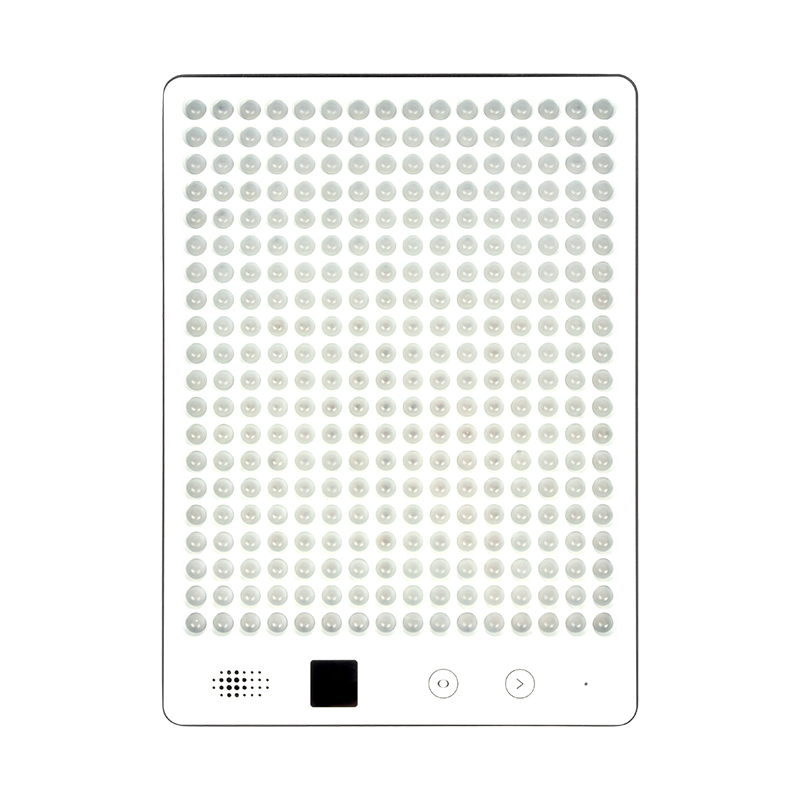
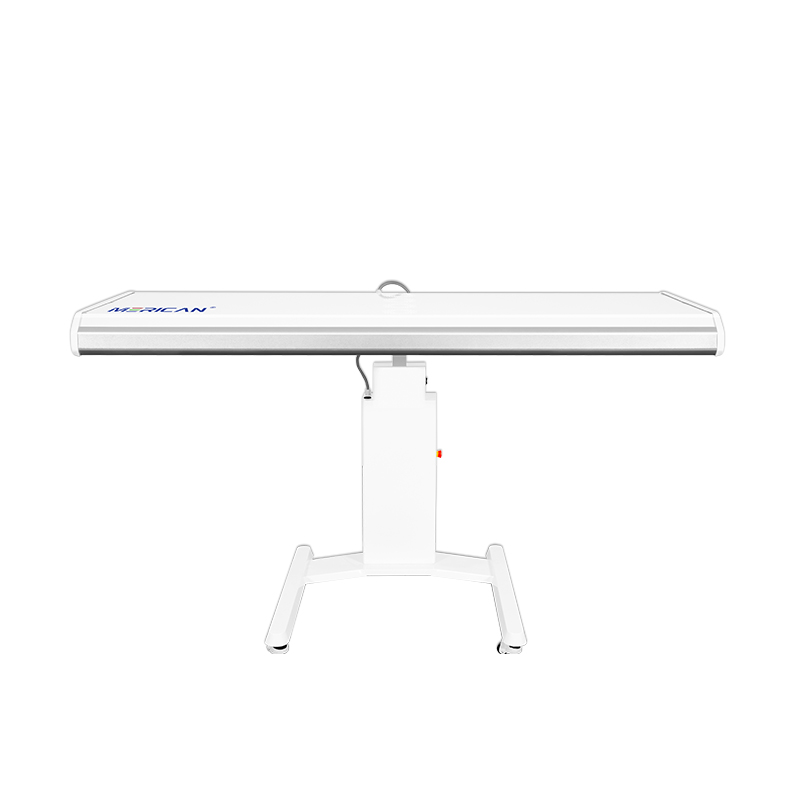
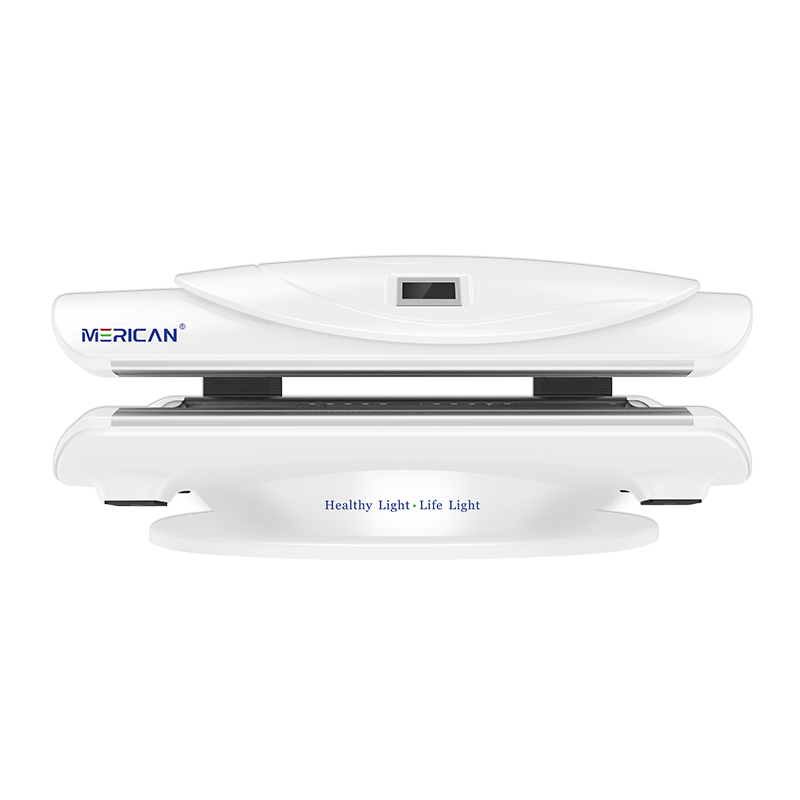
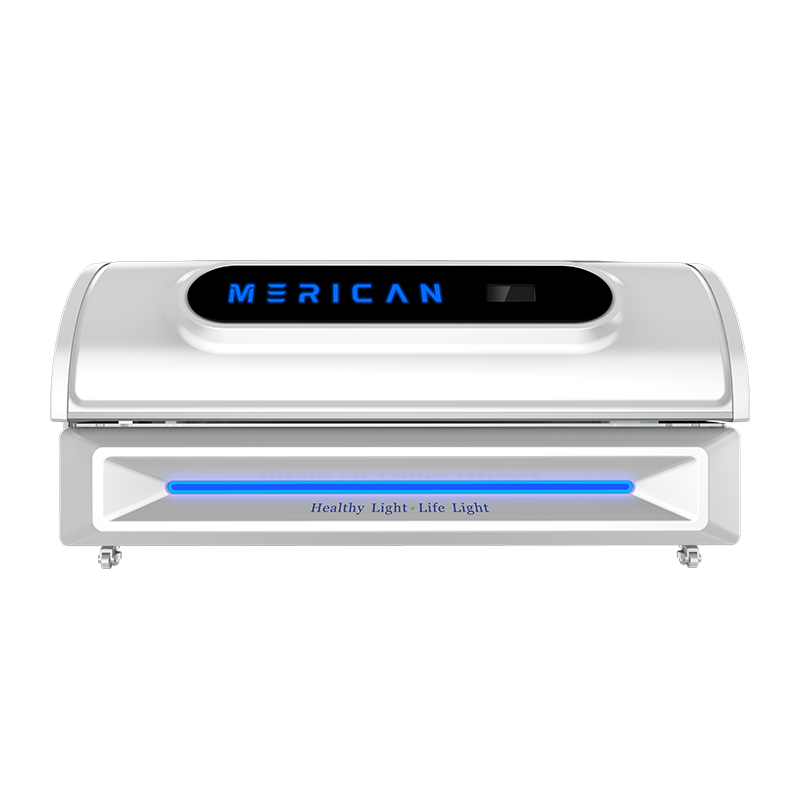
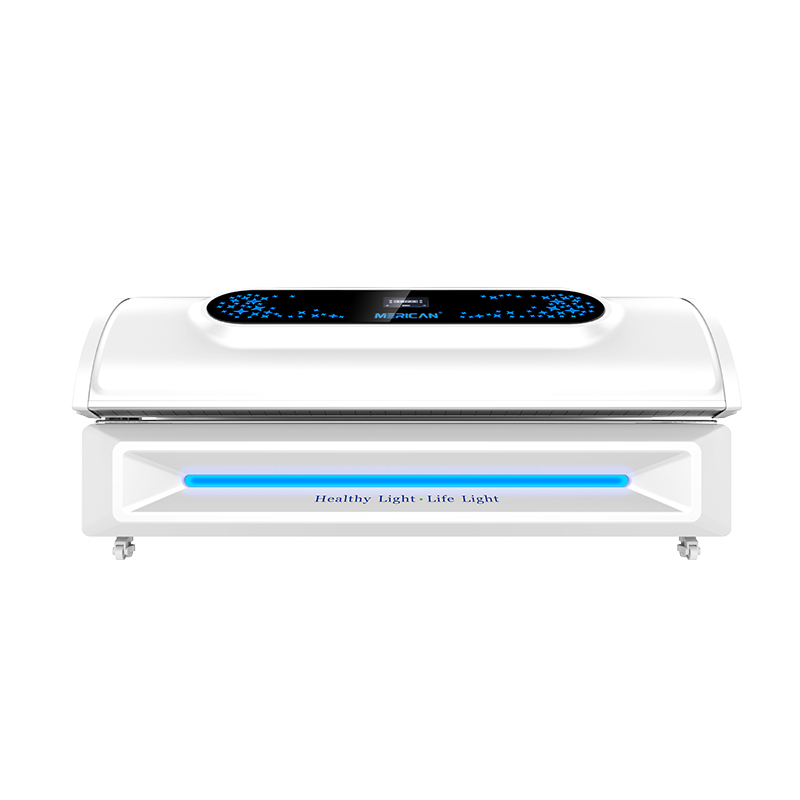
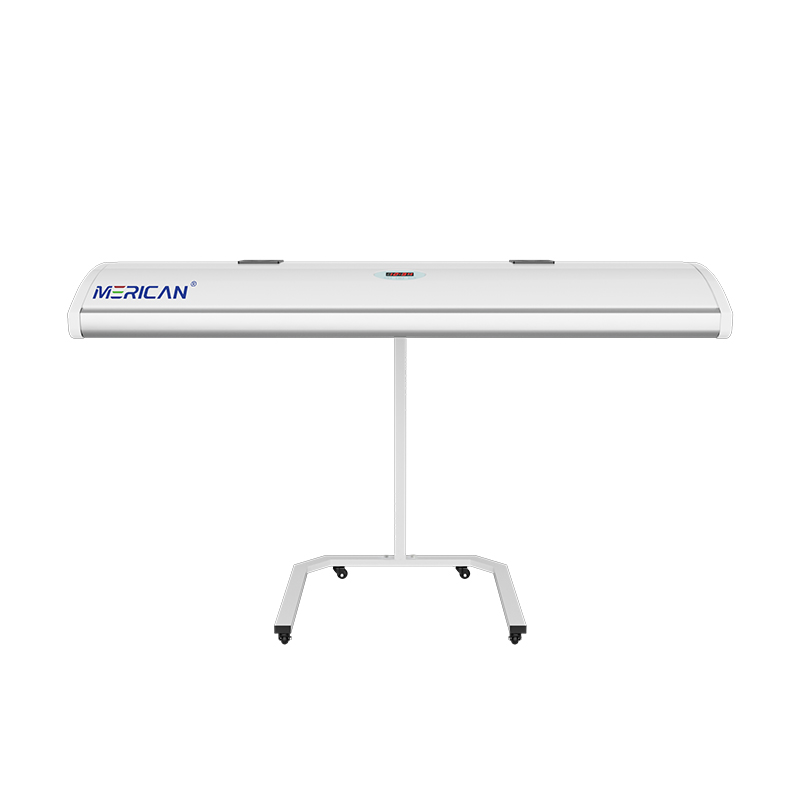
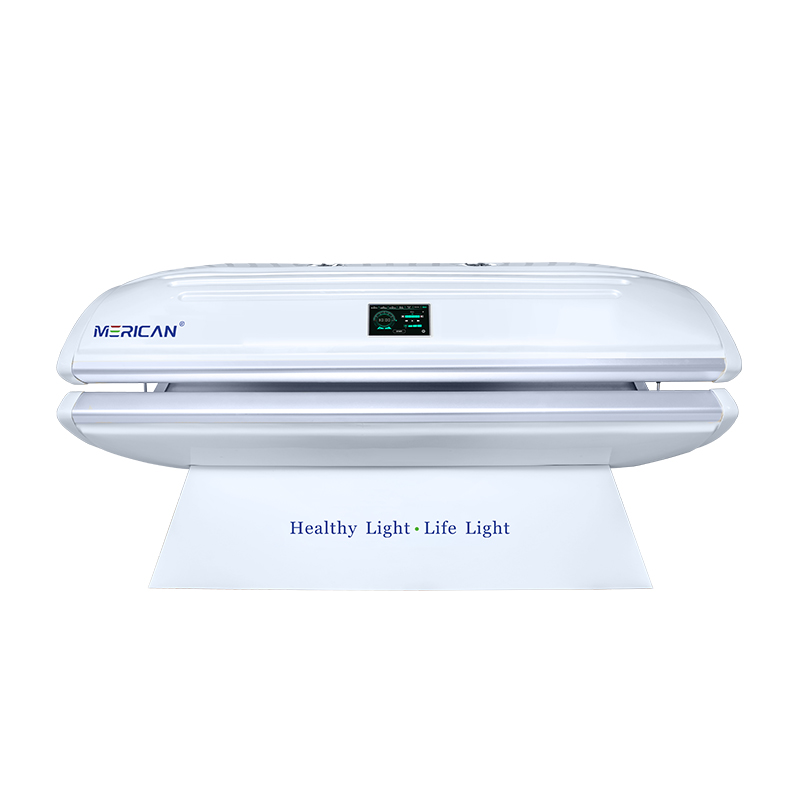
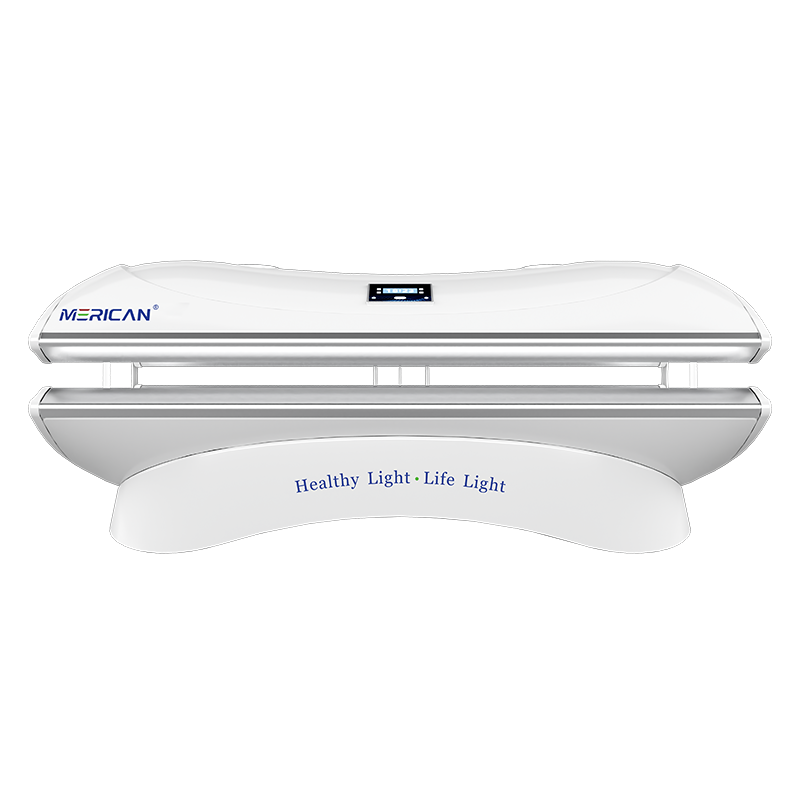
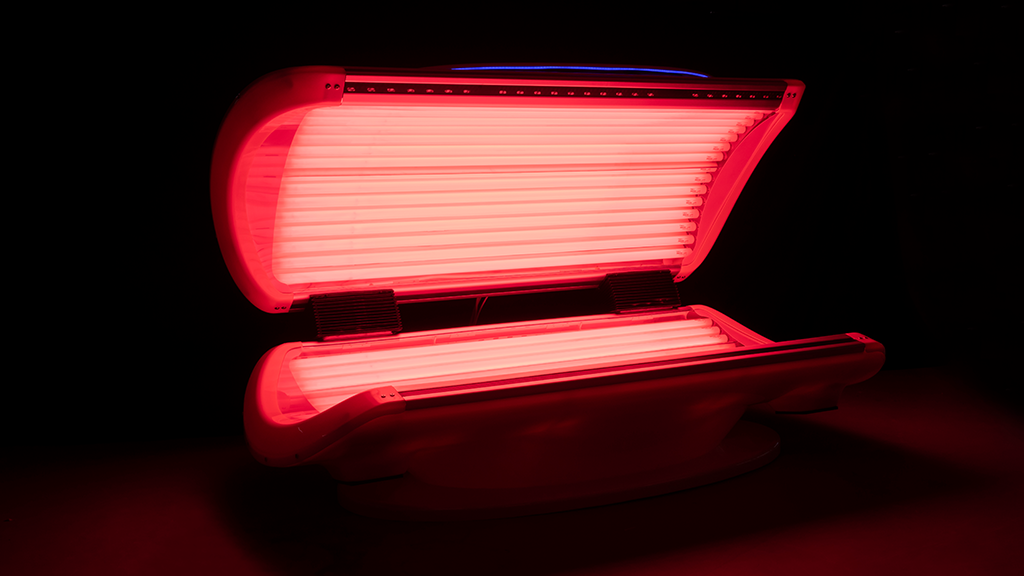
Red light therapy may be applied to the lower back, hope, and upper leg areas using targeted devices or professional-grade red light therapy beds.
Kei roto i nga aratohu whaanui mo te oranga oranga:
- Nga roangaru: 660 nm (whero) a 850 nm (tata-infrared)
- Wātū Roa: 10–20 meneti mo ia waahi
- Auautanga: 3–5 wahanga ia wiki
- Nga waahi tono: Te tuara o raro, gluteal region, and along the pain pathway
Consistent use over several weeks is typically required to experience noticeable benefits.
Te Haumaru me nga Whakaaro Nui
- Red light therapy does not replace medical evaluation for severe or worsening sciatica
- Persistent numbness, ngoikoretanga uaua, or bowel/bladder issues require immediate medical attention
- Best results are achieved when combined with physical therapy, totoro, and posture correction
Always consult a healthcare professional before starting any new therapy for nerve-related pain.
Nga Whakaaro Whakamutunga
Na, can red light therapy help sciatica? While it cannot fix the root cause, Ka awhina pea te rongoa rama whero whakaiti i te mumura, support nerve comfort, whakapai te tohanga, and ease pain when used as part of a comprehensive sciatica management plan.
For those seeking a non-invasive, drug-free option to support sciatic pain relief, red light therapy may be a valuable complementary therapy.
FAQ
Q: Can red light therapy cure sciatica?
A: Kao. Sciatica is often caused by structural issues. Red light therapy may help manage symptoms but does not cure the condition.
Q: How long does it take to feel relief?
A: Some people notice improvement within 2–4 weeks of consistent use, while chronic cases may take longer.
Q: Can red light therapy be used daily for sciatica?
A: Moderate daily use is generally safe, but most protocols recommend 3–5 sessions per week.