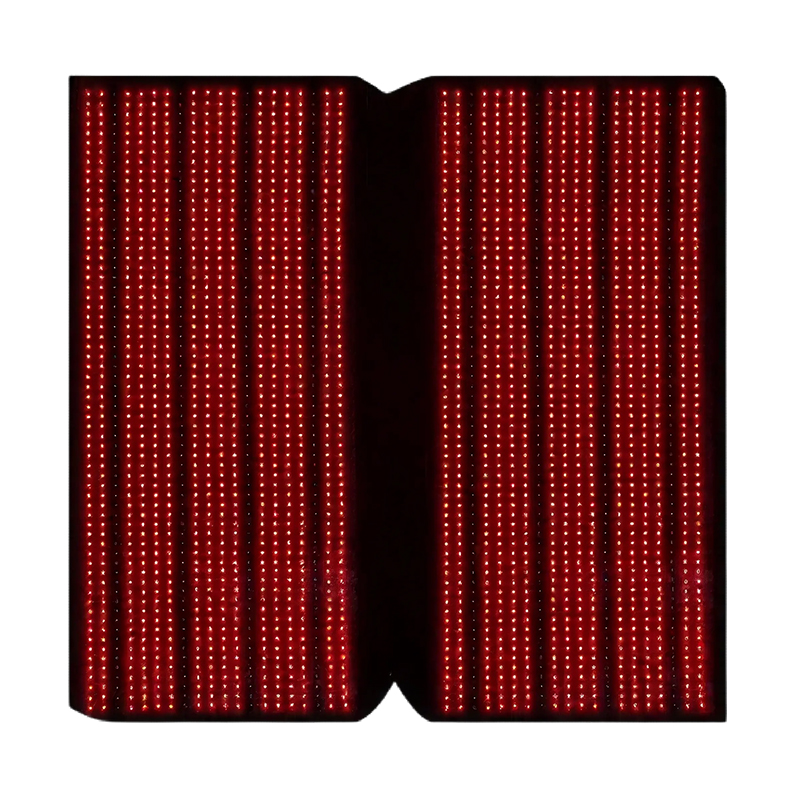
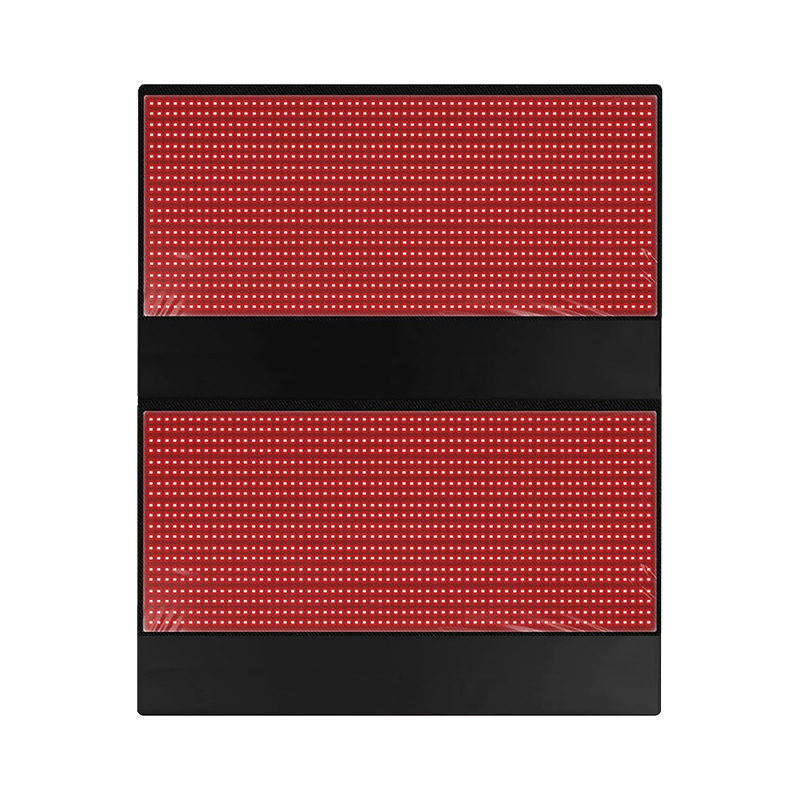
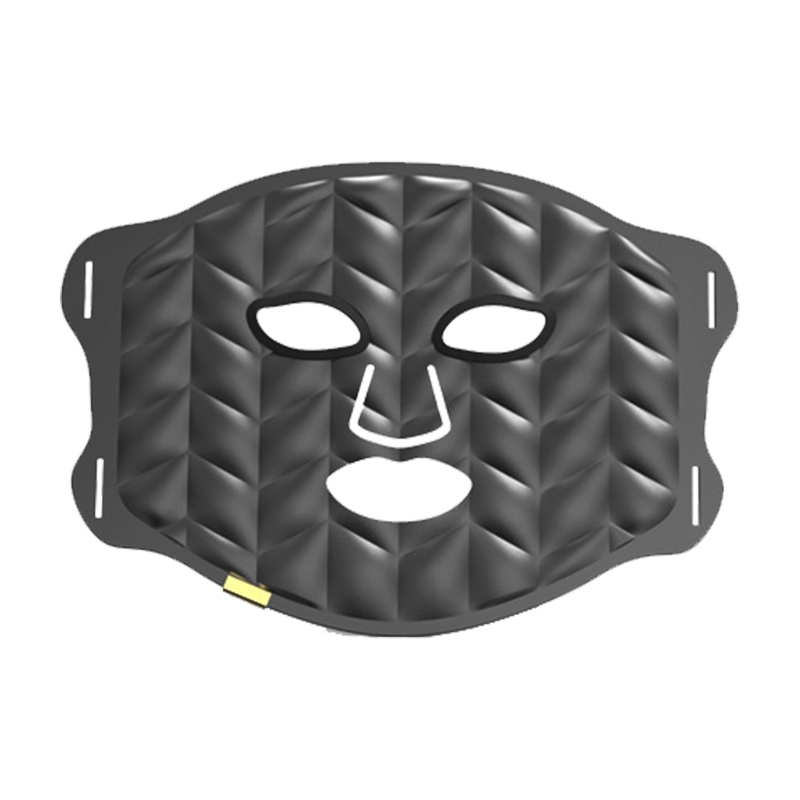
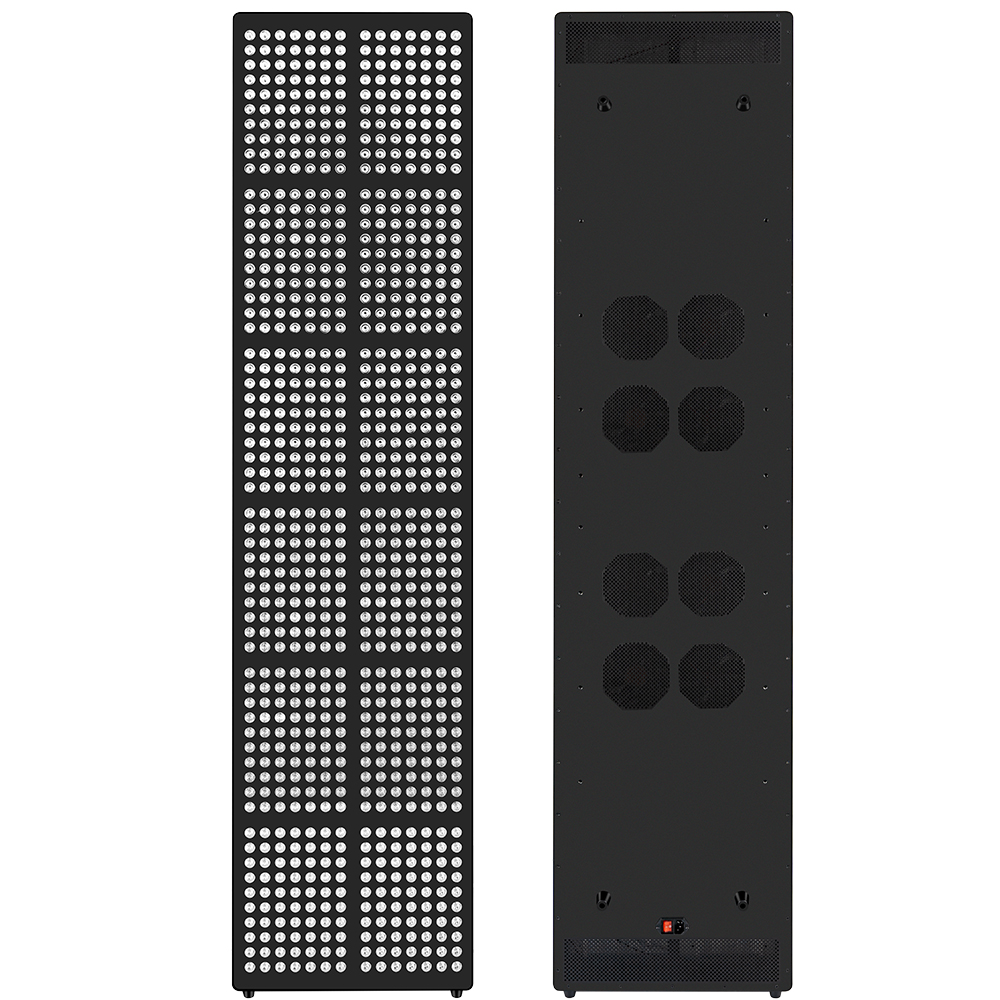
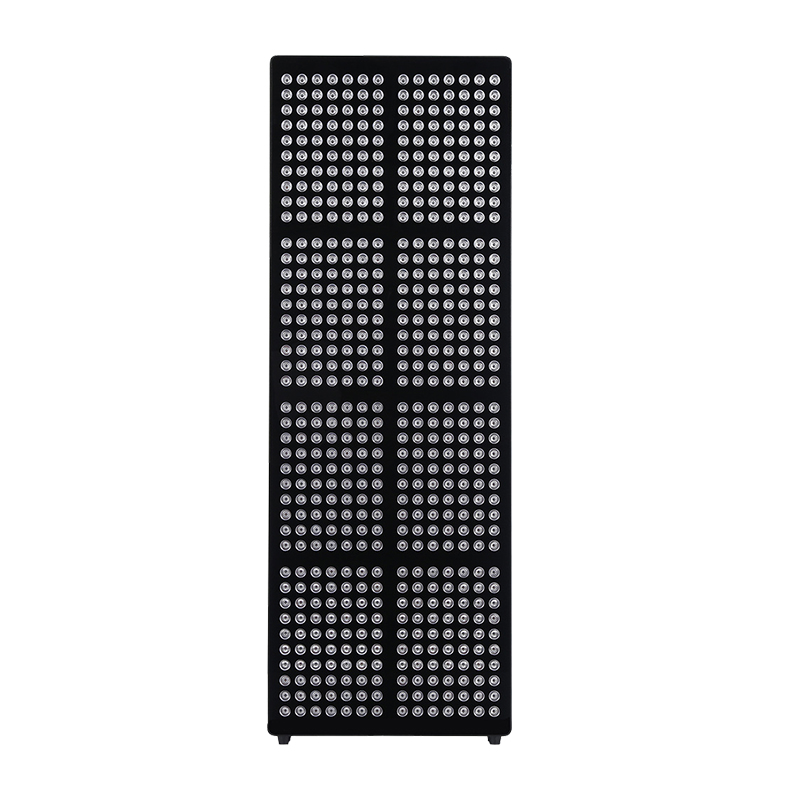
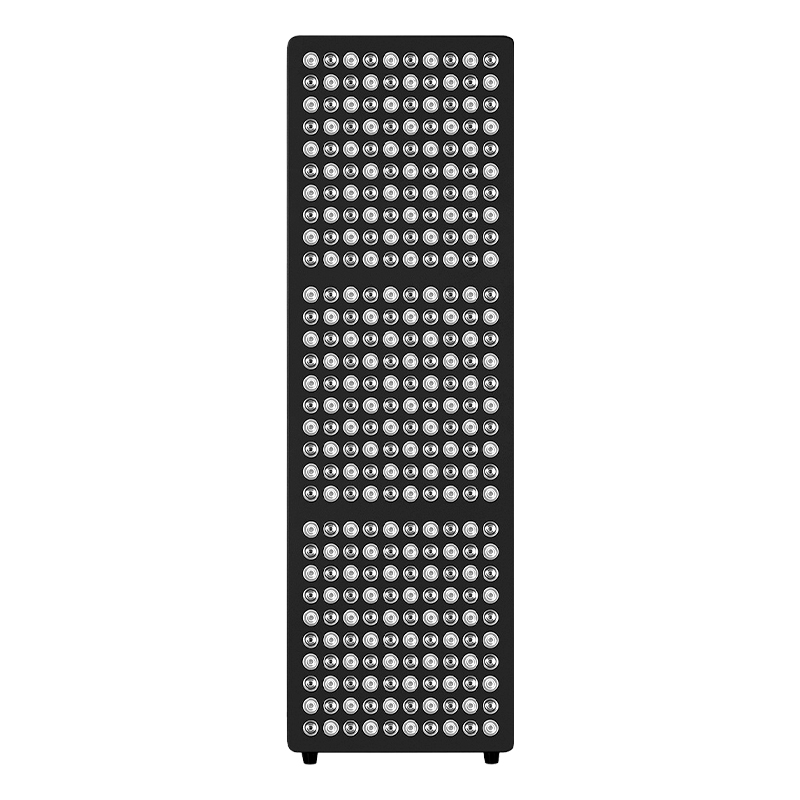
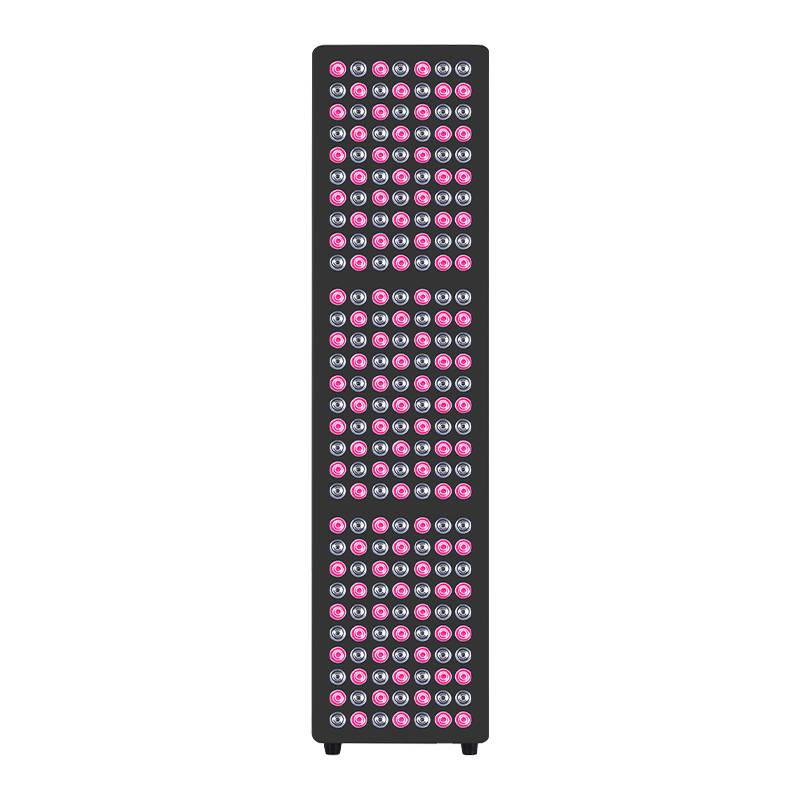
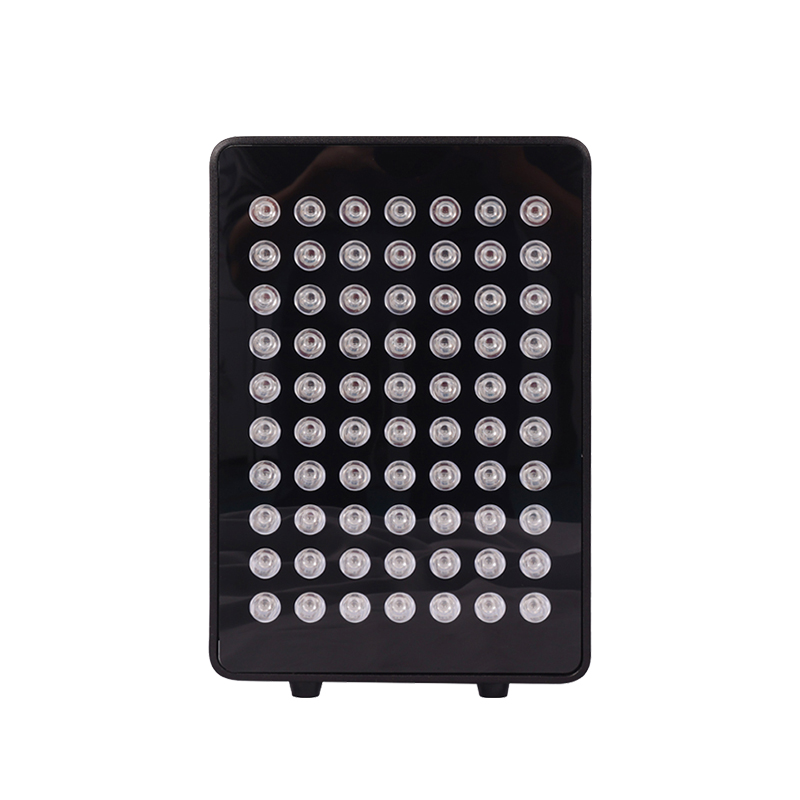
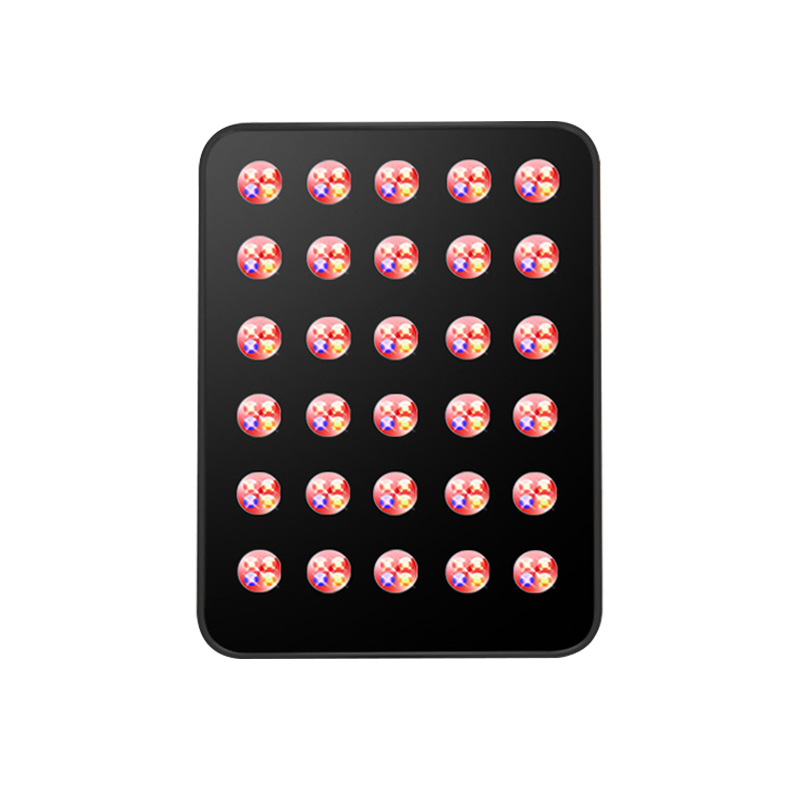
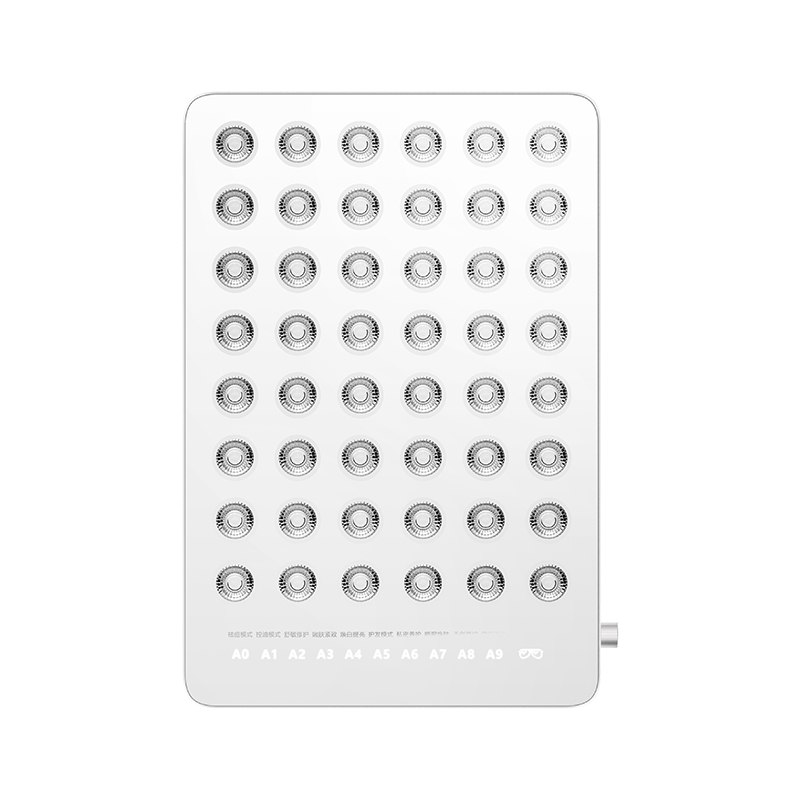
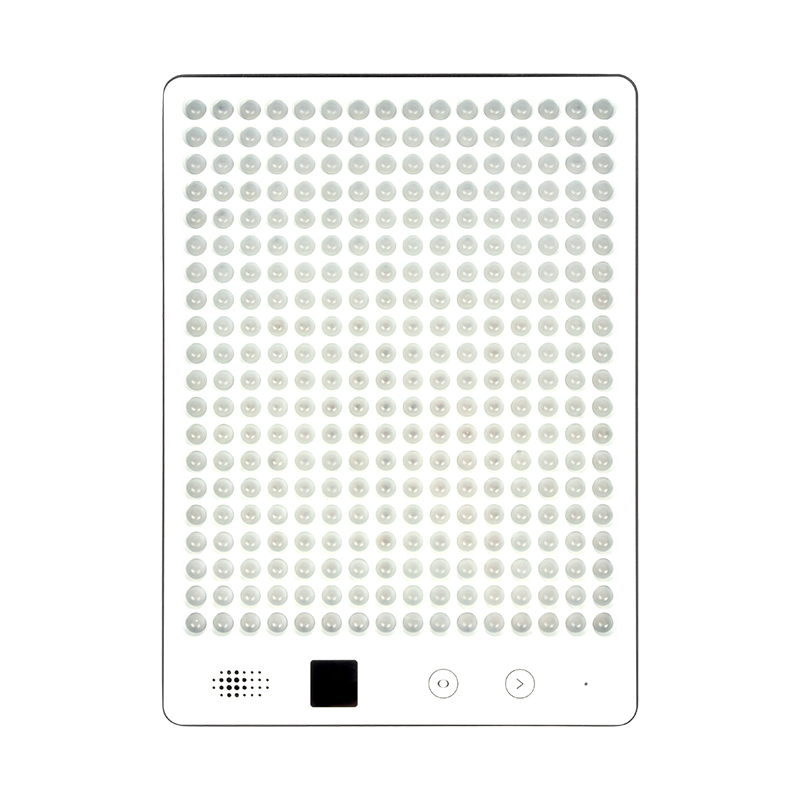
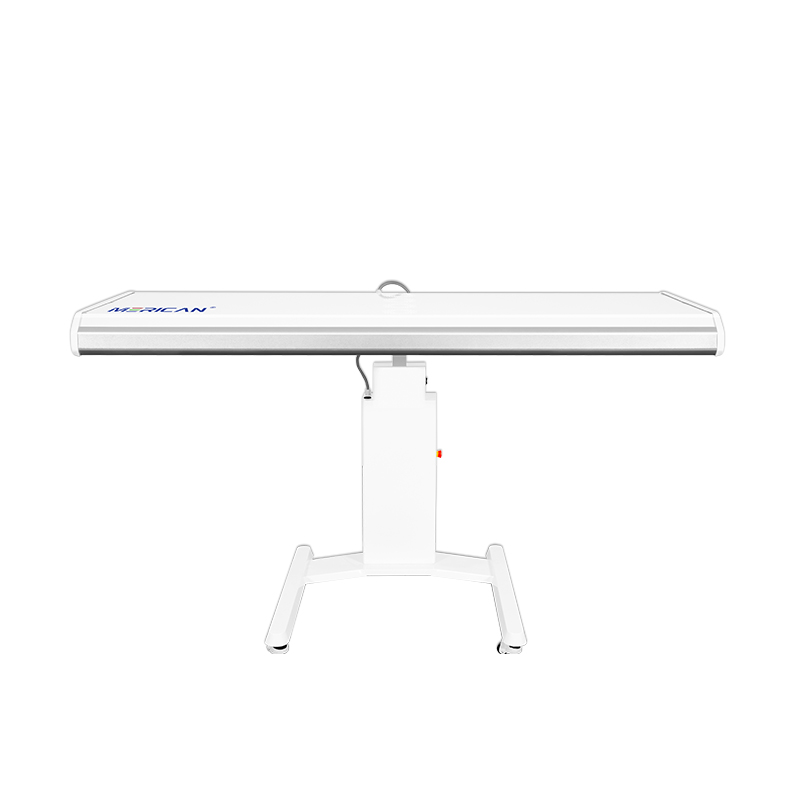
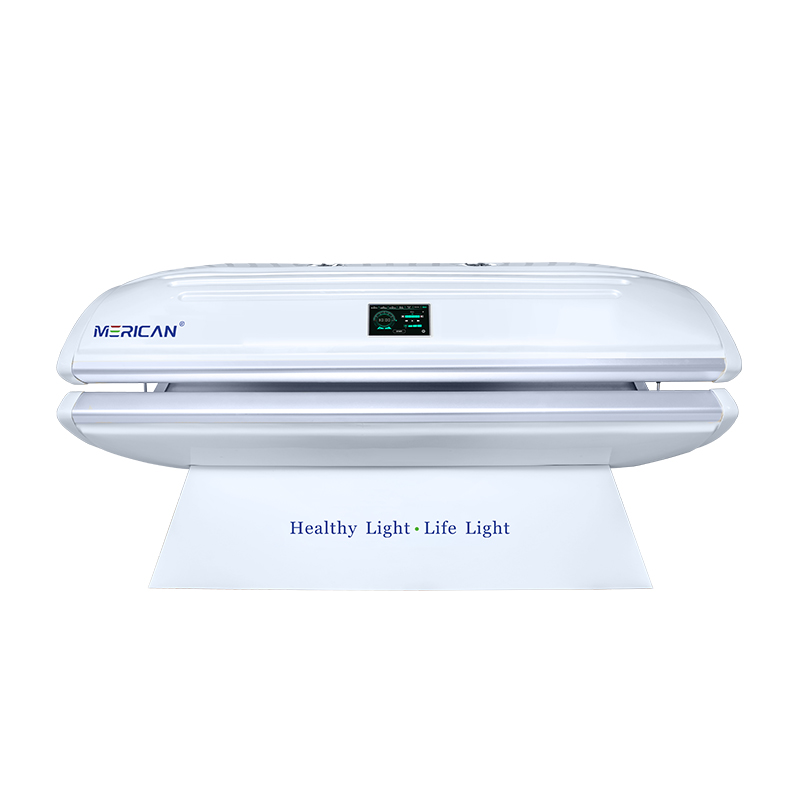
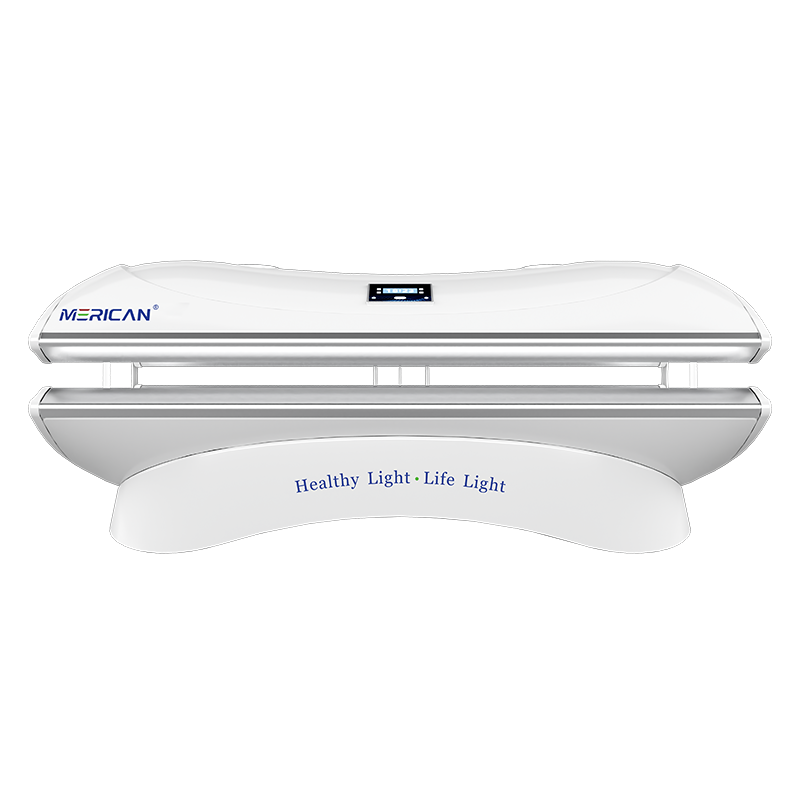
Ka pa te mate makawe ki nga miriona taangata i te ao, e arahi ana i te tini ki te tuhura i nga whiringa maimoatanga-kore. I roto i enei, te whakamaarama rama whero—e mohiotia ana ko te whakamaarama laser taumata-iti (LLLT)—kua arohia mo tona kaha ki te whakaongaonga i te tipu o nga makawe. Engari he aha te korero a te pūtaiao?
I roto i tenei tuhinga, Ka arotakehia e matou nga rangahau haumanu me nga taunakitanga i muri i te whakamaarama rama whero mo te tipu o nga makawe, me pehea te mahi, ko wai ka awhina, me nga hua ka taea e koe te tumanako.
He aha te Maama Whero Whero mo te Tipu Huruhuru?
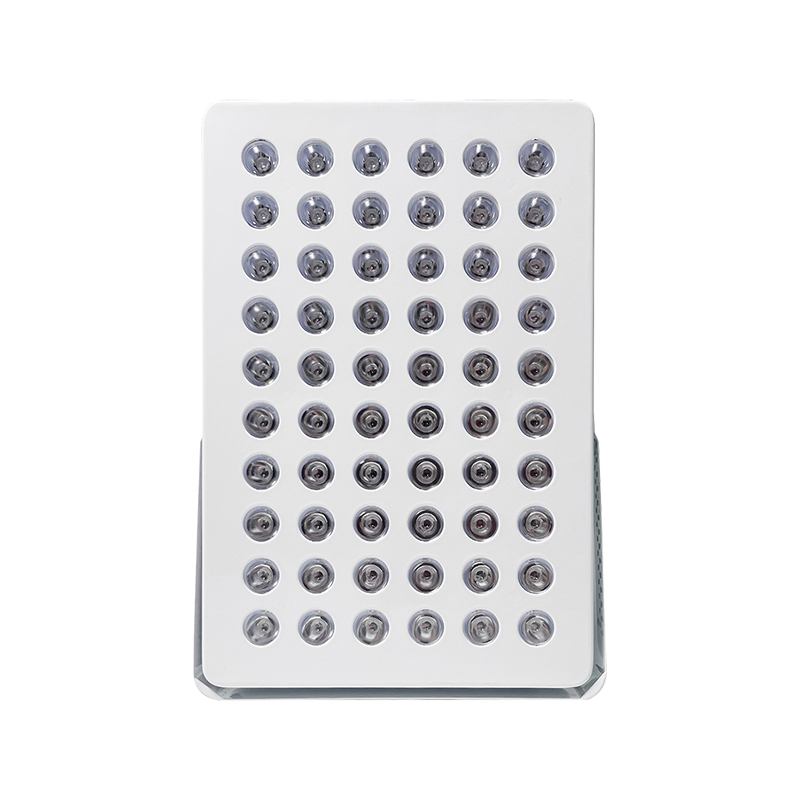
Ko te whakamaarama rama whero mo te tipu o nga makawe ka whakamahia nga roangaru i roto i te awhe o te 630-680nm (rama whero) a, i etahi wa ko te rama tata-infrared a tawhio noa 800–850nm. Ko tenei momo maimoatanga e kiia ana ko LLLT ka tukuna ma nga taputapu penei i nga potae laser, potae, heru ranei.
He maha nga wa e whakamahia ana ki te rongoa i nga ahuatanga penei i te Androgenetic Alopecia, e mohiotia ana ko te pakira tane, wahine ranei.
Kia pehea te Whakapaipai Maama Whero e Whakaohooho ai i te Tipu Mahuru
Ko nga rangahau haumanu e whakaatu ana i etahi tikanga koiora:
1. Te Whakanuia o te Pūkoro Pūkoro (Hanga ATP)
Ko te rama whero e whakaihiihi ana i te mitochondria i roto i nga ruma makawe makawe, te whakanui ake i te whakaputanga kaha me te whakatairanga i te tipu.
2. Pai ake te Tohanga Toto
Better blood flow delivers oxygen and nutrients to hair follicles.
3. Prolongation of the Growth Phase (Anagen Phase)
Red light may help keep hair follicles in the active growth phase longer.
4. Whakaitihia te mumura
Chronic scalp inflammation can contribute to hair loss. Red light therapy may help reduce this.
What Do Clinical Studies Show?
Several clinical trials have evaluated the effectiveness of red light therapy for hair growth:
Randomized Controlled Trials (RCTs)
Multiple RCTs have shown that LLLT devices can significantly increase hair density and thickness compared to placebo devices.
Participants using red light therapy devices for 16–26 weeks often experienced:
- Increased hair count
- Improved hair thickness
- Reduced shedding
Nga Pūrere Kua Whakakorehia e te FDA
Several LLLT devices have received FDA clearance for treating pattern hair loss, e tohu ana ka whakaarohia he haumaru me te whai hua pea ina whakamahia i runga i te whakahau.
Meta-Atatari me nga Arotake
Ko nga arotake nahanaha e kii ana ko te whakamaarama rama whero he a kupu whakaari, maimoatanga-kore, ahakoa he rereke nga hua i runga i te kounga o te taputapu me te riterite o te maimoatanga.
Ko wai e whai hua nui ana mai i te Maama Whero?
E ai ki nga taunakitanga haumanu ka puta nga hua pai rawa atu:
- Takitahi me moata ki te mate makawe ngawari
- Nga turoro me alopecia androgenetic
- Ko nga tangata e whakamahi ana i te rongoa i roto i nga marama maha
He iti ake pea te whai hua mo:
- Pakira matatau
- Te alopecia ngarara
- Whakaotia te kore mahi o te follicle
Kia pehea te roa ka kite i nga hua?
Ko te nuinga o nga rangahau e whakaatu ana i nga whakapainga ka kitea i muri mai:
- 8–12 wiki (huringa wawe)
- 16–26 weeks (hua nui ake)
Ko te riterite te mea matua—ko te nuinga o nga kawa e taunaki ana 3–5 wahanga ia wiki.
Nga herenga o nga rangahau o naianei
I te oati, he here tonu te rangahau:
- Te rereketanga o nga momo taputapu me nga roangaru
- Nga rahi tauira iti i etahi rangahau
- Differences in treatment protocols
More long-term, large-scale studies are needed to fully establish effectiveness.
Is It Better Than Other Hair Loss Treatments?
Red light therapy is often used alongside other treatments, penei:
- Topical solutions (like minoxidil)
- Oral medications
- Tautoko kai
It is best viewed as a te rongoa taapiri, not a standalone cure.
Nga Whakaaro Whakamutunga
Clinical studies suggest that red light therapy can support hair growth, particularly in individuals with early-stage pattern hair loss. While it is not a miracle cure, it offers a safe, non-invasive option with growing scientific backing.
Mo nga hua pai, riterite, te kounga o te taputapu, and realistic expectations are essential.