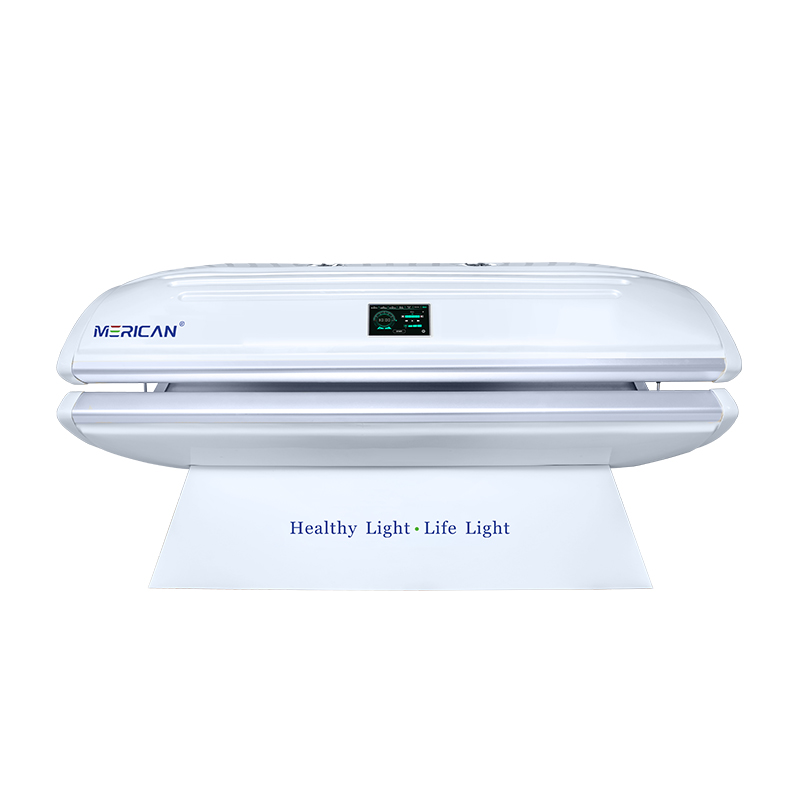
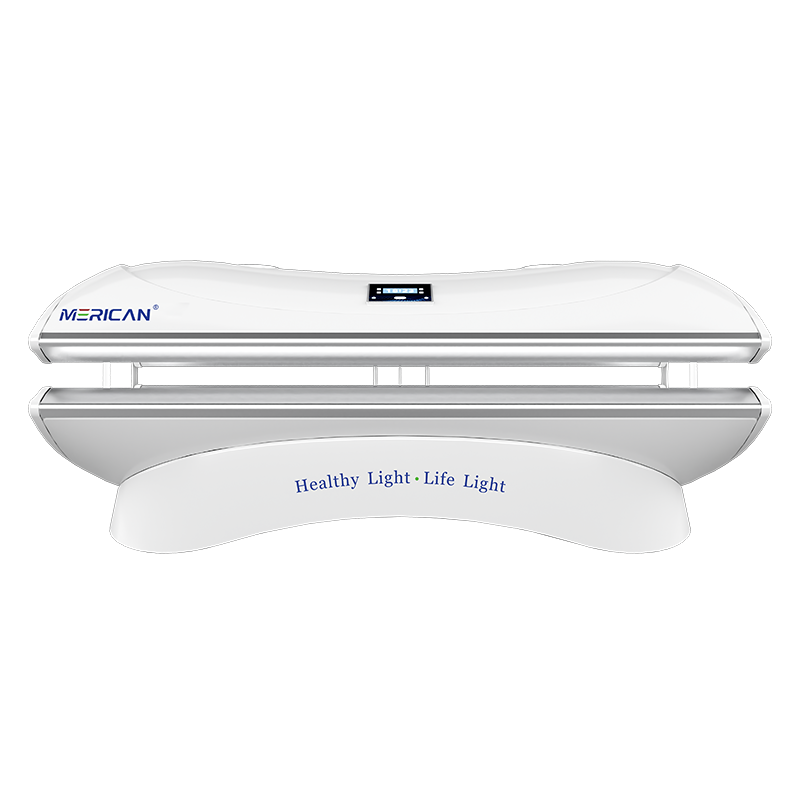
Bíonn tionchar ag caillteanas gruaige ar na milliúin daoine ar fud an domhain, chun go leor roghanna cóireála neamh-ionracha a iniúchadh. Ina measc seo, teiripe solais dhearg - ar a dtugtar teiripe léasair íseal-leibhéil freisin (LLLT)- tar éis aird a fháil ar a chumas fás gruaige a spreagadh. Ach cad a deir an eolaíocht i ndáiríre?
San Airteagal seo, déanaimid athbhreithniú ar staidéir chliniciúla agus ar fhianaise taobh thiar de theiripe an tsolais dhearg maidir le hathfhás gruaige, lena n-áirítear conas a oibríonn sé, cé a chuidíonn sé, agus cad iad na torthaí ar féidir leat a bheith ag súil leo i ndáiríre.
Cad é Teiripe Solas Dearg le haghaidh Fás Gruaige?
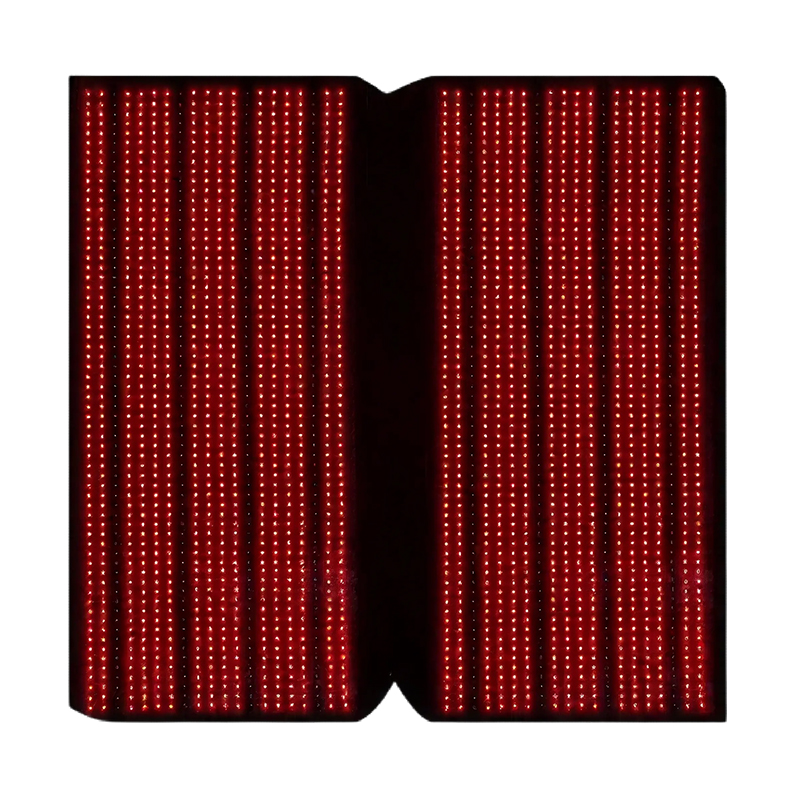
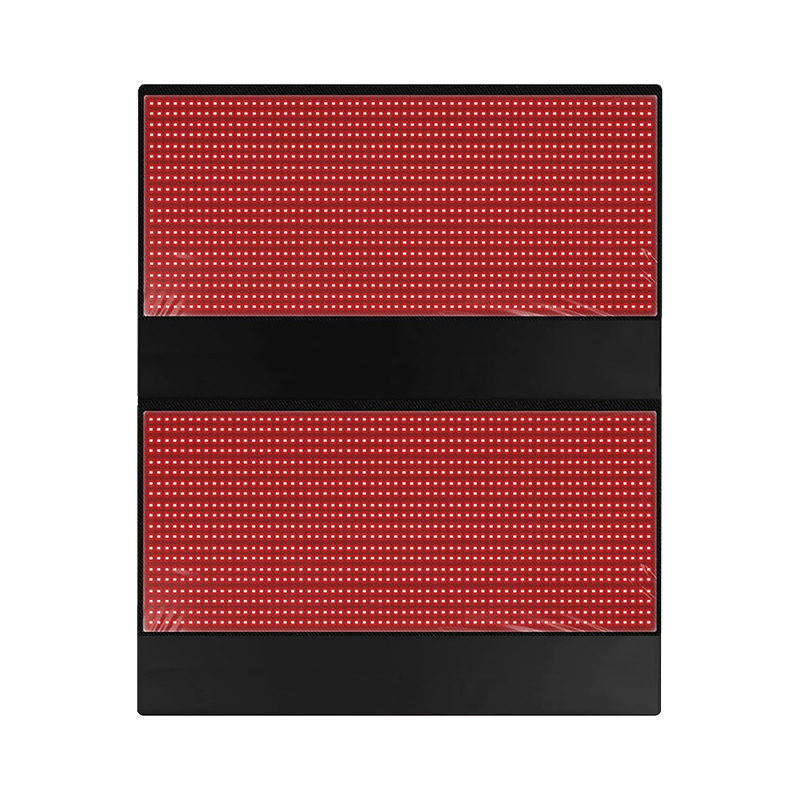
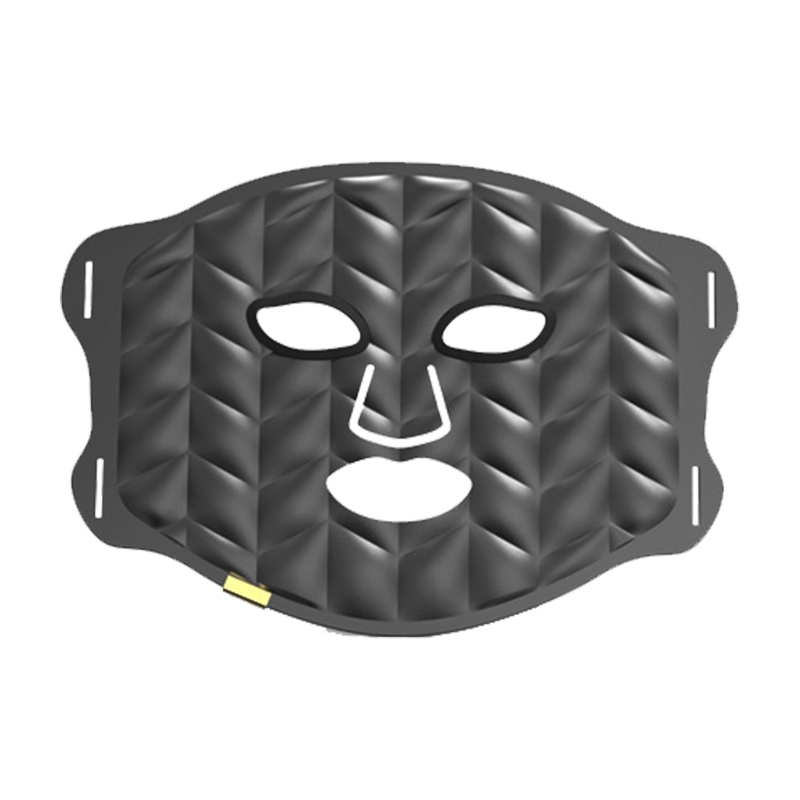
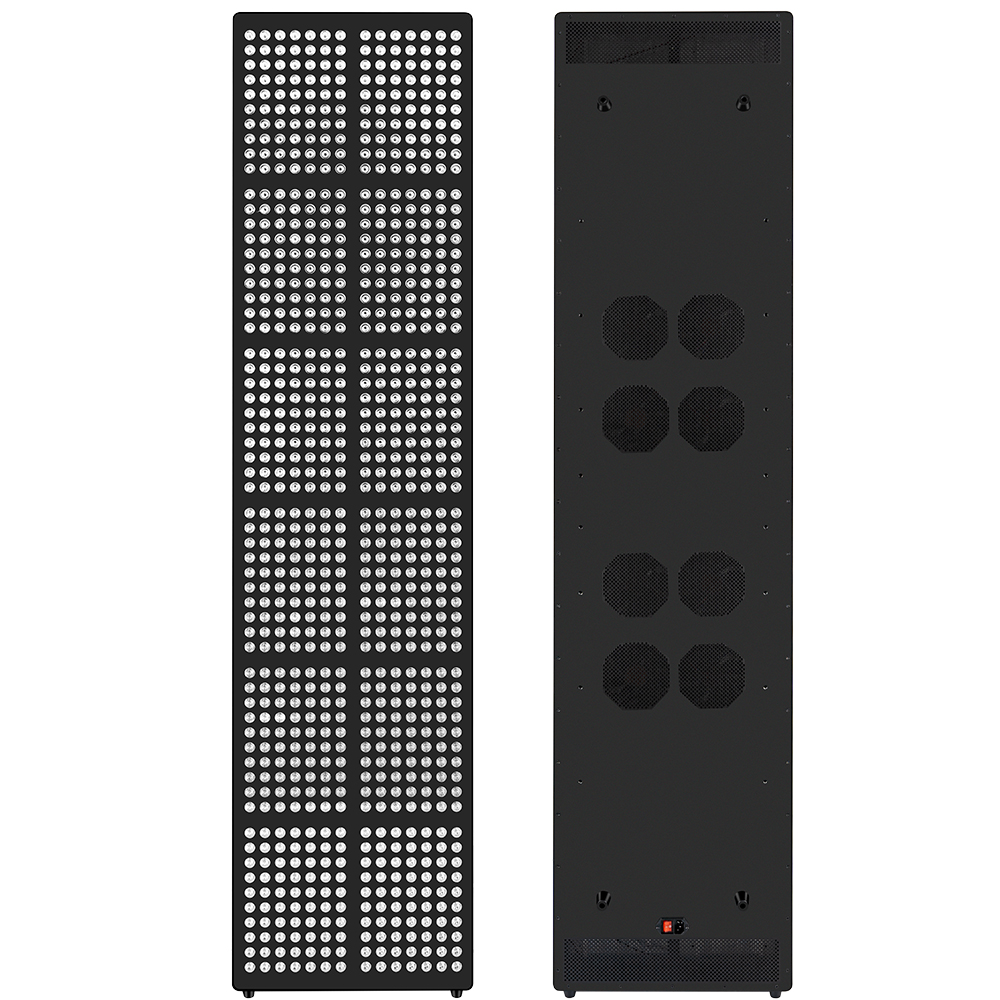
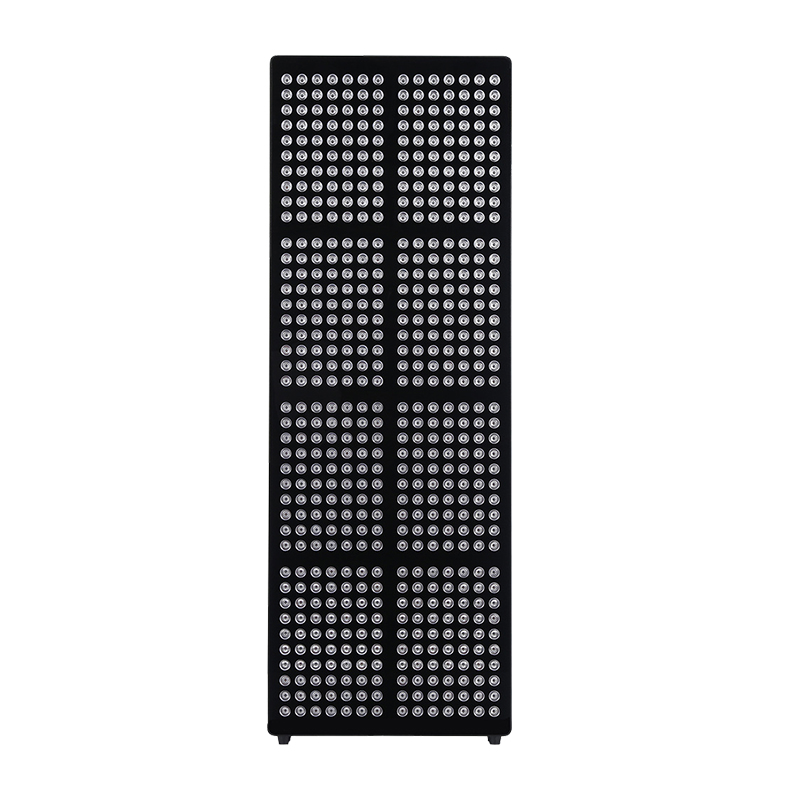
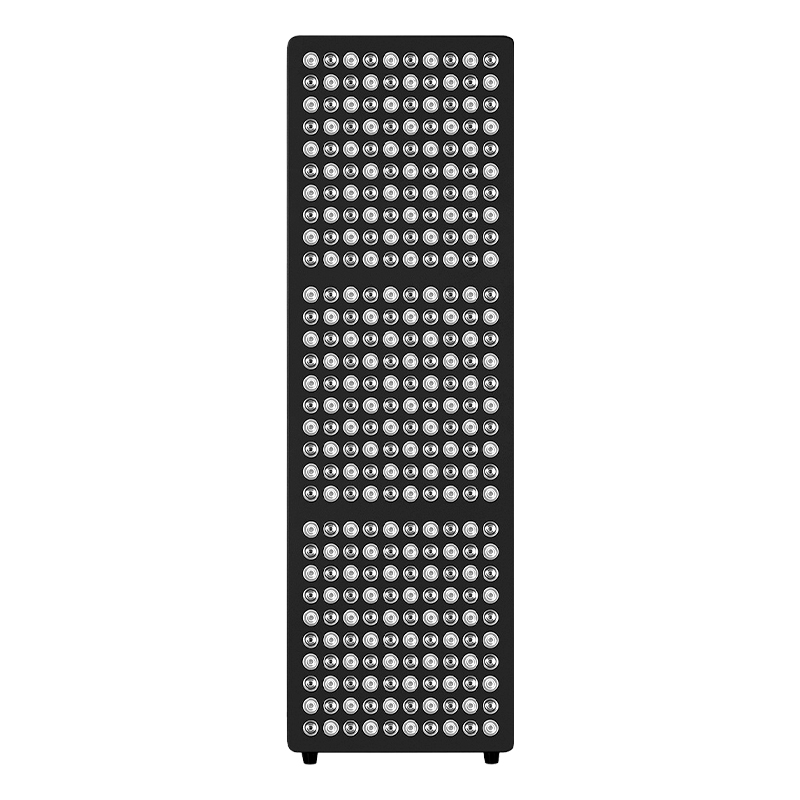
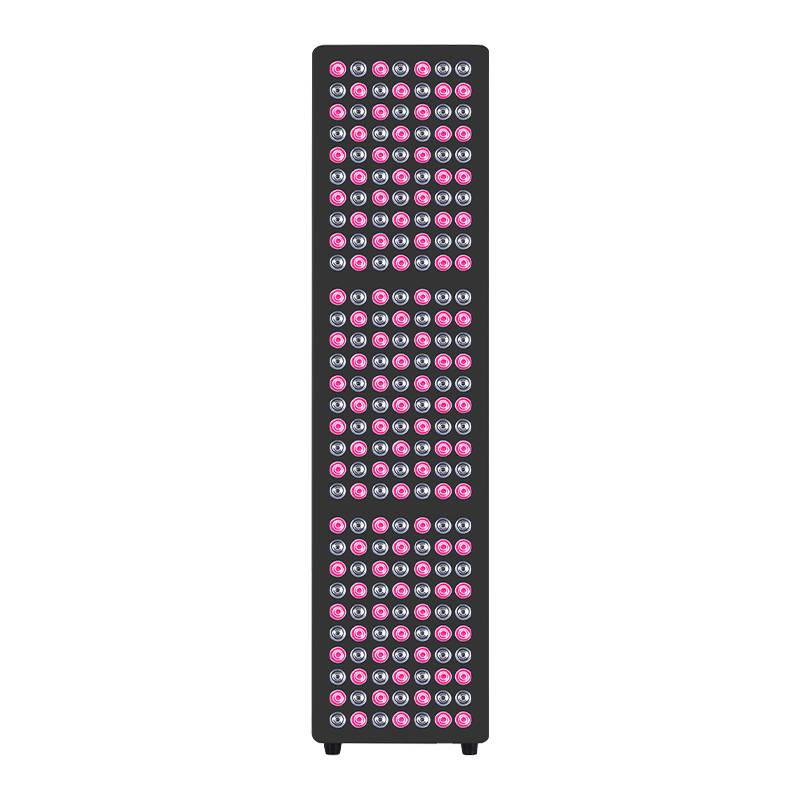
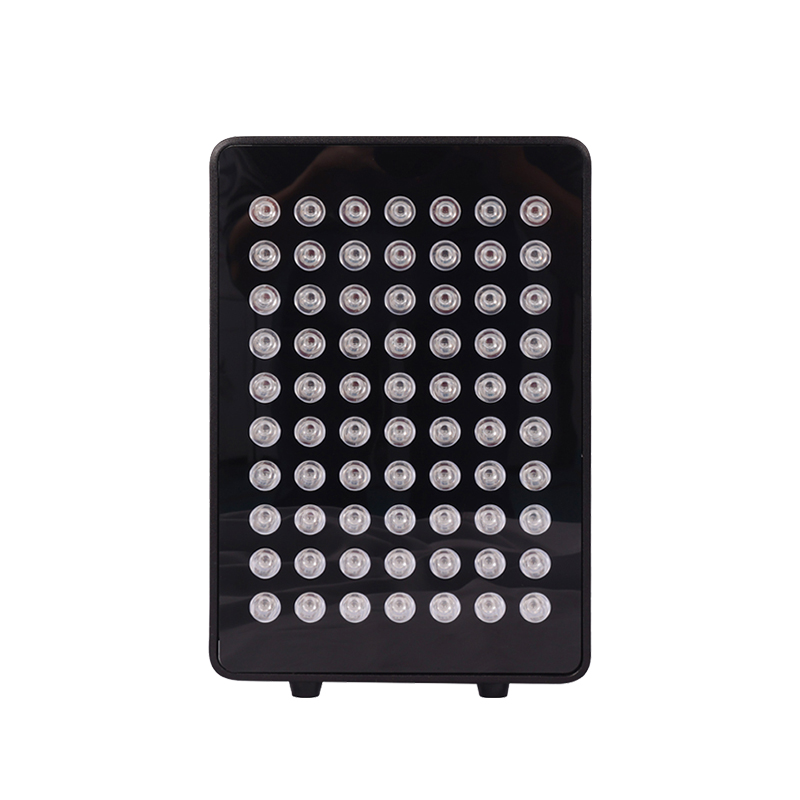
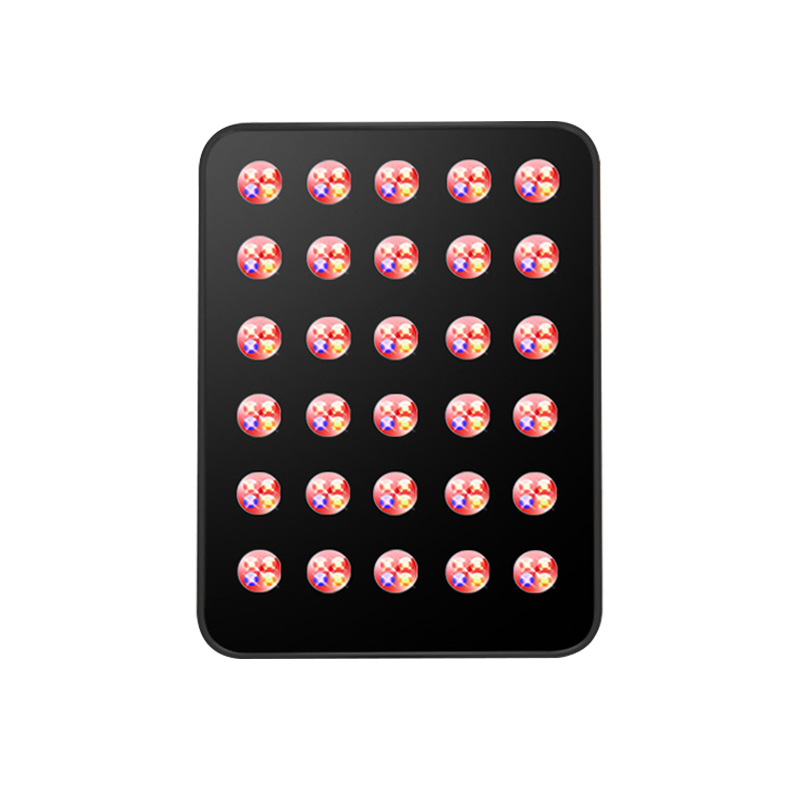
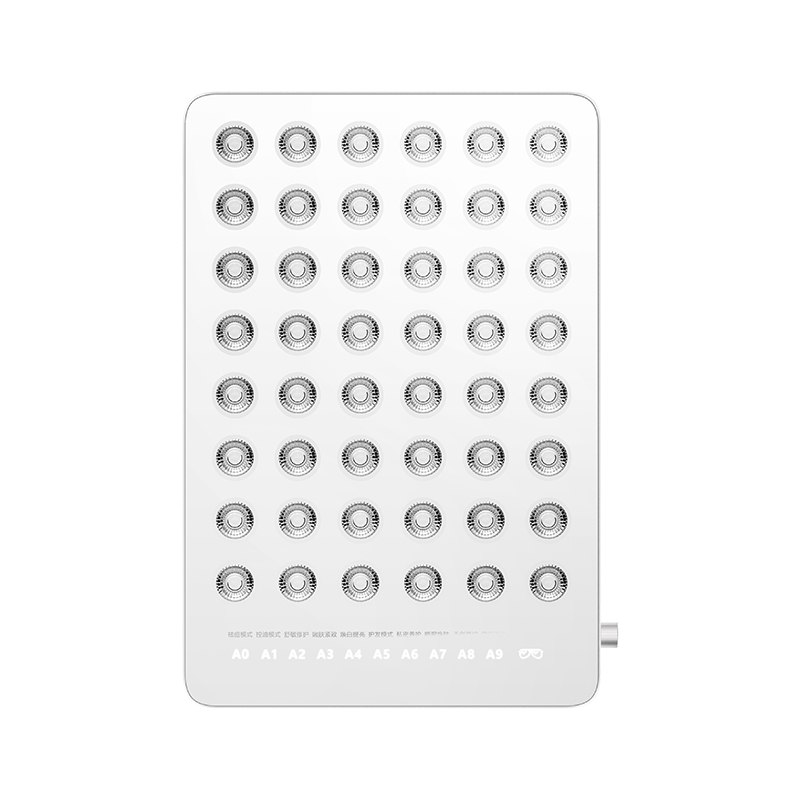
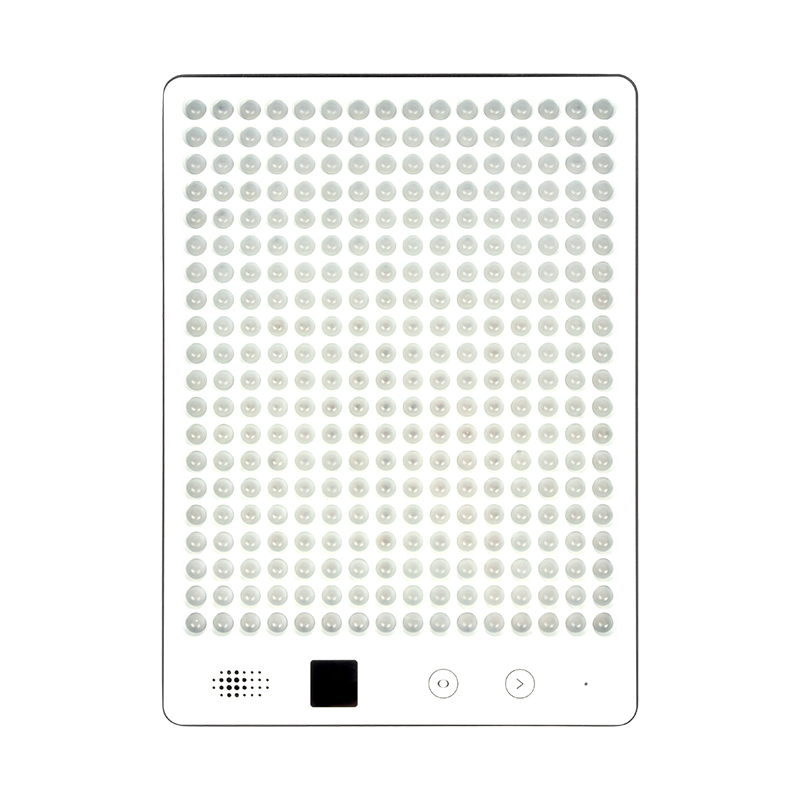
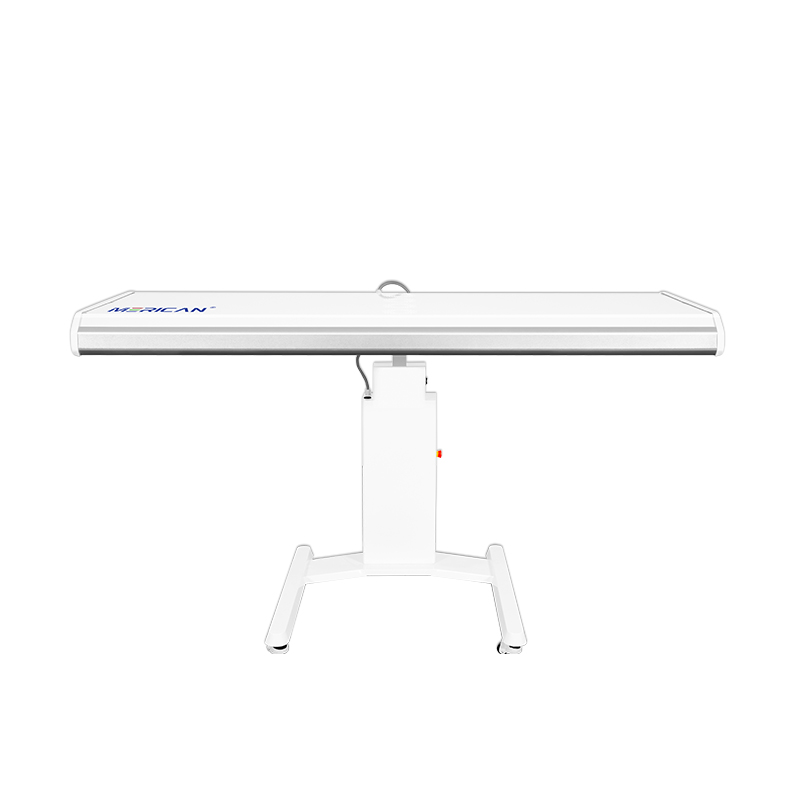
Is gnách go n-úsáideann teiripe solais dhearg le haghaidh fás gruaige tonnfhaid sa raon 630-680nm (solas dearg) agus uaireanta solas gar-infridhearg timpeall 800-850nm. Tugtar LLLT go coitianta ar an gcineál seo cóireála agus déantar é a sheachadadh trí fheistí cosúil le caipíní léasair, clogaid, nó cíora.
Is minic a úsáidtear é chun cóireáil a dhéanamh ar choinníollacha cosúil le Androgenetic Alopecia, ar a dtugtar freisin baldness patrún fireann nó baineann.
Conas is féidir le Teiripe Solas Dearg Fás Gruaige a Spreagadh
Tugann taighde cliniciúil roinnt meicníochtaí bitheolaíocha le fios:
1. Fuinneamh Ceallach Méadaithe (Táirgeadh ATP)
Spreagann solas dearg mitochondria i gcealla follicle gruaige, táirgeadh fuinnimh a mhéadú agus fás a chur chun cinn.
2. Scaipeadh Fola Feabhsaithe
Seachadann sreabhadh fola níos fearr ocsaigin agus cothaithigh chuig follicles gruaige.
3. Fadú ar Chéim an Fháis (Céim Anagen)
D'fhéadfadh solas dearg cabhrú le follicles gruaige a choinneáil sa chéim fás gníomhach níos faide.
4. Athlasadh Laghdaithe
Is féidir le athlasadh ainsealach an scalp cur le caillteanas gruaige. D'fhéadfadh teiripe solais dhearg cabhrú leis seo a laghdú.
Cad a Dhéanann Staidéir Chliniciúil?
Tá meastóireacht déanta ag roinnt trialacha cliniciúla ar éifeachtúlacht teiripe an tsolais dhearg maidir le fás gruaige:
Trialacha Randomaithe Rialaithe (RCTanna)
Tá sé léirithe ag RCTanna iolracha gur féidir le feistí LLLT dlús agus tiús na gruaige a mhéadú go suntasach i gcomparáid le feistí phlaicéabó.
Rannpháirtithe ag baint úsáide as feistí teiripe solas dearg le haghaidh 16-26 seachtain taithí go minic:
- Líon méadaithe gruaige
- Tiús gruaige feabhsaithe
- Cailleadh laghdaithe
Feistí FDA-Imréiteach
Tá imréiteach FDA faighte ag roinnt feistí LLLT chun caillteanas gruaige patrún a chóireáil, ag cur in iúl go meastar iad a bheith sábháilte agus a d’fhéadfadh a bheith éifeachtach nuair a úsáidtear iad de réir ordaithe.
Meta-Anailísí agus Léirmheasanna
Tugann athbhreithnithe córasacha le fios go bhfuil teiripe solas dearg a gealltanais, cóireáil neamh-ionrach, cé gur féidir torthaí a athrú ag brath ar cháilíocht gléas agus comhsheasmhacht cóireála.
Cé a Bhaineann an Tairbhe is mó as Teiripe Solais Dheirg?
Tugann fianaise chliniciúil le fios go dtarlaíonn na torthaí is fearr i:
- Daoine aonair a bhfuil caillteanas gruaige luath go measartha
- Othair le alopecia androgenetic
- Daoine a bhaineann úsáid as an teiripe go seasta thar roinnt míonna
D'fhéadfadh sé a bheith níos lú éifeachtach le haghaidh:
- baldness chun cinn
- Scarring alopecia
- Neamhghníomhaíocht follicle iomlán
Cé chomh fada a thógann sé torthaí a fheiceáil?
Tuairiscíonn formhór na staidéar feabhsuithe infheicthe tar éis:
- 8-12 seachtain (athruithe luatha)
- 16-26 seachtain (torthaí níos suntasaí)
Tá comhsheasmhacht ríthábhachtach - molann an chuid is mó de na prótacail 3–5 sheisiún in aghaidh na seachtaine.
Teorainneacha Taighde Reatha
Cé go bhfuil tuar dóchais inti, tá teorainneacha fós le taighde:
- Éagsúlacht i gcineálacha feistí agus tonnfhaid
- Méideanna samplacha beaga i roinnt staidéar
- Differences in treatment protocols
More long-term, large-scale studies are needed to fully establish effectiveness.
Is It Better Than Other Hair Loss Treatments?
Red light therapy is often used alongside other treatments, ar nós:
- Topical solutions (like minoxidil)
- Oral medications
- Nutritional support
It is best viewed as a teiripe chomhlántach, not a standalone cure.
Smaointe Deiridh
Clinical studies suggest that red light therapy can support hair growth, particularly in individuals with early-stage pattern hair loss. While it is not a miracle cure, it offers a safe, non-invasive option with growing scientific backing.
Chun na torthaí is fearr, comhsheasmhacht, caighdeán gléas, and realistic expectations are essential.