He ruku hohonu ki nga tikanga putaiao.
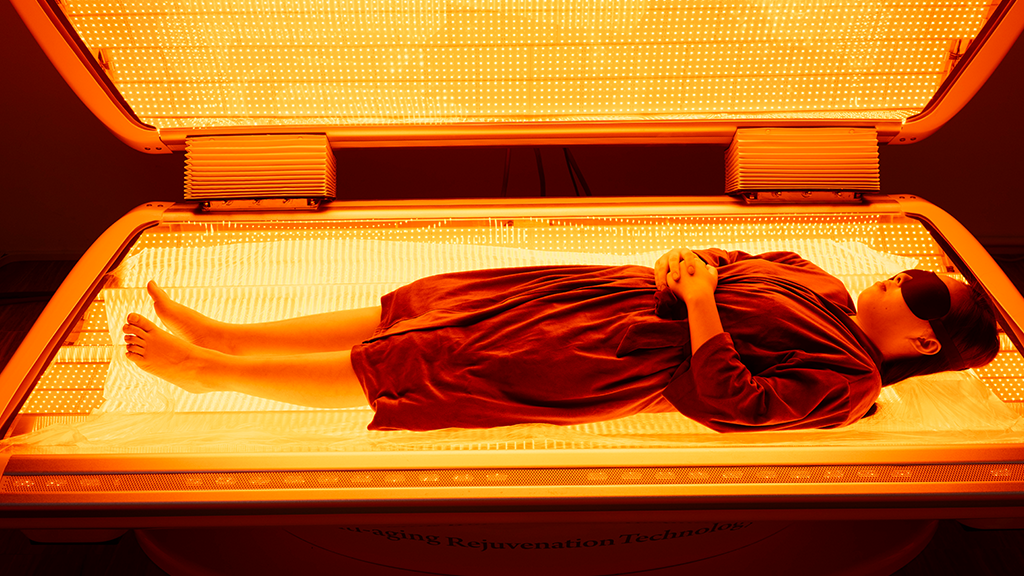
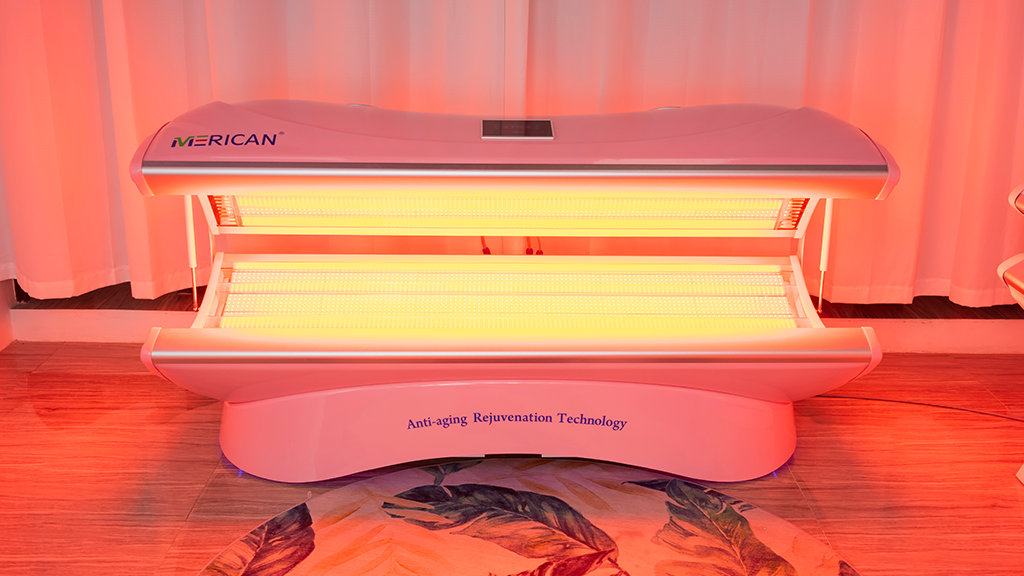
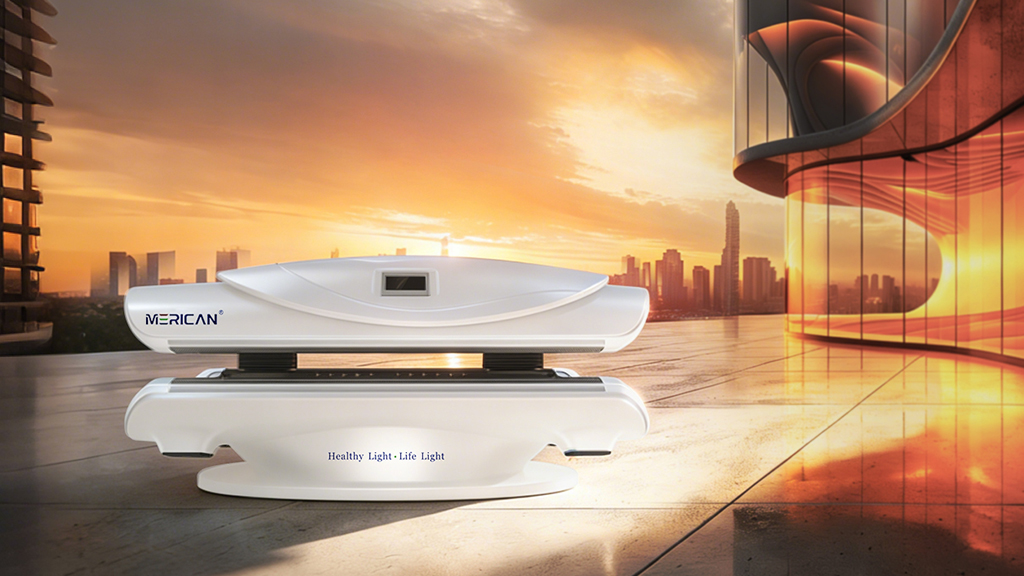
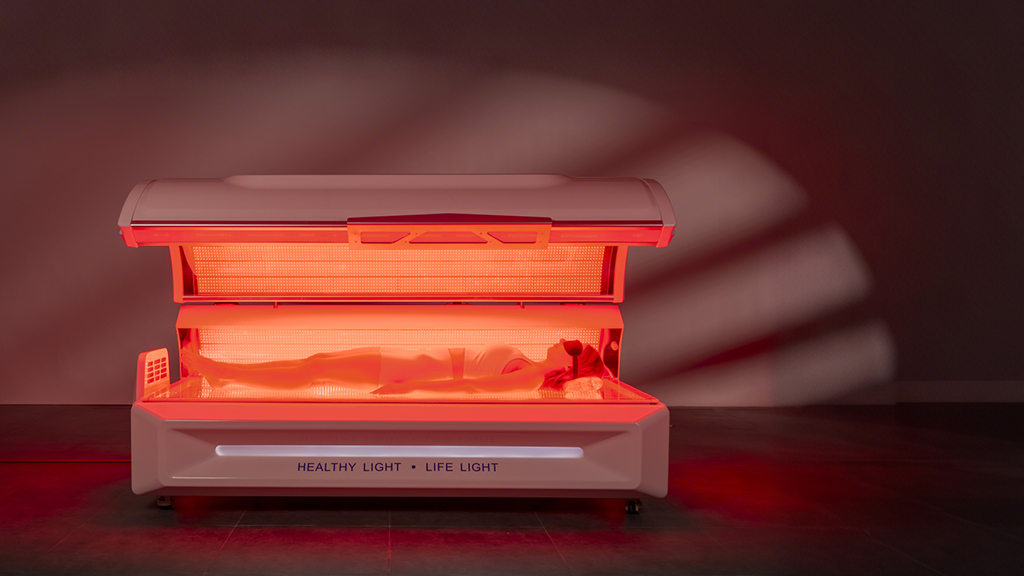
He tukanga koiora matatini te whakaora i nga patunga, me te whakamaarama rama whero me te puru kei te puta ake hei maimoatanga taapiri pai. Ehara i te marama noa, engari ka whakamahi i te rama iti-kaha o nga roangaru motuhake hei whakarereke i te kiko tangata..
Ko tana tikanga putaiao matua kei roto i te whakauru mitochondrial. I te wa mitochondria (energy factories) in cells absorb these photons, their efficiency increases, producing more adenosine triphosphate (ATP). Abundant ATP provides sufficient energy for repairing cells (such as fibroblasts and epithelial cells), enhancing their ability to proliferate, migrate, and synthesize collagen.
I tua atu, this therapy can:
Whakaitihia te mumura: Regulate cytokines to prevent excessive inflammatory responses.
Promote angiogenesis: Improve blood supply and oxygen delivery to the wound area.
Whakaititia te ahotea hāora: Help eliminate harmful free radicals and protect healthy cells.
Studies have shown positive effects on acute and chronic wounds such as diabetic foot ulcers, nga mamae mamae, surgical incisions, minor burns, and abrasions. Of course, it is usually used as an adjunct therapy to standard debridement, care, me te tautoko kai, rather than the sole treatment.