Kupu Whakataki
One of the most misunderstood aspects of red light therapy is intensity. He maha nga wa ka whakataurite nga kaihoko i nga taputapu i runga i te hiko, te tatau LED ranei, engari ko enei inenga kaore i te whakaata i nga mahi maimoatanga tuuturu.
Na, Kia pehea te kaha o te rongoa rama whero? Ko te whakautu kei te rapu i te toenga tino pai i waenga i te kaha, te wa maimoatanga, me te roangaru.
Understanding Effective Light Intensity
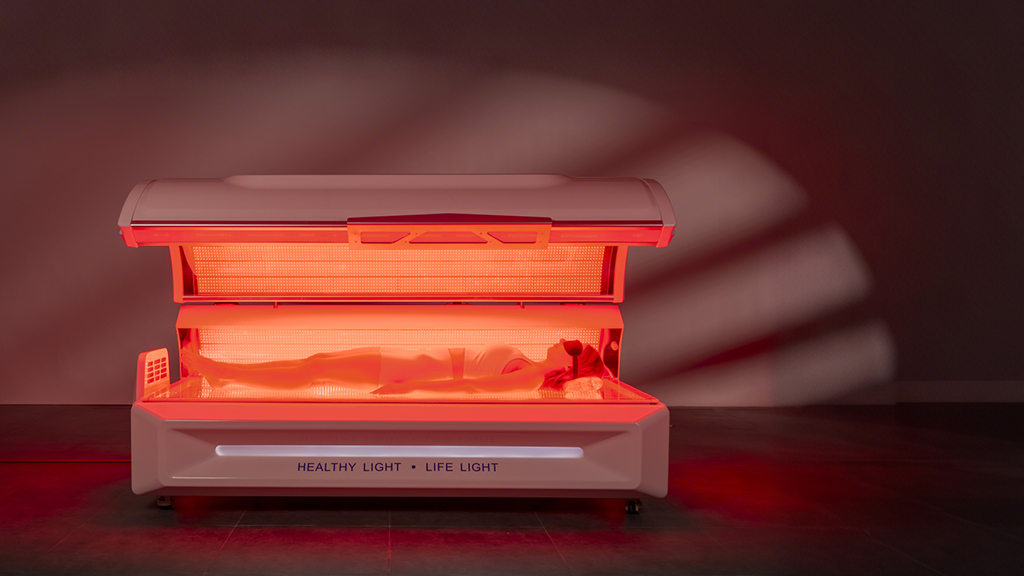
Red light therapy devices work by delivering specific wavelengths of light to biological tissues.
Several factors influence effectiveness:
Whiriwhiringa Roa Ngaru
Popular therapeutic wavelengths include:
- 630nm–660nm red light
- 810nm–850nm near-infrared light
Te irirangi
Irradiance measures how much light reaches the treatment area and is one of the most important performance indicators.
Tawhiti Maimoatanga
Moving closer or farther from the device can significantly change the amount of light received.
Is Higher Intensity Better?
Not always.
A common misconception is that stronger devices automatically provide better results. Heoi ano, photobiomodulation research suggests that both insufficient and excessive doses may be less effective than an optimal therapeutic range.
Benefits of balanced intensity include:
- Comfortable treatment sessions
- More predictable dosing
- Consistent results over time
- Better treatment efficiency
Signs of a Quality Red Light Therapy Device
When evaluating devices, whakaaro:
- Verified irradiance measurements
- Putanga roangaru tika
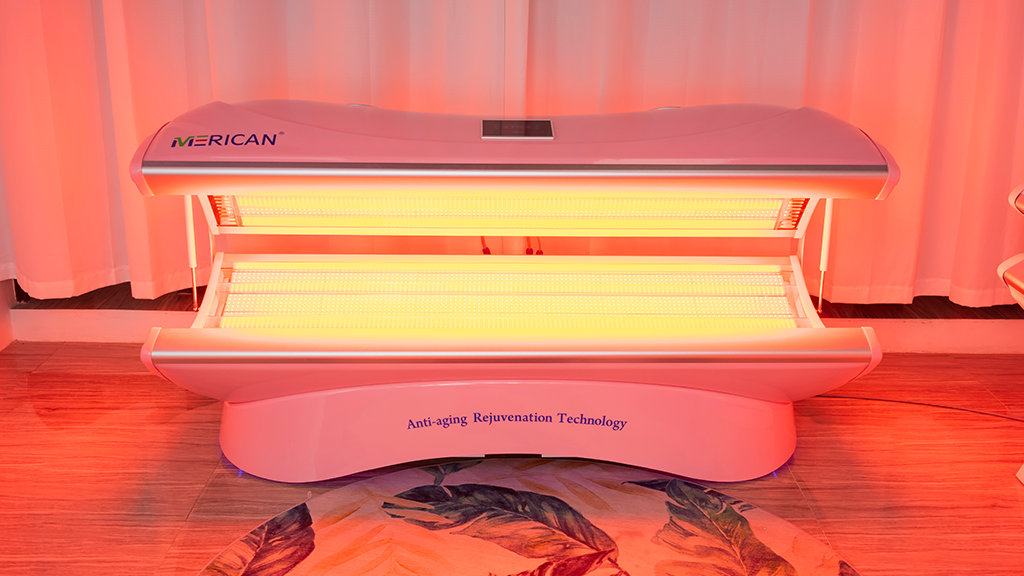
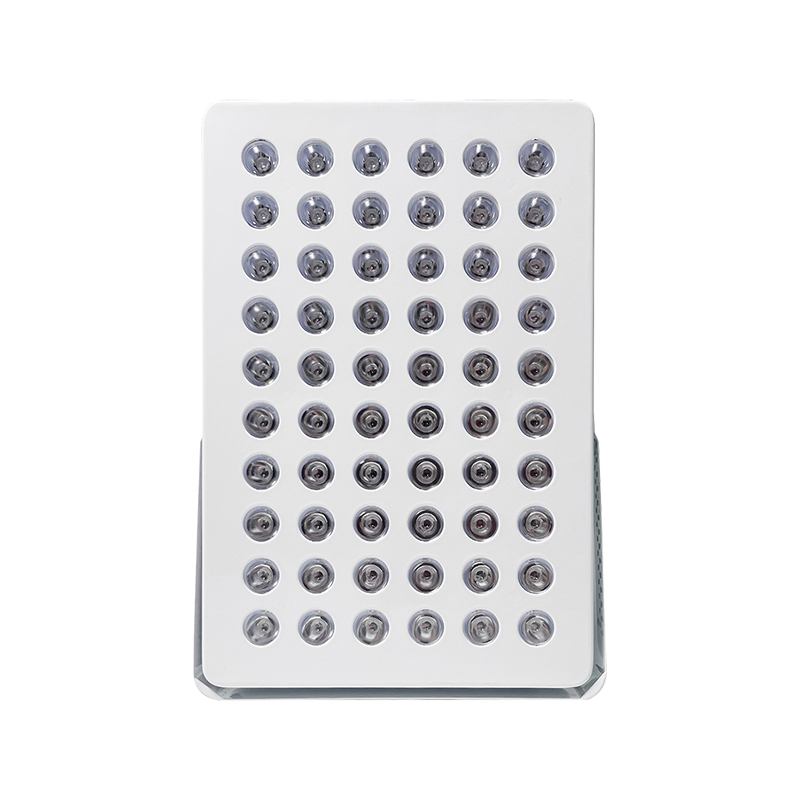
- Uniform LED coverage
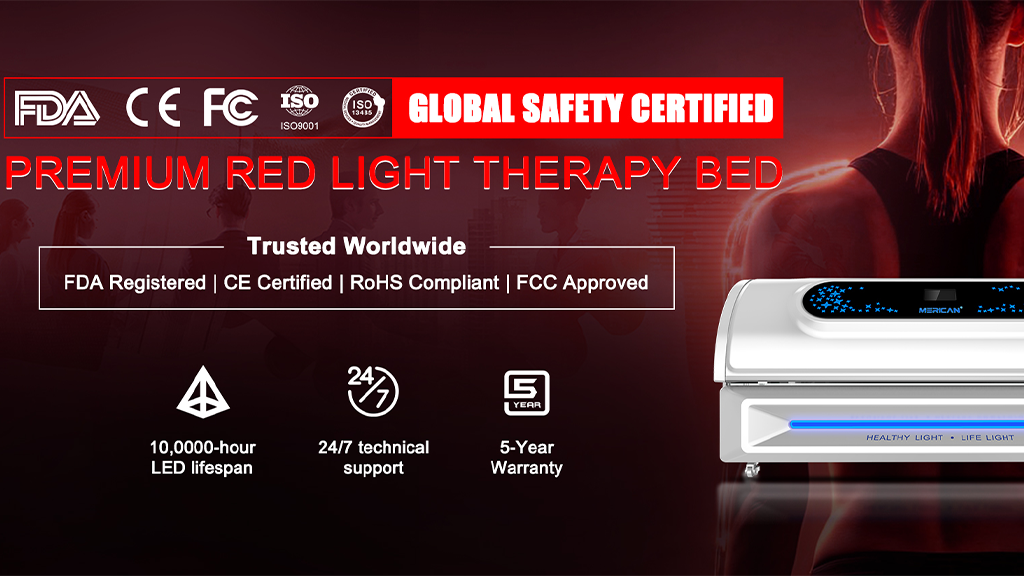
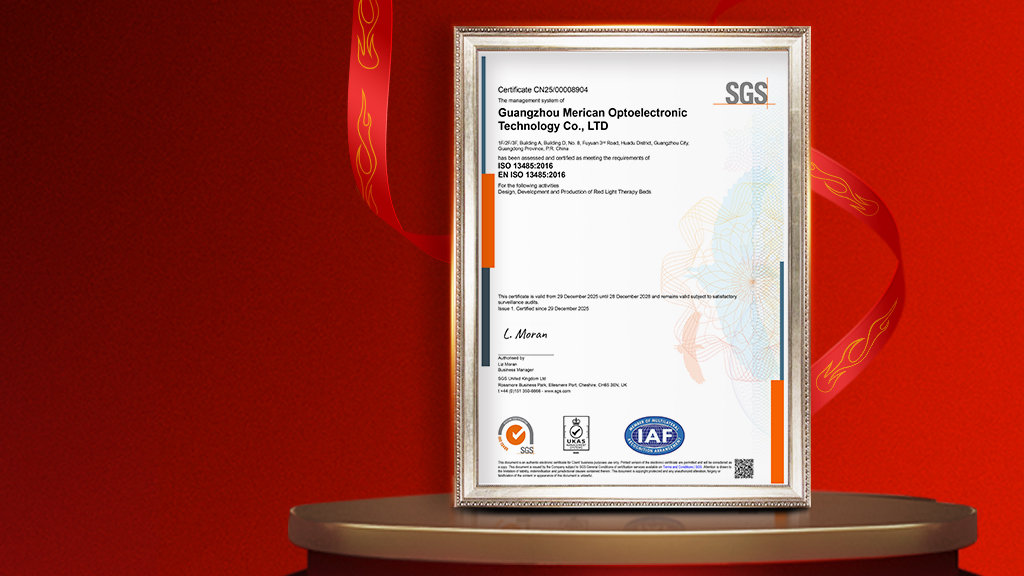
- Safety certifications
- Manufacturer transparency
These indicators can help distinguish professional-grade systems from lower-quality alternatives.
Best Practices for Effective Treatment
To maximize results:
- Whaia nga aratohu a te kaihanga.
- Use recommended treatment distances.
- Maintain a consistent schedule.
- Avoid assuming that higher power always means better outcomes.
Whakamutunga
The best red light therapy strength is one that delivers an effective therapeutic dose through the right combination of irradiance, roangaru, tawhiti, and session duration. Rather than chasing maximum power, focus on overall treatment quality and consistency.