소개
적색 광선 요법에 대해 가장 오해되는 측면 중 하나는 강도입니다.. 소비자는 전력량이나 LED 수를 기준으로 장치를 비교하는 경우가 많습니다., 그러나 이러한 측정이 항상 실제 치료 성능을 반영하는 것은 아닙니다..
그래서, 적색 광선 요법은 얼마나 강해야합니까?? 답은 강도 사이의 최적의 균형을 찾는 데 있습니다., 치료 시간, 파장.
유효 광도 이해
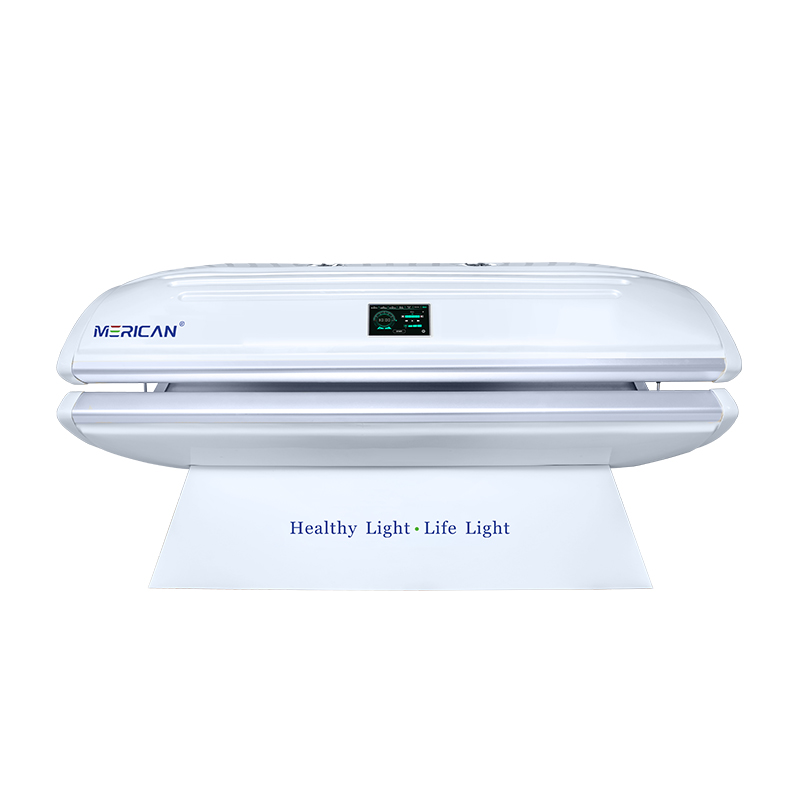
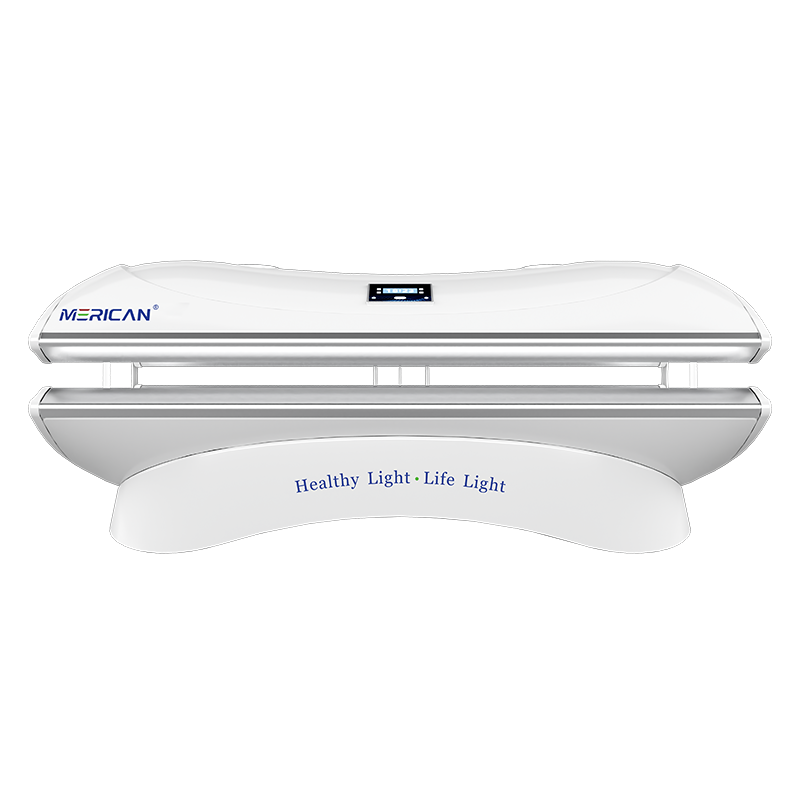
적색 광선 치료 장치는 특정 파장의 빛을 생물학적 조직에 전달하여 작동합니다..
여러 요인이 효율성에 영향을 미칩니다.:
파장 선택
인기 있는 치료 파장은 다음과 같습니다.:
- 630nm~660nm 적색광
- 810nm~850nm 근적외선
조도
조사량은 치료 영역에 도달하는 빛의 양을 측정하며 가장 중요한 성능 지표 중 하나입니다..
치료 거리
장치에서 더 가까워지거나 멀어지면 수신되는 빛의 양이 크게 달라질 수 있습니다..
강도가 높을수록 좋습니다?
항상 그런 것은 아니다.
일반적인 오해는 더 강력한 장치가 자동으로 더 나은 결과를 제공한다는 것입니다.. 하지만, 광생체변조 연구에 따르면 복용량이 부족하거나 과도할 경우 최적의 치료 범위보다 효과적이지 않을 수 있습니다..
균형 잡힌 강도의 이점은 다음과 같습니다.:
- 편안한 진료시간
- 더욱 예측 가능한 투여량
- 시간이 지나도 일관된 결과
- 더 나은 처리 효율성
고품질의 적색광선 치료 장치의 징후
장치를 평가할 때, 고려하다:
- 검증된 방사조도 측정
- 정확한 파장 출력
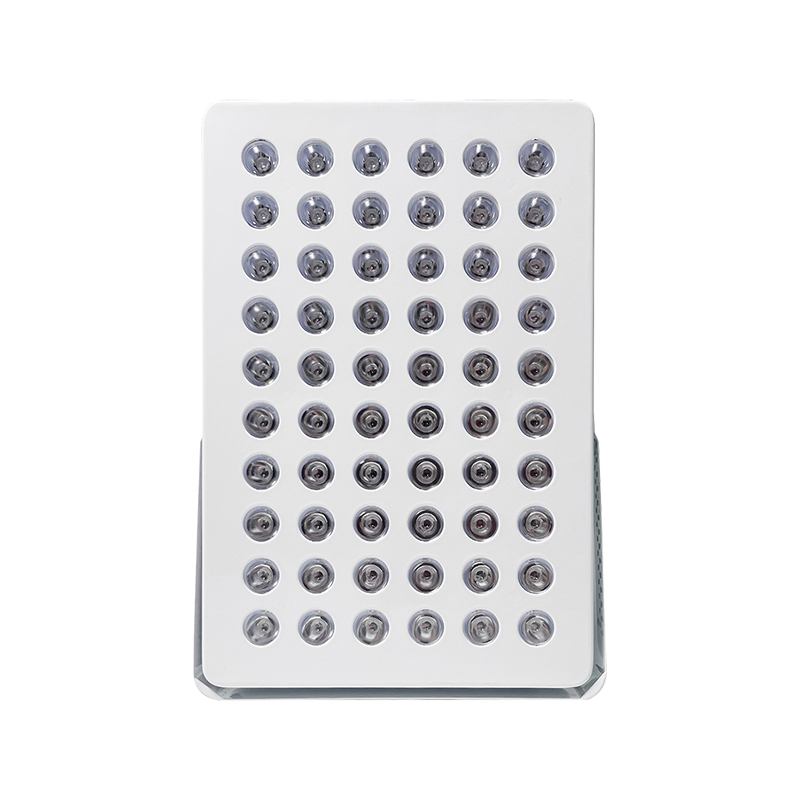
- 균일한 LED 적용 범위
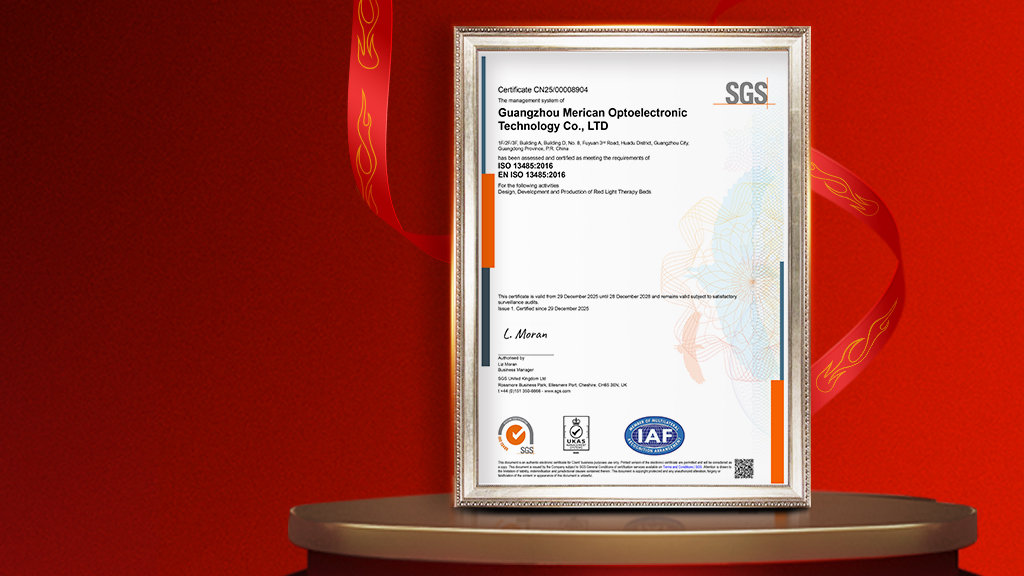
- 안전 인증
- 제조업체 투명성
이러한 지표는 전문가 수준의 시스템과 낮은 품질의 대안을 구별하는 데 도움이 될 수 있습니다..
효과적인 치료를 위한 모범 사례
결과를 극대화하려면:
- 제조업체 지침을 따르세요..
- 권장 치료 거리 사용.
- 일관된 일정을 유지하세요.
- 더 높은 전력이 항상 더 나은 결과를 의미한다고 가정하지 마십시오..
결론
최고의 적색광선 치료 강도는 올바른 방사조도 조합을 통해 효과적인 치료 용량을 전달하는 것입니다., 파장, 거리, 및 세션 시간. 최대의 힘을 쫓기보다는, 전반적인 치료 품질과 일관성에 중점.