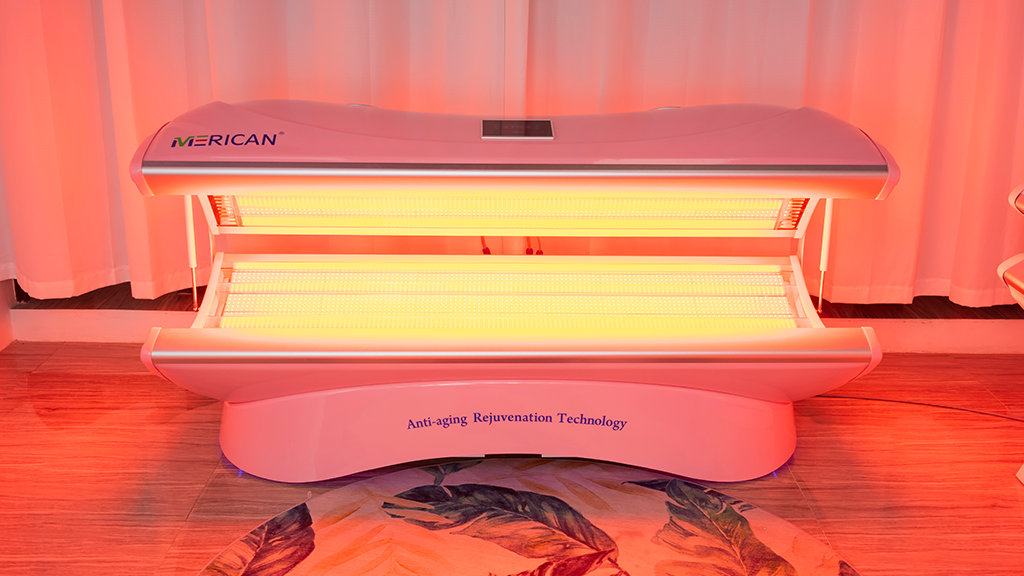
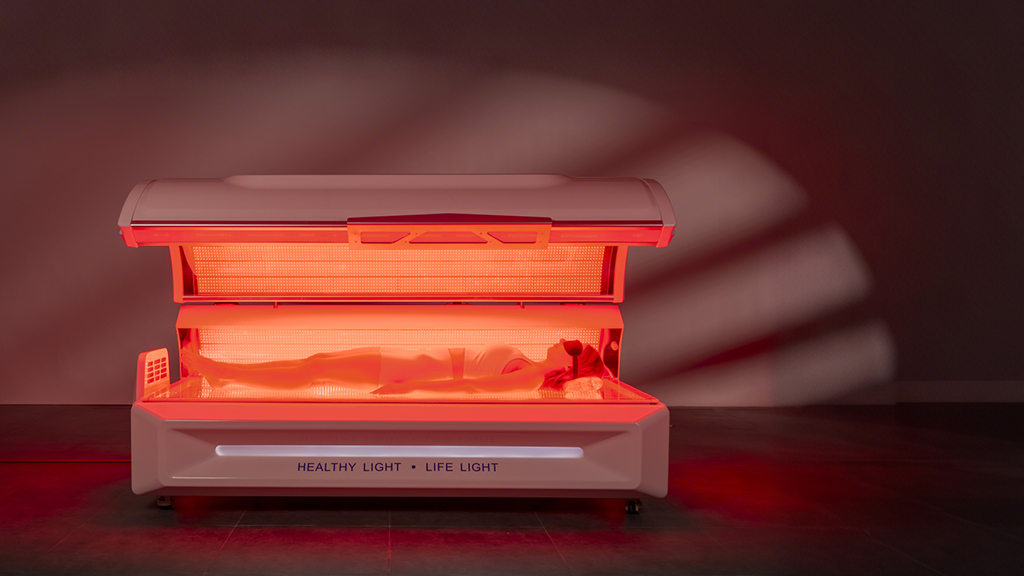
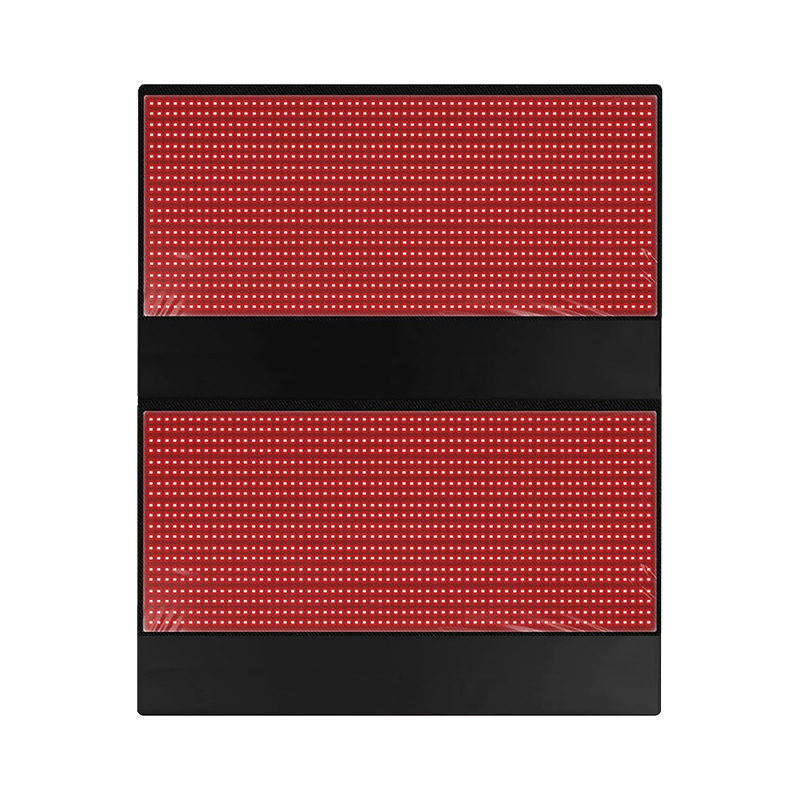
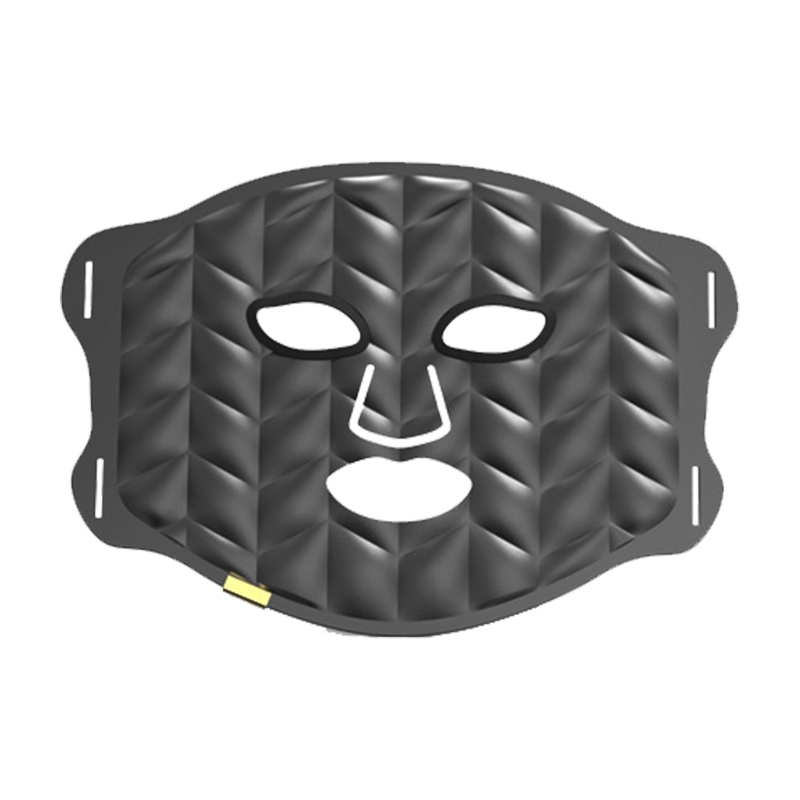
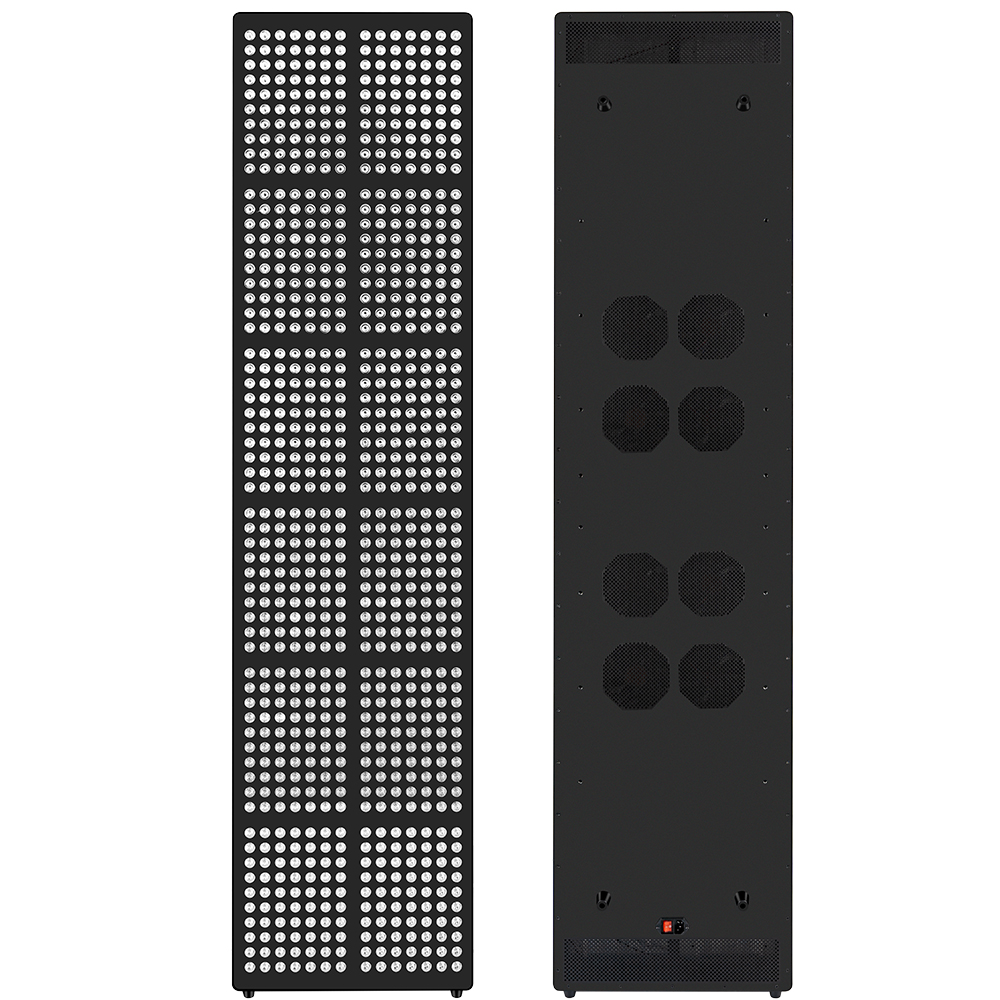
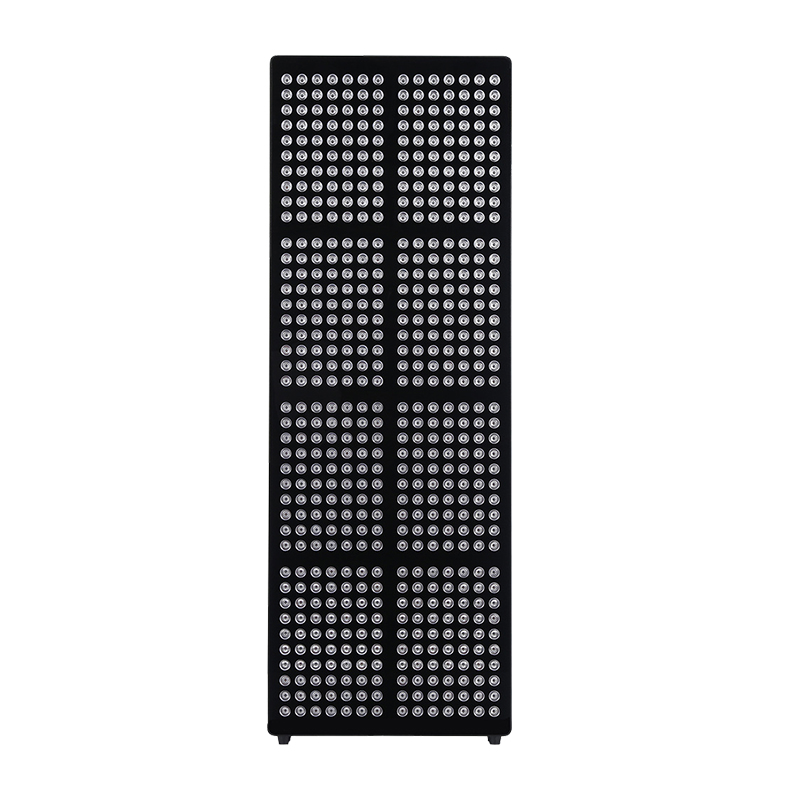
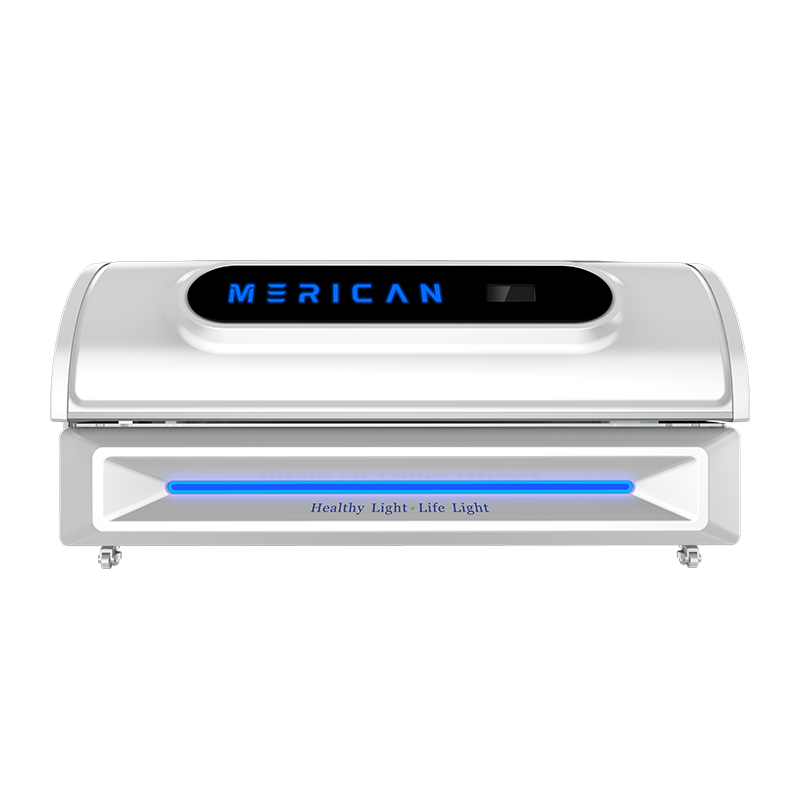
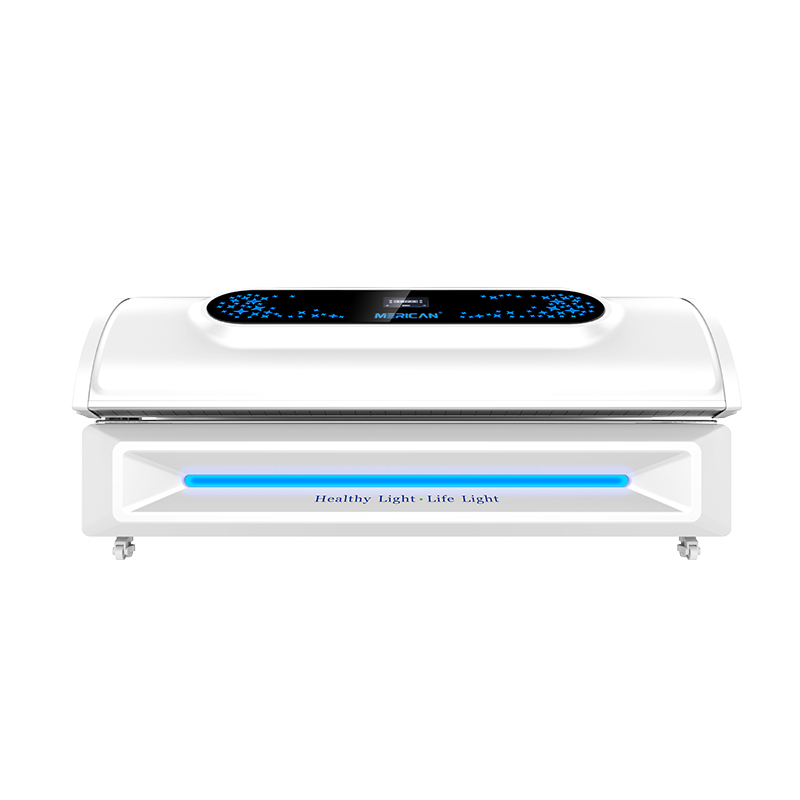
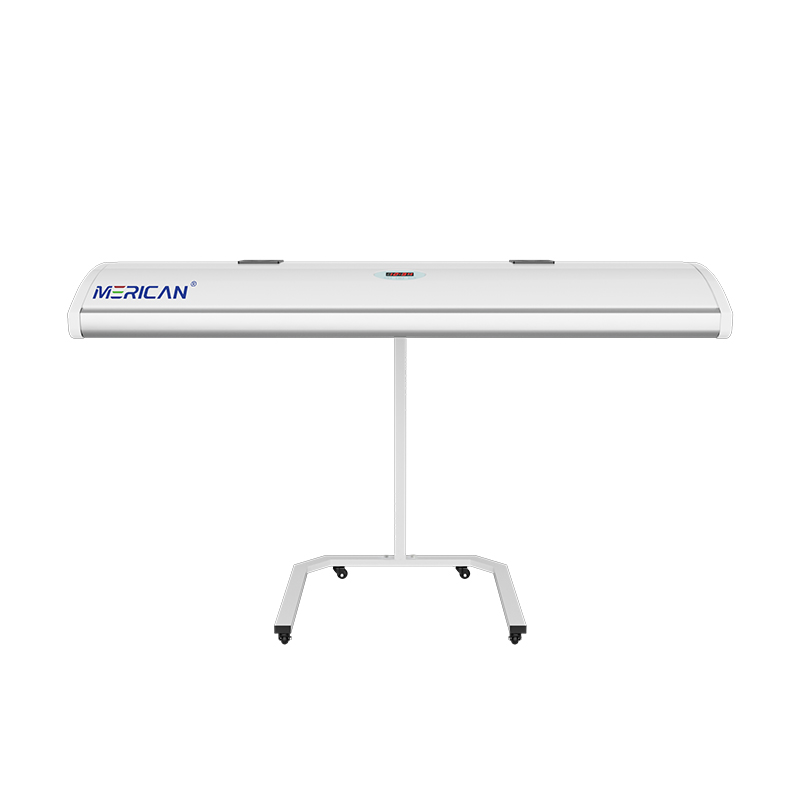
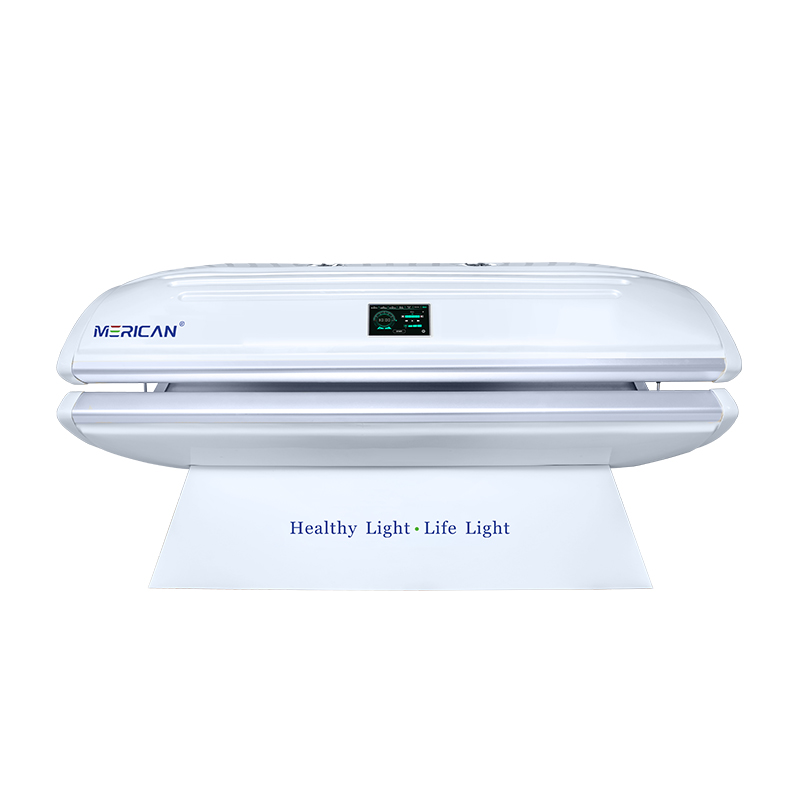
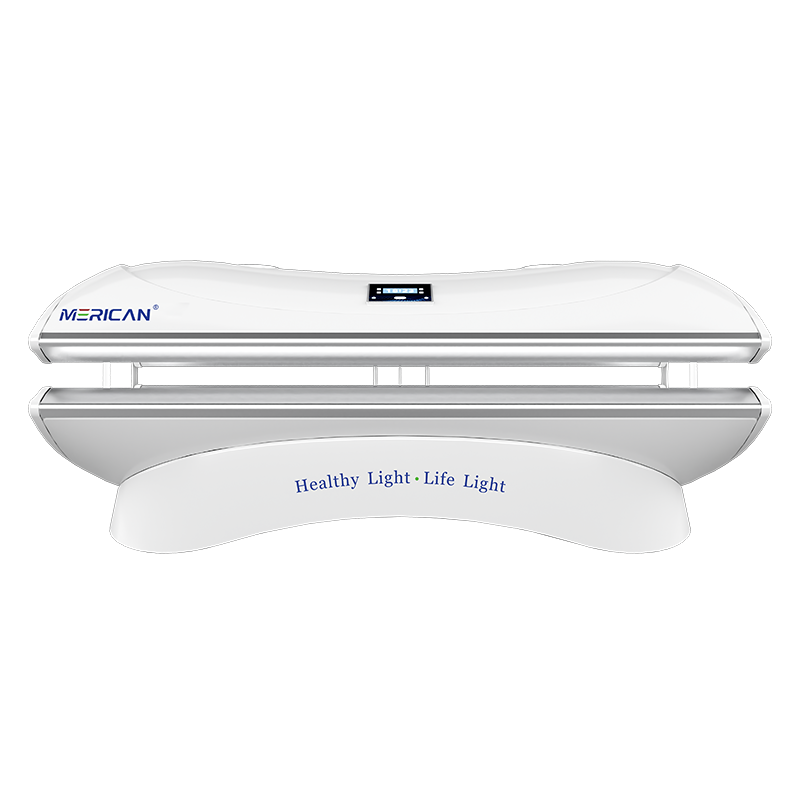
Te rongoa rama whero (RLT) kua piki ake te rongonui mo ona painga ki te whakaiti i te mumura, whakatairanga whakaora, me te whakanui i te kaha ki te taumata o te pūtau. But for people with heart conditions, Ko te haumaru ko te tino awangawanga. Na, he haumaru te whakamaarama rama whero mo nga turoro ngakau?
He aha te korero a te Putaiao
Red light therapy works by using taumata iti te marama whero me te tata-infrared rama to stimulate mitochondria — the “whare mana” o nga pūtau. This increases hanga ATP, ka whakaiti i te ahotea oxidative, me te whakapai ake i te tohanga.
These effects may actually benefit cardiovascular health. Some early studies suggest that red/NIR light can:
- Tautoko blood vessel function
- Whakapai ake microcirculation
- Whakaiti mumura in vascular tissue
- Whakanuia whakaora patunga in people with poor circulation
Heoi ano, more research is needed specifically on patients with diagnosed heart disease.
General Safety for Heart Patients
Red light therapy is considered kore-kino, tarukino-kore, and low-risk ina whakamahia tika. Ko does not emit harmful radiation, and does not raise blood pressure or heart rate. For most patients with stable cardiovascular conditions, it is generally regarded as safe — especially when used on areas away from the chest (e.g., tuara, hononga, kiri)
When to Be Cautious
- If you have an implanted device like a pacemaker ranei defibrillator, consult your cardiologist before starting RLT
- Avoid applying red/NIR light directly over the heart ki te kore e tohutohuhia e te kaiwhakarato hauora
- Nga tangata whai unstable or severe heart failure should speak to their doctor first
Whakamutunga
For most heart patients, red light therapy is considered safe and potentially beneficial, especially for pain relief, mumura, me te tohanga. Heoi ano, it’s important to consult a medical professional before starting any new therapy — especially if you have complex heart conditions or implanted devices.