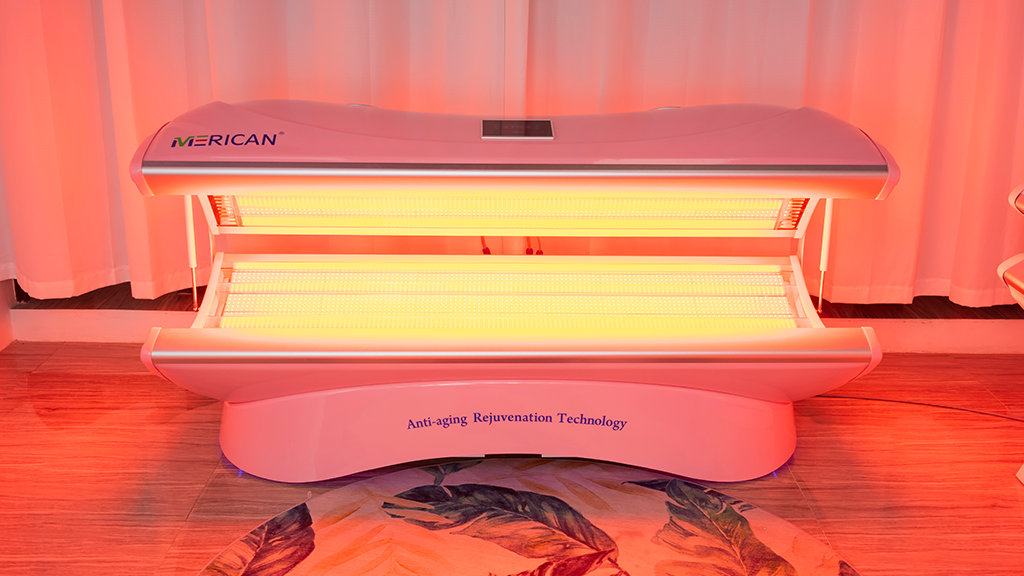
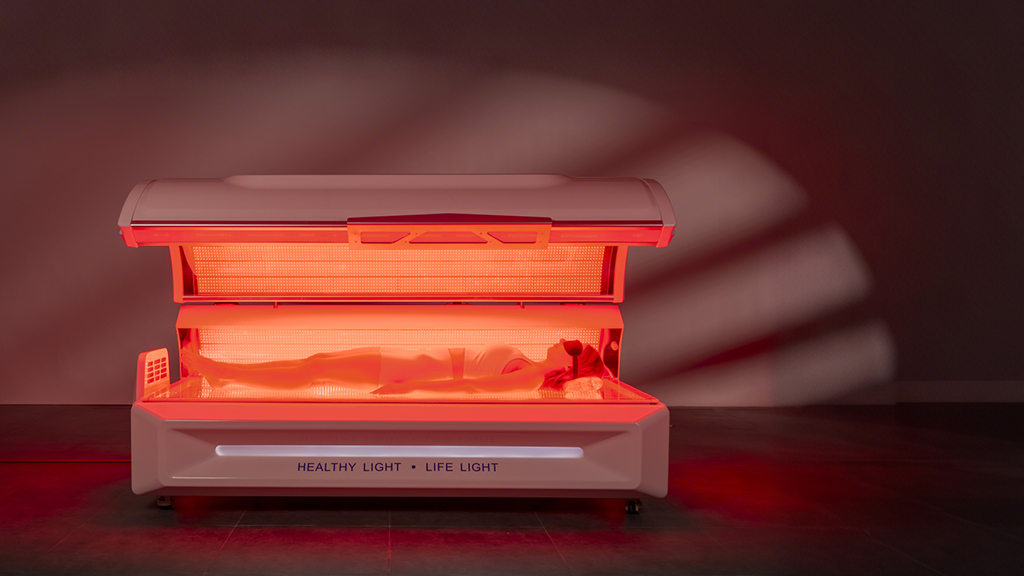
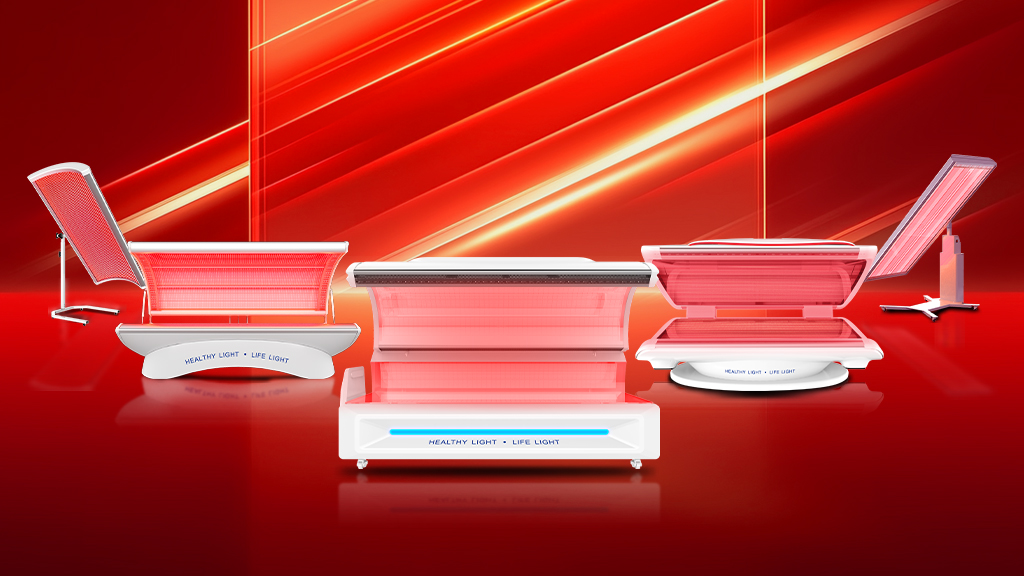
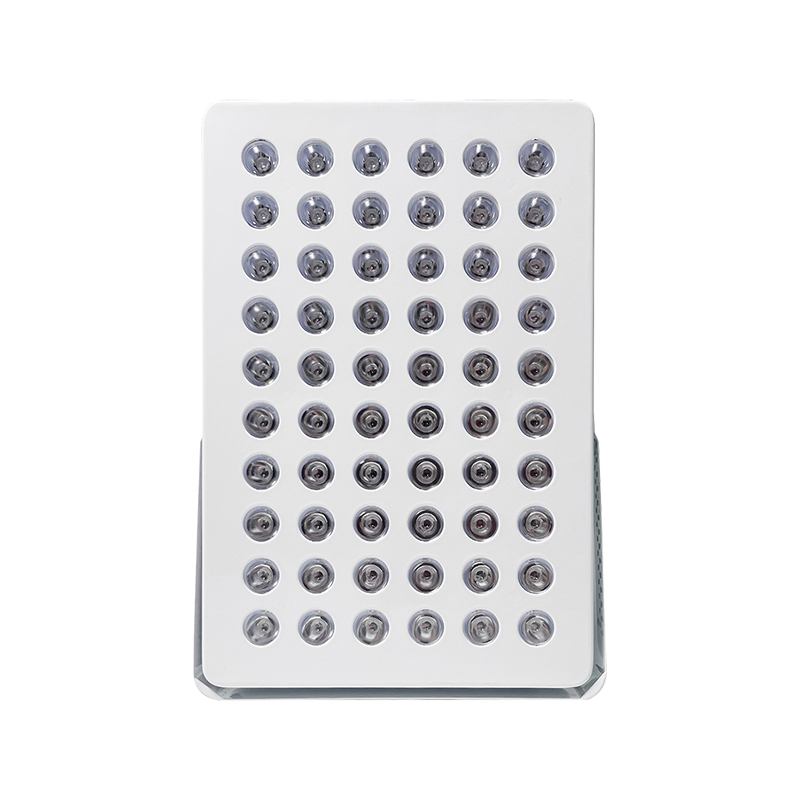
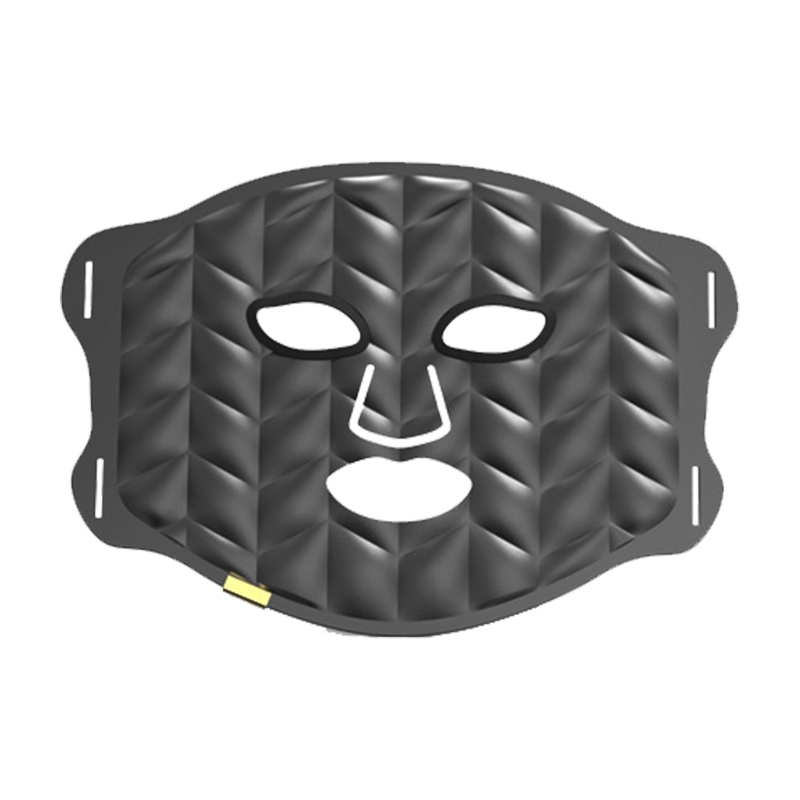
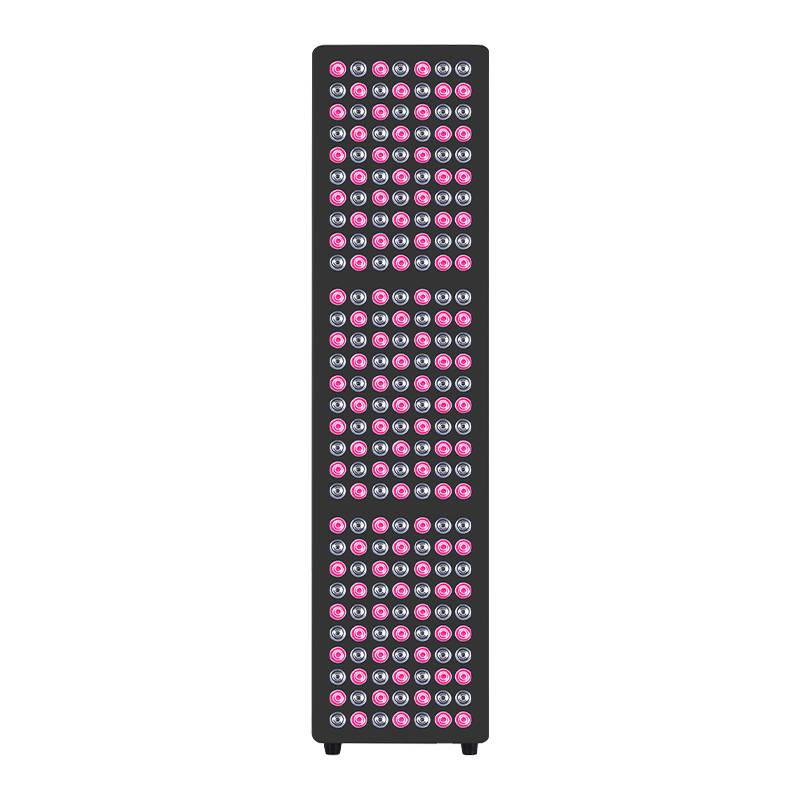
Teiripe solas dearg (RLT) tar éis éirí níos coitianta as a chuid buntáistí athlasadh a laghdú, leighis a chur chun cinn, agus fuinneamh a threisiú ag an leibhéal ceallacha. Ach do dhaoine le coinníollacha croí, tá sábháilteacht ina ábhar imní is mó i gcónaí. Mar sin, an bhfuil teiripe solas dearg sábháilte d'othair croí?
Cad a Deir an Eolaíocht
Oibríonn teiripe solas dearg trí úsáid a bhaint as solas dearg leibhéal íseal agus solas infridhearg gar a spreagadh mitochondria - an “teach cumhachta” de chealla. Méadaíonn sé seo Táirgeadh ATP, laghdaíonn strus ocsaídiúcháin, agus feabhsaíonn sé cúrsaíocht.
D'fhéadfadh na héifeachtaí seo leas iarbhír a bhaint as sláinte chardashoithíoch. Tugann roinnt staidéar luath le fios gur féidir le solas dearg/NIR:
- Tacaíocht feidhm soithigh fola
- Feabhsaigh microcirculation
- Laghdaigh athlasadh i bhfíochán soithíoch
- Feabhsaigh leighis fhoirceannadh i ndaoine le cúrsaíocht lag
Mar sin féin, tá gá le tuilleadh taighde go sonrach ar othair a bhfuil galar croí diagnóisithe orthu.
Sábháilteacht Ghinearálta d'Othair Croí
Breathnaítear ar theiripe solas dearg neamh-ionrach, saor ó dhrugaí, agus riosca íseal nuair a úsáidtear i gceart. é ní astaíonn radaíocht díobhálach, agus ní ardaíonn sé brú fola nó ráta croí. Don chuid is mó d’othair a bhfuil coinníollacha cardashoithíoch cobhsaí acu, meastar go ginearálta go bhfuil sé sábháilte - go háirithe nuair a úsáidtear é ar limistéir amach as an cófra (e.g., ar ais, hailt, craiceann)
Cathain le Bheith Aireach
- Má tá an gléas ionchlannaithe cosúil le luasaire nó dífhibrileoir, consult your cardiologist before starting RLT
- Avoid applying red/NIR light directly over the heart mura dtugann soláthraí cúram sláinte comhairle dó
- Daoine a bhfuil unstable or severe heart failure should speak to their doctor first
Conclúid
For most heart patients, red light therapy is considered safe and potentially beneficial, especially for pain relief, athlasadh, agus scaipeadh. Mar sin féin, it’s important to consult a medical professional before starting any new therapy — especially if you have complex heart conditions or implanted devices.