Ko te whakamaarama rama whero me te whakamaarama infrared e kiia tahitia ana i roto i te ao oranga, tiaki kiri, me te mamae mamae - me te take pai. Ka whakamahi raua tokorua i te kaha marama ki te whakaongaonga i te whakaora me te whakahou i te tinana. Engari he rite tonu ranei?
Kia wawahia e tatou.
He aha te Maama Whero?
Te rongoa rama whero (RLT) whakamahi visible red light wavelengths, te tikanga i waenganui 620nm me te 660nm. These wavelengths penetrate the skin to a shallow depth — around 8 ki 10 millimeters — and are known to:
- Whakatairanga hanga collagen
- Whakapai ake skin tone and texture
- Promote whakaora patunga
- Whakaiti inflammation on the skin’s surface
- Aid in tipu makawe
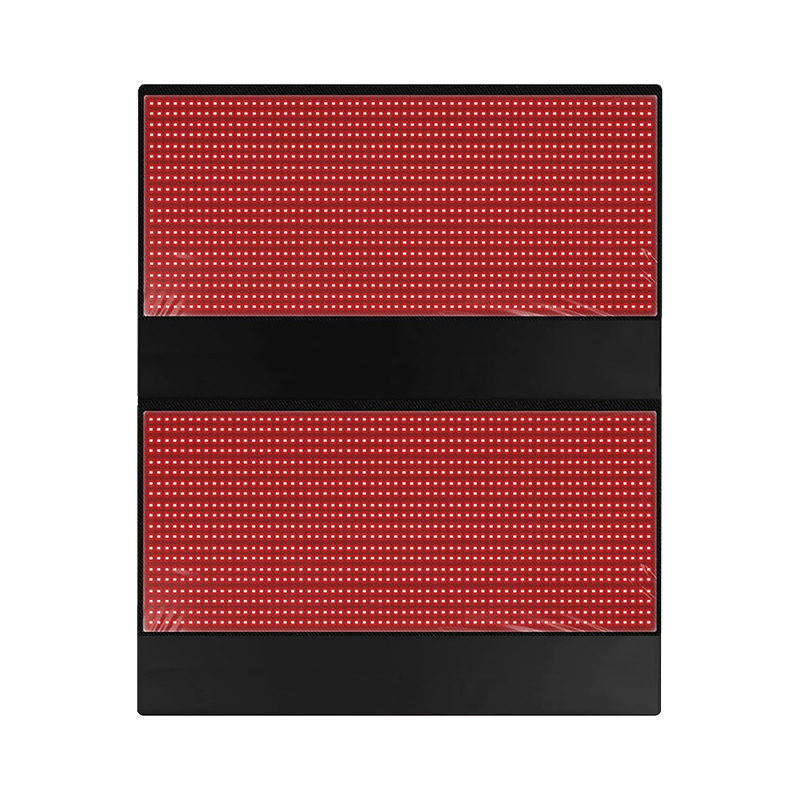
Because red light is visible to the human eye, RLT often gives off a soft, warm red glow.
What Is Infrared Therapy?
Infrared therapy uses invisible light, specifically tata-infrared (NIR) roangaru, te tikanga i waenganui 700nm and 1100nm. These wavelengths penetrate much deeper into the body — up to 5 centimeters (mō 2 inihi) — reaching uaua, hononga, a tae noa ki nga wheua.
Infrared therapy is commonly used to:
- Relieve joint and muscle pain
- Whakanuia circulation and oxygenation
- Whakaiti deep inflammation
- Tautoko nerve regeneration and repair
- Whakapai ake recovery after workouts or injury
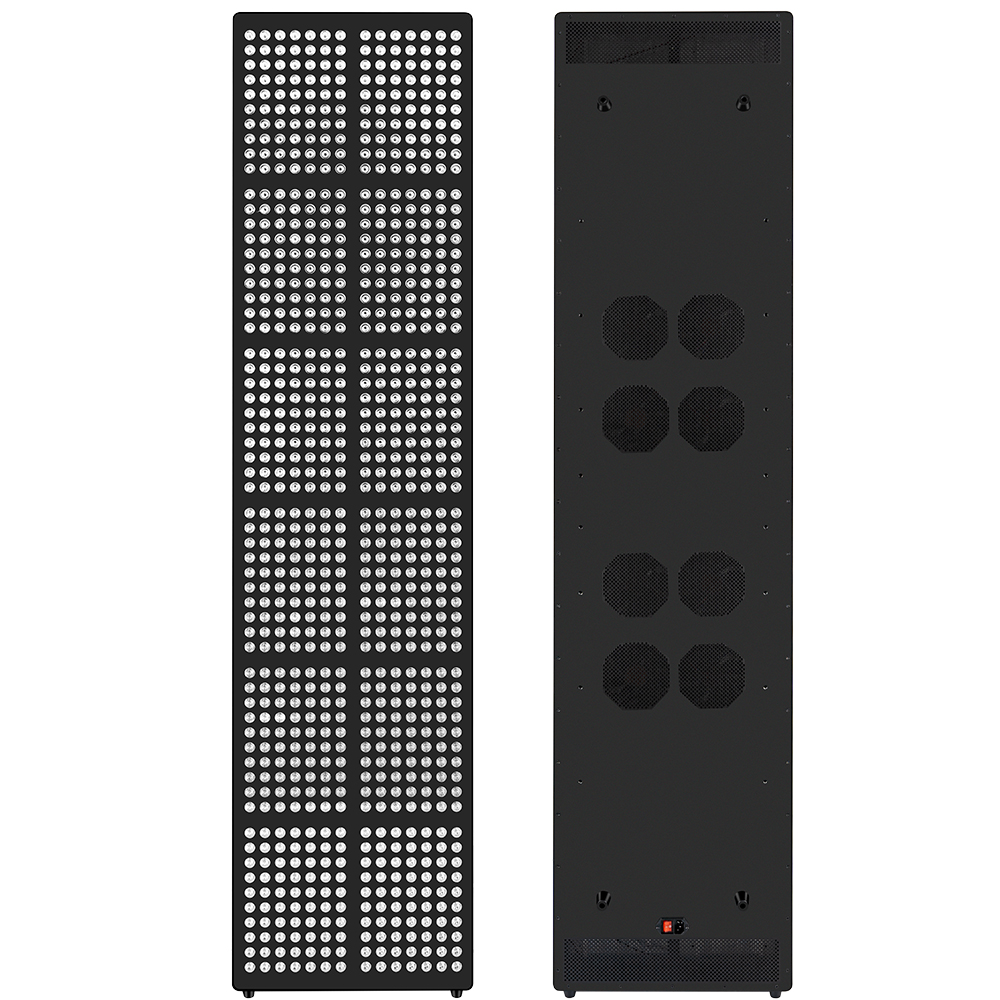
Since NIR light is kore e kitea, these devices won’t appear to glow as brightly as red light therapy panels, though they may still emit some warmth.
Key Differences Between Red and Infrared Therapy
| Āhuahira | Whakamarama Whero Whero | Te Hauora Infrared |
|---|---|---|
| Te roangaru | 620–660nm | 700–1100nm |
| Tirohanga | Ka kitea (red glow) | Invisible |
| Te Hohonutanga Kuhu | ~10 mm (skin level) | Tae atu ki 50 mm (uaua, tahi, bone) |
| Primary Uses | Te hauora kiri, anti-pakeke, tipu makawe | Te mamae mamae, whakaora uaua, deep tissue healing |
| Te rongo | Mahana, glowing | Often no visible light, deeper warmth |
Can They Be Used Together?
Yes — and they often are.
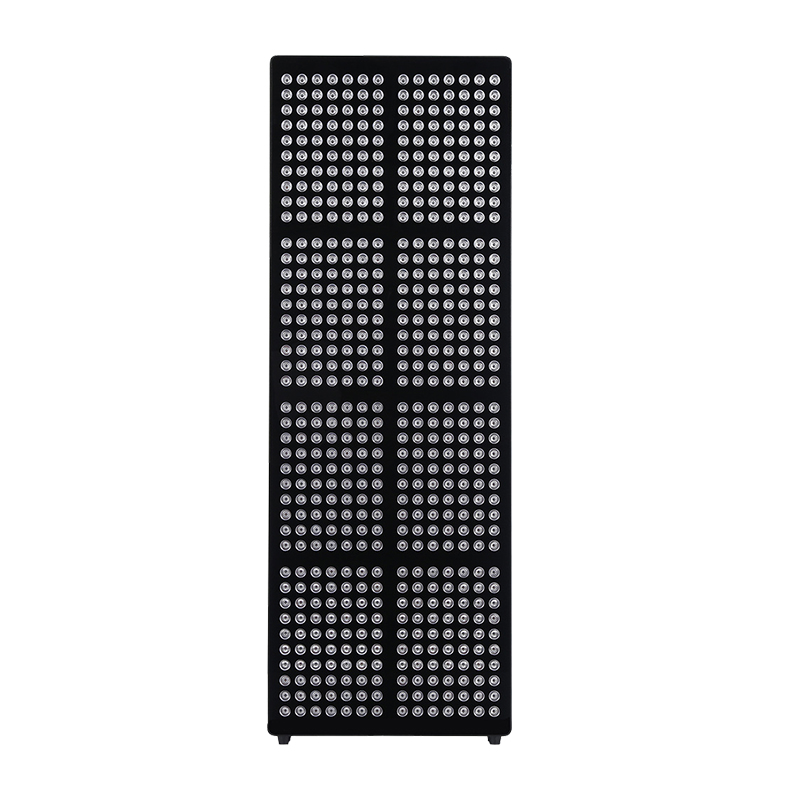
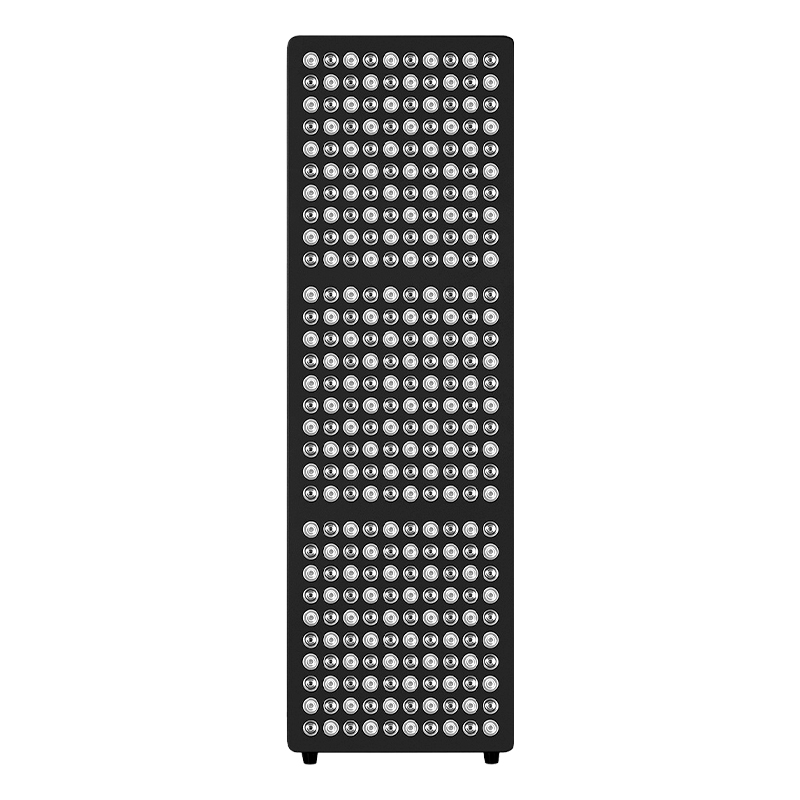
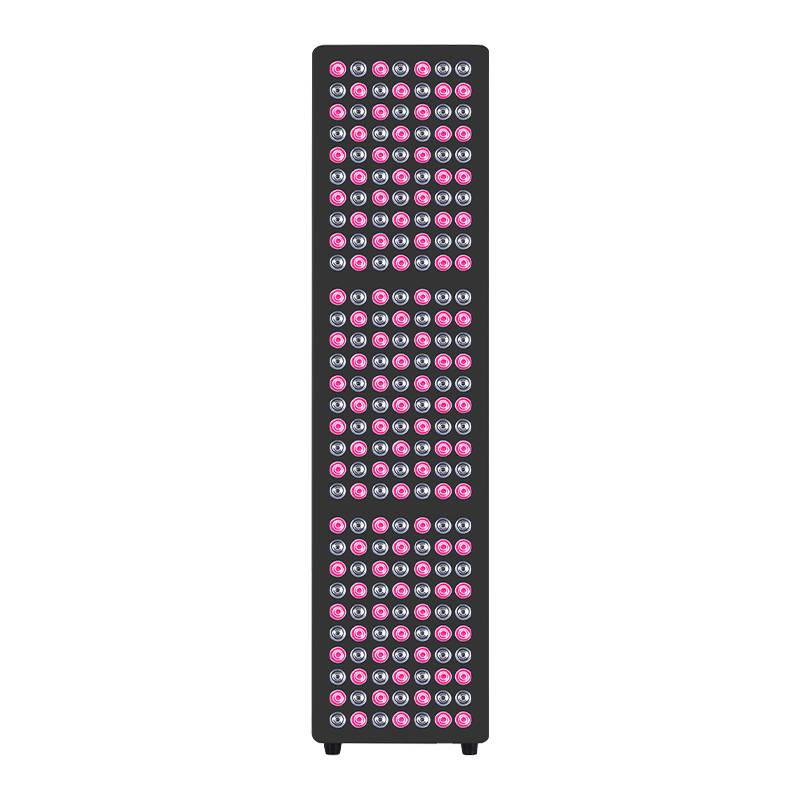
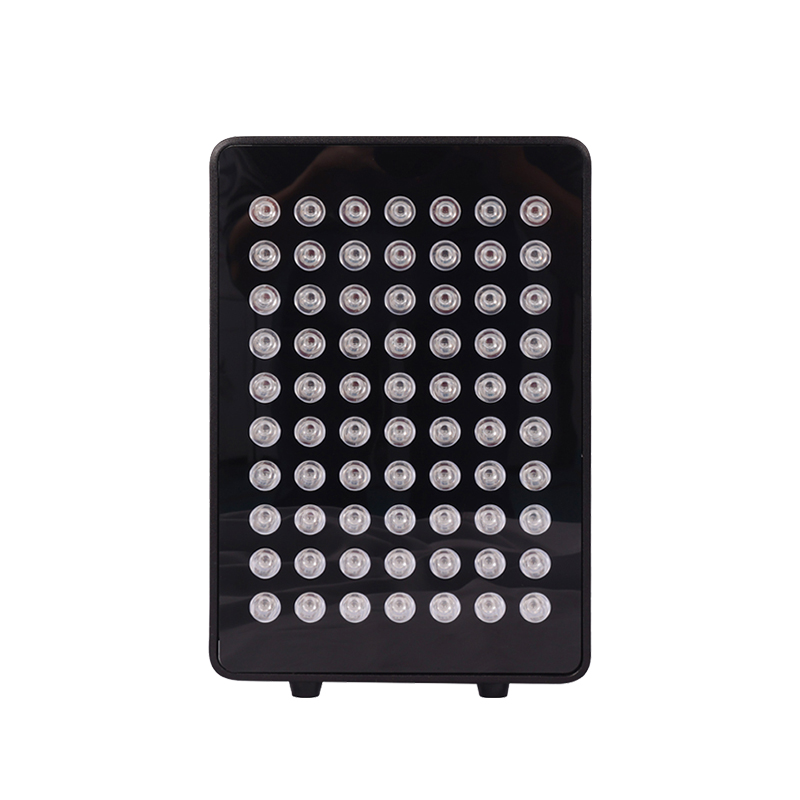
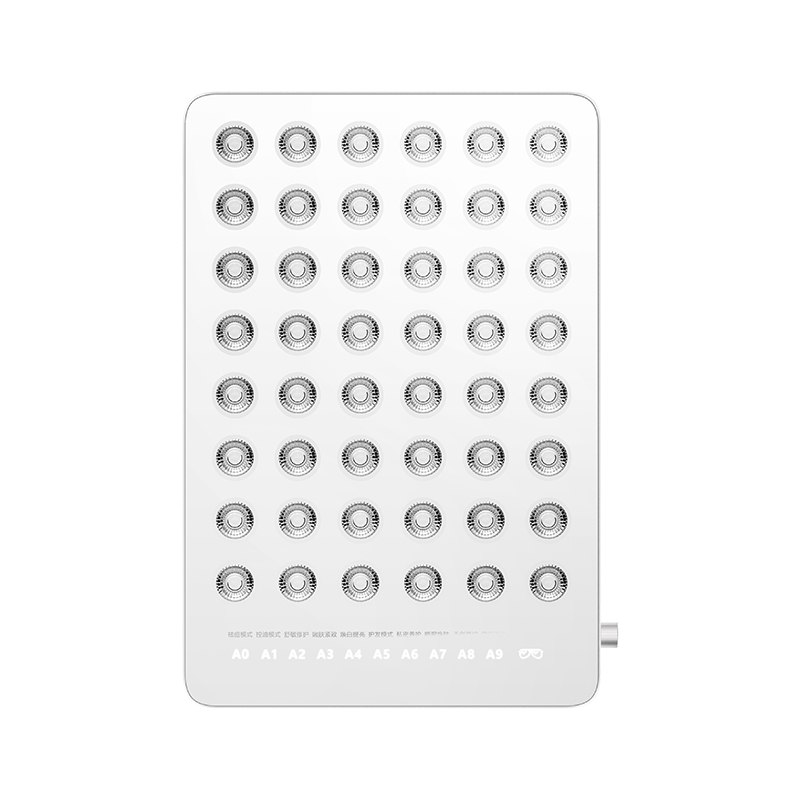
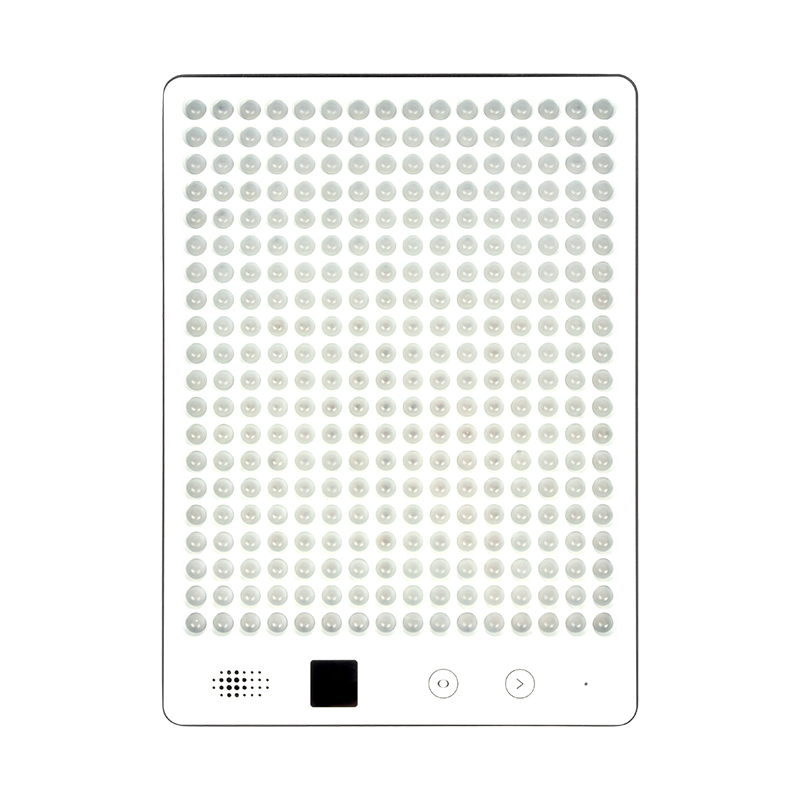
Many modern red light therapy devices combine nga roangaru whero me te tata-infrared for maximum therapeutic benefit. This dual-wavelength approach allows the treatment of both surface-level a deep tissue issues in one session.
Hei tauira:
- 660nm rama whero can boost collagen for skin rejuvenation
- 850nm tata-infrared rama can reduce joint pain and inflammation deeper in the body
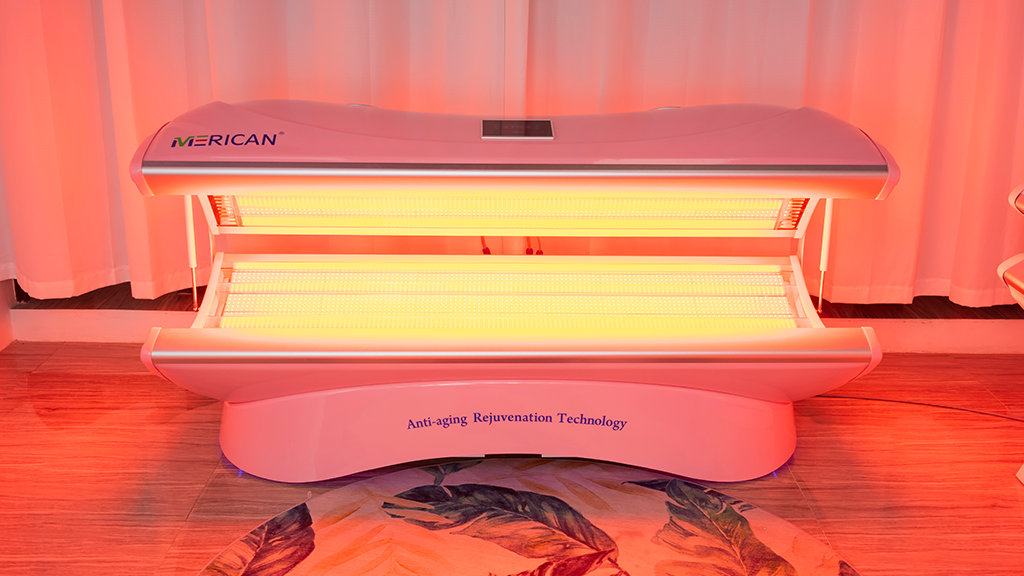
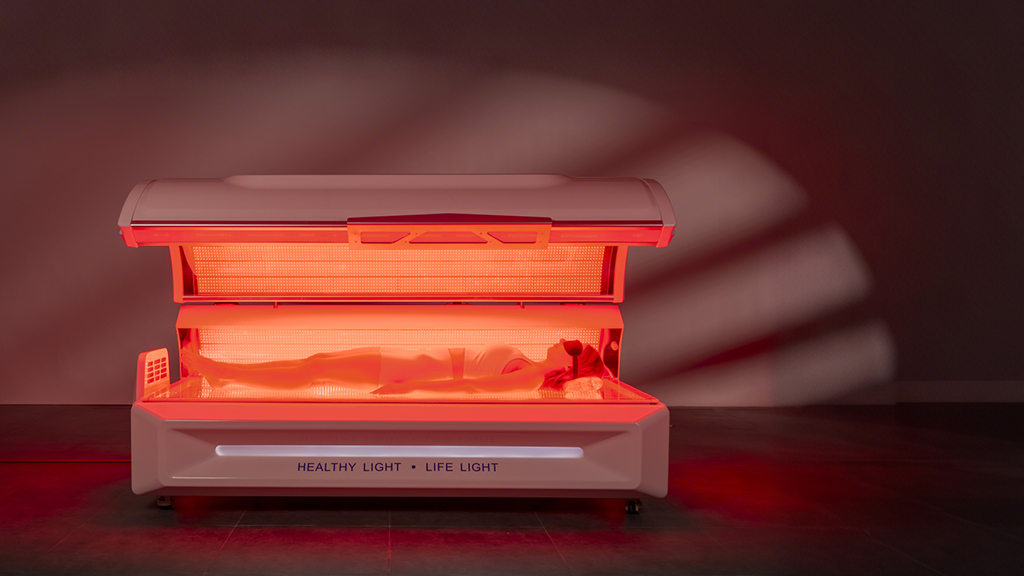
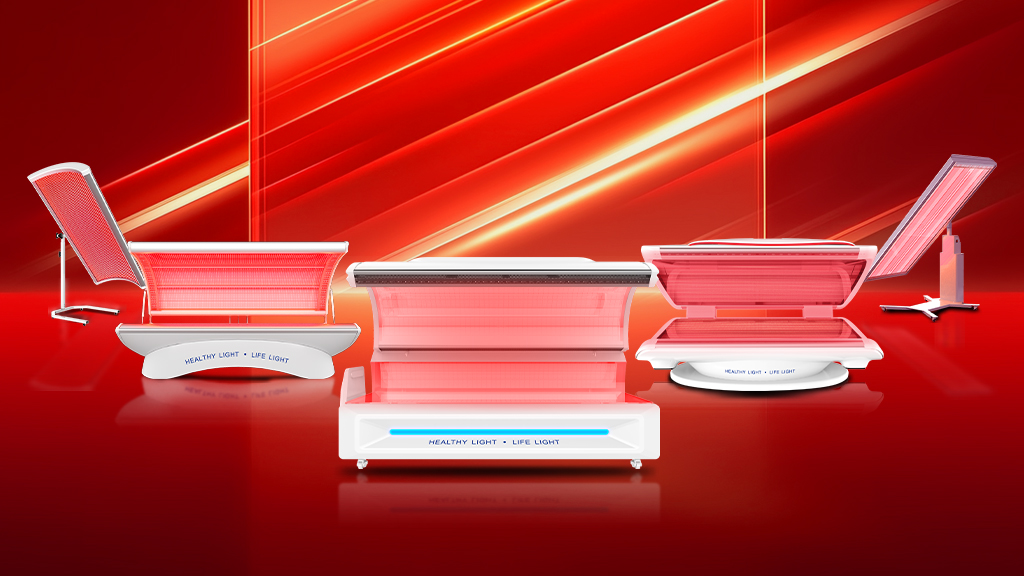
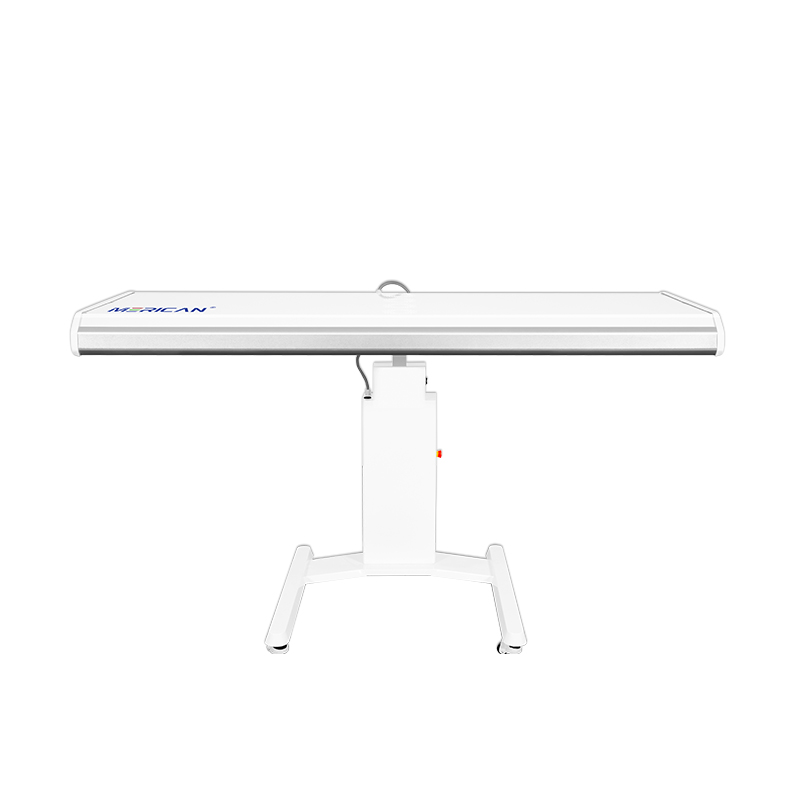
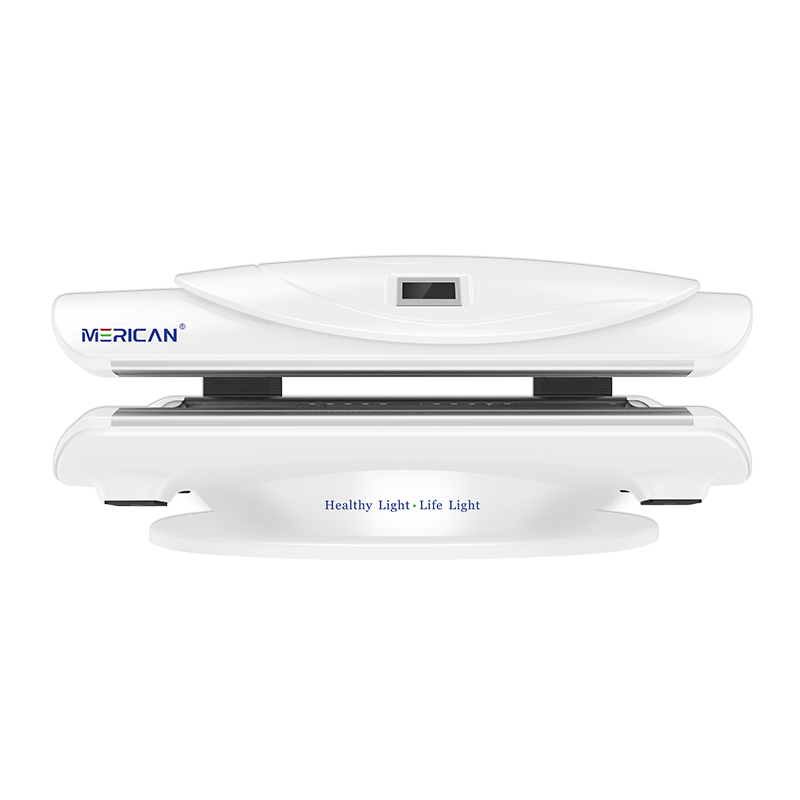
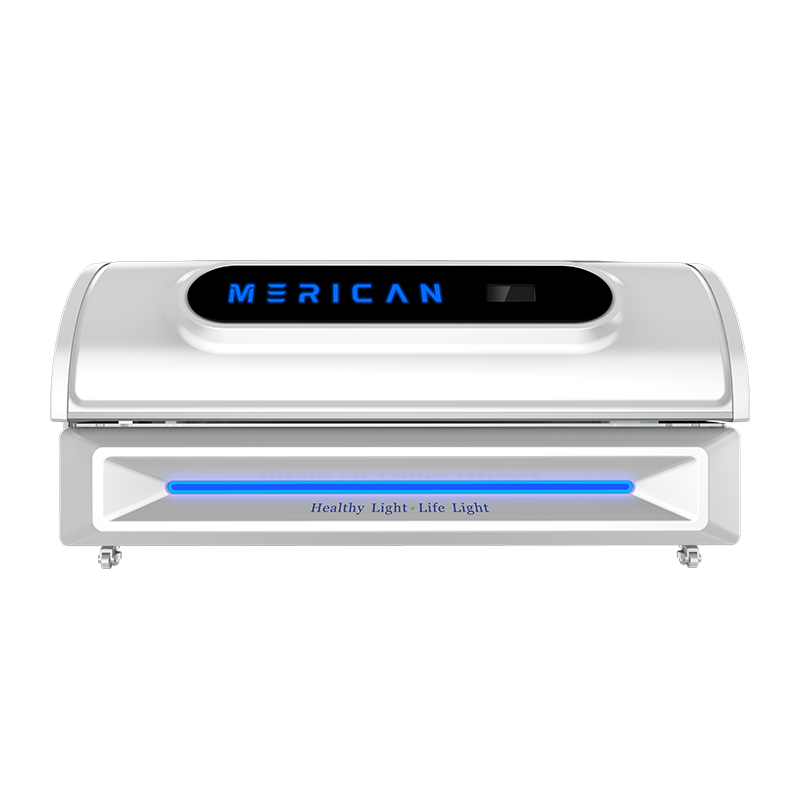
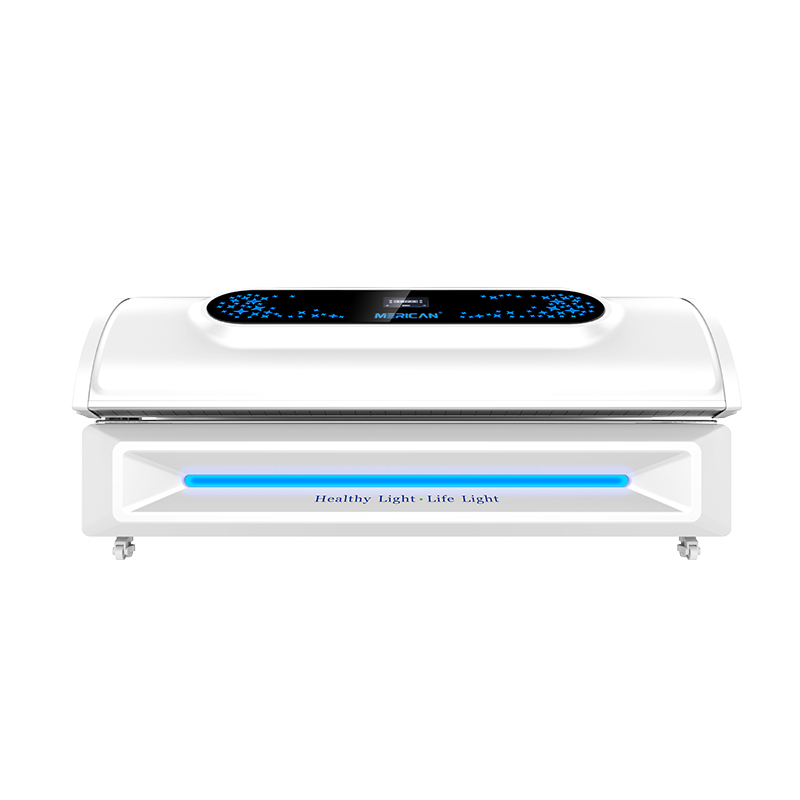
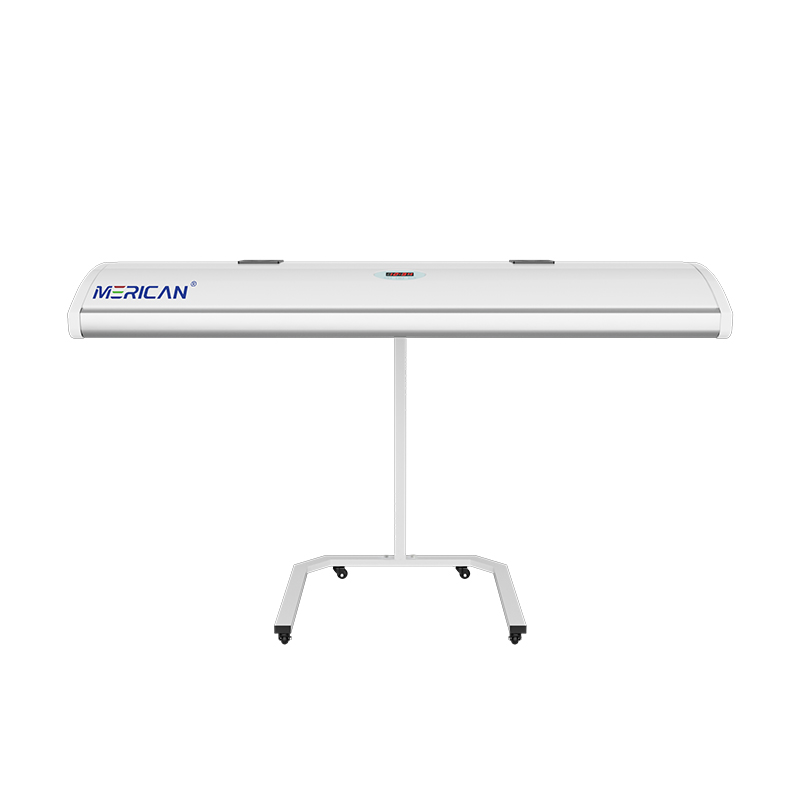
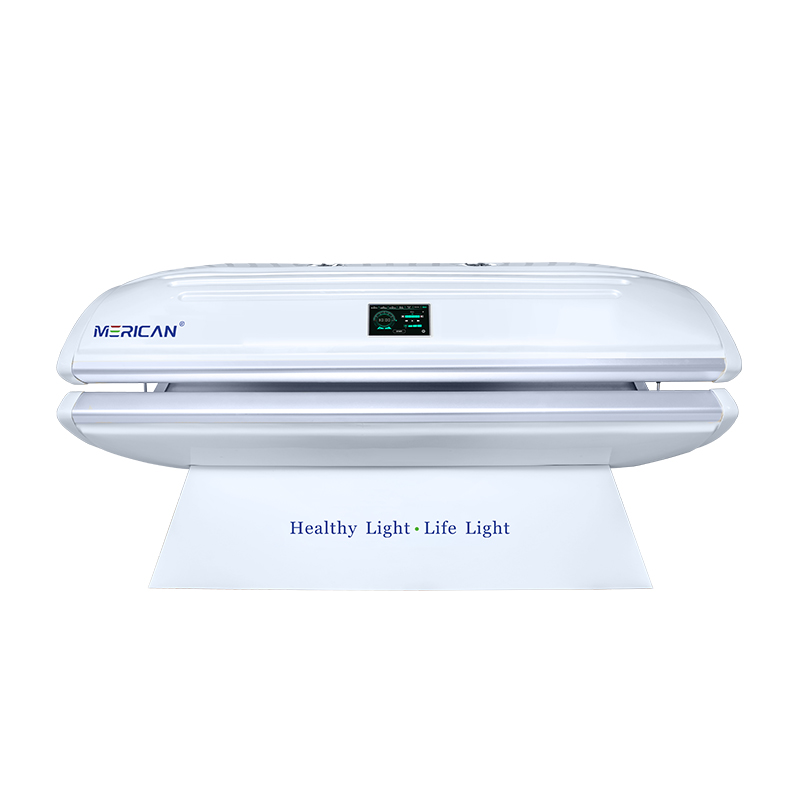
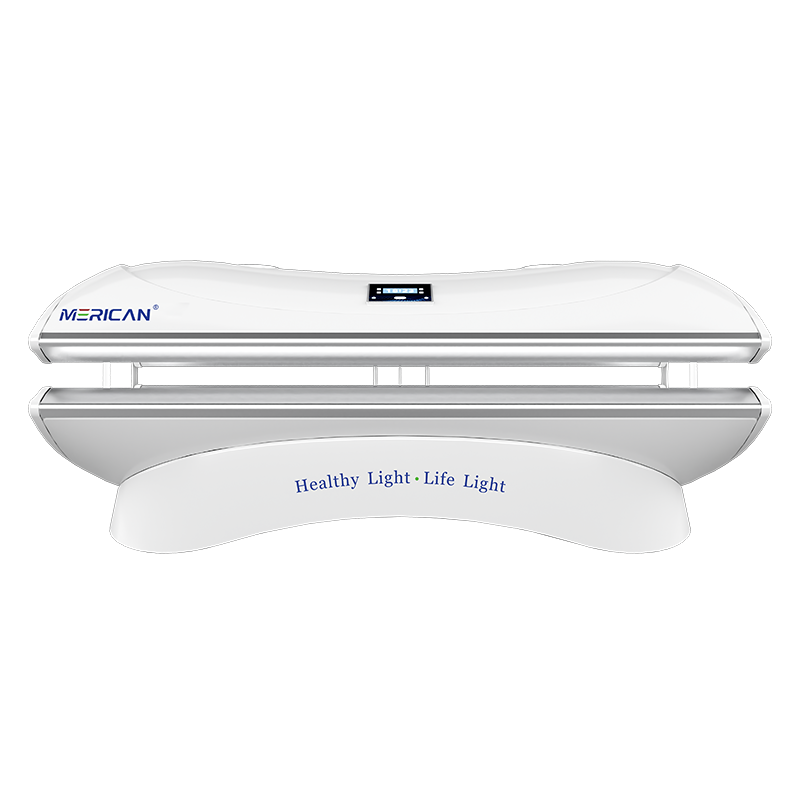
This combination is especially popular in full-body therapy beds and panels.
Nga Whakaaro Whakamutunga
Red light therapy and infrared therapy are not exactly the same — but they’re closely related and often work best together. Red light targets surface skin concerns, while infrared goes deeper to relieve pain and support recovery. Whether you’re aiming for younger-looking skin or relief from sore muscles, understanding the difference helps you choose the right device — or combination — for your wellness goals.