Kupu Whakataki: Te tirotiro i te Hononga Pumanawa i waenga i te Maama Whero me te Epilepsy
Ko te Epilepsy he mate neurological uaua e pa ana ki te mahi o nga tohu hiko i roto i te roro. Mo nga tangata e noho mate ana i te mate mate rewharewha, Ko te nuinga o nga wa ka uru ki te whakahaere i te hopukanga nga rongoa penei i nga rongoa aukati, whakarerekētanga noho, me te aroturuki auau a nga tohunga hauora.
I nga tau tata nei, maimoatanga rama whero, mohiotia hoki ko rongoā photobiomodulation (PBMT), kua piki ake te hiahia o te aoiao na te kaha o ona paanga ki te kaha o te waea, mumura, me te mahi neurological.
Na tenei i arahi te tini o nga tangata ki te patai:
Ka taea e te whakamaarama rama whero te awhina i nga mate epilepsy?
Ko te whakautu o naianei ko te whakamaarama rama whero ehara i te maimoatanga kua whakaaetia mo te mate rewharewha me te kore e taea te whakakapi i te tiaki hauora. Heoi ano, Kei te tirotirohia e nga kairangahau mehemea ka tautokohia e te photobiomodulation te hauora roro ma te awe i nga tukanga koiora e uru ana ki te mahi pūkoro me te toenga neurological..
Ka tirotirohia e tenei tuhinga he aha te maaramatanga o te aoiao mo te rongoa rama whero, mate urutomo, and the potential role of photobiomodulation in supporting overall neurological wellness.
What Is Epilepsy and Why Does Brain Health Matter?
Epilepsy is a neurological disorder characterized by repeated seizures caused by sudden, uncontrolled electrical activity in the brain.
During a seizure, groups of neurons may become excessively active, leading to temporary changes in:
- Movement
- Awareness
- Sensory experiences
- Behavior
- Consciousness
The causes of epilepsy vary widely and may include:
- Genetic factors
- Brain injuries
- Developmental conditions
- Infections affecting the brain
- Structural changes in brain tissue
Because the brain is one of the body’s most energy-demanding organs, maintaining healthy cellular function is an important area of neurological research.
This is where scientists have become interested in photobiomodulation.
Me pehea te Mahi Whakaora Marama Whero?
Red light therapy uses specific wavelengths of visible red light and near-infrared light to stimulate biological responses inside cells.
The most commonly researched wavelengths include:
Maama Whero
630–660nm
Often associated with surface-level applications such as:
- Te whakahou kiri
- Tissue recovery
- Cosmetic wellness
Maama-Pokarere Tata
810–850nm
Often studied for deeper tissue interactions, tae atu ki:
- Te whakaora uaua
- Cellular energy support
- Neurological research applications
When light reaches cells, it may interact with mitochondria, which are responsible for producing cellular energy.
This process is known as photobiomodulation.
Could Red Light Therapy Support Brain Function?
Although more research is needed, scientists are exploring several ways red light therapy may influence brain-related processes.
1. Supporting Neuronal Energy Metabolism
Neurons require continuous energy to maintain communication.
Mitochondria produce ATP, the energy source that allows cells to perform essential functions.
Research into photobiomodulation suggests that red and near-infrared light may influence mitochondrial activity.
Kei roto i nga waahi ka taea e koe:
- Te hanga pūngao pūtau
- Brain tissue recovery
- Stress response regulation
Healthy energy metabolism is considered important for maintaining normal neurological function.
2. Red Light Therapy and Neuroinflammation
Inflammation is a natural biological response, but excessive or prolonged inflammation may affect many body systems, including the nervous system.
Researchers are studying whether photobiomodulation may influence inflammatory pathways.
Potential mechanisms being explored include:
- Regulation of inflammatory signaling
- Support of cellular balance
- Improvement of tissue recovery processes
Heoi ano, the relationship between inflammation, mate urutomo, and light therapy remains an ongoing research topic.
3. Supporting Oxidative Balance in Cells
The brain uses significant amounts of oxygen to support its activity.
This high energy demand means brain cells are particularly sensitive to oxidative stress.
Scientists are investigating whether photobiomodulation may influence:
- Antioxidant responses
- Cellular stress management
- Mitochondrial efficiency
These findings may help researchers better understand how light-based therapies interact with neurological systems.
Can Red Light Therapy Prevent Seizures?
I tenei wa, there is no scientific evidence proving that red light therapy can prevent epilepsy seizures.
Seizures are influenced by many factors, tae atu ki:
- Brain chemistry
- Medication response
- Individual triggers
- Genetics
- Nga tauira moe
- Stress levels
For people with epilepsy, proven medical treatments remain the foundation of seizure management.
Red light therapy should only be considered a possible supportive wellness tool and should never replace prescribed epilepsy care.
Research Interest in Photobiomodulation and Neurological Conditions
The field of photobiomodulation neuroscience is expanding.
Researchers are studying light therapy in relation to various neurological areas, tae atu ki:
- Brain injury recovery
- Te mahi hinengaro
- Neurodegenerative conditions
- Mental wellness
- Cellular repair mechanisms
The reason for this interest is that light may influence biological pathways related to:
- Te whakaputanga hiko
- Cellular communication
- Tissue responses
Heoi ano, many neurological applications remain under investigation and require further clinical research.
Safety Considerations for People With Epilepsy
While red light therapy is generally considered non-invasive, people with epilepsy should use caution.
1. Discuss With a Medical Professional
I mua i te tiimata o te rongoa rama whero, individuals with epilepsy should consult their healthcare provider.
A doctor can evaluate:
- Medical history
- Seizure type
- Current medications
- Individual risk factors
2. Consider Photosensitivity
Some individuals with epilepsy may have photosensitive epilepsy, where certain visual patterns or flashing lights can trigger seizures.
I te wa e whiriwhiri ana i tetahi taputapu whakamaarama rama whero:
Choose equipment with:
- Stable LED output
- Non-flashing operation
- Professional safety design
3. Whaia nga Aratohu Kaihanga
Professional red light therapy equipment should always be used according to:
- Recommended session duration
- Appropriate distance settings
- Manufacturer instructions
Ko te nui ake o nga whakaaturanga ehara i te mea he pai ake nga hua.
He aha i rongonuihia ai te rongoa rama whero-tinana
Beyond neurological research, full-body red light therapy has become popular in wellness industries because many users seek non-invasive approaches for:
- Whakaora
- Te whakangā
- Skin wellness
- Athletic performance support
- General health optimization
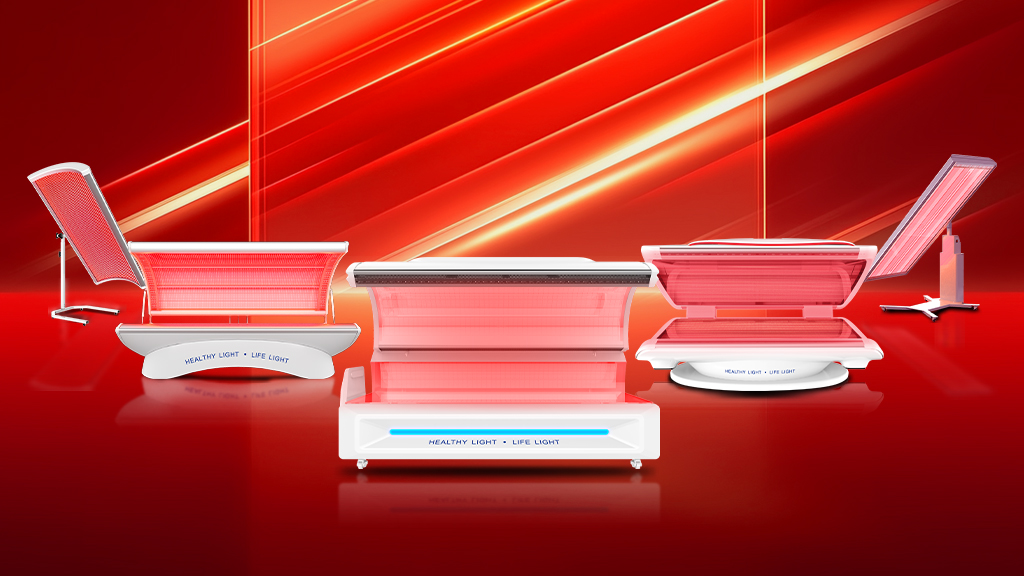
Commercial red light therapy beds allow wellness businesses to provide customers with a convenient full-body experience.
Popular locations include:
- Nga whare hauora ataahua
- Nga whare whakapakari tinana
- Nga haumanu
- Wellness studios
- Nga whare whakaora
How to Choose a Commercial Red Light Therapy Bed
Businesses investing in red light therapy equipment should consider several factors:
Te Tikanga Ngaru
Professional systems should provide consistent red and near-infrared wavelengths.
Kounga LED
High-quality LEDs help ensure stable performance and customer experience.
User Comfort
A comfortable design improves customer satisfaction and repeat visits.
Tautoko Kaihanga
Reliable suppliers should provide:
- Technical assistance
- Product customization
- After-sales service
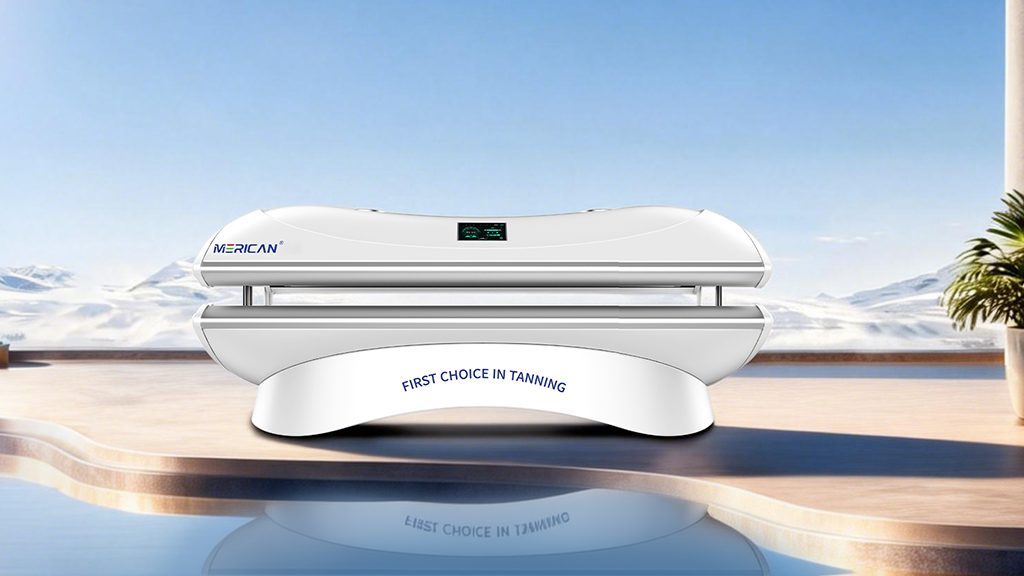
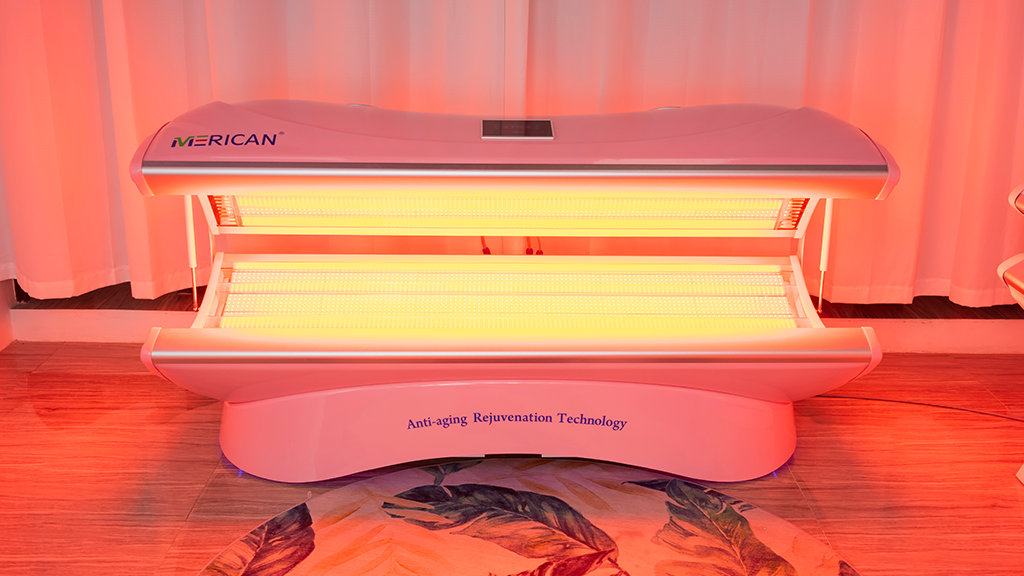
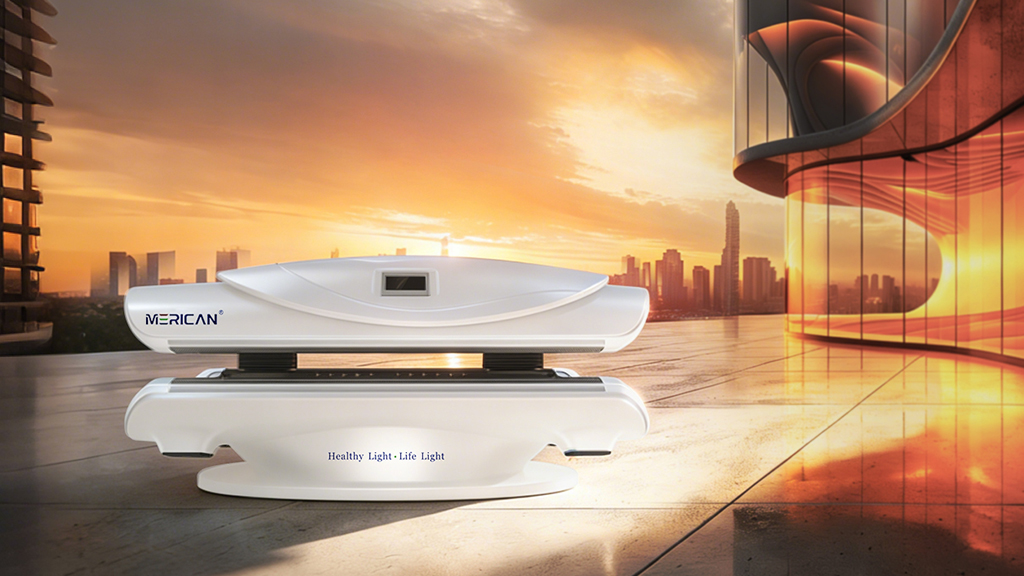
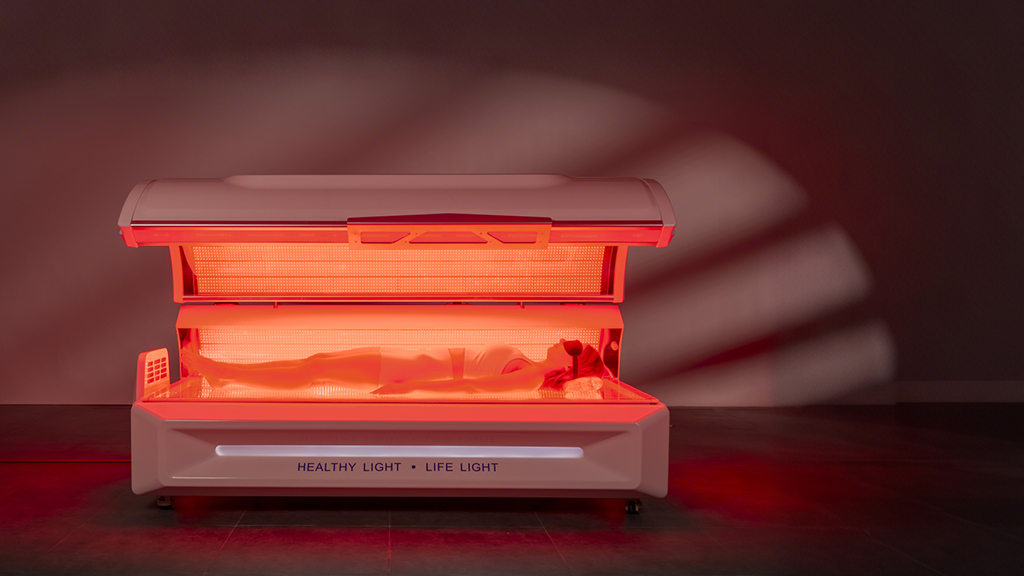
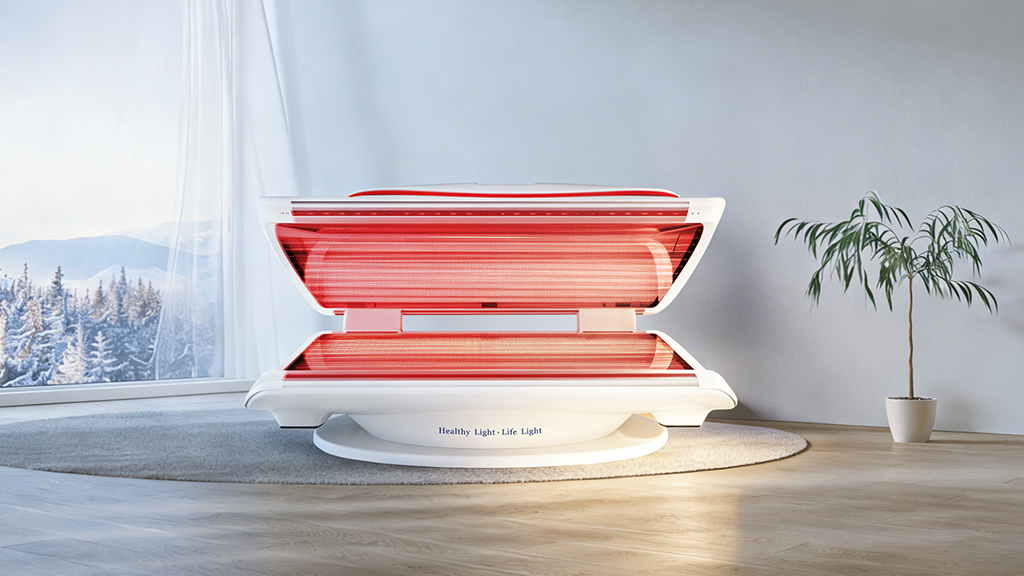
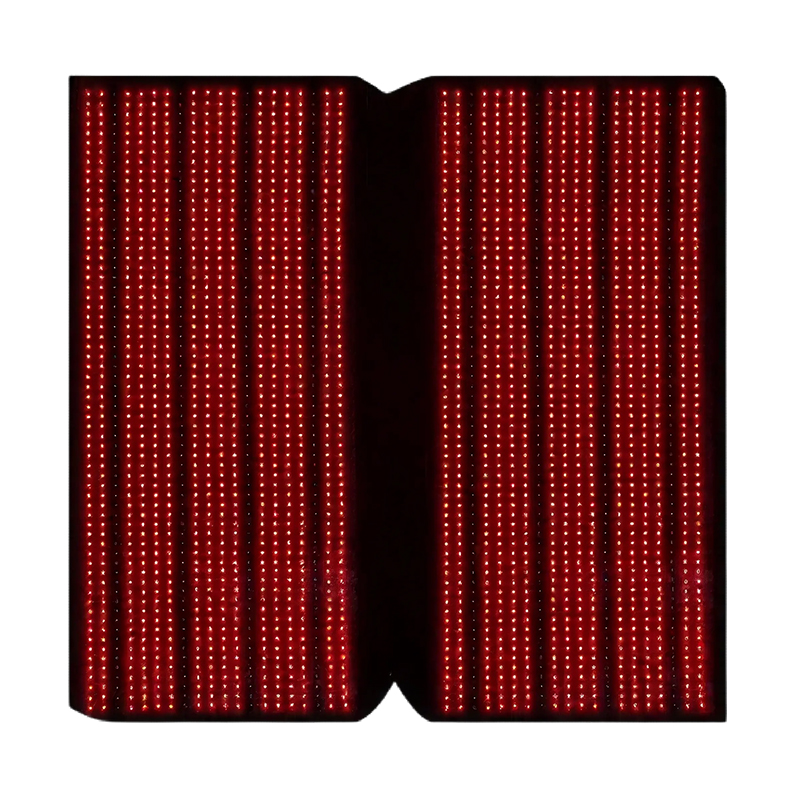
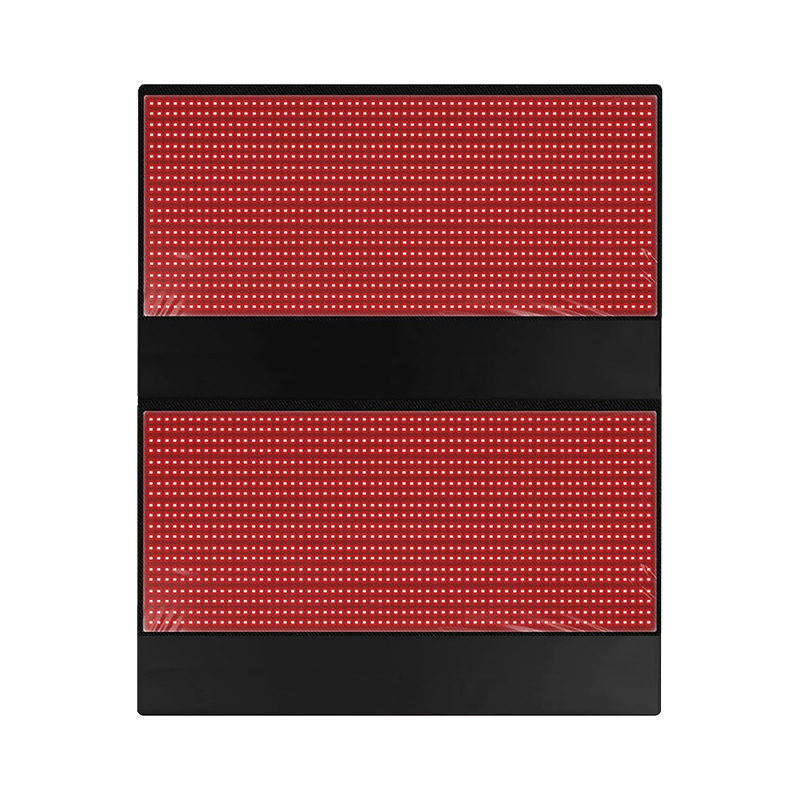
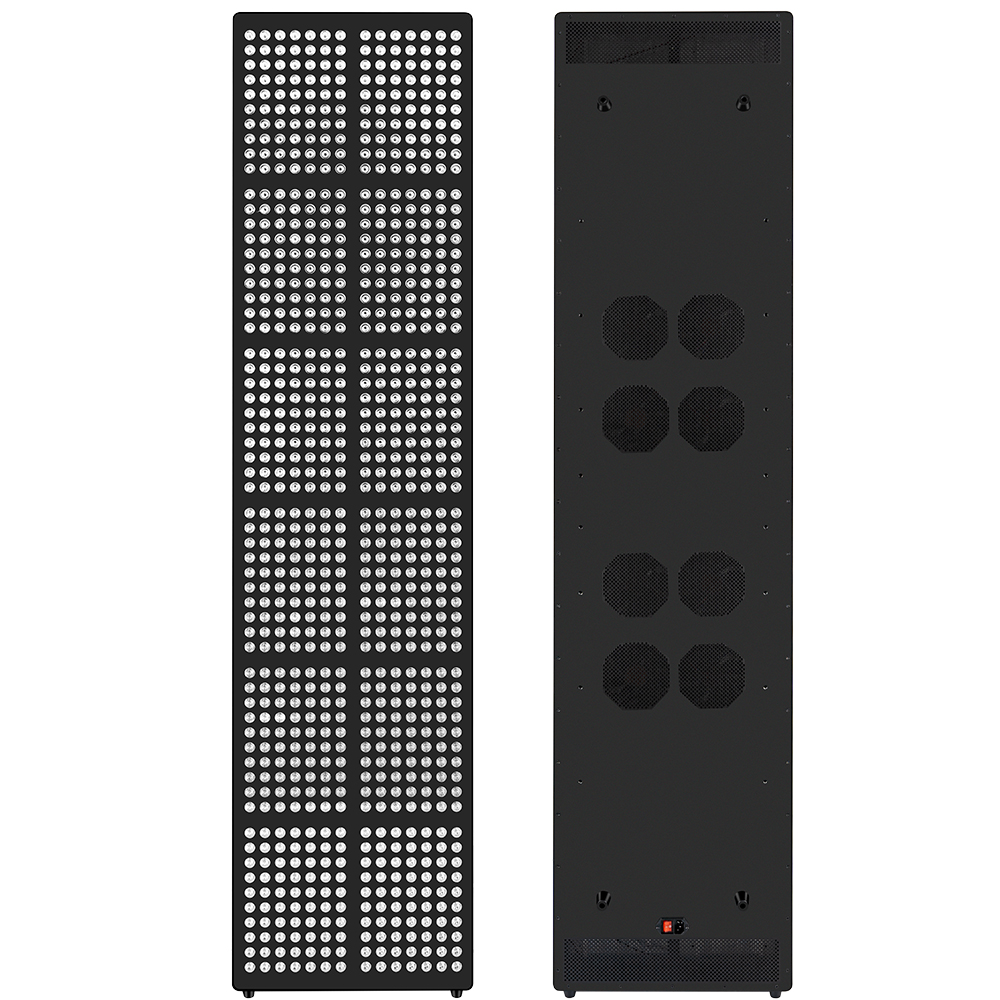
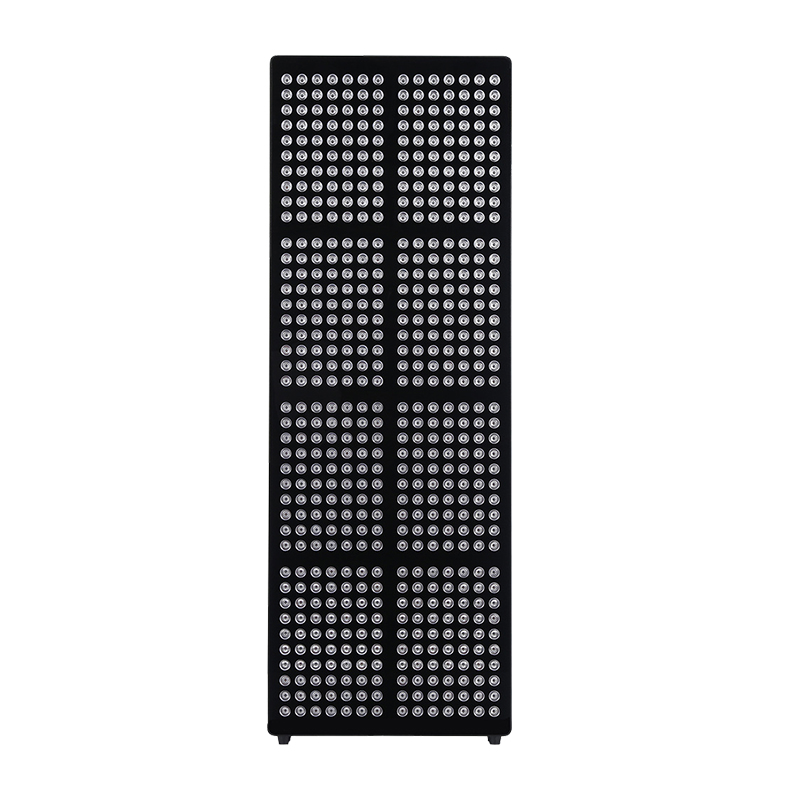
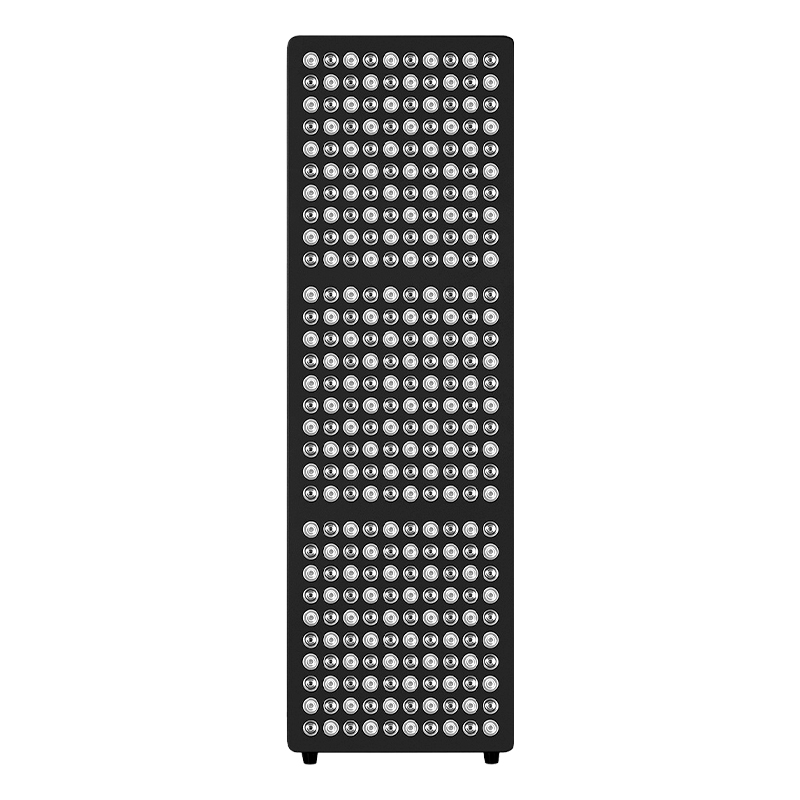
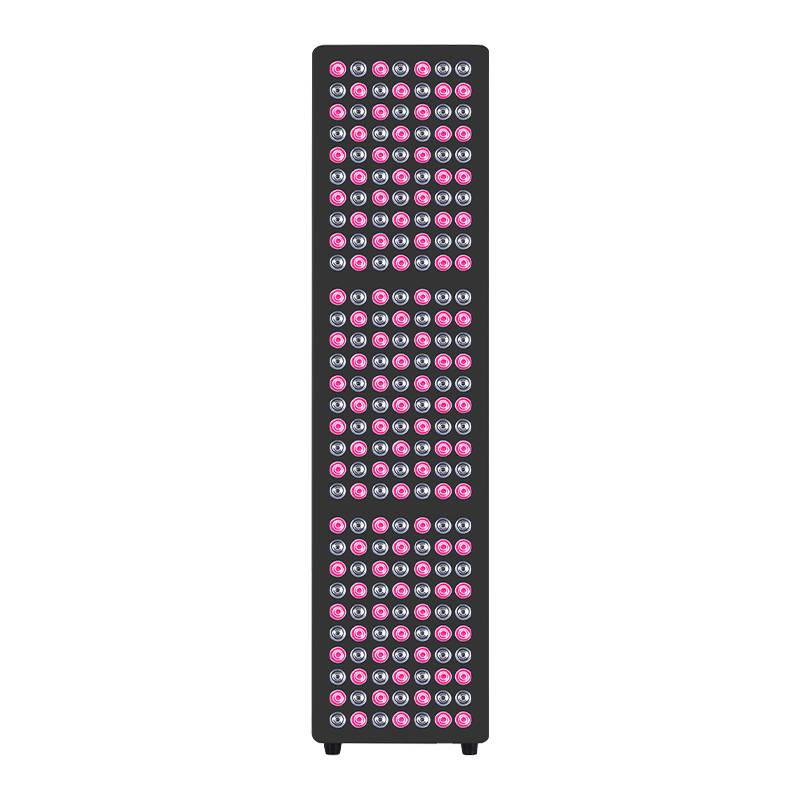
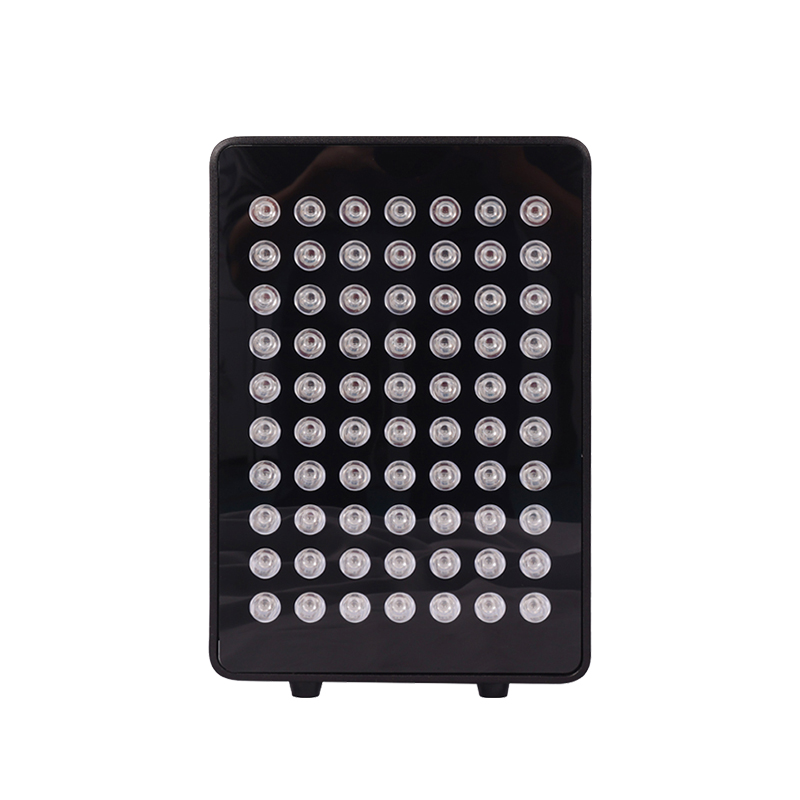
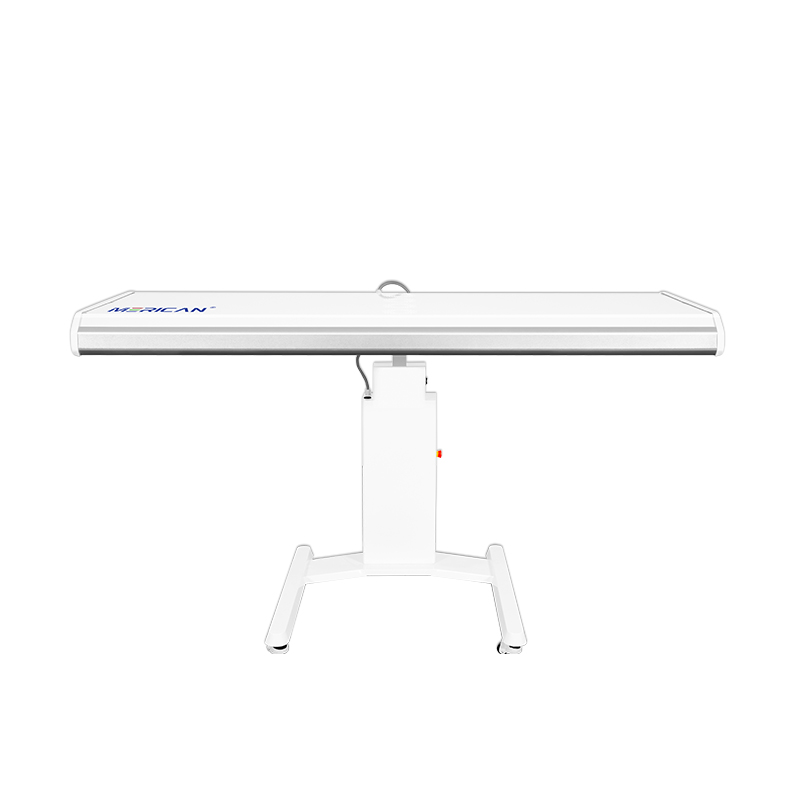
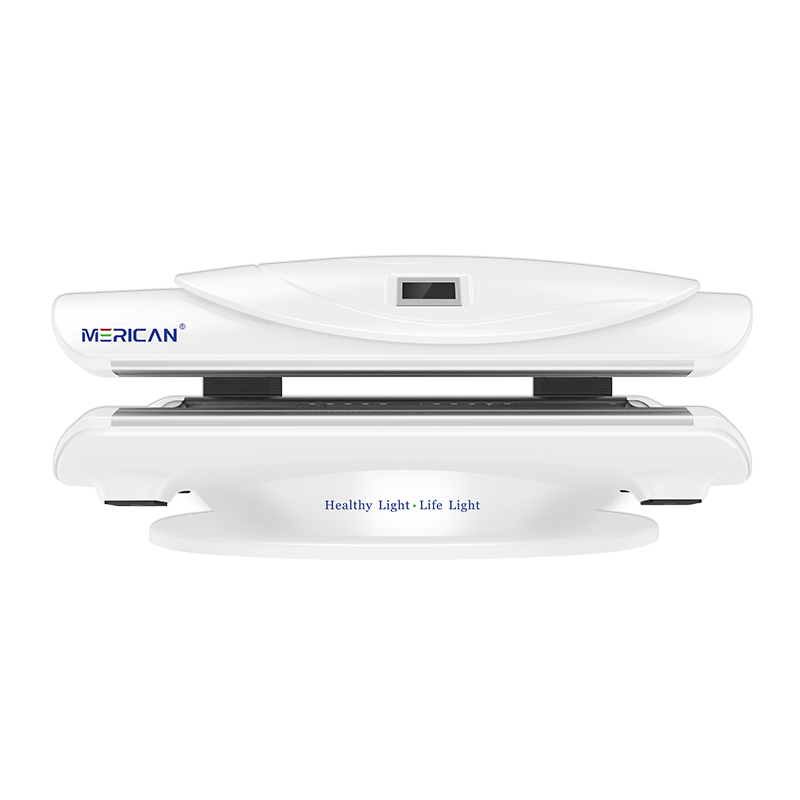
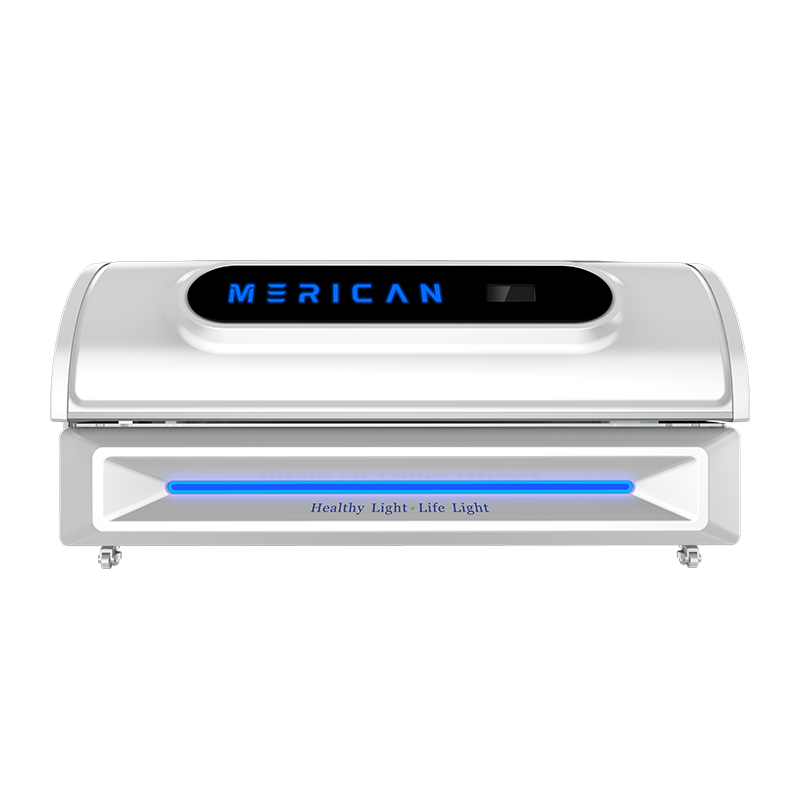
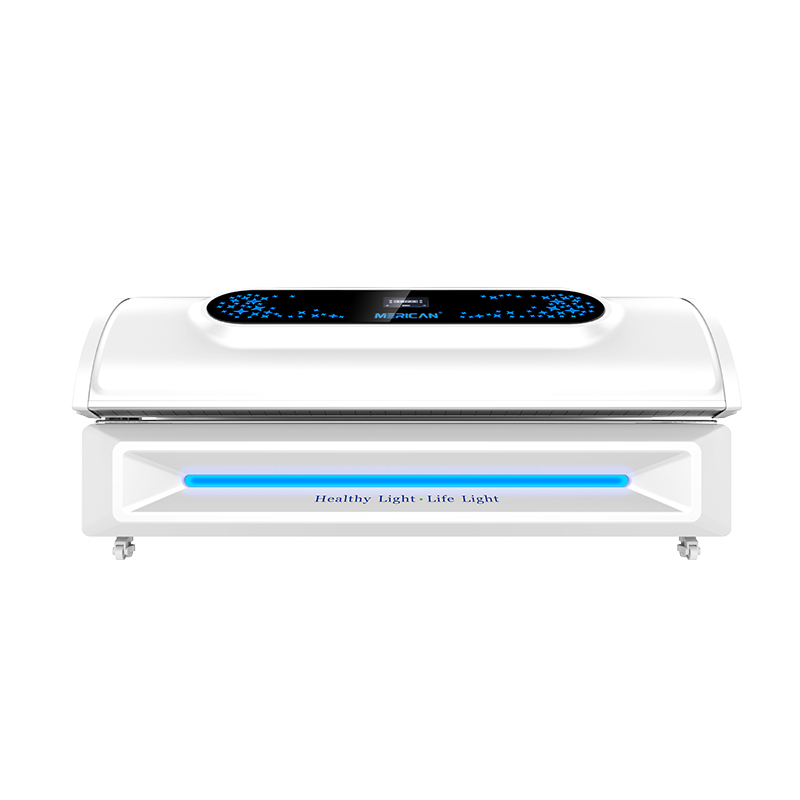
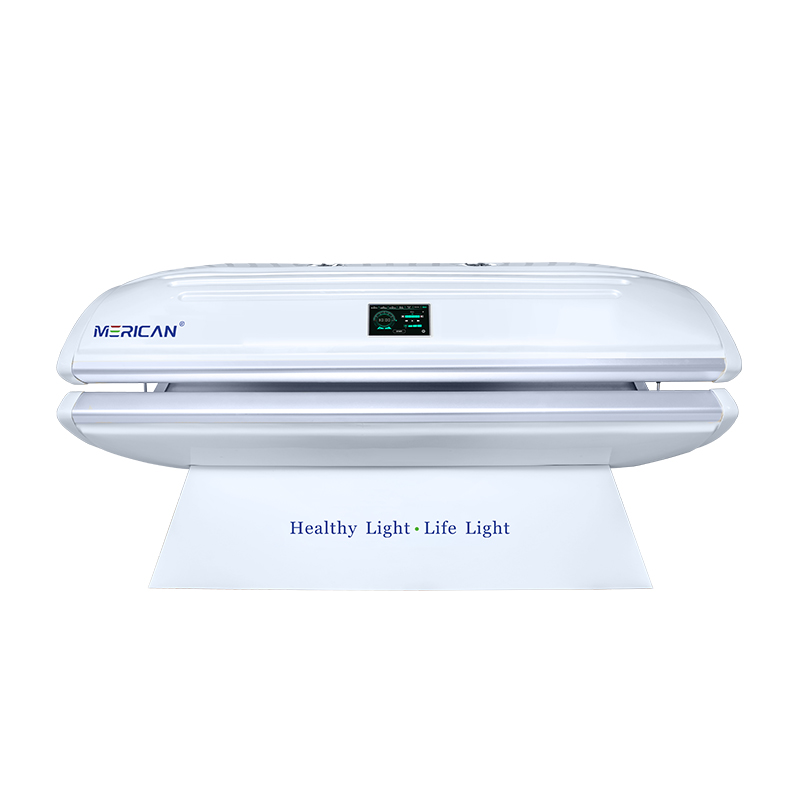
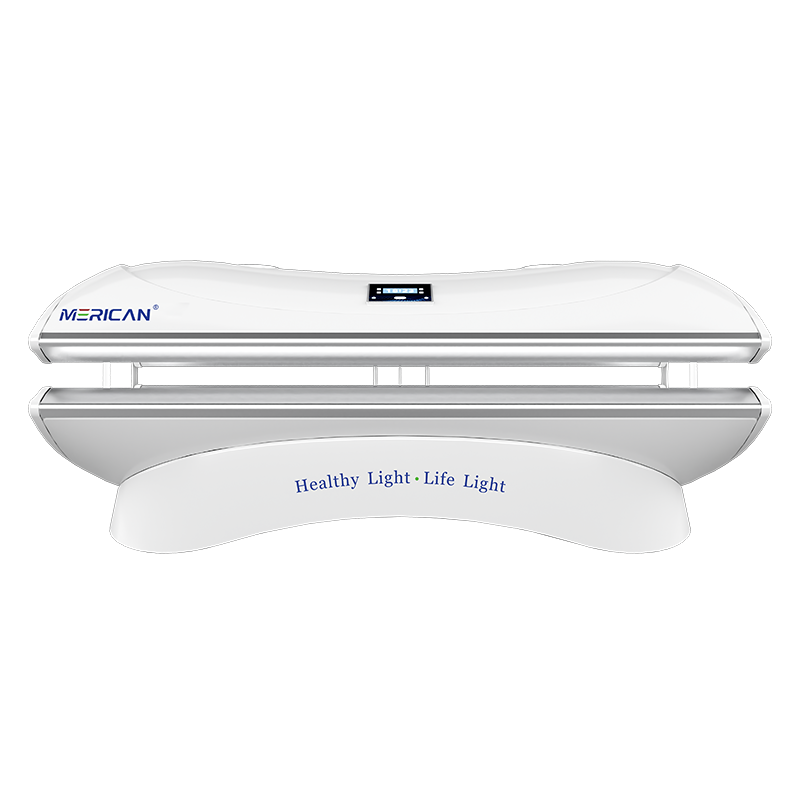
Rongoa Manakohia: Merican Whero Whero Therapy Moenga M4N
For businesses seeking a professional full-body photobiomodulation solution, Merican Whero Whero Therapy Moenga M4N is designed to meet commercial wellness needs.
The M4N combines advanced LED technology with a user-friendly full-body design, e tika ana mo:
- Nga whare hauora
- Nga whare ataahua
- Nga whare takaro
- Whare Whakaora
- Health optimization facilities
Main advantages include:
- Professional red and near-infrared wavelength technology
- Full-body coverage design
- Stable commercial operation
- Te wheako kaiwhakamahi whakamarie
- Suitable for customized business applications
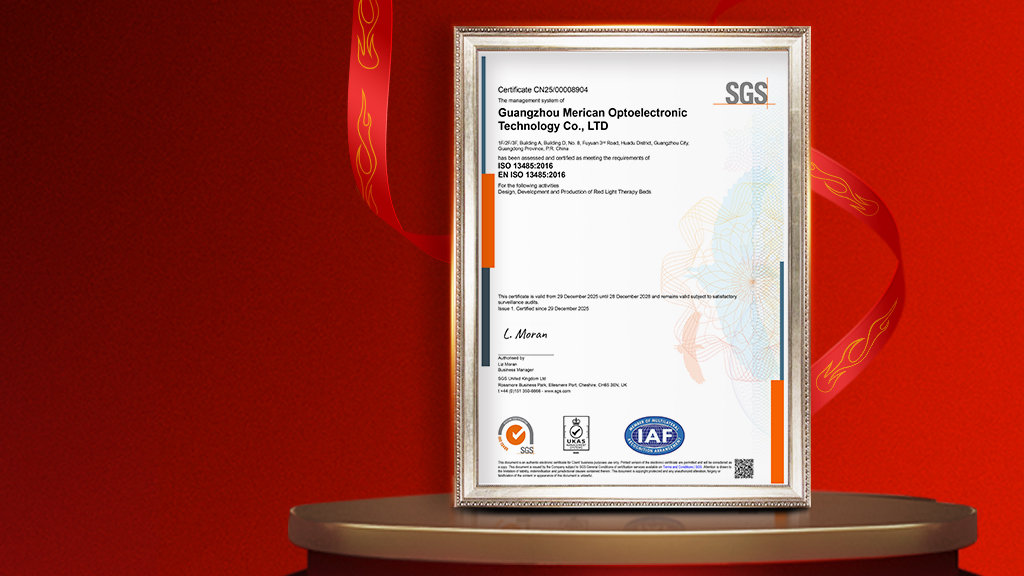
Me 18 years of experience in the light therapy industry, Ka whakarato ngaio a Merican OEM & ratonga whakaritenga ODM for worldwide customers.
Supported by a professional technical and R&kapa D, Merican can help partners develop customized products with:
- Customized appearance design
- Exclusive brand logo printing
- Private label solutions
- Personalized equipment configurations
Whether you operate a beauty salon, whare whakapakari tinana, kaukau, or wellness brand, Merican can provide tailored red light therapy solutions to match your business goals.
Merican is also actively recruiting nga kaihoko me nga tohatoha o te ao to build long-term partnerships and expand professional red light therapy solutions worldwide.
Whakamutunga: The Future of Red Light Therapy and Epilepsy Research
The relationship between red light therapy and epilepsy is an emerging area of scientific exploration.
Current evidence does not show that red light therapy can cure epilepsy or directly stop seizures. Heoi ano, research into photobiomodulation continues because of its potential influence on cellular energy, mumura, and neurological wellness.
For individuals with epilepsy, medical treatment remains essential. Red light therapy may be considered a complementary wellness technology when used responsibly and with professional guidance.
As research continues, photobiomodulation may provide new insights into how light-based technologies can support human health and recovery.